
Plant Disease Outbreak Seasonal Calendar
Predict and prevent outbreaks. Select your agricultural region, month, and crops to view live disease peaks, weather trigger thresholds, and organic treatment strategies.
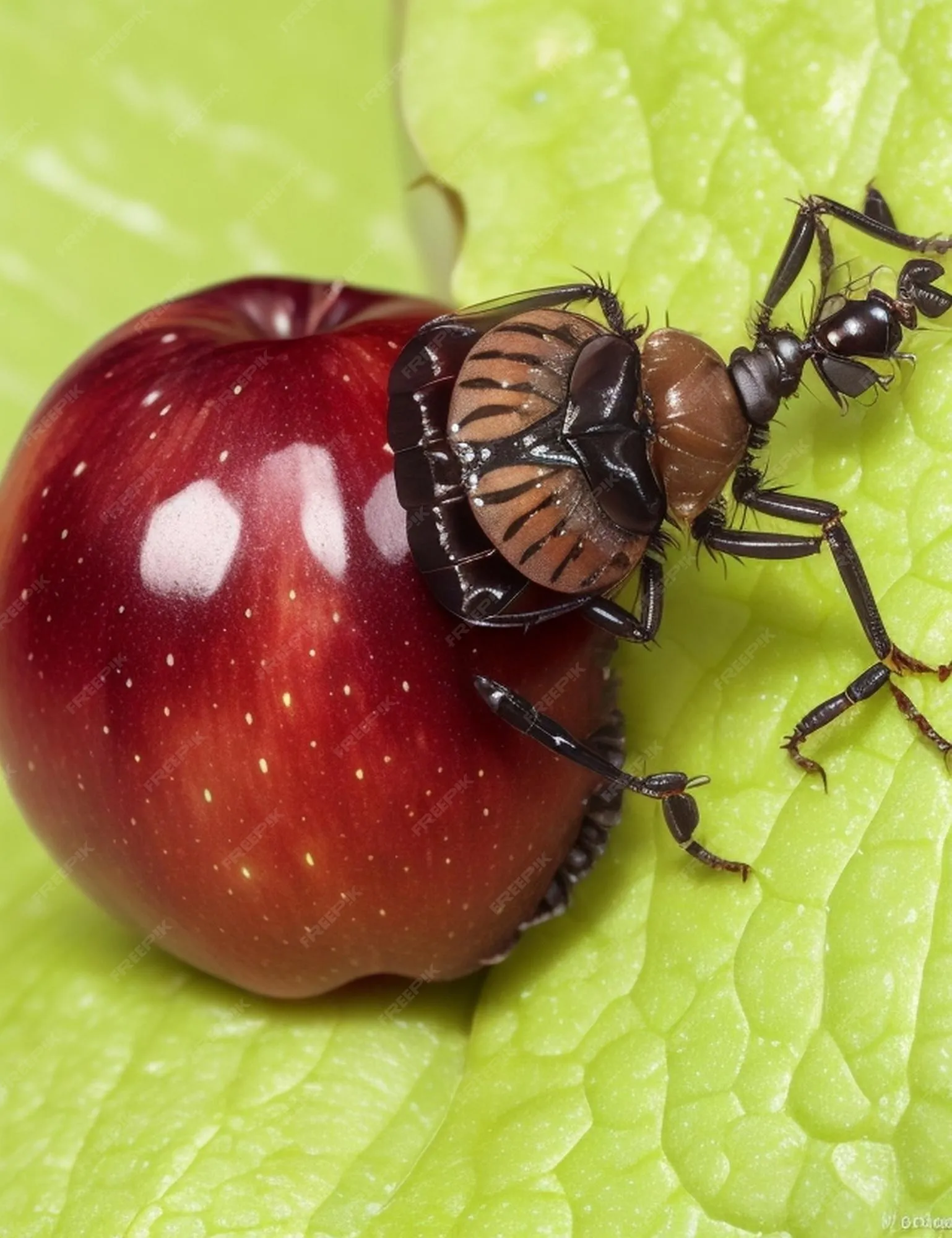
Apple Maggot
Rhagoletis pomonellaThe Apple Maggot (Rhagoletis pomonella), a highly destructive fruit-infesting fly larva belonging to the fruit fly family Tephritidae under the order Diptera, is a major economic pest of apples and various pome fruits across North America.
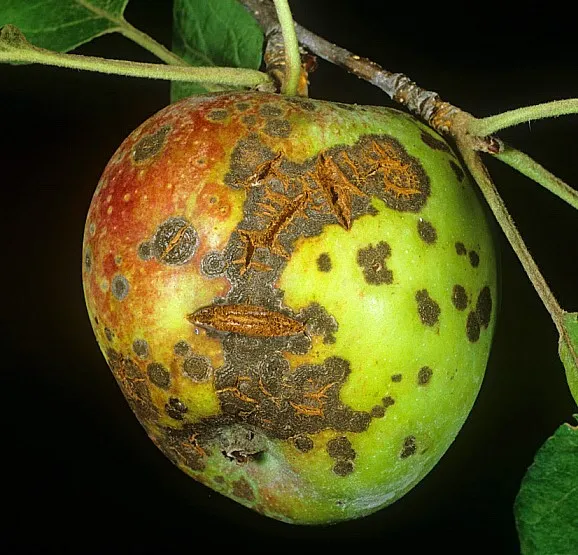
Apple Scab
Venturia inaequalisApple scab is arguably the most economically significant fungal disease affecting apple trees (Malus domestica) and ornamental crabapples worldwide. Caused by the ascomycete fungus Venturia inaequalis, this disease primarily targets the foliage and the developing fruit, leading to significant yield loss and reduced fruit quality.
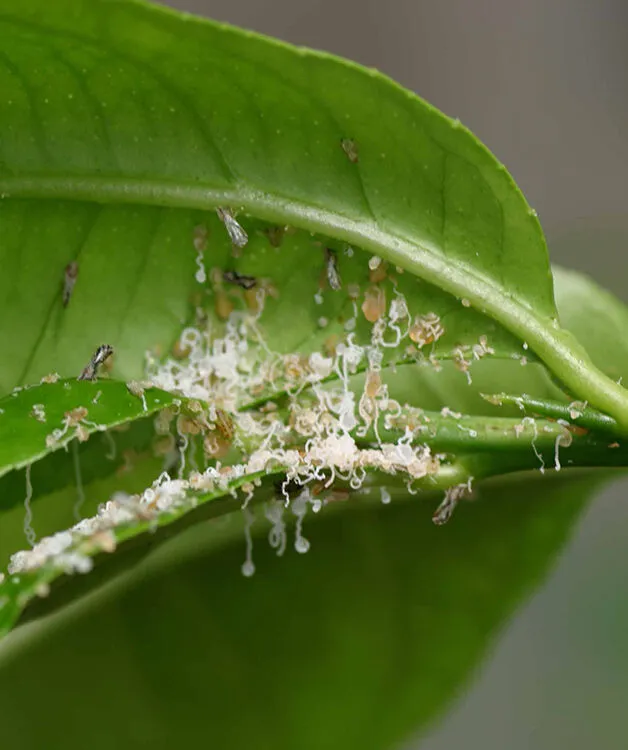
Asian Citrus Psyllid
Diaphorina citriThe Asian Citrus Psyllid (Diaphorina citri, family Liviidae) is a highly destructive, species-specific sap-sucking insect pest of citrus crops worldwide. Measuring only 3 to 4 mm, this pest represents a critical threat to citrus production.
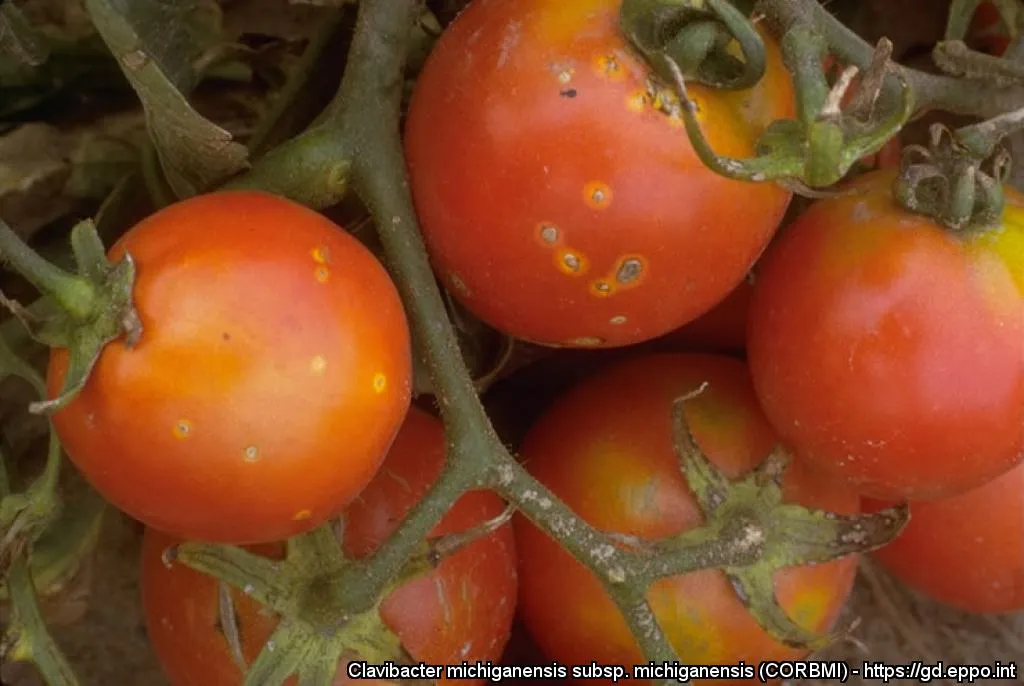
Bacterial Canker
Clavibacter michiganensisBacterial Canker (caused primarily by the gram-positive bacterium Clavibacter michiganensis in tomatoes, and Pseudomonas syringae in stone fruit trees) is a highly destructive, contagious bacterial disease capable of causing total crop f...
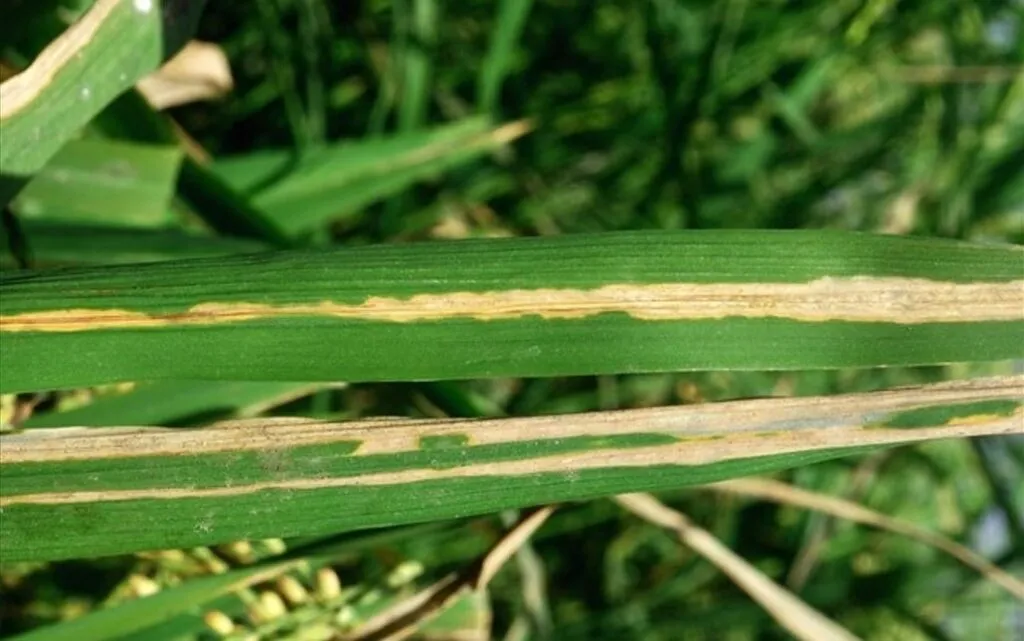
Bacterial Leaf Blight (Rice)
Xanthomonas oryzae pv. oryzaeBacterial Leaf Blight (BLB) of Rice, caused by the rod-shaped Gram-negative bacterial pathogen Xanthomonas oryzae pv. oryzae, is one of the most widespread and highly devastating systemic vascular diseases affecting rice (Oryza sativa) c...
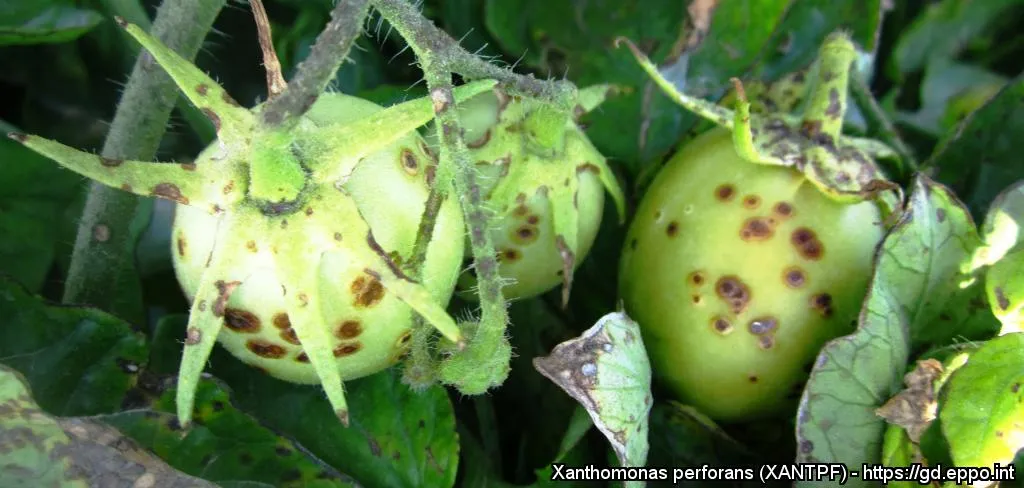
Bacterial Spot
Xanthomonas euvesicatoriaBacterial Spot is a highly destructive and economically devastating plant disease caused by several species of gram-negative bacteria in the genus Xanthomonas (most notably Xanthomonas euvesicatoria and Xanthomonas perforans).
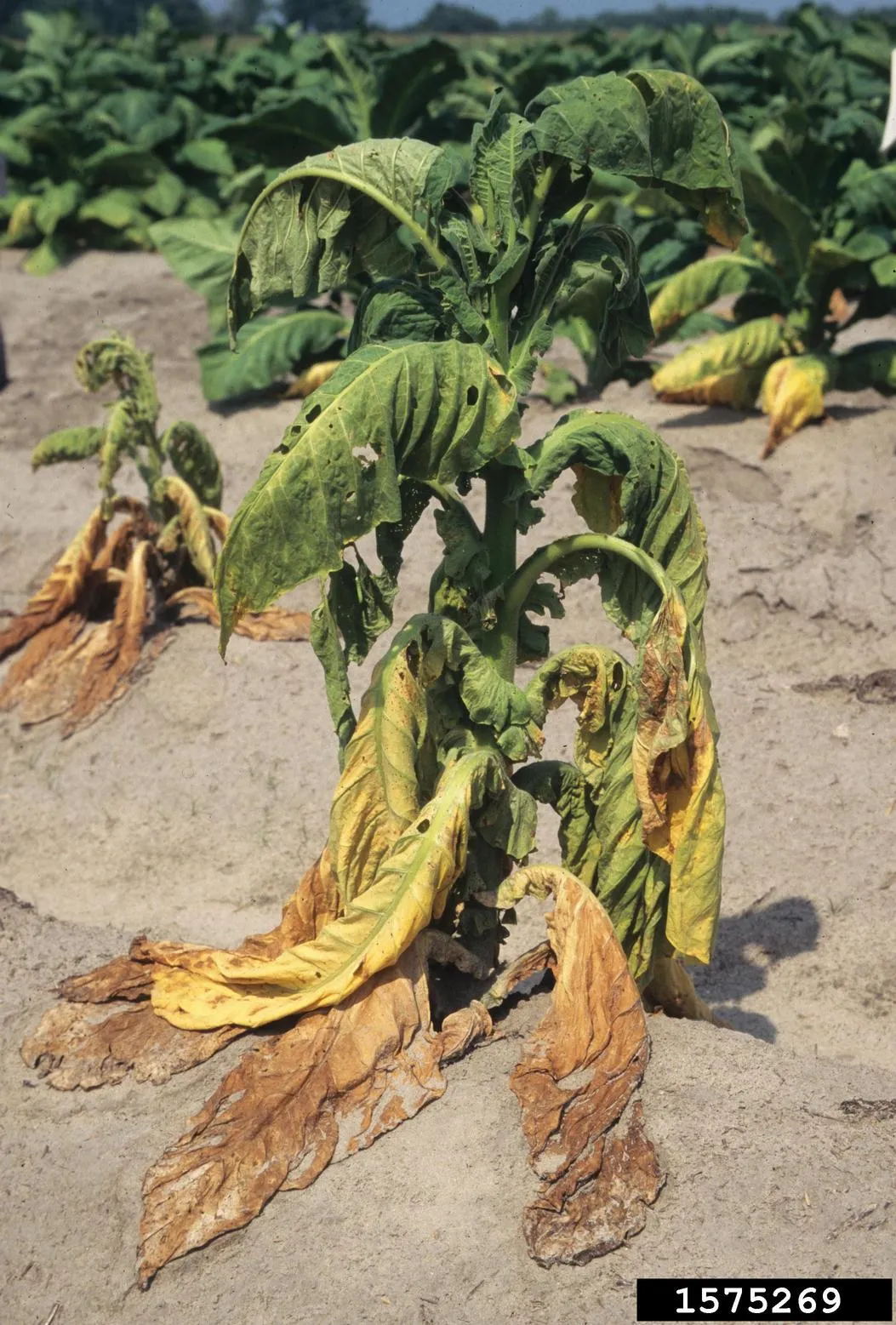
Bacterial Wilt
Ralstonia solanacearumBacterial Wilt, primarily caused by the soil-borne pathogen Ralstonia solanacearum, is a highly destructive and economically devastating vascular disease affecting a wide range of host crops, most notably Solanaceous plants like potatoes...
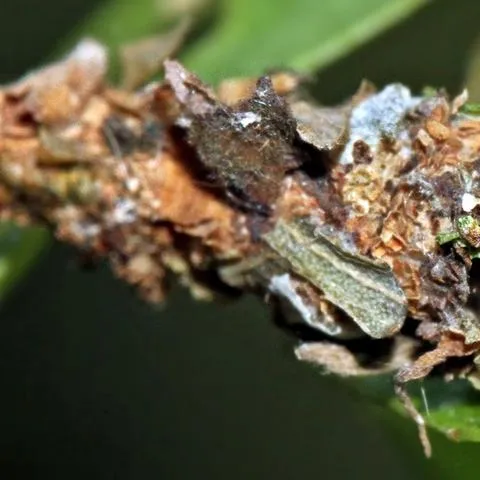
Bagworm
Thyridopteryx ephemeraeformisThe Bagworm (Thyridopteryx ephemeraeformis), a highly unique foliage-chewing caterpillar belonging to the family Psychidae under the order Lepidoptera, is a major pest of ornamental and forest evergreen trees across North America.
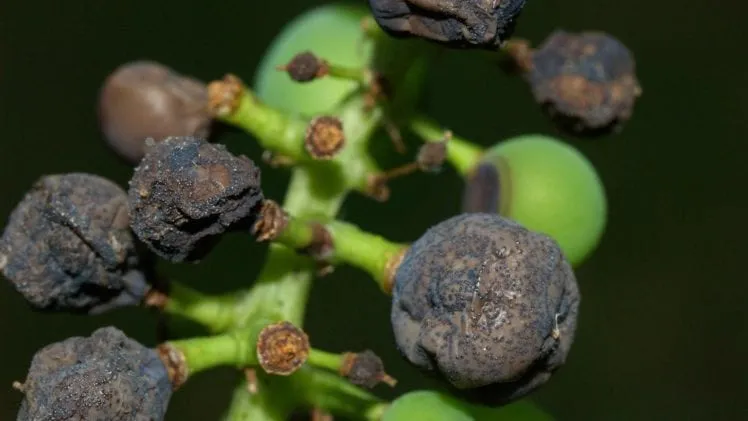
Black Rot (Grape)
Phyllosticta ampelicidaBlack Rot of grape is a highly destructive foliar and fruit disease caused by the specialized Ascomycete fungus Phyllosticta ampelicida (anamorph) / Guignardia bidwellii (teleomorph).
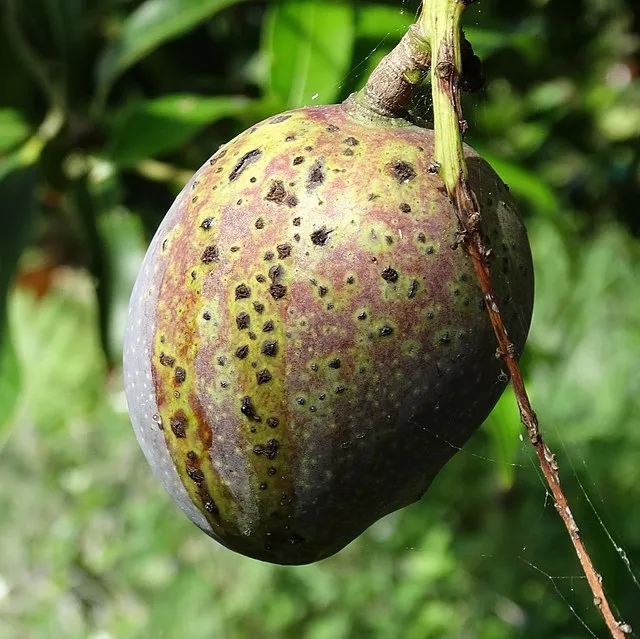
Black Spot
Diplocarpon rosae, Marssonina rosaeBlack Spot (Diplocarpon rosae or Marssonina rosae), a highly prevalent and damaging fungal disease belonging to the order Helotiales of the phylum Ascomycota, is the single most destructive foliar disease affecting roses (Rosa spp.) worl...
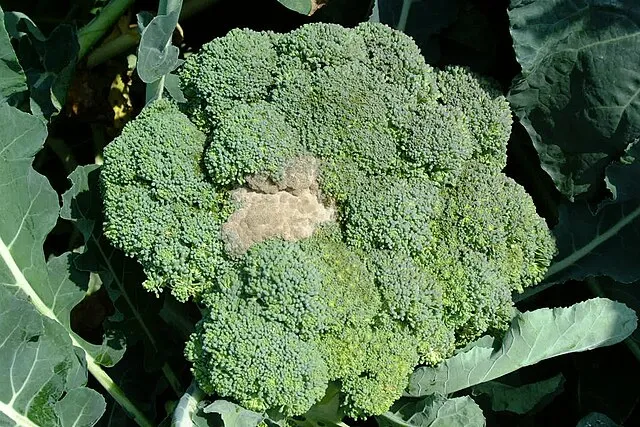
Botrytis Mold
Botrytis cinereaBotrytis cinerea (commonly known as grey mold or noble rot) is an aggressive, necrotrophic airborne fungus belonging to the phylum Ascomycota. It targets an exceptionally broad range of plant hosts—exceeding 200 species globally—disrupting both outdoor agricultural crops and greenhouse nurseries.
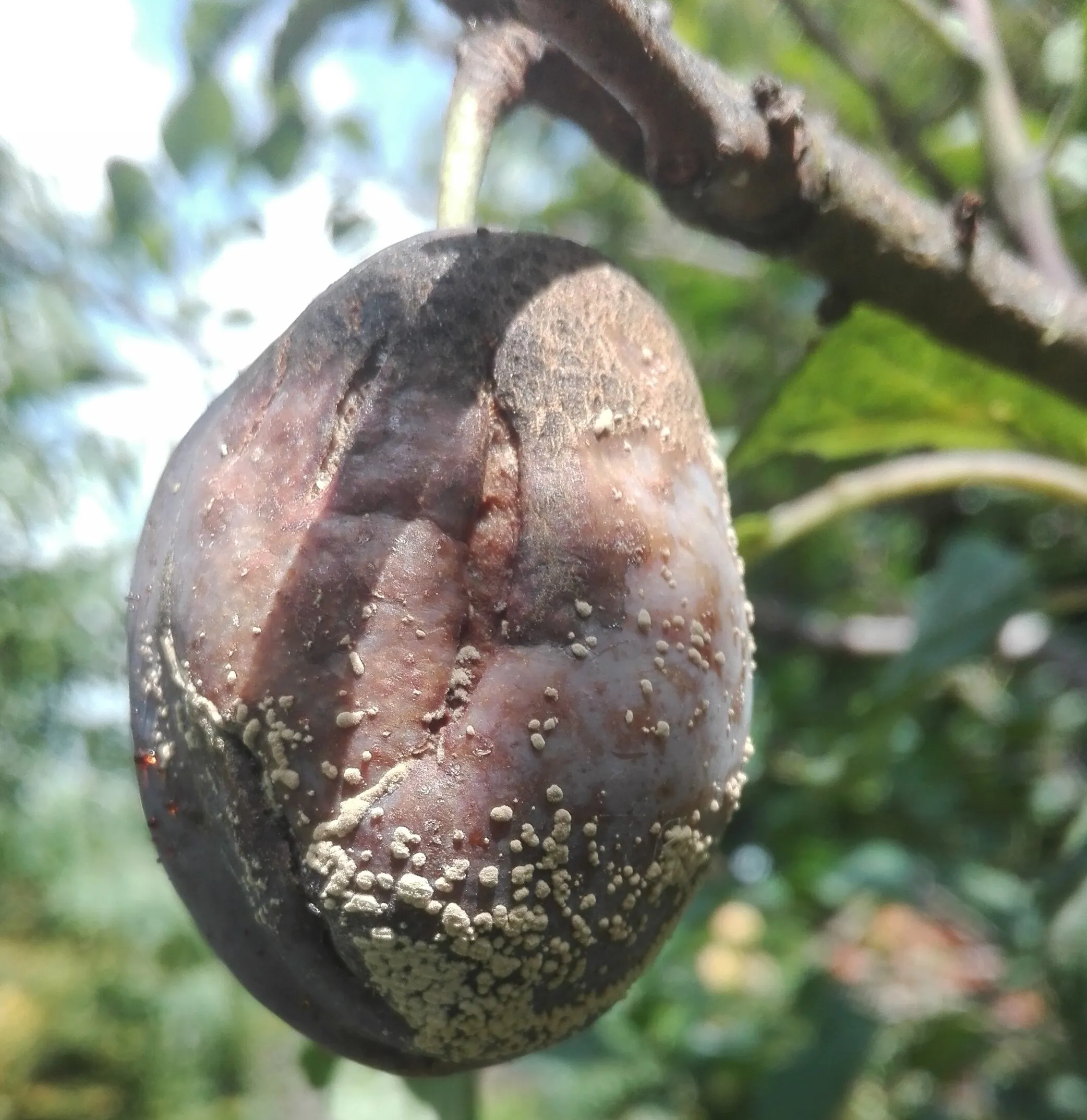
Brown Rot
Monilinia fructicolaBrown rot is one of the most common and devastating fungal diseases affecting stone fruits globally, caused primarily by the pathogens Monilinia fructicola and Monilinia laxa.
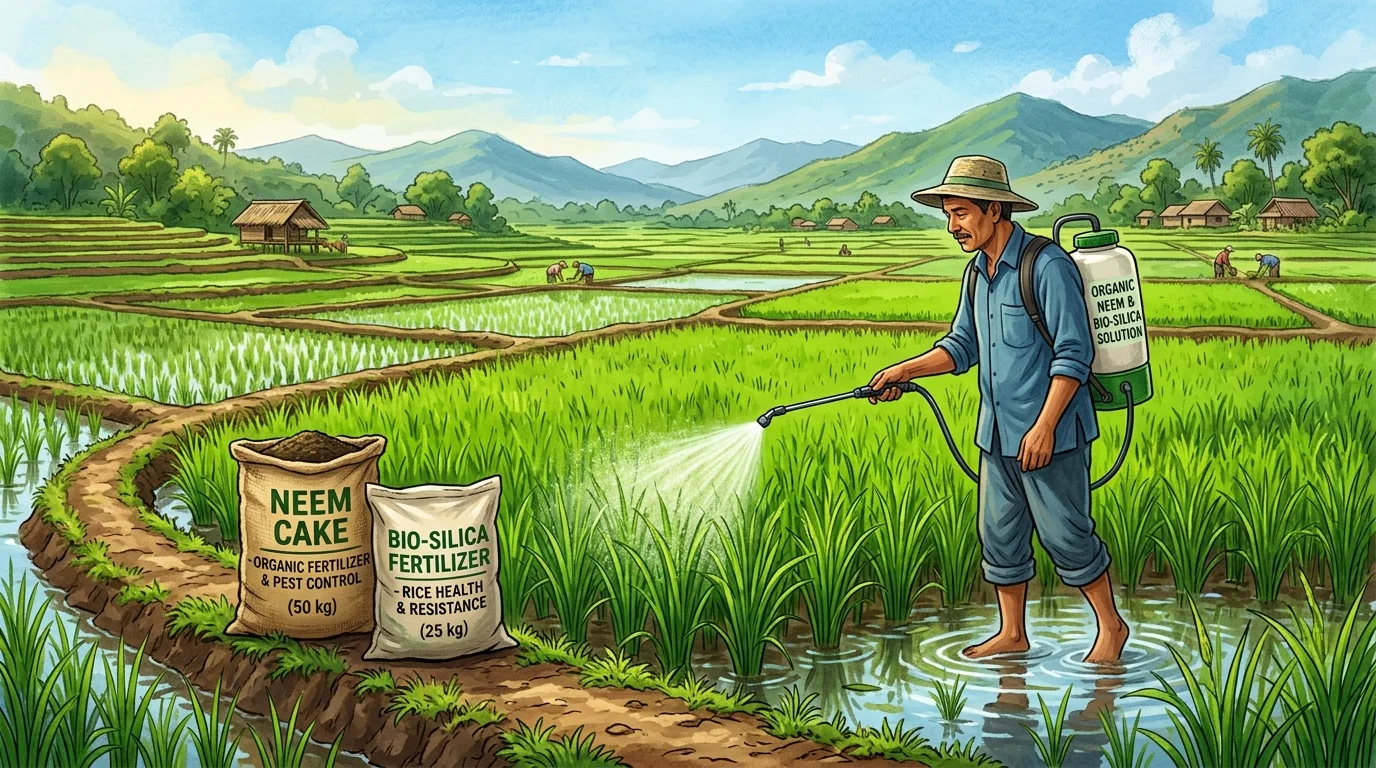
Brown Spot (Rice)
Bipolaris oryzaeBrown Spot of Rice, caused by the necrotrophic fungal pathogen Bipolaris oryzae (teleomorph Cochliobolus miyabeanus, formerly Helminthosporium oryzae), is one of the most widely distributed foliage and grain diseases affecting paddy crop...
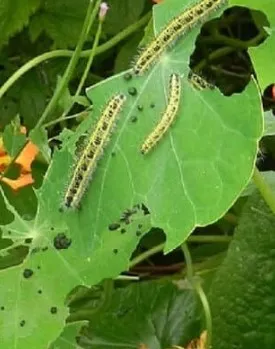
Cabbage Worm
Pieris rapaeThe Cabbage Worm (primarily Pieris rapae, also known as the imported cabbageworm) is the larval stage of the common small white butterfly, belonging to the family Pieridae of the order Lepidoptera.
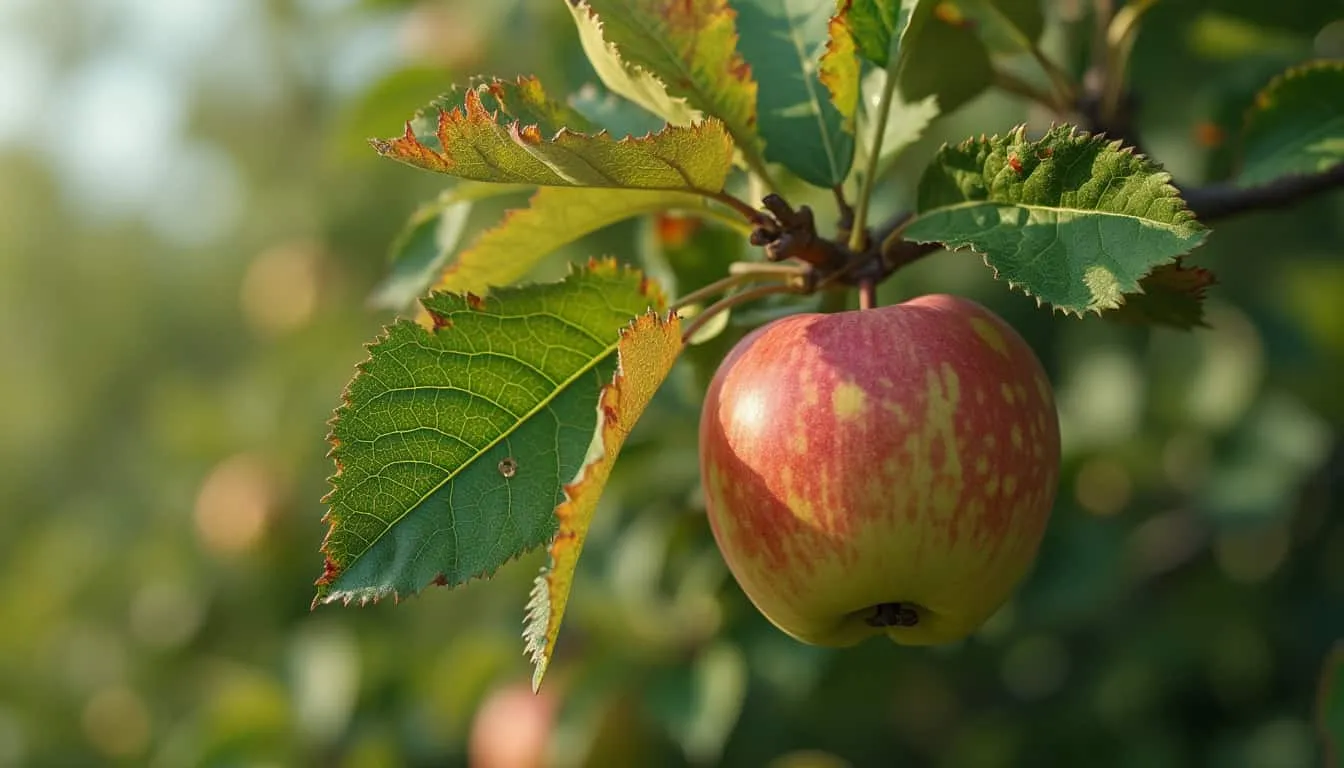
Cedar-Apple Rust
Gymnosporangium juniperi-virginianaeCedar-Apple Rust is a highly specialized and economically damaging heteroecious fungal disease caused by the Basidiomycete pathogen Gymnosporangium juniperi-virginianae.
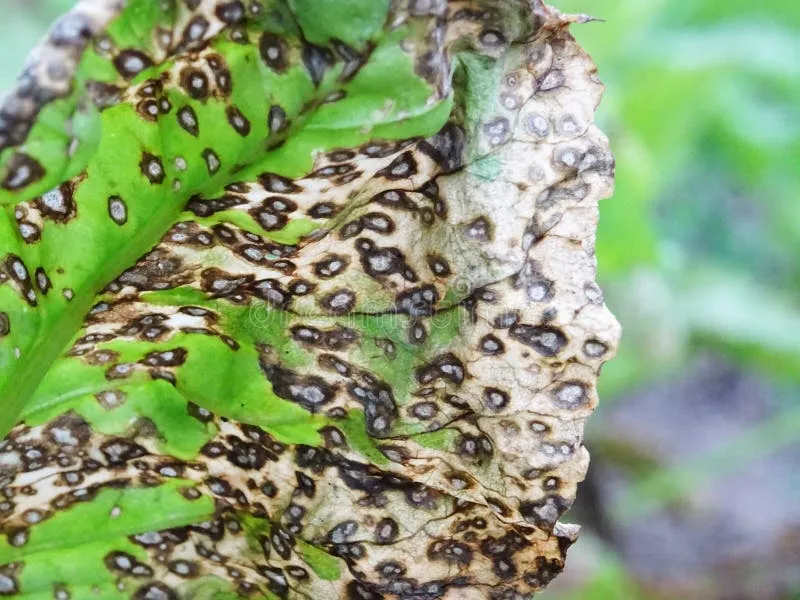
Cercospora Leaf Spot
Cercospora beticolaCercospora Leaf Spot is a highly destructive and economically significant fungal plant disease caused by various host-specific species in the anamorphic genus Cercospora (most notably Cercospora beticola on sugar beets, and Cercospora so...
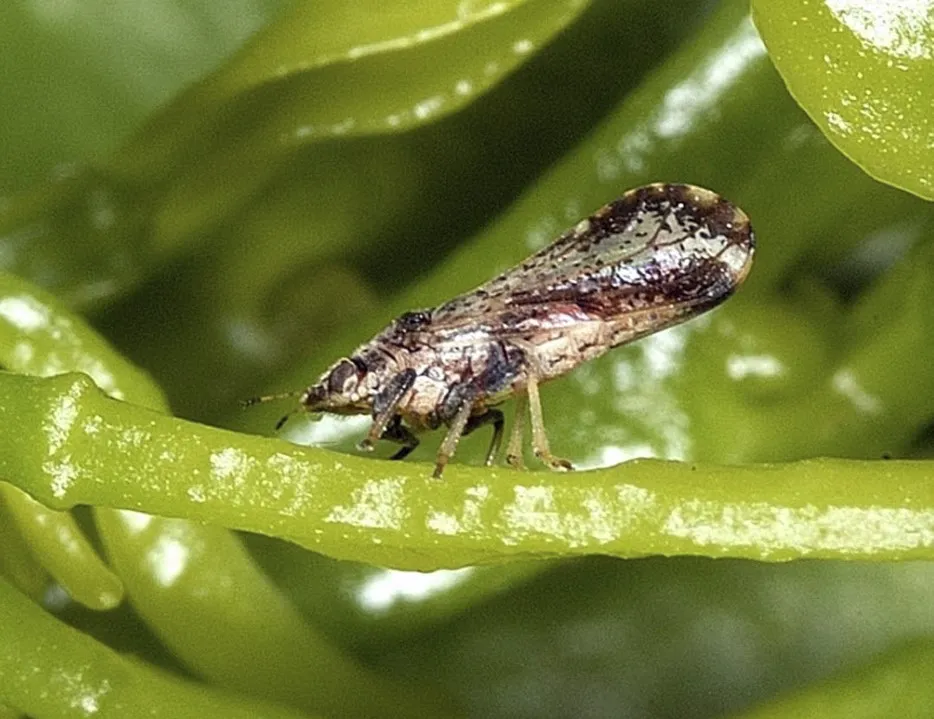
Citrus Bud Mite
Aceria sheldoniThe Citrus Bud Mite (Aceria sheldoni, family Eriophyidae) is an extremely tiny, microscopic pest that poses a serious threat to citrus orchards globally, showing an intense, highly destructive preference for lemon trees.
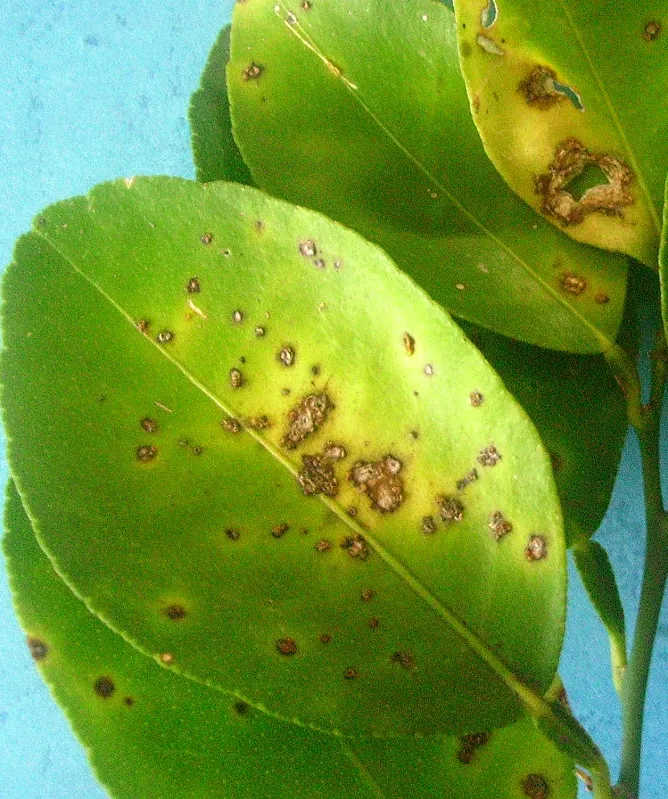
Citrus Canker
Xanthomonas citriCitrus canker is a highly contagious and economically devastating bacterial disease caused by the pathogen Xanthomonas citri subsp. citri. It affects nearly all commercial citrus varieties, including oranges, lemons, limes, and grapefruits.
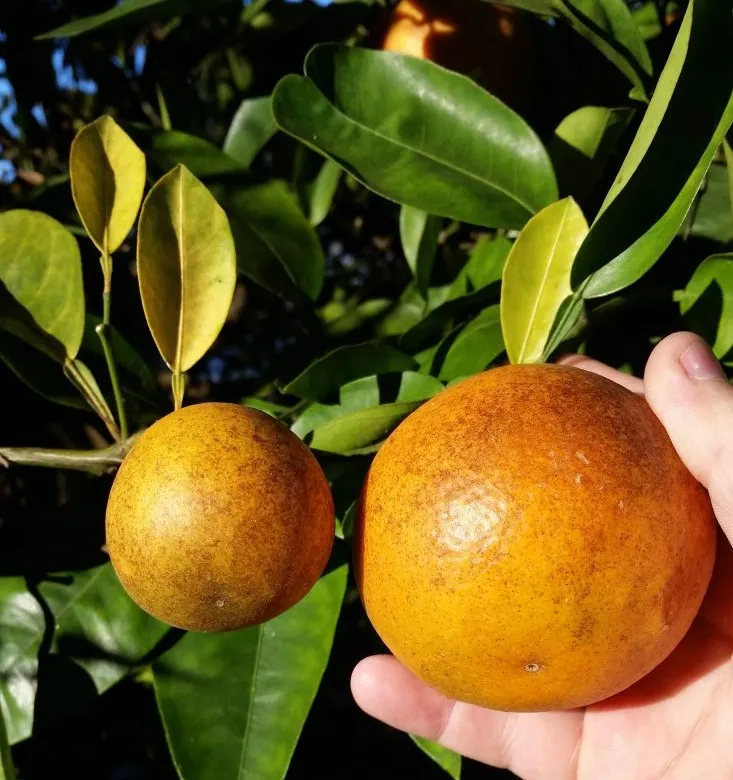
Citrus Greening
Candidatus Liberibacter asiaticusCitrus Greening (also known as Huanglongbing or HLB), caused by the systemic phloem-limited bacterial pathogen Candidatus Liberibacter asiaticus, is the most destructive, lethal, and economically catastrophic disease of citrus crops glob...
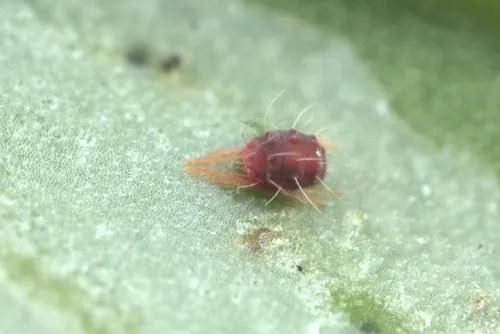
Citrus Red Mite
Panonychus citriThe Citrus Red Mite (Panonychus citri), belonging to the spider mite family Tetranychidae under the order Trombidiformes, is a major sap-sucking arachnid pest of citrus trees worldwide.
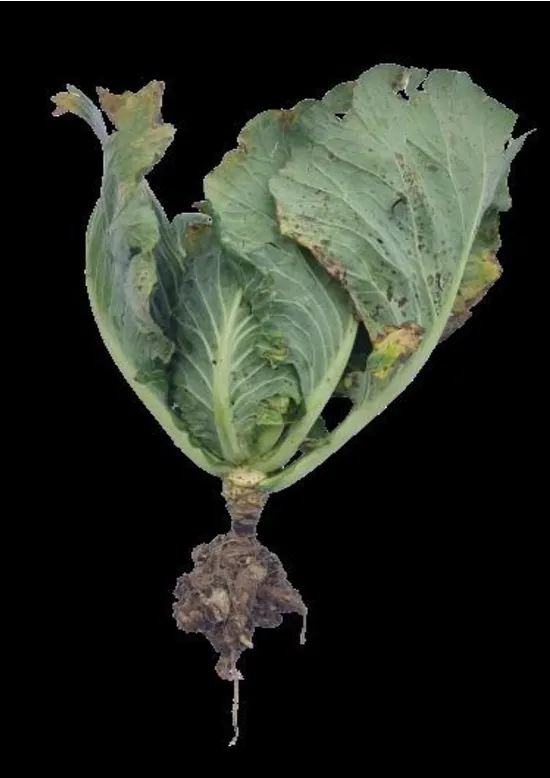
Clubroot
Plasmodiophora brassicaeClubroot, caused by the soil-borne protist pathogen Plasmodiophora brassicae, is an aggressive, persistent, and highly destructive root disease that exclusively targets plants in the mustard family (Brassicaceae), including cabbage, caul...
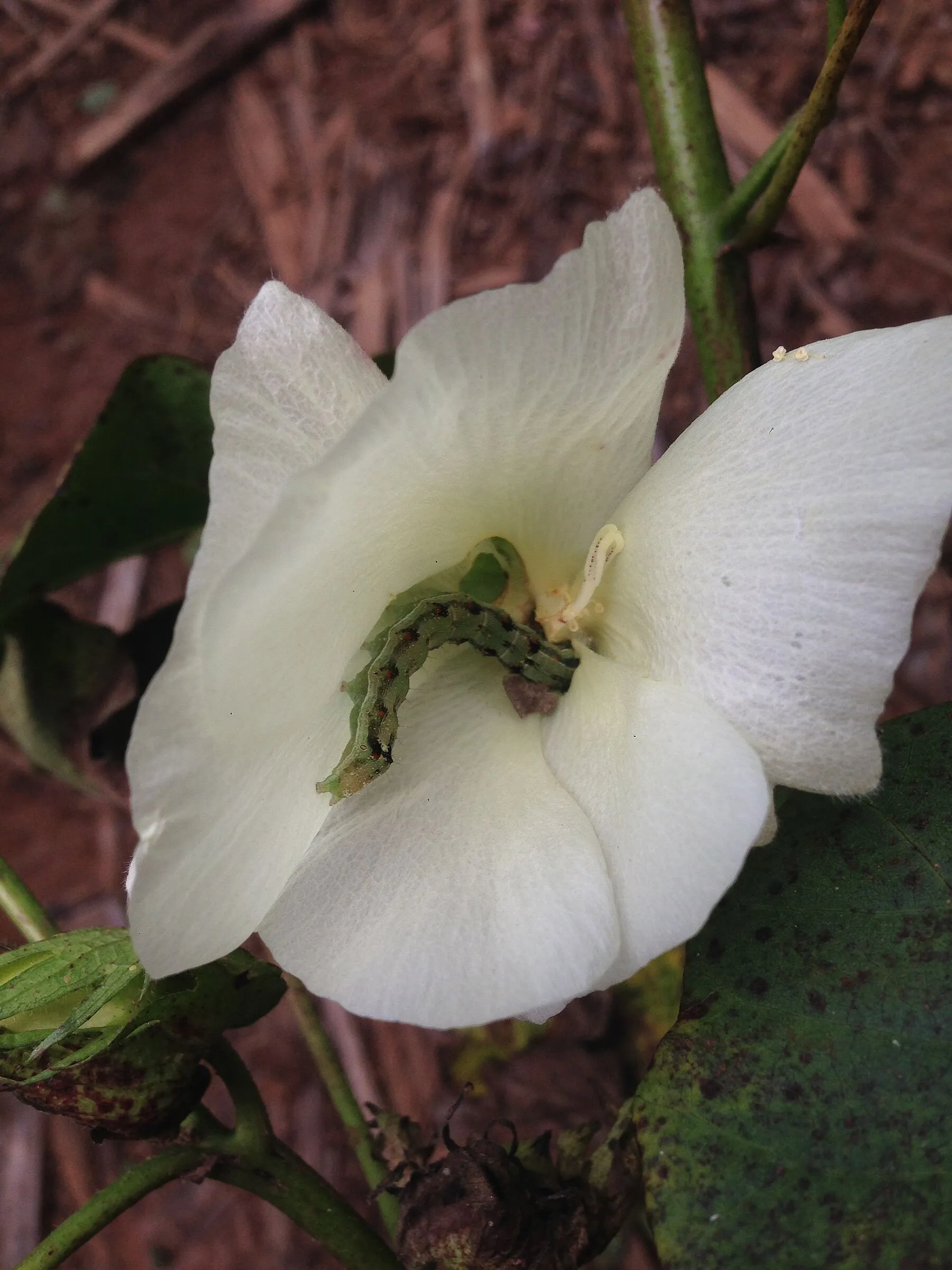
Cotton Bollworm
Helicoverpa armigeraThe Cotton Bollworm (Helicoverpa armigera), belonging to the owlet moth family Noctuidae under the order Lepidoptera, is one of the most destructive agricultural pests in the world.
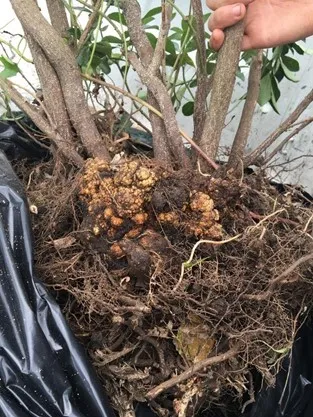
Crown Gall Disease
Agrobacterium tumefaciensCrown gall is a unique, tumor-inducing bacterial plant disease caused by the soil-borne bacterium Agrobacterium tumefaciens (family Rhizobiaceae). It is highly famous in molecular biology for its natural ability to 'genetically engineer' host plants by physically transferring a piece of its own DNA (the Ti plasmid) into plant cell nuclei.
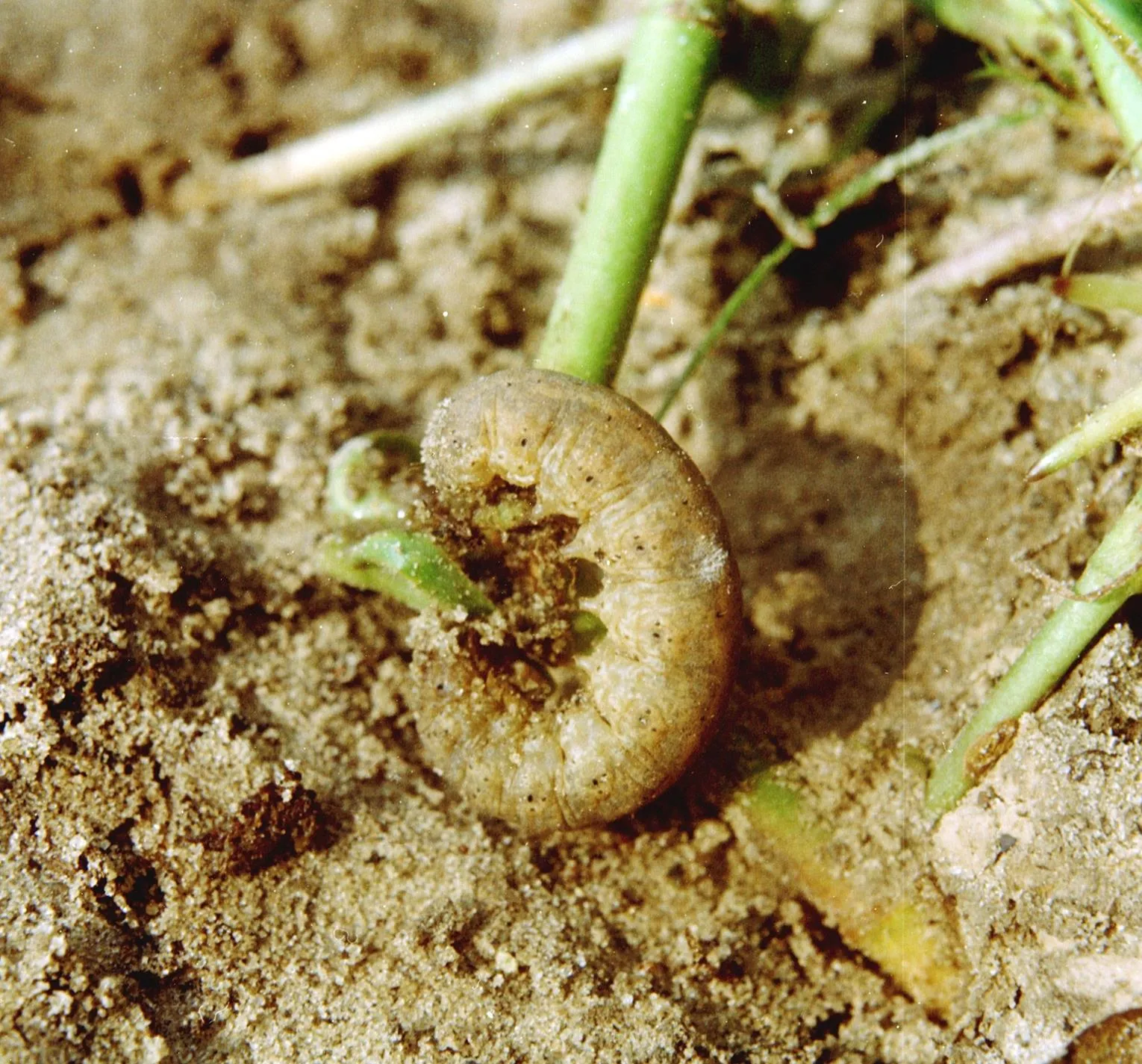
Cutworm
Agrotis ipsilonCutworms, belonging primarily to the owlet moth family Noctuidae under the order Lepidoptera, are among the most registered seedling pests in agriculture.
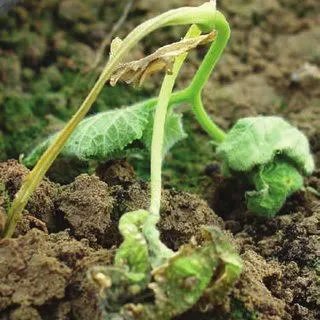
Damping Off
Pythium spp., Rhizoctonia solani, Fusarium spp.Damping off is a devastating disease complex caused by a group of soil-borne oomycetes and fungi (primarily Pythium spp., Rhizoctonia solani, and Fusarium spp.) that targets newly germinated seeds and young seedlings.
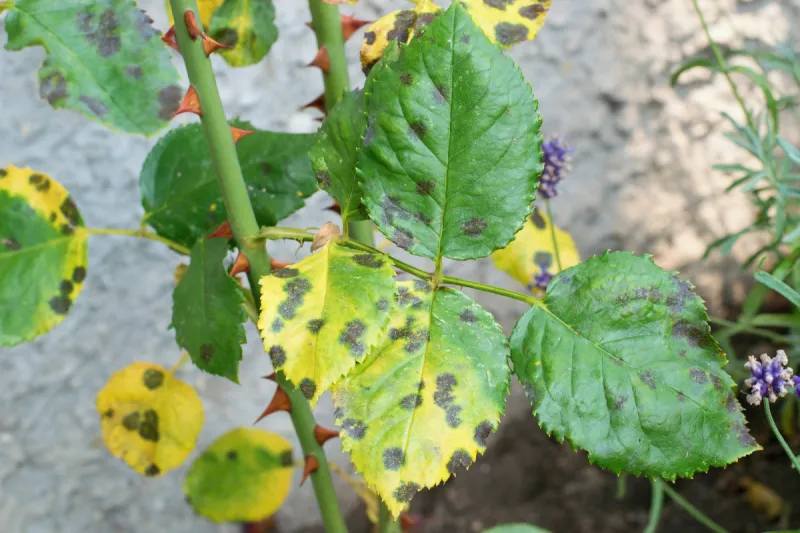
Downy Mildew Disease
Plasmopara viticola, Peronospora spp., Pseudoperonospora cubensisDowny mildew refers to a highly destructive group of plant diseases caused by specialized oomycetes, or water molds, within the family Peronosporaceae.
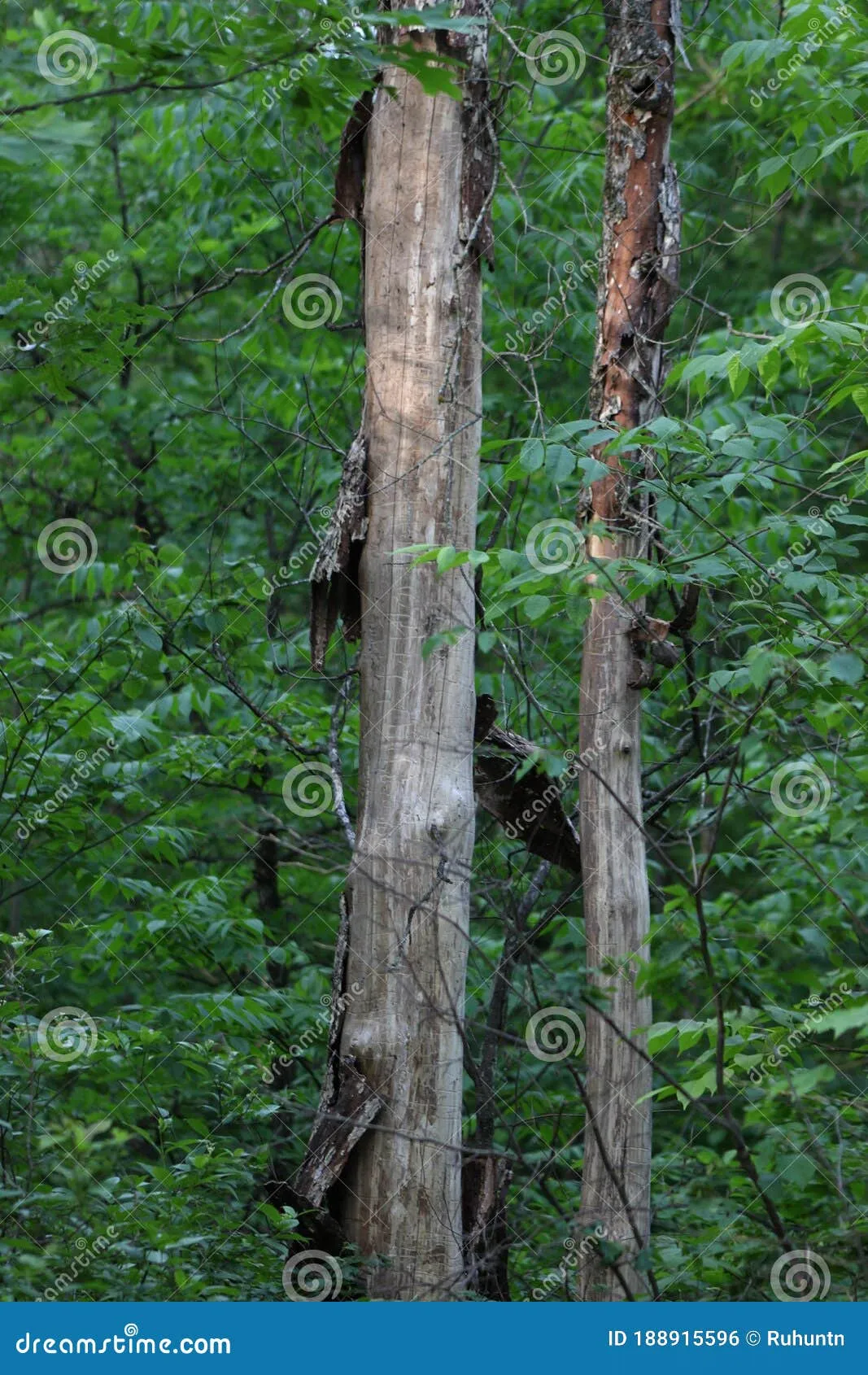
Dutch Elm Disease
Ophiostoma ulmiDutch Elm Disease (DED), caused by the highly aggressive ascomycete fungi Ophiostoma ulmi and the even more virulent Ophiostoma novo-ulmi, is a catastrophic, highly lethal vascular wilt disease that has devastated elm (Ulmus spp.) tree p...
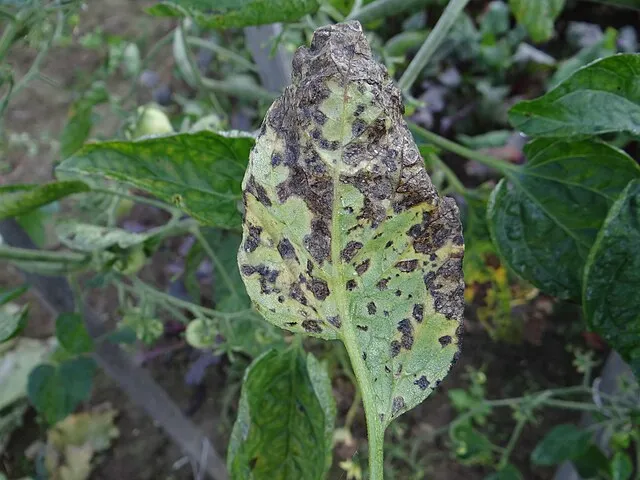
Early Blight
Alternaria solani, Alternaria tomatophilaEarly blight is a highly prevalent and damaging fungal disease caused by Alternaria solani (and sometimes Alternaria tomatophila), primarily targeting members of the Solanaceae (nightshade) family.
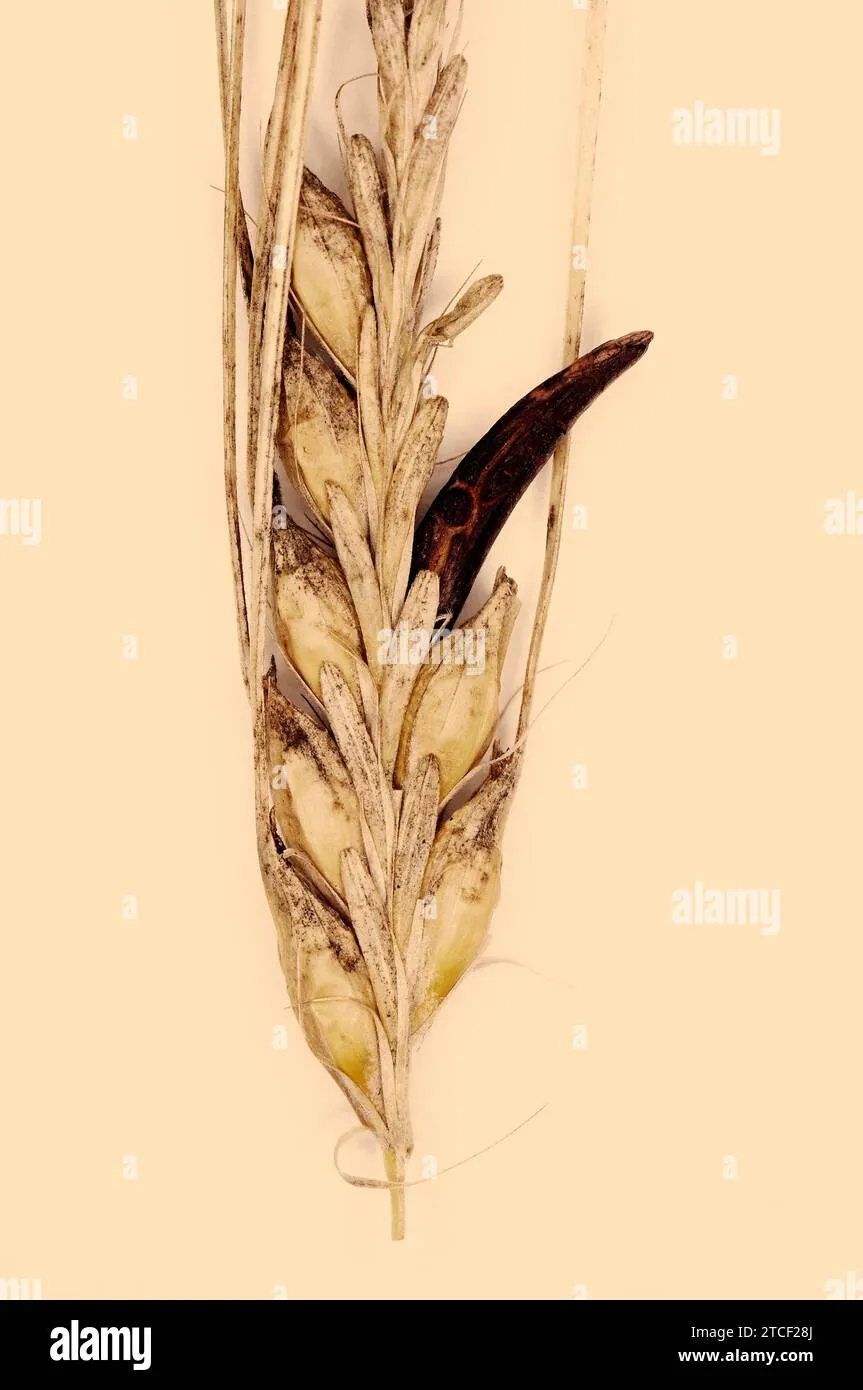
Ergot
Claviceps purpureaErgot is a highly specialized and historically infamous plant disease caused by the obligate biotrophic ascomycete fungus Claviceps purpurea. This pathogen attacks cereal crops—particularly rye, wheat, triticale, barley, and various forage grasses—replacing healthy grain seeds with dark, toxic fungal structures.
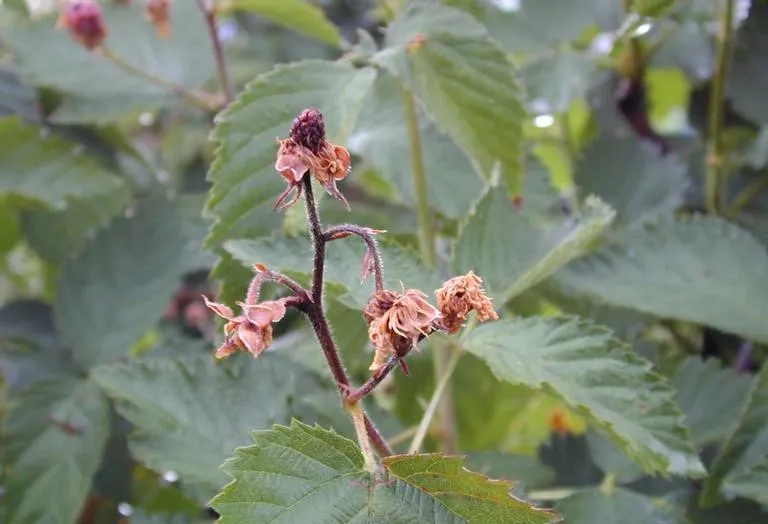
Fire Blight
Erwinia amylovoraFire Blight, caused by the highly contagious Gram-negative bacterium Erwinia amylovora, is a destructive, potentially lethal systemic disease that targets pome fruits, particularly apples, pears, quinces, and other members of the rose fa...
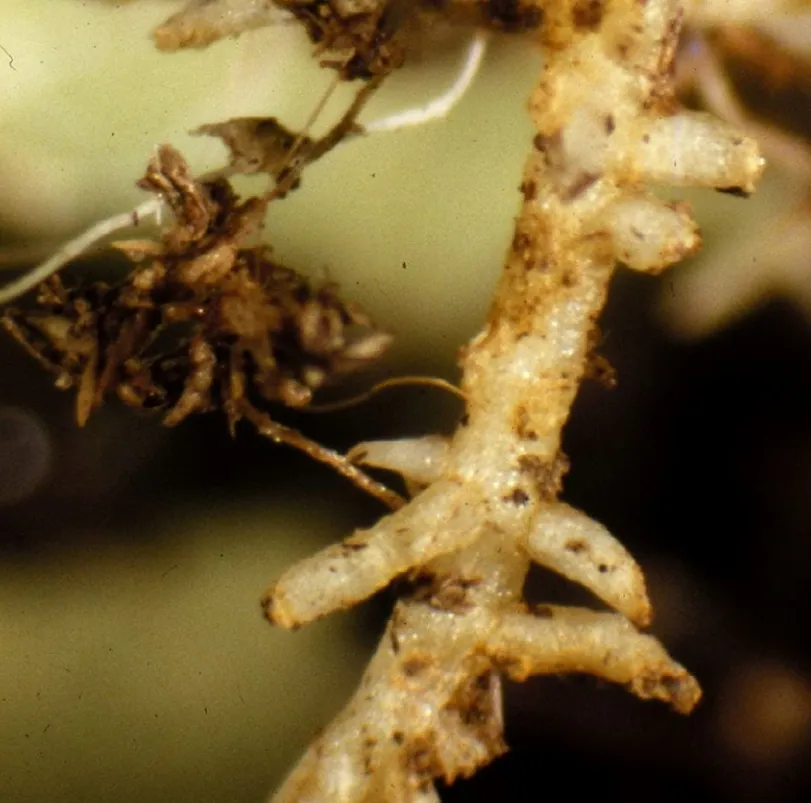
Fungus Gnat
Culicidae Fungorum (Sciaridae spp.)Fungus gnats (superfamily Sciaroidea, primarily families Sciaridae and Mycetophilidae) are small, delicate, dark-bodied insects resembling miniature mosquitoes.
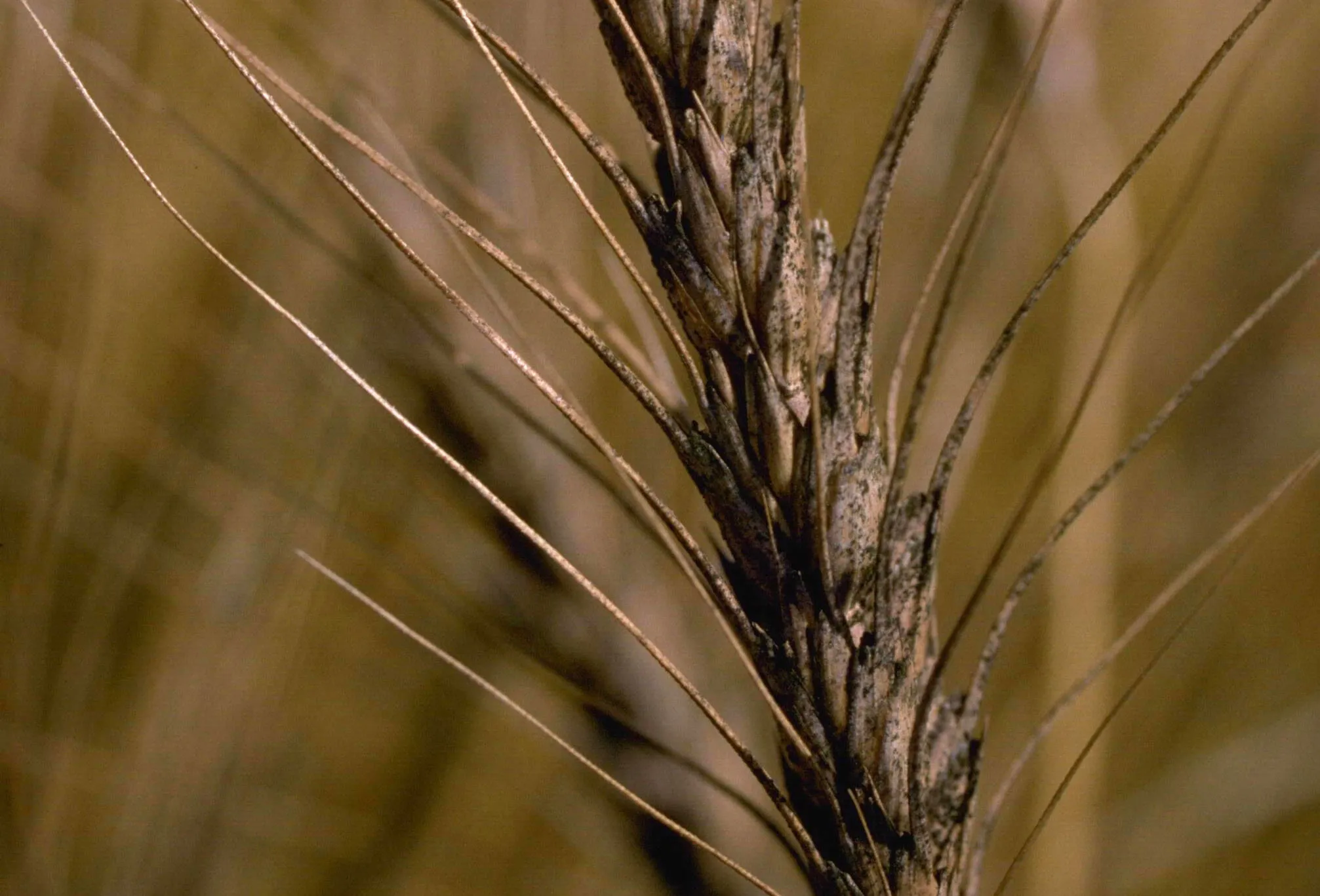
Fusarium Head Blight (Scab)
Fusarium graminearumFusarium Head Blight (FHB), also widely known as scab or tombstone rot, is a highly destructive fungal disease caused primarily by the ascomycete pathogen Fusarium graminearum (teleomorph Gibberella zeae).
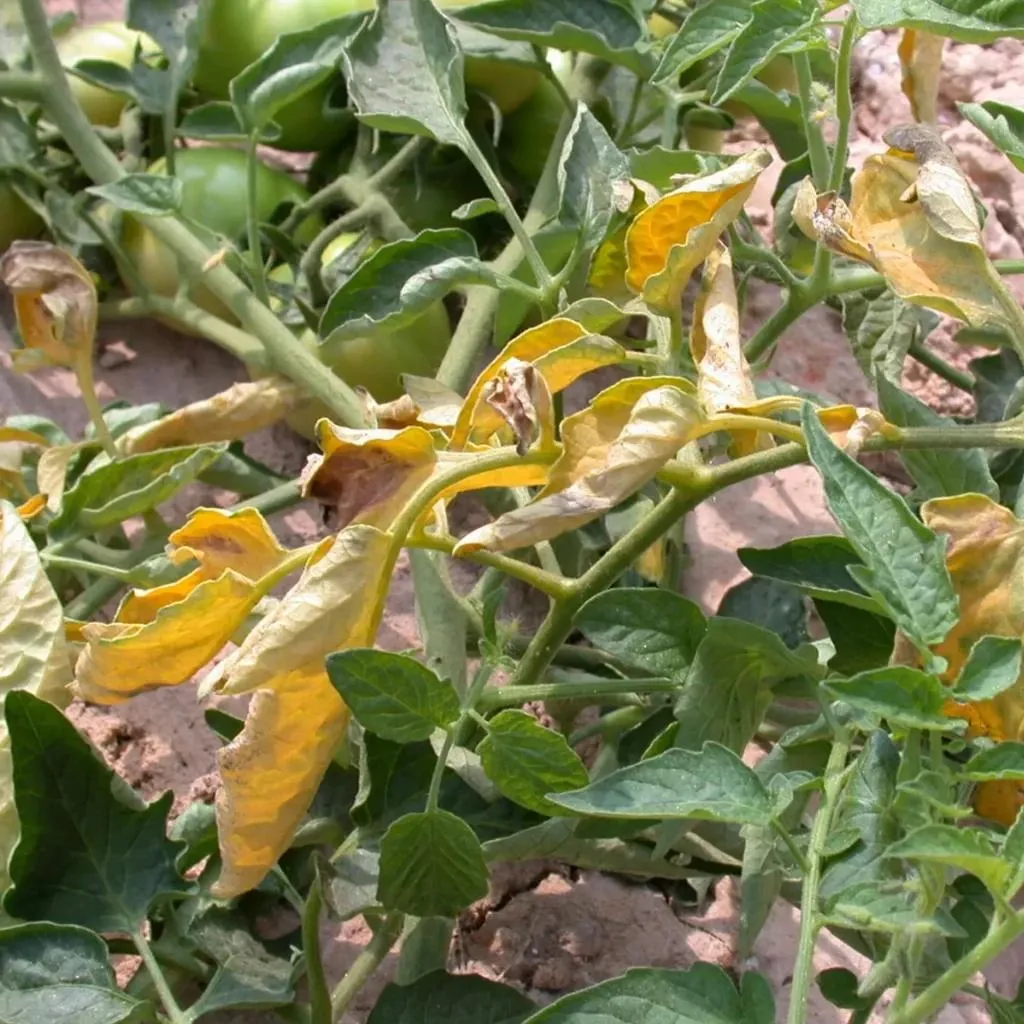
Fusarium Wilt
Fusarium oxysporumFusarium Wilt is a highly destructive, soil-borne fungal disease caused by the species complex Fusarium oxysporum. This notorious ascomycete pathogen is unique because it consists of hundreds of host-specific strains, called formae speci...
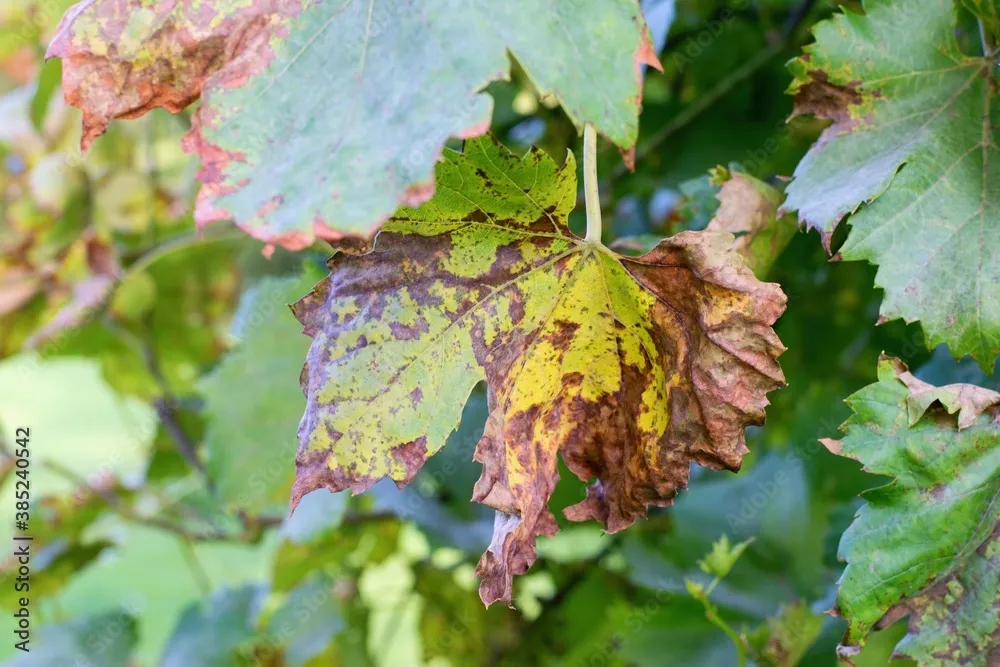
Grape Downy Mildew
Plasmopara viticolaGrape Downy Mildew is a highly destructive, weather-driven oomycete disease caused by the specialized biotrophic pathogen Plasmopara viticola. This water mold represents one of the most critical threats to viticulture globally, historically famous for nearly destroying the French wine industry in the late 19th century.
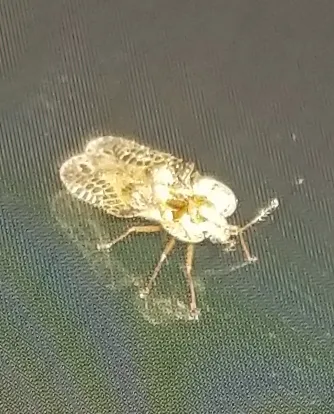
Lace Bug
Corythucha spp.Lace Bugs (family Tingidae), comprising numerous specialized sucking insect species within the genus Corythucha, are widespread foliar pests that target a variety of deciduous trees and ornamental shrubs.
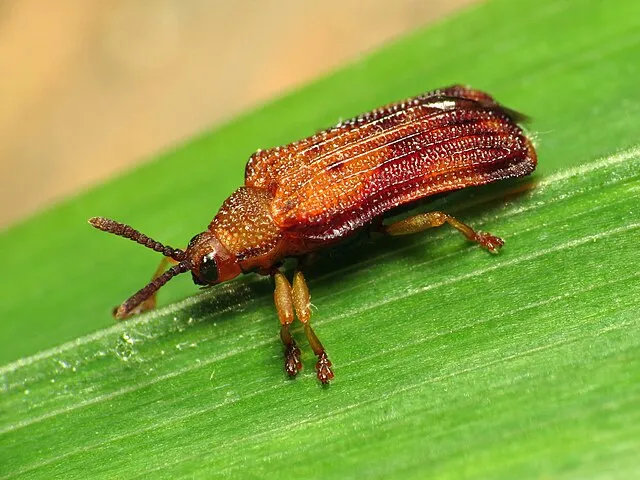
Leaf Miner
Liriomyza spp. (Agromyzidae)Leaf miners are not a single species, but the larval stage of various insect groups, most commonly tiny flies belonging to the family Agromyzidae (such as Liriomyza spp.), as well as certain moths and beetles.
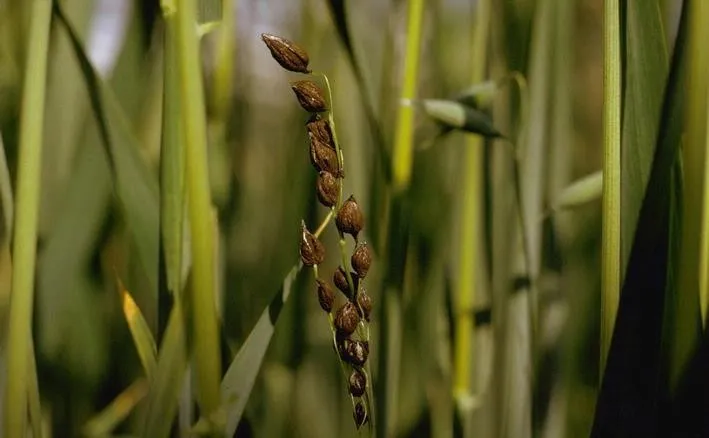
Loose Smut
Ustilago triticiLoose smut is a serious seed-borne fungal disease caused primarily by Ustilago tritici in wheat and Ustilago nuda in barley. Unlike many other plant diseases that affect leaves or stems, loose smut is a systemic infection that remains dormant inside the seed embryo.
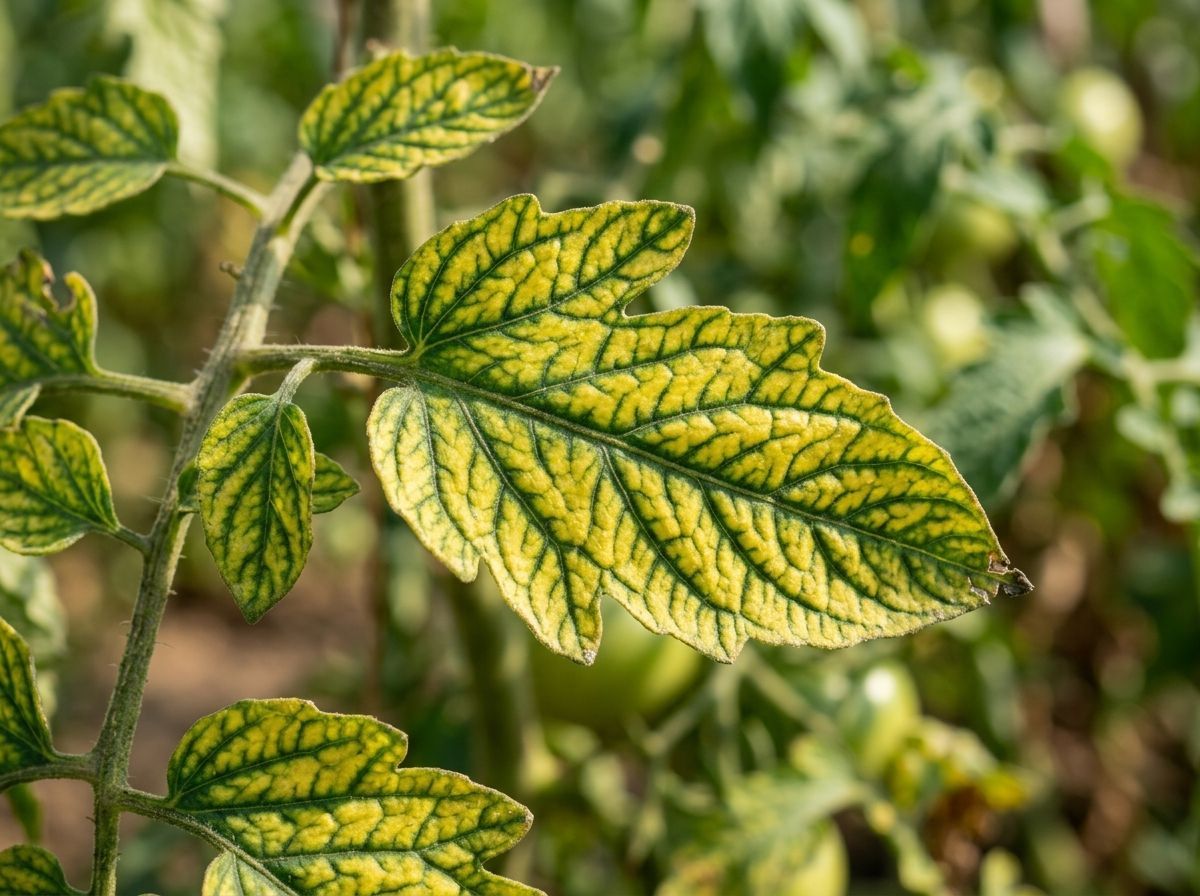
Magnesium Deficiency
Magnesium DeficientiaMagnesium deficiency commonly occurs in light, sandy, or highly acidic soils. Excessive potassium or calcium application can also induce magnesium deficiency by blocking root uptake..
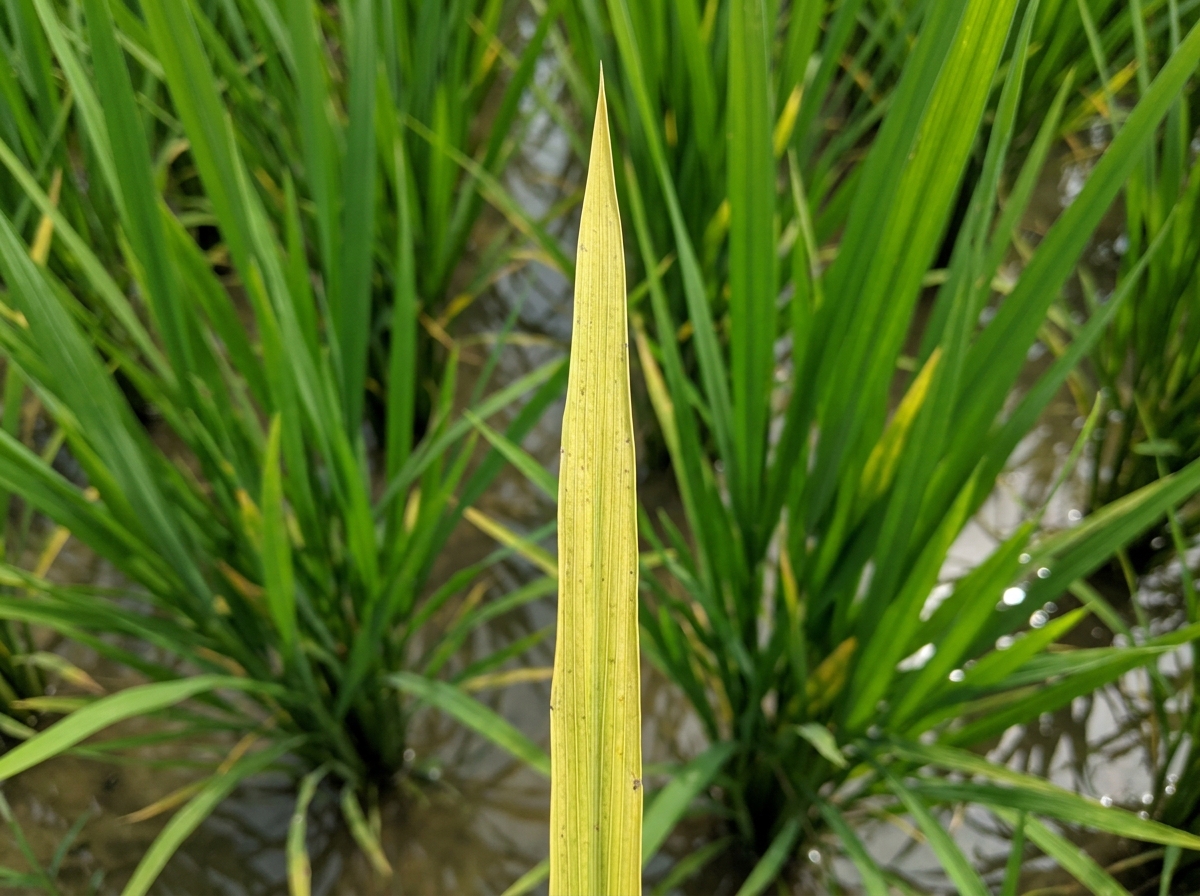
Nitrogen Deficiency
Nitrogen DeficientiaNitrogen deficiency is the most widespread nutrient limitation in flooded paddy cultivation. Because flooded wetland soils cause rapid denitrification and ammonia volatilization, available nitrogen depletes rapidly.
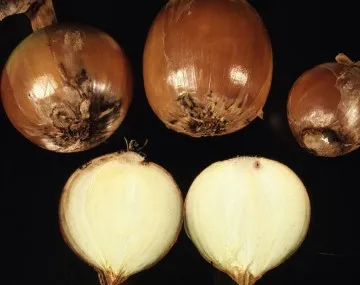
Onion Maggot
Delia antiquaThe Onion Maggot (Delia antiqua), belonging to the root fly family Anthomyiidae under the order Diptera, is the most destructive insect pest of onion (Allium cepa) and related crops worldwide.
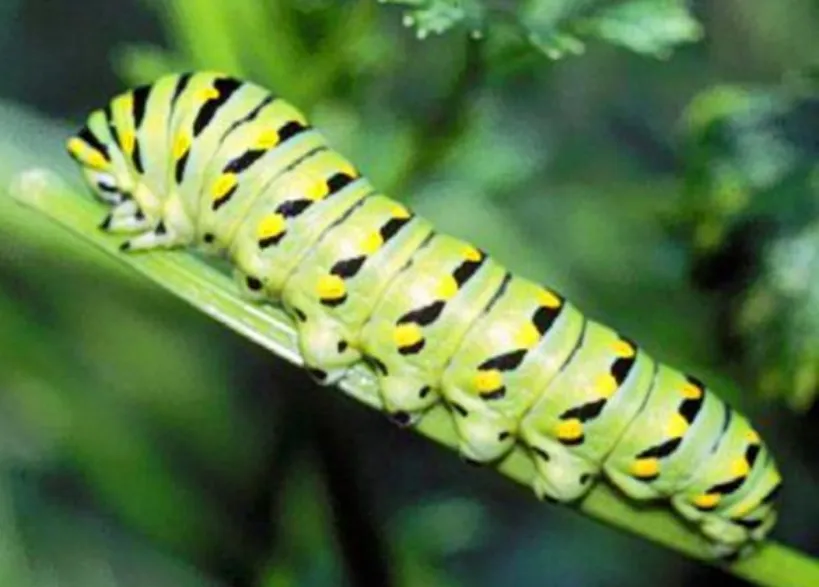
Parsley Worm
Papilio polyxenesThe Parsley Worm (Papilio polyxenes), which represents the active larval caterpillar stage of the beautiful Eastern Black Swallowtail butterfly (family Papilionidae, order Lepidoptera), is a specialized foliar-chewing herbivore pest that...
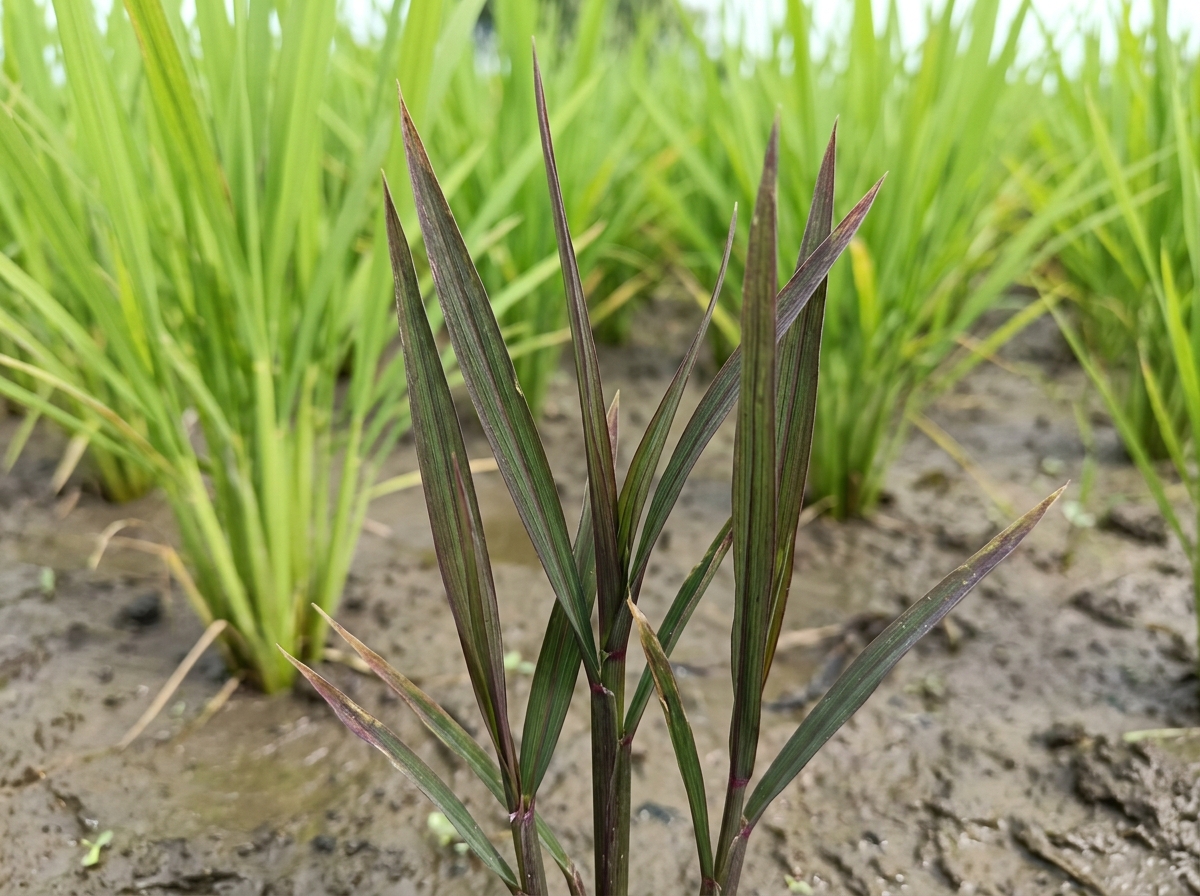
Phosphorus Deficiency
Phosphorus DeficientiaPhosphorus deficiency restricts cellular energy transfer (ATP) and root elongation in flooded rice soils. Highly acidic or alkaline wetland soils severely bind available phosphorus, resulting in stunted, spindly hills, dark dirty-green l...
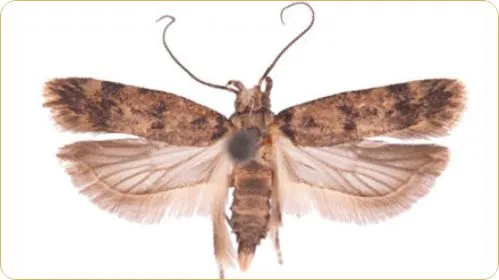
Pink Bollworm
Pectinophora gossypiellaThe Pink Bollworm (Pectinophora gossypiella) is one of the most destructive and economically devastating insect pests of cotton (Gossypium) crops worldwide, especially in cotton-growing belts of India, China, and the Americas.
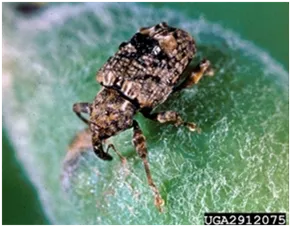
Plum Curculio
Conotrachelus nenupharThe Plum Curculio (Conotrachelus nenuphar), a highly destructive fruit-infesting snout beetle (weevil) belonging to the family Curculionidae under the order Coleoptera, is a premier pest of stone and pome fruits across eastern North Amer...
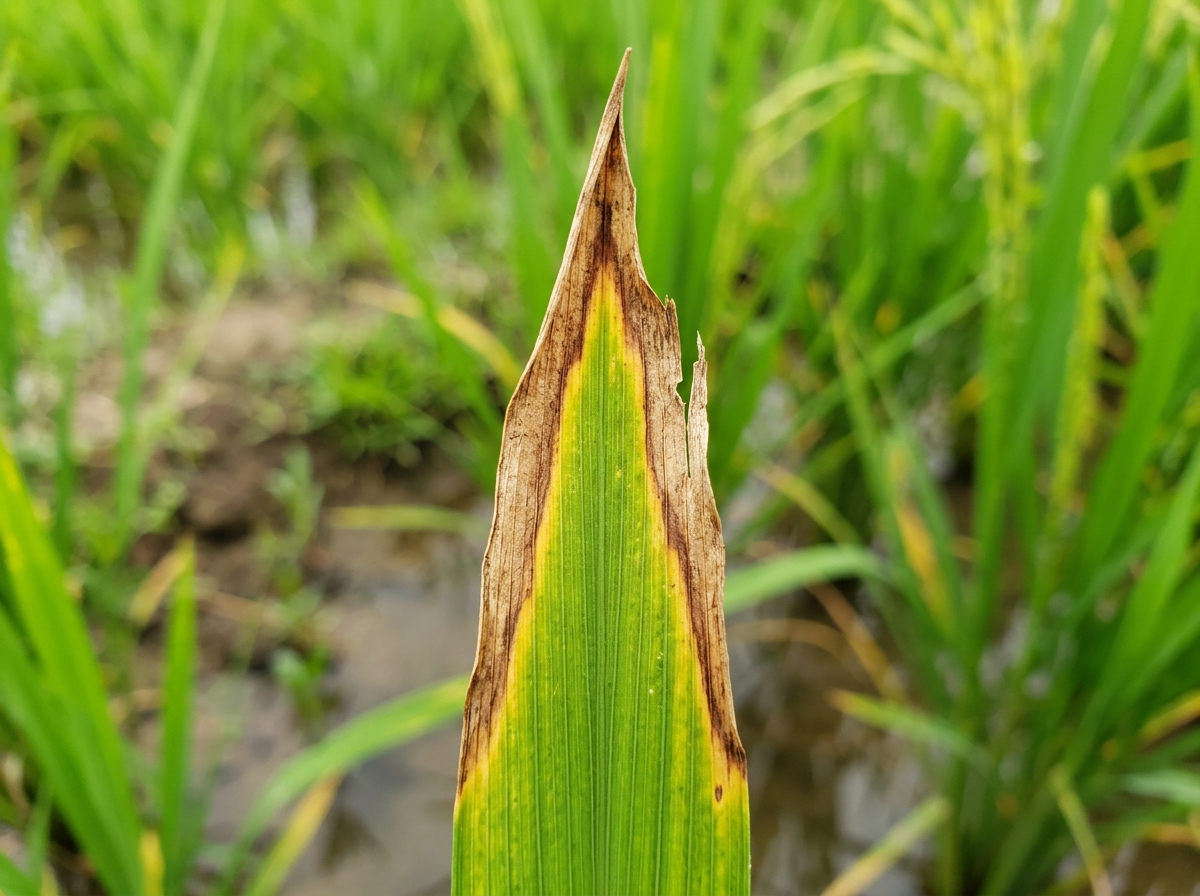
Potassium Deficiency
Potassium DeficientiaPotassium deficiency severely impairs stomatal water regulation, enzyme activation, and stalk thickness in lowland rice. Deficient rice plants develop thin-walled hollow stems susceptible to lodging, and show significantly higher suscept...
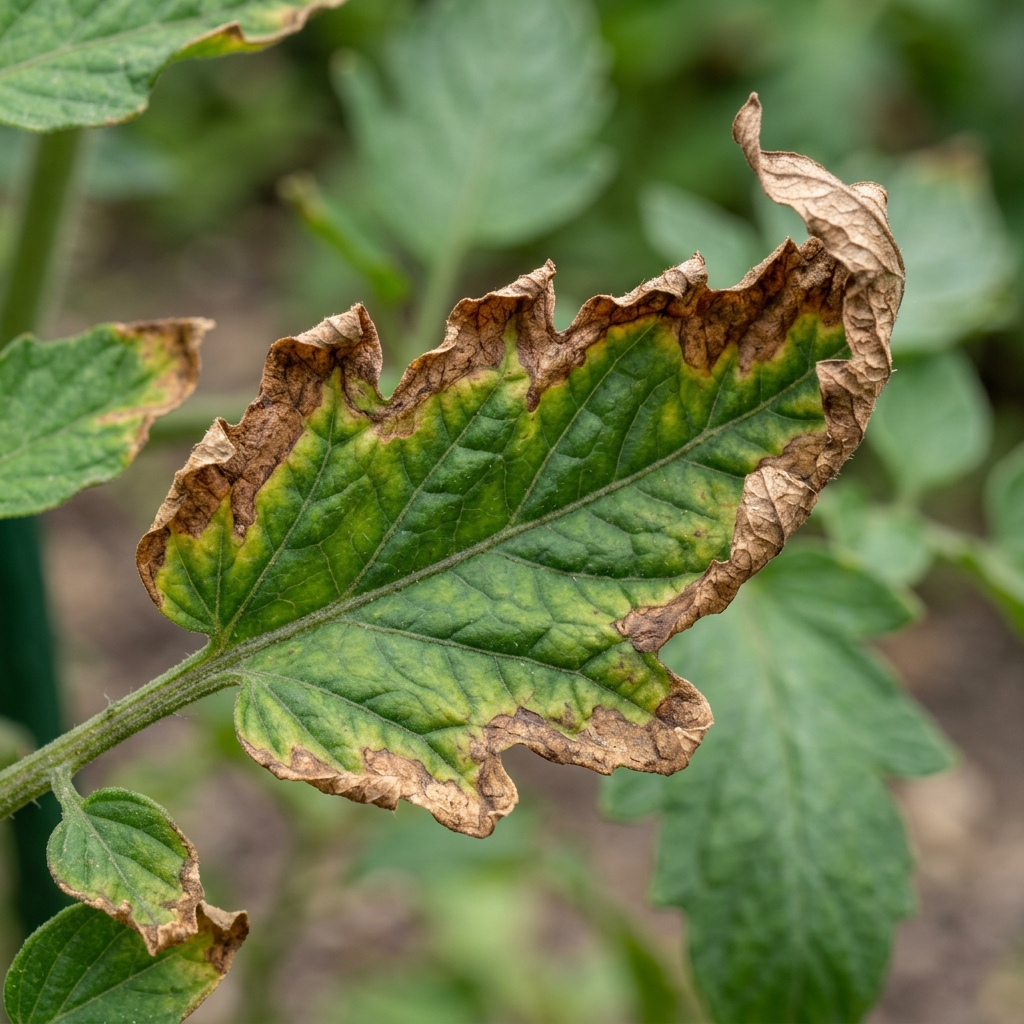
Potassium Deficiency
Potassium DeficientiaPotassium deficiency in tomatoes impairs starch and sugar synthesis, resulting in poor fruit quality, uneven ripening, and reduced shelf-life. Tomatoes have high potassium demands during fruiting..
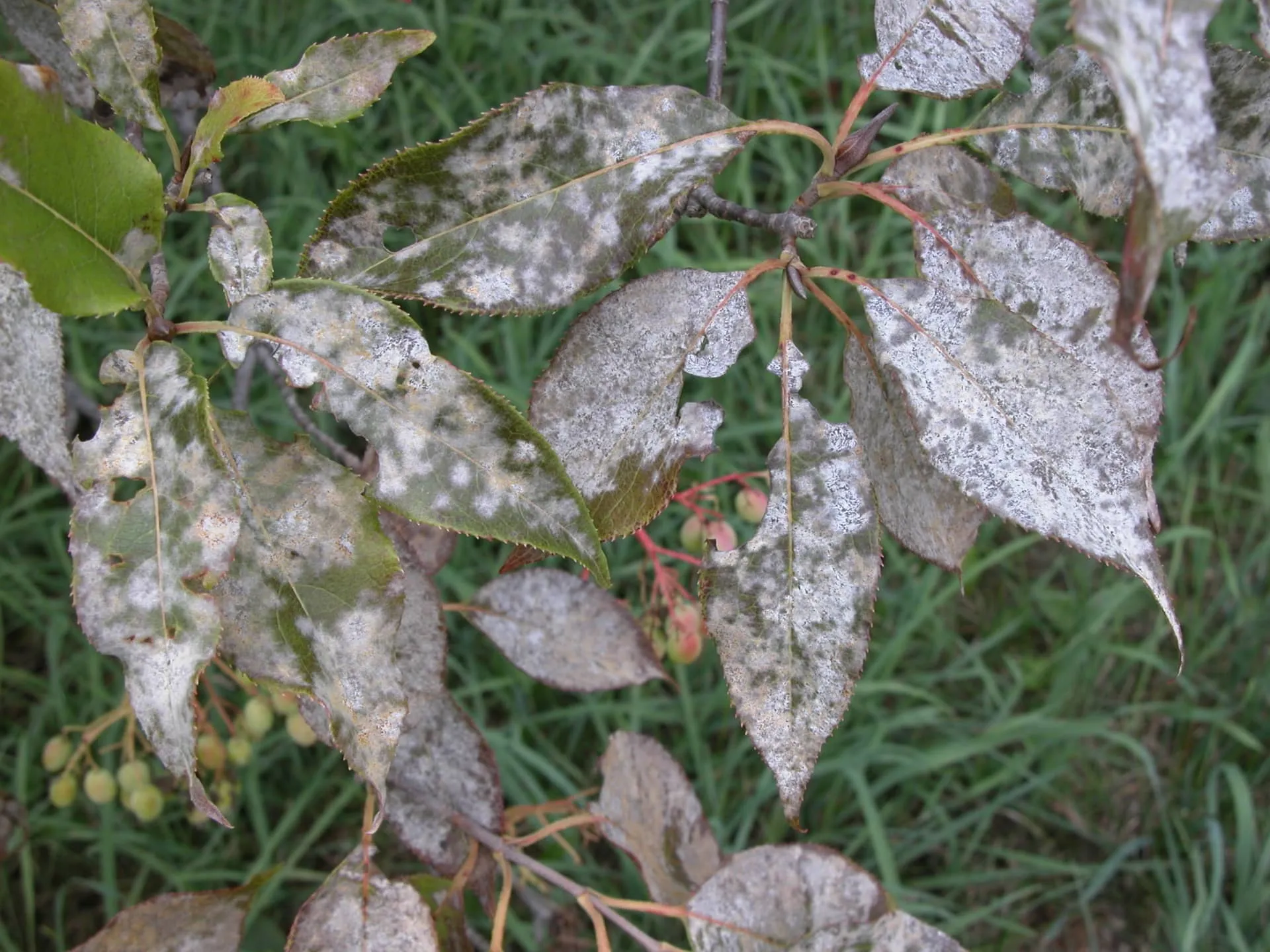
Powdery Mildew
Erysipheae, ErysiphaceaePowdery Mildew (order Erysiphales, primarily families Erysiphaceae), a highly widespread and recognizable fungal disease belonging to the class Leotiomycetes of the phylum Ascomycota, is a major threat to agricultural, greenhouse, and ho...
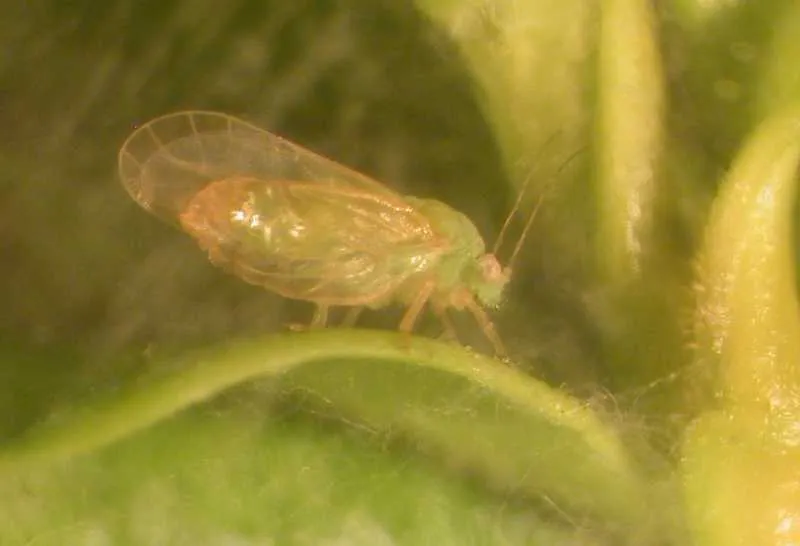
Psyllid Pest
PsylloideaPsyllids, commonly known as jumping plant lice, are small, sap-sucking insects belonging to the superfamily Psylloidea under the order Hemiptera. These active plant pests are major agricultural threats across multiple crop families, particularly the Asian Citrus Psyllid (Diaphorina citri) and pear psylla (Cacopsylla pyricola).
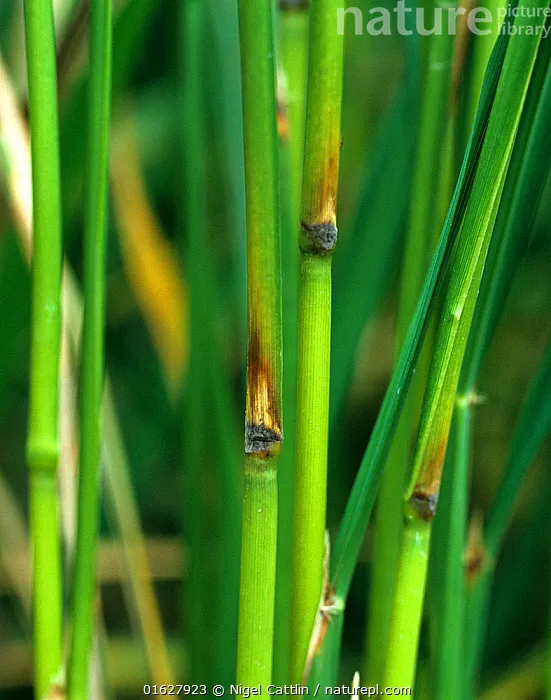
Rice Blast
Magnaporthe oryzaeRice Blast, caused by the filamentous Ascomycete fungus Magnaporthe oryzae (anamorph Pyricularia oryzae), is the most widespread and economically devastating fungal disease of rice (Oryza sativa) crops globally.
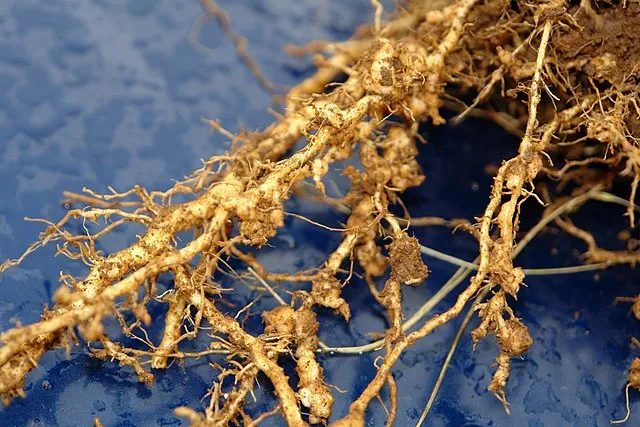
Root Nematode
Meloidogyne spp.Root-knot nematodes (Meloidogyne spp.) are microscopic, soil-dwelling roundworms that represent one of the most significant and difficult-to-manage threats to global agriculture.
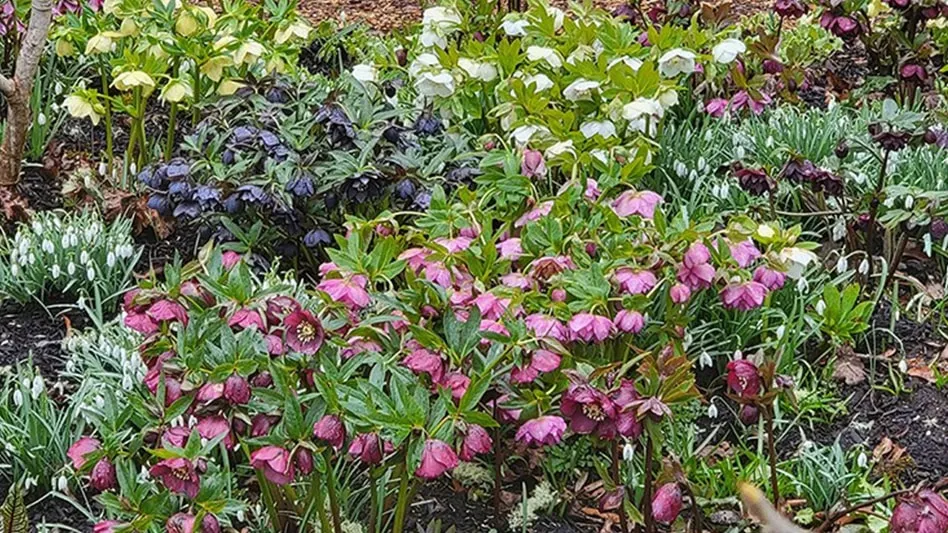
Root Rot
Phytophthora spp., Pythium spp.Root Rot, caused by a diverse complex of soil-borne oomycete and fungal pathogens (most notably Phytophthora spp. and Pythium spp. of the family Peronosporaceae, alongside fungal genera like Rhizoctonia and Fusarium), is a devastating, potentially lethal soil-borne disease affecting virtually all container and field crops.
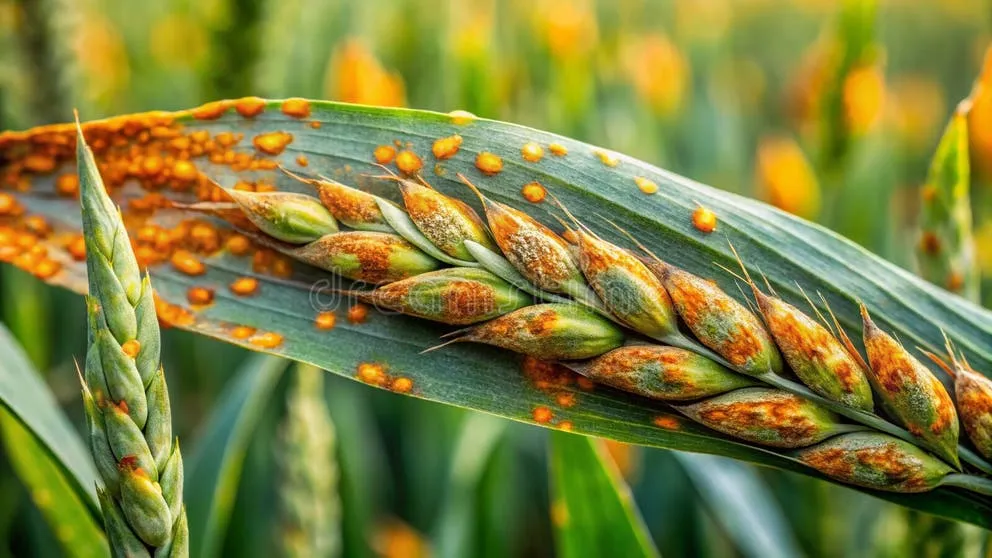
Rust Disease
Puccinia spp., Uromyces spp.Rust Disease (caused by obligate biotrophic fungi in the order Pucciniales, primarily genera Puccinia and Uromyces) is a highly prevalent and economically damaging fungal leaf infection affecting thousands of plant species worldwide.
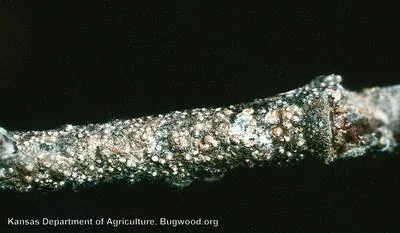
San Jose Scale
Comstockaspis perniciosaSan Jose Scale (Comstockaspis perniciosa, historically Quadraspidiotus perniciosus), an armored scale insect belonging to the family Diaspididae in the order Hemiptera, is a severe, highly destructive sap-sucking pest that targets stone ...
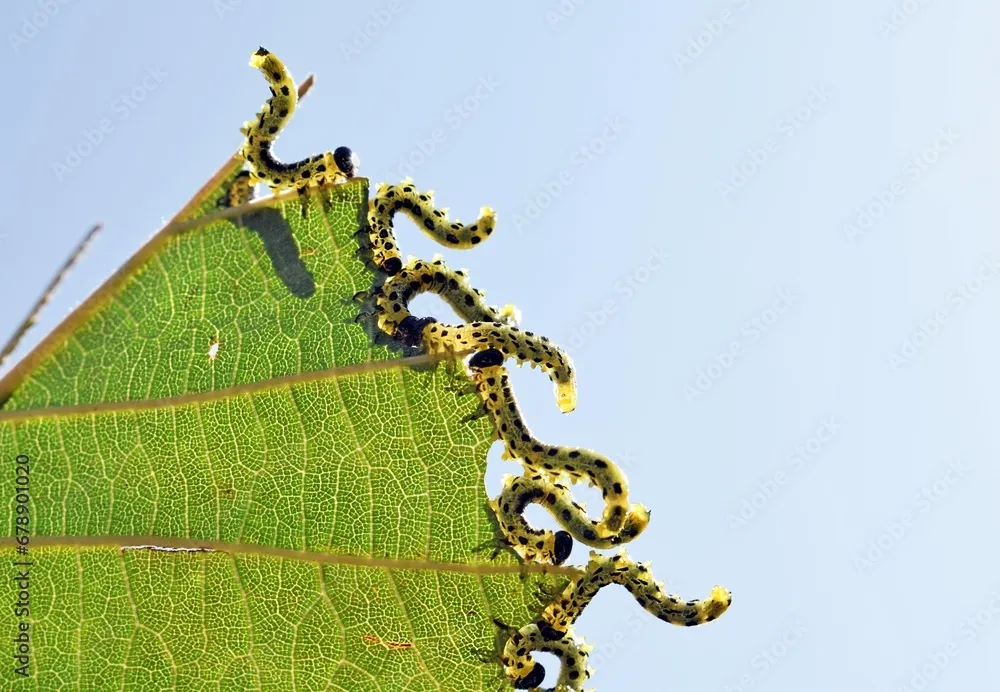
Sawfly Larvae
Tenthredinidae familySawflies are a primitive group of insects belonging to the suborder Symphyta, closely related to wasps, bees, and ants but distinguished by the absence of the characteristic 'wasp-waist' constriction.
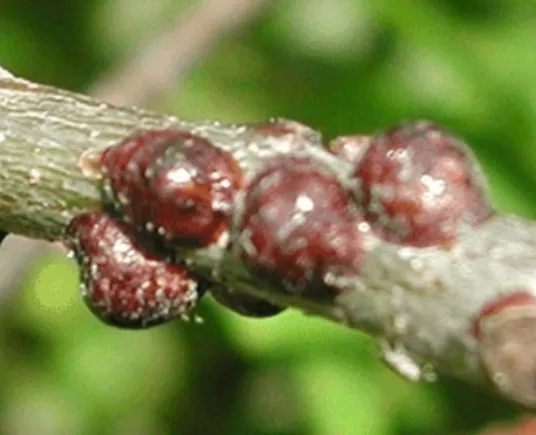
Scale Insect
Coccoidea, CoccomorphaScale insects are small, sap-sucking pests belonging to the superfamily Coccoidea, comprising over 8,000 described species. They are unique among garden pests because adult females are generally immobile and covered by a waxy or armored shell, often causing them to be mistaken for fungal growths, galls, or inanimate bumps on stems and leaves.
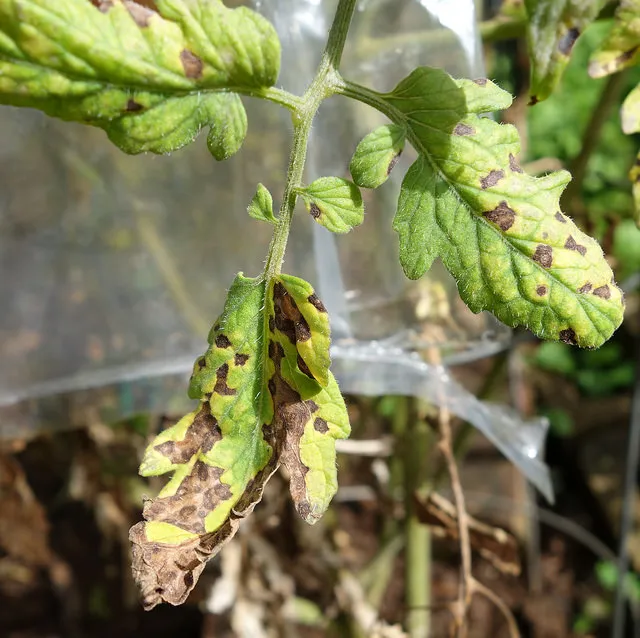
Septoria Leaf Spot
Septoria lycopersiciSeptoria Leaf Spot, caused by the destructive ascomycete fungus Septoria lycopersici, is one of the most common, aggressive, and economically damaging foliar diseases of tomatoes (Solanum lycopersicum) and other Solanaceous crops.
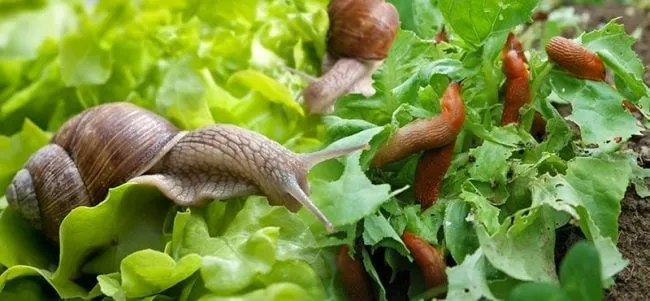
Snails and Slugs
GastropodaSnails and slugs are soft-bodied terrestrial mollusks belonging to the class Gastropoda. Unlike true insects, these pests are closely related to clams and octopuses.
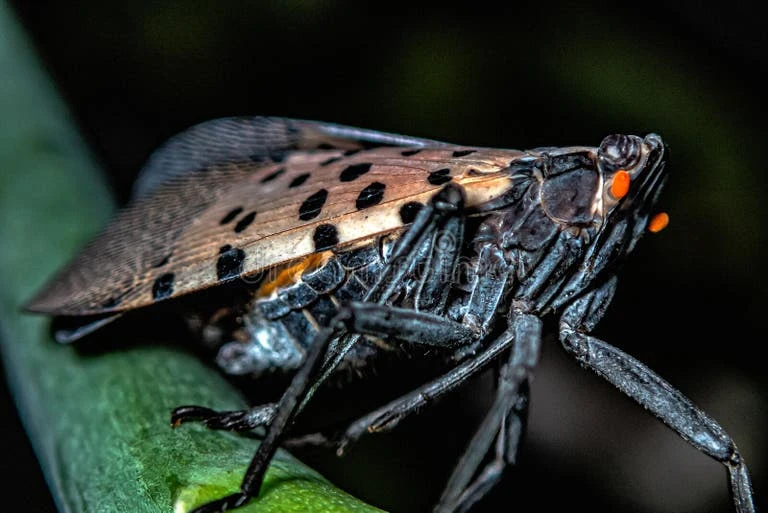
Spotted Lanternfly
Lycorma delicatulaThe Spotted Lanternfly (Lycorma delicatula), belonging to the planthopper family Fulgoridae under the order Hemiptera, is a highly invasive and economically damaging sucking pest native to China, India, and Vietnam.
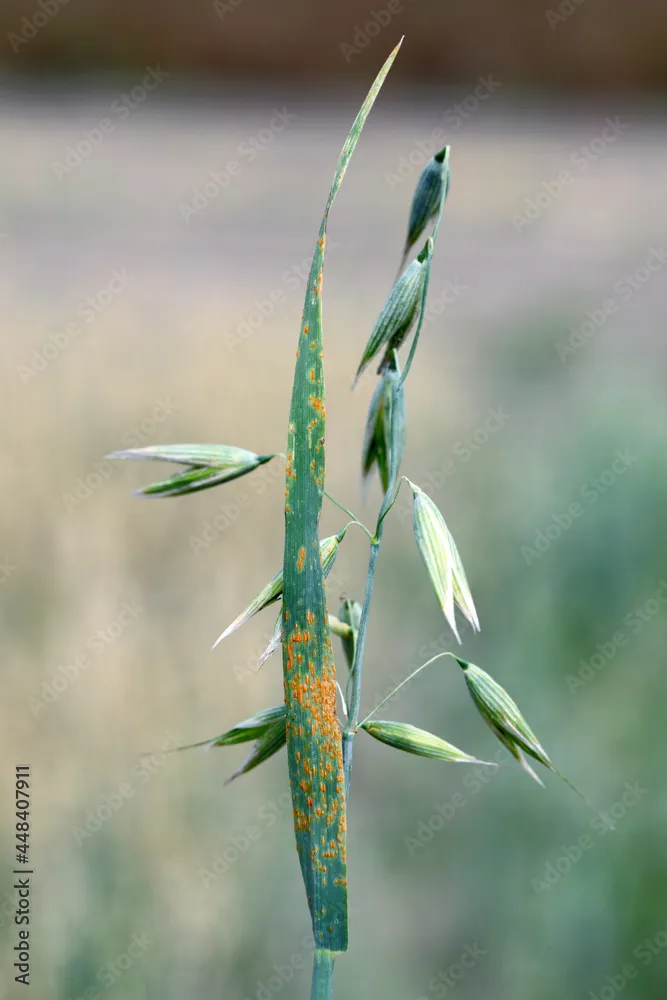
Stem Rust (Black Rust)
Puccinia graminisStem rust, also known as black rust or cereal rust, is a devastating fungal disease caused by the pathogen Puccinia graminis. It is historically one of the most destructive diseases of cereal crops worldwide, capable of turning a healthy-looking crop into a tangle of black, shriveled stalks and empty heads in a matter of weeks.
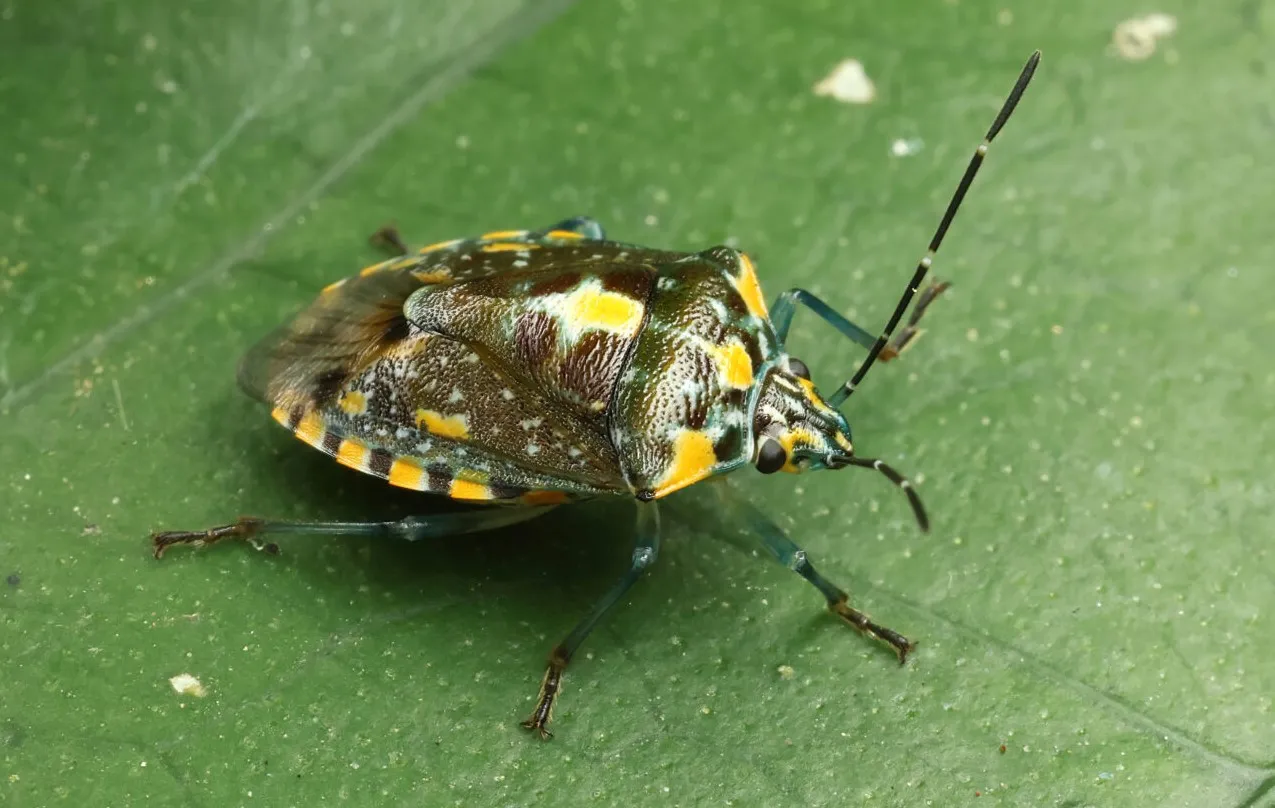
Stink Bug
PentatomidaeThe Stink Bug (family Pentatomidae, featuring highly notorious invasive species like the Brown Marmorated Stink Bug, Halyomorpha halys) is a major, highly widespread sucking insect pest belonging to the order Hemiptera.
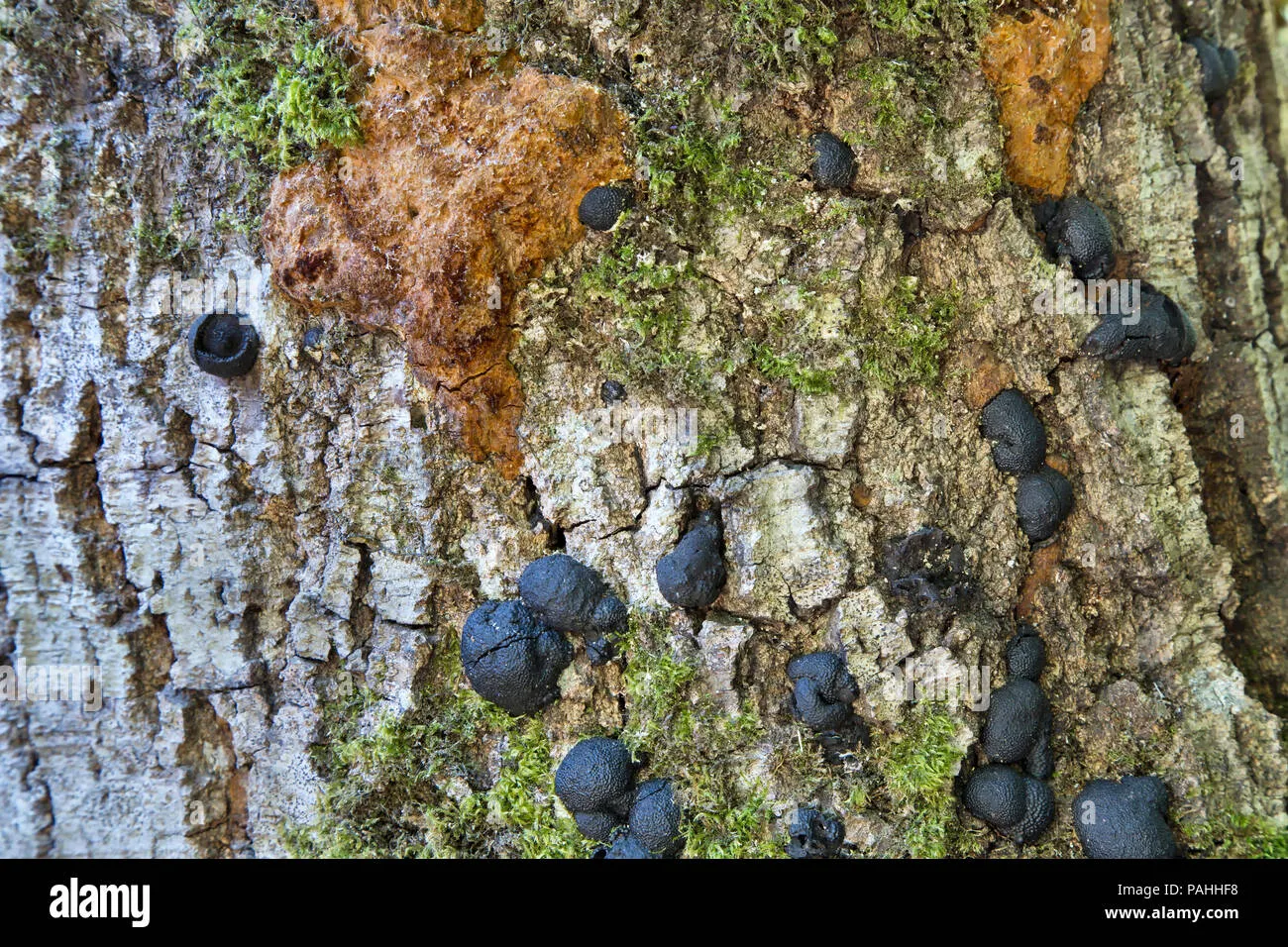
Sudden Oak Death
Phytophthora ramorumSudden Oak Death (SOD), caused by the aggressive oomycete (water mold) pathogen Phytophthora ramorum, is a highly destructive, lethal tree epidemic that has devastated oak and tanoak forests in coastal California and Oregon.
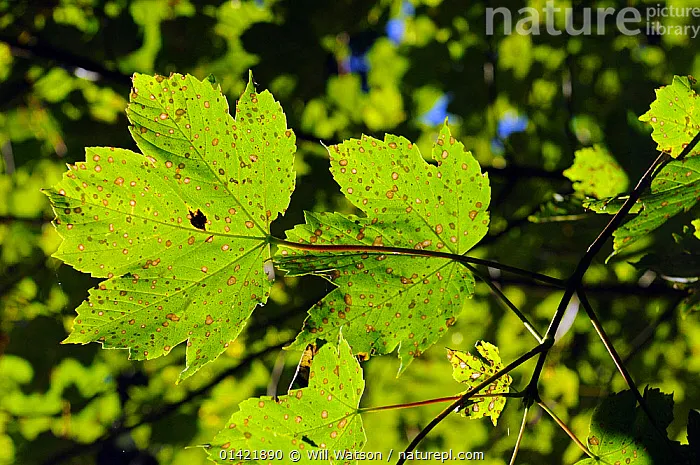
Tar Spot (Maple)
Rhytisma acerinumTar Spot of Maple, caused primarily by the specialized ascomycete fungus Rhytisma acerinum, is a common, highly conspicuous foliar disease that targets various species of maple trees (Acer spp.).
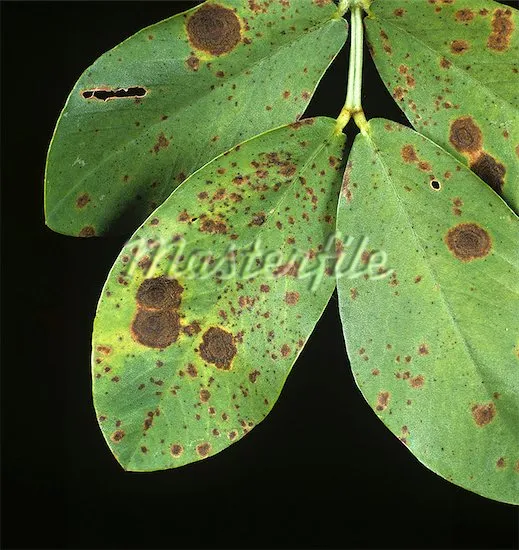
Tikka Disease (Groundnut Leaf)
Cercospora arachidicolaTikka Disease (Groundnut Leaf Spot), primarily caused by the fungal pathogens Cercospora arachidicola (early leaf spot) and Cercosporidium personatum (late leaf spot), is the most prominent and economically destructive foliar disease aff...
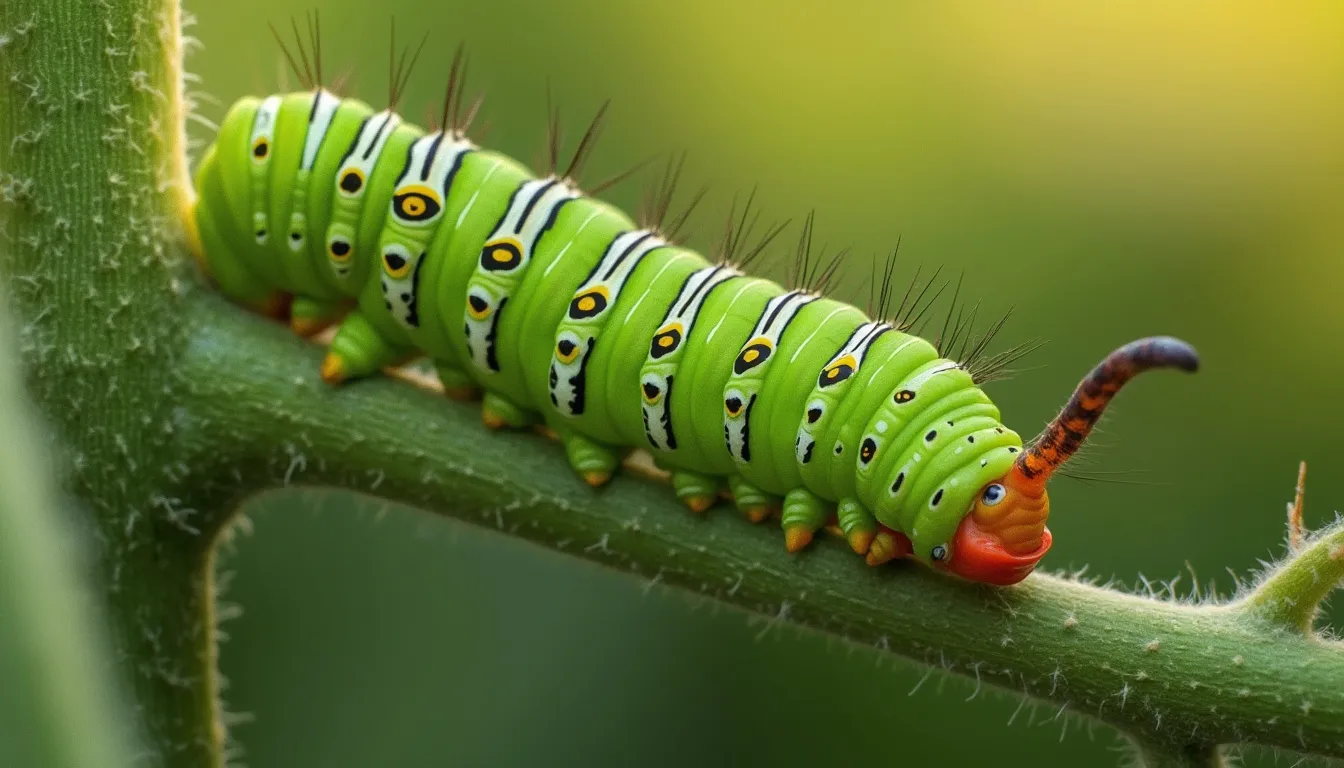
Tomato Hornworm
Manduca quinquemaculataThe Tomato Hornworm (Manduca quinquemaculata), belonging to the sphinx moth family Sphingidae under the order Lepidoptera, is one of the largest and most destructive chewing pests found in home gardens.
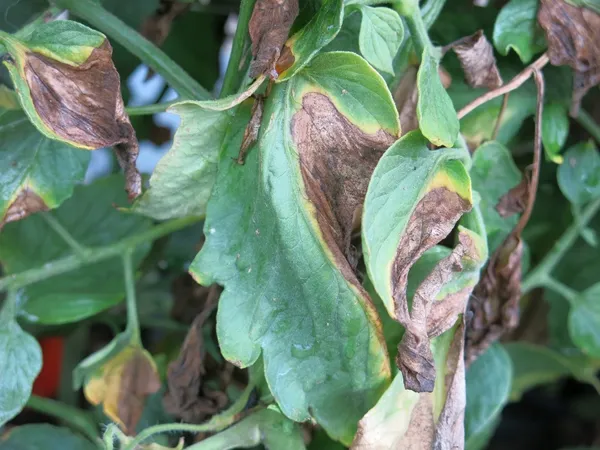
Verticillium Wilt
Verticillium dahliae, Verticillium albo-atrumVerticillium Wilt is a highly destructive soil-borne fungal disease caused by the ascomycete pathogens Verticillium dahliae and Verticillium albo-atrum.
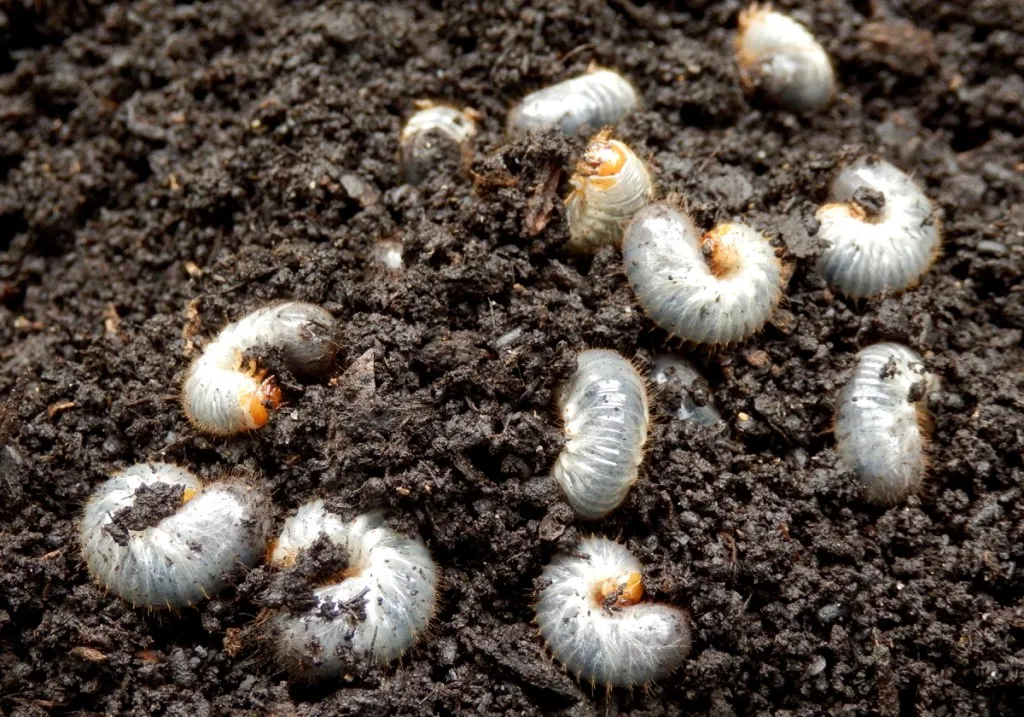
White Grub
Holotrichia spp.The White Grub (primarily Holotrichia spp. and other scarab genera) is a highly destructive soil-dwelling insect pest representing the larval stage of scarab beetles, June bugs, or chafers belonging to the beetle family Scarabaeidae.
White Mold
Sclerotinia sclerotiorumWhite Mold, caused by the notorious soil-borne Ascomycete fungus Sclerotinia sclerotiorum, is a highly destructive, cosmopolitan plant disease affecting over 400 species, mostly broadleaf crops.
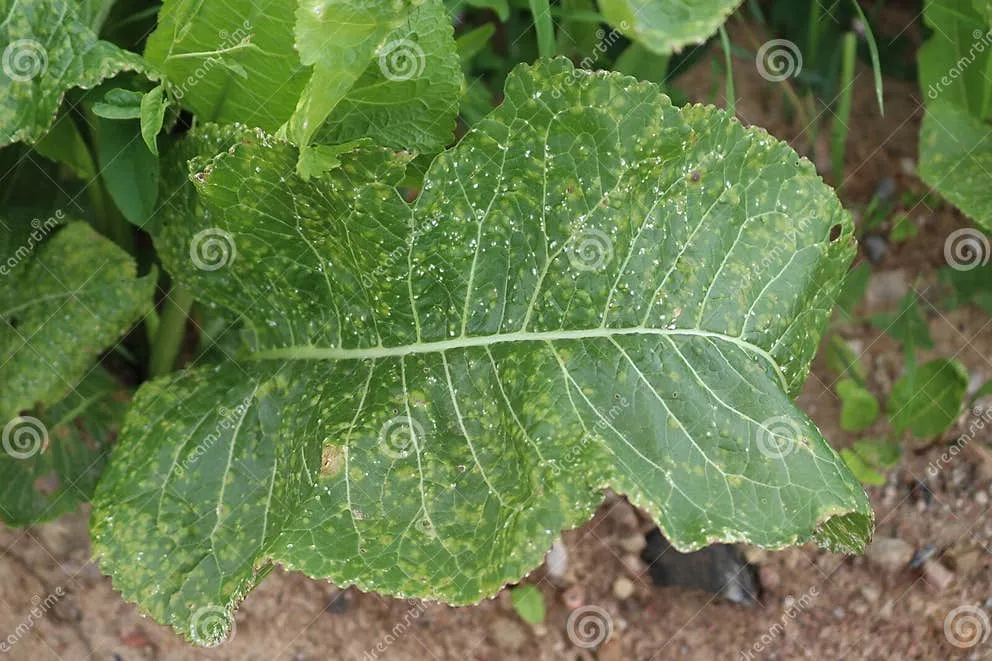
White Rust (Crucifer)
Albugo candidaWhite Rust of crucifers, also known as white blister, is a destructive plant disease caused by the specialized Oomycete pathogen Albugo candida (not a true fungus, but a water mold).
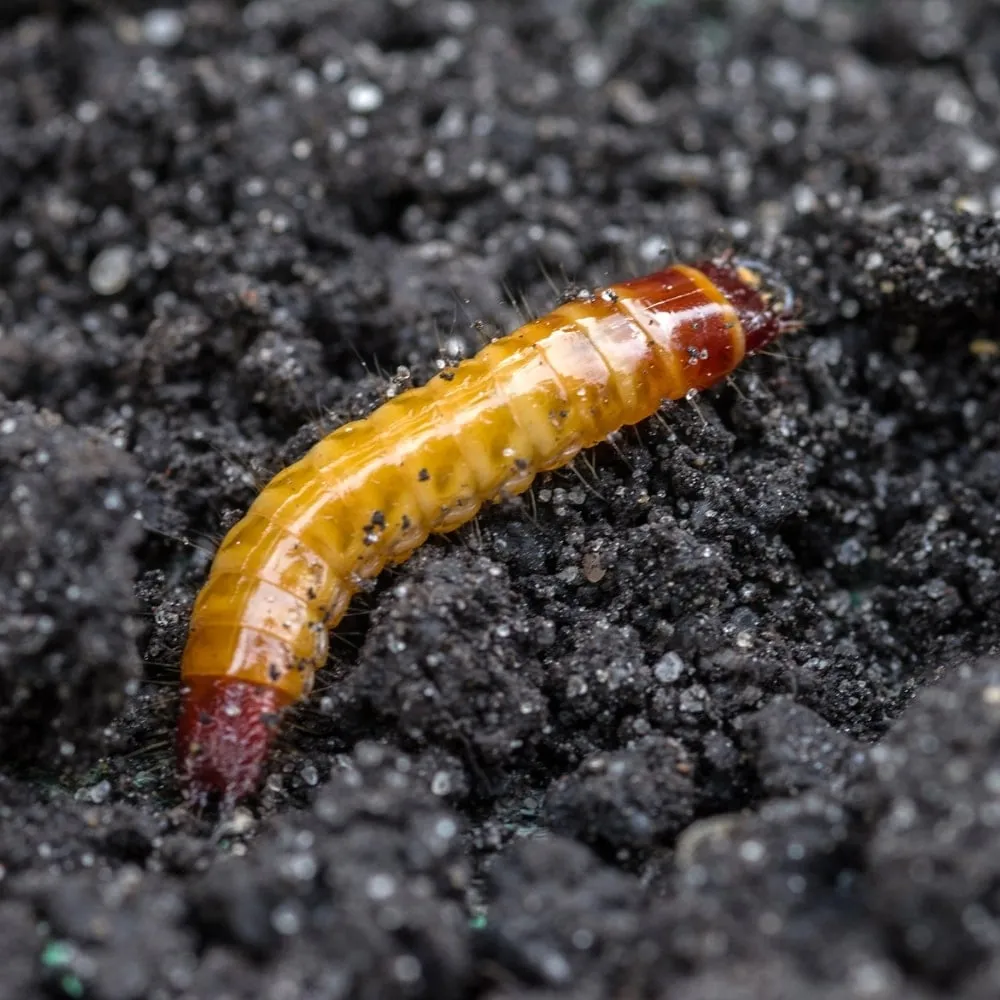
Wireworm
Agriotes spp.The Wireworm (primarily Agriotes spp.) is a highly destructive soil-dwelling agricultural insect pest representing the larval stage of click beetles belonging to the beetle family Elateridae.
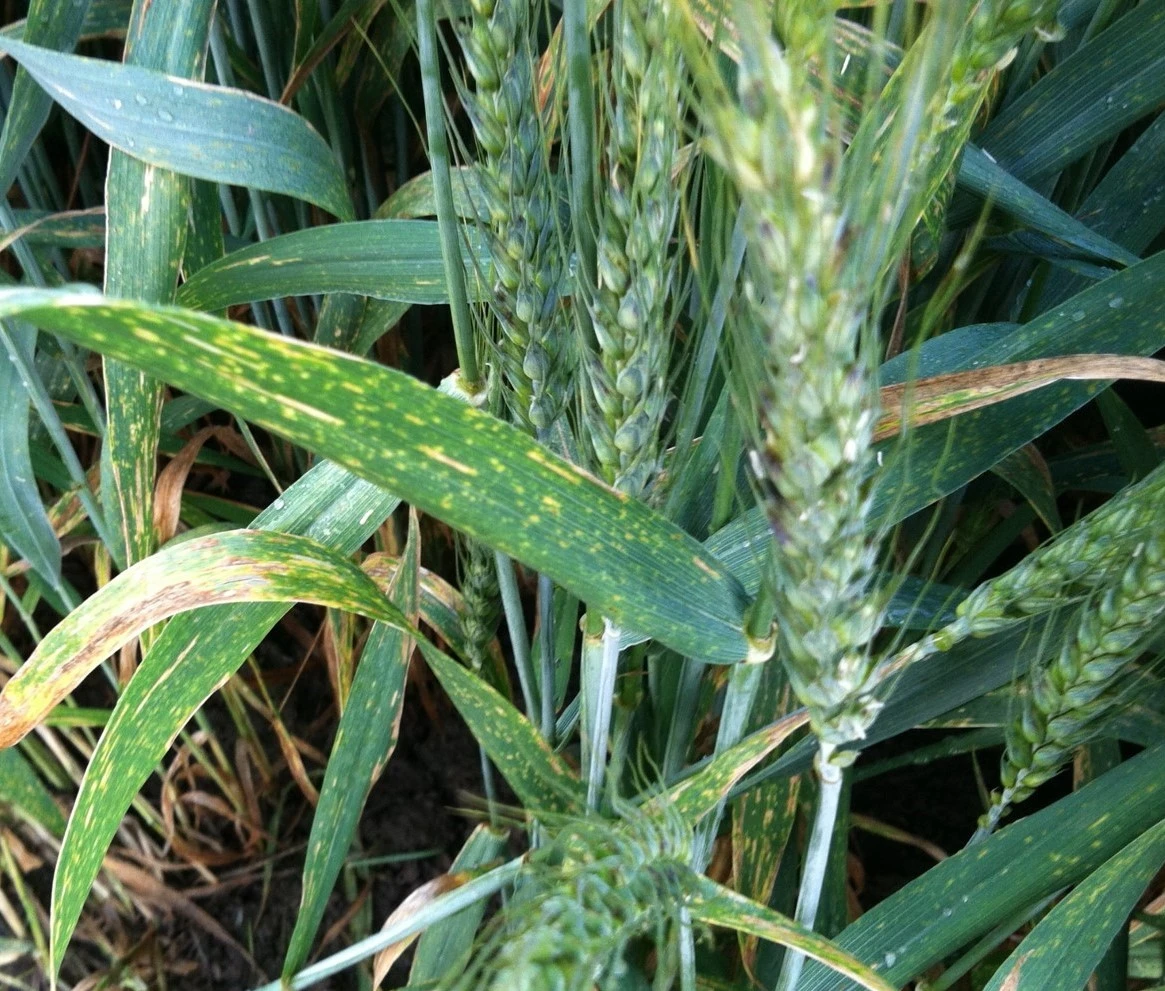
Yellow Rust (Stripe Rust)
Puccinia striiformisYellow Rust, also widely known as Stripe Rust, is a devastating airborne fungal disease caused by the obligate biotrophic basidiomycete pathogen Puccinia striiformis.
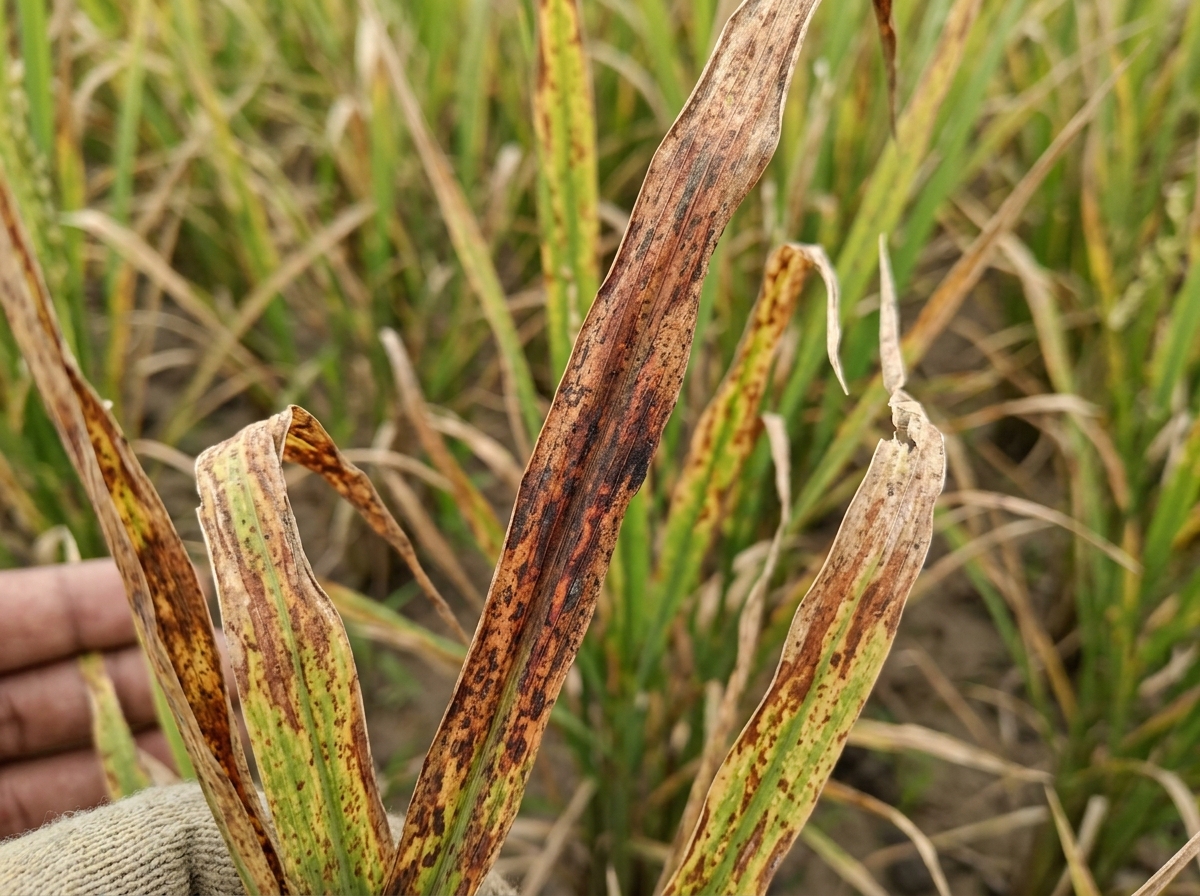
Zinc Deficiency
Zincum DeficientiaZinc deficiency, historically known across South Asia as Khaira Disease, is the most widespread micronutrient disorder in wetland rice. Continuous soil submergence and high pH immobilize zinc into insoluble zinc sulfide and hydroxide forms, causing rusty-brown leaf blotching and stunted growth 2-4 weeks after transplanting..
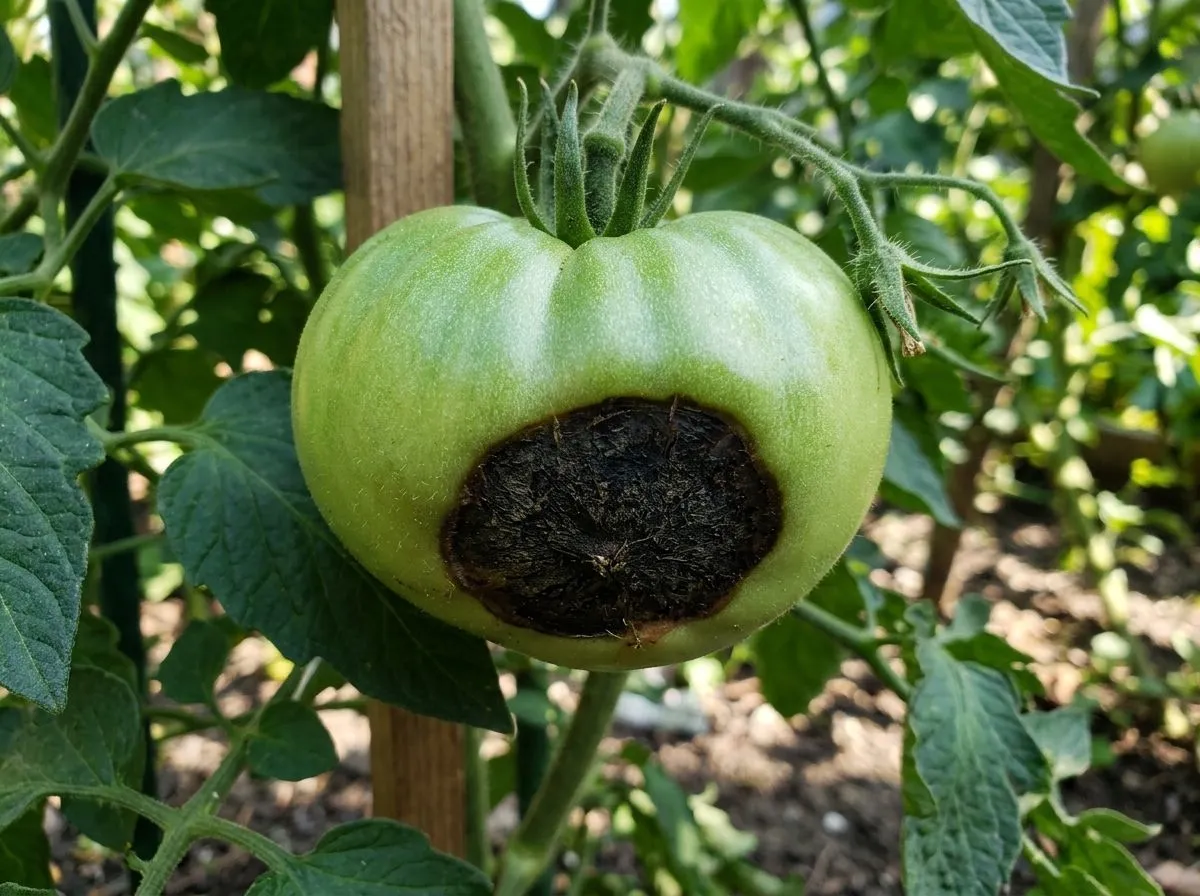
Calcium Deficiency
Calcium DeficientiaCalcium deficiency in tomatoes is the primary cause of Blossom End Rot (BER). It occurs when calcium transport fails during rapid fruit cell wall development, often triggered by irregular watering rather than soil calcium absence..
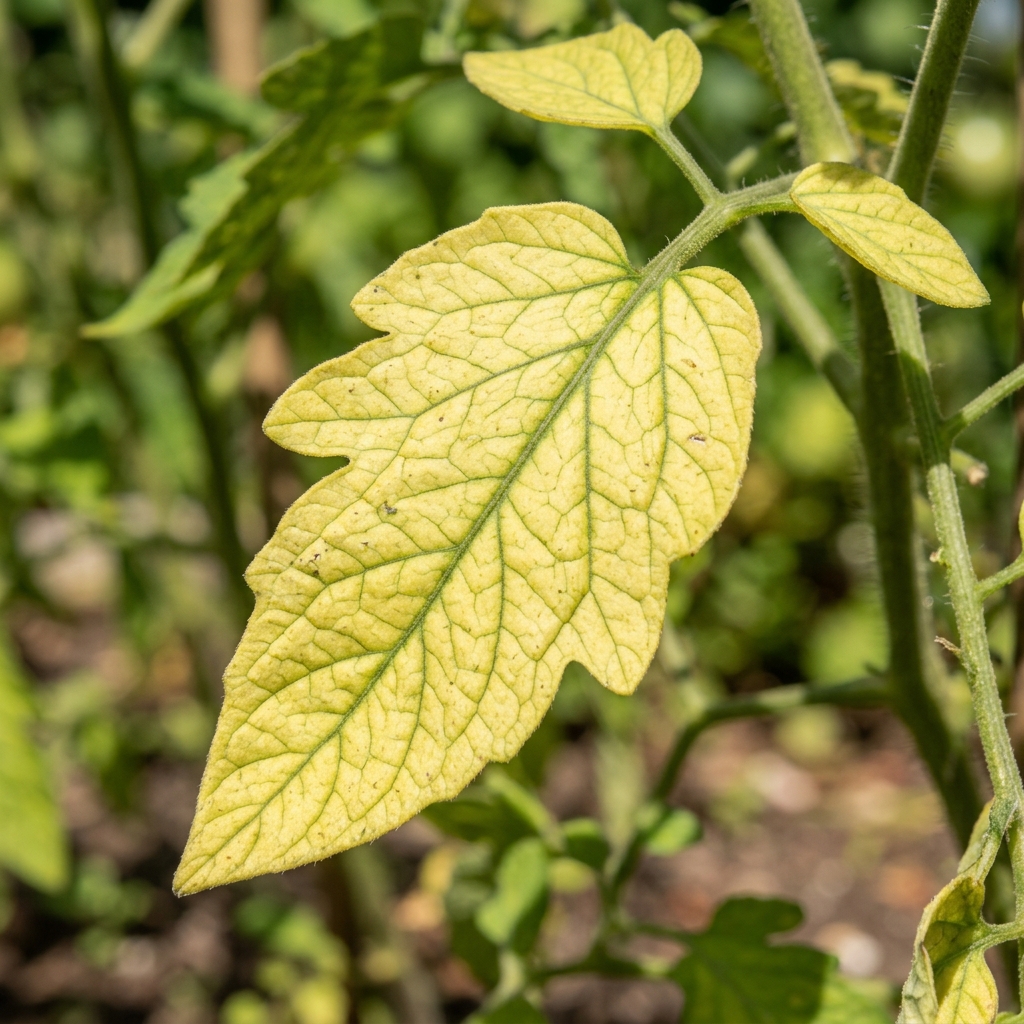
Nitrogen Deficiency
Nitrogen DeficientiaNitrogen deficiency is a common limitation in tomatoes. As nitrogen is a key mobile nutrient, plants redirect it from older bottom leaves to support young developing shoots and fruits, leading to lower leaf senescence..