
Geranium vs Pelargonium
Compare True Geranium (Cranesbill) and Pelargonium (Garden Geranium). Learn botanical differences, winter hardiness, symmetry, and pet toxicity.
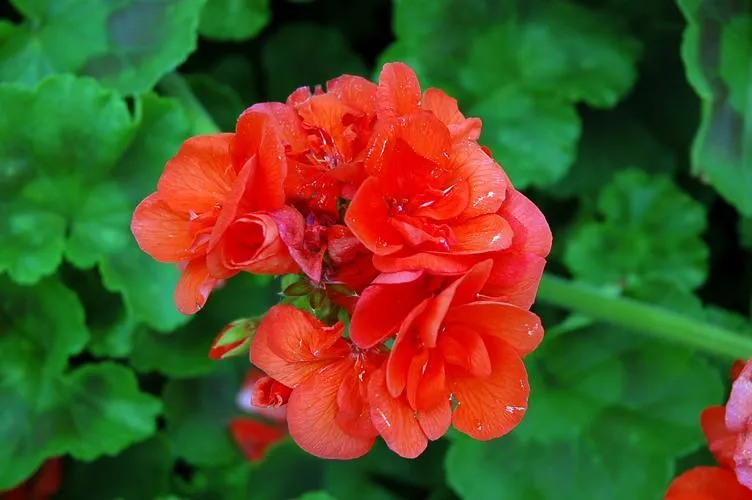
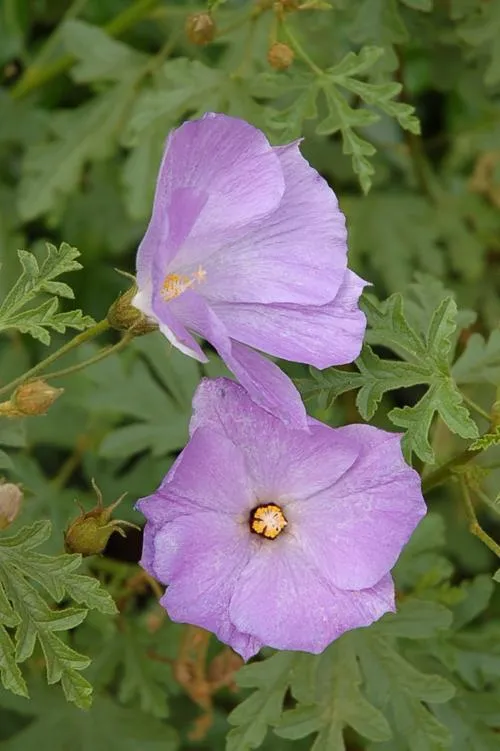
Key Differences: Geranium vs Pelargonium
Although commonly lumped together under the name 'geranium,' true geraniums and pelargoniums are entirely distinct genera within the Geraniaceae family with markedly different flower anatomy. True geraniums (Cranesbill) produce radially symmetrical (actinomorphic) saucer-shaped flowers with five identical, evenly spaced petals, blooming predominantly in cool shades of true blue, violet, and soft pink atop deeply lobed, palmate foliage.
Pelargoniums (common garden, zonal, and scented geraniums) are subtropical South African subshrubs featuring bilaterally symmetrical (zygomorphic) blossoms with two distinct upper petals and three lower petals in dense rounded umbels. Unlike winter-hardy cranesbills that survive sub-zero northern winters, pelargoniums are frost-tender succulents famous for fiery scarlet and salmon blooms, rounded leaves with dark horseshoe zonal bands, and aromatic essential oils that release potent fragrances when crushed.
Botanical & Care Comparison Table
| Feature | Geranium | Pelargonium |
|---|---|---|
| Family | Geraniaceae | Geraniaceae |
| Colors Available | Blue, violet, purple, magenta, soft pink, white | Scarlet red, crimson, orange, salmon, coral, hot pink, white |
| Bloom Season | Late spring through mid-summer (sporadic autumn rebloom) J F M A M J J A S O N D | Continuous from mid-spring through first autumn frost J F M A M J J A S O N D |
| Maintenance Level | Very low (hardy groundcover, self-sufficient once established) | Moderate (requires regular deadheading, pinching, and winter shelter) |
| Sunlight Needs | Full Sun to Partial Shade (tolerates woodland dappled light) | Full Sun (requires 6–8 hours direct sunlight for prolific blooms) |
| Watering Needs | Moderate (prefers moist, well-draining garden soil) | Low to moderate (drought-tolerant; susceptible to root rot if overwatered) |
| Pet Toxicity | ✅ Low toxicity / Generally safe (Pet Guard verified) | ⚠️ Toxic to cats and dogs (geraniol and linalool essential oils) |
| Fragrance | Subtle, fresh herbal foliage scent | Intensely aromatic foliage (citronella, rose, mint, lemon, or spice) |
| Pests & Diseases | Susceptible to Slugs, Rust, and Powdery Mildew. | Susceptible to Botrytis gray mold, Whiteflies, and Root Rot. |
| Typical Uses | Perennial groundcovers, woodland borders, cottage garden underplantings | Hanging baskets, window boxes, patio containers, seasonal bedding displays |
How to Spot the Differences (Visual Identification)
Spot the features below to easily distinguish between the two plants in the wild or garden:
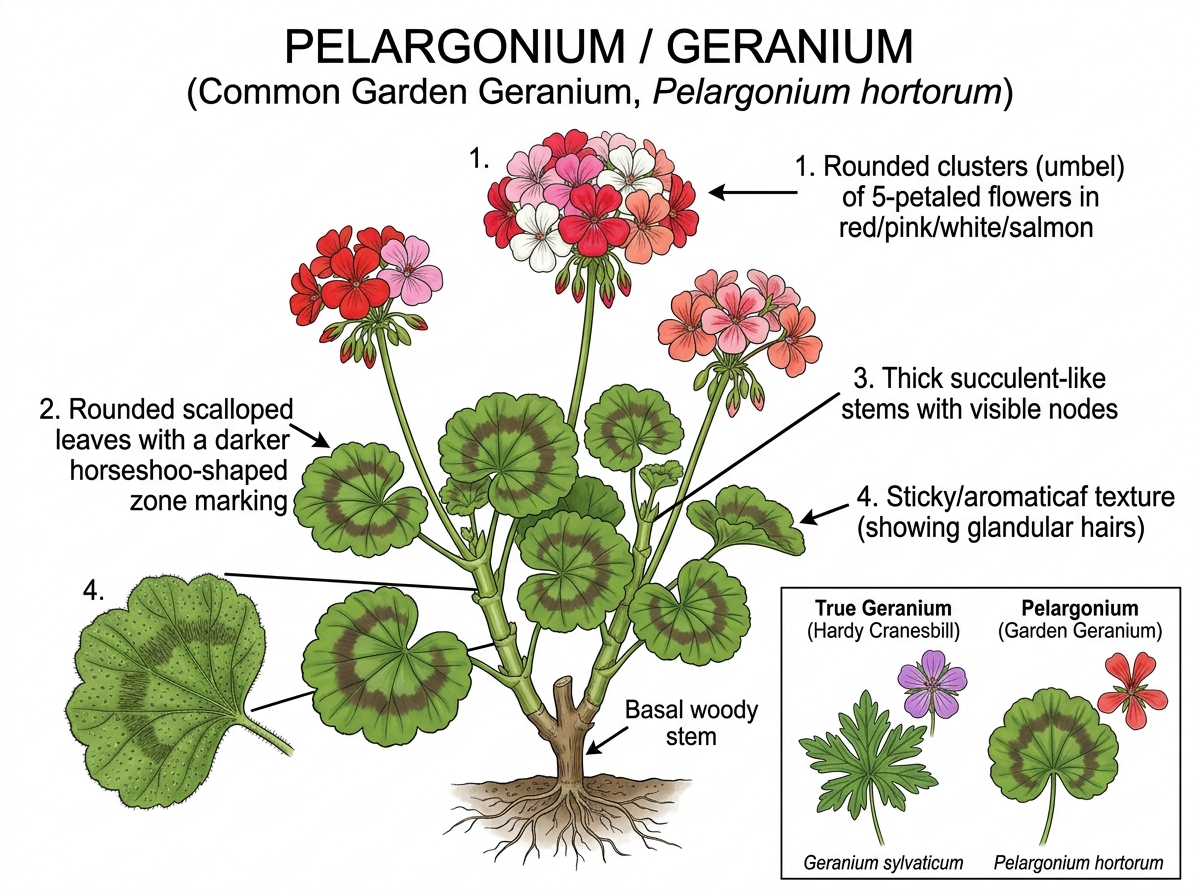
- Radially symmetrical blooms: Flowers are actinomorphic with 5 identical, evenly spaced petals forming a flat cup or saucer.
- Deeply lobed palmate leaves: Leaves are finely dissected, toothed, and palmate, lacking circular dark zonal rings.
- Cold-hardy perennial: Survives freezing northern winters (USDA Zones 3–8), dying back to crowns and returning each spring.
- Cool flower palette: Blooms in clear true blues, purples, violets, and magentas; never produces true reds or oranges.
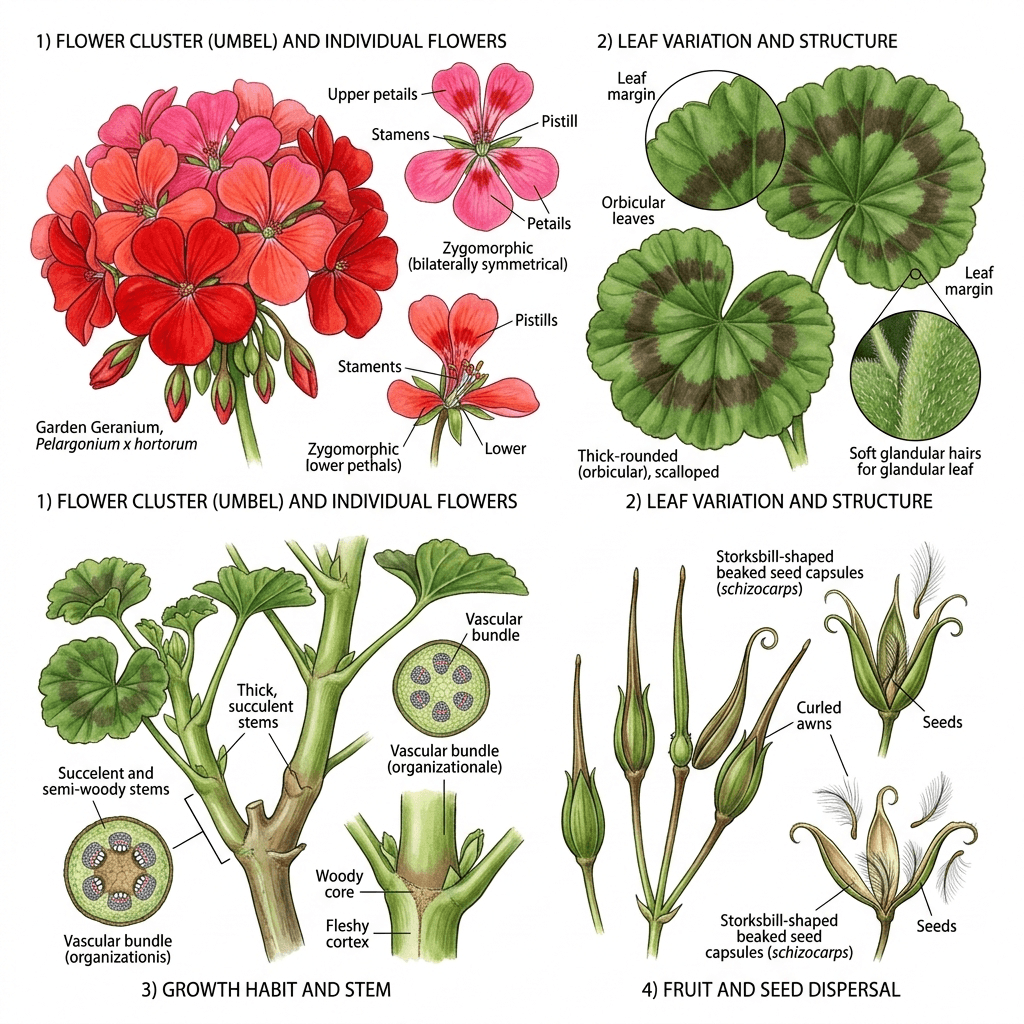
- Bilaterally symmetrical blooms: Flowers are zygomorphic with 2 distinct upper petals and 3 lower petals in dense rounded umbels.
- Zoned or scented foliage: Rounded or scalloped leaves often feature a dark horseshoe band (zonal) or pungent aromatic oils.
- Frost-tender habit: Tender perennial or annual in cold zones (USDA Zones 9–11), with thick, semi-succulent woody stems.
- Vibrant hot palette: Famous for intense scarlet reds, bright oranges, salmon, corals, hot pinks, and bicolors.
Which Should You Choose?
- Choose True Geranium (Cranesbill) if you live in a cold climate and want a carefree, perennial flowering groundcover with rare true-blue or violet blossoms.
- Choose Pelargonium (Garden Geranium) if you want fiery red, salmon, or pink container displays, lush window boxes that bloom non-stop all summer, or scented foliage varieties.