
Similar Flowers
Discover flowers that share botanical characteristics
Same Family
2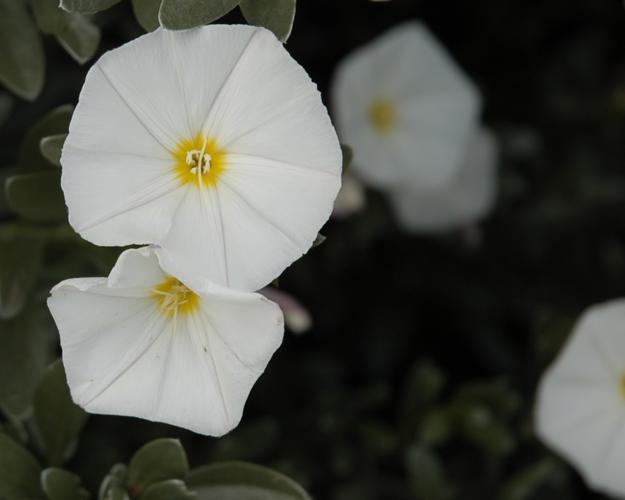
Silverbush
Convolvulus cneorum
The Silverbush, botanically classified as Convolvulus cneorum and widely referred to as the Silvery Bindweed or Bush Morning Glory, is an exceptionally elegant, compact evergreen shrub belonging to the Convolvulaceae (morning glory) family. Unlike its sprawling, climbing vine cousins, this specie...
Bindweed
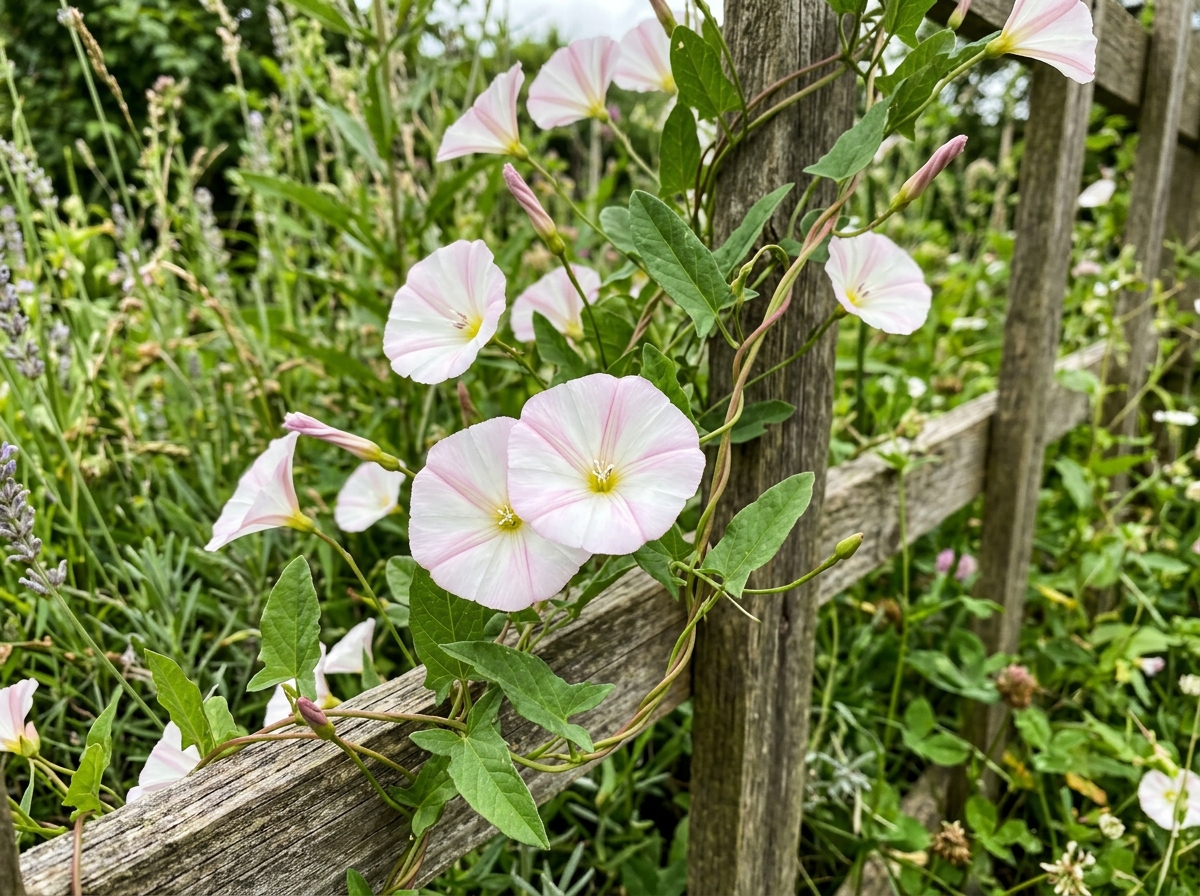
Convolvulus arvensis
Bindweed (Convolvulus arvensis), commonly called Field Bindweed or Wild Morning Glory, is a perennial twining vine native to Europe and Asia that has become one of the most widespread and persistent weeds across North America, Australia, and South Asia. Despite its invasive nature, the plant prod...
Similar Characteristics
4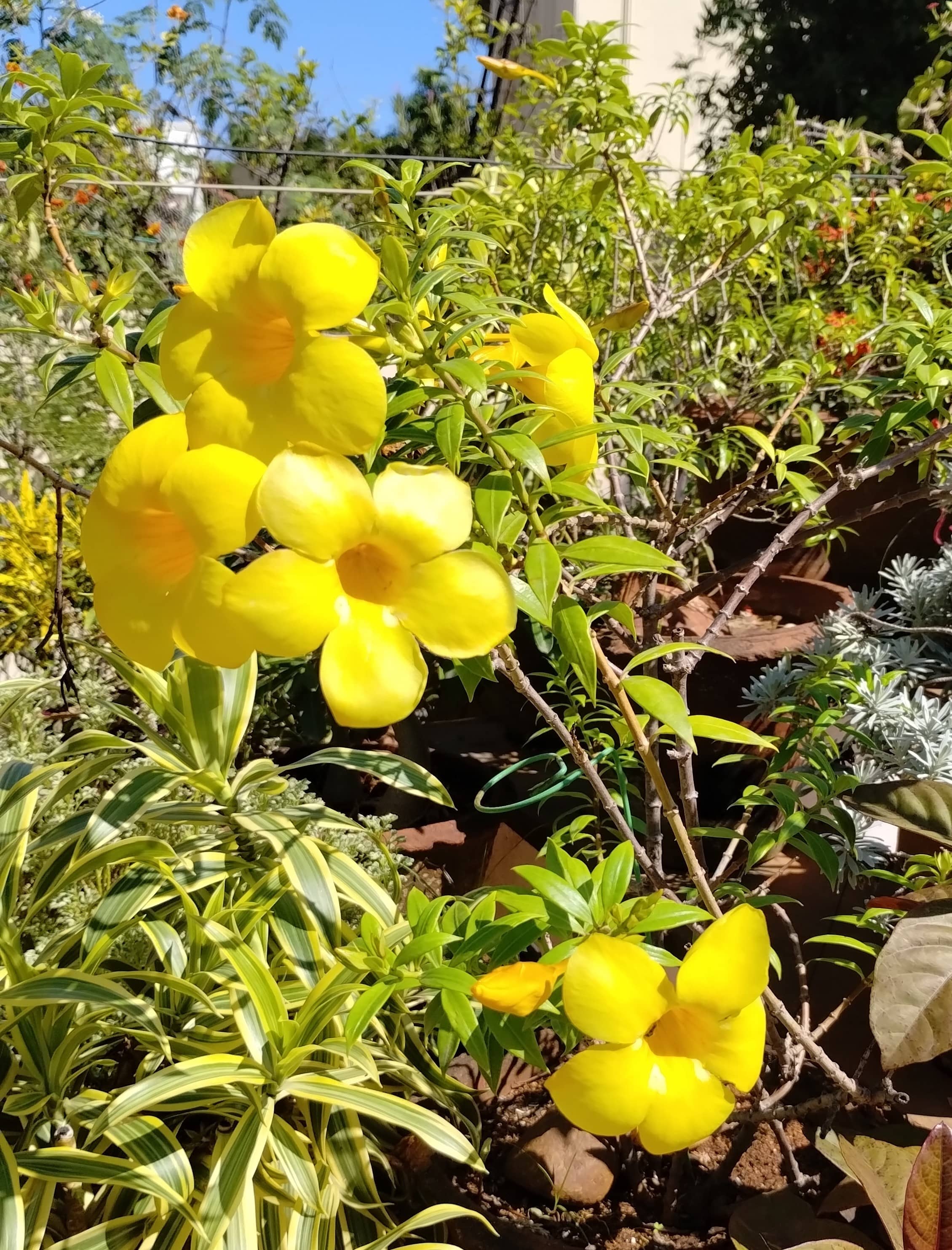
Allamanda
Allamanda cathartica
The Allamanda, botanically designated as Allamanda cathartica and commonly known as the Golden Trumpet, Common Trumpet Vine, or Yellow Bell, is a spectacular tropical evergreen perennial. Belonging to the family Apocynaceae (the dogbane family), this vigorous climbing vine or sprawling shrub is n...
Canterbury bells
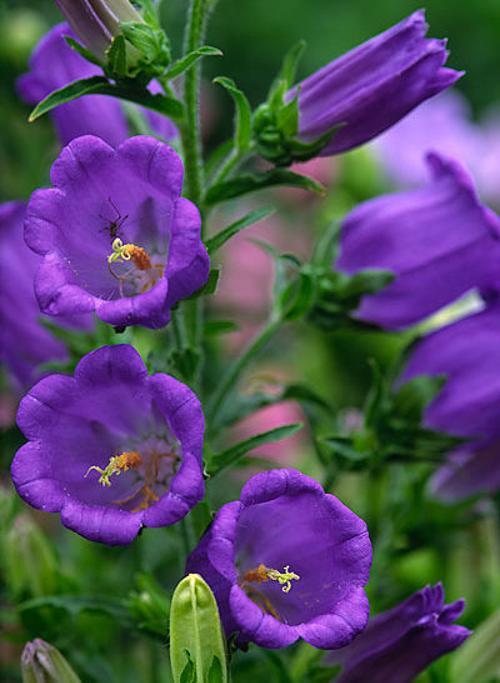
Campanula medium
Campanula medium, commonly known as Canterbury Bells, is a quintessential cottage garden biennial that brings a sense of Victorian elegance and whimsical charm to any landscape. Belonging to the Campanulaceae family, this species is native to the sun-drenched hills of Southern Europe, particularl...
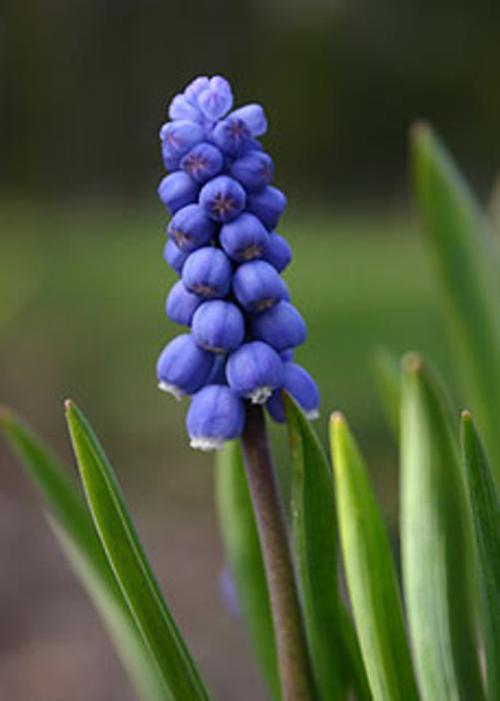
Grape hyacinth
Muscari
Grape Hyacinth, botanically classified under the genus Muscari and represented primarily by Muscari armeniacum, is a highly charming, clump-forming spring bulb belonging to the Asparagaceae (asparagus) family. Native to the rich mountain meadows, rocky woodlands, and grassy slopes of the Mediterr...
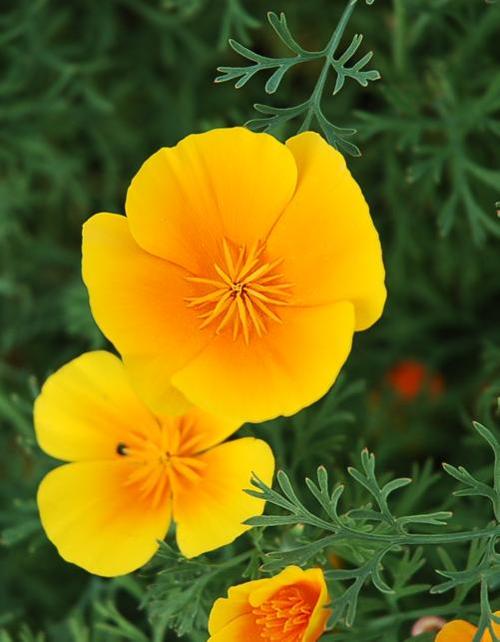
California poppy
Eschscholzia californica
Eschscholzia californica, famously known as the California Poppy or Golden Poppy, is a brilliant wildflower that serves as a luminous symbol of the American West. Belonging to the Papaveraceae (Poppy) family, this resilient species is celebrated for its silky, cup-shaped blossoms that range from...
Morning Glory vs Bindweed
Morning Glory or Bindweed? Learn the 7 key visual differences: flower size, leaf shape, vine direction, and weed status. Includes a side-by-side botanical comparison.
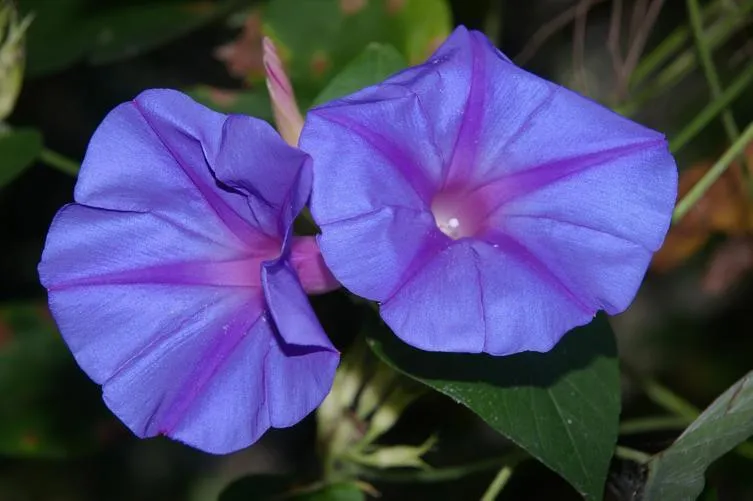
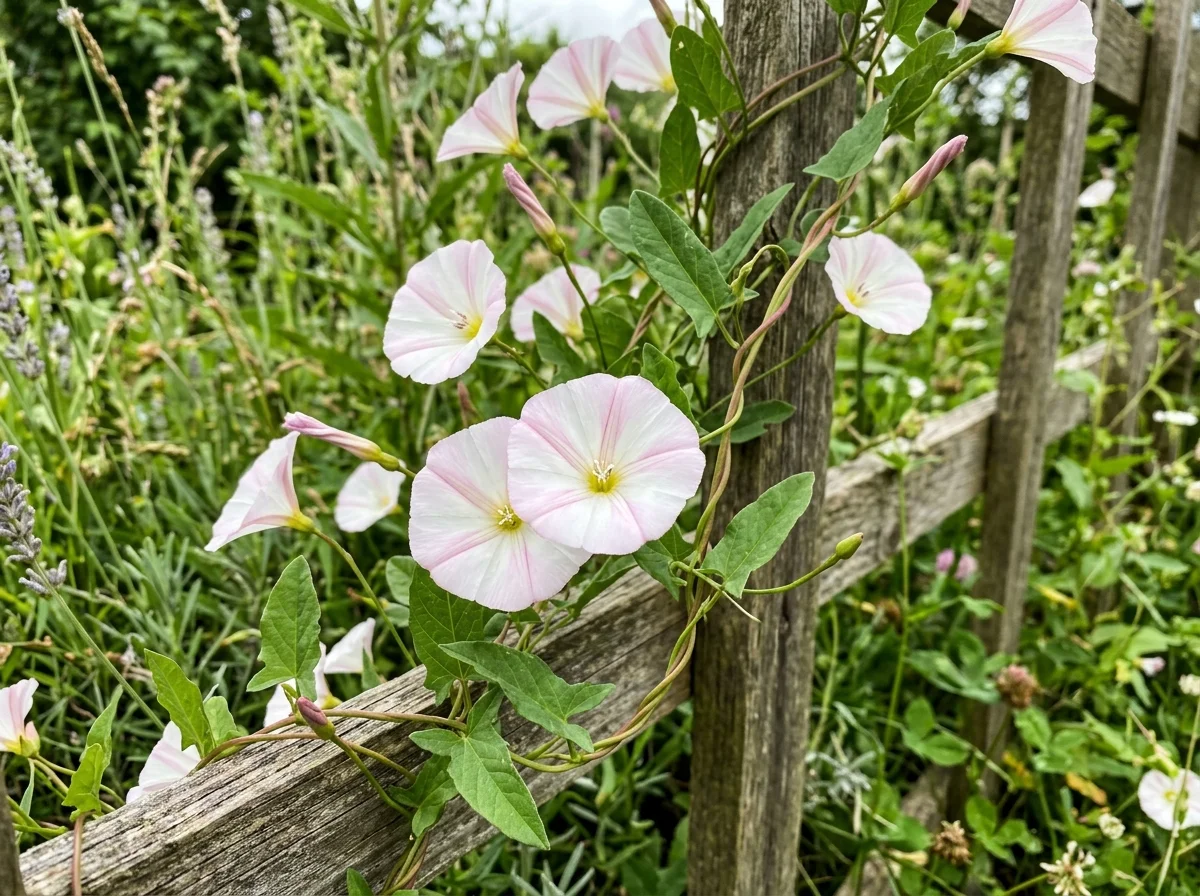
Key Differences: Morning Glory vs Bindweed
The most important difference between Morning Glory and Bindweed is that Morning Glory (Ipomoea purpurea) is a fast-growing ornamental annual cultivated intentionally for its large, colorful trumpet flowers, while Bindweed (Convolvulus arvensis) is a persistent invasive perennial weed that is notoriously difficult to control. Visually, Morning Glory flowers are dramatically larger (2–3 inches across) and come in bold purples, blues, and reds with a white star center, while Bindweed flowers are tiny (½–1 inch) and pale white or pastel pink. The leaves are the most reliable field identification clue: Morning Glory has broad, heart-shaped leaves with a smooth rounded base, while Bindweed has distinctly arrow-shaped (sagittate) leaves with two backward-pointing lobes at the base. Finally, the vines twist in opposite directions — Morning Glory clockwise, Bindweed counterclockwise.
Botanical & Care Comparison Table
| Feature | Morning Glory | Bindweed |
|---|---|---|
| Family | Convolvulaceae | Convolvulaceae |
| Colors Available | Purple, Blue, Red, Pink, White, Bi-colors | White, Pale Pink only |
| Bloom Season | Summer through first frost (July–October) J F M A M J J A S O N D | Late spring through early autumn (May–September) J F M A M J J A S O N D |
| Maintenance Level | Low annual (just replant from seed each year) | Extremely difficult to control — invasive perennial weed |
| Sunlight Needs | Full Sun (6+ hours daily) | Full Sun to Part Shade (highly adaptable) |
| Watering Needs | Moderate (once established, drought-tolerant) | Extremely drought-tolerant perennial weed |
| Pet Toxicity | ⚠️ Mildly toxic to cats and dogs (contains ergoline alkaloids) | ⚠️ Mildly toxic to cats and dogs (resin glycosides — GI irritant) |
| Fragrance | Faint sweet fragrance | No significant fragrance |
| Pests & Diseases | Susceptible to Powdery Mildew and Leaf Miners. | Highly resistant to most diseases. Susceptible to Rust and white mold in dense patches. |
| Typical Uses | Ornamental fence covering, trellises, cottage gardens | No ornamental use — garden pest / invasive weed |
How to Spot the Differences (Visual Identification)
Spot the features below to easily distinguish between the two plants in the wild or garden:
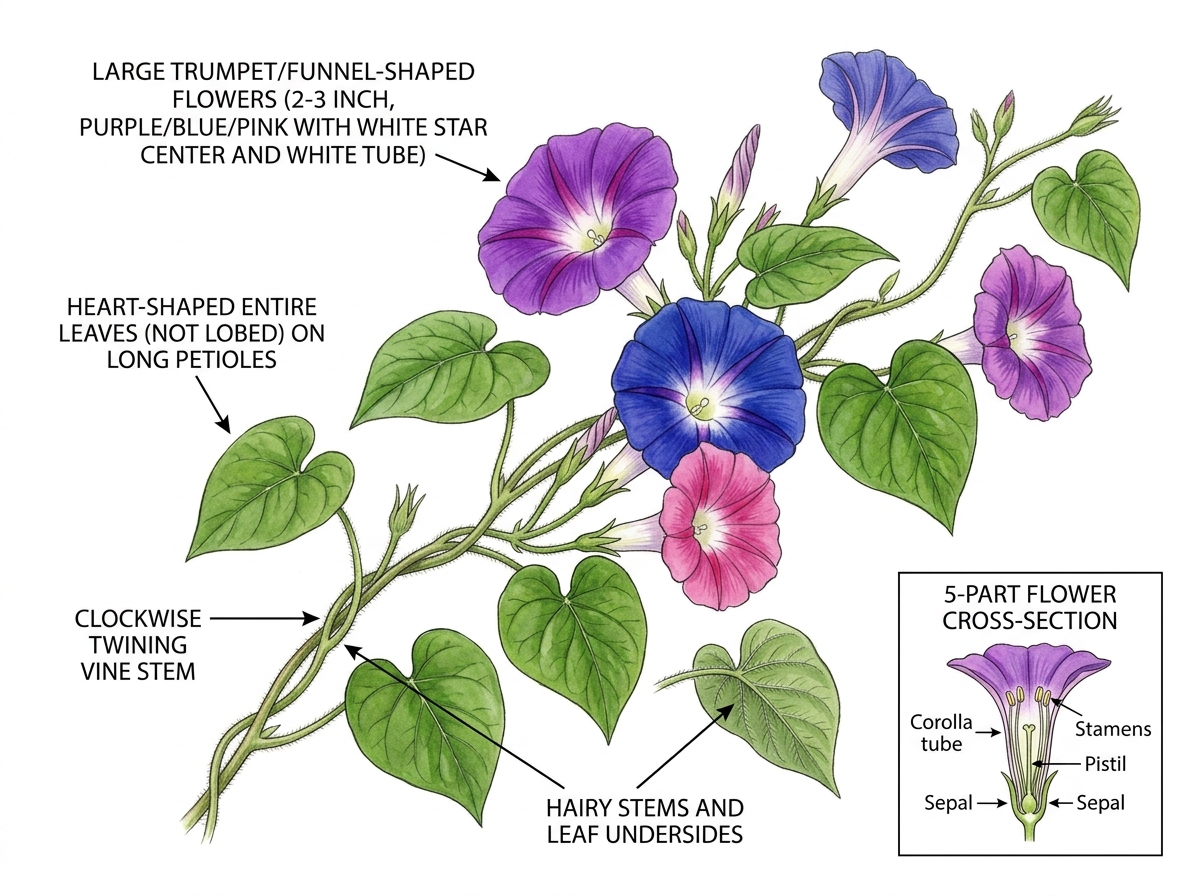 Morning Glory
- Large 2–3 inch trumpet flowers: Big, bold funnel flowers in purple, blue, red, pink, or white with a bright white star-shaped center tube.
- Heart-shaped (cordate) leaves: Broad, smooth-edged, heart-shaped leaves with a rounded base and no backward-pointing lobes.
- Clockwise twining vine: The stem wraps in a clockwise direction (right to left when viewed from above) around fences and other supports.
- Annual lifecycle: Dies completely after the first frost. Must be replanted from seed each spring. Easily controlled.
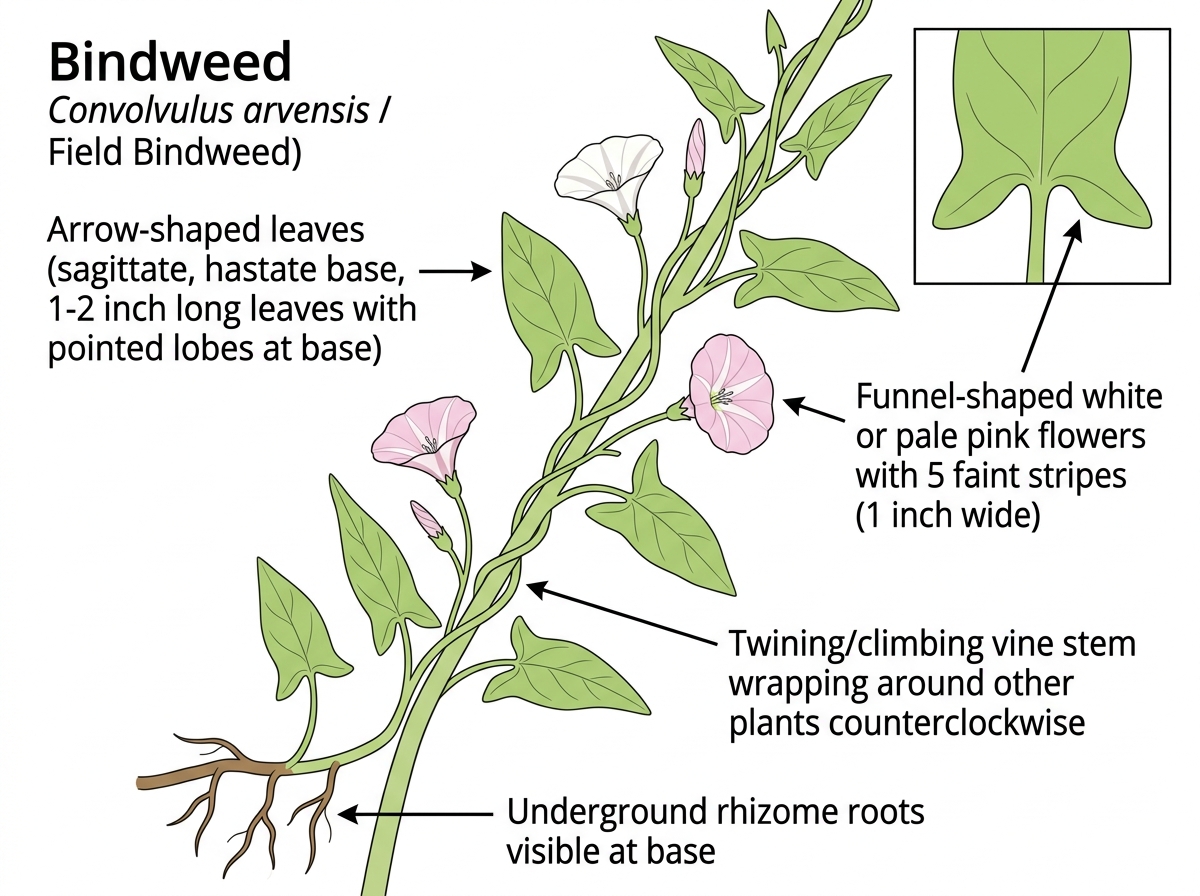 Bindweed
- Small ½–1 inch pale flowers: Small funnel flowers, white to pale pink with faint pink stripes — much smaller and less showy than Morning Glory.
- Arrow-shaped (sagittate) leaves: Distinctive arrowhead leaves with two pointed lobes projecting backward at the base. This is the key field ID feature.
- Counterclockwise twining vine: Wraps in the opposite direction from Morning Glory — counterclockwise — around any available structure.
- Invasive perennial weed: Returns from deep rhizome roots every year. Can be virtually impossible to eradicate once established without repeated treatments.
Which Should You Choose?
- Choose Morning Glory if you want a fast-growing, colorful annual vine to cover a trellis, fence, or pergola. It will disappear after frost and can be managed easily.
- Bindweed is never a choice — it is an invasive weed. If you find bindweed in your garden, begin removal immediately before it spreads by seed or rhizome to neighboring areas. See our Control Guide on the Bindweed profile page for effective eradication methods.