
Hydrangea vs Peony
Which is best for your garden: Hydrangea or Peony? Compare soil requirements, blooming periods, colors, and toxicity.
Key Differences: Hydrangea vs Peony
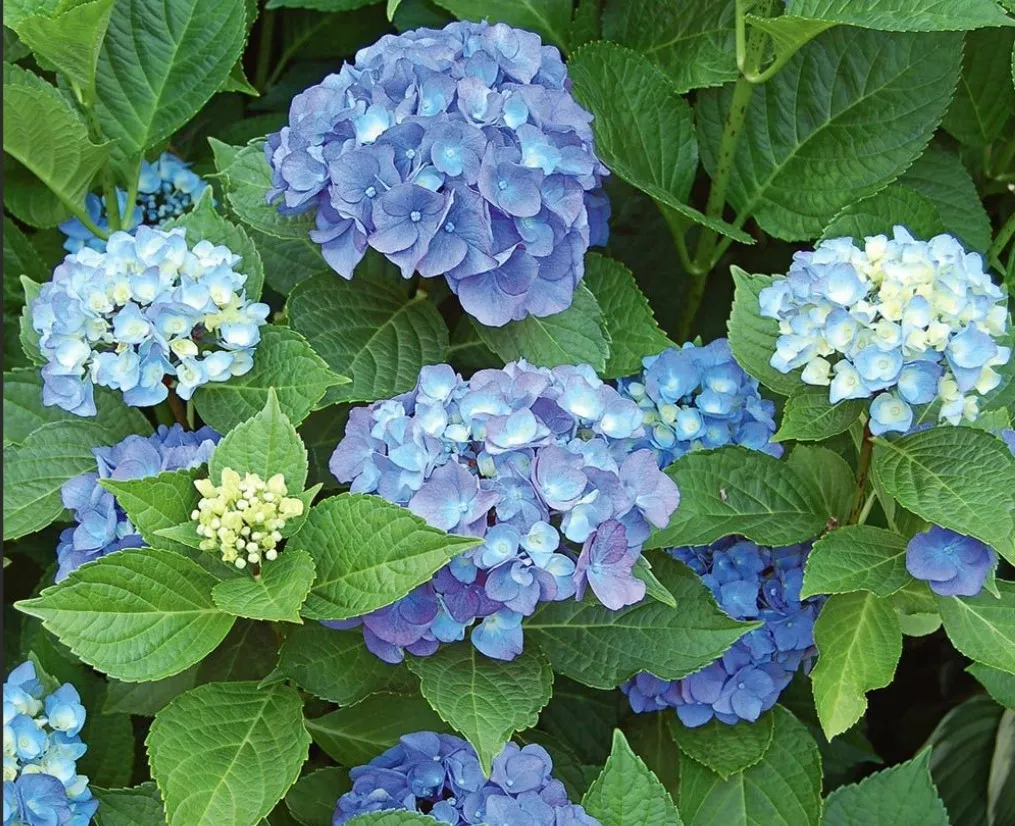
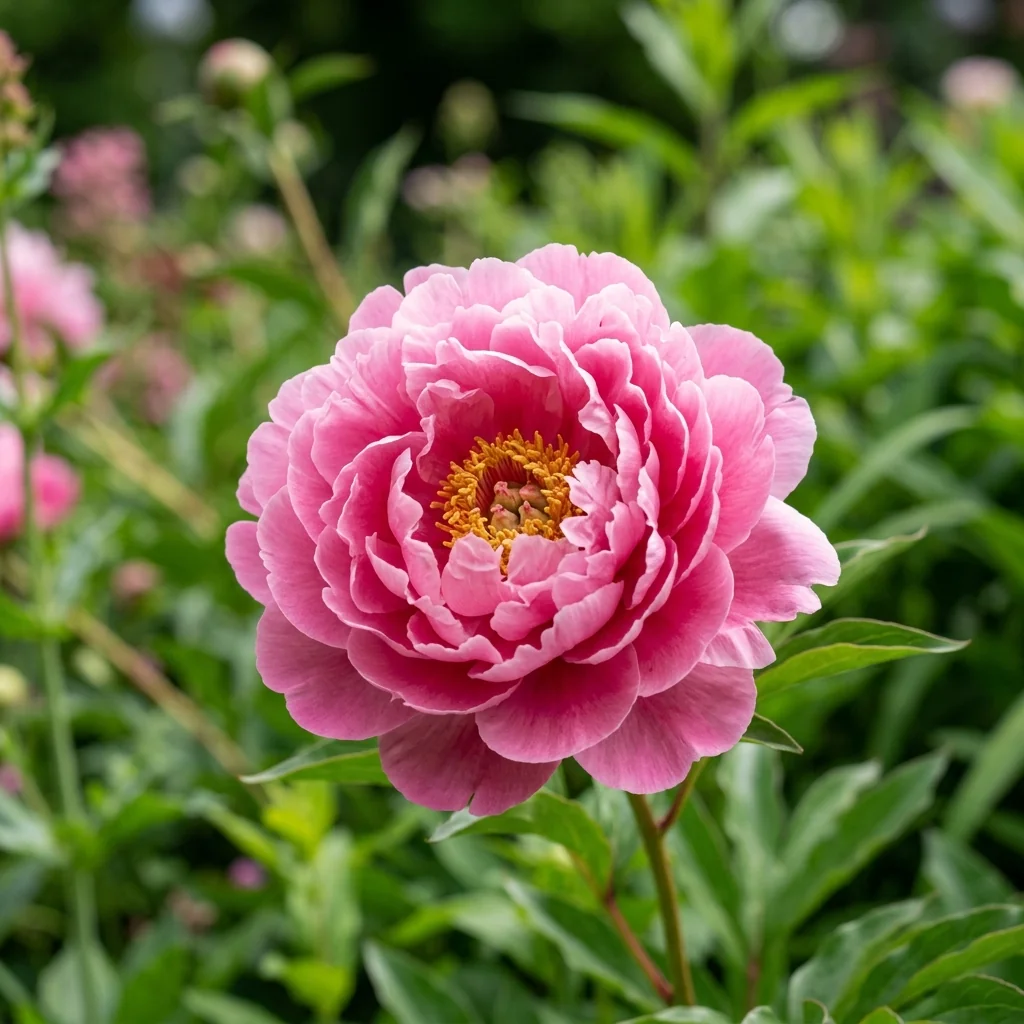
The key difference between hydrangeas and peonies is their size, bloom duration, and color sensitivity. Hydrangeas are large, woody shrubs that bloom for months from mid-summer to autumn, with flower colors (blue or pink) that change based on soil acidity. Peonies are smaller herbaceous perennials that bloom for only 2 to 3 weeks in late spring, producing massive, heavily scented double blooms that are unaffected by soil pH.
Botanical & Care Comparison Table
| Feature | Hydrangea | Peony |
|---|---|---|
| Family | Hydrangeaceae | Paeoniaceae |
| Colors Available | Blue, Pink, Purple, White, Green | Pink, White, Red, Coral, Soft Yellow |
| Bloom Season | Mid-summer to late autumn (months-long display) J F M A M J J A S O N D | Late spring to early summer (2–3 weeks only) J F M A M J J A S O N D |
| Maintenance Level | Moderate (requires pruning, regular water, shade) | Low (once established, thrives for decades) |
| Sunlight Needs | Partial Shade (prefers morning sun, afternoon shade) | Full Sun (requires 6+ hours direct sunlight daily) |
| Watering Needs | High (needs consistently moist soil, prone to wilting) | Average (drought-tolerant once established) |
| Pet Toxicity | ⚠️ Mildly toxic to cats and dogs (cyanogenic glycosides) | ⚠️ Mildly toxic to cats and dogs (contains paeonol) |
| Fragrance | Mostly scentless | Very strong, sweet, and floral |
| Pests & Diseases | Susceptible to Powdery Mildew and Leaf Spot fungi. | Susceptible to Botrytis Blight and Powdery Mildew. |
| Typical Uses | Hedges, shade borders, dried flower arrangements | Focal spring borders, classic cottage gardens |
How to Spot the Differences (Visual Identification)
Spot the features below to easily distinguish between the two plants in the wild or garden:
Hydrangea
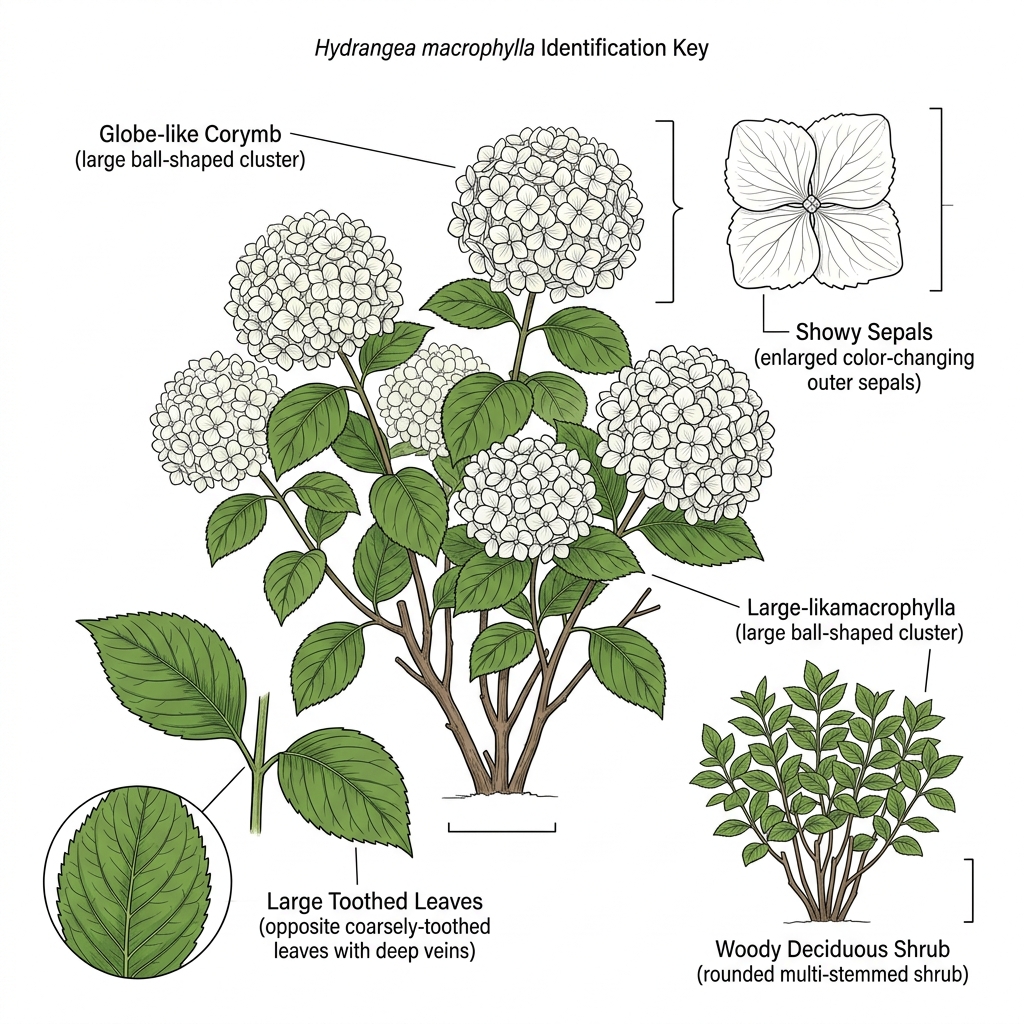
- Dome-shaped clusters (Mopheads): Flowers are dense, spherical clusters made of hundreds of small 4-petal florets.
- Woody deciduous shrub: Forms a permanent woody structure (up to 6 feet tall) that stays intact in winter.
- Large, serrated leaves: Leaves are wide, oval, bright green with serrated edges, resembling mint leaves.
- pH-sensitive color: Flower colors shift from blue (in acidic soils) to pink (in alkaline soils).
Peony
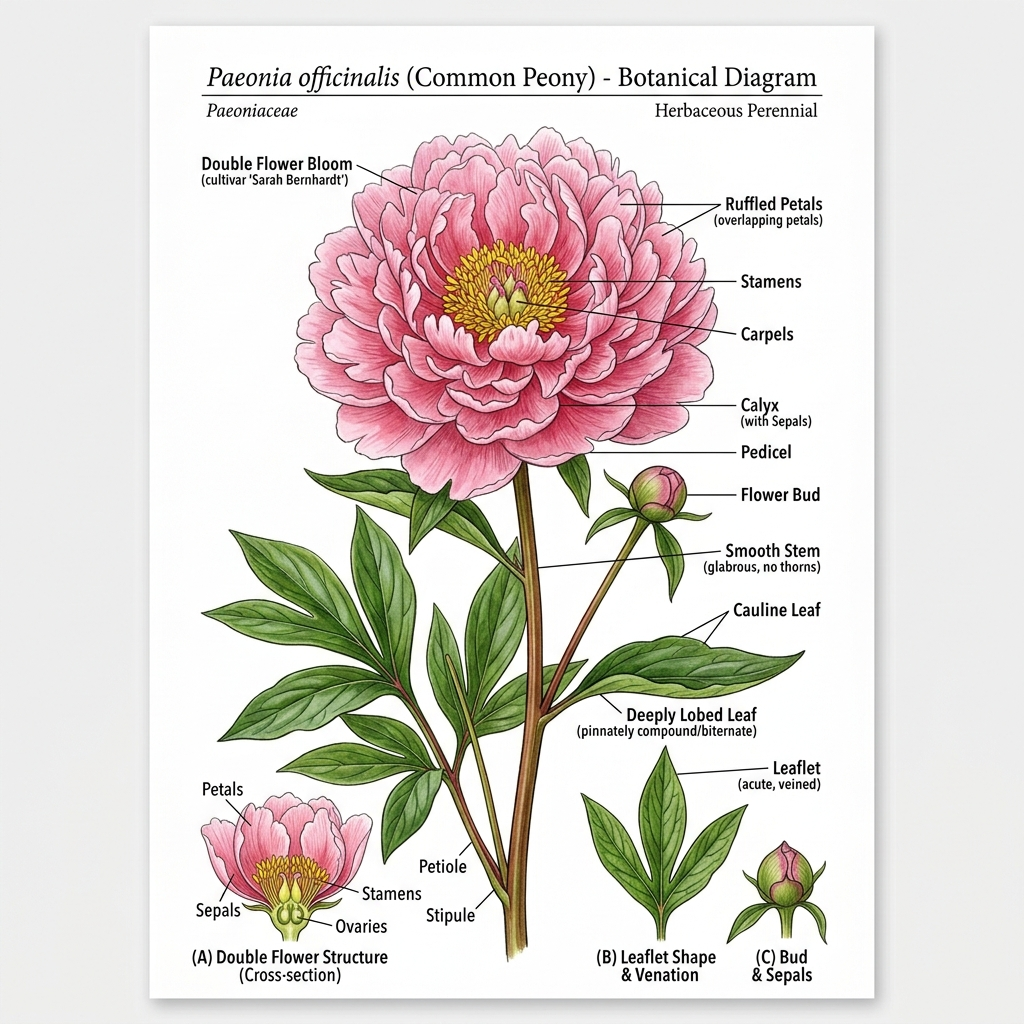
- Individual giant blooms: Produces single massive flowers (6-10 inches wide) with layered, ruffled petals.
- Herbaceous plant: Green stems die back completely in winter and re-emerge in spring.
- Glossy, divided foliage: Leaves are deeply cut, dark green, and glossy, turning bronze in autumn.
- pH-independent color: Bloom color (red, white, pink) is fixed genetically and unaffected by soil chemistry.
Which Should You Choose?
- Choose Hydrangeas if you want a large, structural shrub for shaded areas, desire color displays that last for months, and enjoy drying flower heads.
- Choose Peonies if you want massive, sweet-scented focal points in full sun, want a low-water perennial, and don't mind a brief spring display.