
Similar Flowers
Discover flowers that share botanical characteristics
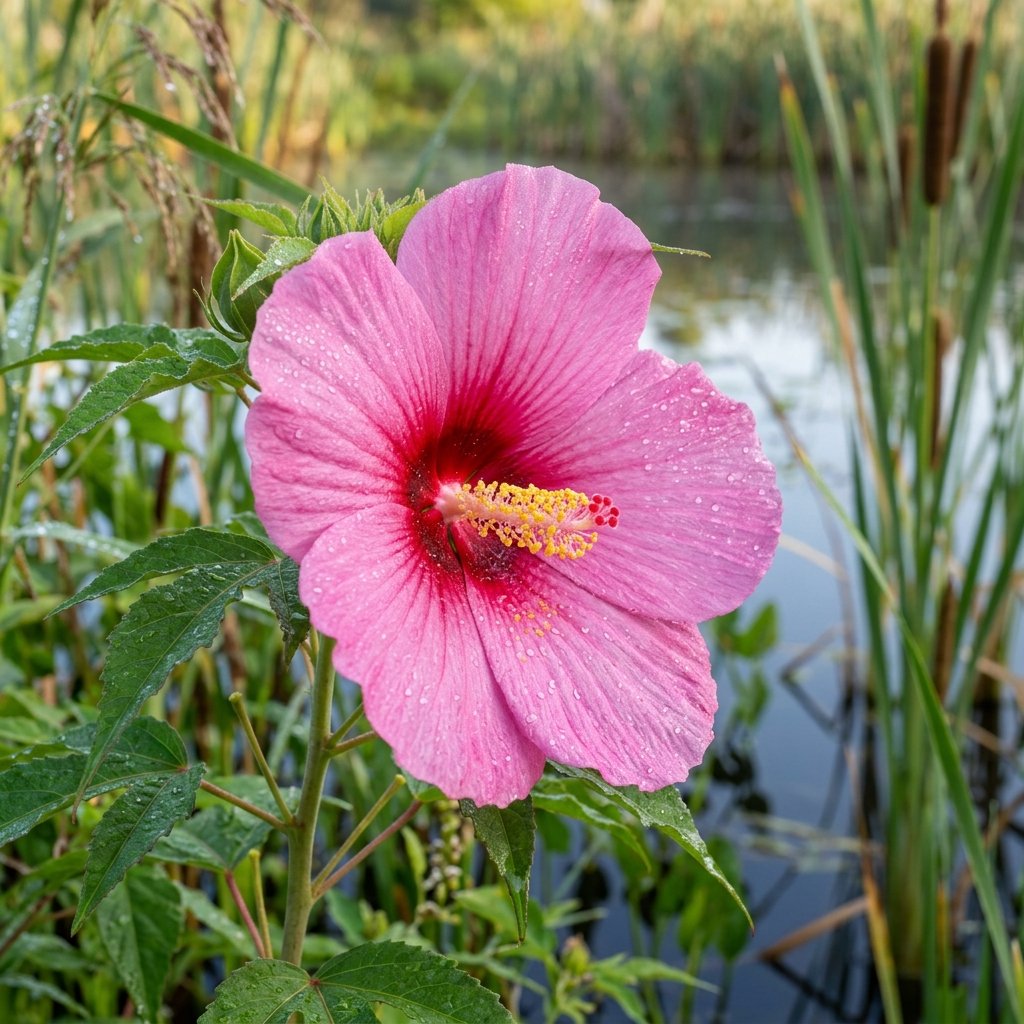
Same Family
3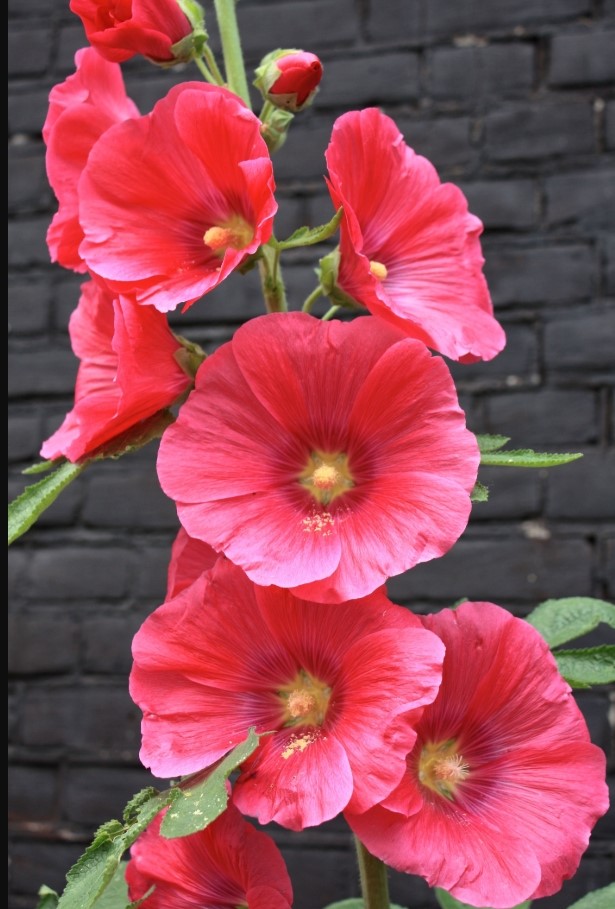
Hollyhock
Alcea rosea
The Hollyhock, botanically designated as Alcea rosea and belonging to the family Malvaceae (the mallow or hibiscus family), is a majestic, towering, and deeply romantic cottage garden classic. Native to the warm, temperate meadows, rocky slopes, and open woodlands of Turkey and southwestern Asia,...
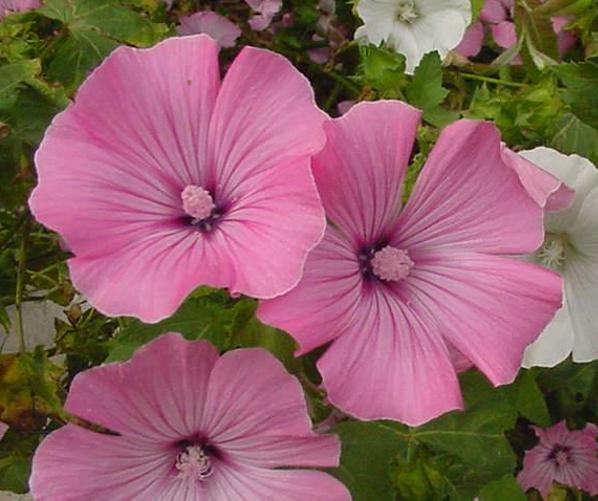
Tree Mallow
Malva arborea
The Tree Mallow, botanically classified as Malva arborea (and previously known as Lavatera arborea), is a robust, fast-growing biennial or short-lived perennial shrub belonging to the Malvaceae (mallow) family. Native to the Mediterranean basin and the rugged, salt-swept coastal cliffs of Western...
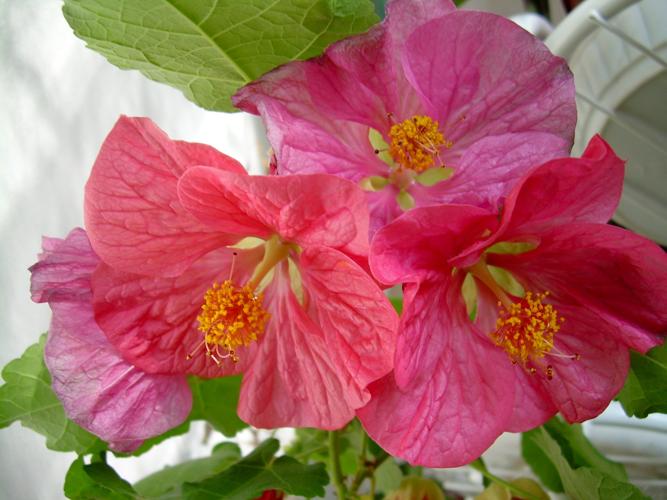
Mallow
Malva sylvestris
The Mallow, botanically designated as Malva sylvestris and commonly known as Common Mallow, High Mallow, Tall Mallow, or Cheeseweed, is an exceptionally versatile, hardy, and resilient biennial to short-lived perennial herb. Belonging to the family Malvaceae (the mallow family), this ancient plan...
Similar Characteristics
4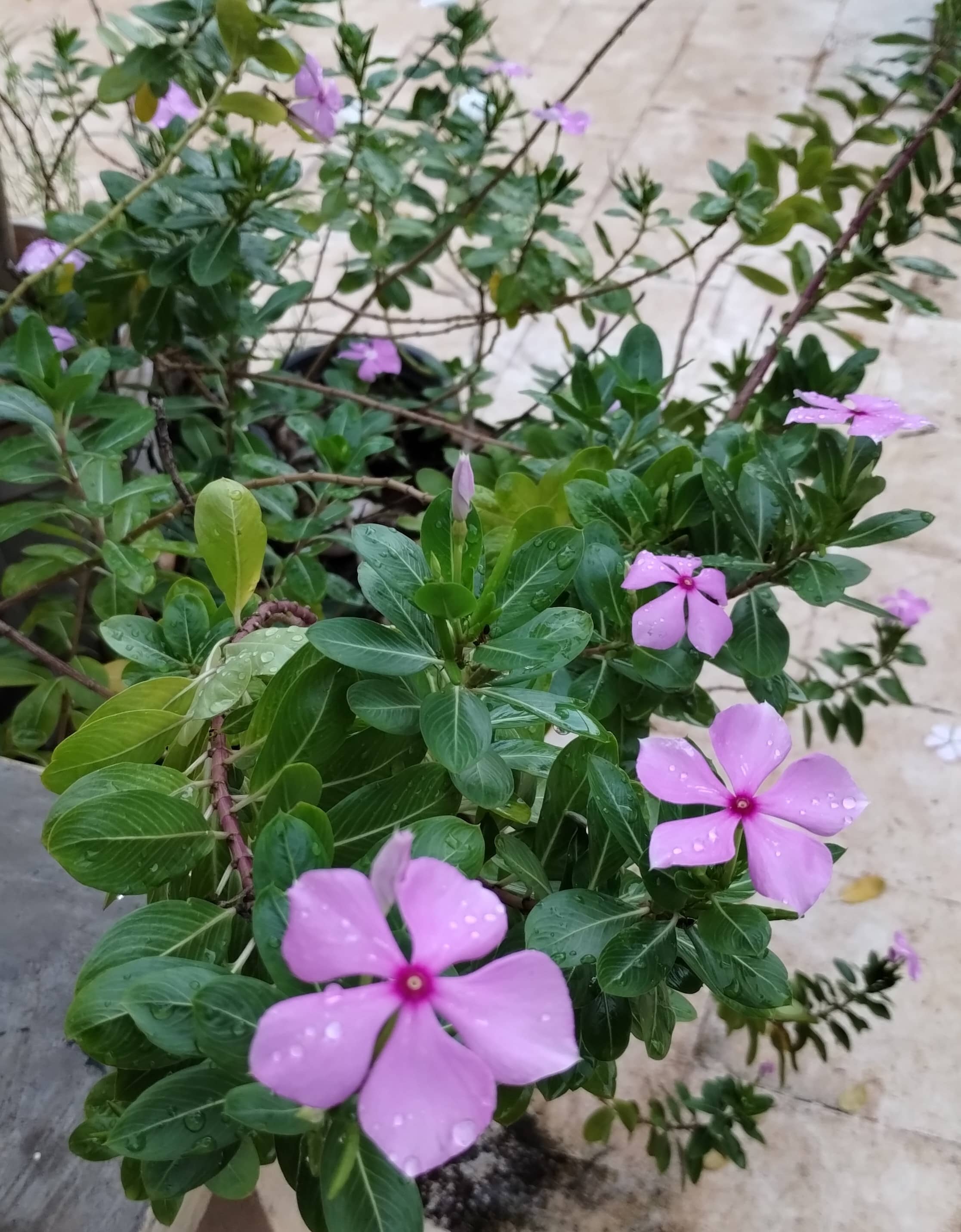
Vinca Rosea
Catharanthus roseus
Vinca Rosea (Catharanthus roseus), widely known as the Madagascar Periwinkle, is a plant of profound duality—equally celebrated as a resilient ornamental and a life-saving pharmaceutical powerhouse. Native to the dry forests of Madagascar but now naturalized across tropical regions worldwide, thi...
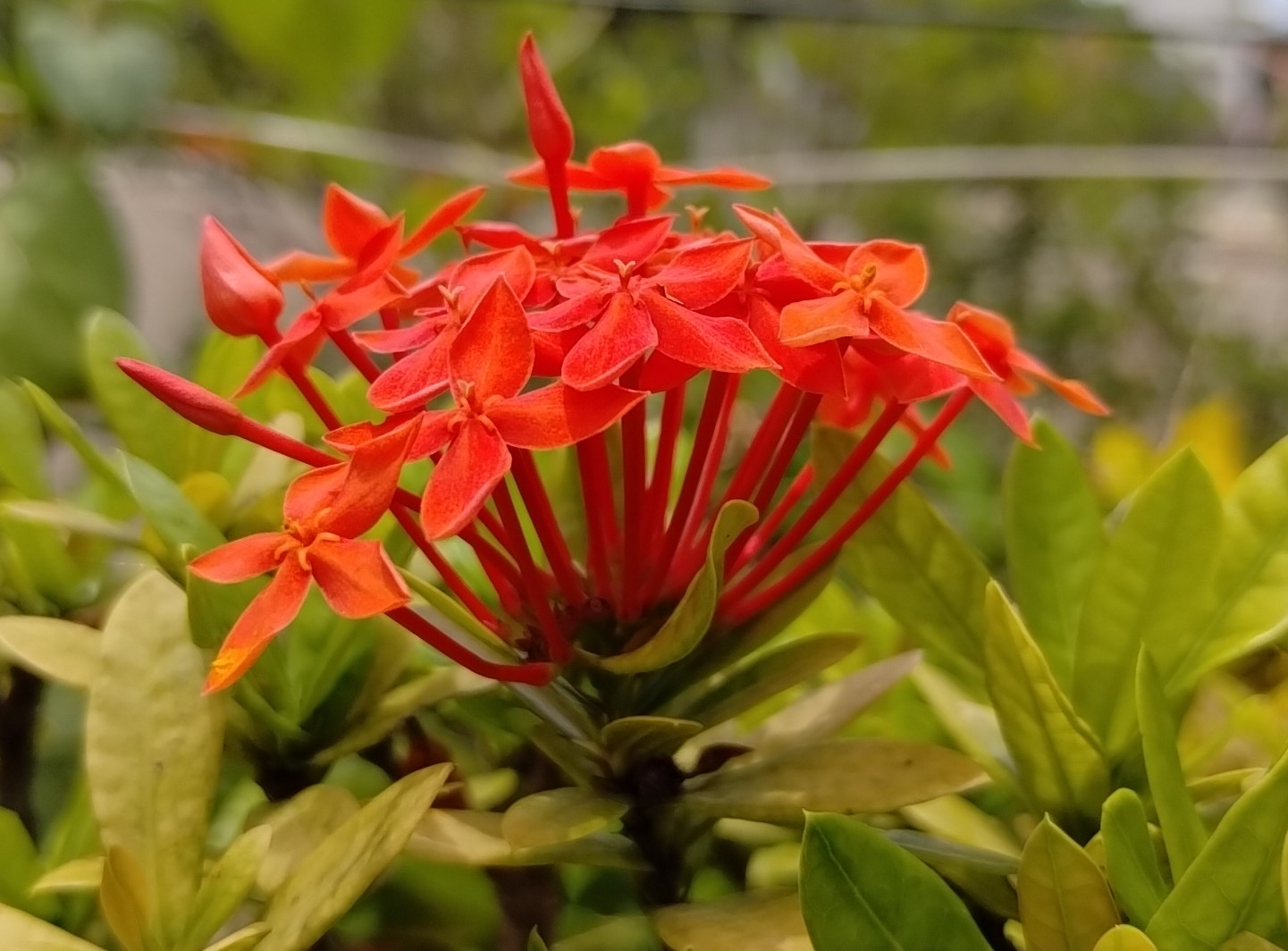
Ixora
Ixora coccinea
Ixora, botanically classified as Ixora coccinea and colloquially celebrated as the Jungle Flame or Flame of the Woods, is an exceptionally vibrant, evergreen flowering shrub belonging to the Rubiaceae (madder or coffee) family. Native to the damp tropical forests, rocky hillsides, and coastal scr...
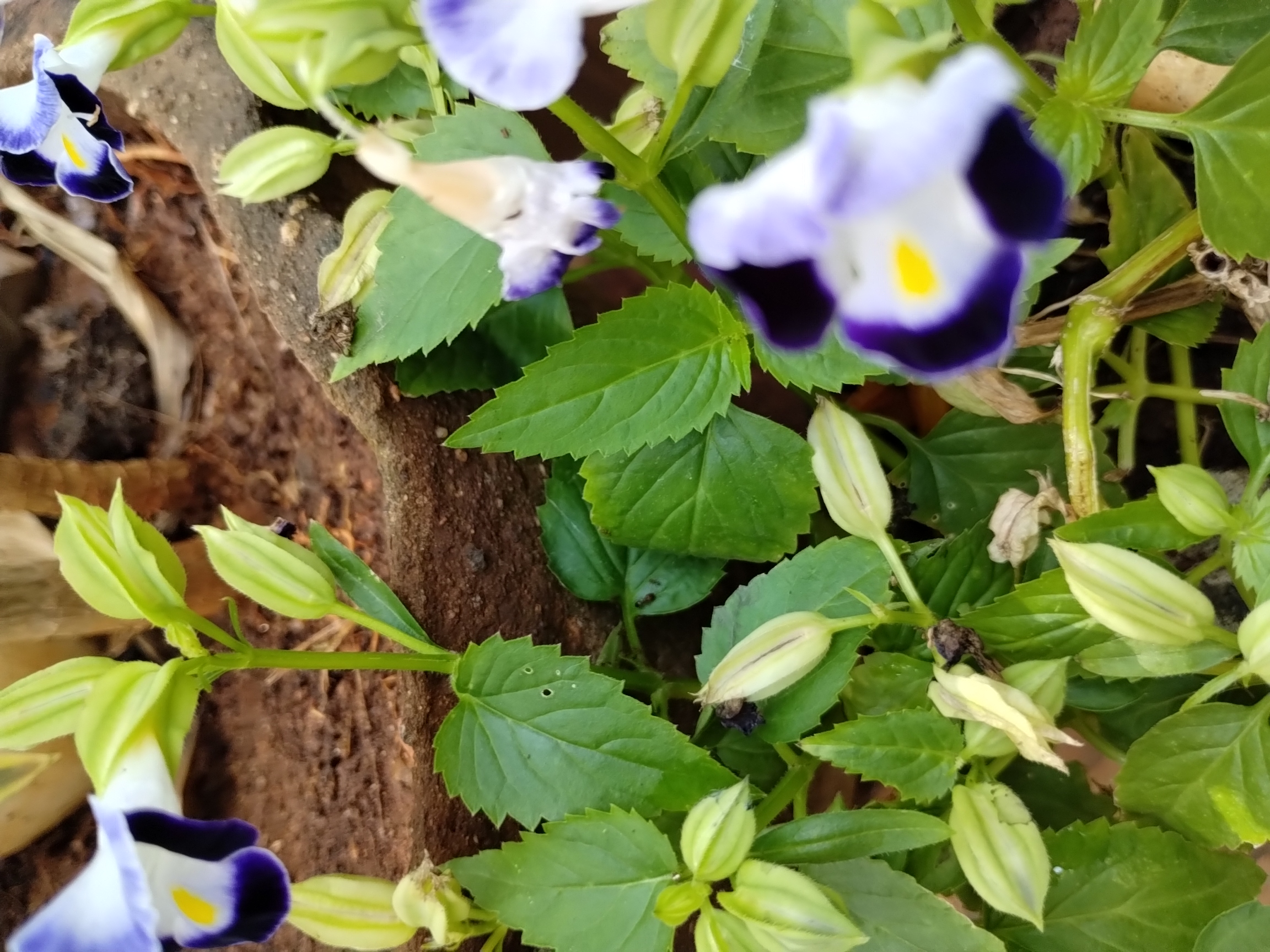
Bluewings
Torenia fournieri
The Wishbone Flower, botanically designated as Torenia fournieri and commonly called Bluewings, is an exceptionally charming, shade-loving tender annual. Belonging to the family Linderniaceae (formerly grouped under Scrophulariaceae), this beautiful plant is native to the moist, shady forest floo...
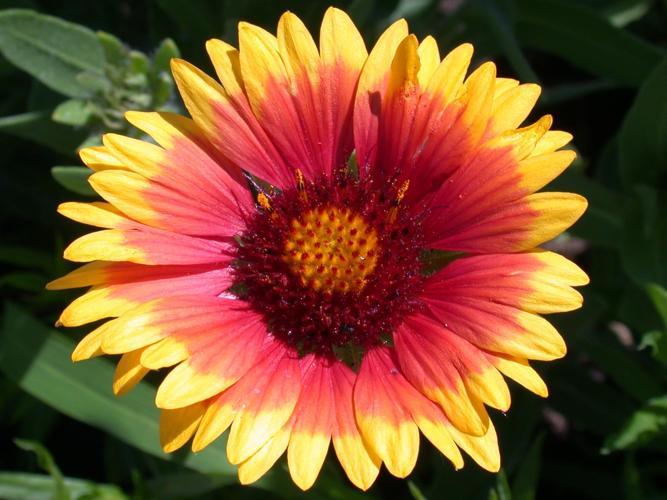
Gaillardia
Gaillardia
Gaillardia, botanically classified within the genus Gaillardia in the Asteraceae (sunflower) family and popularly known as the Blanket Flower or Indian Blanket, is a group of exceptionally cheerful, sun-loving annuals and short-lived perennials. Native to the dry prairies, sandy plains, and pine...
Mallow vs Hibiscus
What is the difference between Mallow and Hibiscus? Learn how to distinguish Malva (Common Mallow) from Hibiscus (Swamp Rose Mallow) by flower size, leaves, and seeds.
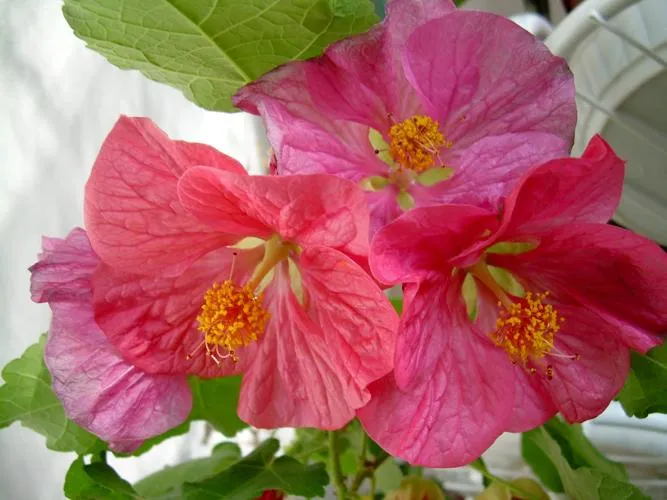
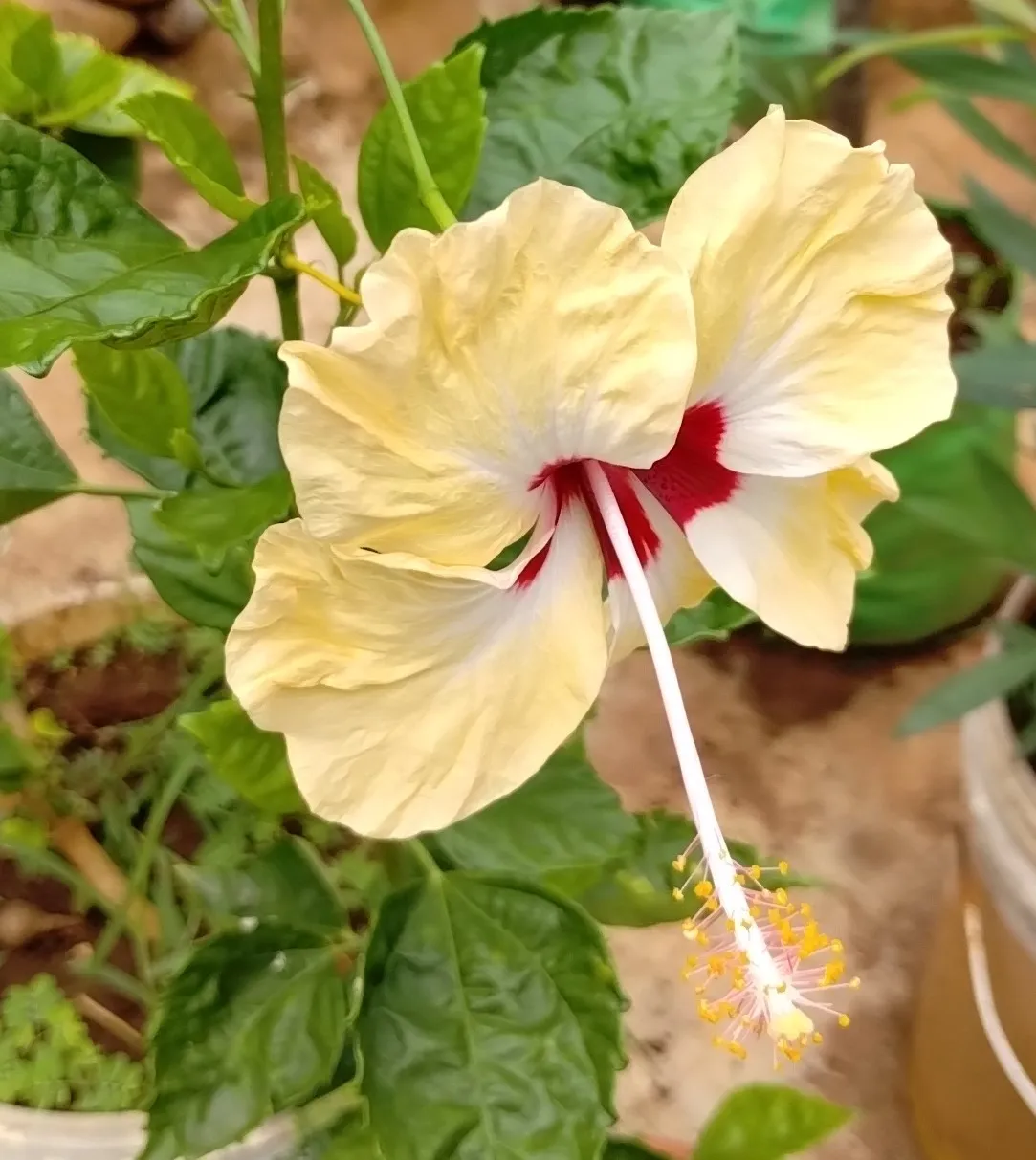
Key Differences: Mallow vs Hibiscus
The difference between Mallow and Hibiscus is their flower scale and staminal columns. Mallows (Malva sylvestris) produce small 1-2 inch cup-shaped flowers with notched petals and radiating purple veins, producing flat, cheese-wheel-shaped seeds. Hibiscuses (such as Swamp Rose Mallow and Tropical Hibiscus) produce large or enormous dinner-plate-sized flowers with a prominent, long-protruding central staminal column and grow in moist, wetland habitats.
Botanical & Care Comparison Table
| Feature | Mallow | Hibiscus |
|---|---|---|
| Family | Malvaceae | Malvaceae |
| Colors Available | Lavender, Pink, Purple, White (with dark veins) | Red, Pink, Orange, Yellow, White, Purple |
| Bloom Season | Early summer to mid-autumn (June–October) J F M A M J J A S O N D | Mid-summer to early autumn (July–September) or year-round in tropics J F M A M J J A S O N D |
| Maintenance Level | Low (highly drought-tolerant, grows in poor soil) | Low to Moderate (requires moist soil and ample sunlight) |
| Sunlight Needs | Full Sun to Partial Shade | Full Sun (essential for massive blooms) |
| Watering Needs | Low (drought-resistant once established) | Moderate to High (prefers moist soil, hardy types tolerate wet pond margins) |
| Pet Toxicity | ✅ Non-toxic to cats and dogs | ✅ Non-toxic to cats and dogs |
| Fragrance | Very faint, herbal | Scentless to faint floral |
| Pests & Diseases | Susceptible to rust and leaf spot. | Hardy types are disease-resistant; tropicals susceptible to whiteflies and bud drop. |
| Typical Uses | Wildflower meadows, poor dry soils, cottage borders | Rain gardens, pond margins, tropical borders, container features |
How to Spot the Differences (Visual Identification)
Spot the features below to easily distinguish between the two plants in the wild or garden:
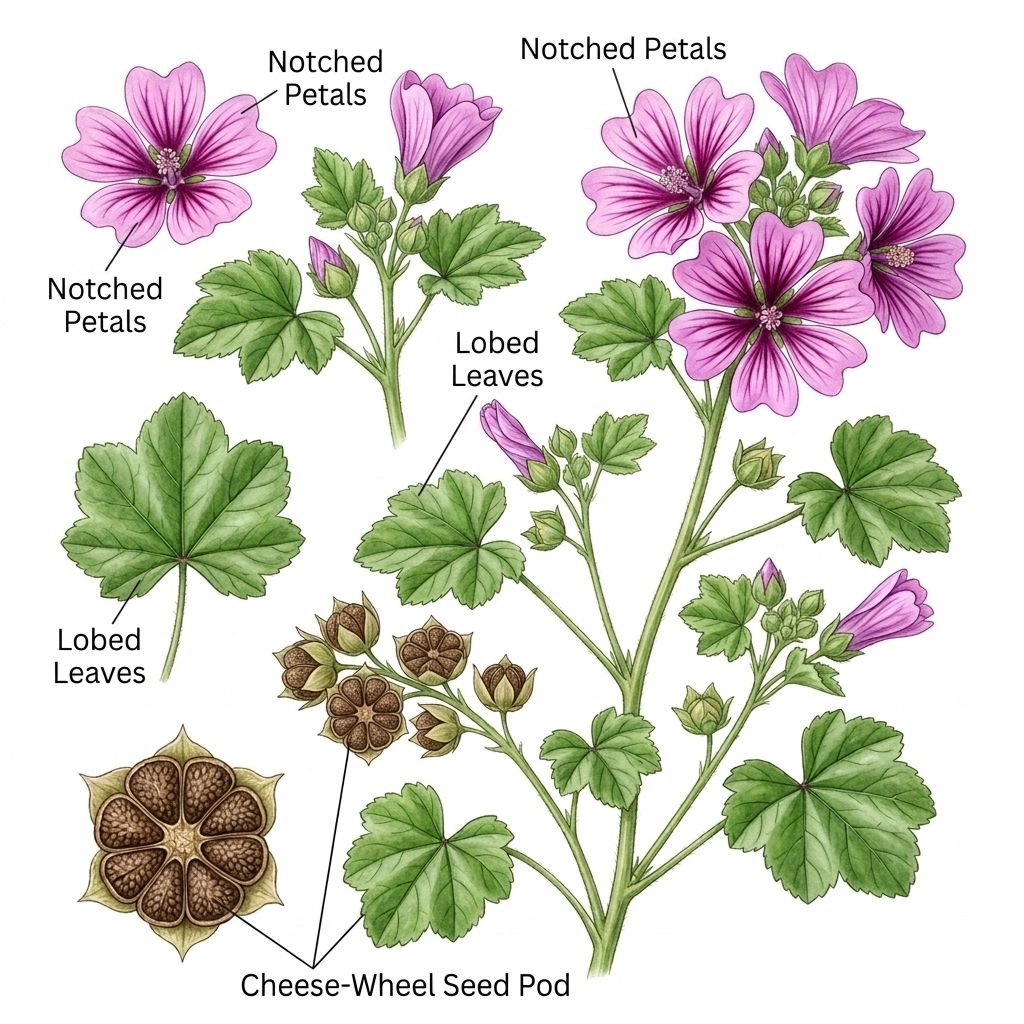 Mallow
- Small cup-shaped blooms: Flowers are 1–2 inches across with deeply notched, heart-shaped petals.
- Radiating dark veins: Petals feature vivid magenta or purple veins fanning out from the center.
- Cheese-wheel seed pods: Seeds grow in flat, segmented, wheel-shaped discs (often called 'cheeses').
- Sprawling herb habit: Often grows as a low, branching, or sprawling weed-like herb.
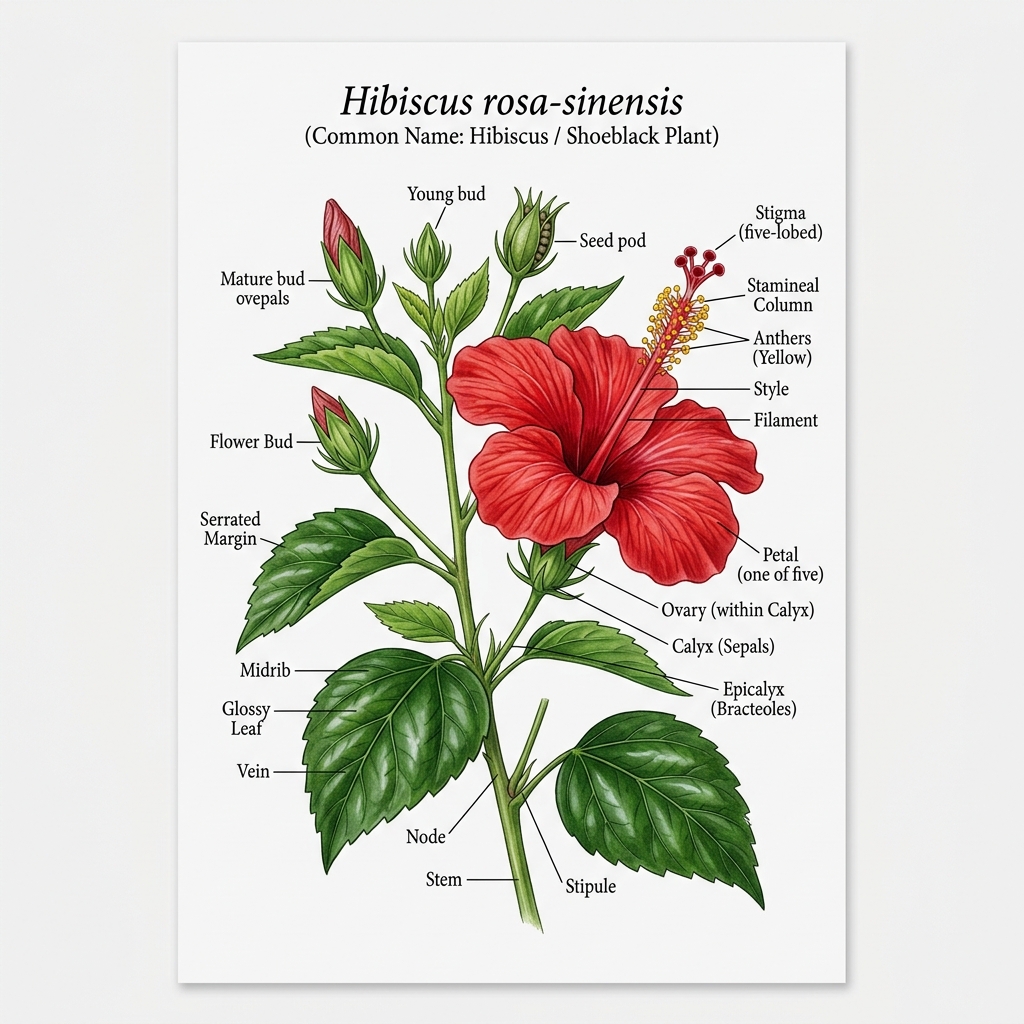 Hibiscus
- Large trumpet blooms: Enormous flowers 3–12 inches across with wide, overlapping, ruffled petals.
- Protruding staminal tube: Features a long, central column bearing yellow anthers that extends past the petals.
- Glossy or lobed leaves: Leaves are ovate and serrated (tropical) or heart-shaped and lobed (hardy wetland native).
- Erect stalks or shrubs: Grows as an erect wetland stalk (hardy perennial) or woody shrub (tropical).
Comparing 3 Key Mallow Varieties
Explore side-by-side differences between the three distinct mallow varieties commonly grown in gardens or found in the wild:
Common Mallow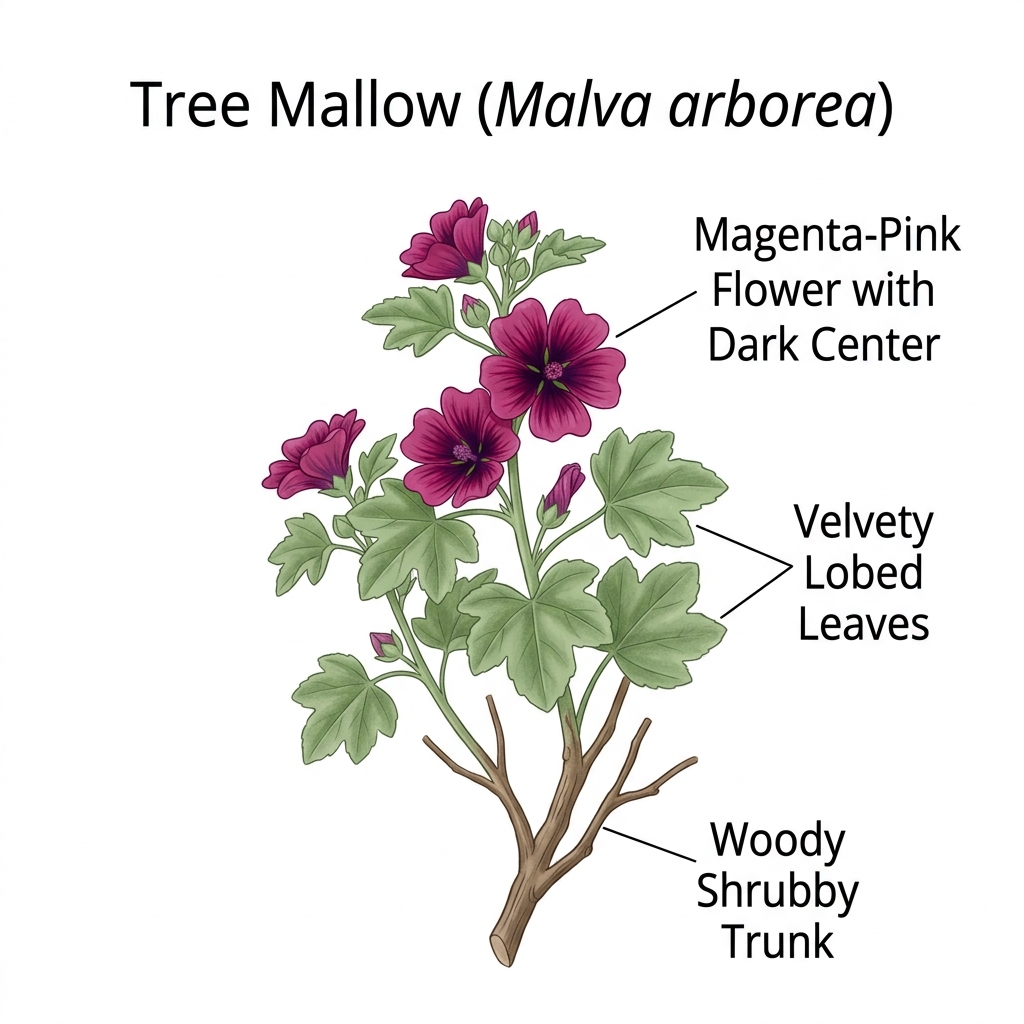 Tree Mallow
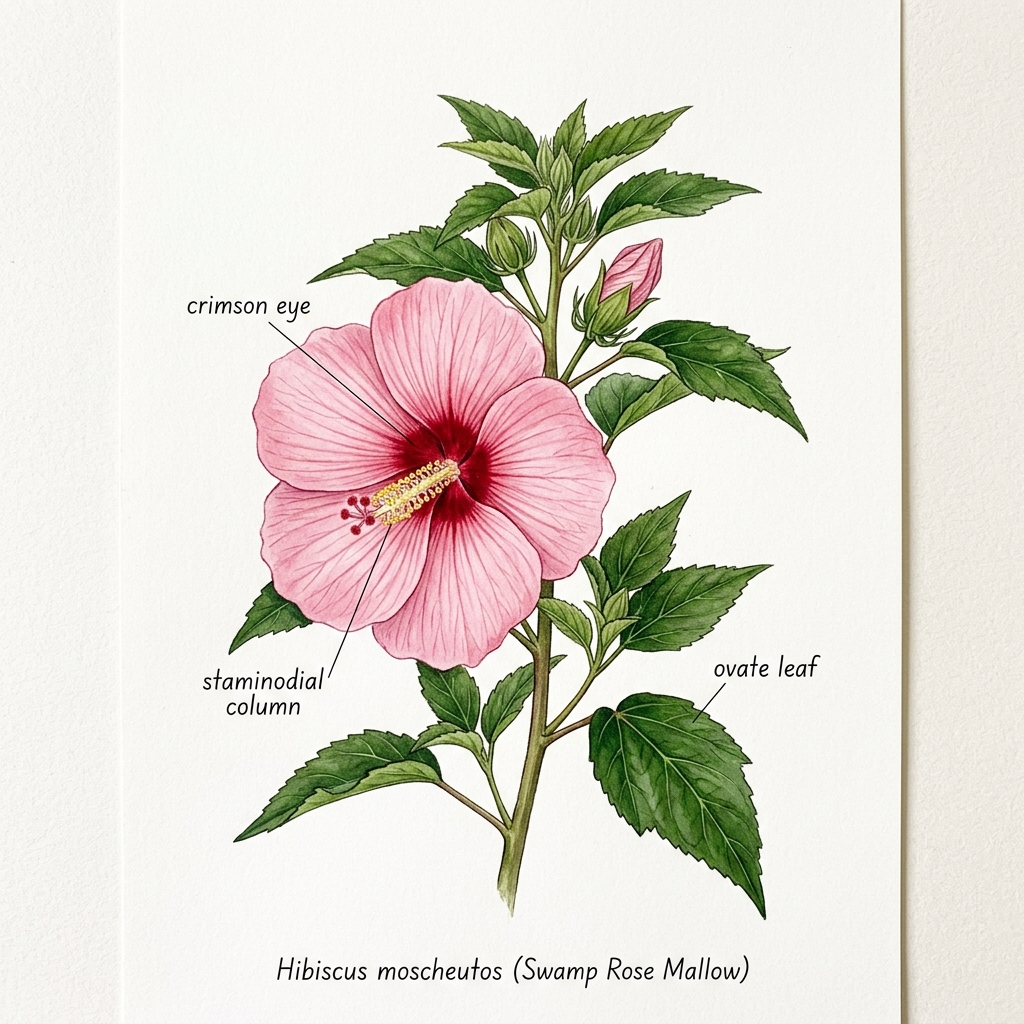 Swamp Rose Mallow
| Feature | Common Mallow | Tree Mallow | Swamp Rose Mallow |
|---|---|---|---|
| Botanical Name | *Malva sylvestris* | *Malva arborea* (*Lavatera*) | *Hibiscus moscheutos* |
| Growth Habit | Sprawling to erect herb (1-3 ft) | Tall, woody-stemmed shrub (3-8 ft) | Erect wetland perennial (3-7 ft) |
| Flower Size | Small (1–2 inches) | Medium (2–3 inches) | Dinner-plate size (6–12 inches) |
| Bloom Season | Early summer to mid-autumn (June–October) J F M A M J J A S O N D | Late spring to late summer (May–September) J F M A M J J A S O N D | Mid-summer to early autumn (July–September) J F M A M J J A S O N D |
| Bloom Appearance | Lavender-pink cup with radiating dark purple veins | Magenta-pink cup with deep purple center & veins | White/pink bell with red throat & long column |
| Native Habitat | Fields, roadsides, disturbed dry soils | Coastal cliffs, salt-swept coastal margins | Tidal marshes, wetlands, river banks |
| Lifespan | Short-lived perennial or biennial | Biennial or short-lived coastal shrub | Long-lived herbaceous perennial |
Which Should You Choose?
Choose between Mallow and Hibiscus based on your garden size, moisture level, and visual preference:
- Mallow vs. Hibiscus: Choose Mallow if you want low-maintenance, drought-tolerant plants for dry/rocky soils with continuous small blooms. Choose Hibiscus if you have moist borders or pond edges and want massive, dramatic dinner-plate-sized flowers.
- Common Mallow (Malva sylvestris): Best as a sprawling cottage herb (1-3 ft) with small lavender-pink cup blooms that handles average to dry soil.
- Tree Mallow (Malva arborea): Best as a tall, woody-stemmed coastal shrub (3-8 ft) with soft velvety foliage and medium pink-magenta cups that thrives in salty winds.
- Swamp Rose Mallow (Hibiscus moscheutos): Best as a moisture-loving wetland perennial (3-7 ft) producing gigantic 6-12 inch red-throated dinner-plate flowers.