
Camellia vs Rose
Compare Camellia and Rose. Learn how to tell them apart by winter bloom times, leathery evergreen leaves, thornless stems, and growing needs.
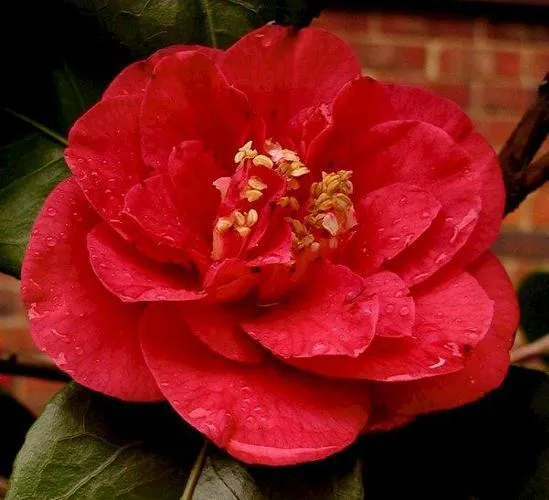
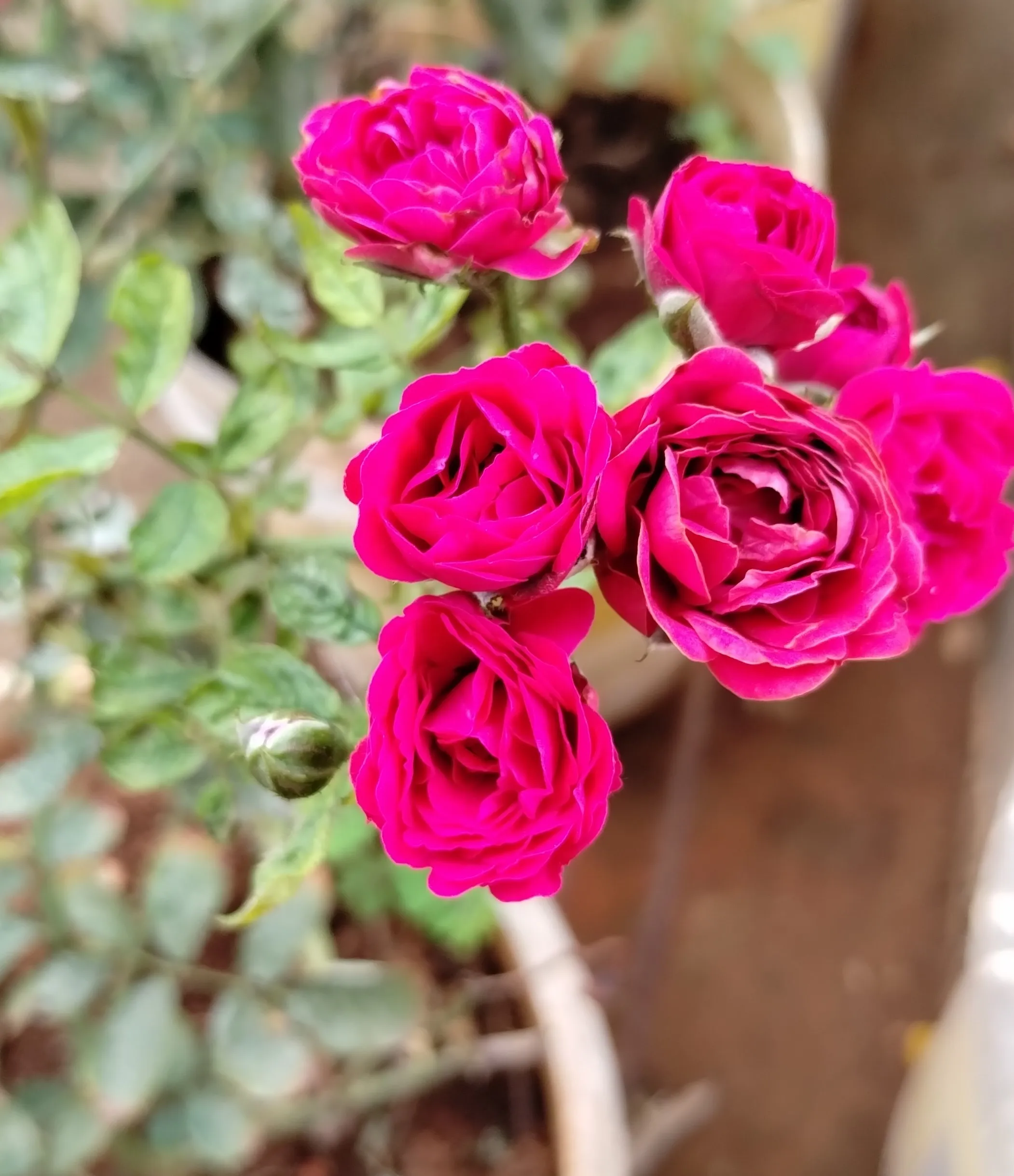
Key Differences: Camellia vs Rose
While camellias and roses both produce world-renowned, lush, multi-petaled blossoms with mesmerizing symmetry, they belong to different plant families and have fundamentally distinct growth habits. Roses (Rosa, Rosaceae family) are deciduous or semi-evergreen shrubs armed with thorns (prickles) and compound leaflets, requiring full direct sunlight and neutral garden soil to produce abundant summer bouquets.
Camellias (Camellia japonica, Theaceae family) are dense, broadleaf evergreen shrubs or small trees with smooth, completely thornless gray branches and thick, leathery, high-gloss leaves that stay deep green year-round. Most importantly, camellias bloom during the coldest months of late autumn, winter, and early spring when gardens are otherwise dormant, thriving in acidic soil and sheltered, dappled woodland shade where roses would struggle.
Botanical & Care Comparison Table
| Feature | Camellia | Rose |
|---|---|---|
| Family | Theaceae | Rosaceae |
| Colors Available | Red, pink, coral, blush, pure white, and bicolored stripes | Nearly every shade: red, pink, yellow, orange, peach, white, purple |
| Bloom Season | Late autumn through early spring (October–April) J F M A M J J A S O N D | Late spring through mid-autumn (May–October) J F M A M J J A S O N D |
| Maintenance Level | Low to moderate (minimal pruning; protect roots with acidic mulch) | High (requires regular seasonal pruning, fertilizing, deadheading, and spraying) |
| Sunlight Needs | Partial Shade to Dappled Light (protect from intense afternoon sun) | Full Sun (minimum 6 hours direct sunlight daily for robust blooms) |
| Watering Needs | Moderate (keep root zone evenly moist; requires good drainage and acidic mulch) | Moderate to High (deep soil watering 1–2 times weekly; avoid wetting leaves) |
| Pet Toxicity | ✅ Non-toxic to cats, dogs, and horses (Pet Guard verified) | ✅ Non-toxic petals; thorns may scratch (Pet Guard verified) |
| Fragrance | Most cultivars are scentless; sasanqua varieties have faint musky-sweet aroma | Strong, world-famous fragrance (damask, fruity, tea, spice, or myrrh) |
| Pests & Diseases | Susceptible to Scale Insects, Root Rot, and petal blight. | Susceptible to Black Spot, Powdery Mildew, Rust, and Japanese Beetles. |
| Typical Uses | Winter garden focal point, evergreen privacy hedges, woodland underplantings | Formal rose beds, cut flower bouquets, cottage gardens, climbing arches |
How to Spot the Differences (Visual Identification)
Spot the features below to easily distinguish between the two plants in the wild or garden:
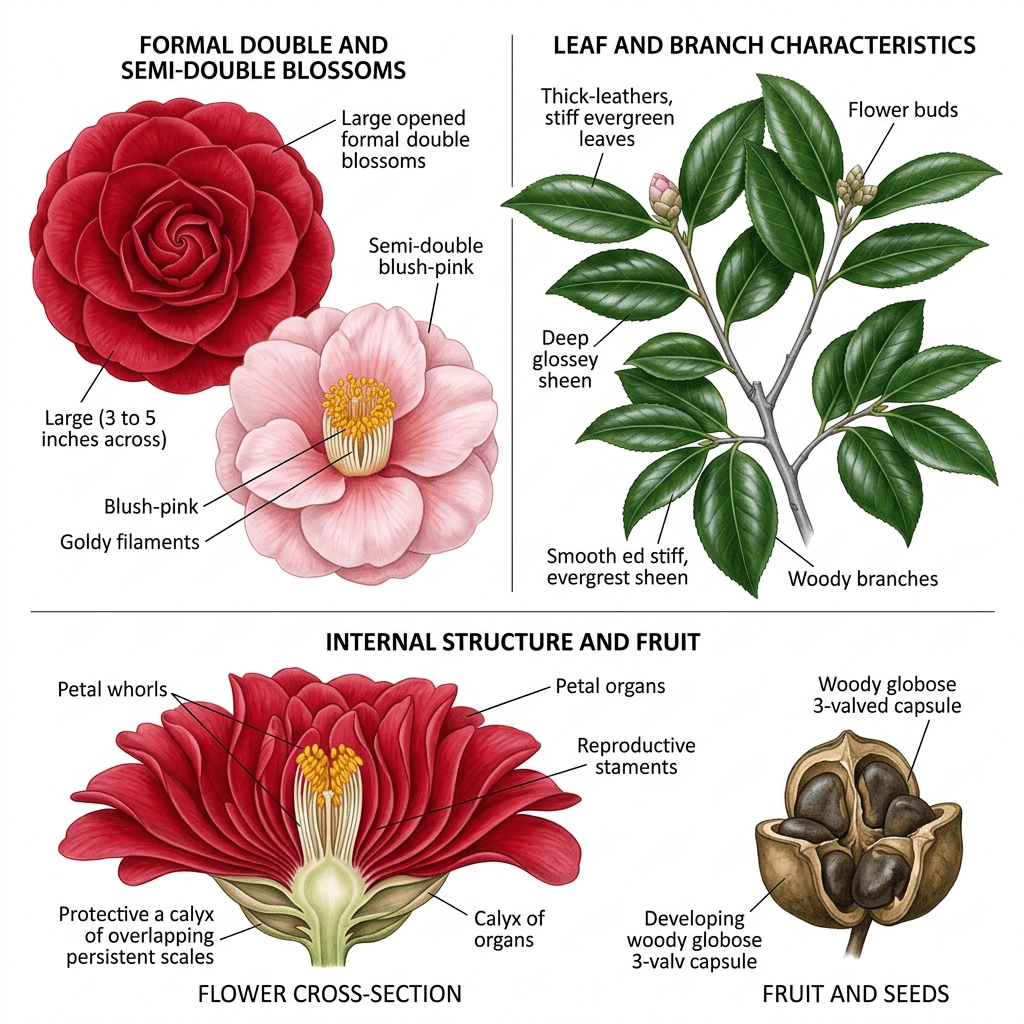
- Thornless, smooth stems: Stems and branches are completely smooth with gray bark, free from thorns or prickles.
- Glossy evergreen foliage: Leaves are thick, leathery, dark emerald-green, glossy year-round, and simply arranged.
- Cool-season winter bloom: Blooms from late autumn through mid-spring (October to April) during cool or cold weather.
- Acid-loving woodland habit: Prefers partial shade, sheltered woodland microclimates, and rich acidic soil (pH 5.0–6.5).
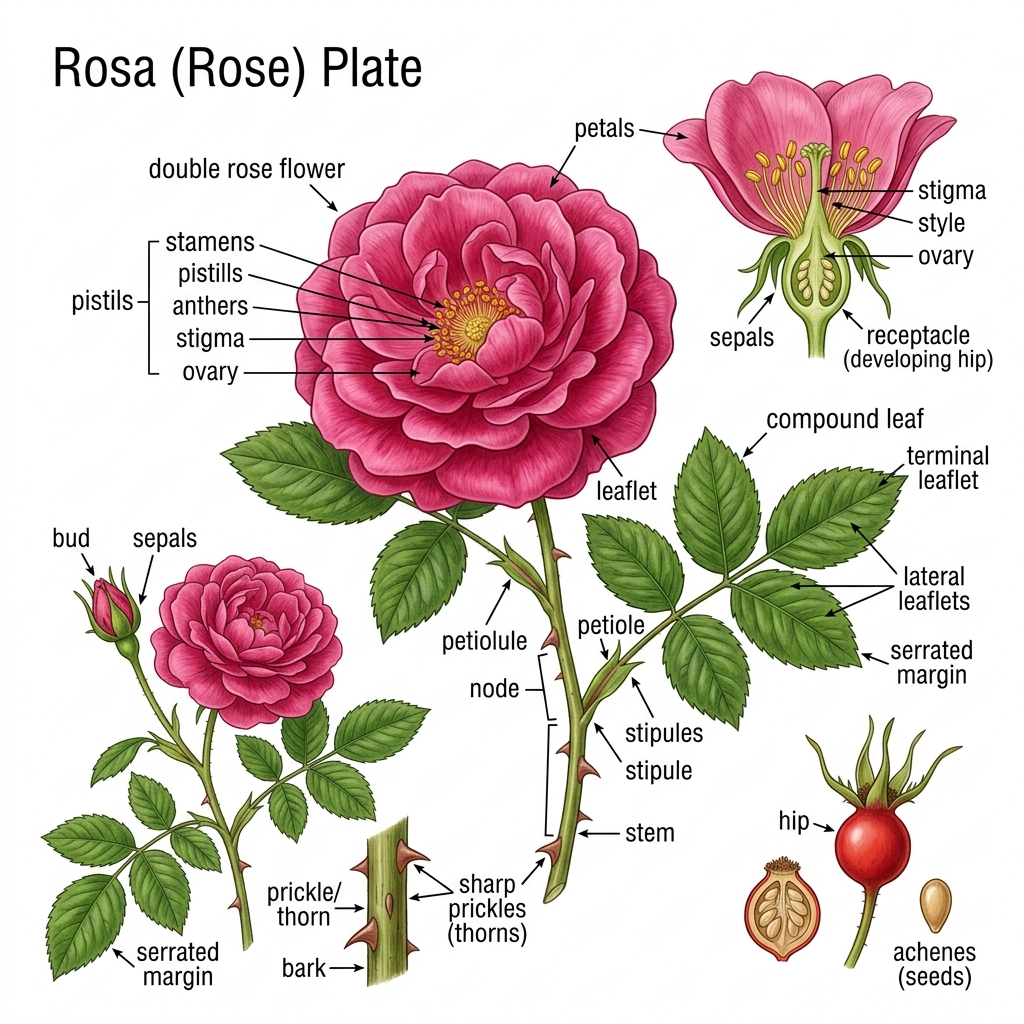
- Thorny stems (prickles): Canes are armed with sharp prickles or bristles used for defense and climbing.
- Compound deciduous foliage: Leaves are compound with 3 to 7 serrated oval leaflets, dropping in autumn in cold climates.
- Warm-season summer bloom: Main blooming cycle extends from late spring through early autumn (May to October).
- Sun-worshiping garden shrub: Demands full direct sunlight (6+ hours daily) and rich, neutral-to-slightly acidic garden loam.
Which Should You Choose?
- Choose Camellia if you have dappled shade and acidic soil and want dramatic, thornless, rose-like evergreen blossoms lighting up your garden during the dull winter months.
- Choose Rose if you have a sunny location, value iconic floral fragrance, and want abundant blooms for cutting bouquets all through summer and autumn.