
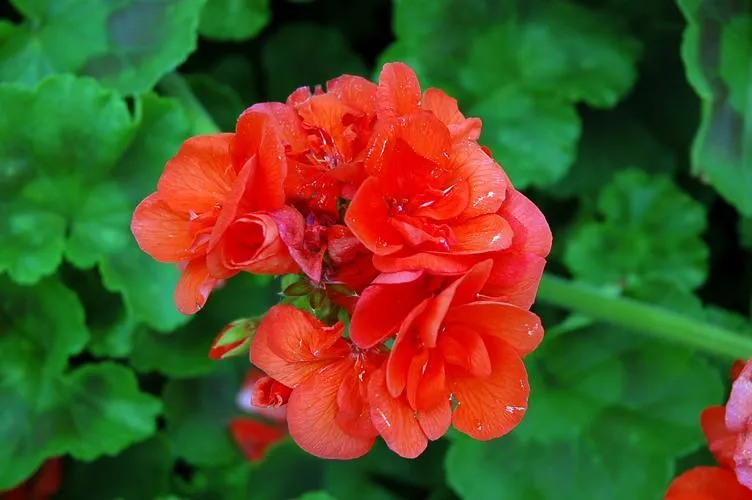
Geranium
Geranium, Pelargonium
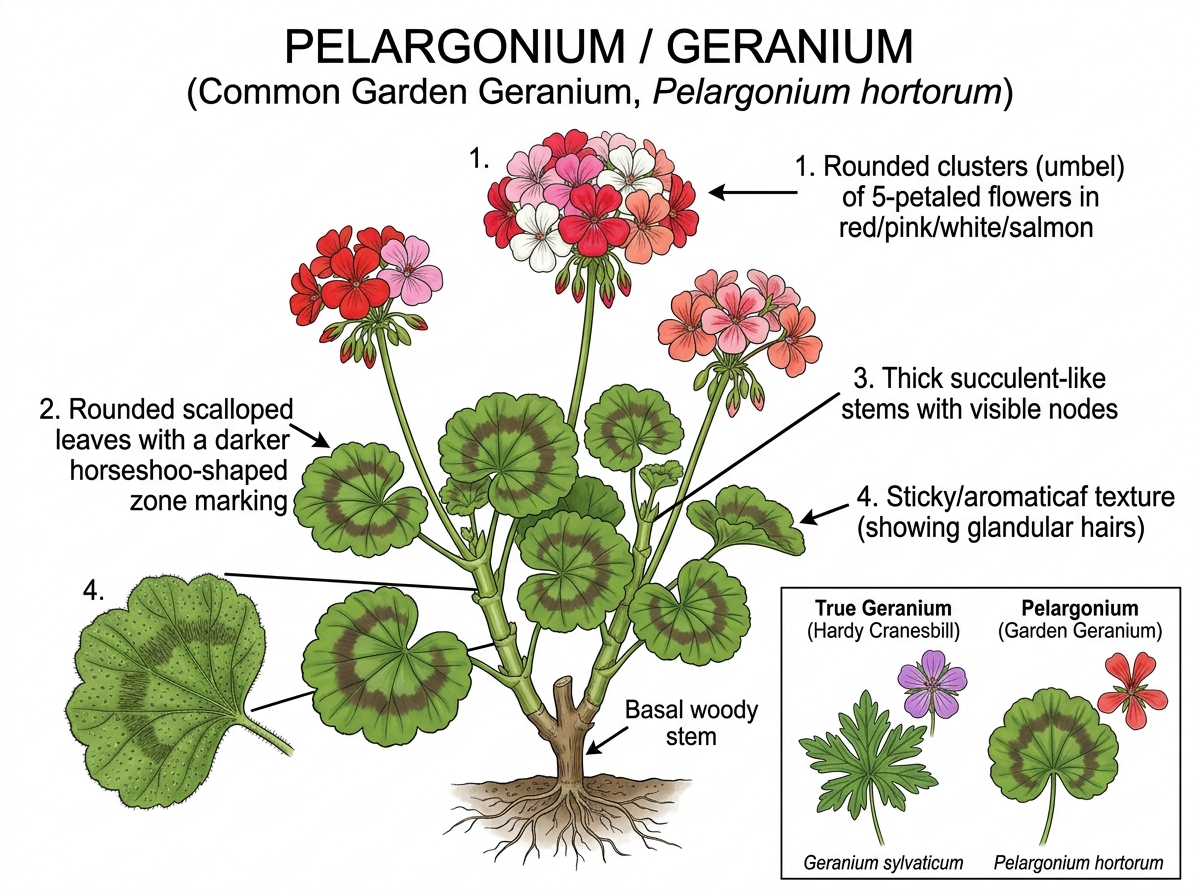
How to Identify Geranium
Care & Growing Guide
Seasonal Blooming & Hardiness
Seasonal Blooming Calendar:
- Peak Bloom: Spring to early summer (typically April through June).
- Planting Time: Sow seeds directly outdoors in early spring after the last frost, or transplant nursery starts in late spring.
Bloom Timeline
About Geranium
The Geranium, belonging to the family Geraniaceae, is a highly diverse and extraordinarily popular group of flowering plants comprising two prominent genera: the true Geranium (commonly called Cranesbills) and the Pelargonium (popularly referred to as garden geraniums). While true cranesbills are hardy perennials native to the temperate woodlands and alpine meadows of the Northern Hemisphere, the showy garden geraniums are tender perennials native to the sunny, warm, and dry Cape Provinces of South Africa. Together, they are globally cherished for their vibrant color and ease of cultivation.
These plants exhibit a bushy, sprawling, or trailing growth habit, reaching a height of 6 inches to 3 feet depending on the specific cultivar. They feature rounded, semi-circular leaves that are often deeply lobed or divided, covered in fine, velvety hairs, and frequently marked with dark, ring-like color bands (zones). In scented-leaved varieties, the foliage is packed with rich essential oils that release intense, complex fragrances of rose, lemon, mint, or warm nutmeg when gently brushed. They bloom continuously from spring to fall, producing large, rounded, ball-like clusters of flowers.
The reproductive structure of the Geranium is represented by the botanical floral formula K5 C5 A5+5 G(5). This formula indicates that the flowers are radially symmetrical (in true Geranium) or slightly bilaterally symmetrical (in Pelargonium) and bisexual. The calyx features 5 free, green, protective sepals, and the corolla has 5 free, rounded, or heart-shaped petals. The androecium consists of 10 fertile stamens arranged in two distinct concentric whorls of 5. The gynoecium contains 5 fused carpels with a superior ovary, which matures into a unique, long, beak-like seed pod resembling a crane's bill.
Horticulturally, Geraniums are exceptionally resilient, heat-tolerant, and straightforward to grow. They require full, direct sunlight—at least 6 hours daily—to produce high flower counts and maintain compact, bushy foliage. They perform best in light, neutral to alkaline, sandy-loam soils with outstandingly sharp drainage. They are highly drought-tolerant once established and are sensitive to overwatering, which causes root rot and black stem leg; always allow the soil to dry out between waterings. They are hardy in USDA zones 10 and 11, but are grown universally as annuals in cooler regions.
The genus name Geranium comes from the Greek word 'geranos,' meaning 'crane,' a direct reference to the distinctive beak-like shape of its seed capsules, which is mirrored in the English common names Cranesbill and Storksbill. Scented geraniums were first introduced to Europe in the 18th century, becoming a classic fixture of Victorian parlor gardens and cottage borders. Famed in Sanskrit as Surabhipushpa (सुरभिपुष्प) and in Hindi as Jeranium (जेरेनियम), they symbolize gentility, peacefulness, cozy domesticity, and constant, steady friendship.
For pet owners and veterinarians, Geranium represents a notable safety hazard. The plant is classified as TOXIC TO PETS, including dogs, cats, and horses. Geranium and Pelargonium species contain concentrated amounts of essential oils, specifically geraniol and linalool. If chewed or swallowed, these compounds trigger clinical symptoms such as severe vomiting, depression, loss of appetite, lethargy, and in some cases, painful contact dermatitis or skin irritation. (Note: Since there is no existing pet-guard page in our database for this species, we do NOT include a pet-guard link here; we advise placing container plants in high baskets safely away from pets.)
Geranium is sometimes confused with mallows or begonias due to their rounded leaves. It is easily distinguished by its distinctive cranesbill-like seed capsules and intensely aromatic, fuzzy foliage. It makes an outstanding choice for window boxes, borders, and hanging baskets; we recommend pairing it with other sun-loving, pet-safe bedding annuals like the Petunia or bright Snapdragon to create a dazzling display. To discover more heat-tolerant annuals and detailed care guides, explore our Flower Identifier.
Floral Formula & Features
5 free sepals, 5 free petals, 10 stamens in two whorls (A5+5), 5 fused carpels with superior ovary. True Geranium is actinomorphic while Pelargonium is slightly zygomorphic
- Scientific Name & Classification: Geranium / Pelargonium (Geraniaceae). Famed as Cranesbill, Storksbill, and Garden Geranium.
- Identification Markers: Rounded lobed fuzzy leaves (often aromatic and zoned), and large rounded umbels of 5-petaled flowers in red, pink, white, or salmon.
- Floral Formula (K5 C5 A5+5 G(5)): Radially or bilaterally symmetrical, bisexual flowers with 5 sepals, 5 free petals, 10 stamens in two whorls, and a superior ovary.
- Growing Requirements: Full direct sun (6+ hours); light, sandy, neutral-alkaline loam with sharp drainage. Let soil dry out fully between waterings (Zones 10-11).
- Cultural Significance: Scented varieties highly valued in perfumery. Name comes from Greek 'geranos' (crane) due to the unique beak-like shape of the seed capsules.
- Safety & Toxicity: TOXIC TO PETS. Contains geraniol and linalool essential oils, which cause vomiting, depression, and skin irritation in cats and dogs.
- Common Look-alikes: Confused with begonias or wild mallows, but easily distinguished by its distinct cranesbill seed pods and pungent aromatic oils.
- Internal Links: Excellent for colorful balcony boxes when mixed with other sun-loving, pet-safe bedding plants like Petunia or Snapdragon; find more in our Flower Identifier.
- Internal Links: Compare key differences in our Geranium vs Pelargonium or Petunia vs Geranium comparison, or try our instant Flower Identifier.
Names in Different Languages
Botanical Classification: Geranium belongs to the Geraniaceae family. Learn how to identify its floral symmetry, stamen arrangement, and structural formulas in our Botanical Family Classification Guide.
Toxicity & Safety
Always keep toxic plants out of reach of children and pets. Consult a veterinarian or medical professional immediately if ingestion is suspected.
Pet Safety Guide: For detailed toxicity symptoms, first-aid measures, and safe garden alternatives, see our full Pet Guard Profile for Geranium.
Frequently Asked Questions
What is Floral Formula?
A floral formula is a symbolic representation of a flower's structure using letters, numbers, and special symbols. It provides a concise way to describe the arrangement and number of floral parts.
This formula describes the flower's symmetry, sepals, petals, stamens, and carpels in a standardized format.
Formula Sequence
- Bract: Br or Ebr
- Bracteole: Brl or Ebrl
- Symmetry: % (Radial) or ⊕ (Bilateral)
- Sex: ♀ (Female), ♂ (Male), or ⚥ (Bisexual)
- Calyx/Sepal: K<number> (Free or Fused)
- Corolla/Petal: C<number> (Free or Fused)
- Androecium: A<number> (Free or Fused)
- Gynaecium: G<number> (Superior or Inferior Ovary)
Symbol Meanings
- Numbers: Indicate quantity of parts
- Parentheses (): Parts are fused together
- Plus (+): Parts in different whorls
- Underline: Superior ovary position
- Overline: Inferior ovary position
- ∞: Numerous parts (too many to count)
Understanding floral formulas helps botanists quickly identify and classify flowers based on their structural characteristics.
Similar Flowers
Discover flowers that share botanical characteristics
Similar Characteristics
4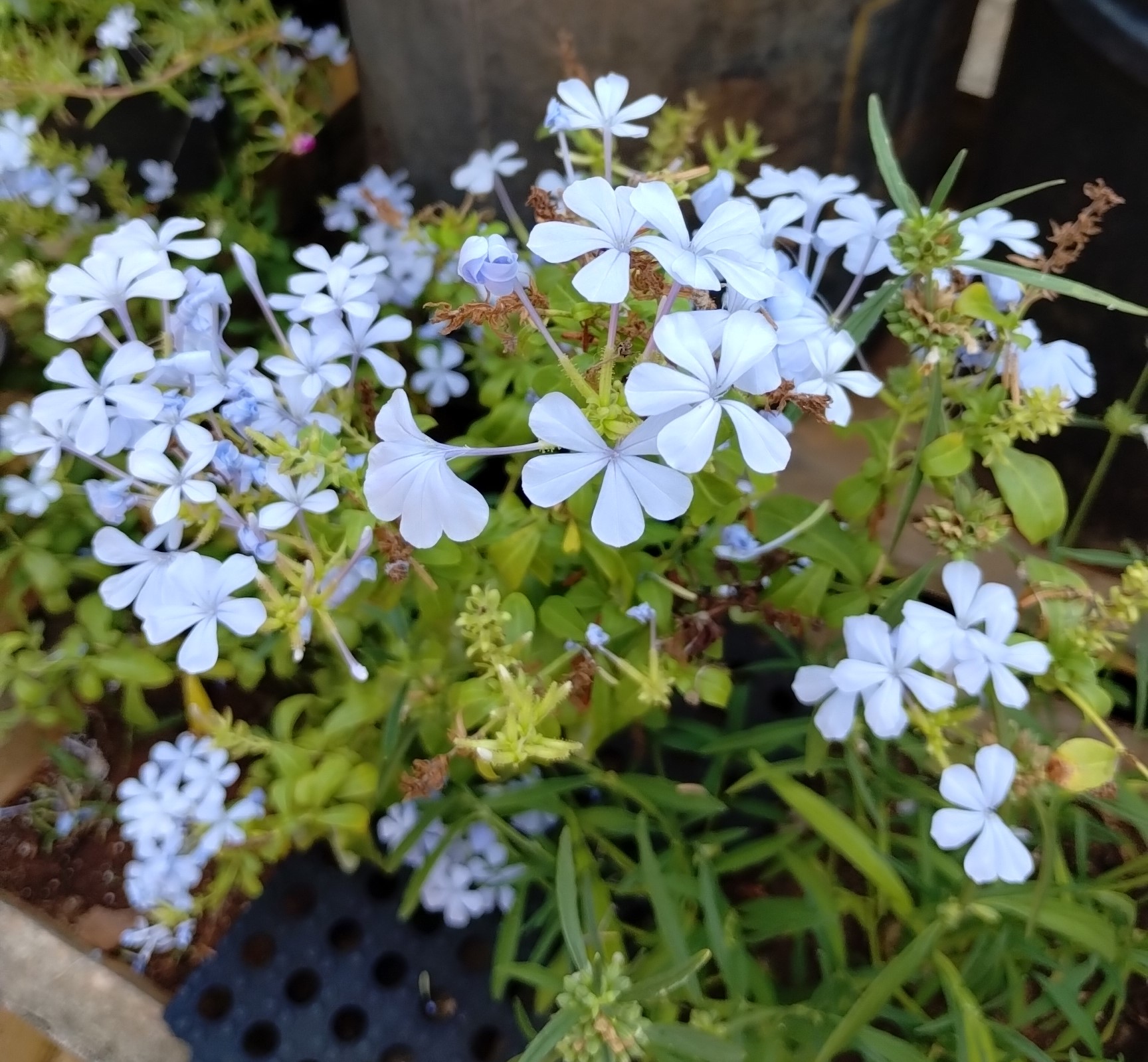
Leadwort
Plumbago auriculata
The Leadwort, botanically designated as Plumbago auriculata and commonly known as the Cape Leadwort, Blue Plumbago, or Sky Flower, is an exceptionally vigorous, sprawling evergreen shrub. Belonging to the family Plumbaginaceae (the leadwort family), this resilient and floriferous plant is native...
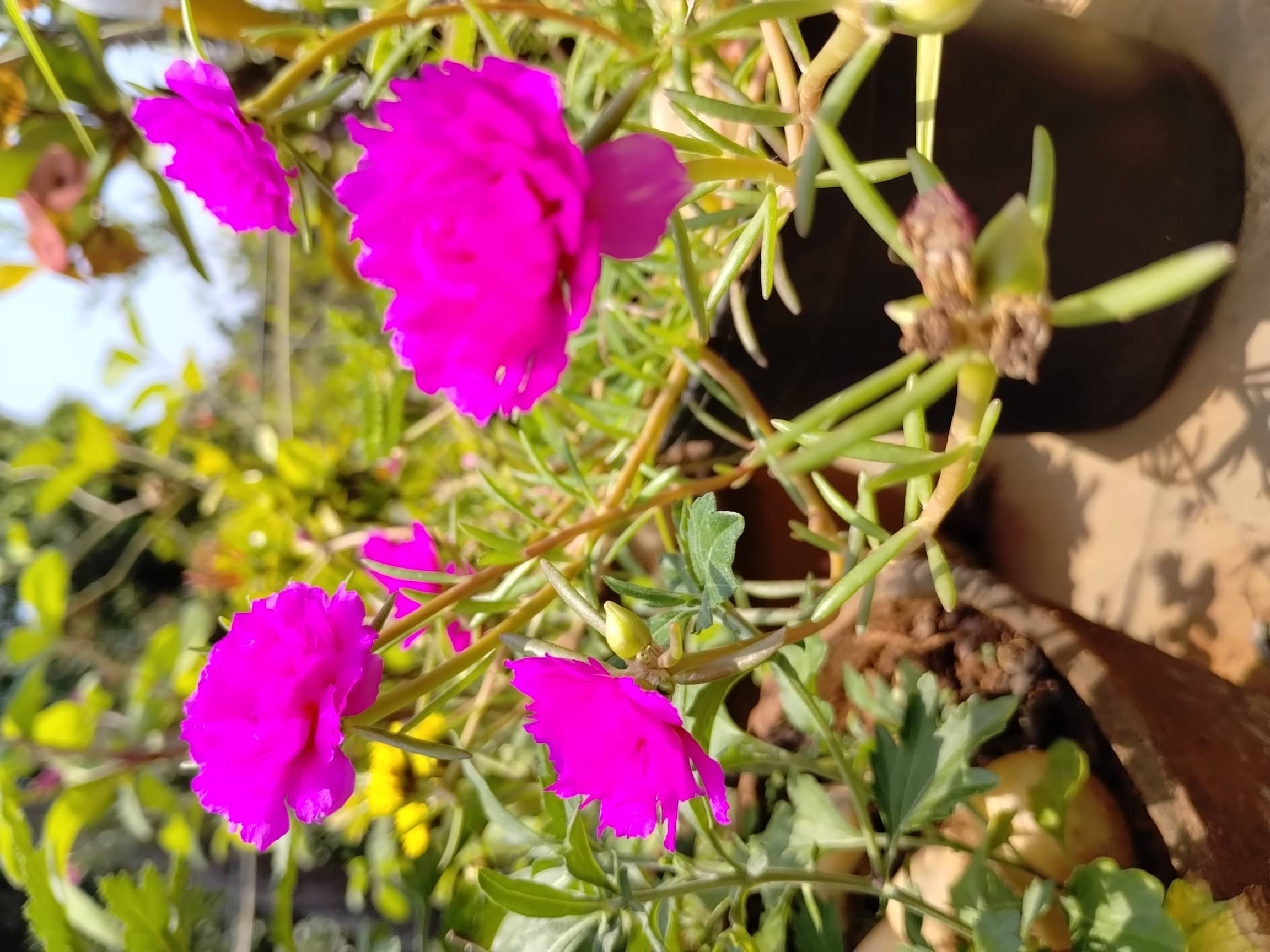
Moss Rose (Portulaca)
Portulaca grandiflora
Portulaca grandiflora, universally known as the Moss Rose, is a brilliantly colored, low-growing trailing annual belonging to the Portulacaceae family. Native to the hot, arid plains of Argentina, southern Brazil, and Uruguay, it is renowned globally as the ultimate survivalist plant for the summ...
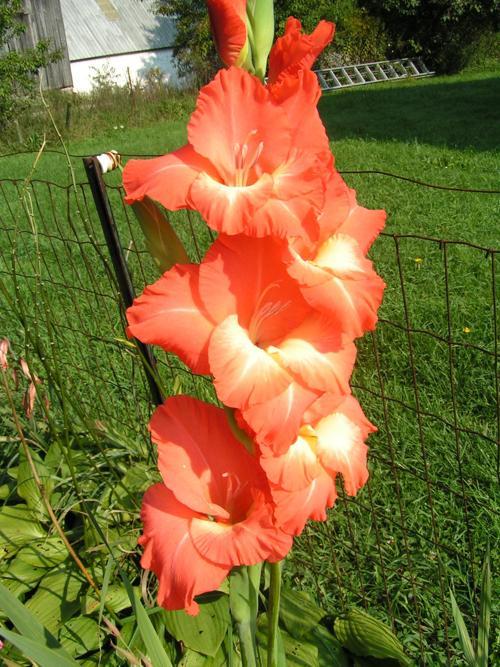
Gladiolus
Gladiolus
The Gladiolus, botanically designated as Gladiolus and commonly known as the Sword Lily or simply Glad, is a spectacular cormous perennial belonging to the family Iridaceae (the iris family). Native primarily to the warm, sun-drenched grasslands, savannas, and shrubby valleys (fynbos) of South Af...
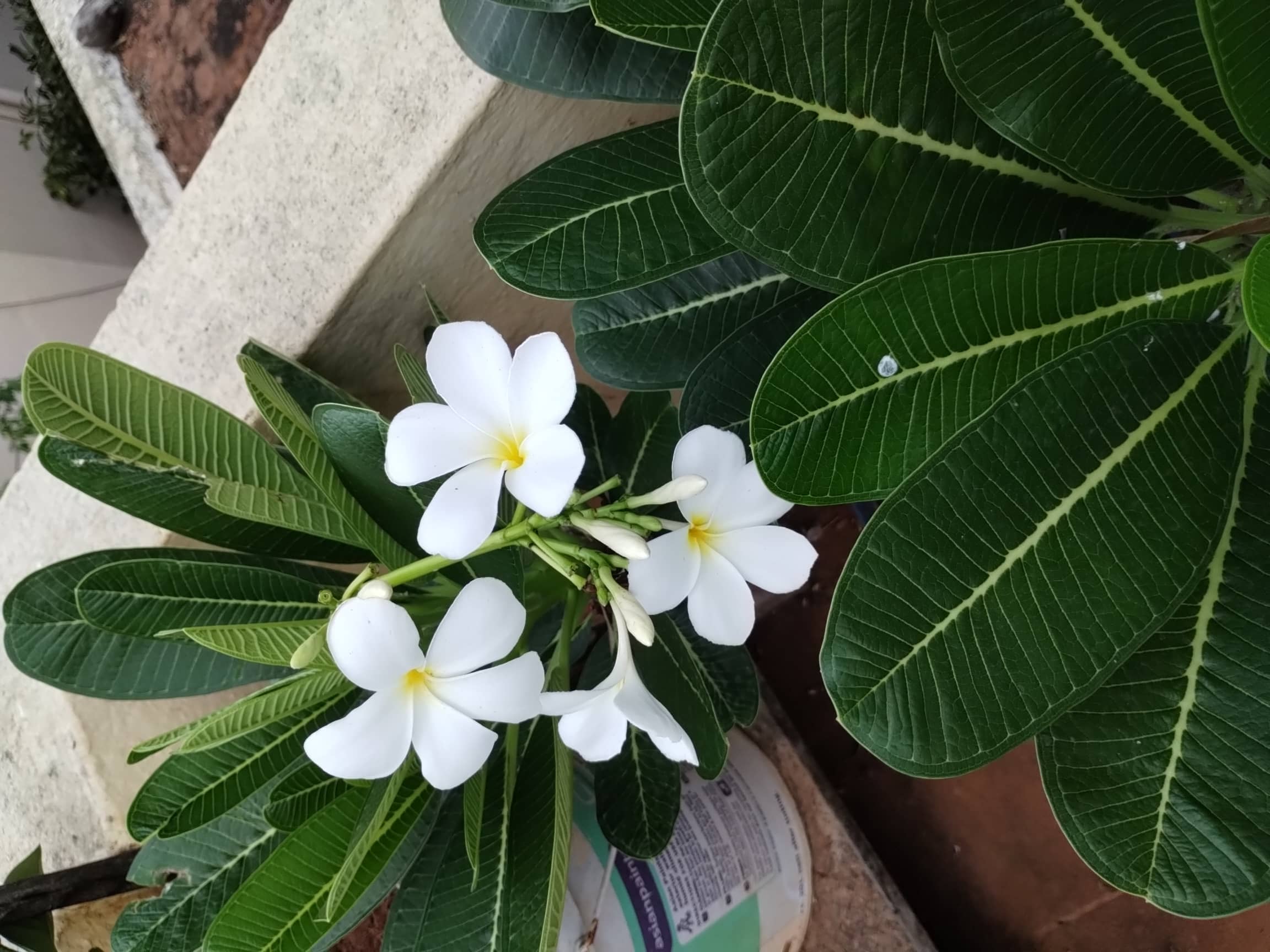
Plumeria
Plumeria Rubra
Plumeria, universally known as the Frangipani, is a genus of deciduous shrubs and small trees that serve as the quintessential symbol of tropical paradise. Belonging to the Apocynaceae (Dogbane) family, these plants are native to Mexico, Central America, and the Caribbean, but they have been embr...