
Jasmine vs Gardenia
Jasmine vs Gardenia comparison. Discover differences in flower size, growth habit, toxicity, care needs, and fragrance profiles.
Key Differences: Jasmine vs Gardenia
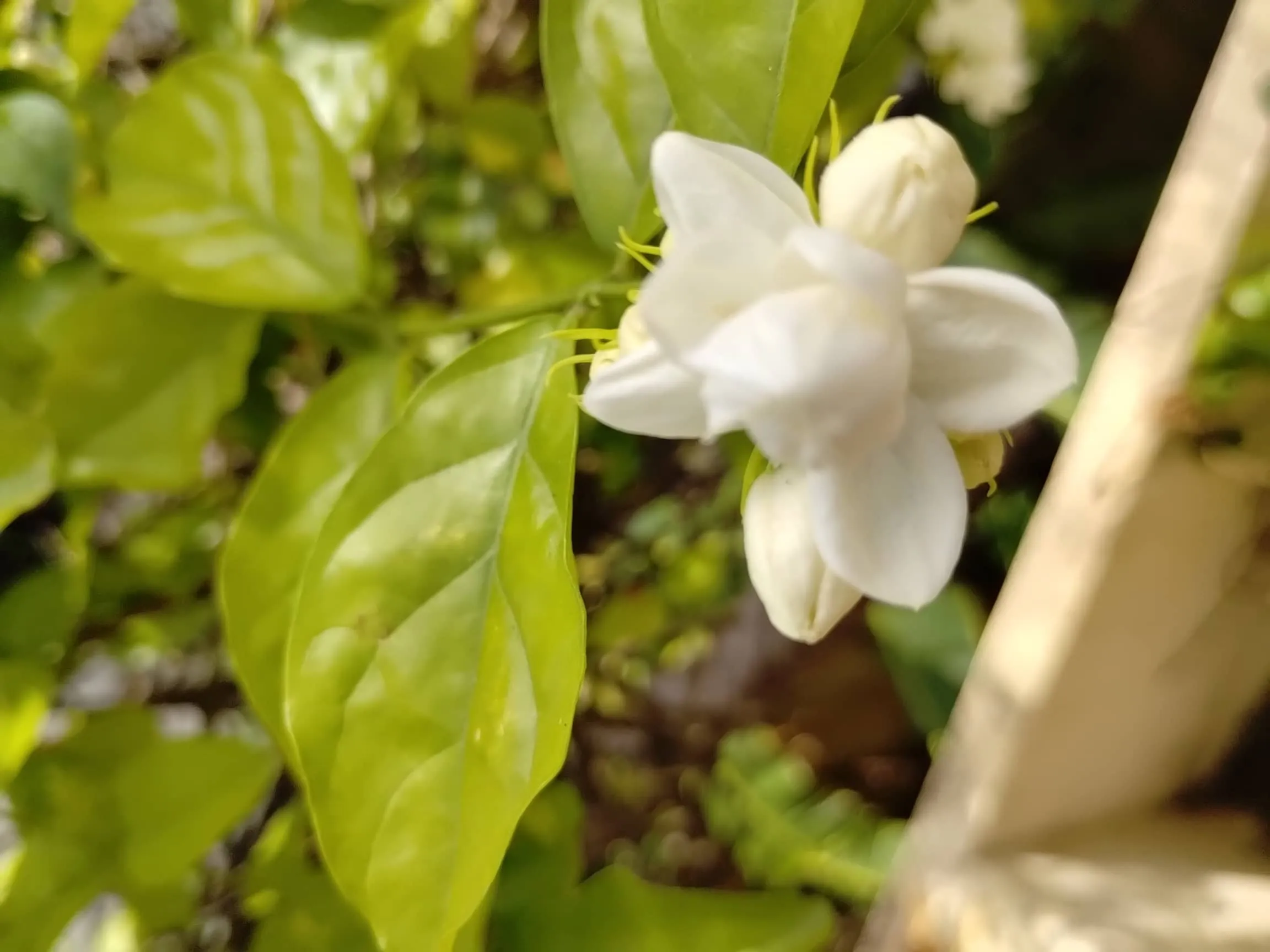
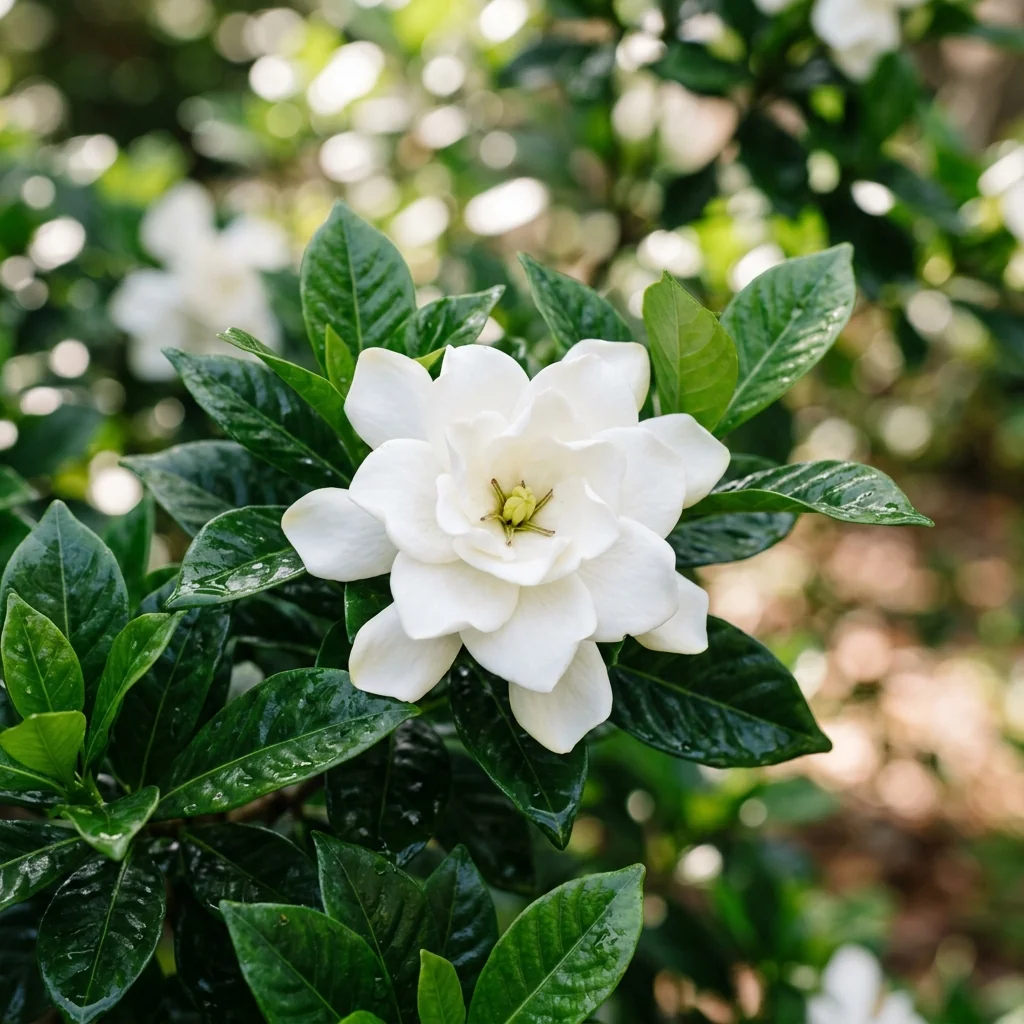
The main difference between Jasmine and Gardenias is their growth habit and plant size. Jasmine (Jasminum spp.) is typically a climbing or sprawling vine that produces clusters of small, star-shaped white flowers with a light, sweet fragrance and is non-toxic to pets. Gardenias are mounded evergreen shrubs that produce large, heavy, waxy white flowers resembling roses, with an intense, heavy, tropical fragrance, and are toxic to dogs and cats due to iridoid glycosides.
Botanical & Care Comparison Table
| Feature | Arabian jasmine | Gardenia |
|---|---|---|
| Family | Oleaceae | Rubiaceae |
| Colors Available | White, cream, soft yellow | Pure white, aging to creamy yellow |
| Bloom Season | Late spring through summer (continuous) J F M A M J J A S O N D | Late spring through summer (best in early summer) J F M A M J J A S O N D |
| Maintenance Level | Low to moderate (requires support/pruning for shape) | High (highly sensitive to soil pH, moisture, and pests) |
| Sunlight Needs | Full Sun to partial shade | Partial shade (prefers filtered morning sun) |
| Watering Needs | Average (water when top soil dries) | High (needs consistently moist, acidic, rich soil) |
| Pet Toxicity | ✅ Non-toxic to cats and dogs | ⚠️ Toxic to cats and dogs (causes hives/vomiting) |
| Fragrance | Light, sweet, clean and uplifting | Intense, heavy, sweet, and tropical |
| Pests & Diseases | Resilient, but susceptible to Aphids and Whiteflies. | Highly susceptible to Powdery Mildew, Bud Drop, and Root Rot. |
| Typical Uses | Trellises, fences, hanging baskets, teas | Specimen shrubs, container plants, fragrant borders |
How to Spot the Differences (Visual Identification)
Spot the features below to easily distinguish between the two plants in the wild or garden:
Arabian jasmine
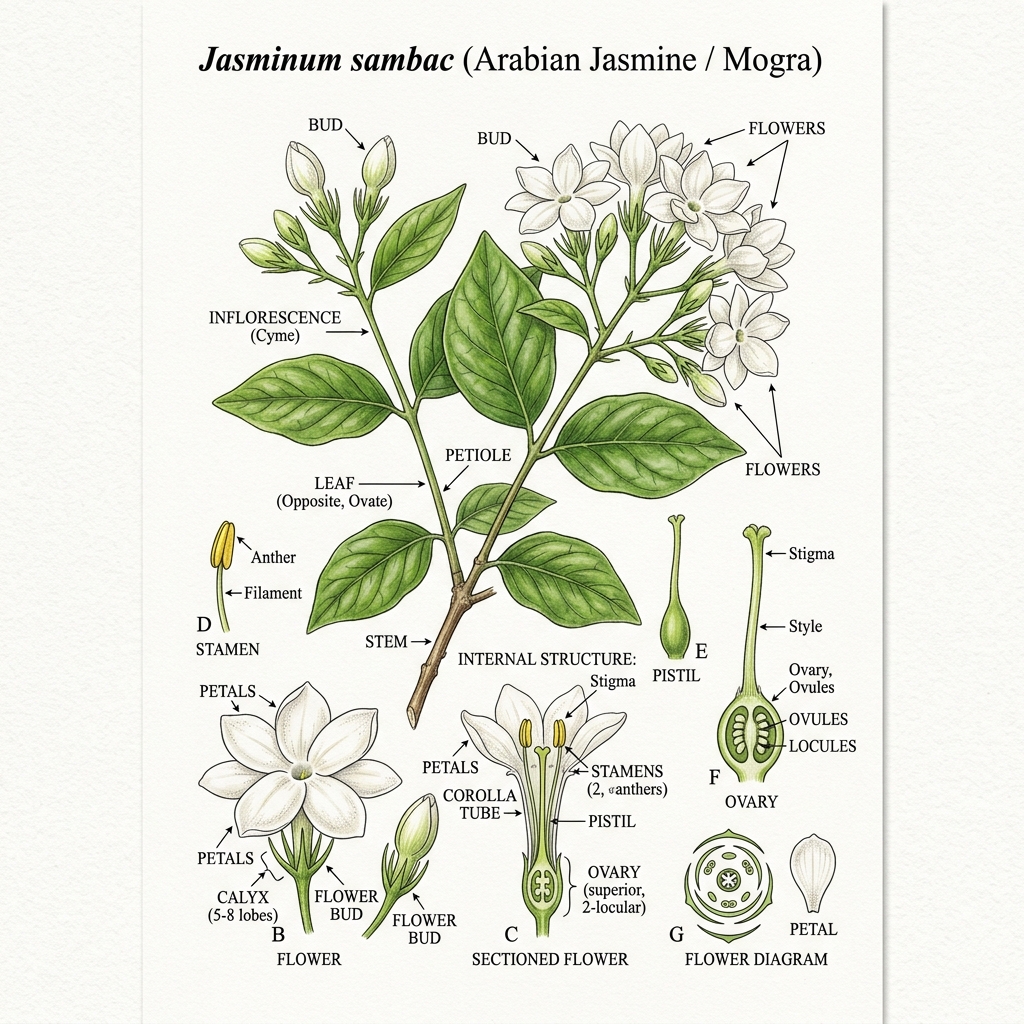
- Climbing vine habit: Sprawls and climbs up trellises or supports with slender green stems.
- Small star-like flowers: Flowers are small (under 1 inch) with pinwheel or star-shaped petals in clusters.
- Thin, matte green leaves: Leaves are oval, soft, and light green with a non-glossy surface.
- Pet-safe garden profile: True Jasmines are completely non-toxic and safe for curious pets.
Gardenia
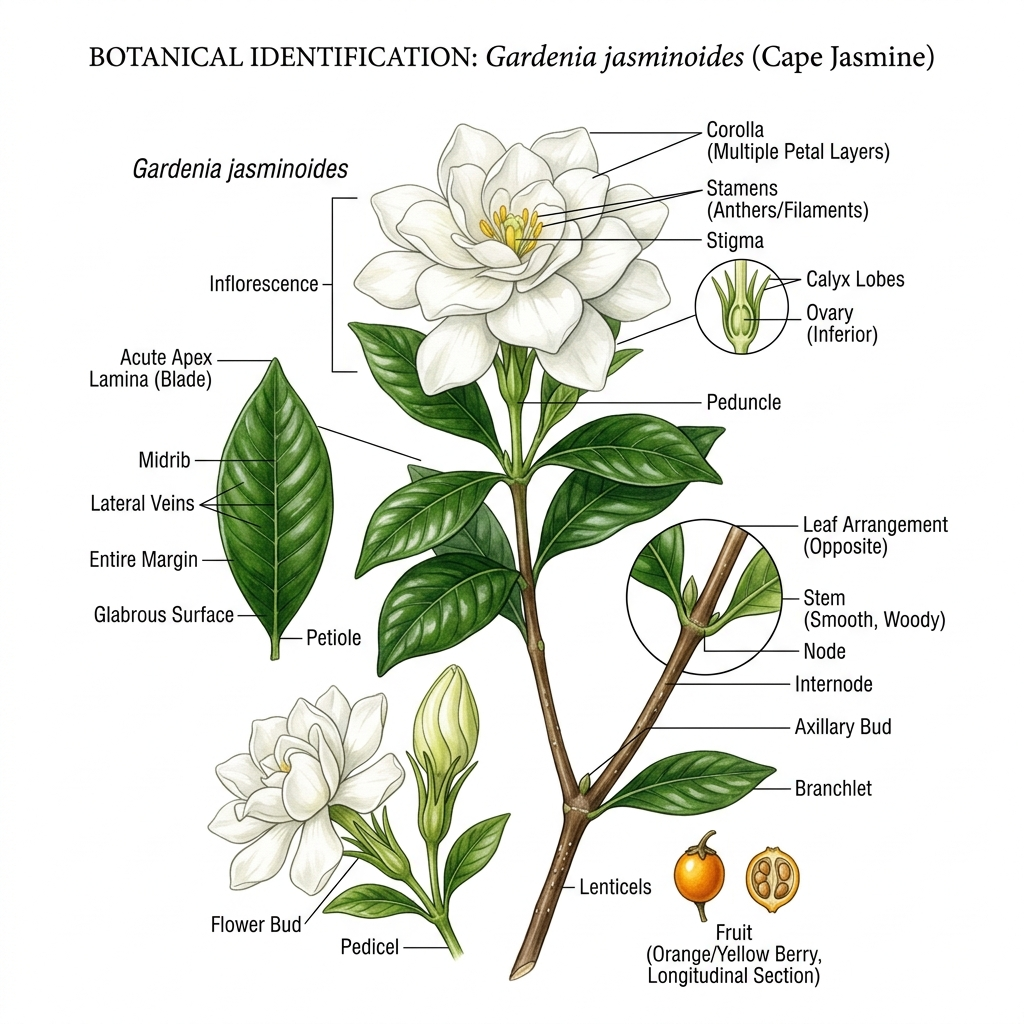
- Mounded woody shrub: Grows as a compact, self-supporting woody bush.
- Large rose-like blooms: Thick, waxy white flowers (2-4 inches wide) with dense, overlapping petals.
- Glossy dark leaves: Leaves are thick, dark green, and have a highly reflective, lacquer-like shine.
- Toxic to household pets: Ingesting leaves or flowers causes vomiting, diarrhea, and hives.
Which Should You Choose?
- Choose Jasmine if you want to cover a fence or trellis, want a low-maintenance plant, have pets in the garden, and prefer a light, refreshing floral scent.
- Choose Gardenia if you want a beautiful specimen shrub with rose-like waxy flowers, have acidic soil, can provide regular care, and love a strong, room-filling perfume.