
Bougainvillea vs Hibiscus
Bougainvillea or Hibiscus? Compare paper bracts vs large trumpet flowers, thorn vine vs woody shrub, heat tolerance, and pruning. Tropical garden guide.
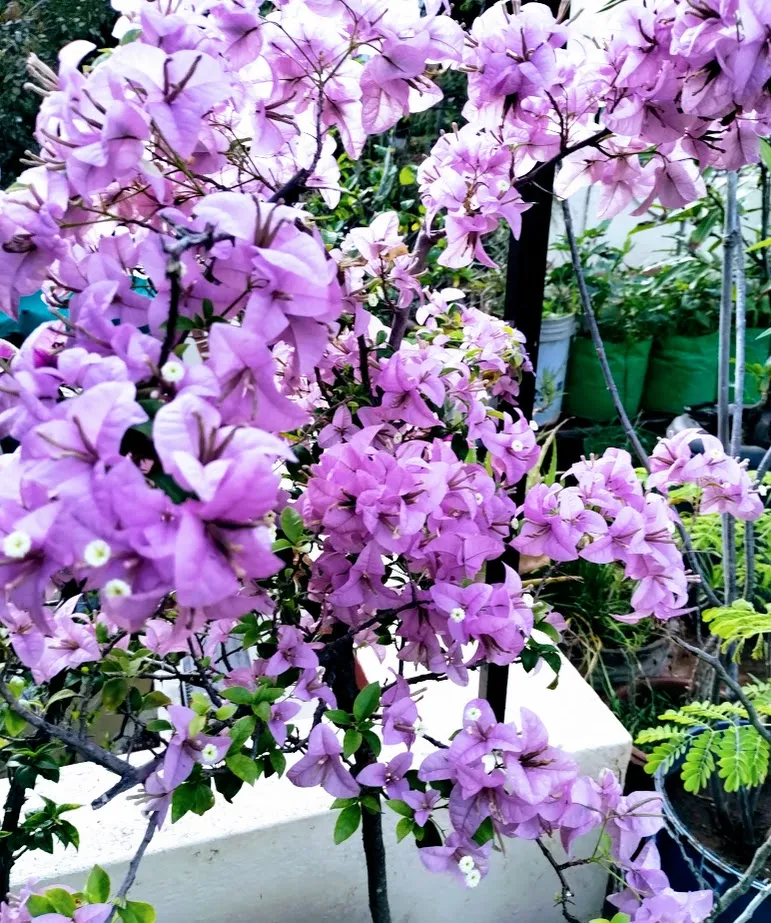
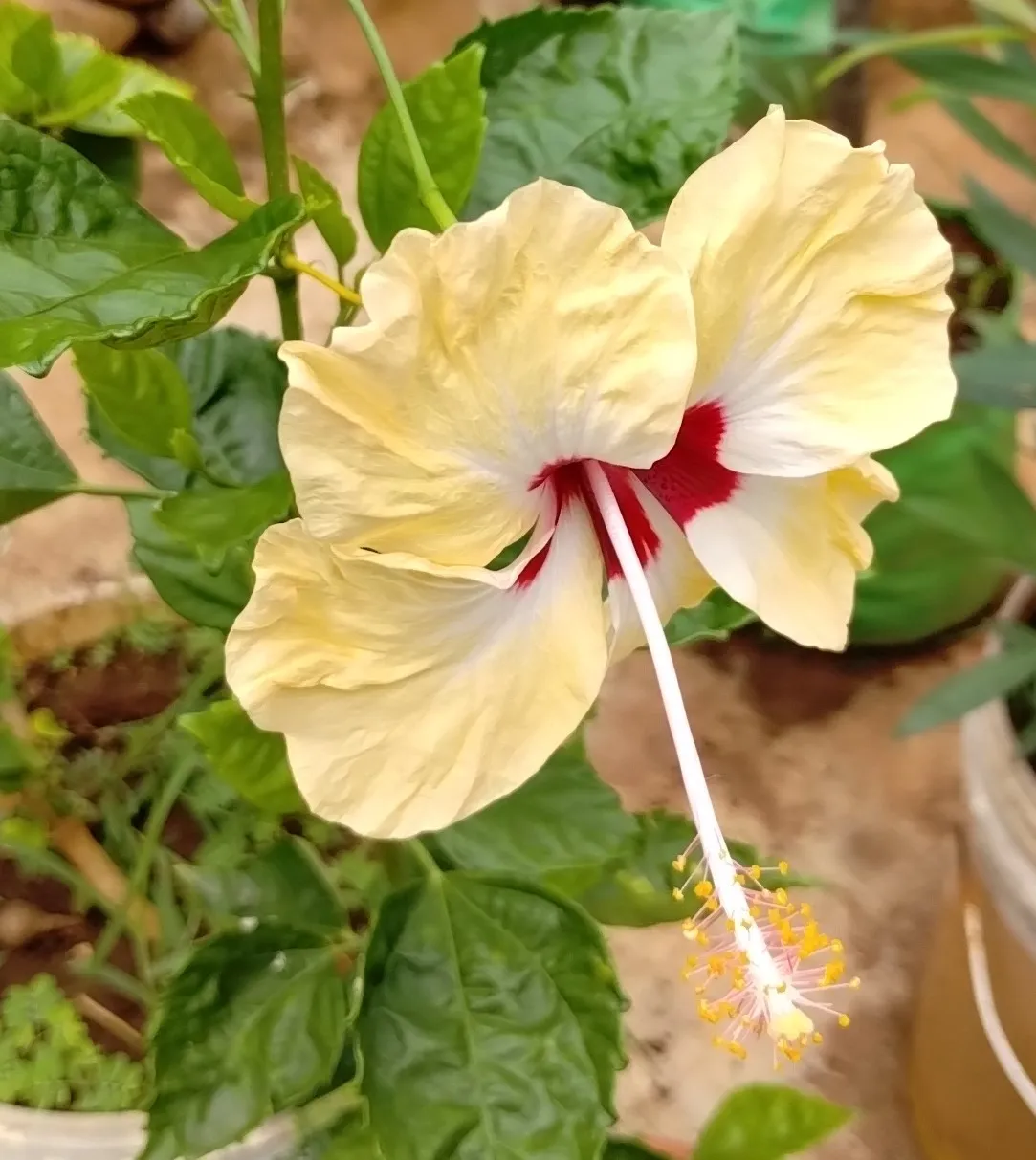
Key Differences: Bougainvillea vs Hibiscus
Bougainvillea (Bougainvillea spectabilis) and Tropical Hibiscus (Hibiscus rosa-sinensis) are the two iconic flowering plants of tropical landscapes worldwide, but they exhibit totally different botanical structures and growth forms. Bougainvillea is a sprawling, thorny climbing vine whose brilliant 'flowers' are actually colorful, paper-thin leaf bracts (magenta, purple, red, orange, white) surrounding tiny, inconspicuous white true flowers. Hibiscus is an upright, non-thorny shrub producing massive, solitary, 5-petaled trumpet flowers (4 to 8 inches across) with a prominent, protruding staminal column in an endless array of vivid tropical colors. Bougainvillea demands blazing sun and dry soil to produce heavy bract displays, while Hibiscus requires consistent moisture and fertilizing for daily blooms.
Botanical & Care Comparison Table
| Feature | Bougainvillea | Hibiscus |
|---|---|---|
| Family | Nyctaginaceae | Malvaceae |
| Colors Available | Magenta, Purple, Red, Orange, Yellow, Pink, White | Red, Pink, Yellow, Orange, Peach, White, Purple, Bi-colors |
| Bloom Season | Year-round in warm frost-free zones; spring–autumn in warm summer climates J F M A M J J A S O N D | Year-round in tropical climates; late spring to autumn in temperate zones J F M A M J J A S O N D |
| Maintenance Level | Moderate — hard pruning needed to control sharp thorns and vigorous vine growth | Moderate — regular deadheading, pruning, and feeding for maximum bloom |
| Sunlight Needs | Full Sun (6–8+ hours of intense sun required) | Full Sun to Part Shade (prefers full sun for heavy bloom) |
| Watering Needs | Low — drought-tolerant; allow soil to dry completely between waterings | Moderate to High — keep soil consistently moist; thirsty in summer heat |
| Pet Toxicity | ⚠️ Mildly toxic / physical hazard (sharp thorns cause puncture wounds; sap is mild skin irritant) | ✅ Non-toxic to cats and dogs (Tropical Hibiscus is pet-safe) |
| Fragrance | No fragrance | No fragrance |
| Pests & Diseases | Highly disease-resistant; root rot if overwatered. | Susceptible to aphids, whiteflies, and hibiscus sawfly. |
| Typical Uses | Pergolas, security hedges, retaining walls, warm patio arbors | Tropical patio pots, lawn specimens, flowering privacy hedges |
How to Spot the Differences (Visual Identification)
Spot the features below to easily distinguish between the two plants in the wild or garden:
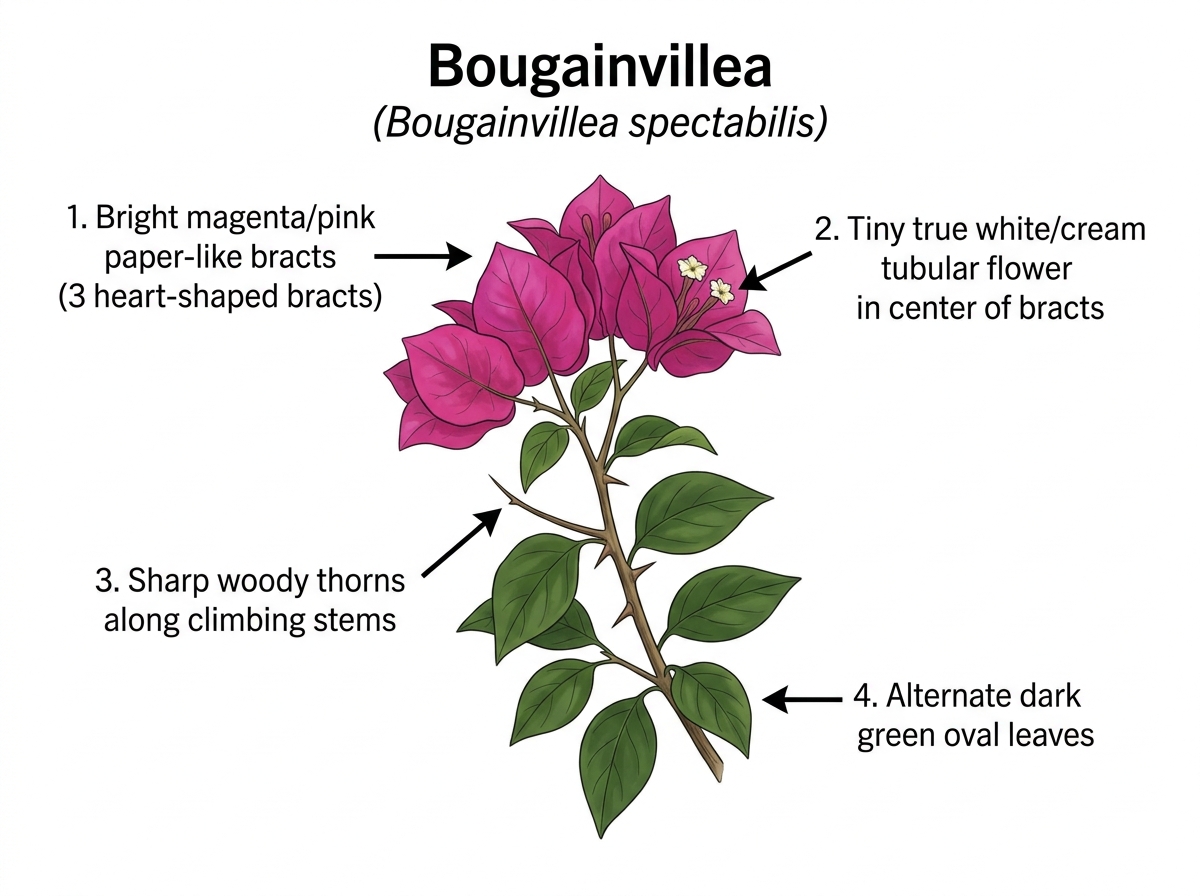
- Paper-thin colorful bracts: Showy 'petals' are actually 3 paper-like modified leaves surrounding tiny cream true flowers.
- Vigorous thorny climbing vine: Grows sharp woody thorns that hook onto structures to climb 20–30+ feet.
- Drought-triggered blooming: Blooms most intensely when stressed by full sun and slight drought.
- Minimal water requirement: Overwatering causes lush green foliage with zero colorful bracts.
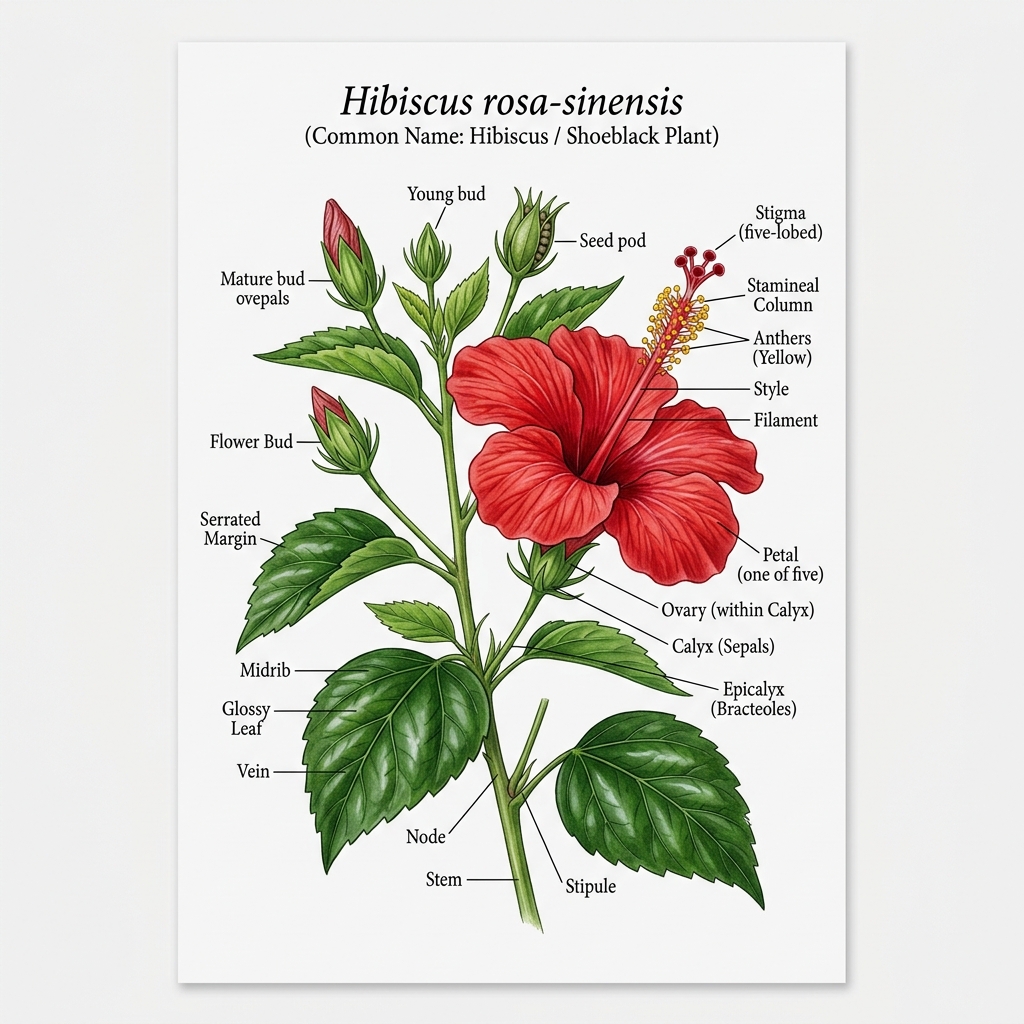
- Massive 5-petaled trumpet flowers: Large solitary blossoms (4–8 inches) with silky petals and a long central staminal column.
- Non-thorny upright shrub: Dense bushy shrub or small tree without thorns or climbing tendrils.
- Daily single-day blooms: Individual flowers last only 1–2 days, but the plant produces new buds continuously.
- High water & fertilizer needs: Demands regular watering and potassium-rich feeding for non-stop bloom.
Which Should You Choose?
- Choose Bougainvillea if you want an indestructible, drought-tolerant vine to cover a pergola or wall with blazing paper-bract color in hot, dry, sunny spots.
- Choose Hibiscus if you want a pet-safe, non-thorny lush shrub with giant trumpet flowers for patio containers or garden borders.