
Similar Flowers
Discover flowers that share botanical characteristics
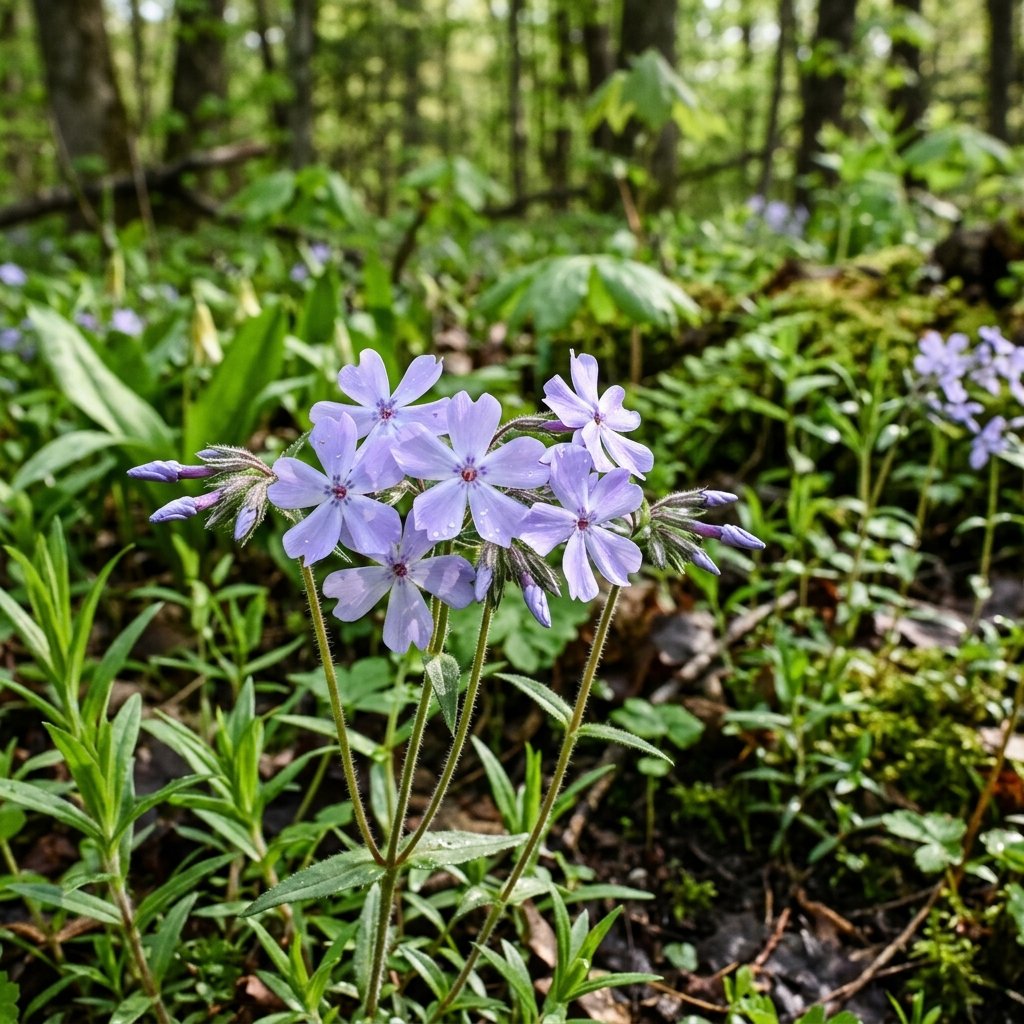
Similar Characteristics
4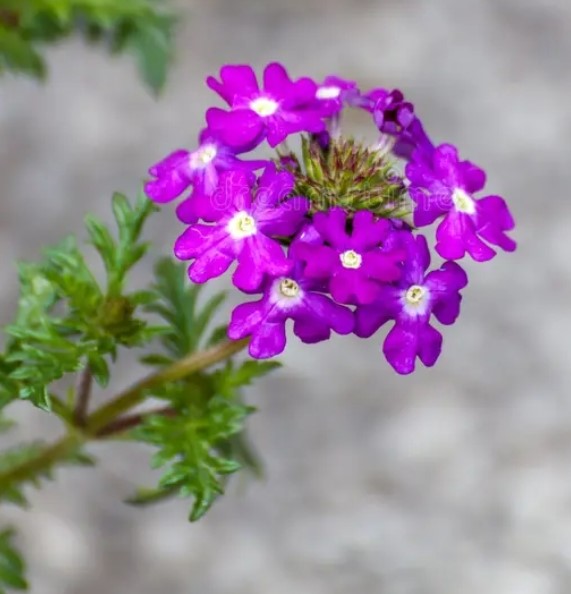
Verbena
Verbena
The Verbena, botanically classified under the genus Verbena and belonging to the family Verbenaceae (the verbena or vervain family), is an exceptionally tough, colorful, and resilient perennial (often cultivated as a warm-season annual in cooler temperate zones). Native primarily to the sunny gra...
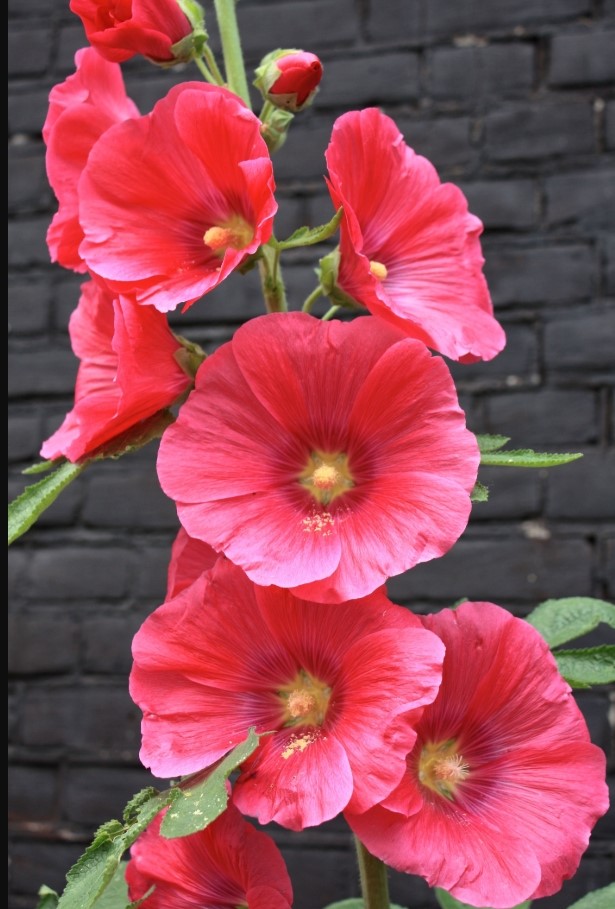
Hollyhock
Alcea rosea
The Hollyhock, botanically designated as Alcea rosea and belonging to the family Malvaceae (the mallow or hibiscus family), is a majestic, towering, and deeply romantic cottage garden classic. Native to the warm, temperate meadows, rocky slopes, and open woodlands of Turkey and southwestern Asia,...
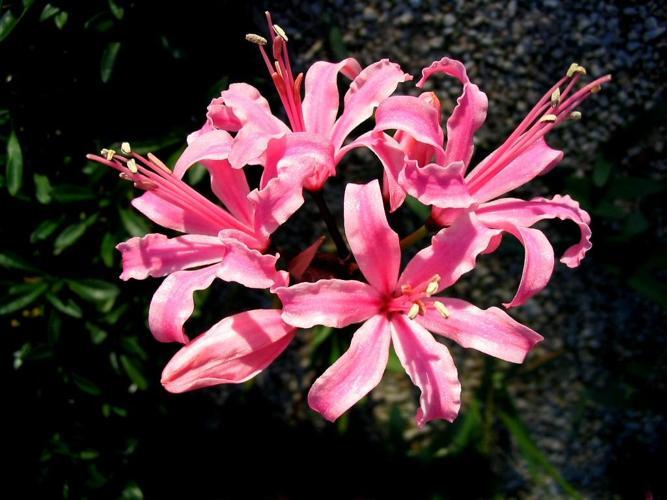
Cape Flower (Red Spider Lily)
Lycoris radiata
The Cape Flower, botanically designated as *Lycoris radiata* and globally celebrated as the Red Spider Lily, Japanese Spider Lily, Hurricane Lily, or Equinox Flower, is an exceptionally dramatic bulbous perennial. Belonging to the family Amaryllidaceae (the amaryllis family, tribe Lycorideae), th...
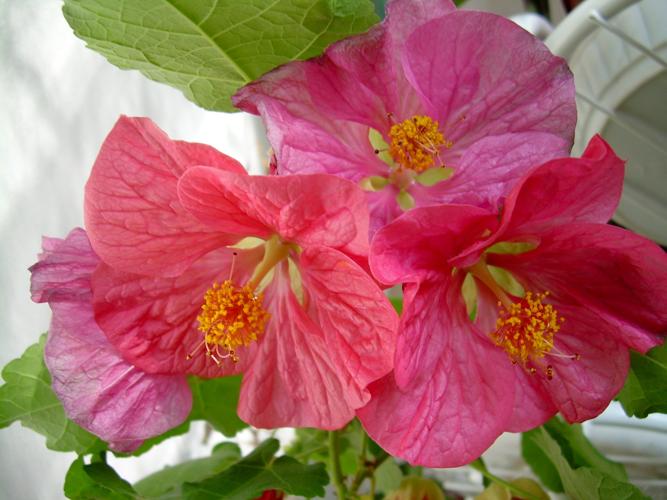
Mallow
Malva sylvestris
The Mallow, botanically designated as Malva sylvestris and commonly known as Common Mallow, High Mallow, Tall Mallow, or Cheeseweed, is an exceptionally versatile, hardy, and resilient biennial to short-lived perennial herb. Belonging to the family Malvaceae (the mallow family), this ancient plan...
Dianthus vs Phlox
What is the difference between Dianthus and Phlox? Compare fringed petal edges, jointed stems, spicy clove fragrance, pet toxicity, and garden uses.
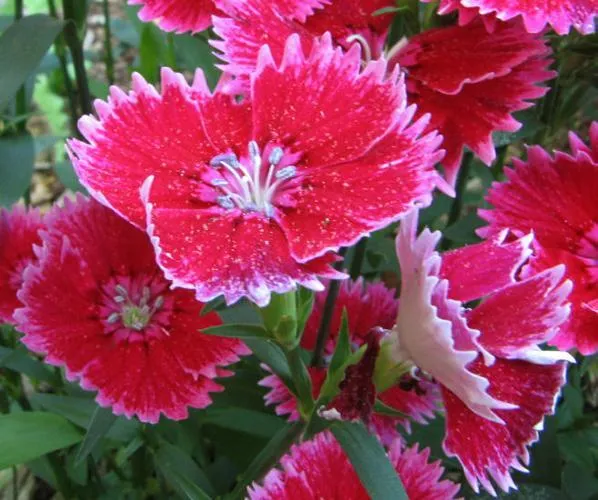
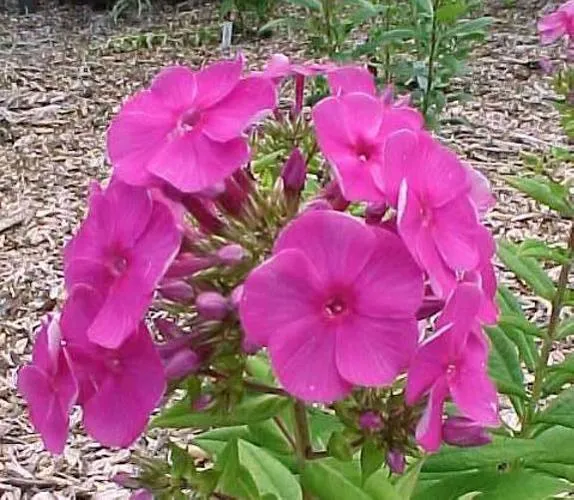
Key Differences: Dianthus vs Phlox
The primary difference between Dianthus (Sweet William / Pinks) and Phlox lies in their petal structure, stem architecture, and pet safety. Dianthus features fringed or serrated petal edges ('pinked' margins), rigid jointed stems with swollen nodes, a distinct spicy clove fragrance, and is mildly toxic to pets. Phlox features smooth-edged, un-notched salverform petals, non-jointed stems, a sweet honeyed aroma, and is 100% non-toxic and safe for dogs and cats.
Botanical & Care Comparison Table
| Feature | Sweet William (Dianthus barbatus) | Phlox |
|---|---|---|
| Family | Caryophyllaceae | Polemoniaceae |
| Colors Available | Pink, Red, White, Purple, Bicolor patterns | Pink, Purple, White, Lavender, Red, Blue, Contrast eye-patterns |
| Bloom Season | Late spring to midsummer J F M A M J J A S O N D | Spring through late summer (species dependent) J F M A M J J A S O N D |
| Maintenance Level | Low to Moderate (deadheading extends blooming) | Low (requires good air circulation to prevent powdery mildew) |
| Sunlight Needs | Full Sun (6+ hours direct light daily) | Full Sun to Light Shade |
| Watering Needs | Moderate (requires sharp, well-drained soil) | Moderate (regular moisture, well-draining) |
| Pet Toxicity | ⚠️ Mildly toxic to cats and dogs (contains saponins) | 🟢 100% Non-toxic to cats, dogs, and horses |
| Fragrance | Strong, spicy clove scent | Sweet, light, honeyed aroma |
| Pests & Diseases | Susceptible to stem rot and rust if soil is waterlogged | Susceptible to Powdery Mildew if air circulation is poor |
| Typical Uses | Cottage borders, edgings, rock gardens, cut flower arrangements | Perennial borders, ground covers (Creeping Phlox), rock walls, cottage gardens |
How to Spot the Differences (Visual Identification)
Spot the features below to easily distinguish between the two plants in the wild or garden:
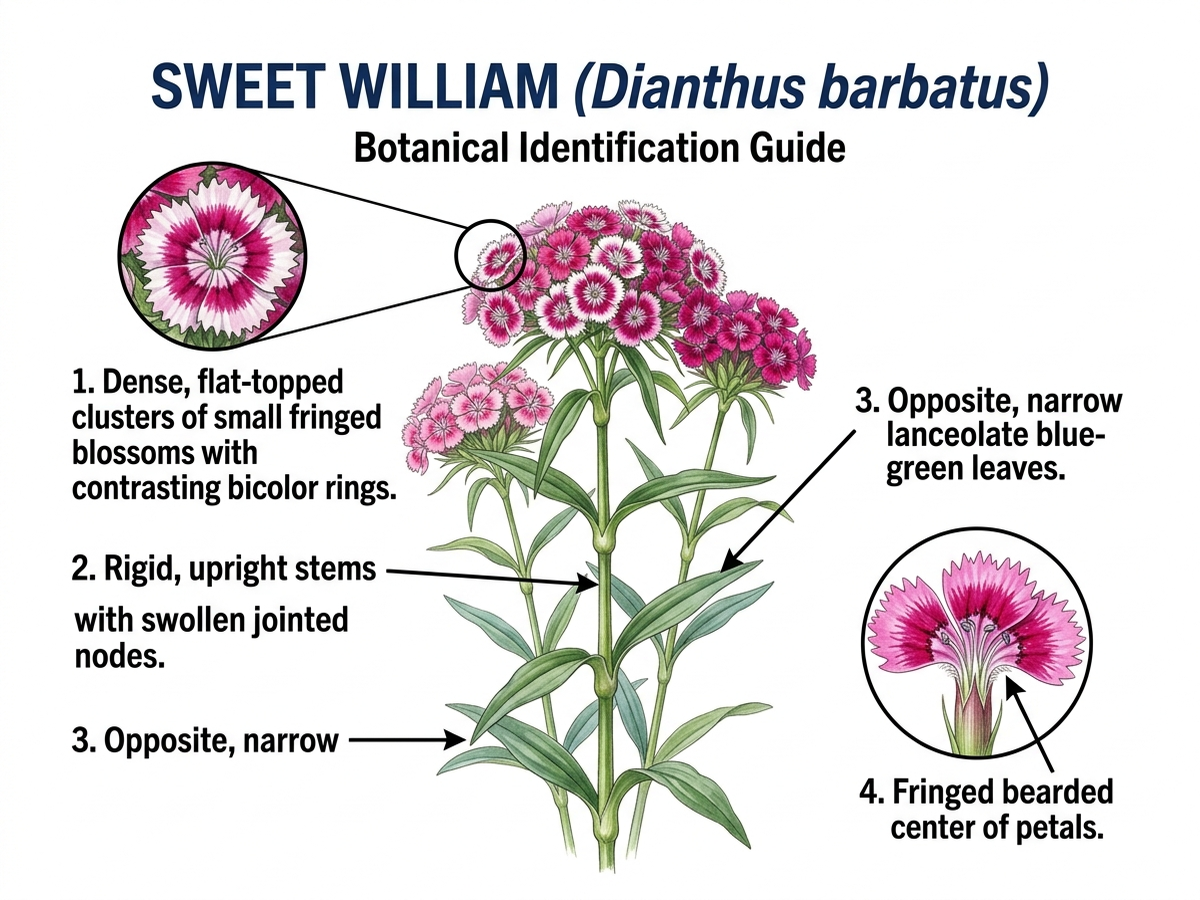 Sweet William (Dianthus barbatus)
- Fringed & serrated petals: 5 flat petals with distinctly notched, saw-toothed, or fringed margins ('pinked' edges with bearded centers).
- Swollen jointed nodes: Sturdy, upright stems with swollen joints and narrow, opposite blue-green foliage.
- Spicy clove aroma: Blossoms emit a rich, old-fashioned, spicy clove fragrance.
- Mildly toxic to pets: Tissues contain triterpenoid saponins that can cause mild GI upset and skin irritation in pets.
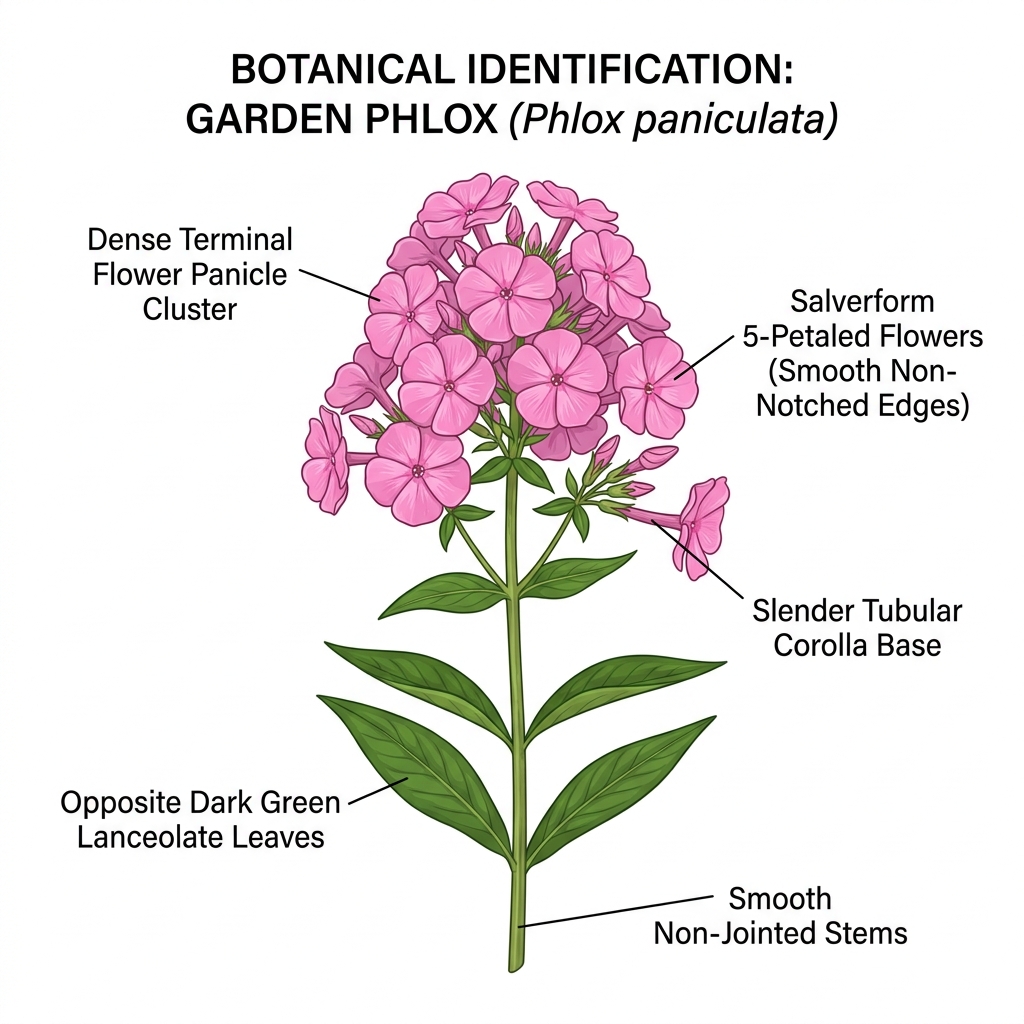 Phlox
Phlox- Smooth-edged salverform petals: Flowers feature 5 smooth, un-notched, overlapping petals forming a flat face on a narrow tube.
- Non-jointed stems & broad leaves: Stems are smooth without swollen nodes, carrying dark green lanceolate leaves.
- Sweet honeyed scent: Fragrance is light, sweet, and honey-like.
- 100% Non-toxic & pet-safe: Completely safe for dogs, cats, and horses (ASPCA verified).
Which Should You Choose?
Choose between Dianthus and Phlox based on pet safety, fragrance preference, and visual style:
- Choose Dianthus (Sweet William) if you love spicy clove fragrances, vintage fringed petal edges, and sturdy stems ideal for vase arrangements.
- Choose Phlox if you need a 100% pet-safe plant, dense early-spring ground cover (Creeping Phlox) or tall, lush summer perennial spikes (Garden Phlox).