
Calla Lily vs Easter Lily
Calla Lily or Easter Lily? Learn the critical differences: flower structure, botanical family, spring vs summer bloom, and cat toxicity risks. Side-by-side guide.
Key Differences: Calla Lily vs Easter Lily
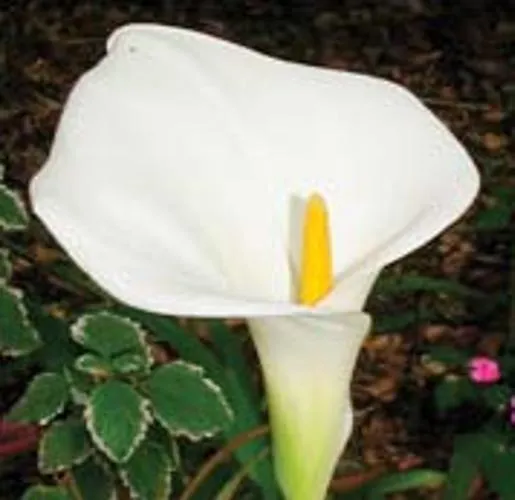
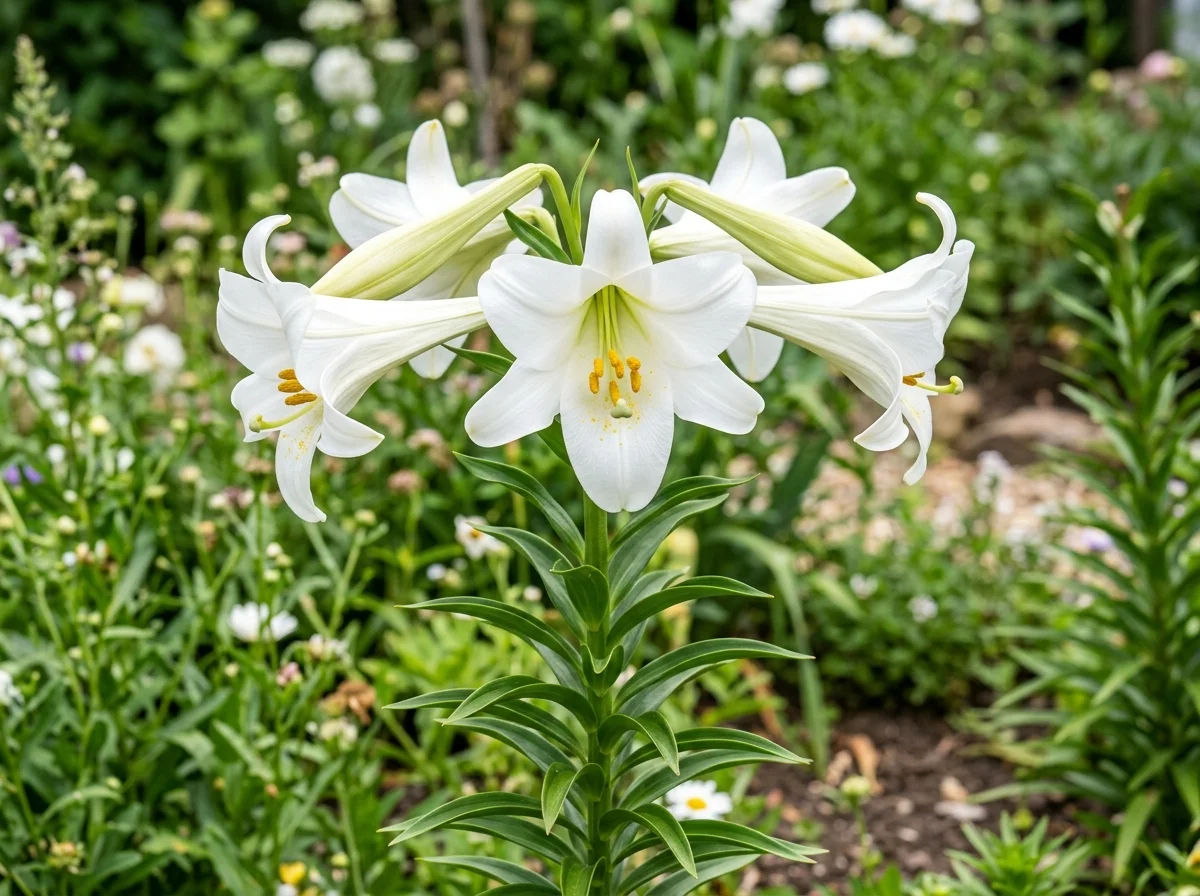
Despite sharing 'lily' in their common names, Calla Lily (Zantedeschia aethiopica) and Easter Lily (Lilium longiflorum) belong to completely different plant families and have fundamentally different flower structures and pet toxicity profiles. Calla Lily belongs to the Arum family (Araceae) and features a smooth, seamless, trumpet-like spathe (a modified leaf) wrapping around a central yellow spike (spadix). Easter Lily is a true lily in the Liliaceae family featuring a true trumpet blossom composed of 6 distinct pure white petals/tepals with 6 heavy golden-yellow anthers hanging inside. Crucially, while Calla Lily contains insoluble calcium oxalate crystals that cause immediate mouth burning, Easter Lily is **FATAL to cats**, causing acute renal failure from even microscopic amounts of pollen.
Botanical & Care Comparison Table
| Feature | Arum Lily | Easter Lily |
|---|---|---|
| Family | Araceae | Liliaceae |
| Colors Available | White, Yellow, Pink, Rose, Dark Purple/Black | Pure White only |
| Bloom Season | Late spring to early summer (May–July) J F M A M J J A S O N D | Early spring forced (Easter), mid-summer natural outdoors (July–August) J F M A M J J A S O N D |
| Maintenance Level | Low — dig rhizomes in cold winter zones (Zone 7 and below) | Moderate — remove yellow anthers to avoid pollen staining; keep soil cool |
| Sunlight Needs | Full Sun to Part Shade (prefers afternoon shade in hot climates) | Full Sun to Part Shade (head in sun, roots shaded) |
| Watering Needs | High — loves moist to wet soils; can grow in shallow water margins | Moderate — well-draining soil; keep evenly moist during growth |
| Pet Toxicity | ⚠️ Toxic to dogs & cats (calcium oxalates cause oral irritation & drooling) | 💀 LETHAL TO CATS (causes acute kidney failure). Non-fatal to dogs. |
| Fragrance | Mild sweet scent | Powerfully sweet, intoxicating floral fragrance |
| Pests & Diseases | Susceptible to Erwinia soft rot in wet poorly-drained storage. | Susceptible to Botrytis blight and lily leaf beetle. |
| Typical Uses | Water gardens, pond borders, cut flower arrangements, elegance gardens | Easter spring displays, cottage gardens, fragrant white gardens |
How to Spot the Differences (Visual Identification)
Spot the features below to easily distinguish between the two plants in the wild or garden:
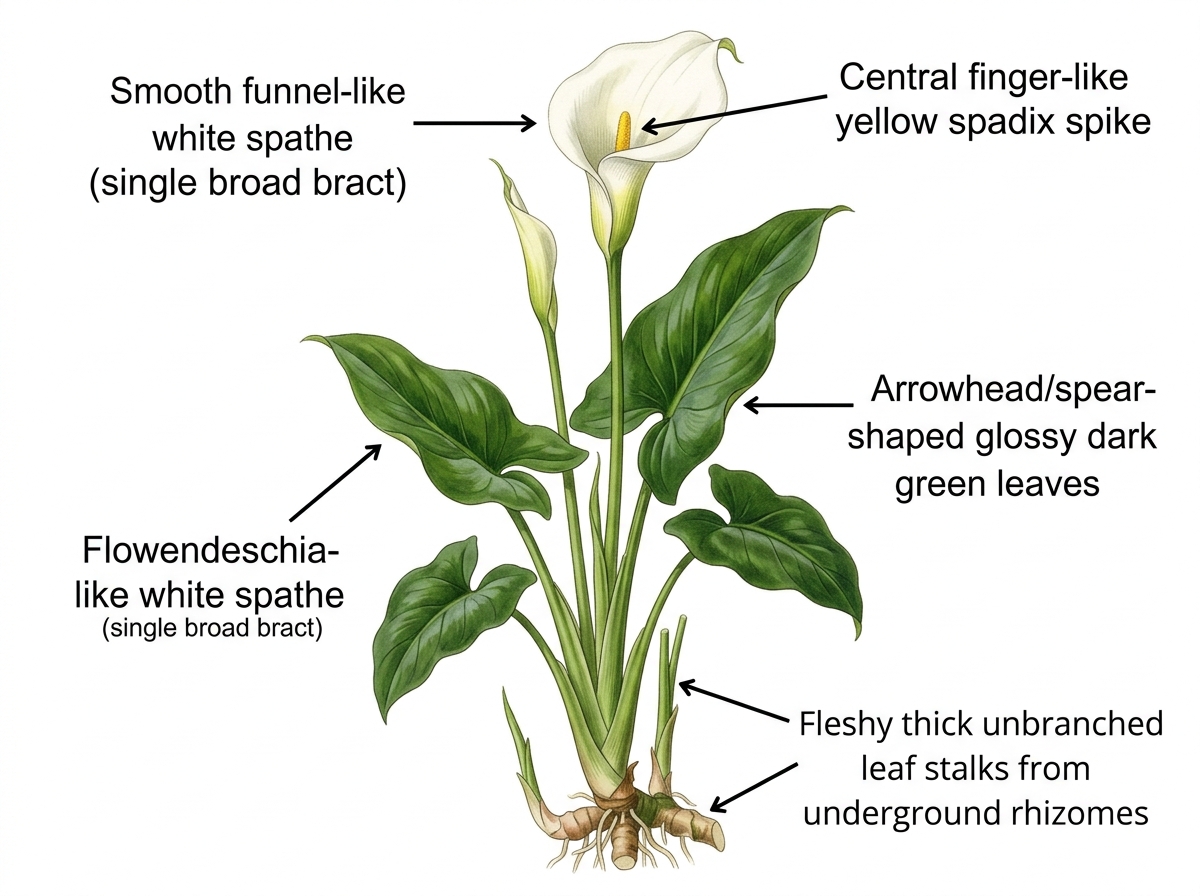
- Seamless white spathe & spadix: Single smooth, waxy, funnel-shaped bract (spathe) wrapped around a central yellow finger-like spike (spadix). No separate petals.
- Arrowhead glossy leaves: Broad, spear-shaped or arrowhead-shaped glossy green leaves arising directly from underground rhizomes.
- Insoluble calcium oxalates: Chewing causes immediate oral burning, drooling, and mouth pawing due to microscopic needle-like oxalate crystals.
- Arum family (Araceae): Not a true lily. Grows from thick fleshy rhizomes.
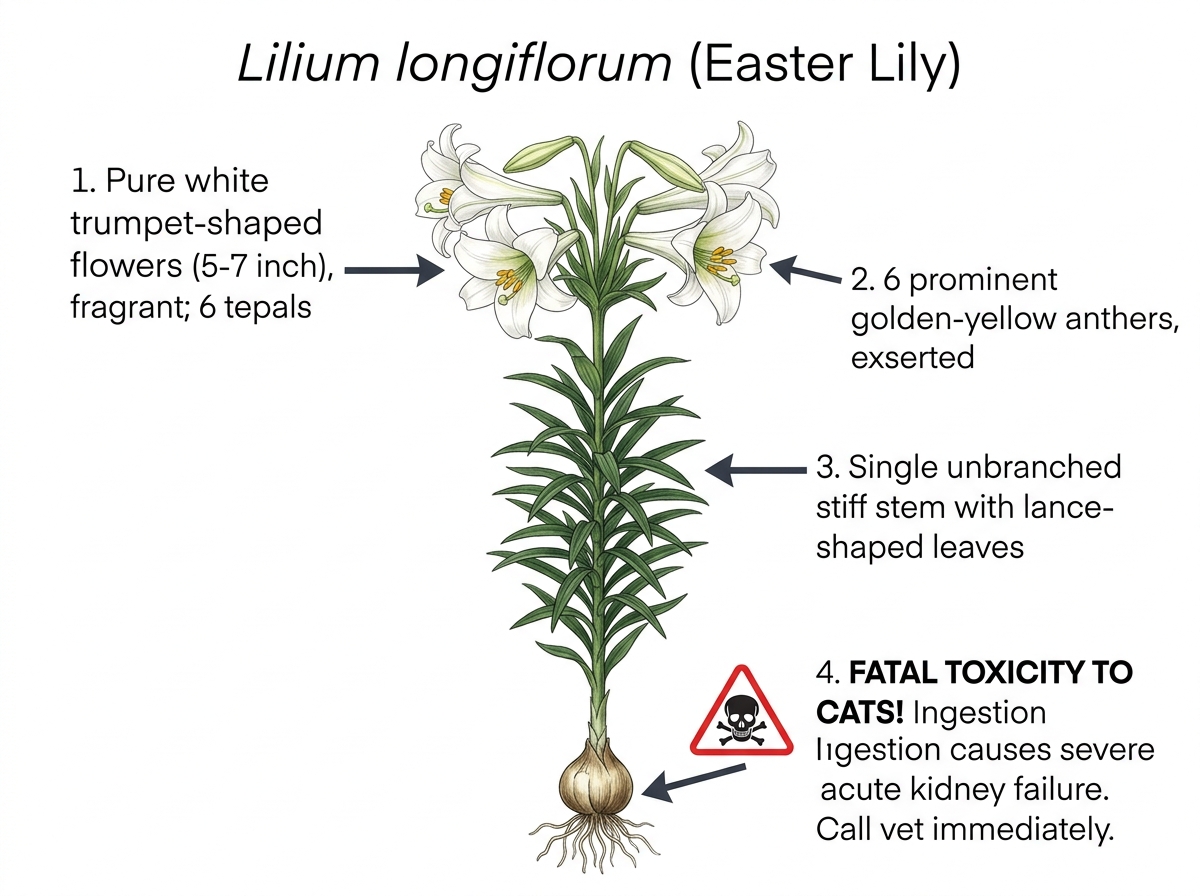
- True 6-petaled white trumpet: Flower consists of 6 separate pure white tepals forming a long trumpet (5–7 inches) with 6 golden-yellow stamens.
- Unbranched leafy stem: Stiff vertical green stem (2–3 feet) lined with spiraled narrow lance-shaped leaves.
- 💀 FATAL TO CATS: All parts, pollen, and vase water cause rapid acute renal failure in cats. Non-fatal to dogs.
- True Lily family (Liliaceae): True bulbous perennial native to the Ryukyu Islands of Japan.
Which Should You Choose?
- Choose Calla Lily if you want modern architectural elegance, broad glossy foliage, and a moisture-loving plant for pond edges or containers. Safe for households with cats if kept out of chew reach (non-fatal).
- Choose Easter Lily if you want classic spring fragrance, pure white multi-petaled trumpet blooms, and a outdoor garden bulb — but NEVER bring into homes with cats due to lethal kidney toxicity.