
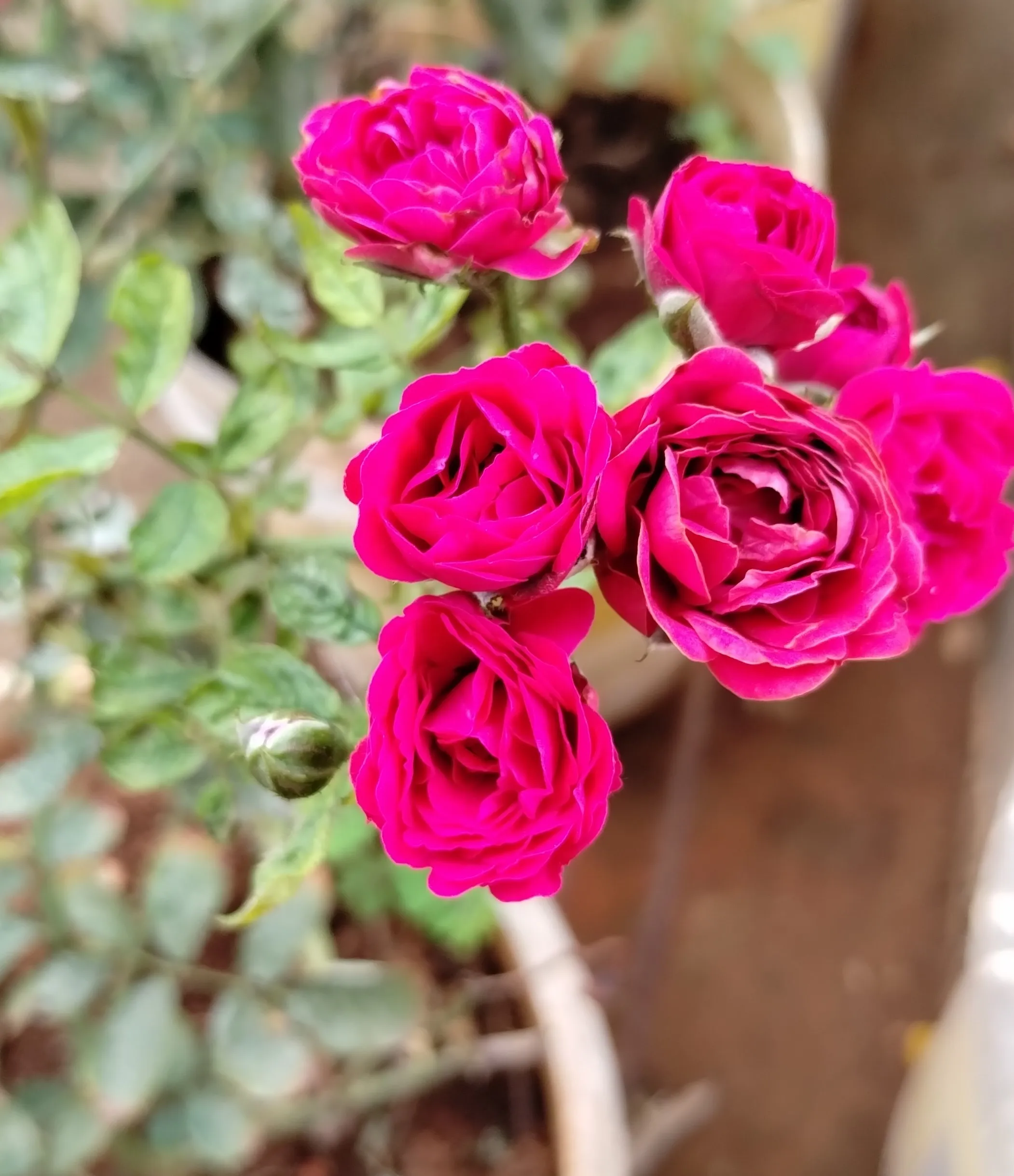
Rose
Rosa
How to Identify Rose
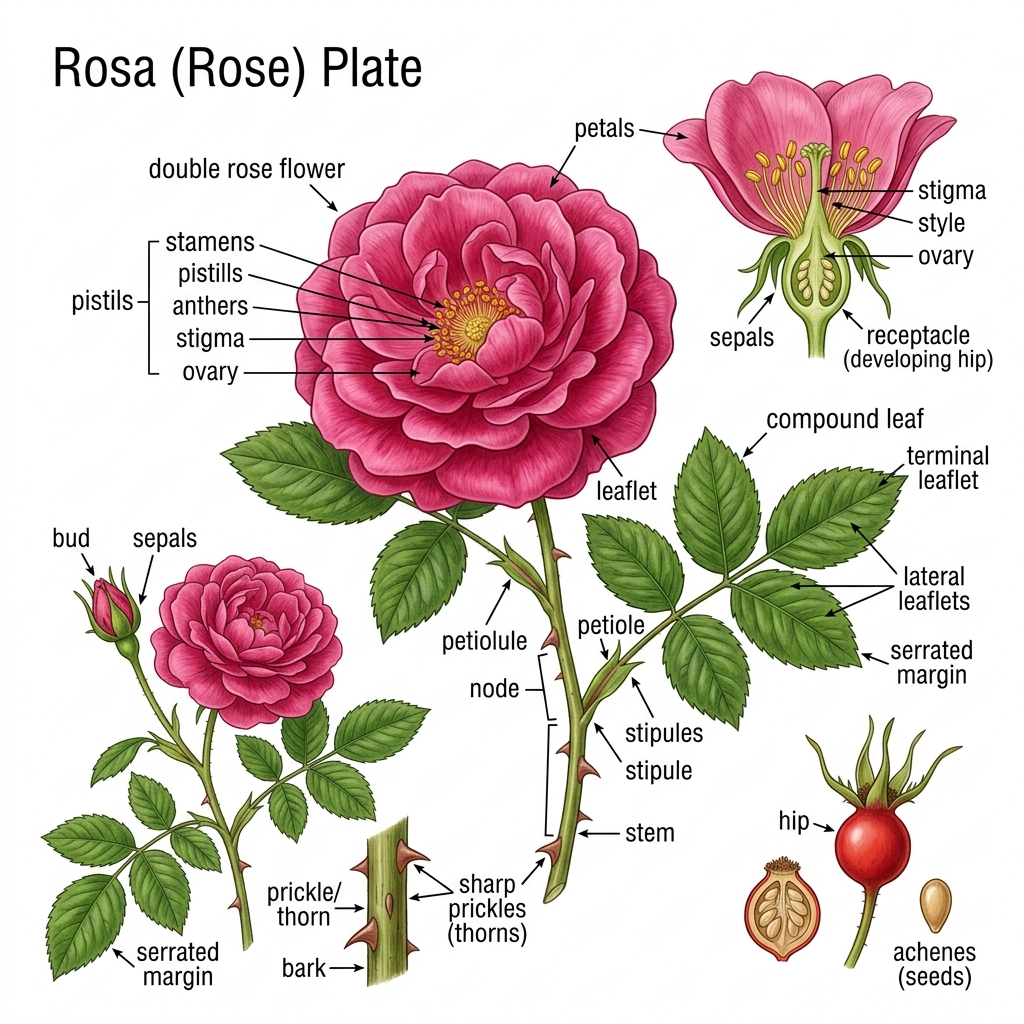
How to identify Roses (Rosa):
- Double Blooms: Dense, multi-petaled flower heads available in a wide range of colors (red, pink, white, yellow, orange, and bi-colors).
- Thorny Stems: Woody stems armed with sharp, downward-pointing epidermal prickles (thorns).
- Pinnate Compound Leaves: Alternating leaves featuring 3 to 9 leaflets with sharply serrated margins.
- Rosehips: Round, berry-like red or orange fruits that form in autumn after successful pollination.
Care & Growing Guide
Rose Care & Growing Guide:
- Light: Needs full direct sun (6 to 8 hours daily) for maximum blooming.
- Soil: Deep, rich, organic-rich loamy soil with exceptional drainage and a neutral to slightly acidic pH of 6.0 to 6.8.
- Watering: Consistent moisture (1 to 2 inches weekly). Water at the base to prevent black spot disease.
- Pruning: Prune in late winter or early spring to remove dead wood and encourage fresh flowering shoots.
Seasonal Blooming & Hardiness
Seasonal Blooming Calendar (US Hardiness Zones 3-11):
- Blooming Season: Blooms continuously from mid-spring through late autumn (typically May through October).
- Cold Hardiness: Extremely hardy (Zones 3-11), though winter protection/mulching is helpful in zones 3-5.
Bloom Timeline
About Rose
The Rose, belonging to the genus Rosa and the eponymous family Rosaceae, is globally celebrated as the world's most popular and highly revered flower, with a rich history of cultivation spanning over 5,000 years. Famed across civilizations from ancient China, Persia, and Rome to the modern English countryside, this magnificent woody perennial is admired for its unparalleled elegance, soft velvety petals, and intensely sweet fragrance. It has evolved through selective breeding into thousands of cultivars, from classic upright Hybrid Teas to sweeping climbers.
Growing as woody upright shrubs, scrambling climbers, or prostrate ground covers, roses are characterized by their strong, woody stems densely covered in sharp prickles (commonly called thorns) designed to deter herbivores and aid climbing. The leaves are pinnately compound, featuring 3 to 9 leaflets with sharply serrated margins and a rich, deep-green, glossy texture. Depending on the variety and climate, roses bloom continuously from spring through late autumn, producing single, semi-double, or dense multi-petaled blossoms in nearly every color.
The reproductive morphology of a single wild rose is represented by the botanical floral formula EBr ⊕ ⚥ K5 C5 A∞ G(1-∞). This formula indicates that the flower is ebracteate, radially symmetrical (actinomorphic), and bisexual. The calyx is composed of 5 free sepals, and the corolla features 5 free petals (which multiply to 100+ in highly double cultivated garden varieties). The androecium contains numerous free stamens arranged in whorls, surrounding 1 to many free carpels with superior ovaries enclosed inside a cup-like hypanthium.
Horticulturally, roses are heavy feeders that perform best in full morning and afternoon sun, demanding at least 6 to 8 hours of direct light to fuel their heavy blooming cycle. They thrive in deep, rich, organic matter-heavy loamy soils with exceptional drainage and a neutral to slightly acidic pH of 6.0 to 6.8. They require consistent moisture (1 to 2 inches weekly) and regular spring pruning to remove dead wood and encourage fresh flowering shoots. Roses are highly cold-hardy, growing well in USDA zones 3 through 11.
The genus name Rosa is the ancient Latin word for this legendary flower, which gave rise to the family name Rosaceae, making it the central representative of major temperate fruit crops (like apples, pears, and peaches). Famed on the Indian subcontinent as Gulab (गुलाब) in Hindi and Patala (पाटलपुष्पम्) in Sanskrit, the red rose is universally celebrated as the ultimate floral symbol of passionate love, romance, and spiritual beauty, while yellow represents friendship and white represents purity.
For pet owners seeking a safe, classic, and elegant landscape, the rose is an exceptionally secure and highly premium selection. Rosa species are classified as completely NON-TOXIC to cats, dogs, and horses by leading veterinary organizations, including the ASPCA. While the velvety petals and sweet leaves pose no chemical poisoning threat, owners should prune lower thorny stems to prevent mechanical scratches on curious noses or paws. For more pet-safe garden shrubs, visit our general Pet Guard library.
Rose is occasionally confused with other rose-named flowers like the Lenten Rose (Helleborus), Desert Rose, or Oleander Rosebay. It is easily distinguished because true roses grow on prickly woody stems with pinnately compound leaves and produce rosehips, whereas Hellebores are soft, low herbs and Oleanders are highly toxic smooth shrubs. Roses look spectacular when planted in borders beside upright Phlox, colorful Dianthus, or alongside Carnations and sculptural Desert Roses. To explore classic garden varieties, check out our Flower Identifier. Explore related species in our botanical profile for Oleander Rosebay.
While red roses are universally recognized as emblems of romantic passion, floral etiquette varies dramatically by hue and culture. Yellow roses signify infidelity or broken affection in France and Germany, and combining red and white roses is avoided in British hospitals. Learn more about regional gifting customs in our Global Flower Etiquette Guide.
Floral Formula & Features
Ebracteate, actinomorphic, bisexual, 5 free sepals, 5 free petals (or 100+ in double forms), numerous stamens, many free carpels enclosed in a hypanthium
- Scientific Name & Classification: Rosa spp. (Rosaceae). Universally known as Rose, Gulab, and Patala.
- Identification Markers: Woody stems armed with sharp prickles (thorns) and pinnately compound leaflets. Multi-petaled blossoms in every color except blue.
- Floral Formula (EBr ⊕ ⚥ K5 C5 A∞ G(1-∞)): Radially symmetrical, bisexual flowers with 5 sepals, 5+ petals, numerous stamens, and many superior carpels inside a hypanthium.
- Growing Requirements: Full sun (6-8 hours); requires deep, rich, organic-rich loamy soil with exceptional drainage and consistent watering (Zones 3-11).
- Cultural Significance: Ancient Latin name Rosa. Famed as the ultimate symbol of love, romance, and beauty, with petals harvested for luxury oils.
- Safety & Toxicity: NON-TOXIC. Safe for cats and dogs, though sharp thorns can cause minor mechanical scratches to curious paws and noses.
- Common Look-alikes: Confused with Hellebores (Lenten Rose), but distinguished by woody, prickly stems and pinnate leaves instead of smooth leathery herbs.
- Internal Links: Pairs beautifully in classic cottage gardens with fragrant Phlox, Dianthus, Carnation, or succulent Desert Rose; find more in our Flower Identifier.
- Internal Links: Compare key differences in our Camellia vs Rose, Rose vs Peony, or Carnation vs Rose comparison, or try our instant Flower Identifier.
- Internal Links: Compare key differences in our Carnation vs Rose comparison, or try our instant Flower Identifier.
Names in Different Languages
Tip: Need to buy or identify flowers in regional markets? Check our complete South Indian Flower Names Guide mapping 30+ flowers across Tamil, Telugu, Hindi, Kannada, and Malayalam.
Cultural Etiquette & Gifting: Planning to gift or decorate with Rose? Discover its symbolic meanings, festival traditions, and crucial cultural faux pas across 20+ countries in our comprehensive Global Flower Etiquette Guide.
Botanical Classification: Rose belongs to the Rosaceae family. Learn how to identify its floral symmetry, stamen arrangement, and structural formulas in our Botanical Family Classification Guide.
Toxicity & Safety
Pet Safety Guide: For detailed toxicity symptoms, first-aid measures, and safe garden alternatives, see our full Pet Guard Profile for Rose.
Frequently Asked Questions
What is Floral Formula?
A floral formula is a symbolic representation of a flower's structure using letters, numbers, and special symbols. It provides a concise way to describe the arrangement and number of floral parts.
This formula describes the flower's symmetry, sepals, petals, stamens, and carpels in a standardized format.
Formula Sequence
- Bract: Br or Ebr
- Bracteole: Brl or Ebrl
- Symmetry: % (Radial) or ⊕ (Bilateral)
- Sex: ♀ (Female), ♂ (Male), or ⚥ (Bisexual)
- Calyx/Sepal: K<number> (Free or Fused)
- Corolla/Petal: C<number> (Free or Fused)
- Androecium: A<number> (Free or Fused)
- Gynaecium: G<number> (Superior or Inferior Ovary)
Symbol Meanings
- Numbers: Indicate quantity of parts
- Parentheses (): Parts are fused together
- Plus (+): Parts in different whorls
- Underline: Superior ovary position
- Overline: Inferior ovary position
- ∞: Numerous parts (too many to count)
Understanding floral formulas helps botanists quickly identify and classify flowers based on their structural characteristics.
Companion Plants & Garden Pairings
3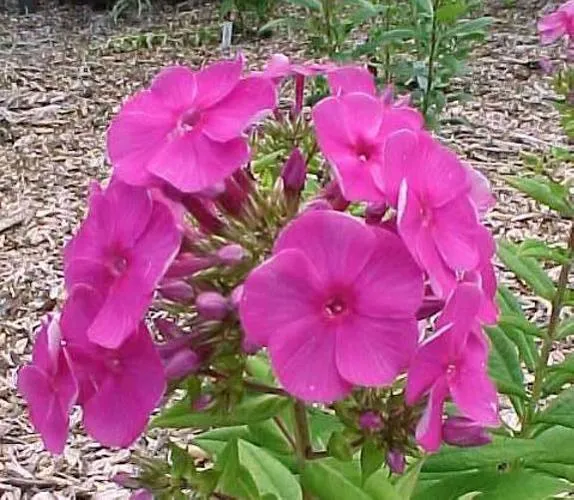
Phlox
Phlox paniculata
Complements roses with their upright summer flower clusters, filling mid-level garden spaces with matching pink or white tones.
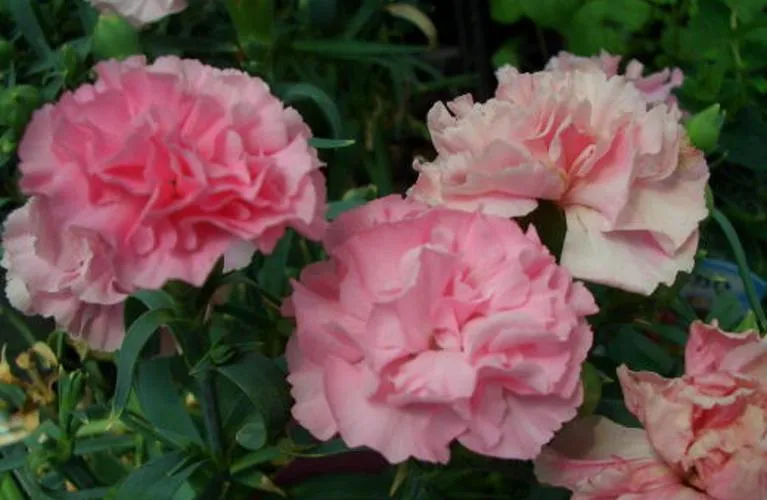
Carnation
Dianthus caryophyllus
Provides a ruffled texture and complementary fragrance, lining the base of woody rose stems.
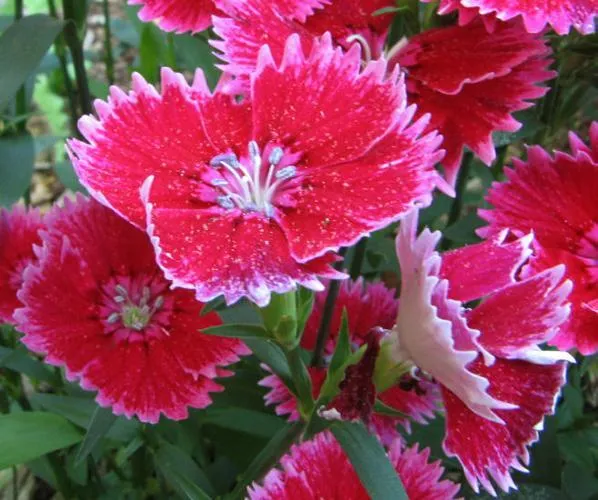
Sweet William
Dianthus barbatus
Creates a low-growing carpet of bi-colored blooms that frames rose borders beautifully.
Similar Flowers
Discover flowers that share botanical characteristics
Similar Characteristics
4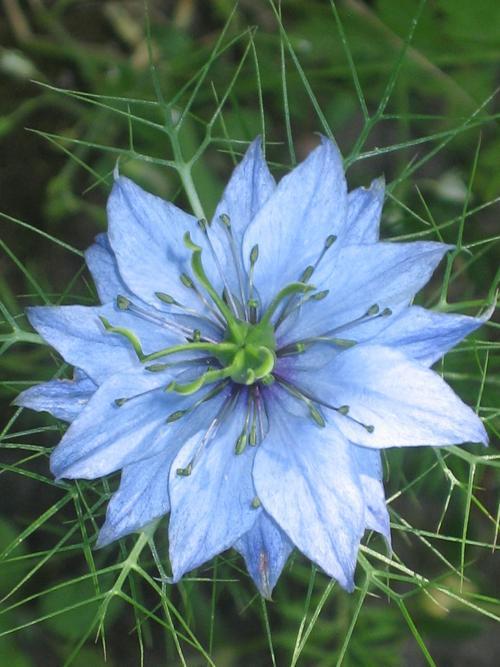
Love in a mist
Nigella damascena
The Love-in-a-mist, botanically designated as Nigella damascena and belonging to the family Ranunculaceae (the buttercup family), is a beloved, old-fashioned hardy annual flower. Native to the sunny hills, open meadows, and coastal fields of southern Europe, North Africa, and southwestern Asia—es...
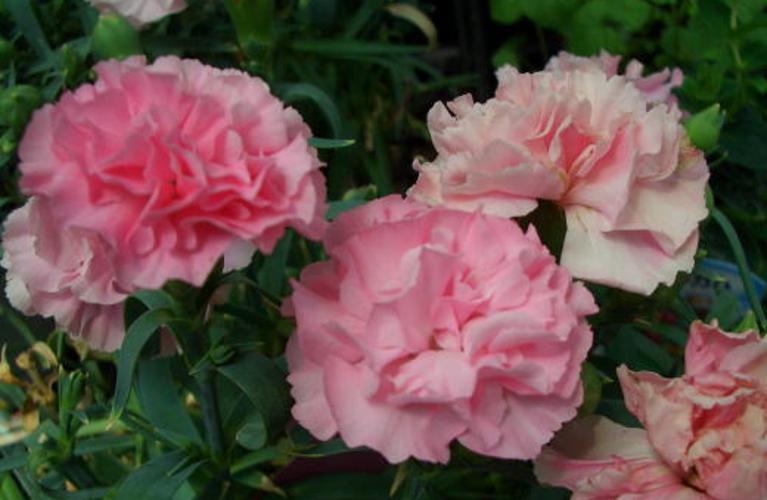
Carnation flower
Dianthus caryophyllus
The Carnation, botanically known as Dianthus caryophyllus and classically called the Clove Pink or Gillyflower, is an extraordinarily famous herbaceous perennial belonging to the Caryophyllaceae (pink or carnation) family. Native to the rocky slopes and coastal scrub of the Mediterranean region—p...
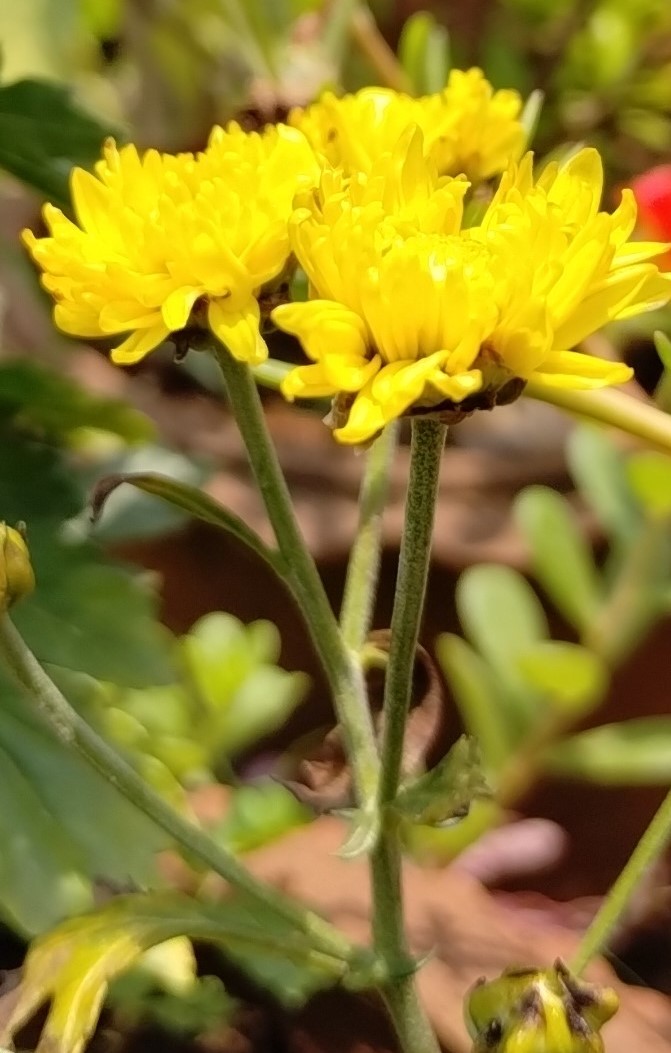
Chrysanthemum
Chrysanthemum morifolium
The Chrysanthemum, botanically classified as Chrysanthemum morifolium and affectionately known as the 'Mum,' is a magnificent, late-season flowering perennial belonging to the Asteraceae (sunflower) family. Native to East Asia, primarily China, where it has been cultivated and revered for over 3,...
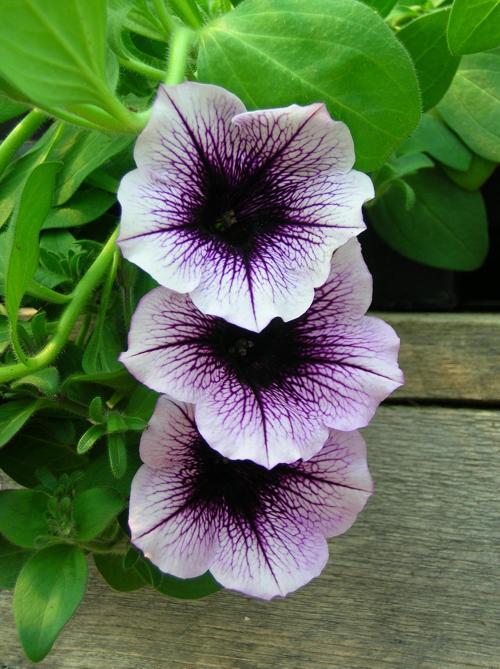
Petunia
Petunia
The Petunia, botanically designated under the genus *Petunia* (particularly the widely grown garden hybrid *Petunia × atkinsiana*), is an exceptionally popular, highly prolific annual or tender perennial. Belonging to the family Solanaceae (the nightshade family, tribe Petunioideae), this South A...