Cultivating Peace of Mind: Designing a Pet-Safe Garden
For pet owners, the garden is a place of joy, play, and relaxation—but it can also be a minefield of hidden hazards. Many of our most beloved landscape flowers, climbing vines, and ornamental shrubs contain toxic chemical agents like cardiac glycosides, cytolytic saponins, or insoluble calcium oxalate crystals. Curious dogs and agile cats who explore, chew, or play in the yard can suffer severe or fatal poisoning from plants like Foxglove, Lily of the Valley, or Sago Palm.
However, creating a secure environment for your fluffy companions does not mean sacrificing color, texture, or botanical variety. By understanding which species are completely non-toxic and how to structure your landscape, you can build a lush, beautiful sanctuary. Always cross-reference your selections with vet-verified databases like the ASPCA and AVMA.
Below, we explore the core principles of pet-safe garden design, detail all 39 non-toxic safe species categorized by geographical region and plant type, map out beneficial companion pairings, and link directly to full safety profiles.
🌿 Core Principles of a Pet-Safe Landscape
- Create Physical Barriers: Use decorative fences or raised cedar beds to isolate highly delicate plants or areas where you apply organic fertilizers (which can sometimes attract dogs).
- Plant in High-Traffic Zones: Keep play lawns free of toxic border plants. Utilize dense, low-growing ground covers along paths.
- Select Safe Mulches: Avoid cocoa bean mulch, which contains theobromine (the same toxic compound found in chocolate) and is highly dangerous if ingested by dogs. Opt for shredded pine, cedar, or hemlock instead.
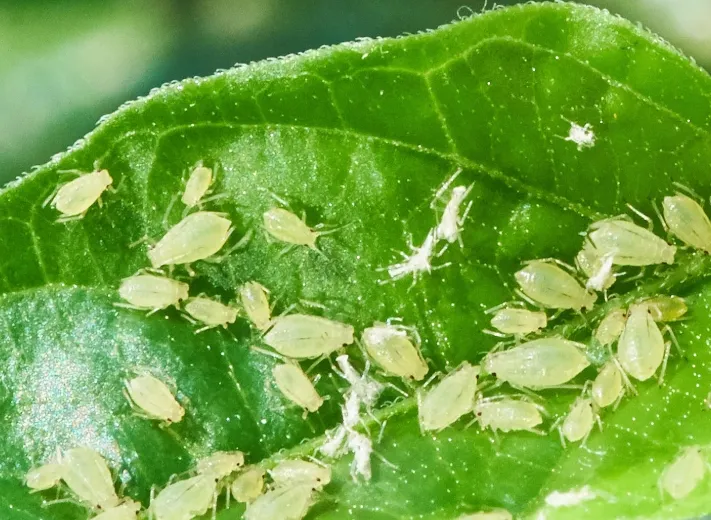
- Avoid Chemical Pesticides: Use organic pest management. If you must use chemical treatments, choose pet-friendly products and keep pets off the lawn until the product is completely dry.
🗺️ Region-Specific Safe Alternatives
To help you choose plants adapted to your local climate, we have grouped the 39 safe species from our database by region. Each plant links to its detailed profile in the BioLens registry (using its flower page link if a flowerKey is available):
1. North America & United States
- Boston Fern (Nephrolepis exaltata): A classic, lush green foliage plant that is 100% non-toxic. Excellent for hanging baskets on porches or shaded borders.
- Zinnia (Zinnia elegans): These colorful, sun-loving annuals bloom continuously throughout the summer and are completely safe for pets. They make wonderful cut flowers. Mapped in our Zinnia Botanical Profile.
- Snapdragon (Antirrhinum majus): Features tall, spiky stalks with uniquely shaped flowers. Completely non-toxic alternative to Foxglove. Mapped in our Snapdragon Botanical Profile.
- Marigold (Tagetes): Pungent golden annuals that naturally repel insect pests while remaining completely safe for dogs and cats. Mapped in our Marigold Botanical Profile.
- Petunia (Petunia spp.): Extremely popular, trumpet-shaped annuals that cascade beautifully out of containers and window boxes. Mapped in our Petunia Botanical Profile.
- Aster (Symphyotrichum): Hardy, daisy-like perennial flowers that bloom in late summer and autumn. Mapped in our Aster Botanical Profile.
- Apple (Malus domestica): The trees and fruits are completely safe for pets (ensure they avoid consuming core seeds in large amounts).
- Blueberries (Vaccinium corymbosum): A delicious, antioxidant-rich berry shrub that is completely non-toxic to pets.
2. Europe & Mediterranean
- Sweet Alyssum (Lobularia maritima): A low-growing, honey-scented ground cover that forms carpets of tiny white or violet blossoms. Native to the Mediterranean, it is highly drought-tolerant and safe. Mapped in our Sweet Alyssum Botanical Profile.
- Wild Pansy (Viola tricolor): Cheerful, low-growing annuals with purple, yellow, and white petals. They make a wonderful safe ground cover for cool seasons.
- Rosemary (Salvia rosmarinus): A robust, aromatic herb that is highly resistant to pests and safe for pets. Mapped in our Rosemary Botanical Profile.
- Spring Crocus (Crocus vernus): A safe, spring-blooming bulb that should not be confused with the highly lethal Autumn Crocus.
- Saffron Crocus (Crocus sativus): The famous spice-bearing crocus that is safe for dogs and cats.
- Grape Hyacinth (Muscari armeniacum): Features tight clusters of blue bell-like flowers that are safe for pets, unlike toxic true hyacinths.
- Hollyhock (Alcea rosea): Tall, vertical garden classics with large crepe-like blooms that are safe for pets.
- Hops (Humulus lupulus): Non-toxic to cats (note: toxic to dogs, keep isolated from canines).
3. Asia & Tropics
- Orchids (Orchidaceae): Exquisite blooms like moth orchids are entirely safe for dogs and cats.
- Boat Orchid (Cymbidium): Gorgeous, long-lasting vertical orchids that are completely safe.
- Hibiscus (Hibiscus rosa-sinensis): Famous for large, trumpet-shaped tropical blooms. Hibiscus is safe for pets and brings a vibrant tropical feel to lawns. Mapped in our Hibiscus Botanical Profile.
- Camellia (Camellia japonica): Outstanding evergreen shrubs with gorgeous rose-like blooms. They thrive in partial shade and are 100% pet-safe. Mapped in our Camellia Botanical Profile.
- Rose (Rosa): The classic, timeless garden rose is completely non-toxic to dogs and cats (simply watch for physical thorns!). Mapped in our Rose Botanical Profile.
- Ixora (Ixora coccinea): Known as Jungle Flame, this tropical evergreen shrub produces dense clusters of bright red flowers that are completely safe for pets.
- Bamboo Palm (Chamaedorea seifrizii): A tall, feathery palm that thrives in warm shade and is completely safe for pets.
- Money Tree (Pachira aquatica): A popular tropical tree with braided trunks, completely safe for cats and dogs.
- Areca Palm (Dypsis lutescens): A gorgeous, golden-yellow palm that is completely non-toxic.
- Chinese Money Plant (Pilea pepermioides): Features unique, round coin-shaped leaves and is completely safe.
4. Africa & Subtropics
- African Violet (Streptocarpus sect. Saintpaulia): A popular, compact African native with velvety, deep-violet flowers. Safe to grow indoors or in warm, shaded patio containers.
- Parlor Palm (Chamaedorea elegans): A graceful, slow-growing palm that thrives in low light. Completely safe and highly effective at adding vertical texture.
5. Indoor Houseplants & Succulents (Safe Garden Accents)
- Spider Plant (Chlorophytum comosum): An air-purifying favorite with trailing runners, completely safe for cats and dogs.
- Swedish Ivy (Plectranthus verticillatus): A fast-growing trailing plant with scalloped leaves.
- Hens and Chicks (Sempervivum tectorum): Extremely hardy, star-shaped rosettes that are safe.
- Echeveria (Echeveria spp.): Smooth, plump succulents that form lovely pet-safe rosettes.
- Haworthia (Haworthiopsis attenuata): Often called zebra plant, a safe, spiky succulent.
- Christmas Cactus (Schlumbergera): Safe, weeping holiday bloomer.
- Cast Iron Plant (Aspidistra elatior): Extremely tough, dark green foliage plant.
- Peperomia (Peperomia spp.): Compact, rubbery leaves in various patterns, safe.
- Calathea (Calathea spp.): Stunning patterned leaves that fold at night.
- Prayer Plant (Maranta leuconeura): Safe houseplant with decorative tricolor foliage.
- Fuchsia (Fuchsia spp.): Stunning weeping bell-like blooms that are safe.
- Catnip (Nepeta cataria): Euphoric and safe for cats (mildly sedative to dogs).
- Macadamia Nuts (Macadamia): Safe for cats (note: toxic to dogs).
🤝 Companion Planting & Garden Pairings
Companion planting is the practice of growing plants close together to enhance growth, repel pests, or create beautiful pairings. When designing a pet-safe garden, you can utilize pairings mentioned in our flower details pages:
- Bee Balm & Marigolds: Bee Balm (Monarda) features spiky pink or red blooms that attract pollinators, while Marigolds (Tagetes) act as natural pest repellents with their pungent scent. Both are completely safe for pets and create a warm, insect-resistant summer border. Detail mapped in our Marigold Botanical Profile.
- Snapdragons & Sweet Alyssum: Plant tall, colorful Snapdragons as vertical focal points, and use honey-scented Sweet Alyssum as a low, sprawling carpet around their base. This pairing creates a classic cottage look and provides multi-tiered safety.
- Wild Pansy & Shrubs: Use Wild Pansies as a living mulch under larger shrubs like Camellias. This protects the soil from drying out, keeps roots cool, and adds continuous color at the lowest level.
⚖️ Safety Substitution Table
Use this master reference table to replace dangerous garden elements with beautiful, non-toxic alternatives from the BioLens database:
| Toxic Plant | Toxicity Level | Pet Risk | Recommended Safe Substitute | Substitute Botanical Profile |
|---|---|---|---|---|
| Foxglove | Lethal | Cardiac failure | Snapdragon | Snapdragon Profile |
| Oleander | Lethal | Heart arrhythmias | Hibiscus | Hibiscus Profile |
| Sago Palm | Lethal | Liver failure | Parlor Palm | Palms Guide |
| Lily (Cats only) | Lethal | Kidney failure | Orchid | Orchid Profile |
| Autumn Crocus | Lethal | Multi-organ failure | Aster | Aster Profile |
| Lily of the Valley | Lethal | Cardiac arrest | Sweet Alyssum | Alyssum Profile |
| Azalea | High | Grayanotoxism | Camellia | Camellia Profile |
| Tulip | High | Severe mouth pain | Zinnia | Zinnia Profile |
| Amaryllis | Moderate | Vomiting & tremors | African Violet | Violet Profile |
| Pothos | Moderate | Calcium oxalates | Swedish Ivy | Swedish Ivy Profile |
| English Ivy | Moderate | Stomach distress | Spider Plant | Spider Plant Profile |
| Monstera | Moderate | Oral burning | Cast Iron Plant | Cast Iron Plant Profile |
Keep Exploring Pet Safety
Creating a safe garden is an ongoing, rewarding process. Make sure to check our other detailed guides to protect your dogs and cats from seasonal and indoor hazards: