
Sweet Alyssum
Lobularia maritima
How to Identify Sweet Alyssum
Care & Growing Guide
Seasonal Blooming & Hardiness
Bloom Timeline
About Sweet Alyssum
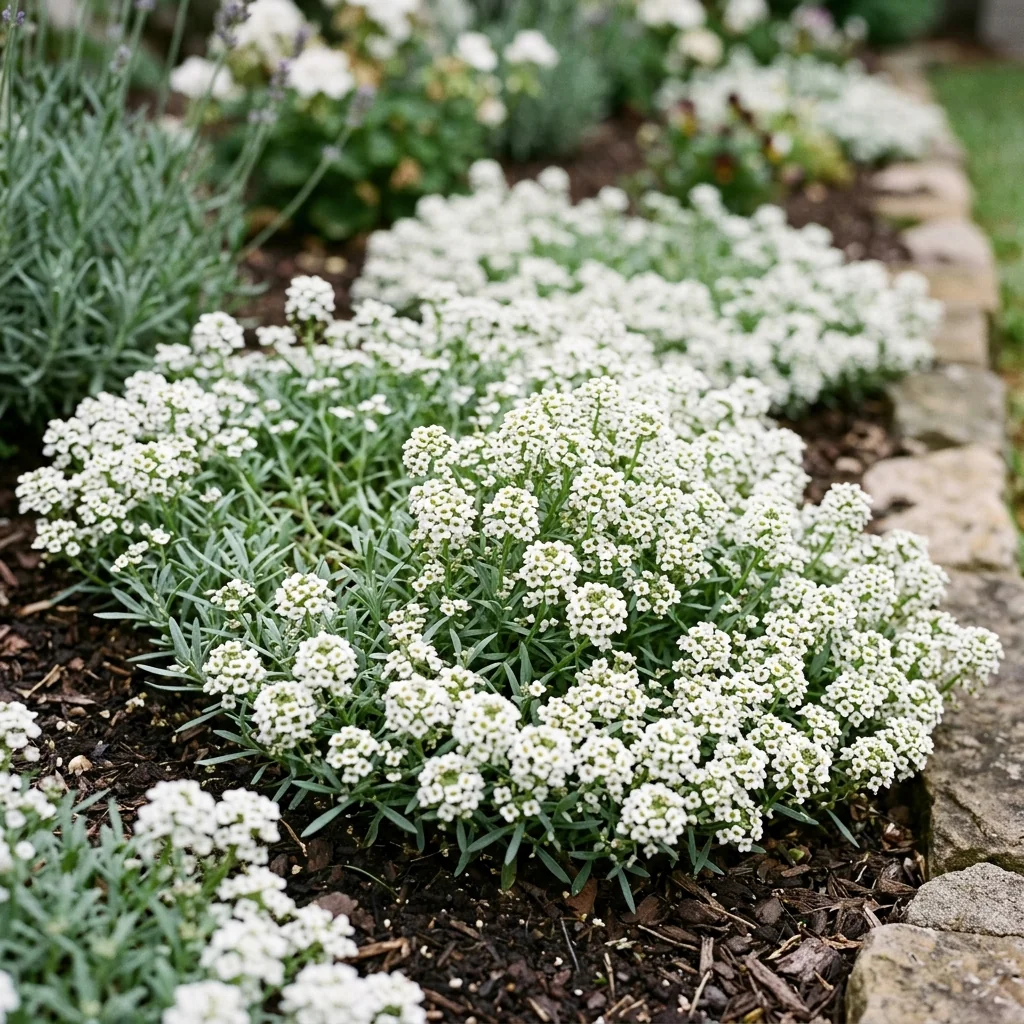
Sweet Alyssum, scientifically known as Lobularia maritima and belonging to the mustard family Brassicaceae, is a highly popular, low-growing herbaceous annual or short-lived perennial. Native to the Mediterranean region, Macaronesia, and the Canary Islands, Sweet Alyssum is cherished by gardeners worldwide for its incredibly dense, carpet-like mounds of tiny, honey-scented blossoms that bloom continuously from early spring until the first winter frost.
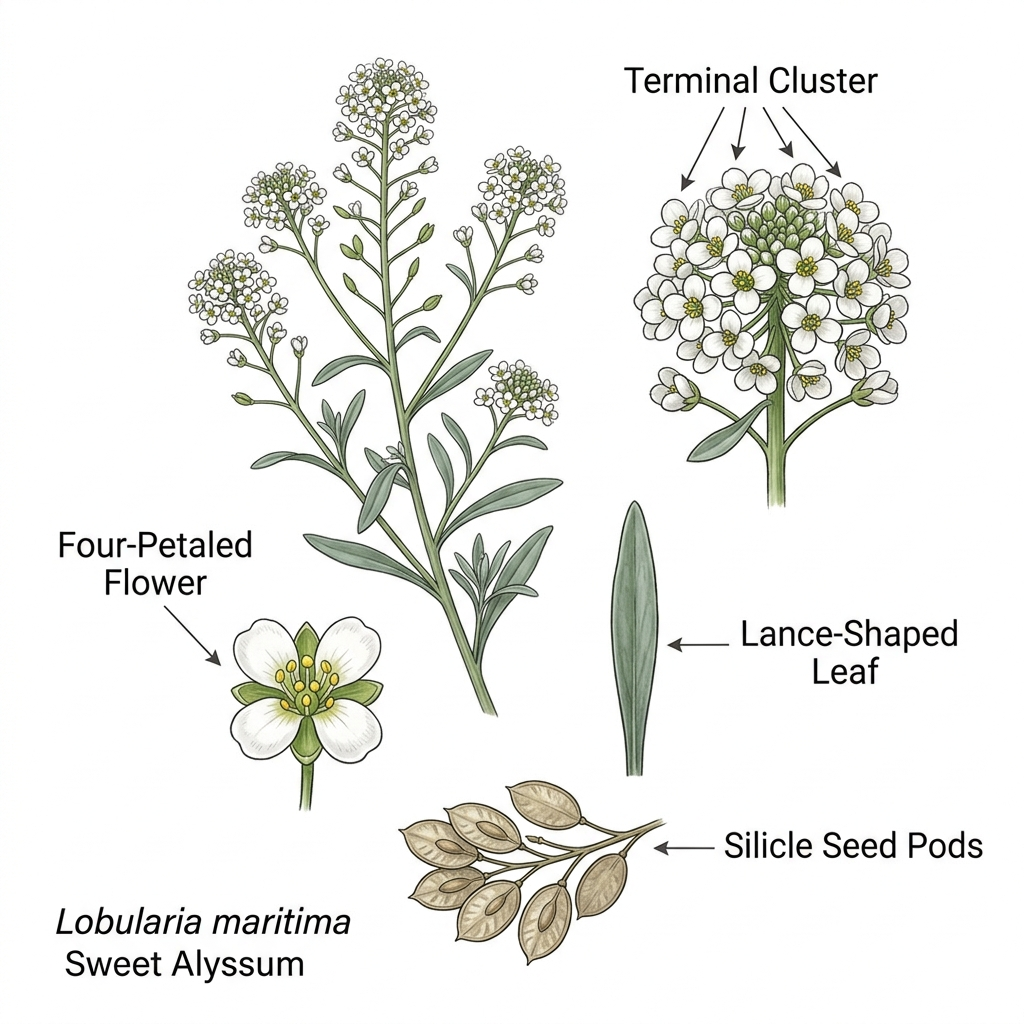
Growing as a spreading ground cover, Sweet Alyssum typically reaches heights of only 3 to 9 inches while spreading up to 12 inches wide. The plants feature highly branched, fine stems covered with small, narrow, lanceolate grayish-green leaves. The tiny, four-petaled flowers are arranged in compact, rounded terminal clusters (racemes). While white is the most classic and fragrant color, cultivars also feature shades of pink, lavender, violet, and deep purple. The foliage is soft and entirely free of thorns or prickles.
The reproductive morphology of Lobularia maritima is represented by the floral formula ⊕ ⚥ K4 C4 A2+4 G(2). The flowers are radially symmetrical (actinomorphic) and bisexual. The calyx features 4 free sepals, and the corolla has 4 free petals arranged in a cruciform (cross-like) pattern. The androecium contains 6 stamens in a tetradynamous arrangement (4 long inner stamens and 2 short outer stamens). The gynoecium consists of 2 fused carpels with a superior ovary, which matures into small, flat, circular to oval seed pods known as silicles.
Sweet Alyssum is a highly resilient and adaptable cool-season plant. It thrives in full direct sun to partial afternoon shade, especially in hot-summer regions where afternoon heat can cause the blooms to fade. It grows successfully in average, sandy or loamy, well-draining soils with a neutral pH, and is highly tolerant of drought and coastal conditions once established. It is easily grown from seeds sown directly outdoors. It is grown as an annual in most US zones but survives as a perennial in USDA zones 9 through 11.
For families with pets, Sweet Alyssum is a 'gold standard' non-toxic plant. It is classified as completely safe and non-toxic to cats, dogs, and horses by the ASPCA Animal Poison Control Center. Curators of pet-friendly gardens can plant Sweet Alyssum along borders, paths, and play areas without any risk of chemical poisoning if chewed on by curious animals. In addition, its intense honey-like fragrance is a powerful attractor for hoverflies, wild bees, and other beneficial predatory insects.
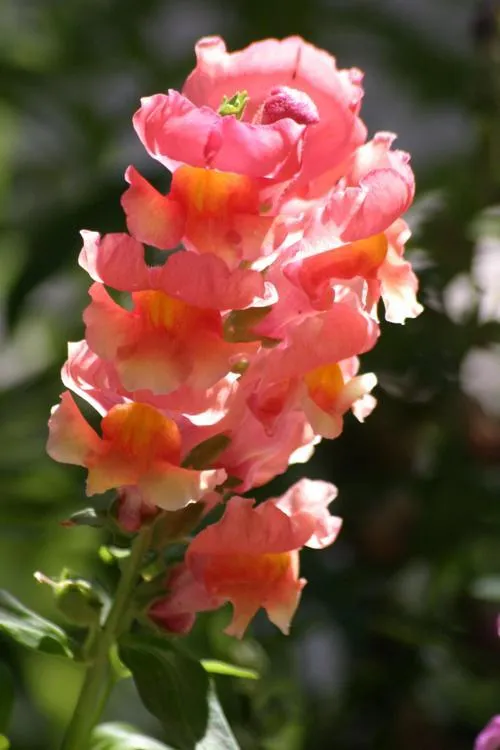
Sweet Alyssum is easily identified by its ground-hugging carpet of tiny, honey-scented four-petaled flowers and fine gray-green foliage. In cottage gardens, it pairs beautifully as a living mulch at the foot of tall vertical bloomers like Larkspur, Snapdragons, and Hollyhocks. To study more low-growing annuals and border companions, browse our comprehensive Flower Identifier.
Floral Formula & Features
Radially symmetrical, bisexual, 4 free sepals, 4 free petals arranged in a cross, 6 stamens (4 long and 2 short), 2 fused carpels with a superior ovary.
- Scientific Name & Classification: *Lobularia maritima* (Brassicaceae). Popularly known as Sweet Alyssum or Carpet Flower.
- Identification Markers: Spreading, low carpet (3-9 inches tall) of dense rounded clusters of tiny, honey-scented four-petaled white, pink, or purple flowers. Stems are fine and branching with lanceolate gray-green leaves.
- Floral Formula (⊕ ⚥ K4 C4 A2+4 G(2)): Radially symmetrical, bisexual flowers with 4 sepals, 4 cruciform petals, 6 tetradynamous stamens, and 2 fused carpels with a superior ovary.
- Growing Requirements: Full sun to partial shade; prefers average, moist, well-drained sandy or loamy soils. Highly drought and wind-tolerant (Zones 5-9 as annual, 9-11 as perennial).
- Cultural Significance: Associated with beauty, protection from anger, and emotional balance. Extensively cultivated as a pollinator-friendly ground cover.
- Safety & Toxicity: 100% NON-TOXIC & PET-SAFE. Classified as safe for dogs, cats, and horses by the ASPCA database. Free of toxic alkaloids or resins.
- Common Look-alikes: Confused with perennial alyssum (Aurinia saxatilis), but distinguished by its white/pastel colors (Aurinia is bright yellow) and annual cool-season habit.
- Internal Links: Serves as a beautiful ground cover under tall cottage vertical bloomers like Larkspur or Antirrhinum-snapdragon.
Names in Different Languages
Botanical Classification: Sweet Alyssum belongs to the Brassicaceae family. Learn how to identify its floral symmetry, stamen arrangement, and structural formulas in our Botanical Family Classification Guide.
Toxicity & Safety
Always keep toxic plants out of reach of children and pets. Consult a veterinarian or medical professional immediately if ingestion is suspected.
Pet Safety Guide: For detailed toxicity symptoms, first-aid measures, and safe garden alternatives, see our full Pet Guard Profile for Sweet Alyssum.
Frequently Asked Questions
What is Floral Formula?
A floral formula is a symbolic representation of a flower's structure using letters, numbers, and special symbols. It provides a concise way to describe the arrangement and number of floral parts.
This formula describes the flower's symmetry, sepals, petals, stamens, and carpels in a standardized format.
Formula Sequence
- Bract: Br or Ebr
- Bracteole: Brl or Ebrl
- Symmetry: % (Radial) or ⊕ (Bilateral)
- Sex: ♀ (Female), ♂ (Male), or ⚥ (Bisexual)
- Calyx/Sepal: K<number> (Free or Fused)
- Corolla/Petal: C<number> (Free or Fused)
- Androecium: A<number> (Free or Fused)
- Gynaecium: G<number> (Superior or Inferior Ovary)
Symbol Meanings
- Numbers: Indicate quantity of parts
- Parentheses (): Parts are fused together
- Plus (+): Parts in different whorls
- Underline: Superior ovary position
- Overline: Inferior ovary position
- ∞: Numerous parts (too many to count)
Understanding floral formulas helps botanists quickly identify and classify flowers based on their structural characteristics.
Companion Plants & Garden Pairings
2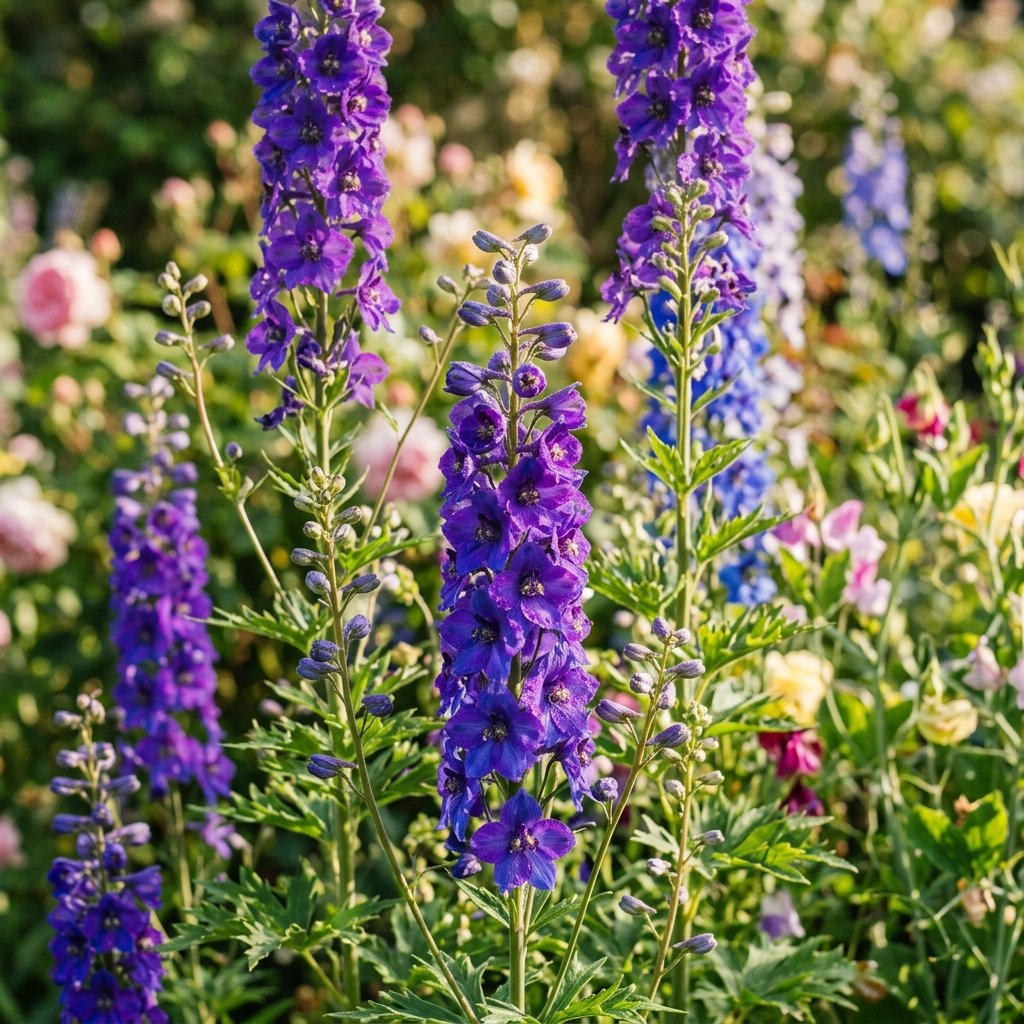
Similar Flowers
Discover flowers that share botanical characteristics
Similar Characteristics
4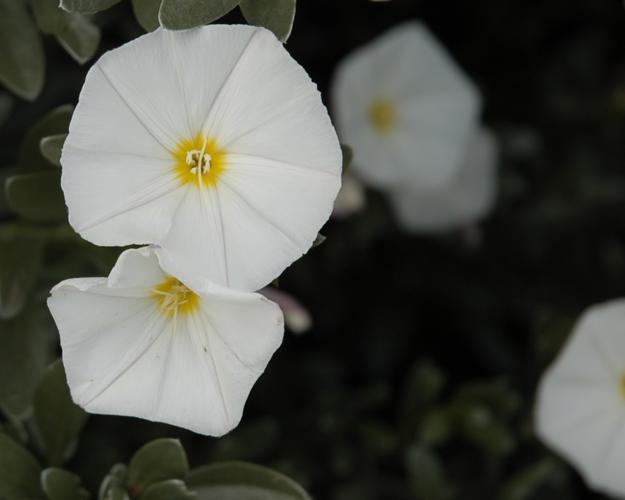
Silverbush
Convolvulus cneorum
The Silverbush, botanically classified as Convolvulus cneorum and widely referred to as the Silvery Bindweed or Bush Morning Glory, is an exceptionally elegant, compact evergreen shrub belonging to the Convolvulaceae (morning glory) family. Unlike its sprawling, climbing vine cousins, this specie...
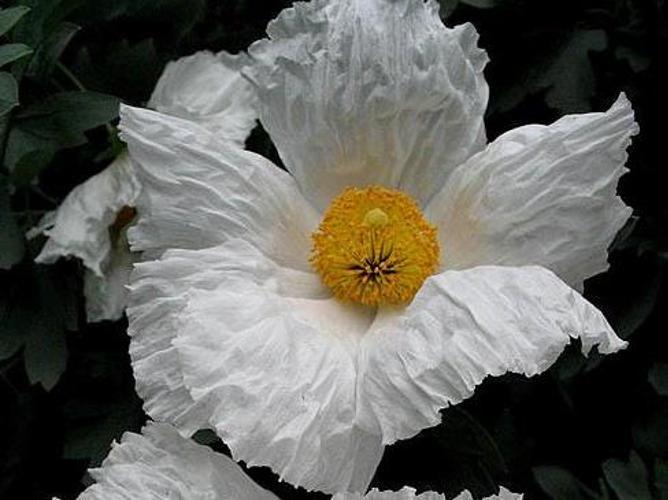
Pincushion
Scabiosa
The Pincushion Flower, botanically designated under the genus *Scabiosa* (particularly *Scabiosa atropurpurea*, known as the Sweet Scabious or Pincushion Flower), is an exceptionally charming, airy herbaceous perennial or annual. Belonging to the family Caprifoliaceae (the honeysuckle family, tri...
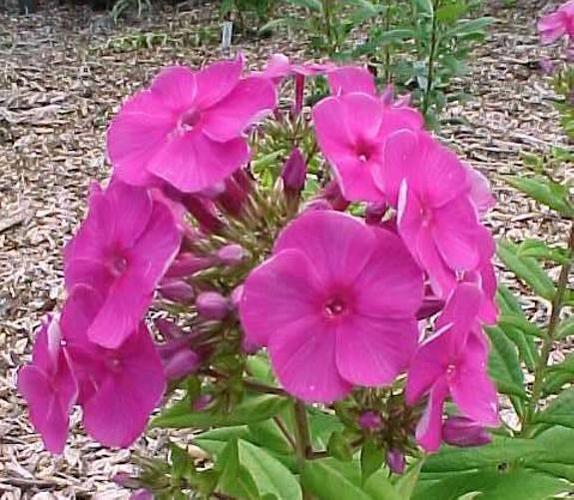
Phlox
Phlox paniculata
The genus Phlox, a cornerstone of the North American garden, encompasses a diverse array of species ranging from low-growing ground covers to towering, stately perennials. Derived from the Greek word for 'flame,' the name perfectly captures the vibrant, fiery intensity of their clustered blossoms...
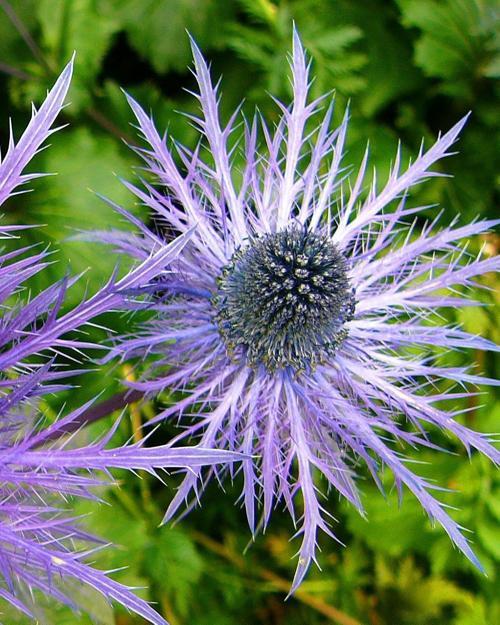
Alpine Sea Holly
Eryngium alpinum
The Alpine Sea Holly, botanically known as *Eryngium alpinum* and widely celebrated as the 'Queen of the Alps,' is an extraordinarily striking, architectural herbaceous perennial. Belonging to the family Apiaceae (the carrot or parsley family, tribe Saniculeae), this alpine masterpiece is native...