
Wild Pansy
Viola tricolor
How to Identify Wild Pansy
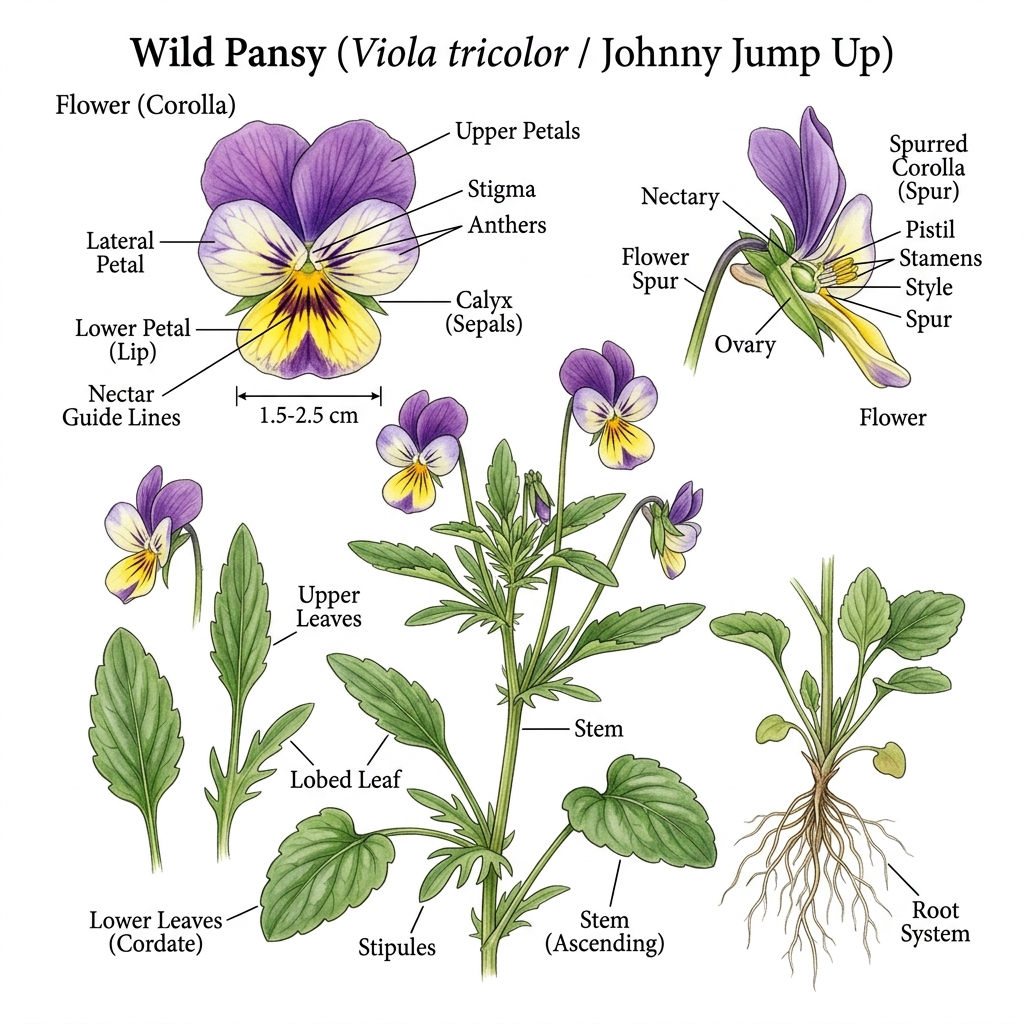
How to identify Wild Pansy (Viola tricolor / Johnny Jump Up):
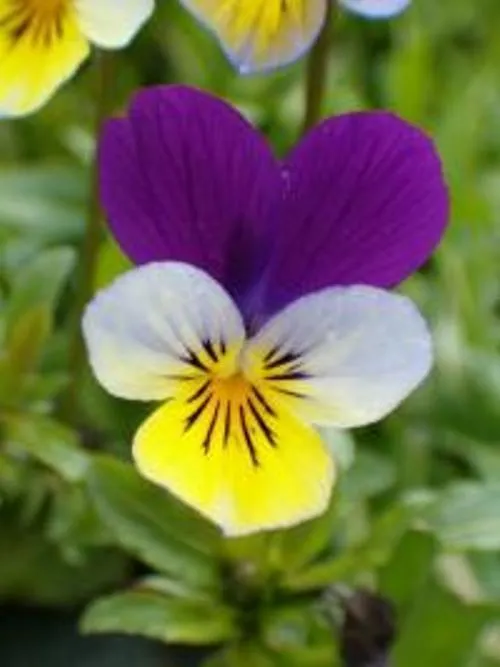
- Tricolor Petals: Small, delicate flowers (0.5 to 1 inch across) with 5 petals displaying a distinct combination of purple, yellow, and white.
- Nectar Guides: Dark, radiating pencil-thin lines branching outwards from the golden center of the lower petal.
- Spurred Corolla: The lower petal features a nectar-producing spur pointing backwards at the base.
- Lobed Leaf Stipules: Creeping or low-growing stems with alternate, ovate leaves accompanied by deeply lobed, leaf-like stipules at the leaf base.
Types & Sub-types of Violas
Violas are classified by flower size and growth habit:
- Johnny Jump Ups (Viola tricolor): True wild pansies with smaller, abundant tricolor flowers. Highly cold-hardy and self-seeding.
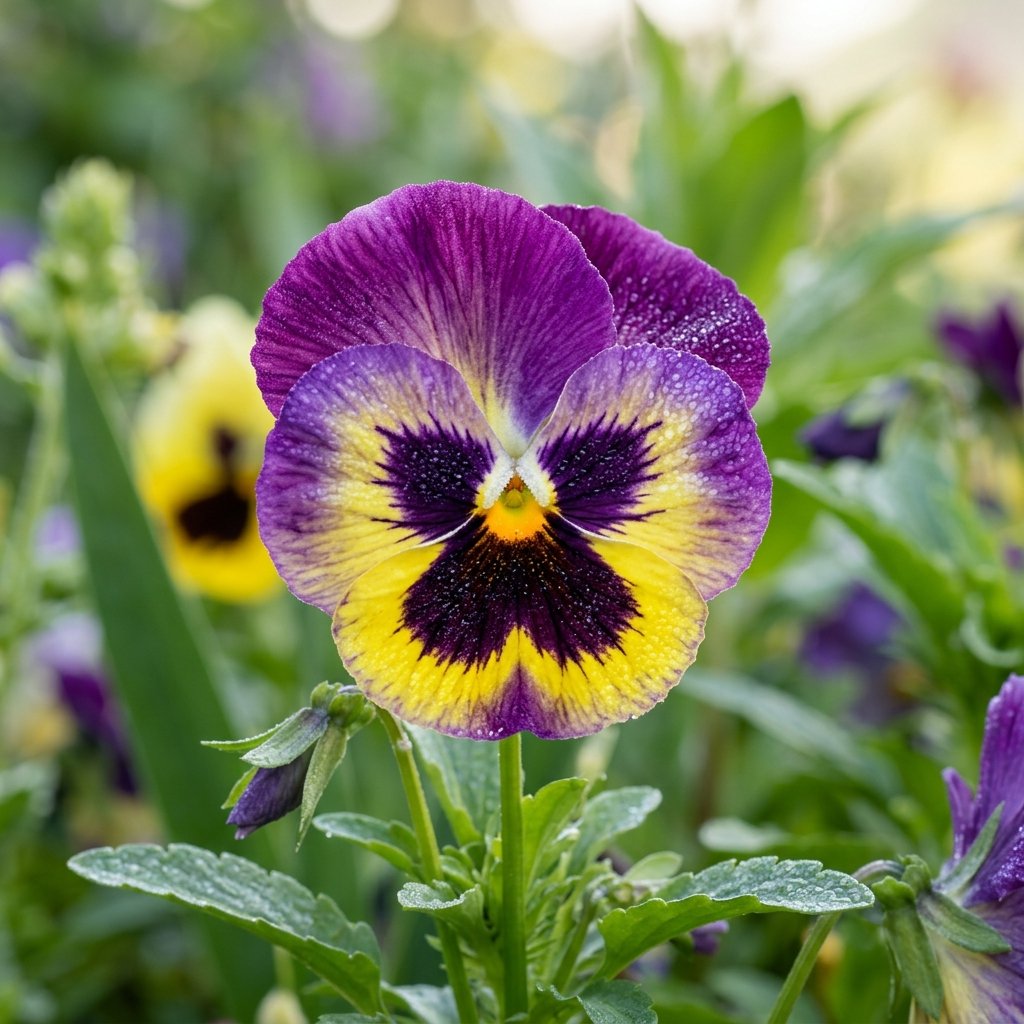
- Garden Pansies (Viola x wittrockiana): Large-flowered hybrids (2-3 inches across) often featuring a dark blotch or 'face' in the center.
Care & Growing Guide
Wild Pansy Care & Growing Guide:
- Light: Full sun to partial afternoon shade. Afternoon shade is highly beneficial during warmer spring days.
- Soil: Moist, rich, organic potting soil or garden loam with excellent drainage.
- Watering: Water regularly to keep the soil consistently damp. Violas do not tolerate dry soil and will wilt quickly in drought.
- Deadheading: Pinch off faded flowers regularly to prevent seed pod formation and encourage continuous blooming.
Seasonal Blooming & Hardiness
Seasonal Blooming Calendar (US Hardiness Zones 3-9):
- Native Region: Native to Europe, where it blooms from spring through autumn in cool maritime climates.
- US Cultivation: Best grown as a cool-season annual. Plant in early spring or autumn. Blooms from early spring to early summer, goes dormant or dies in extreme summer heat, and often re-blooms in cool autumn months.
Bloom Timeline
About Wild Pansy
The Wild Pansy, scientifically known as Viola tricolor and popularly referred to as Johnny Jump Up or Heartsease, is an endearing European wildflower belonging to the Violaceae family. Native to Europe and temperate regions of Asia, this resilient little bloom has captured human hearts for centuries. It thrives in open meadows, pastures, and disturbed soils, where its cheerful face adds vibrant color to early spring landscapes. It functions as a short-lived perennial, biennial, or annual, self-seeding with such enthusiasm that it often establishes a permanent, charming presence in cottage gardens and rustic lawns.
This low-growing herbaceous plant is easily recognized by its miniature tricolor blossoms that typically measure 0.5 to 1 inch across. Each flower features 5 rounded petals arranged in a zygomorphic (bilaterally symmetrical) pattern—traditionally with the upper two petals colored deep violet-purple, the two side petals in pale lavender or white, and the lower spur-bearing petal painted brilliant golden yellow with dark, delicate nectar guides radiating from the center. Its foliage consists of deep green, heart-shaped to ovate leaves with attractively scalloped (crenate) margins, growing on branching, sprawling stems that reach a height of 4 to 12 inches.
The botanical structure is represented by the floral formula EBr % ⚥ K5 C5 A5 G(3). This formula denotes that the flower is ebracteate (lacking bracts), bilaterally symmetrical (zygomorphic), and bisexual. It possesses 5 free sepals with small basal appendages, 5 free petals where the lower one is modified into a nectar-storing spur, 5 stamens with very short filaments clustered around the pistil, and a syncarpous gynoecium of 3 fused carpels forming a single superior ovary with parietal placentation.
Thriving in cool weather, Wild Pansies are exceptionally hardy, withstanding frosts and performing beautifully in USDA hardiness zones 4 through 9. They prefer full sun to partial shade—especially appreciating some afternoon relief in warmer southern climates. They do best in moist, fertile, well-draining soil rich in organic humus, but are remarkably adaptable to poorer soils. A common horticultural challenge is their sensitivity to high summer heat, which can cause them to become leggy or go dormant, making regular deadheading of spent blooms essential to prolong their flowering period.
Rich in folklore and history, Viola tricolor is steeped in cultural meaning. The name 'Heartsease' reflects its historical use in medieval European herbalism to treat chest ailments, asthma, and emotional grief, while 'Love-in-Idleness' highlights its reputation as a traditional love potion ingredient—famously referenced by William Shakespeare in A Midsummer Night's Dream. In regional tongues, it is affectionately known as बनफूल (Banphool) in Hindi, Mukkan Malar in Tamil, and Pensamiento in Spanish, symbolizing playful remembrance and comforting thoughts.
For households with furry companions, the Wild Pansy is a perfect addition to pet-friendly garden borders. It is classified as completely NON-TOXIC to cats, dogs, and horses by leading veterinary registries. Pet owners can comfortably plant these cheerful blossoms without worrying about accidental ingestion, though as with any plant, consuming massive quantities can cause minor digestive upset. For additional details on safe garden flora, feel free to explore our Pet Guard safety directory.
Wild Pansies are frequently confused with modern garden pansies (Viola × wittrockiana) or sweet violets (Viola odorata). However, they are easily distinguished by their much smaller flower size (typically under an inch) and the stark, distinct tricolor pattern which is less blended than that of cultivated hybrids. They make stunning companion plants for low-growing spring flowers; we suggest pairing them with Balsam or Spring Crocus. To discover more about the fascinating violet family, search our comprehensive Flower Identifier.
Floral Formula & Features
Ebracteate (no bracts), Zygomorphic (bilateral symmetry), bisexual, 5 free sepals with appendages, 5 free petals (lower petal spurred), 5 free stamens with short filaments, 3 fused carpels with superior ovary typical of Violaceae
- Scientific Name & Classification: Viola tricolor (Violaceae). Commonly known as Heartsease, Johnny Jump Up, and Love-in-Idleness.
- Identification Markers: Miniature tricolor flowers (0.5–1 inch) with deep purple, cream, and bright yellow petals. Leaves are heart-shaped with scalloped edges.
- Floral Formula (EBr % ⚥ K5 C5 A5 G(3)): Bilaterally symmetrical, bisexual flower featuring 5 sepals, 5 petals (lower spurred), 5 stamens, and 3 fused carpels forming a superior ovary.
- Growing Requirements: Full sun to partial shade; prefers moist, organic, well-drained soil. Extremely cold-hardy (Zones 4-9) but declines in high summer heat.
- Cultural Significance: Shakespearean love potion ingredient; historic European skin remedy. Symbolizes remembrance and peace of mind.
- Safety & Toxicity: NON-TOXIC. Completely safe for cats, dogs, and horses, making them excellent choices for low-border pet-safe gardening.
- Common Look-alikes: Often confused with modern garden pansies, but distinguished by their much smaller flower head and intense, unblended tricolor pattern.
- Internal Links: Search the Flower Identifier or pair them with Balsam or Spring Crocus to create a vibrant spring garden bed.
- Internal Links: Compare key differences in our Pansy vs Viola comparison, or try our instant Flower Identifier.
Names in Different Languages
Toxicity & Safety
Frequently Asked Questions
What is Floral Formula?
A floral formula is a symbolic representation of a flower's structure using letters, numbers, and special symbols. It provides a concise way to describe the arrangement and number of floral parts.
This formula describes the flower's symmetry, sepals, petals, stamens, and carpels in a standardized format.
Formula Sequence
- Bract: Br or Ebr
- Bracteole: Brl or Ebrl
- Symmetry: % (Radial) or ⊕ (Bilateral)
- Sex: ♀ (Female), ♂ (Male), or ⚥ (Bisexual)
- Calyx/Sepal: K<number> (Free or Fused)
- Corolla/Petal: C<number> (Free or Fused)
- Androecium: A<number> (Free or Fused)
- Gynaecium: G<number> (Superior or Inferior Ovary)
Symbol Meanings
- Numbers: Indicate quantity of parts
- Parentheses (): Parts are fused together
- Plus (+): Parts in different whorls
- Underline: Superior ovary position
- Overline: Inferior ovary position
- ∞: Numerous parts (too many to count)
Understanding floral formulas helps botanists quickly identify and classify flowers based on their structural characteristics.
Similar Flowers
Discover flowers that share botanical characteristics
Similar Characteristics
4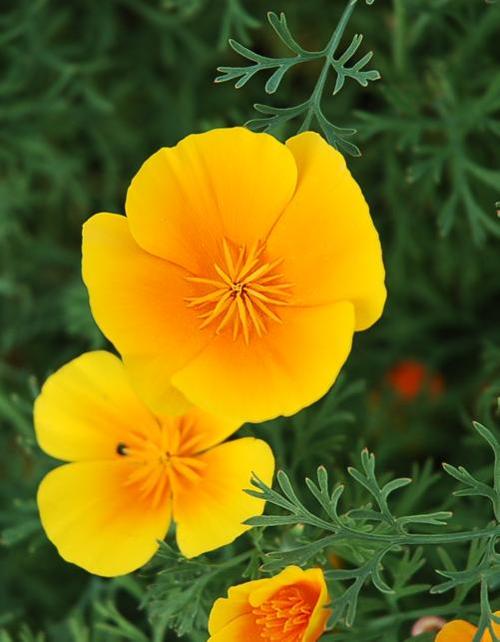
California poppy
Eschscholzia californica
Eschscholzia californica, famously known as the California Poppy or Golden Poppy, is a brilliant wildflower that serves as a luminous symbol of the American West. Belonging to the Papaveraceae (Poppy) family, this resilient species is celebrated for its silky, cup-shaped blossoms that range from...
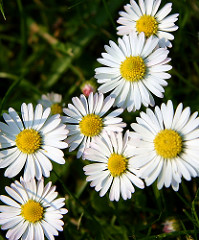
Daisy
Bellis perennis
The Common Daisy, botanically designated as *Bellis perennis* (and including related garden favorites like the English Daisy or Lawn Daisy), is an exceptionally cheerful, highly resilient herbaceous perennial. Belonging to the family Asteraceae (the daisy or sunflower family, tribe Astereae), thi...
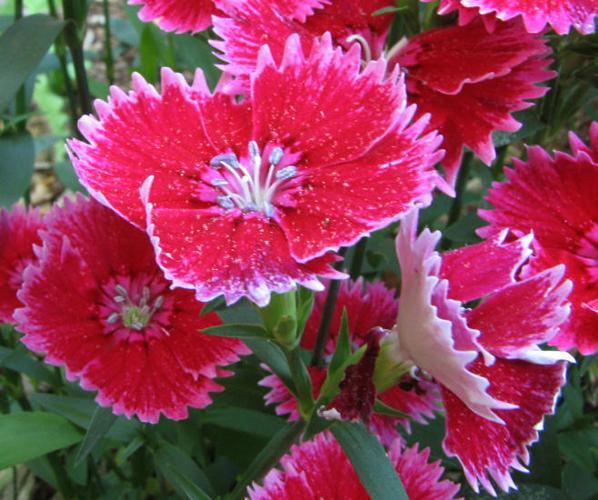
Sweet William (Dianthus barbatus)
Dianthus
Dianthus barbatus, universally cherished as Sweet William, is a charming, fragrant cottage garden biennial or short-lived perennial belonging to the Caryophyllaceae (pink or carnation) family. Native to the mountainous meadows, rocky slopes, and light woodlands of southern and southeastern Europe...
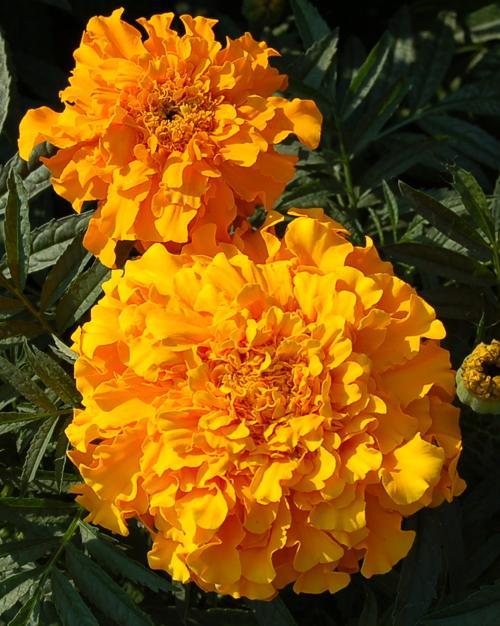
Marigold
Tagetes erecta
The Marigold, botanically classified under the genus Tagetes within the highly diverse Asteraceae (daisy or composite) family, is a cheerful, robust, and exceptionally popular herbaceous annual flower. Native to the warm, sun-drenched grasslands, mountain valleys, and open meadows of Mexico and C...