 Actual Plant Specimen
Is Christmas Cactus Safe for Cats & Dogs? Schlumbergera (Safe) vs. Poinsettia & Pencil Cactus Guide
Schlumbergera spp. • Also called: Holiday Cactus, Easter Cactus
All botanical parts of Christmas Cactus (Schlumbergera spp.) are verified non-toxic and safe around both cats and dogs.
- Arching chains of flattened, segmented green stem pads (cladodes) with rounded scallops (Christmas Cactus) or pointed claw-like teeth (Thanksgiving Cactus)
- Spineless notches bearing only soft, harmless microscopic bristles rather than sharp desert cactus needles
- Tubular, multi-tiered satin blooms in magenta, red, coral, pink, or white appearing at the stem tips in late autumn or winter
- Broken stem pads exude clear mucilaginous moisture — NEVER caustic white milky sap like Poinsettia or Pencil Cactus (Euphorbia tirucalli)
Christmas Cactus Plant-Part Identification & Toxicity Map
Every part of Christmas Cactus (Schlumbergera spp.) marked out as Toxic, Mild Irritant, or Non-Toxic for cats and dogs.
Tiered Tubular Holiday Blooms (Pink, Red, Coral, White)
100% non-toxic to cats and dogs; fallen flowers are completely harmless if nibbled.
Flattened Segmented Green Stem Pads (Cladodes)
Chemically non-toxic, but tough fibrous stem pads are difficult to digest and may trigger 1–2 episodes of mechanical vomiting or soft stool if swallowed whole.
Small Pink/Red Berry-Like Cactus Fruits
Non-toxic and free of cyanogenic or saponin compounds.
Epiphytic Roots & Potting Soil
Non-toxic; keep holiday foil pot wraps and metallic ribbons out of reach of cats to prevent linear foreign-body obstruction.
Which Christmas Cactus Species Do You Have? (Separate Visual Guide)
Different plants called or confused with Christmas Cactus have vastly different toxicity levels. Compare the separate species images and anatomical markers below:
EnlargeChristmas, Thanksgiving & Easter Cactus
Schlumbergera bridgesii / S. truncata / Hatiora gaertneri
- Flattened, spineless segmented green stem chains topped with vibrant winter or spring tubular flowers.
- Botanical Classification: Schlumbergera bridgesii / S. truncata / Hatiora gaertneri
 Enlarge
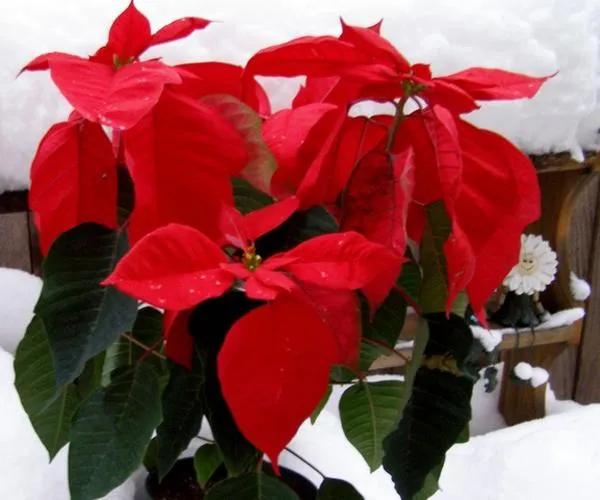
Poinsettia (Toxic Holiday Sap Plant)
Euphorbia pulcherrima
- Upright leafy shrub with large crimson-red bracts and thick white milky latex sap when a stem is snapped.
- Botanical Classification: Euphorbia pulcherrima
 Enlarge
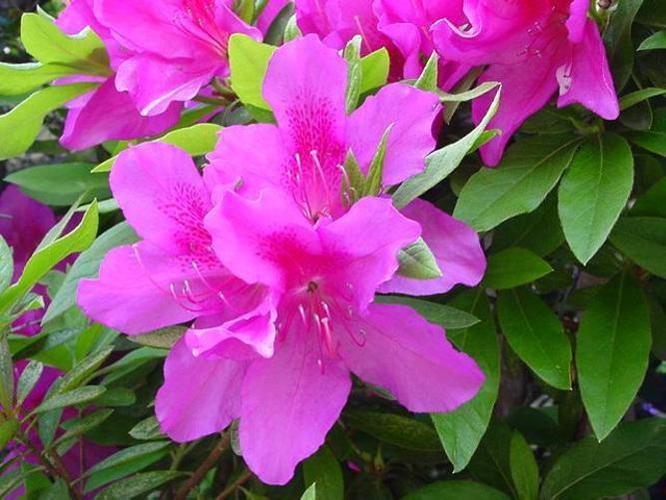
Amaryllis & Holly (Higher-Risk Holiday Plants)
Hippeastrum spp. / Ilex aquifolium
- Large bulb with giant red trumpet blooms (Amaryllis) or glossy spiny leaves with red winter berries (Holly).
- Botanical Classification: Hippeastrum spp. / Ilex aquifolium
Non-Toxic Plant Owner’s Practical Guide (Christmas Cactus)
Why Did My Cat Still Vomit After Eating Christmas Cactus?
Even though Christmas Cactus contains zero chemical toxins, cats and dogs lack the cellulase enzyme needed to digest raw plant fibers. Swallowing whole leaves or fibrous stems often triggers a harmless, one-time mechanical regurgitation (just like eating lawn grass).
Hidden Nursery Hazards: Pesticides, Fertilizers & Potting Soil
Newly purchased store pots often contain slow-release fertilizer beads (Osmocote), perlite, or systemic neonicotinoid insecticides. Never let pets chew potting soil or drink water from drainage saucers.
Post-Ingestion Timeline
Veterinary Contraindication Warning — What NOT To Do
🚫 NEVER give hydrogen peroxide, salt, or home emetics to induce vomiting in a cat—3% hydrogen peroxide causes severe, potentially fatal stomach and esophageal ulceration in felines. Only a veterinarian can safely administer feline emetics.
Home Care & First Aid Protocol
Non-toxic to cats.
When to still call a vet: If your pet swallowed a large woody stem/root ball (choking or foreign body risk), ingested potting soil fertilizer, or if you suspect the plant matches one of the toxic look-alike species shown above.
In-Depth Botanical & Veterinary Safety Analysis
Scientific evaluation and toxicological breakdown of Christmas Cactus (Schlumbergera spp.)
Specific Pet Safety FAQs for Christmas Cactus
Is Christmas Cactus safe for cats?
Yes, Christmas Cacti are completely non-toxic to cats. The smooth, flat segments pose no chemical risk.
Is Christmas Cactus safe for dogs?
Yes, Christmas Cactus is 100% safe for dogs. It contains no toxic chemicals or saps.
Does the Christmas Cactus have sharp spines?
No, Schlumbergera species are spineless jungle cacti, meaning they will not puncture your pet's skin or mouth.
What happens if a pet eats the pink flowers?
The flowers are non-toxic. The pet may experience mild stomach upset from fiber, but no poisoning will occur.
What is a safe alternative to toxic holiday plants?
The Christmas Cactus is a beautiful, winter-blooming alternative to toxic holiday plants like Poinsettias.
20 Dangerous Garden Plants: Cat Toxicity & Safety Guide
Felines are highly sensitive to houseplants and flowers. Learn which 20 common species cause severe or fatal reactions in cats, including lilies, and discover safe, cat-friendly garden alternatives.
🛡️ Discover Related Plant Safety Guides
Explore visually similar or related plants and their pet safety profiles: