Protecting Your Dog: A Guide to Garden Safety
A beautiful garden shouldn't be a source of anxiety for dog owners. Dogs are naturally curious animals, and many common garden flowers, shrubs, and houseplants contain chemical compounds that can cause severe illness or even fatal poisoning.
By identifying these high-risk plants, recognizing their toxic parts, and replacing them with verified pet-safe alternatives, you can create a vibrant, safe sanctuary.
Always consult professional databases like the ASPCA and AVMA for clinical safety guidelines.
🚨 Emergency First Aid Advice
If you suspect your dog has chewed or ingested any of the toxic plants listed below:- Do NOT induce vomiting without consulting a veterinarian—some toxins cause severe esophageal damage if vomited.
- Call ASPCA Poison Control immediately at (888) 426-4435 or call your local emergency vet.
- Note details: Try to document exactly which parts of the plant were eaten, how much, and when.
- Collect a sample: Bring a leaf, flower, or photo of the plant with you to the clinic to accelerate diagnosis.
Dog Toxicity Master Reference Table
Below is our ranked list of the 17 most common toxic plants in US gardens, sorted from deadliest (Lethal) to moderate hazards:
| Plant Name | Toxicity Level | Active Chemical Toxin | Safety Guide Link |
|---|---|---|---|
| Sago Palm | Lethal / Deadly | Cycasin glycosides | Sago Palm Safety Profile |
| Oleander | Lethal / Deadly | Cardiac glycosides | Oleander Safety Profile |
| Castor Bean | Lethal / Deadly | Ricin protein | Castor Bean Safety Profile |
| Yew | Lethal / Deadly | Taxine alkaloids | Yew Safety Profile |
| Foxglove | Lethal / Deadly | Cardiac glycosides | Foxglove Safety Profile |
| Autumn Crocus | Lethal / Deadly | Colchicine alkaloid | Autumn Crocus Safety Profile |
| Lily of the Valley | Lethal / Deadly | Cardactive glycosides | Lily of the Valley Profile |
| Mistletoe | ⚠️ High Toxicity | Viscotoxins & lectins | Mistletoe Safety Profile |
| Azalea / Rhododendron | ⚠️ High Toxicity | Grayanotoxins | Azalea Safety Profile |
| Hyacinth | ⚠️ High Toxicity | Lycorine & oxalates | Hyacinth Safety Profile |
| Tulip | ⚠️ High Toxicity | Tulipalin A & B | Tulip Safety Profile |
| Wisteria | ⚠️ High Toxicity | Wisterin glycoside | Wisteria Safety Profile |
| Cyclamen | ⚠️ High Toxicity | Triterpenoid saponins | Cyclamen Safety Profile |
| Amaryllis | ⚠️ Moderate Toxicity | Lycorine alkaloids | Amaryllis Safety Profile |
| Monstera | ⚠️ Moderate Toxicity | Insoluble calcium oxalates | Monstera Safety Profile |
| Peace Lily | ⚠️ Moderate Toxicity | Insoluble calcium oxalates | Peace Lily Safety Profile |
| Pothos (Devil's Ivy) | ⚠️ Moderate Toxicity | Insoluble calcium oxalates | Pothos Safety Profile |
17 Garden Hazards in Detail (Ranked by Severity)
1. Sago Palm (Cycas revoluta)
- Toxicity Level: Lethal (Deadly)
- Active Toxin: Cycasin (hepatotoxic glycoside).
- Toxic Part: Every part is toxic, but the seeds (nuts) contain the highest concentration.
- Dog Symptoms: Severe vomiting, bloody stools, yellowing of skin/eyes (jaundice), bruising, acute liver failure, and death.
- Action Required: Immediate emergency vet treatment is mandatory. Even a single seed can be fatal to a large dog.
- Pet-Safe Alternatives: Areca Palm, Bamboo Palm, or Parlor Palm.
- Safety Guide: Read our full Sago Palm Dog Safety Guide.
2. Oleander (Nerium oleander)
- Toxicity Level: Lethal (Deadly)
- Active Toxin: Oleandrin and neriine (cardiac glycosides).
- Toxic Part: All parts are extremely poisonous, including leaves, flowers, twigs, and runoff water.
- Dog Symptoms: Drooling, abdominal pain, severe drop in heart rate, abnormal cardiac rhythm, tremors, collapse, and sudden heart failure.
- Action Required: Keep the dog warm and seek immediate veterinary decontamination. Do not burn the wood, as the smoke is also toxic.
- Pet-Safe Alternatives: Hibiscus or Camellia.
- Safety Guide: Read our full Oleander Dog Safety Guide.
3. Castor Bean (Ricinus communis)
- Toxicity Level: Lethal (Deadly)
- Active Toxin: Ricin (highly potent ribosome-inactivating protein).
- Toxic Part: Seeds (beans) contain the highest concentration, especially if crushed or chewed.
- Dog Symptoms: Symptoms can be delayed by 12–24 hours. Includes burning of the mouth, fever, severe bloody vomiting and diarrhea, dehydration, tremors, and organ collapse.
- Action Required: Intensive supportive therapy and hospitalization are required. High mortality rate.
- Pet-Safe Alternatives: Sunflower or Canna Lily.
- Safety Guide: Read our full Castor Bean Dog Safety Guide.
4. Yew (Taxus spp.)
- Toxicity Level: Lethal (Deadly)
- Active Toxin: Taxine A and B (cardiotoxic alkaloids).
- Toxic Part: All parts, including bark, needles, and seeds.
- Dog Symptoms: Tremors, muscle weakness, slow heart rate, respiratory distress, dilated pupils, convulsions, and sudden cardiac arrest.
- Action Required: Immediate emergency vet care. Cardiotoxins act very rapidly, often showing minimal warning signs before collapse.
- Pet-Safe Alternatives: Rosemary or Rose bushes.
- Safety Guide: Read our full Yew Dog Safety Guide.
5. Foxglove (Digitalis purpurea)
- Toxicity Level: Lethal (Deadly)
- Active Toxin: Digitalis glycosides.
- Toxic Part: Entire plant, particularly the leaves and seeds.
- Dog Symptoms: Drooling, severe vomiting, diarrhea, dilated pupils, slow or irregular pulse, cardiac arrhythmias, seizures, and heart failure.
- Action Required: Immediate hospitalization. Vets will monitor heart rhythm using an ECG and administer supportive drugs.
- Pet-Safe Alternatives: Snapdragon or Hollyhock.
- Safety Guide: Read our full Foxglove Dog Safety Guide.
6. Autumn Crocus (Colchicum autumnale)
- Toxicity Level: Lethal (Deadly)
- Active Toxin: Colchicine (cytotoxic alkaloid).
- Toxic Part: Entire plant, especially the underground bulb.
- Dog Symptoms: Severe oral burning, bloody vomiting, hemorrhagic diarrhea, bone marrow suppression, multi-organ failure, and seizures.
- Action Required: Multi-day veterinary hospitalization is usually required to manage systemic cell destruction.
- Pet-Safe Alternatives: Spring Crocus (non-toxic) or Aster.
- Safety Guide: Read our full Autumn Crocus Dog Safety Guide.
7. Lily of the Valley (Convallaria majalis)
- Toxicity Level: Lethal (Deadly)
- Active Toxin: Convallamarin and convallarin (cardiac glycosides).
- Toxic Part: All parts, including leaves, flowers, and berries.
- Dog Symptoms: Heavy salivation, vomiting, slow pulse, severe arrhythmias, low blood pressure, disorientation, and cardiac arrest.
- Action Required: High-priority emergency. Vets will perform stomach pumping and administer heart-stabilizing therapy.
- Pet-Safe Alternatives: Sweet Alyssum or Snapdragon.
- Safety Guide: Read our full Lily of the Valley Dog Safety Guide.
8. Mistletoe (Phoradendron spp.)
- Toxicity Level: ⚠️ High Toxicity
- Active Toxin: Viscotoxins and toxalbumin proteins.
- Toxic Part: Leaves and berries are the most toxic.
- Dog Symptoms: Severe vomiting, watery diarrhea, low blood pressure, breathing difficulties, incoordination, and seizures.
- Action Required: Flush mouth and seek veterinary decontamination immediately.
- Pet-Safe Alternatives: Christmas Cactus or Echeveria.
- Safety Guide: Read our full Mistletoe Dog Safety Guide.
9. Azalea / Rhododendron (Rhododendron spp.)
- Toxicity Level: ⚠️ High Toxicity
- Active Toxin: Grayanotoxins.
- Toxic Part: Entire plant, especially the leaves.
- Dog Symptoms: Hypersalivation, persistent vomiting, diarrhea, weakness, loss of coordination, low blood pressure, and cardiovascular collapse.
- Action Required: Vets will administer IV fluids and charcoal to bind the grayanotoxins.
- Pet-Safe Alternatives: Camellia or Rose.
- Safety Guide: Read our full Azalea Dog Safety Guide.
10. Hyacinth (Hyacinthus orientalis)
- Toxicity Level: ⚠️ High Toxicity
- Active Toxin: Lycorine alkaloids and calcium oxalate crystals.
- Toxic Part: Bulb contains the highest concentration of toxins.
- Dog Symptoms: Intense oral pain, severe drooling, persistent vomiting, diarrhea, elevated heart rate, and rapid breathing.
- Action Required: Rinse mouth and seek veterinary support for hydration and anti-nausea therapy.
- Pet-Safe Alternatives: Snapdragon or Aster.
- Safety Guide: Read our full Hyacinth Dog Safety Guide.
11. Tulip (Tulipa spp.)
- Toxicity Level: ⚠️ High Toxicity
- Active Toxin: Tulipalin A and B.
- Toxic Part: Bulbs contain the highest concentration of toxins.
- Dog Symptoms: Severe drooling, oral irritation, vomiting, diarrhea, rapid heart rate, and respiratory difficulty.
- Action Required: Monitor for dehydration. Tubers or bulbs require prompt vet check to prevent gastrointestinal blockage.
- Pet-Safe Alternatives: Petunia or Zinnia.
- Safety Guide: Read our full Tulip Dog Safety Guide.
12. Wisteria (Wisteria spp.)
- Toxicity Level: ⚠️ High Toxicity
- Active Toxin: Wisterin glycoside and toxic lectin resins.
- Toxic Part: Pods and seeds are highly concentrated.
- Dog Symptoms: Severe gastrointestinal upset, bloody vomiting, diarrhea, abdominal pain, and dehydration.
- Action Required: Vets will manage vomiting and provide fluid therapy to offset dehydration.
- Pet-Safe Alternatives: Aromatic Jasmine or pet-safe honeysuckles.
- Safety Guide: Read our full Wisteria Dog Safety Guide.
13. Cyclamen (Cyclamen spp.)
- Toxicity Level: ⚠️ High Toxicity
- Active Toxin: Triterpenoid saponins.
- Toxic Part: Tubers (underground roots) contain the highest concentration.
- Dog Symptoms: Salivation, severe vomiting, diarrhea. Large ingestions of tubers trigger heart rhythm abnormalities and seizures.
- Action Required: High danger if dogs dig up and eat the tubers. Seek immediate vet check.
- Pet-Safe Alternatives: African Violet or Orchid.
- Safety Guide: Read our full Cyclamen Dog Safety Guide.
14. Amaryllis (Hippeastrum spp.)
- Toxicity Level: ⚠️ Moderate Toxicity
- Active Toxin: Lycorine alkaloids.
- Toxic Part: Bulbs contain the highest concentration.
- Dog Symptoms: Drooling, vomiting, diarrhea, loss of appetite, abdominal tremors, and lethargy.
- Action Required: Vets will give gastrointestinal protectants and fluids to flush out alkaloids.
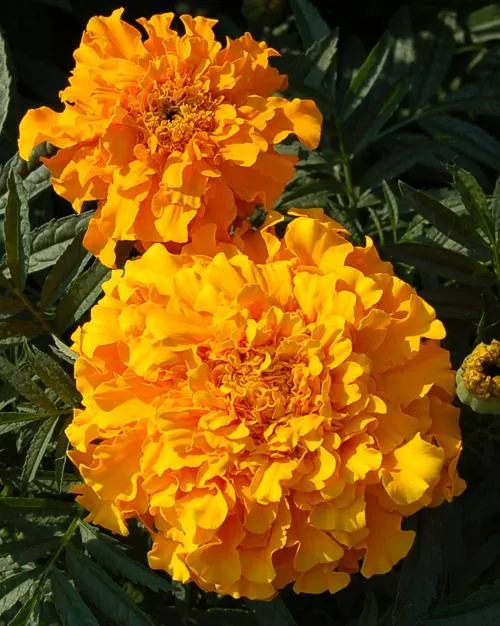
- Pet-Safe Alternatives: Marigold or Zinnia.
- Safety Guide: Read our full Amaryllis Dog Safety Guide.
15. Monstera (Swiss Cheese Plant) (Monstera deliciosa)
- Toxicity Level: ⚠️ Moderate Toxicity
- Active Toxin: Insoluble calcium oxalate crystals.
- Toxic Part: Leaves, stems, and roots.
- Dog Symptoms: Intense burning of mouth, lips, and tongue, pawing at the mouth, drooling, and difficulty swallowing.
- Action Required: Rinse mouth with cool water or wipe with a damp cloth. Offer a small amount of milk to dissolve crystals.
- Pet-Safe Alternatives: Money Tree or Parlor Palm.
- Safety Guide: Read our full Monstera Dog Safety Guide.
16. Peace Lily (Spathiphyllum spp.)
- Toxicity Level: ⚠️ Moderate Toxicity
- Active Toxin: Insoluble calcium oxalate crystals.
- Toxic Part: Leaves, stems, and flowers.
- Dog Symptoms: Oral irritation, mouth swelling, excessive drooling, pawing at face, vomiting, and difficulty swallowing.
- Action Required: Rinse mouth thoroughly. Check for tongue swelling to ensure clear airway.
- Pet-Safe Alternatives: Cast Iron Plant or Prayer Plant.
- Safety Guide: Read our full Peace Lily Dog Safety Guide.
17. Pothos (Devil's Ivy) (Epipremnum aureum)
- Toxicity Level: ⚠️ Moderate Toxicity
- Active Toxin: Insoluble calcium oxalate crystals.
- Toxic Part: Leaves and stems.
- Dog Symptoms: Oral burning, mouth redness, heavy salivation, vomiting, and difficulty swallowing.
- Action Required: Wipe lips and tongue. Monitor breathing. Provide fresh drinking water.
- Pet-Safe Alternatives: Spider Plant or Swedish Ivy.
- Safety Guide: Read our full Pothos Dog Safety Guide.
⚖️ Feline vs. Canine Toxicity: Not All Pets Are Affected Equally
It is a common misconception that if a plant is dangerous to dogs, it is equally dangerous to cats, and vice-versa. In reality, dogs and cats have entirely different metabolic pathways, liver enzymes, and physiological sensitivities. Some plants are lethal to one species while causing only minor issues—or even positive effects—in the other.
Key Toxicity Differences in the BioLens Database
| Plant Name | Toxicity to Dogs 🐶 | Toxicity to Cats 🐱 | Clinical Difference |
|---|---|---|---|
| Lilies | ⚠️ Moderate Upset | Lethal / Deadly | Lilies cause fatal kidney failure in cats. Dogs only experience self-limiting stomach upset. |
| Grapes & Raisins | Lethal / Deadly | ⚠️ Moderate Upset | Grapes trigger acute, idiopathic renal failure in dogs. Cats rarely experience severe systemic issues. |
| Hops | Lethal / Deadly | Safe / Non-Toxic | Ingestion of hops triggers life-threatening malignant hyperthermia in dogs. Cats are completely unaffected. |
| Macadamia Nuts | ⚠️ High Toxicity | Safe / Non-Toxic | Triggers hind limb weakness, tremors, and temporary paralysis in dogs. Safe for cats. |
| Catnip | ⚠️ Low / Mild | Safe & Beneficial | Acts as a mild central nervous system depressant/sedative in dogs. Harmless and euphoric for cats. |
| Lavender | ⚠️ Low / Mild | ⚠️ Moderate Upset | Cats lack the liver enzymes to process linalool, making lavender more toxic to felines. |
| Geranium | ⚠️ Low / Mild | ⚠️ Moderate Upset | Geraniol and linalool cause higher GI and contact distress in cats than in dogs. |
| Juniper | ⚠️ Moderate Upset | ⚠️ Low / Mild | Juniper berries and foliage contain pinene, causing more notable stomach cramps in dogs. |
Detailed Profiles of Key Discrepancies
- Hops (Humulus lupulus):
- Dogs: Lethal (Deadly). Ingestion of hops (fresh or spent from home brewing) causes malignant hyperthermia in dogs, where their body temperature spikes rapidly (above 105°F), leading to seizures, organ damage, and heart failure.
- Cats: Safe / Non-Toxic. Cats do not experience this hyperthermic reaction and are not clinically affected by hops.
- Macadamia Nuts (Macadamia species):
- Dogs: ⚠️ Highly Toxic. Causes a unique canine-only syndrome of hind limb weakness, tremors, vomiting, joint stiffness, and temporary paralysis.
- Cats: Safe / Non-Toxic. Felines do not develop this syndrome and can ingest macadamia nuts without neurotoxic effects.
- Catnip (Nepeta cataria):
- Cats: Safe & Beneficial. Triggers a harmless, euphoric response via nepetalactone.
- Dogs: ⚠️ Mildly Sedative / Irritant. Ingesting large amounts can cause dogs to become unusually drowsy, lethargic, or experience mild vomiting, as nepetalactone acts as a central nervous system depressant in canines.
Takeaways for a Dog-Friendly Garden
Protecting your pet does not mean having a boring yard. By substituting high-risk plants with safe alternatives, you can enjoy a colorful garden while protecting your furry companion.
Use the BioLens Pet Guard scanner in the field to snap a photo and instantly check any plant's pet safety rating before planting!