 Actual Plant Specimen
Are Apples Safe for Dogs & Cats? Safe Fruit Flesh vs. Cyanogenic Apple Seeds & Core Guide
Malus domestica • Also called: Orchard Apple, Crabapple, Malus
All botanical parts of Apple (Malus domestica) are verified non-toxic and safe around both cats and dogs.
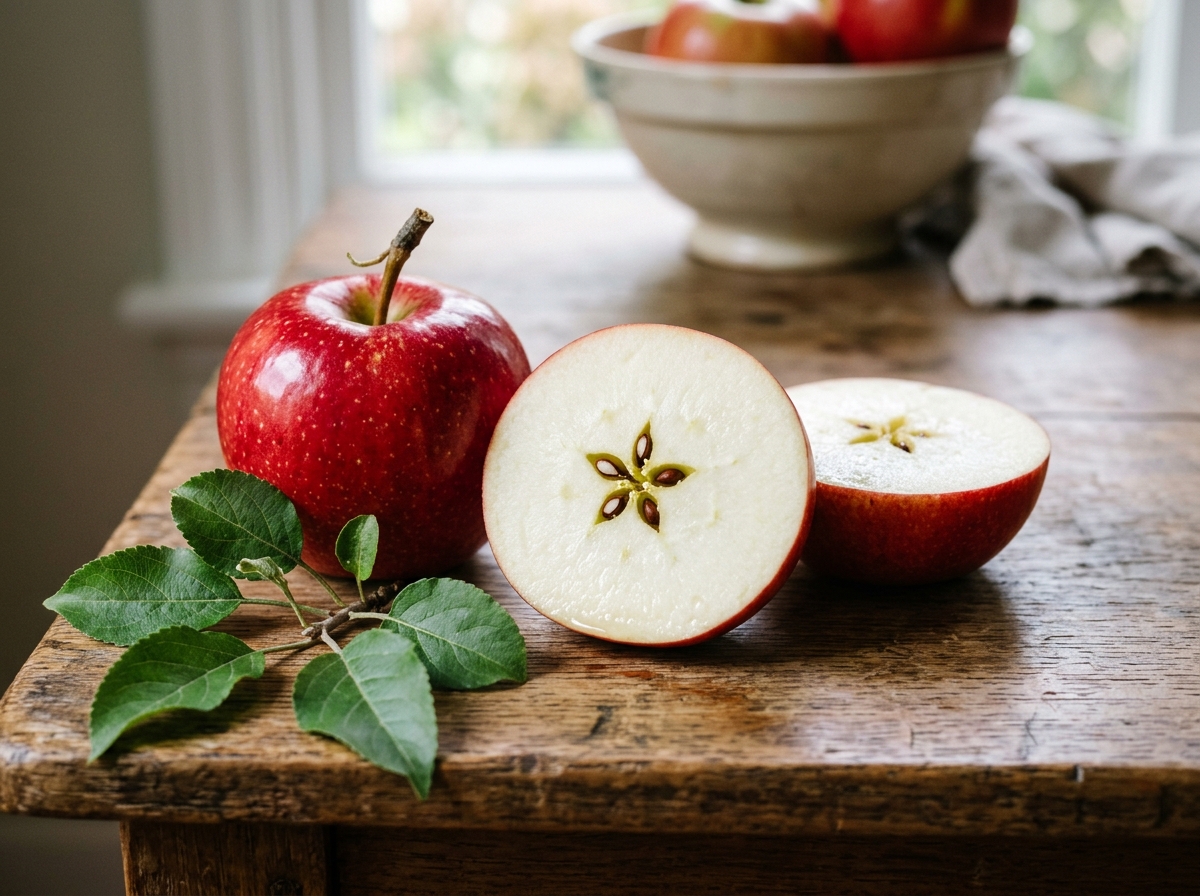
- Crisp white-to-cream fruit flesh and red, green, or yellow skin — 100% pet-safe when cored and sliced into bite-sized pieces
- Central fibrous cartilaginous core enclosing 5–10 dark brown, teardrop-shaped pips (seeds) that contain amygdalin
- Woody fruit pedicel (stem) and serrated oval orchard tree leaves (highest cyanogenic potential when wilted or frostbitten)
- Windfall orchard apples decomposing on the ground can also ferment into ethanol (alcohol toxicity) and harbor tremorgenic penitrem-A mold mycotoxins
Apple Plant-Part Identification & Toxicity Map
Every part of Apple (Malus domestica) marked out as Toxic, Mild Irritant, or Non-Toxic for cats and dogs.
Cored Apple Flesh & Washed Peel (Red, Green, or Yellow)
100% safe, crunchy, low-fat treat for dogs and cats; rich in soluble pectin fiber and antioxidants.
Dark Brown Apple Pips / Seeds (When Crushed or Chewed in Bulk)
Contains amygdalin cyanogenic glycoside. Accidentally swallowing 2–5 seeds from one apple is almost never toxic to a dog, but chewing large quantities of seeds or pressed apple pomace releases hydrogen cyanide.
Whole Fibrous Apple Core & Woody Stem
CHOKING & OBSTRUCTION HAZARD: Swallowing a whole, unchewed apple core frequently causes esophageal choking or small-intestinal foreign-body blockage in small and medium dogs.
Wilted Apple Tree Leaves & Fermented Ground Windfall Apples
Wilted branches concentrate cyanogenic glycosides, while rotting orchard apples on the ground cause ethanol intoxication (ataxia, vomiting) and mold tremor toxicity.
Which Apple Species Do You Have? (Separate Visual Guide)
Different plants called or confused with Apple have vastly different toxicity levels. Compare the separate species images and anatomical markers below:
EnlargeCored Fresh Apple Slices
Malus domestica (Flesh & Skin)
- Cored, seedless slices of Honeycrisp, Gala, Fuji, or Granny Smith apple.
- Botanical Classification: Malus domestica (Flesh & Skin)
EnlargeApple Core, Seeds, Stems & Orchard Crabapples
Malus domestica / Malus sylvestris (Seeds & Wilted Foliage)
- Central core with brown seeds, woody stems, or small tart ornamental Crabapples.
- Botanical Classification: Malus domestica / Malus sylvestris (Seeds & Wilted Foliage)
 Enlarge
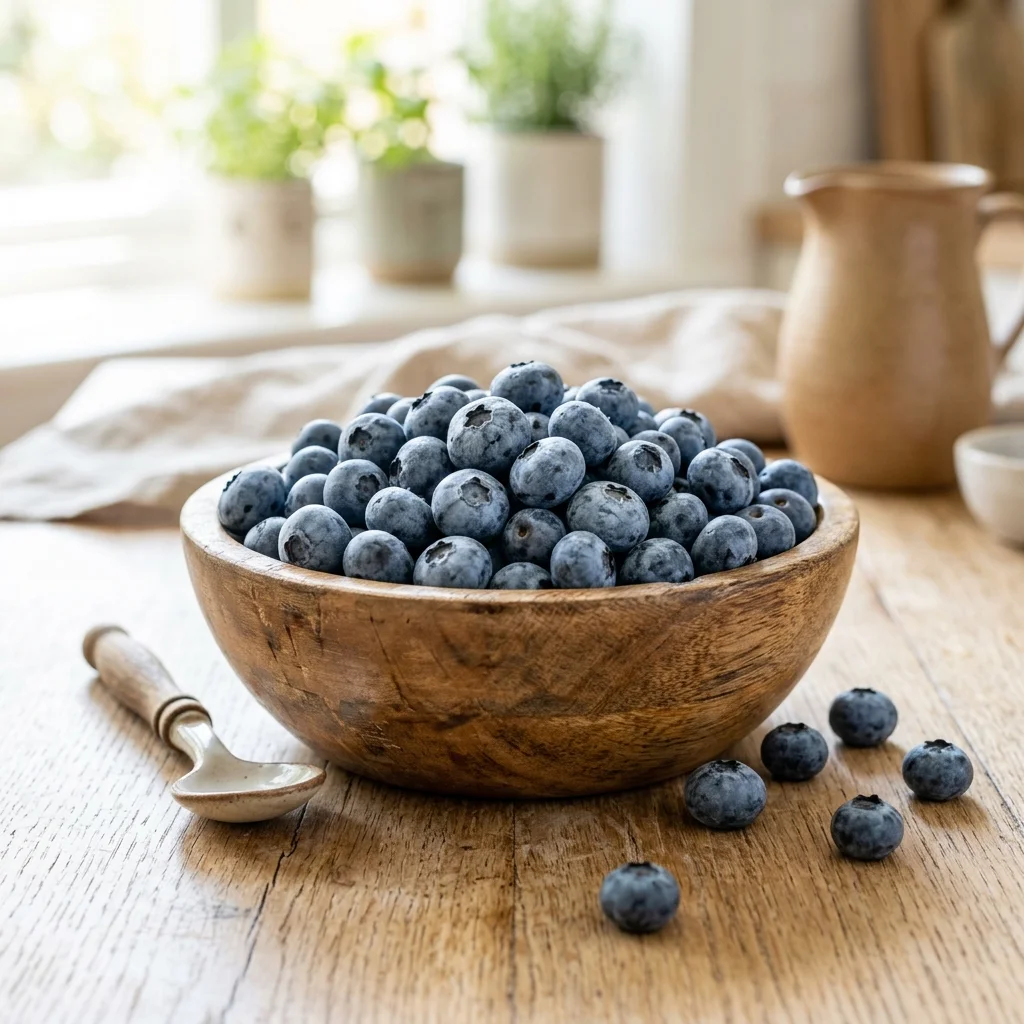
Blueberries (100% Seed-Safe Fruit Swap)
Vaccinium corymbosum
- Small indigo-blue berries with a silvery bloom and tiny soft edible seeds.
- Botanical Classification: Vaccinium corymbosum
Non-Toxic Plant Owner’s Practical Guide (Apple)
Why Did My Cat Still Vomit After Eating Apple?
Even though Apple contains zero chemical toxins, cats and dogs lack the cellulase enzyme needed to digest raw plant fibers. Swallowing whole leaves or fibrous stems often triggers a harmless, one-time mechanical regurgitation (just like eating lawn grass).
Hidden Nursery Hazards: Pesticides, Fertilizers & Potting Soil
Newly purchased store pots often contain slow-release fertilizer beads (Osmocote), perlite, or systemic neonicotinoid insecticides. Never let pets chew potting soil or drink water from drainage saucers.
Post-Ingestion Timeline
Veterinary Contraindication Warning — What NOT To Do
🚫 NEVER give hydrogen peroxide, salt, or home emetics to induce vomiting in a cat—3% hydrogen peroxide causes severe, potentially fatal stomach and esophageal ulceration in felines. Only a veterinarian can safely administer feline emetics.
Home Care & First Aid Protocol
Safe for cats in small amounts. Remove seeds.
When to still call a vet: If your pet swallowed a large woody stem/root ball (choking or foreign body risk), ingested potting soil fertilizer, or if you suspect the plant matches one of the toxic look-alike species shown above.
In-Depth Botanical & Veterinary Safety Analysis
Scientific evaluation and toxicological breakdown of Apple (Malus domestica)
Global Names & Multilingual Search
Specific Pet Safety FAQs for Apple
Is Apple safe for cats?
Yes, apples are safe for cats to eat in moderation as an occasional treat, provided the seeds and core are completely removed.
Is Apple safe for dogs?
Yes, apples are highly safe and nutritious for dogs. They are a great source of Vitamin A, Vitamin C, and dietary fiber.
Why are Apple seeds toxic to pets?
Apple seeds contain a chemical compound called amygdalin, which releases highly toxic hydrogen cyanide when chewed and digested.
What parts of the Apple are dangerous to pets?
The seeds contain cyanide, and the tough central core is a serious choking hazard or intestinal blockage risk. Always slice the flesh and remove these parts.
20 Dangerous Garden Plants: Cat Toxicity & Safety Guide
Felines are highly sensitive to houseplants and flowers. Learn which 20 common species cause severe or fatal reactions in cats, including lilies, and discover safe, cat-friendly garden alternatives.
🛡️ Discover Related Plant Safety Guides
Explore visually similar or related plants and their pet safety profiles: