
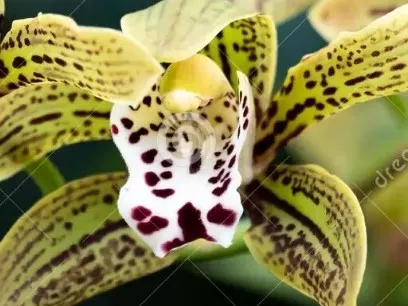
Boat Orchid
Cymbidium
How to Identify Boat Orchid
Care & Growing Guide
Seasonal Blooming & Hardiness
Seasonal Blooming Calendar:
- Peak Bloom: Spring to early summer (typically April through June).
- Planting Time: Sow seeds directly outdoors in early spring after the last frost, or transplant nursery starts in late spring.
Bloom Timeline
About Boat Orchid
The Boat Orchid, scientifically known as Cymbidium and belonging to the family Orchidaceae, is a highly popular, exceptionally elegant sympodial perennial orchid. Native to the tropical and subtropical regions of Asia—ranging from the high-altitude forests of the Himalayas through China, Japan, and Southeast Asia, down to the warmer territories of northern Australia—these orchids are famed for their resilience and spectacular floral displays. Commonly called the Boat Orchid or Spray Orchid, they grow both epiphytically on mossy tree branches and terrestrially in organic forest humus, adapting beautifully to cooler mountainous climates.
This orchid is characterized by its robust, grass-like appearance, featuring long, arching, leathery strap-shaped leaves that grow from swollen, egg-shaped pseudobulbs. These pseudobulbs act as essential storage organs for water and nutrients, enabling the plant to survive dry spells. In winter and spring, Cymbidiums produce spectacular, upright or pendulous flower sprays containing 10 to 30 large, waxy blossoms. The flowers exhibit three sepals and three petals, with the lower petal modified into a highly distinct, hollow, boat-shaped lip (labellum) that is often dramatically marked with dark spots or stripes of red and purple.
The reproductive morphology of this genus is captured by the precise botanical floral formula % ⚥ P3+3 A1 G(3). This formula indicates that the flowers are bilaterally symmetrical (zygomorphic) and bisexual. The perianth consists of 6 colorful, petaloid tepals arranged in two whorls of three—three outer sepals and three inner petals, including the heavily modified labellum. The single fertile stamen is fused completely with the style and stigma to form a central, fleshy column (gynostemium) characteristic of all orchids, hovering over an inferior syncarpous ovary composed of 3 fused carpels.
Horticulturally, Cymbidiums are among the easiest and most cold-tolerant orchids to cultivate, making them ideal for beginners. They thrive in bright, indirect sunlight with some direct morning sun, but require cool night temperatures (50°F to 55°F or 10°C to 13°C) in autumn to trigger the development of flower spikes. They should be grown in a coarse, well-draining bark-based orchid mix and watered thoroughly during their active summer growth phase, with moisture significantly reduced during their winter rest period. They are suitable for outdoor growing in USDA hardiness zones 9 through 11.
The genus name Cymbidium is derived from the Greek word 'kymbe', which means 'boat,' directly referencing the hollow, boat-shaped lip of the flower. Revered in ancient China, these orchids were highly praised by Confucius, who famously described them as the 'King of Fragrance' and associated them with nobility, friendship, and virtue. Famed in Sanskrit as Naukapushpam (नौकपुष्पम्) and in Hindi as Simbidiyam Orchid (सिम्बिडियम ऑर्किड), they are today highly valued in the commercial floristry trade because their cut flower sprays remain fresh and pristine for up to 8 to 12 weeks on the plant.
For pet owners, the Boat Orchid is an exceptionally safe and highly premium selection. Cymbidiums are classified as completely NON-TOXIC to cats and dogs by major global veterinary safety organizations, including the ASPCA. If a pet accidentally chews on the strap-like leaves or plays with a fallen bloom, there is absolutely no risk of chemical poisoning. To explore more pet-friendly orchids and maintain a family-safe indoor garden, visit our specific Pet Guard catalog. They pair beautifully with other non-toxic shade lovers like Wild Pansy or Balsam; discover more in our Flower Identifier.
Floral Formula & Features
Bilaterally symmetrical, bisexual, 6 tepals in 2 whorls of 3 (3 sepals + 3 petals with one modified into lip), 1 stamen fused with style forming column, 3 fused carpels with inferior ovary typical of Orchidaceae
- Scientific Name & Classification: Cymbidium (Orchidaceae). Known widely as Boat Orchid, Spray Orchid, and Cymbidium Orchid.
- Identification Markers: Swollen egg-shaped pseudobulbs, long strap-like grass foliage, and arching sprays of waxy flowers with a distinct hollow, boat-shaped lip.
- Floral Formula (% ⚥ P3+3 A1 G(3)): Bilaterally symmetrical, bisexual flowers with 6 tepals in 2 whorls, a single stamen fused into a column, and an inferior ovary.
- Growing Requirements: Bright indirect light with cool autumn nights (50-55°F) to trigger flower buds; coarse bark mix, heavy summer watering (Zones 9-11).
- Cultural Significance: Famed by Confucius in China as 'King of Fragrance.' Name comes from Greek 'kymbe' (boat). Highly valued as a long-lived cut flower.
- Safety & Toxicity: NON-TOXIC. 100% safe for cats and dogs, making them excellent, beautiful additions for animal-friendly households.
- Common Look-alikes: Confused with Cattleya or Phalaenopsis orchids, but distinguished by much narrower strap-like leaves and cold-induced flowering.
- Internal Links: Arching sprays look spectacular alongside other non-toxic species like Cattleya Orchid or Wild Pansy; find more in our Flower Identifier.
Names in Different Languages
Botanical Classification: Boat Orchid belongs to the Orchidaceae family. Learn how to identify its floral symmetry, stamen arrangement, and structural formulas in our Botanical Family Classification Guide.
Toxicity & Safety
Pet Safety Guide: For detailed toxicity symptoms, first-aid measures, and safe garden alternatives, see our full Pet Guard Profile for Boat Orchid.
Frequently Asked Questions
What is Floral Formula?
A floral formula is a symbolic representation of a flower's structure using letters, numbers, and special symbols. It provides a concise way to describe the arrangement and number of floral parts.
This formula describes the flower's symmetry, sepals, petals, stamens, and carpels in a standardized format.
Formula Sequence
- Bract: Br or Ebr
- Bracteole: Brl or Ebrl
- Symmetry: % (Radial) or ⊕ (Bilateral)
- Sex: ♀ (Female), ♂ (Male), or ⚥ (Bisexual)
- Calyx/Sepal: K<number> (Free or Fused)
- Corolla/Petal: C<number> (Free or Fused)
- Androecium: A<number> (Free or Fused)
- Gynaecium: G<number> (Superior or Inferior Ovary)
Symbol Meanings
- Numbers: Indicate quantity of parts
- Parentheses (): Parts are fused together
- Plus (+): Parts in different whorls
- Underline: Superior ovary position
- Overline: Inferior ovary position
- ∞: Numerous parts (too many to count)
Understanding floral formulas helps botanists quickly identify and classify flowers based on their structural characteristics.
Similar Flowers
Discover flowers that share botanical characteristics
Same Family
4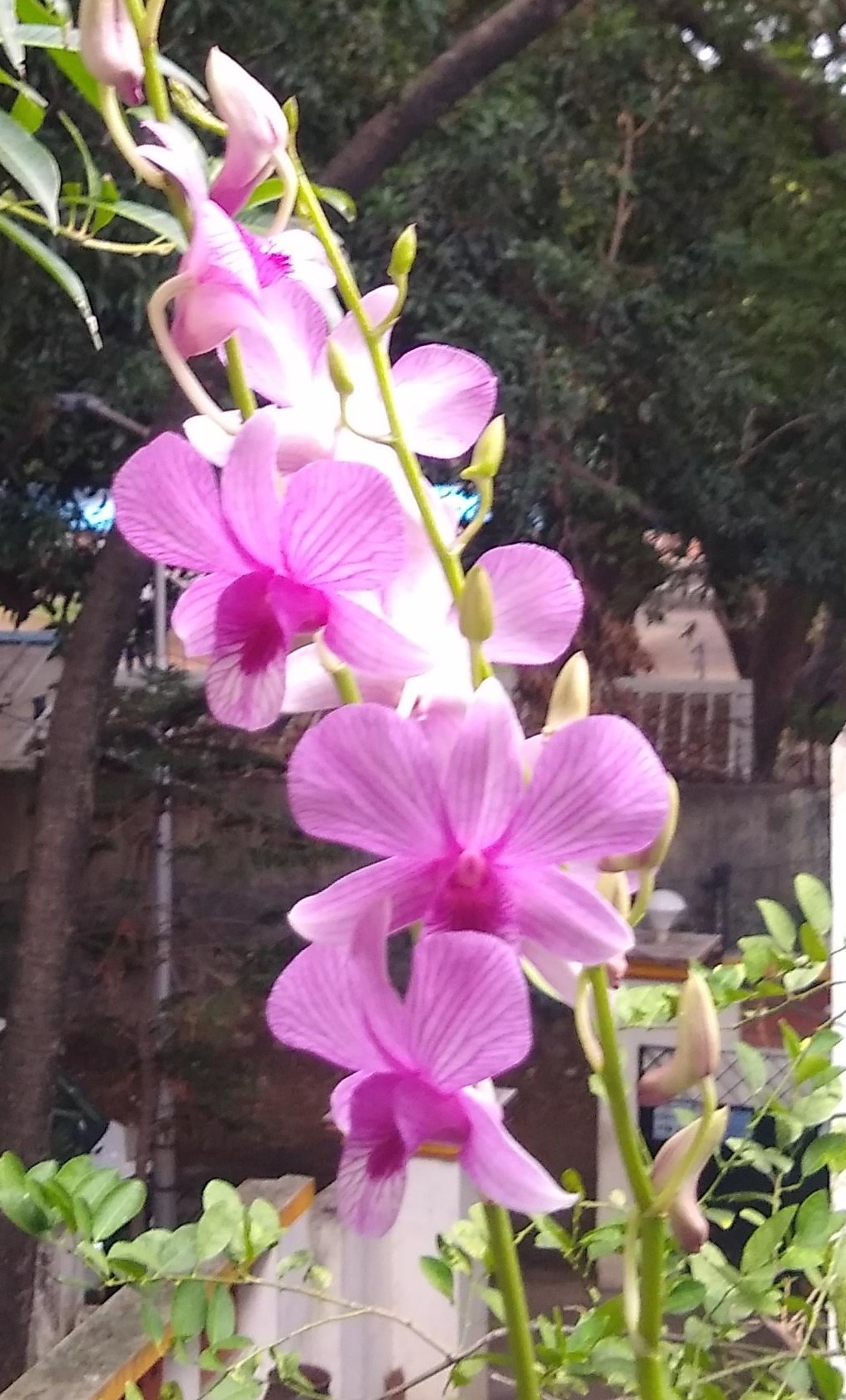
Dendrobium Orchid
Dendrobium
The Dendrobium Orchid, a diverse and captivating genus within the Orchidaceae family, stands as one of the most prolific and popular orchids in the world. With over 1,800 species and countless hybrids, these "tree-living" plants (the name *Dendrobium* literally means "life on a tree" in Greek) ar...
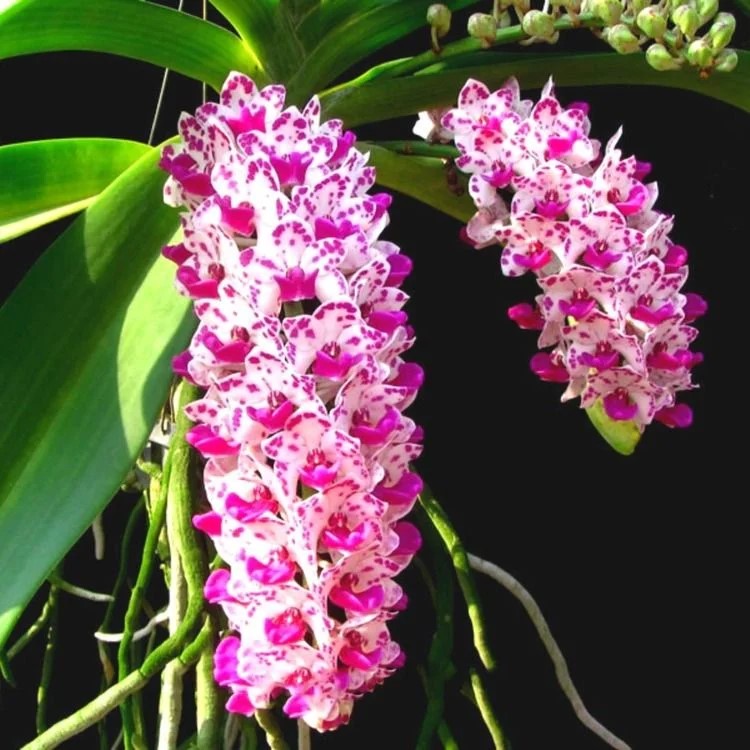
Fox Tail Orchid (Rhynchostylis)
Rhynchostylis retusa
The Fox Tail Orchid (Rhynchostylis retusa) is an extraordinary, highly fragrant epiphytic orchid belonging to the Orchidaceae family. Native to the warm, humid tropical forests of the Indian subcontinent, Southeast Asia, and Indonesia, it is globally celebrated for its incredibly unique and drama...
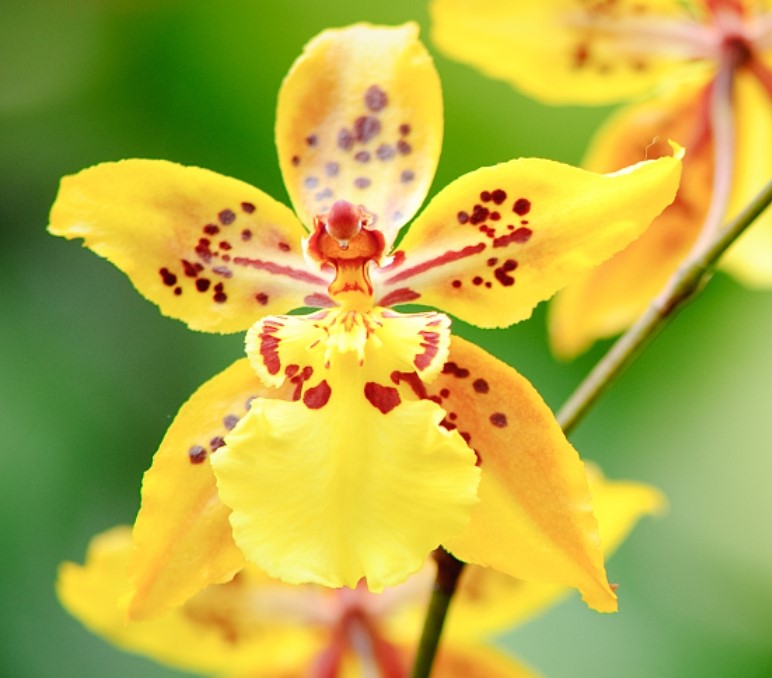
Tolumnia Orchid
Tolumnia
The Tolumnia Orchid, botanically classified under the genus Tolumnia and traditionally known in horticulture as the Equitant Oncidium or Dancing Lady Orchid, is an exceptionally charming, miniature epiphytic plant. Belonging to the family Orchidaceae (the orchid family, tribe Oncidiinae), this sp...
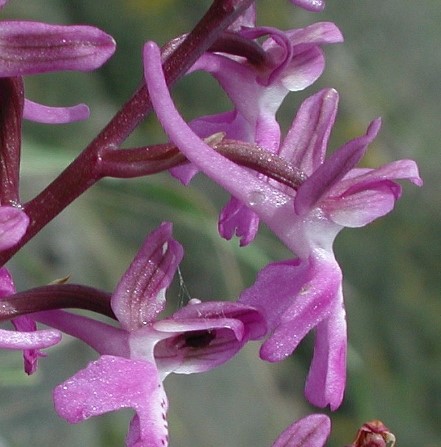
Orchis Orchid
Orchis
The Orchis Orchid, representing the eponymous genus Orchis within the family Orchidaceae, is a group of historically significant terrestrial orchids native to the meadows, grasslands, and light woodlands of Europe, North Africa, and the Mediterranean basin. Unlike common tropical epiphytic orchid...
Similar Characteristics
4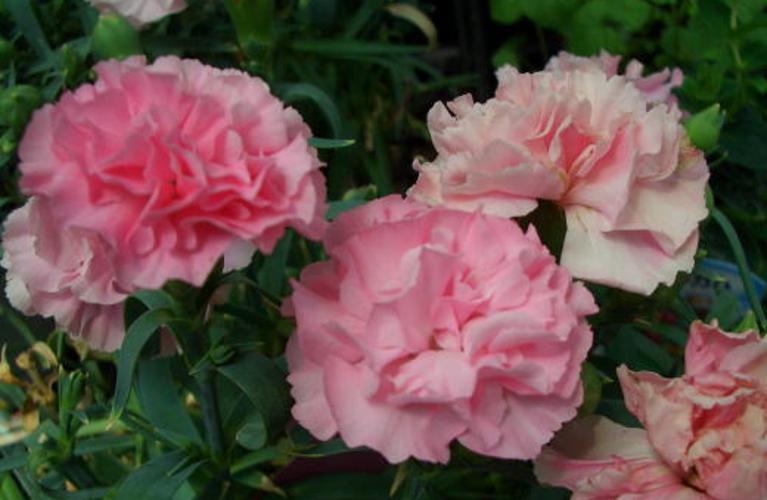
Carnation flower
Dianthus caryophyllus
The Carnation, botanically known as Dianthus caryophyllus and classically called the Clove Pink or Gillyflower, is an extraordinarily famous herbaceous perennial belonging to the Caryophyllaceae (pink or carnation) family. Native to the rocky slopes and coastal scrub of the Mediterranean region—p...
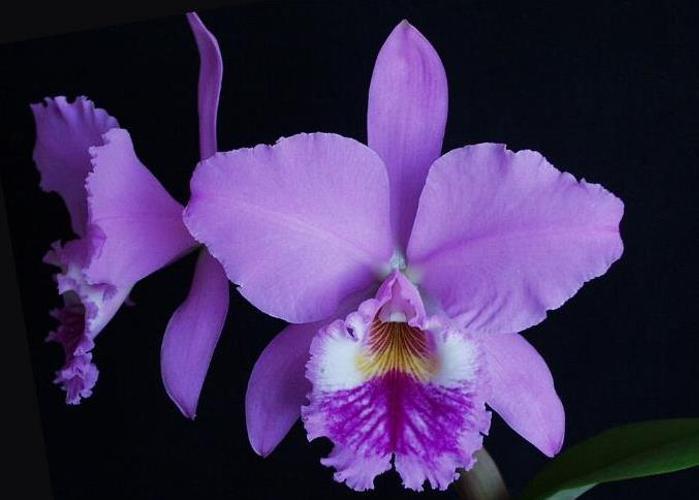
Ruby Lipped Cattleya
Cattleya labiata
The Ruby Lipped Cattleya (Cattleya labiata), often heralded globally as the 'Queen of Orchids', is a legendary epiphytic orchid belonging to the Orchidaceae family. Discovered completely by accident in the Organ Mountains of northeastern Brazil in the early 19th century, its introduction to Europ...
Fox Tail Orchid (Rhynchostylis)
Rhynchostylis retusa
The Fox Tail Orchid (Rhynchostylis retusa) is an extraordinary, highly fragrant epiphytic orchid belonging to the Orchidaceae family. Native to the warm, humid tropical forests of the Indian subcontinent, Southeast Asia, and Indonesia, it is globally celebrated for its incredibly unique and drama...
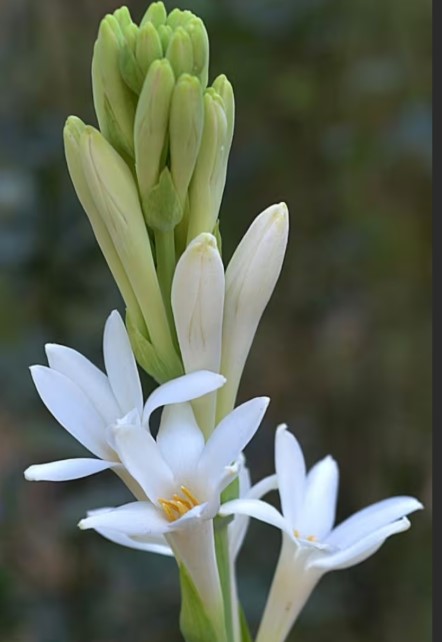
Tuberose Rajinigandha
Polianthes tuberosa
The Tuberose, botanically designated as Polianthes tuberosa (and recently reclassified as Agave amica) and universally celebrated in southern Asia as Rajnigandha, is an exceptionally exquisite, tuberous perennial. Belonging to the family Asparagaceae (the asparagus family, subfamily Agavoideae),...