
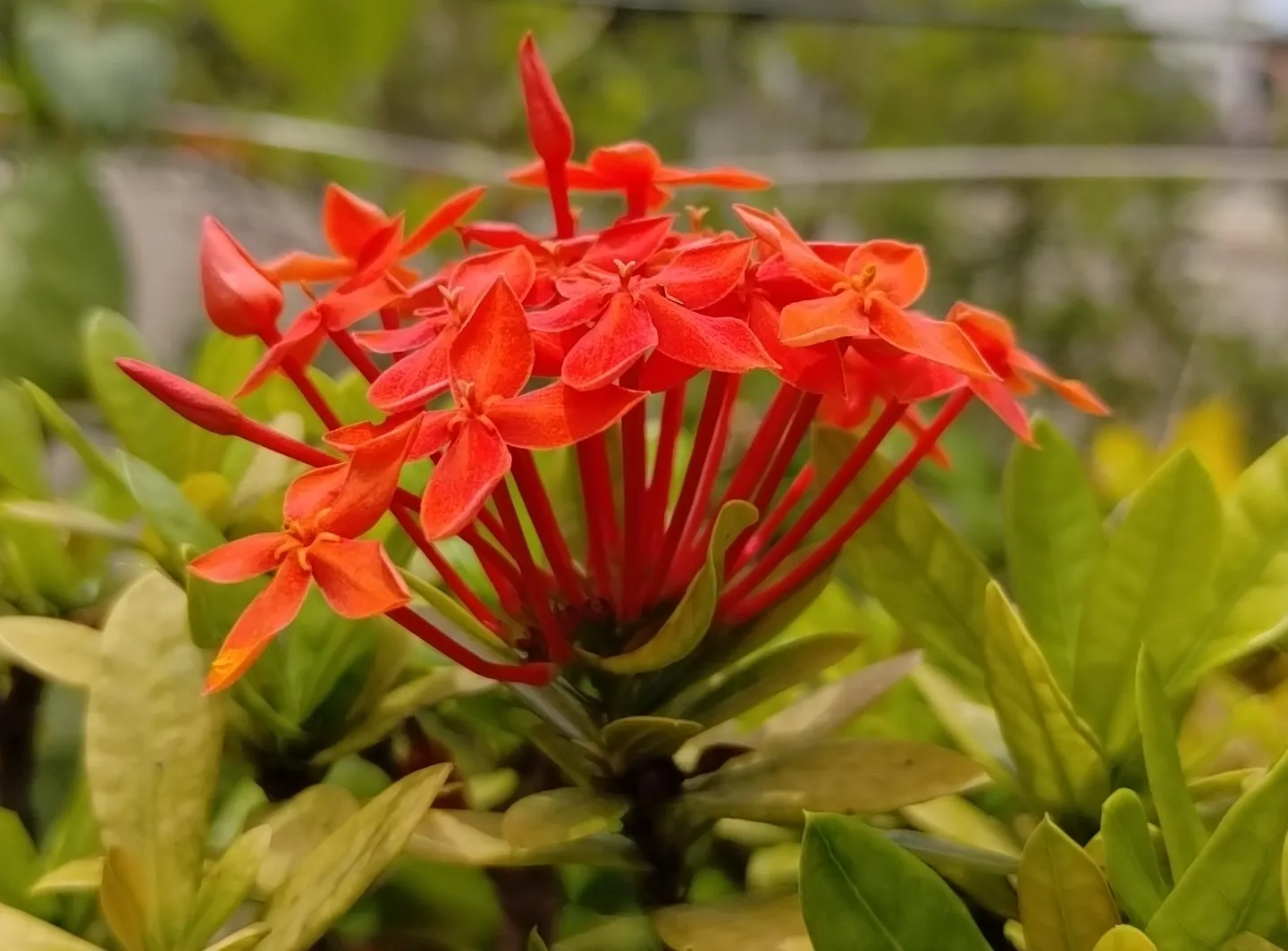
Ixora
Ixora coccinea
How to Identify Ixora
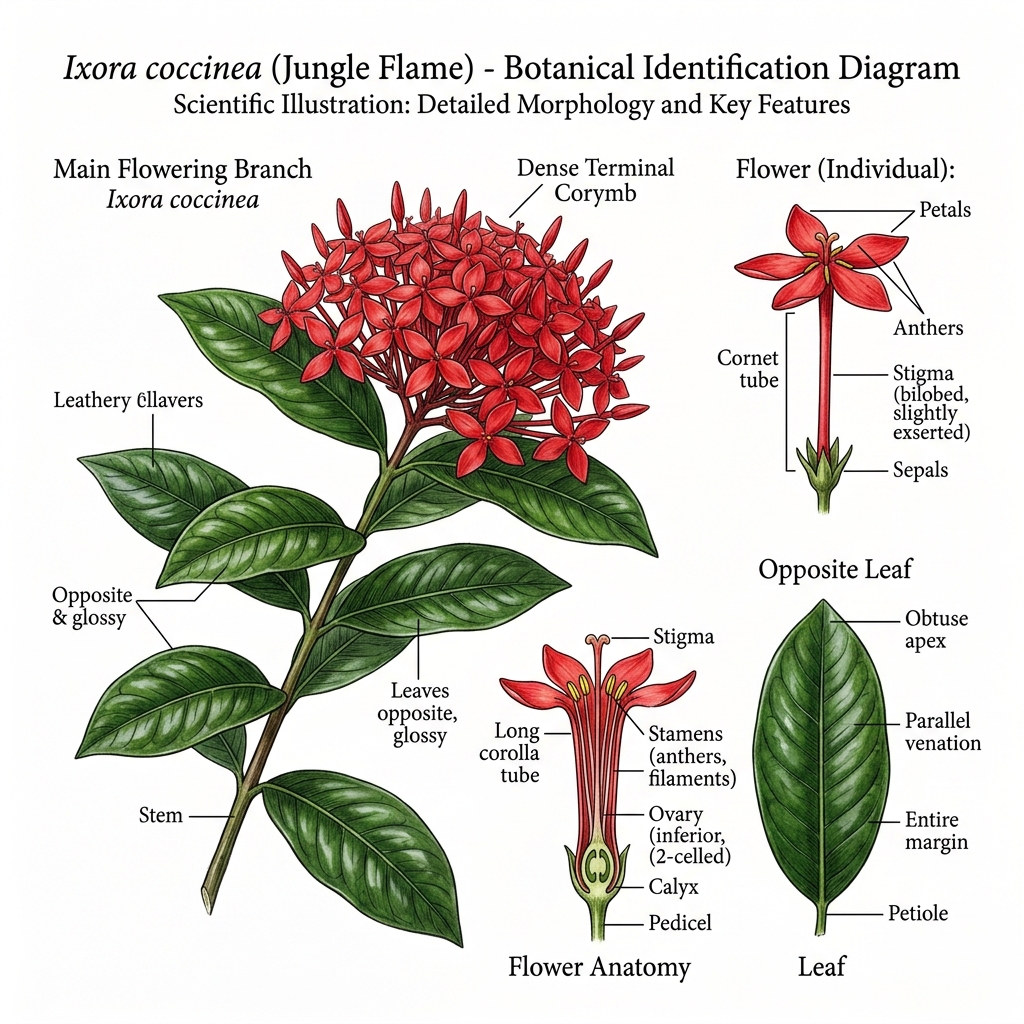
How to identify Ixora (Ixora coccinea / Jungle Flame):
- Dense Round Clusters: Large, ball-like clusters (corymbs) containing 10 to 50 small, star-shaped flowers.
- Four-Petaled Flowers: Individual flowers feature a slender, long tube ending in 4 spreading, pointed petals.
- Leathery Opposite Leaves: Glossy, dark-green, oblong-ovate leaves with a smooth texture, arranged opposite each other on woody stems.
- Compact Shrub Structure: A dense, branching evergreen shrub reaching heights of 3 to 6 feet.
Colors of Ixora
Care & Growing Guide
Ixora Care & Growing Guide:
- Light: Full morning sun with partial afternoon shade. High light is essential for dense flower clusters.
- Soil: Rich, moist, highly acidic soil. Ixora is highly susceptible to iron deficiency (chlorosis, causing yellow leaves) in alkaline soils.
- Watering: Water thoroughly weekly to keep the soil moist. Do not allow the soil to dry out completely.
- Fertilizer: Apply an acidifying fertilizer (such as azalea/ixora feed) monthly during spring and summer to maintain soil acidity.
Seasonal Blooming & Hardiness
Seasonal Blooming Calendar (US Hardiness Zones 10-11 outdoors; Zones 1-9 indoors):
- Native Region: Native to tropical Southern India, Bangladesh, and Sri Lanka, where they grow as evergreen shrubs blooming year-round in hot, humid monsoon climates.
- US Cultivation: Grown outdoors in South Florida, Texas, and Hawaii (Zones 10-11). In cooler zones (Zones 1-9), they must be grown in greenhouses or pots brought indoors in winter, blooming from late spring to late autumn.
Bloom Timeline
About Ixora
Ixora, botanically classified as Ixora coccinea and colloquially celebrated as the Jungle Flame or Flame of the Woods, is an exceptionally vibrant, evergreen flowering shrub belonging to the Rubiaceae (madder or coffee) family. Native to the damp tropical forests, rocky hillsides, and coastal scrublands of Southern India, Sri Lanka, and Southeast Asia, this hardy and dense perennial is universally prized for its continuous, year-round display of brilliant floral clusters. It serves as an iconic landscape ornament across tropical and subtropical regions worldwide.
Growing as a compact, rounded shrub that typically reaches heights of 4 to 6 feet with an equal spread, Ixora coccinea features dark green, leathery, opposite leaves that are oblong-elliptic and measure 2 to 4 inches in length. In warm, frost-free climates, the foliage is constantly crowned with large, rounded, umbrella-like flower clusters (corymbs) that measure 2 to 5 inches across. Each spectacular cluster is composed of dozens (often 15 to 60) of small, slender, four-lobed tubular blossoms in striking shades of scarlet-red, orange, coral-pink, or yellow.
The reproductive morphology of the Jungle Flame is represented by the botanical floral formula EBr ⊕ ⚥ K(4) C(4) A4 G̅(2). This formula indicates that the flower is ebracteate, radially symmetrical (actinomorphic), and bisexual. The calyx is composed of 4 tiny, fused sepals, while the corolla features 4 petals fused into a long, extremely narrow tube that flares into 4 spreading, star-like lobes. The androecium contains 4 small stamens attached directly to the throat of the corolla, surrounding a 2-carpellate inferior ovary.
Horticulturally, Ixora is a heat-loving tropical shrub that performs best in full, intense morning and afternoon sun, which promotes maximum floral density and rich foliage color. It demands moist, highly fertile, organically rich loamy soils that are sharply well-drained and strictly acidic (pH 5.0 to 6.5). Alkaline soils will quickly cause iron chlorosis, resulting in yellowing leaves. It requires consistent watering during dry periods and has low frost tolerance, surviving outdoors in USDA hardiness zones 10 and 11.
The genus name Ixora is a European adaptation of the Sanskrit word 'Ishwara' (meaning Lord Shiva or Supreme God), as the bright red flowers have been used for thousands of years in Hindu temple offerings and sacred rituals. Famed on the Indian subcontinent as Viruchi (விருச்சி) in Tamil and Chethi (ചെത്തി) in Malayalam, it is culturally revered as a symbol of pure devotion, inner light, and spiritual warmth. It is widely planted around temples and traditional homesteads to welcome positive energy.
For pet owners seeking to design a vibrant, worry-free tropical garden, Ixora is an exceptionally safe and highly recommended choice. Ixora coccinea is classified as completely NON-TOXIC to cats, dogs, and horses by major global veterinary safety databases, including the ASPCA. Neither its leathery foliage nor its nectar-rich blossoms contain any toxic compounds, making it a perfectly safe addition for garden borders where pets roam. To explore more pet-friendly tropical shrubs and plants, visit our Pet Guard safety directory.
Ixora is occasionally confused with wild Geraniums, Hydrangeas, or Pentas. It is easily distinguished because Ixora is a woody evergreen shrub with distinct, leathery opposite leaves and 4-lobed tubular flowers, whereas Pentas are softer herbs with 5-lobed star flowers. It looks spectacular as a living hedge planted alongside upright Tree Mallow, colorful Gazania, fragrant Arabian Jasmine, or propeller-shaped Pinwheel Crape Jasmine. To explore more continuous-blooming tropical shrubs, check out our Flower Identifier.
Floral Formula & Features
Ebracteate, actinomorphic, bisexual, 4 fused sepals, 4 fused petals forming a long narrow corolla tube, 4 stamens, 2 fused carpels with inferior ovary
- Scientific Name & Classification: Ixora coccinea (Rubiaceae). Universally known as Jungle Flame, Flame of the Woods, and Viruchi.
- Identification Markers: Dense rounded shrub with glossy, leathery opposite leaves. Crowned with large, ball-shaped clusters of 4-lobed tubular scarlet flowers.
- Floral Formula (EBr ⊕ ⚥ K(4) C(4) A4 G̅(2)): Radially symmetrical, bisexual flowers with 4 fused petals forming a long narrow tube, 4 stamens, and an inferior ovary.
- Growing Requirements: Full sun; requires consistently moist, well-drained, highly acidic soil rich in organic humus. Frost-sensitive (Zones 10-11).
- Cultural Significance: Named after the Sanskrit word 'Ishwara' (Lord Shiva); highly sacred flower used in traditional Hindu temple rituals.
- Safety & Toxicity: NON-TOXIC. 100% safe for cats, dogs, and horses, making it a premier, worry-free hedge plant for modern pet-friendly gardens.
- Common Look-alikes: Confused with Pentas, but easily distinguished by its woody shrub habit and 4-lobed petals instead of Pentas' 5-lobed star petals.
- Internal Links: Creates an outstanding continuous floral border when paired with Tree Mallow, Gazania, Arabian Jasmine, or Pinwheel Crape Jasmine; find more in our Flower Identifier.
Names in Different Languages
Tip: Need to buy or identify flowers in regional markets? Check our complete South Indian Flower Names Guide mapping 30+ flowers across Tamil, Telugu, Hindi, Kannada, and Malayalam.
Botanical Classification: Ixora belongs to the Rubiaceae family. Learn how to identify its floral symmetry, stamen arrangement, and structural formulas in our Botanical Family Classification Guide.
Toxicity & Safety
Frequently Asked Questions
What is Floral Formula?
A floral formula is a symbolic representation of a flower's structure using letters, numbers, and special symbols. It provides a concise way to describe the arrangement and number of floral parts.
This formula describes the flower's symmetry, sepals, petals, stamens, and carpels in a standardized format.
Formula Sequence
- Bract: Br or Ebr
- Bracteole: Brl or Ebrl
- Symmetry: % (Radial) or ⊕ (Bilateral)
- Sex: ♀ (Female), ♂ (Male), or ⚥ (Bisexual)
- Calyx/Sepal: K<number> (Free or Fused)
- Corolla/Petal: C<number> (Free or Fused)
- Androecium: A<number> (Free or Fused)
- Gynaecium: G<number> (Superior or Inferior Ovary)
Symbol Meanings
- Numbers: Indicate quantity of parts
- Parentheses (): Parts are fused together
- Plus (+): Parts in different whorls
- Underline: Superior ovary position
- Overline: Inferior ovary position
- ∞: Numerous parts (too many to count)
Understanding floral formulas helps botanists quickly identify and classify flowers based on their structural characteristics.
Similar Flowers
Discover flowers that share botanical characteristics
Same Family
2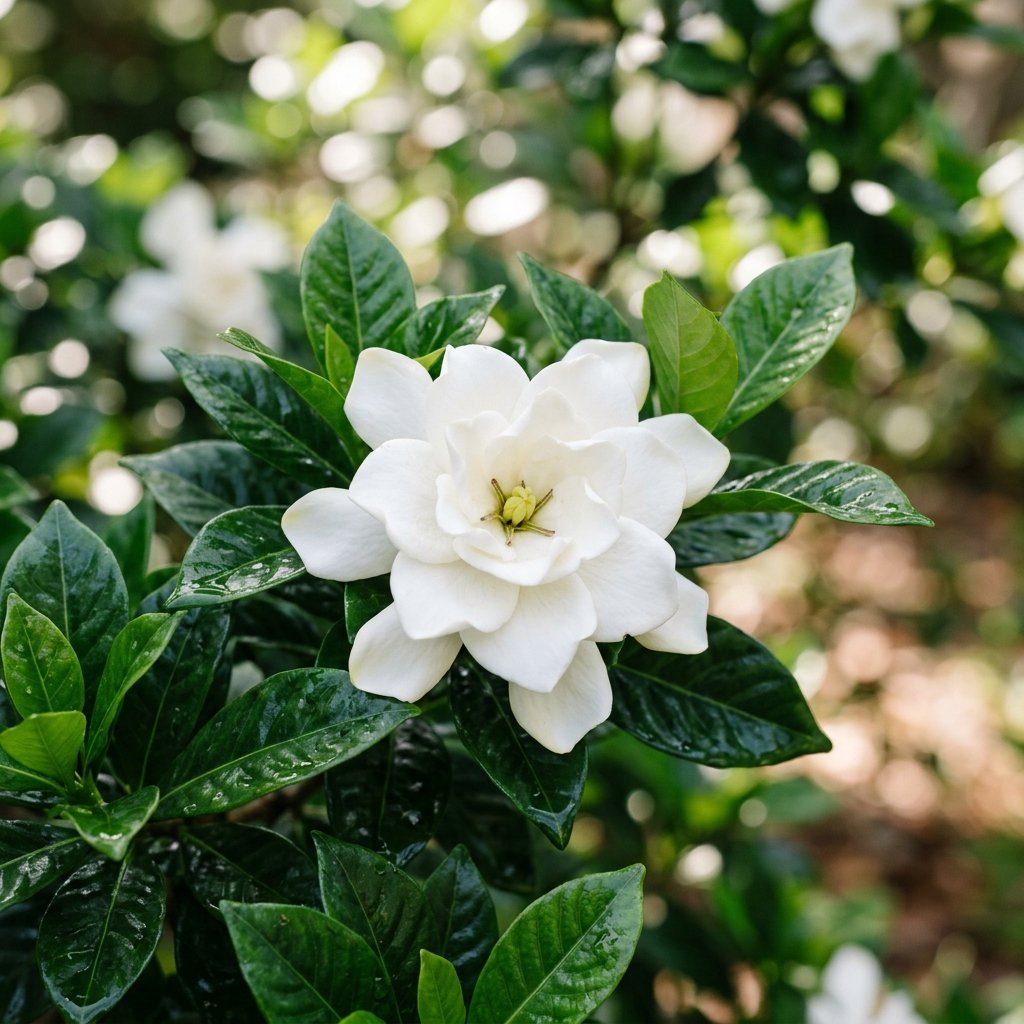
Gardenia
Gardenia jasminoides
Gardenia, botanically classified as Gardenia jasminoides and commonly known as Cape Jasmine, is an exceptionally popular evergreen shrub in the coffee family, Rubiaceae. Native to the subtropical regions of East Asia, it is celebrated worldwide for its waxy, creamy-white blossoms and sweet, intox...
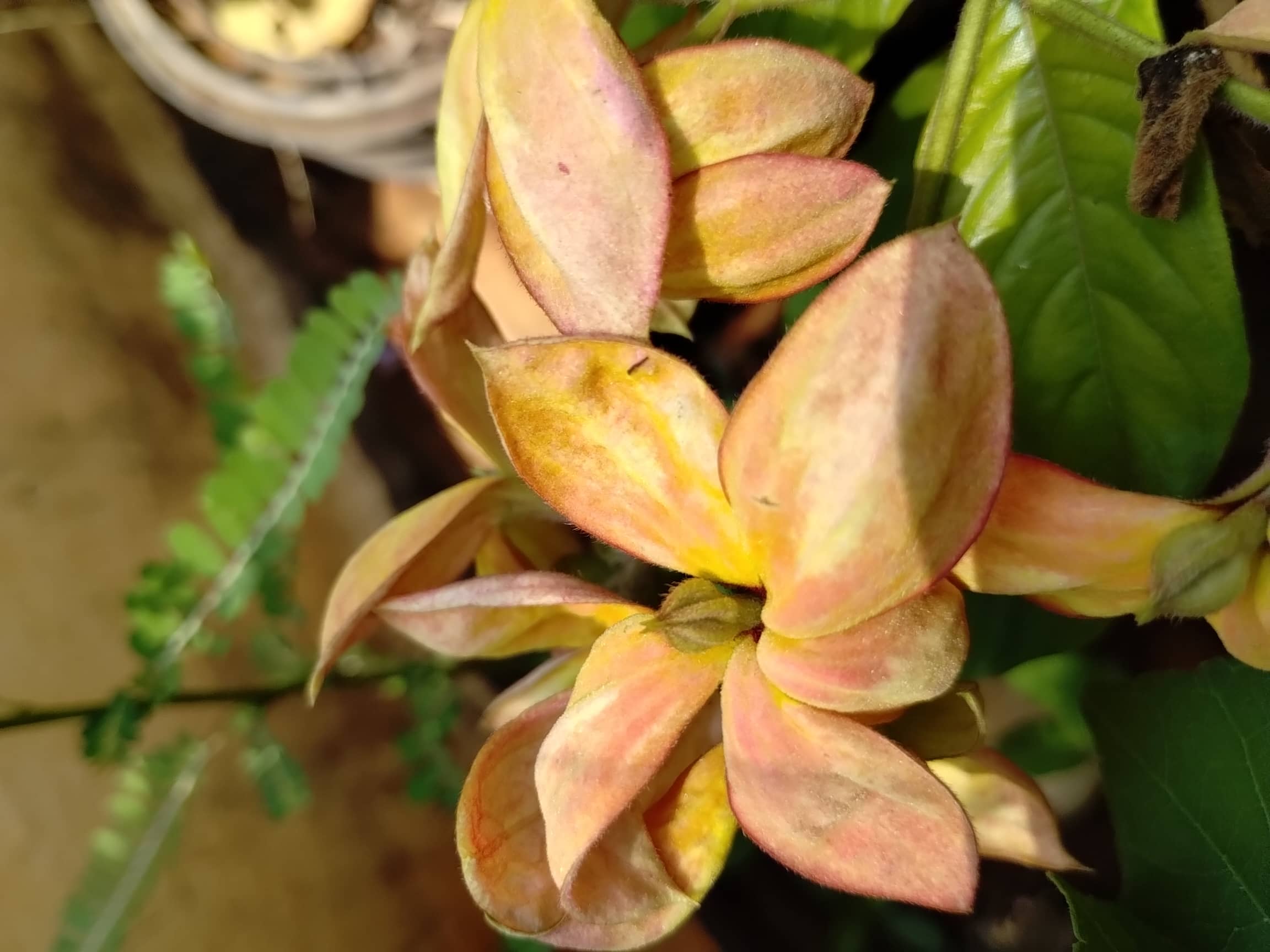
Mussaenda
Mussaenda erythrophylla
Mussaenda, botanically designated as Mussaenda erythrophylla and commonly known as the Ashanti Blood, Red Flag Bush, or Bangkok Rose, is an exceptionally striking, high-impact tropical evergreen shrub or sprawling semi-climber. Belonging to the family Rubiaceae (the coffee or madder family, tribe...
Similar Characteristics
4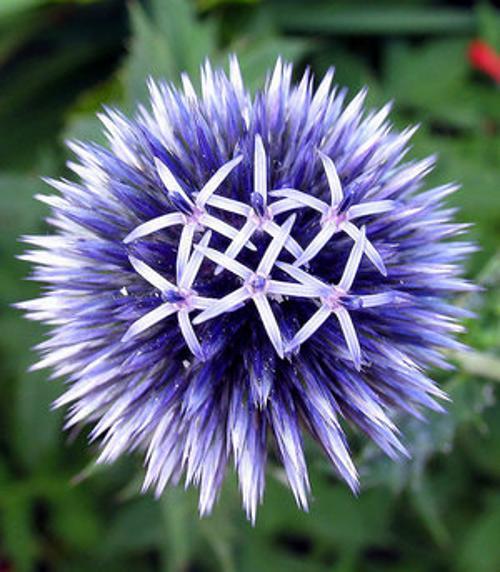
Globe Thistle
Echinops
The Globe Thistle, botanically classified as Echinops ritro or simply Echinops, is a striking, deeply architectural herbaceous perennial plant belonging to the Asteraceae (sunflower or composite) family. Native to the dry, sun-drenched grasslands, stony hillsides, and rocky mountain slopes of cen...
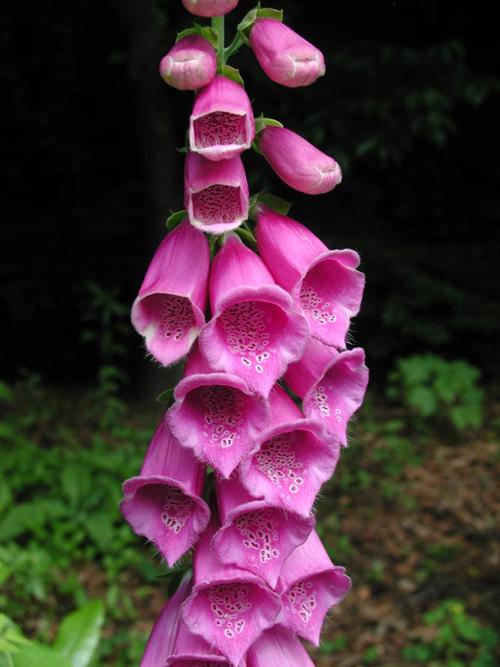
Foxglove
Digitalis purpurea
Digitalis purpurea, commonly known as Foxglove, is a majestic and iconic biennial plant belonging to the Plantaginaceae family. Native to the cool, temperate woodlands, hedgerows, and mountainous clearings of western and southwestern Europe, this striking species has naturalized throughout North...
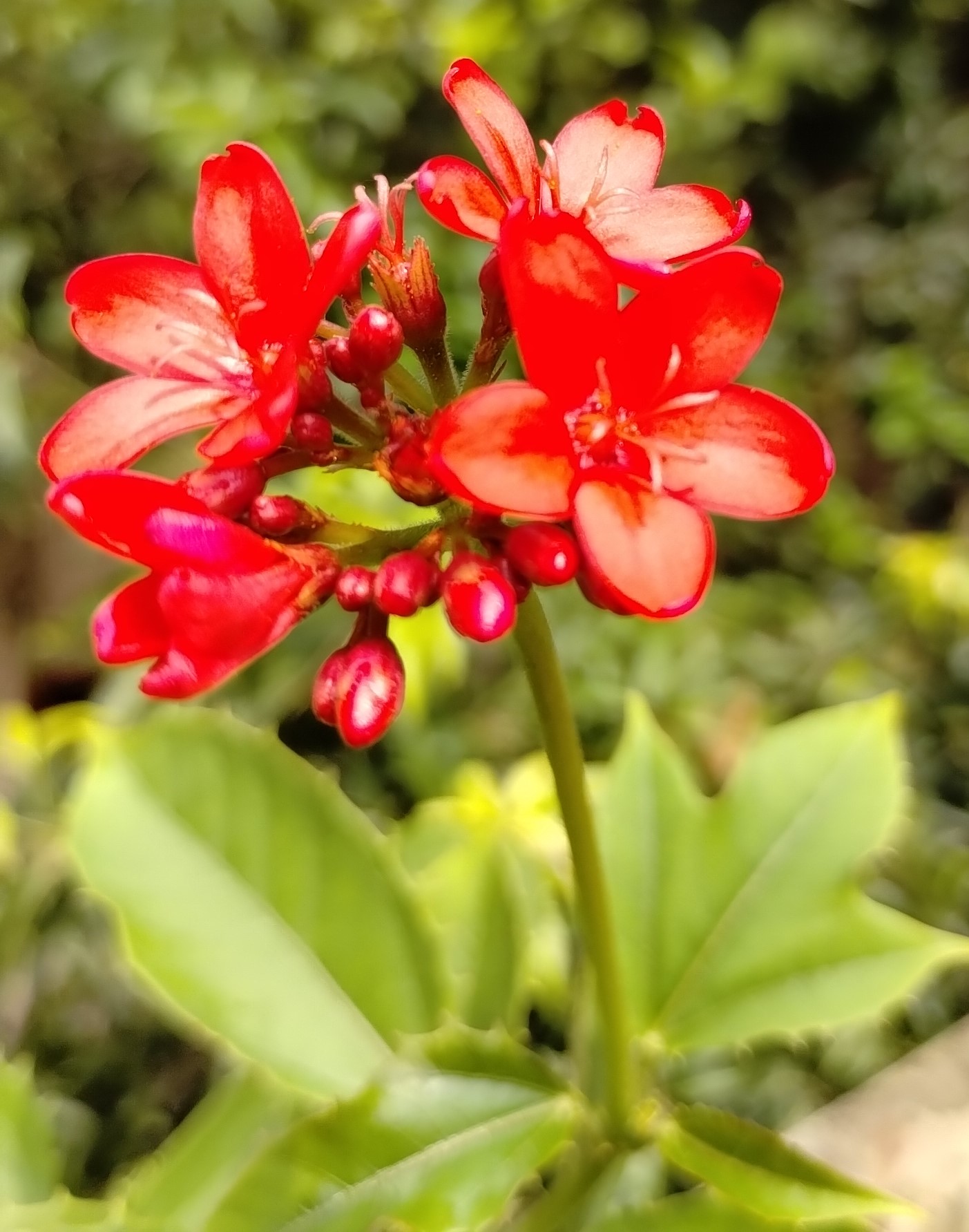
Jatropha (Spicy Jatropha)
Jatropha integerrima
Jatropha, specifically Jatropha integerrima (commonly known as Spicy Jatropha or Peregrina), is a stunning, ever-blooming evergreen shrub or small tree belonging to the Euphorbiaceae family. Native to Cuba and the West Indies, it is widely celebrated in tropical and subtropical landscaping for it...
Mussaenda
Mussaenda erythrophylla
Mussaenda, botanically designated as Mussaenda erythrophylla and commonly known as the Ashanti Blood, Red Flag Bush, or Bangkok Rose, is an exceptionally striking, high-impact tropical evergreen shrub or sprawling semi-climber. Belonging to the family Rubiaceae (the coffee or madder family, tribe...