 Actual Plant Specimen
Is Rosemary Safe for Cats & Dogs? Fresh Culinary Herb (Safe) vs. Concentrated Essential Oil Guide
Rosmarinus officinalis • Also called: Dew of the Sea, Compass Weed, Anthos
All botanical parts of Rosemary (Rosmarinus officinalis) are verified non-toxic and safe around both cats and dogs.
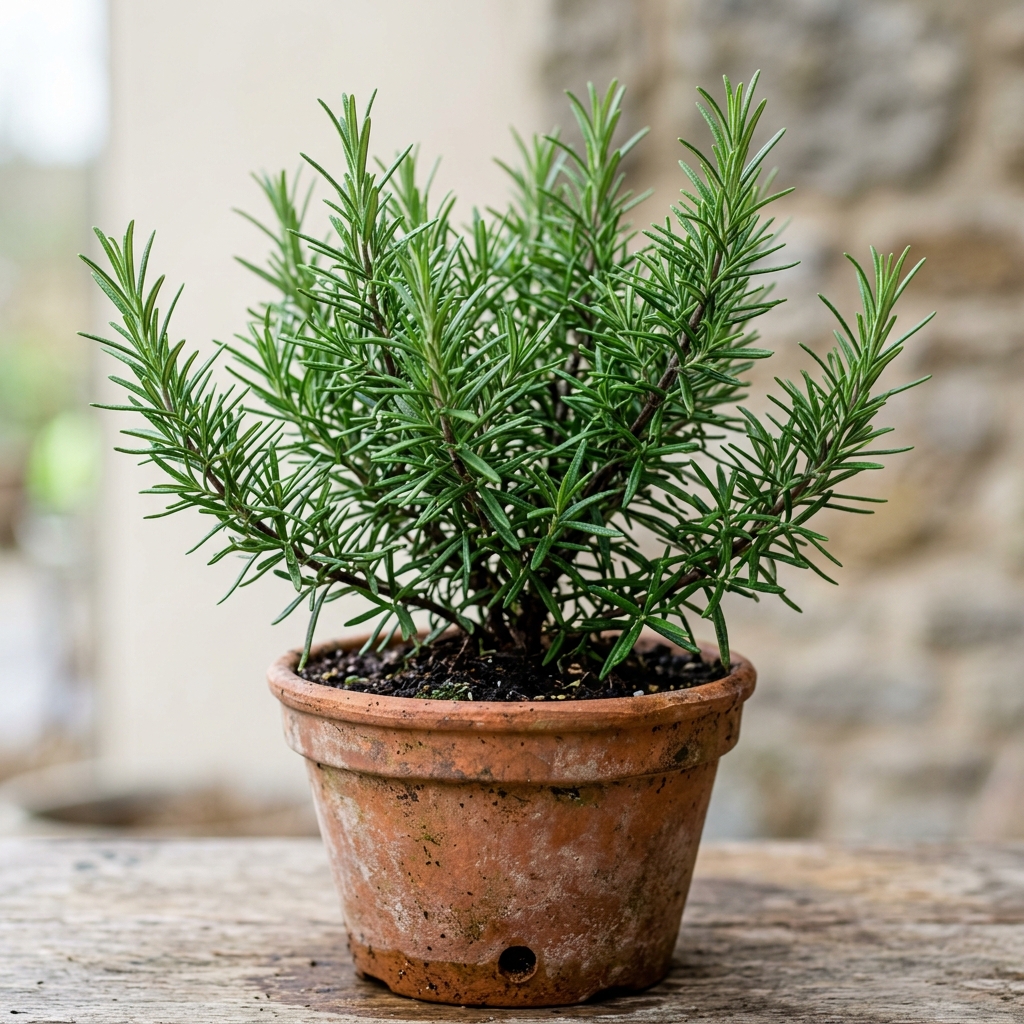
- Woody, evergreen Mediterranean subshrub with stiff, upright square stems and fragrant needle-like leaves
- Linear leaves are dark glossy green on top and velvety silver-white underneath with rolled-under margins
- Small two-lipped pale blue, lavender, pink, or white flowers clustered along the upper stems
- Piney, resinous culinary aroma — distinct from gray-leaved Lavender (Lavandula) and toxic Yew (Taxus) conifer needles
Rosemary Plant-Part Identification & Toxicity Map
Every part of Rosemary (Rosmarinus officinalis) marked out as Toxic, Mild Irritant, or Non-Toxic for cats and dogs.
Fresh or Dried Culinary Rosemary Needles & Flowers
100% non-toxic to cats and dogs in garden or culinary amounts; eating a large mouthful of stiff woody needles may cause mild mechanical vomiting.
Woody Stems & Skewers
Chemically non-toxic, but stiff woody stems (especially rosemary barbecue skewers coated in meat drippings) can cause pharyngeal or gastrointestinal puncture if swallowed by dogs.
Rosemary Extract in Commercial Pet Food
Completely safe at regulated dietary antioxidant concentrations.
Undiluted Rosemary Essential Oil & Flea Drops
DANGEROUS TO CATS & EPILEPTIC DOGS: Concentrated camphor and 1,8-cineole in essential oil bottles or DIY flea sprays cause drooling, ataxia, liver stress, and epileptiform seizures.
Which Rosemary Species Do You Have? (Separate Visual Guide)
Different plants called or confused with Rosemary have vastly different toxicity levels. Compare the separate species images and anatomical markers below:
 Enlarge
Fresh Garden & Culinary Rosemary
Salvia rosmarinus (Rosmarinus officinalis)
- Aromatic woody herb with dark green needle-like leaves (white underneath) and tiny pale blue flowers.
- Botanical Classification: Salvia rosmarinus (Rosmarinus officinalis)
EnlargeConcentrated Rosemary Essential Oil / DIY Flea Oils (Toxic Form)
Salvia rosmarinus Essential Oil (Camphor / Cineole Chemotype)
- Bottled aromatherapy oil, reed diffusers, or homemade rosemary-oil topical flea remedies.
- Botanical Classification: Salvia rosmarinus Essential Oil (Camphor / Cineole Chemotype)
 Enlarge
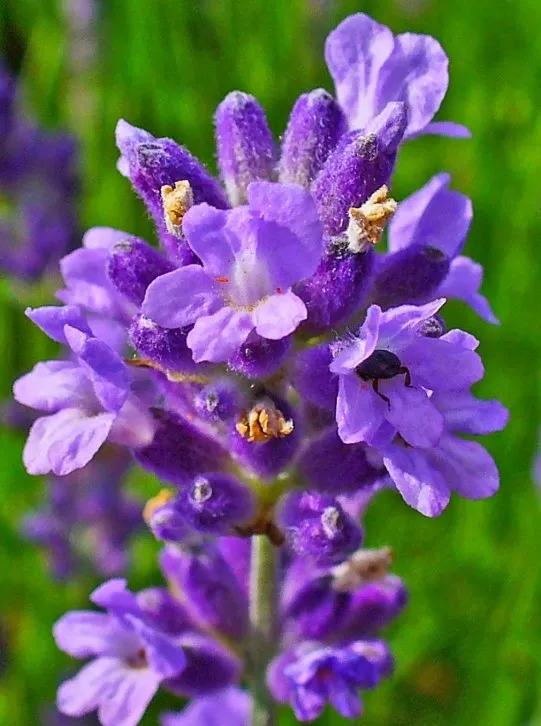
Lavender (Mildly Toxic Herb Garden Look-Alike)
Lavandula angustifolia
- Silvery-gray linear leaves topped with long-stalked purple flower spikes.
- Botanical Classification: Lavandula angustifolia
Non-Toxic Plant Owner’s Practical Guide (Rosemary)
Why Did My Cat Still Vomit After Eating Rosemary?
Even though Rosemary contains zero chemical toxins, cats and dogs lack the cellulase enzyme needed to digest raw plant fibers. Swallowing whole leaves or fibrous stems often triggers a harmless, one-time mechanical regurgitation (just like eating lawn grass).
Hidden Nursery Hazards: Pesticides, Fertilizers & Potting Soil
Newly purchased store pots often contain slow-release fertilizer beads (Osmocote), perlite, or systemic neonicotinoid insecticides. Never let pets chew potting soil or drink water from drainage saucers.
Post-Ingestion Timeline
Veterinary Contraindication Warning — What NOT To Do
🚫 NEVER give hydrogen peroxide, salt, or home emetics to induce vomiting in a cat—3% hydrogen peroxide causes severe, potentially fatal stomach and esophageal ulceration in felines. Only a veterinarian can safely administer feline emetics.
Home Care & First Aid Protocol
Non-toxic to cats.
When to still call a vet: If your pet swallowed a large woody stem/root ball (choking or foreign body risk), ingested potting soil fertilizer, or if you suspect the plant matches one of the toxic look-alike species shown above.
In-Depth Botanical & Veterinary Safety Analysis
Scientific evaluation and toxicological breakdown of Rosemary (Rosmarinus officinalis)
Specific Pet Safety FAQs for Rosemary
Is Rosemary safe for dogs?
Yes, Rosemary is 100% safe for dogs. It is a non-toxic herb that can be grown safely in gardens.
Is Rosemary safe for cats?
Yes, Rosemary is completely non-toxic to cats. Chewing on a few leaves will not cause harm.
Can pets eat large amounts of Rosemary?
No. While non-toxic, the strong essential oils in rosemary can cause mild stomach upset if eaten in large quantities.
Does Rosemary offer health benefits for pets?
Yes, in small amounts, rosemary provides antioxidants and can help support digestion, though it should not replace their regular diet.
What are other pet-safe garden herbs?
Basil, Thyme, and Cilantro are all completely non-toxic and safe to grow around cats and dogs.
20 Dangerous Garden Plants: Cat Toxicity & Safety Guide
Felines are highly sensitive to houseplants and flowers. Learn which 20 common species cause severe or fatal reactions in cats, including lilies, and discover safe, cat-friendly garden alternatives.
🛡️ Discover Related Plant Safety Guides
Explore visually similar or related plants and their pet safety profiles: