
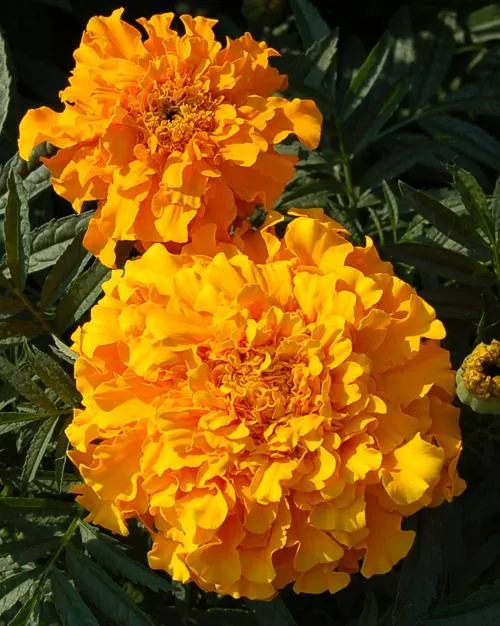
Marigold
Tagetes erecta
How to Identify Marigold
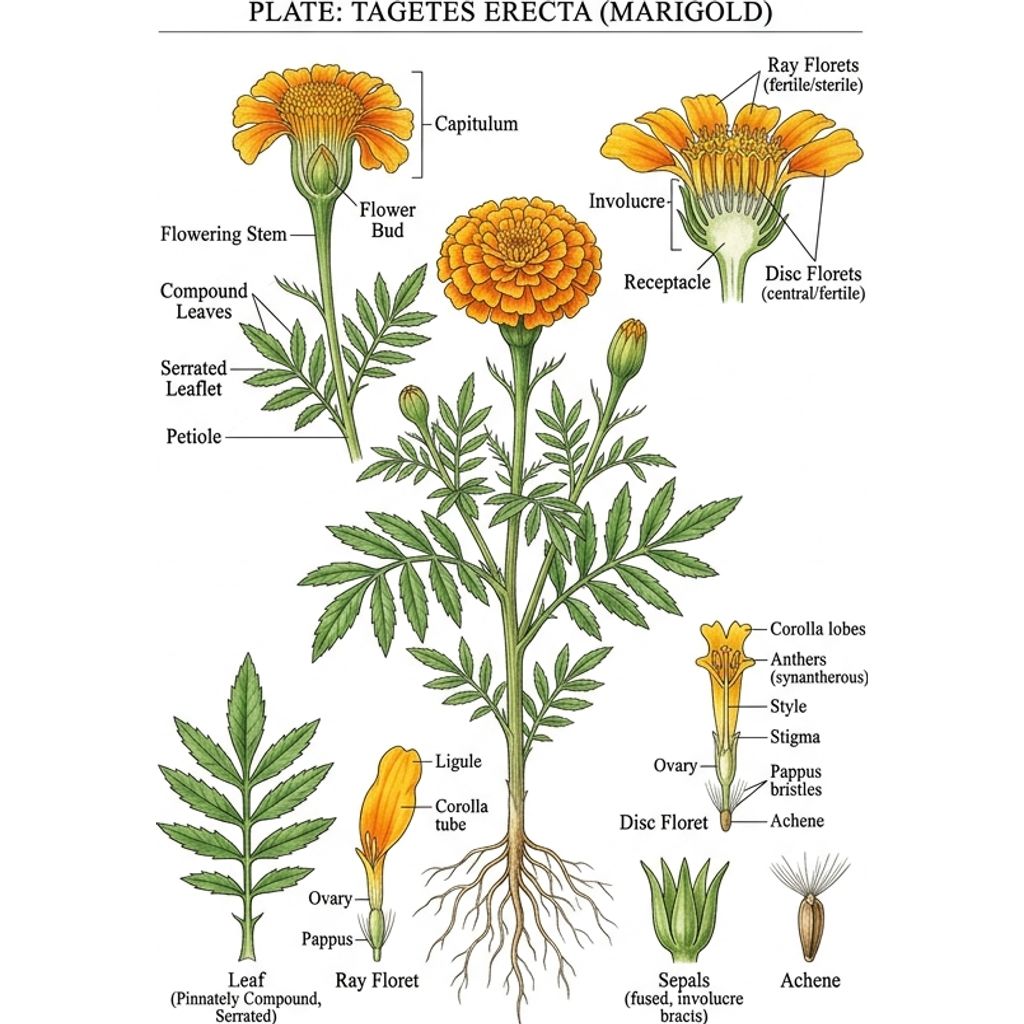
A detailed guide to identifying Marigolds (Tagetes erecta) by its key features:
- Pom-Pom or Daisy-like Heads: Large, tight, dense flower heads measuring 1 to 5 inches across, containing hundreds of overlapping crinkled petals.
- Vibrant Warm Colors: Flowers display intense, solid shades of yellow, glowing orange, deep bronze-mahogany, and rich bicolors.
- Fern-like Pinnated Foliage: Deeply divided, narrow green leaflets arranged along the stem in a feathery layout.
- Pungent Aromatic Scent: Leaves and stems release a highly distinct, pungent, sharp herbal scent when bruised or touched.
Types & Sub-types of Marigolds
Marigolds are classified into three primary horticultural groups based on size and bloom structure:
- By Growth Habit & Origin:
- African (American) Marigolds (Tagetes erecta): Tall upright plants (1.5 to 3 feet) producing huge, double pom-pom flower heads up to 5 inches wide. Distinguish by their round ball shape.
- French Marigolds (Tagetes patula): Compact, bushy plants (6 to 18 inches) producing smaller, single or double blooms in rich mahogany-red and orange bicolors.
- Signet Marigolds (Tagetes tenuifolia): Mounding plants with fine, lacy leaves and small, single, edible daisy-like blossoms.
- By Petal Structure:
- Crested/Double: Centers are packed with ruffled disc petals, creating a dome shape.
- Single: Features a single row of flat outer ray petals around a flat, visible yellow center.
Care & Growing Guide
Seasonal Blooming & Hardiness
Seasonal Blooming Calendar:
- Peak Bloom: Spring to early summer (typically April through June).
- Planting Time: Sow seeds directly outdoors in early spring after the last frost, or transplant nursery starts in late spring.
Bloom Timeline
About Marigold
The Marigold, botanically classified under the genus Tagetes within the highly diverse Asteraceae (daisy or composite) family, is a cheerful, robust, and exceptionally popular herbaceous annual flower. Native to the warm, sun-drenched grasslands, mountain valleys, and open meadows of Mexico and Central America, this resilient plant has captured the hearts of gardeners worldwide. Commonly known as the Aztec Marigold, African Marigold, or French Marigold, it has naturalized in several warm-temperate regions and is celebrated for its easy cultivation, intense colors, and extraordinary cultural significance.
Typically growing from 6 inches for dwarf bedding varieties to over 3 feet in height for giant cut-flower cultivars, the Marigold features upright, highly branching stems. Its foliage is deeply divided, fern-like, and rich green, releasing a highly distinct, pungent, and sharp aromatic scent when brushed or bruised. From late spring through the first hard frost of autumn, the plant blooms continuously, producing masses of vibrant flower heads that measure 1 to 5 inches across. Blossoms display brilliant shades of golden-yellow, warm orange, rich copper-bronze, and deep mahogany-red, in shapes ranging from simple single daisies to tight, complex double pom-poms.
The reproductive architecture of the Marigold represents the composite flower head (capitulum) characteristic of the Asteraceae family, summarized by the floral formula EBr ⊕ ⚥ K(5) C(5) A(5) G(2). The capitulum is ebracteate and composed of two types of flowers: sterile or female ray florets on the outer edge, and radially symmetrical, bisexual disc florets in the center. The calyx is modified into 5 fused, protective structures, and the corolla features 5 fused petals. The androecium consists of 5 stamens fused by their anthers into a tube (syngenesious) around the style, sitting above a syncarpous, inferior ovary of 2 fused carpels.
Horticulturally, Marigolds are among the most reliable, heat-tolerant, and low-maintenance annuals available. They require full, direct sunlight (at least 6 to 8 hours daily) to bloom profusely and thrive in a wide variety of moderately fertile, well-drained soils. Once established, they are remarkably drought-tolerant, though regular watering during dry spells promotes larger blooms. Deadheading (removing faded flower heads) is highly recommended to stimulate continuous, explosive blooming throughout the season. They grow as annuals across all hardiness zones (USDA 2 through 11) and germinate easily from seed in just 5 to 7 days.
The English name 'Marigold' is derived from 'Mary's gold,' a historical reference to the Virgin Mary, while the genus name 'Tagetes' honors the Etruscan god Tages, who was famed for his beauty and wisdom. In Mexico, the sacred cempasúchil flower is the cornerstone of Day of the Dead (Día de los Muertos) celebrations, where its bright orange petals and strong scent are believed to guide the souls of ancestors back to their family altars. Across India and Nepal, the flower is sacred to Hindu deities, utilized extensively for temple offerings, festivals like Diwali, and festive wedding garlands. Famed in Sanskrit as Gandhapushpam (गंधपुष्पम्) and in Hindi as Genda (गेंदा).
For pet owners and gardeners, the Marigold is a highly safe, premium, and functional choice. Tagetes erecta is classified as completely NON-TOXIC to cats and dogs by major global veterinary databases, including the ASPCA, though ingestion of excessive foliage may cause very mild gastrointestinal upset due to its aromatic oils. To learn more about utilizing these festive annuals in pet-safe spaces, visit our specific Pet Guard page. Furthermore, they serve as superb biological companions in vegetable gardens; their roots release alpha-terthienyl, a natural nematicide that controls devastating soil nematodes, while their aromatic foliage naturally repels flying insect pests.
Marigold is occasionally confused with Calendula (English Marigold). It is easily distinguished because Tagetes species possess deeply divided, fern-like leaves and a pungent aroma, whereas Calendula features smooth, lance-shaped leaves and a milder, resinous scent. It makes an outstanding choice for vegetable gardens, mixed borders, and containers; we recommend pairing it with other sun-loving, colorful composite flowers like the Blanket Flower, bright Gazania, or feathery Mexican Aster (Cosmos). To discover more companion planting combinations and high-impact annuals, explore our Flower Identifier. Explore related species in our botanical profile for Coltsfoot.
Marigolds carry extraordinary cultural resonance across continents. In India, they are the indispensable golden blossom of Diwali, temple pujas, and wedding garlands (jaimala). In Mexico, Cempasúchil (marigolds) guide departed souls back to earth during Día de los Muertos. Read about international marigold customs in our Global Flower Etiquette Guide.
Floral Formula & Features
Ebracteate, radially symmetrical, bisexual, 5 fused sepals forming calyx, 5 fused petals forming ray florets (or disc florets in center), 5 stamens fused into tube around style (syngenesious), 2 fused carpels with inferior ovary. Composite flower head (capitulum) characteristic of Asteraceae
- Scientific Name & Classification: Tagetes erecta / Tagetes patula (Asteraceae). Famed as Marigold, Cempasúchil, and Aztec Marigold.
- Identification Markers: Deeply divided fern-like pungent leaves, and large pom-pom or daisy-like flower heads in brilliant yellow, orange, and mahogany.
- Floral Formula (EBr ⊕ ⚥ K(5) C(5) A(5) G(2)): Composite capitulum featuring outer ray florets and central radially symmetrical bisexual disc florets.
- Growing Requirements: Full direct sun (6-8 hours); well-draining soil. Exceptionally heat and drought tolerant. Easy to grow from seed (Zones 2-11 as annual).
- Cultural Significance: Famed in Mexico for Day of the Dead altars to guide spirits. Sacred in Hinduism, used for Diwali festivals and wedding garlands.
- Safety & Toxicity: NON-TOXIC & BENEFICIAL. 100% safe for cats and dogs, and acts as an outstanding natural companion plant to repel pests.
- Common Look-alikes: Confused with Calendula (English Marigold), but easily distinguished by its fern-like leaves and strong pungent scent.
- Internal Links: Perfect companion in sunny beds beside other cheerful, non-toxic summer bloomers like Blanket Flower, Gazania, or Mexican Aster; explore more in our Flower Identifier.
- Internal Links: Compare key differences in our Marigold vs Calendula comparison, or try our instant Flower Identifier.
- Internal Links: Compare key differences in our Sunflower vs Marigold comparison, or try our instant Flower Identifier.
Names in Different Languages
Tip: Need to buy or identify flowers in regional markets? Check our complete South Indian Flower Names Guide mapping 30+ flowers across Tamil, Telugu, Hindi, Kannada, and Malayalam.
Cultural Etiquette & Gifting: Planning to gift or decorate with Marigold? Discover its symbolic meanings, festival traditions, and crucial cultural faux pas across 20+ countries in our comprehensive Global Flower Etiquette Guide.
Botanical Classification: Marigold belongs to the Asteraceae family. Learn how to identify its floral symmetry, stamen arrangement, and structural formulas in our Botanical Family Classification Guide.
Toxicity & Safety
Pet Safety Guide: For detailed toxicity symptoms, first-aid measures, and safe garden alternatives, see our full Pet Guard Profile for Marigold.
Frequently Asked Questions
What is Floral Formula?
A floral formula is a symbolic representation of a flower's structure using letters, numbers, and special symbols. It provides a concise way to describe the arrangement and number of floral parts.
This formula describes the flower's symmetry, sepals, petals, stamens, and carpels in a standardized format.
Formula Sequence
- Bract: Br or Ebr
- Bracteole: Brl or Ebrl
- Symmetry: % (Radial) or ⊕ (Bilateral)
- Sex: ♀ (Female), ♂ (Male), or ⚥ (Bisexual)
- Calyx/Sepal: K<number> (Free or Fused)
- Corolla/Petal: C<number> (Free or Fused)
- Androecium: A<number> (Free or Fused)
- Gynaecium: G<number> (Superior or Inferior Ovary)
Symbol Meanings
- Numbers: Indicate quantity of parts
- Parentheses (): Parts are fused together
- Plus (+): Parts in different whorls
- Underline: Superior ovary position
- Overline: Inferior ovary position
- ∞: Numerous parts (too many to count)
Understanding floral formulas helps botanists quickly identify and classify flowers based on their structural characteristics.
Similar Flowers
Discover flowers that share botanical characteristics
Same Family
4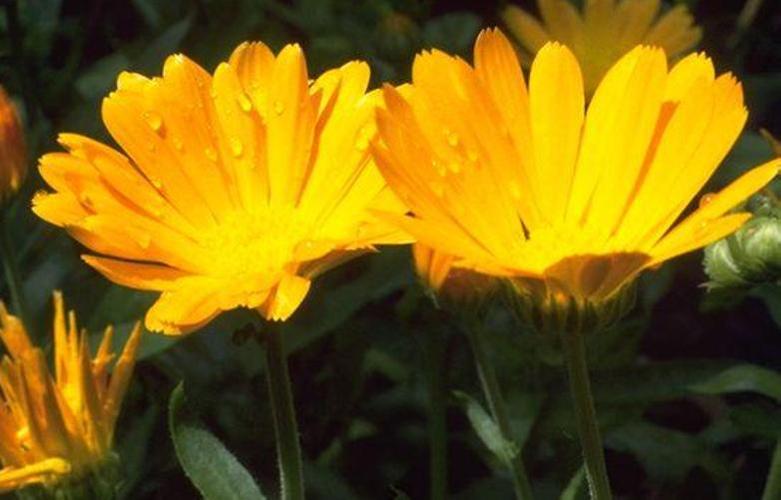
English Marigold (Calendula)
Calendula officinalis
The English Marigold (Calendula officinalis), widely known as the Pot Marigold, is a cheerful and incredibly versatile annual (or short-lived perennial in mild climates) belonging to the Asteraceae family. Native to southern Europe and the Mediterranean region, it has been a staple of traditional...
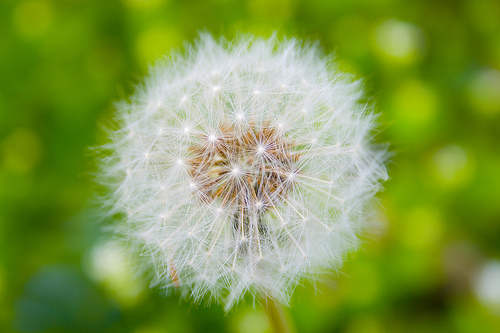
Dandelion
Taraxacum officinale
The common Dandelion, scientifically classified as Taraxacum officinale, is an incredibly resilient and highly nutritious herbaceous perennial belonging to the Asteraceae (sunflower) family. Native to the vast temperate regions of Europe and Asia, this ubiquitous species has naturalized on nearly...
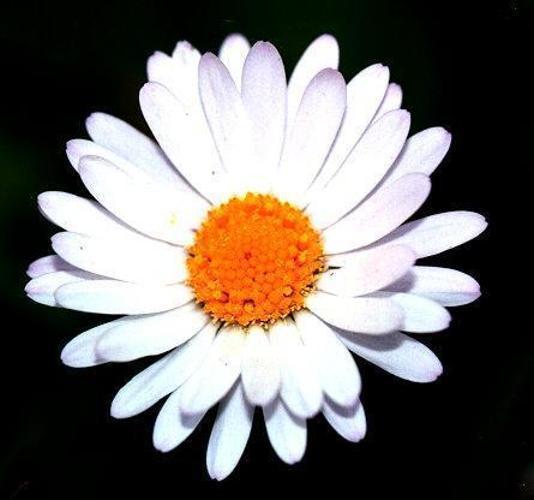
Oxeye Daisy
Leucanthemum vulgare
The Oxeye Daisy, botanically classified as Leucanthemum vulgare and historically celebrated as the Moon Daisy or Dog Daisy, is an exceptionally cheerful, rhizomatous herbaceous perennial belonging to the Asteraceae (daisy or composite) family. Native to the sweeping fields, dry pastures, and sunn...
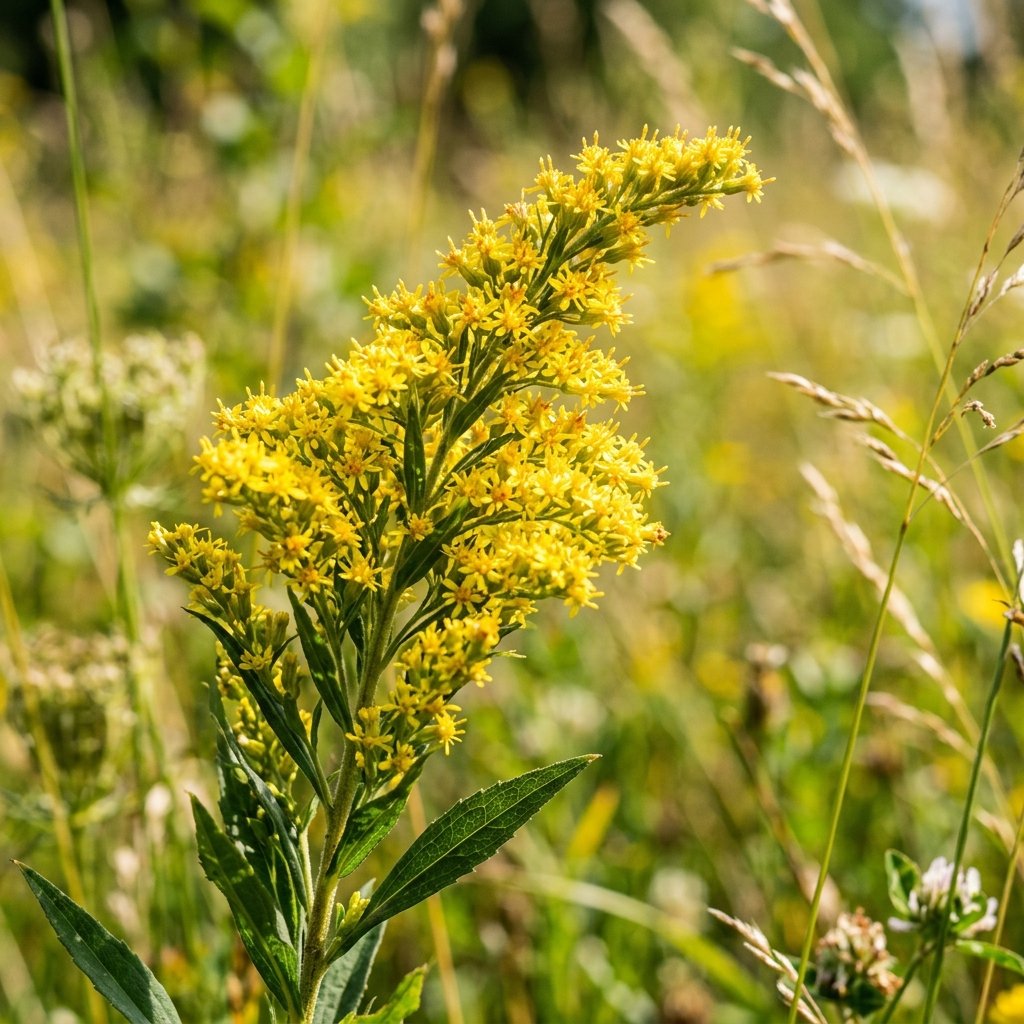
Goldenrod
Solidago canadensis
Goldenrod (*Solidago* spp.) is one of the most ecologically important and visually spectacular native wildflowers of North America, producing brilliant cascading plumes of tiny golden-yellow flowers from late summer through autumn. With over 100 species native to the Americas (most concentrated i...
Similar Characteristics
4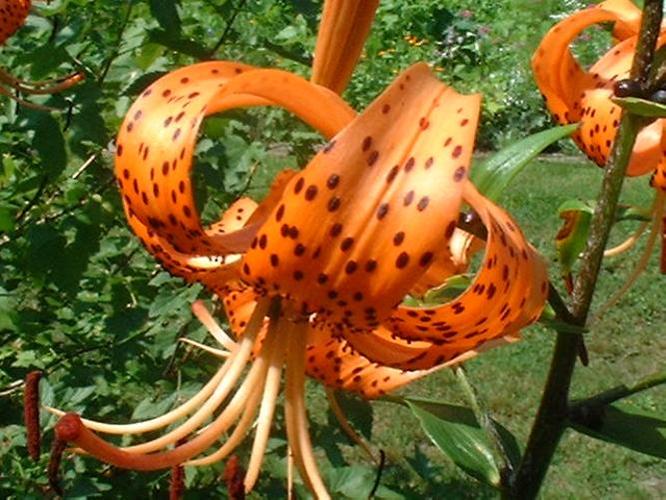
Tiger Lily
Lilium lancifolium
The Tiger Lily (Lilium lancifolium), a standout member of the Liliaceae family, is one of the most recognizable and striking lilies in the world. Native to the temperate regions of Eastern Asia, including China, Japan, and Korea, this herbaceous perennial has captivated gardeners for centuries wi...
Oxeye Daisy
Leucanthemum vulgare
The Oxeye Daisy, botanically classified as Leucanthemum vulgare and historically celebrated as the Moon Daisy or Dog Daisy, is an exceptionally cheerful, rhizomatous herbaceous perennial belonging to the Asteraceae (daisy or composite) family. Native to the sweeping fields, dry pastures, and sunn...
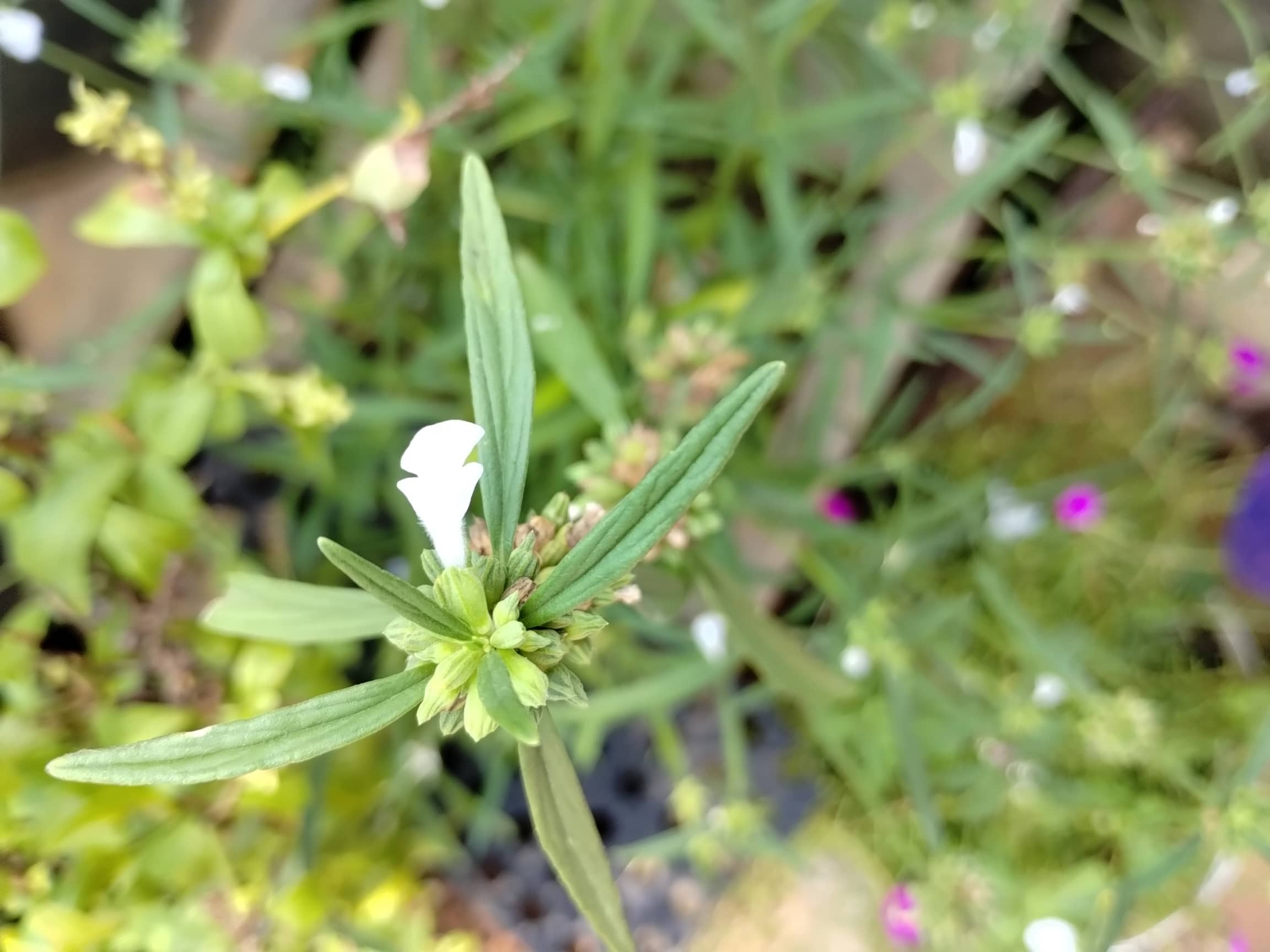
Leucas Aspera
Leucas aspera
Leucas Aspera, botanically classified as Leucas aspera and celebrated in Tamil heritage as Thumbai or in Sanskrit as Dronapushpi, is an exceptionally valuable, resilient, and highly aromatic annual or short-lived perennial herb. Belonging to the family Lamiaceae (the mint family, tribe Leucadeae)...
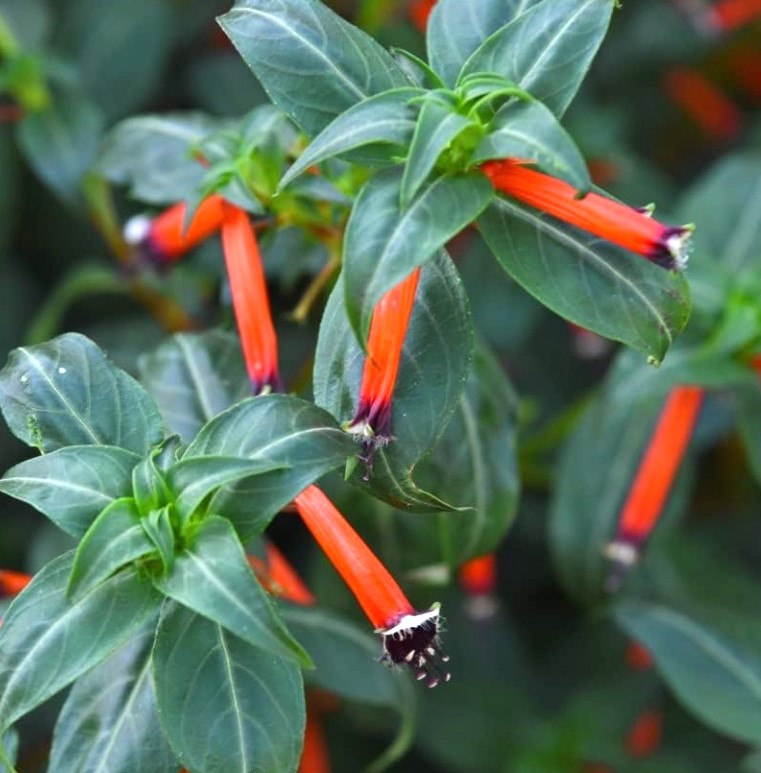
Cuphea Cigar
Cuphea ignea
The Cigar Flower, botanically known as Cuphea ignea and often referred to as the Firecracker Plant or Mexican Cigar Plant, is a charming, continuous-blooming tender evergreen subshrub belonging to the Lythraceae family. Native to the warm, rocky, sun-drenched hillsides and open valleys of Mexico...