
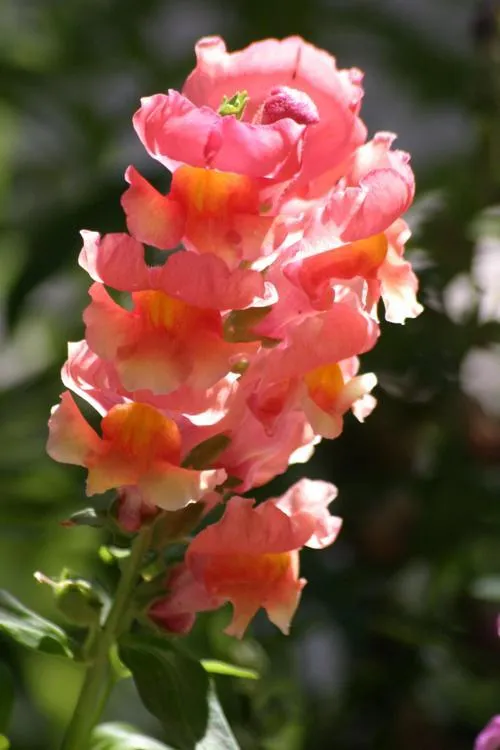
Antirrhinum
Antirrhinum
How to Identify Antirrhinum
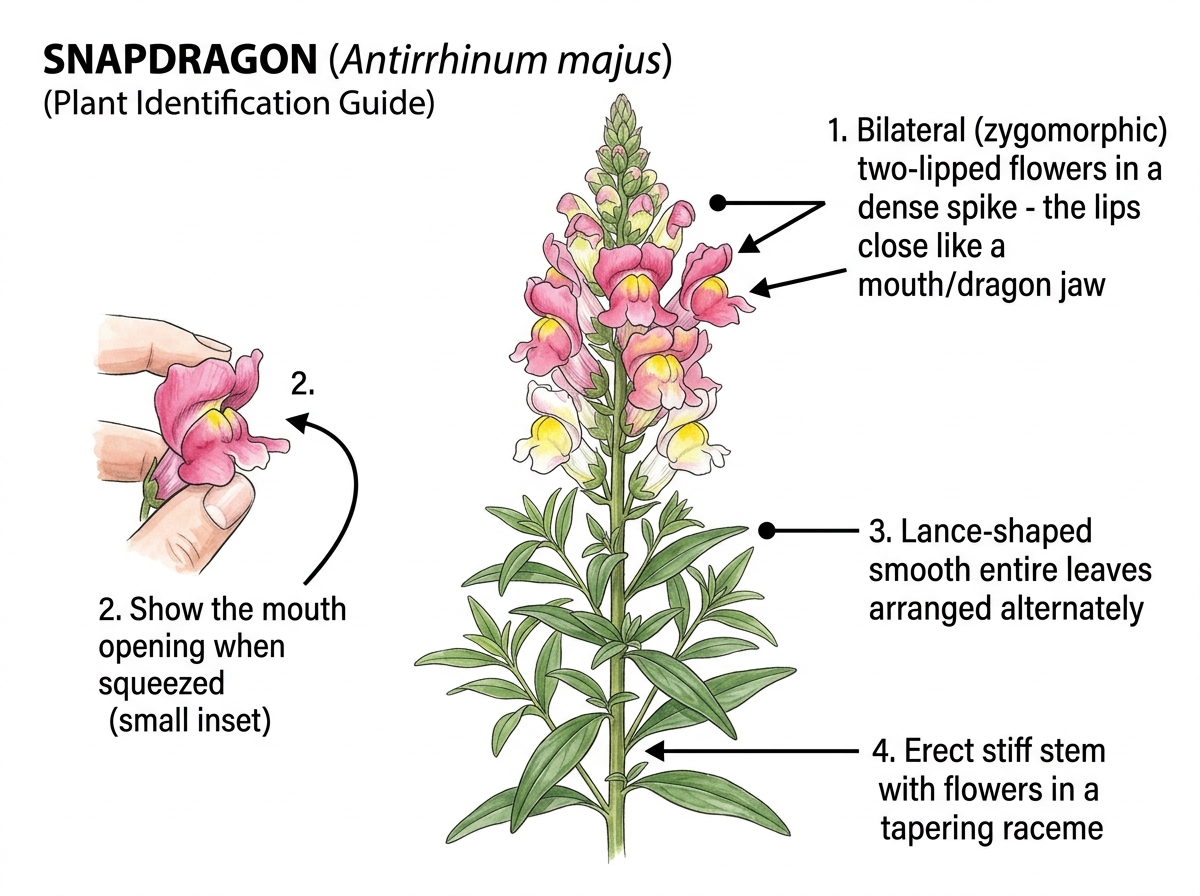
A detailed guide to identifying Snapdragon (Antirrhinum majus) by its key botanical features:
- Bilabiate (Two-Lipped) Masked Corolla: Zygomorphic tubular flowers featuring an arched 2-lobed upper lip and a swollen 3-lobed lower palate that tightly seals the floral tube. When the sides of the flower are gently pinched, the mouth snaps open and shut like a dragon's jaw.
- Towering Terminal Racemes: Dense, unbranched vertical flower spikes bearing dozens of florets that open progressively from the base upward over several weeks.
- Smooth Lanceolate Foliage: Slender, dark green, lance-shaped leaves with entire (smooth) margins arranged alternately along erect stems.
- Didynamous Stamens: Four stamens tucked neatly against the upper petal tube (arranged in two pairs: two long and two short), accompanied by a single slender style.
- Poricidal "Skull" Capsules: Papery, ovoid seed capsules that dehisce through three apical pores, famously creating the appearance of miniature human skulls when dried.
Horticultural Groups & Types of Snapdragons
- By Plant Height & Stalk Structure:
- Tall / Rocket Snapdragons (2.5 to 4 feet): Majestic upright spires cultivated extensively for floristry cut-flower production (e.g., 'Rocket' and 'Madame Butterfly' series).
- Intermediate Bedding Varieties (1.5 to 2.5 feet): Bushy, multi-branched landscape staples that do not require staking (e.g., 'Liberty' series).
- Dwarf / Miniature Cultivars (6 to 12 inches): Compact mounding annuals ideal for window boxes and border edges (e.g., 'Floral Showers').
- By Flower Form:
- Standard Masked Form: The classic snapdragon with closed dragon-jaw lips requiring strong bumblebee pollinators.
- Open-Faced / Bell-Flowered Snapdragons: Flared open trumpet-like blossoms without the closed hinge (e.g., 'Chantilly' series).
- Double Azalea-Flowered Snapdragons: Multi-petaled, ruffled blooms with extra corolla segments filling the throat.
Care & Growing Guide
Snapdragon (Antirrhinum majus) Care & Growing Guide:
- Light: Full direct sun (at least 6 hours daily). Tolerates light partial shade in warm southern climates during peak afternoon heat.
- Soil: Rich, organically fertile, moist, and exceptionally well-drained loamy soil with a neutral pH (6.2 to 7.0).
- Watering: Provide about 1 inch of water weekly, watering at the base to keep foliage dry and prevent fungal rust and powdery mildew.
- Deadheading & Pinching: Pinch young seedling tips when 3-4 inches tall to encourage bushy branched growth. Regularly deadhead spent flower spikes to stimulate continuous secondary flushes.
Seasonal Blooming & Hardiness
Seasonal Blooming Calendar (Cool-Season Annual in Warm Climates; Summer Annual in Cold Climates):
- Peak Bloom: Cool spring through early summer (typically April through June); flowers again in autumn in mild-winter climates.
- Planting Time: Sow seeds indoors 8 to 10 weeks before the last spring frost, or transplant hardened seedlings outdoors in early spring. In mild-winter zones (Zones 8-10), plant in autumn for winter-to-spring blooms.
- Cold Hardiness: Remarkable cold and frost tolerance (survives dips down to 25°F / -4°C), making it one of the earliest spring flowers to bloom in temperate gardens.
Bloom Timeline
About Antirrhinum
The Snapdragon, botanically designated as Antirrhinum majus and belonging to the family Plantaginaceae (the plantain family, formerly grouped under Scrophulariaceae), is an exceptionally charming and iconic herbaceous perennial. Native to the rocky screes, ancient ruins, and coastal cliffs of the Mediterranean region—with high concentration across Spain, Italy, and North Africa—this beautiful plant has been cultivated in gardens since ancient Roman times. It is celebrated worldwide for its towering flower spikes and its highly unique, touch-sensitive blossoms.
Cultivated primarily as a cool-season annual, the Snapdragon grows in dense, upright spikes that range in height from 6-inch compact dwarfs (ideal for bedding and pots) to 4-foot towering giants (highly prized as florist cut flowers). It features smooth, lance-shaped, deep green leaves arranged spirally along sturdy stems. From early spring through autumn, the stem tips erupt in magnificent, dense spikes of tubular, two-lipped flowers. When the sides of an individual blossom are gently squeezed, the lips snap open and shut like a miniature dragon's jaw, revealing a colorful throat.
The reproductive morphology of Antirrhinum majus is defined by the zygomorphic botanical floral formula % ⚥ K(5) [C(5) A4] G(2). This formula reveals that the flowers are bilaterally symmetrical (zygomorphic) and bisexual. The calyx is composed of 5 fused, protective sepals, and the corolla features 5 fused petals that form a two-lipped, closed tube (personate corolla). The androecium consists of exactly 4 stamens in two pairs of unequal length (didynamous) fused to the corolla tube, while the gynoecium contains 2 fused carpels with a superior ovary.
Horticulturally, Snapdragons are exceptionally hardy and straightforward to grow, thriving in cool climates where other annuals struggle. They perform best in full sun to partial shade, requiring at least 6 hours of direct daily sunlight to prevent the flower spikes from leaning. They prefer rich, organic, moist, and well-draining soils; waterlogged conditions will rapidly cause root rot. They are highly frost-tolerant and bloom beautifully in spring and autumn when temperatures are between 50°F and 70°F, while their blooming will go dormant under high summer heat.
The genus name Antirrhinum comes from the ancient Greek words 'anti', meaning 'like' or 'as,' and 'rhis', meaning 'nose' or 'snout,' directly referencing the snout-like shape of the individual blossoms. Known in Sanskrit as Simhamukha (सिंहमुखः, meaning 'lion's face') and in Hindi as Nakshe phool (नक्शा फूल) or Dog Flower (डॉग फ्लावर), it holds high ornamental value in Asia. In Victorian flower language, snapdragons represented a complex mix of charming grace, inner strength, and playful presumption.
For pet owners and veterinarians, the Snapdragon represents an exceptionally safe, premium, and pet-friendly choice. Antirrhinum majus is classified as completely NON-TOXIC to cats, dogs, and horses by the ASPCA. If an active pet runs through, plays with, or nibbles on the colorful spikes, there is absolutely no danger of toxic chemical poisoning. For detailed instructions on selecting safe garden bedding plants and pet-friendly landscaping, visit our specific Pet Guard registry page. (Note: Dried seed pods resemble tiny human skulls, adding dry floral interest.)
Snapdragon is occasionally confused with Toadflax (Linaria). It is easily distinguished because snapdragons possess much larger, fleshy, closed blossoms that require heavy pollinators like bumblebees to push open, whereas Linaria has much smaller, spurred flowers. It is an outstanding choice for vertical accents in borders, beds, and window boxes; we recommend pairing it beside other non-toxic classics like the golden Marigold or colorful Phlox. To discover more cool-season annual combinations and planting guides, browse our Flower Identifier.
Floral Formula & Features
Bilaterally symmetrical, bisexual, 5 fused sepals, 5 fused petals forming two-lipped corolla, 4 stamens (didynamous - 2 long, 2 short) fused to corolla tube, 2 fused carpels with superior ovary
- Scientific Name & Classification: Antirrhinum majus (Plantaginaceae). Commonly known as Snapdragon, Dragon's Mouth, and Lion's Mouth.
- Identification Markers: Upright flowering spikes, smooth lance-shaped leaves, and two-lipped tubular flowers that snap open and shut when squeezed.
- Floral Formula (% ⚥ K(5) [C(5) A4] G(2)): Bilaterally symmetrical, bisexual flowers with 5 fused sepals, 5 fused petals, 4 didynamous stamens, and superior ovary.
- Growing Requirements: Full sun to partial shade; prefers rich, moist, exceptionally well-drained soil. Extremely frost-tolerant, thriving in cool spring and fall (Zones 7-10).
- Cultural Significance: Sanskrit 'Simhamukha' means lion's face. In Victorian language, it symbolized charming grace. Dried seed pods resemble miniature skulls.
- Safety & Toxicity: NON-TOXIC & PET-SAFE. 100% safe for cats, dogs, and horses. Listed as a premier ASPCA-safe bedding annual for residential spaces.
- Common Look-alikes: Confused with Linaria (Toadflax), but distinguished by its much larger, fleshy, closed flowers that snap shut when released.
- Internal Links: Adds stunning height to cottage borders when planted alongside other pet-safe annuals like Marigold or Phlox; check our Flower Identifier.
- Internal Links: Compare key differences in our Snapdragon vs Foxglove comparison, or try our instant Flower Identifier.
Names in Different Languages
Botanical Classification: Antirrhinum belongs to the Plantaginaceae family. Learn how to identify its floral symmetry, stamen arrangement, and structural formulas in our Botanical Family Classification Guide.
Toxicity & Safety
Pet Safety Guide: For detailed toxicity symptoms, first-aid measures, and safe garden alternatives, see our full Pet Guard Profile for Antirrhinum.
Frequently Asked Questions
What is Floral Formula?
A floral formula is a symbolic representation of a flower's structure using letters, numbers, and special symbols. It provides a concise way to describe the arrangement and number of floral parts.
This formula describes the flower's symmetry, sepals, petals, stamens, and carpels in a standardized format.
Formula Sequence
- Bract: Br or Ebr
- Bracteole: Brl or Ebrl
- Symmetry: % (Radial) or ⊕ (Bilateral)
- Sex: ♀ (Female), ♂ (Male), or ⚥ (Bisexual)
- Calyx/Sepal: K<number> (Free or Fused)
- Corolla/Petal: C<number> (Free or Fused)
- Androecium: A<number> (Free or Fused)
- Gynaecium: G<number> (Superior or Inferior Ovary)
Symbol Meanings
- Numbers: Indicate quantity of parts
- Parentheses (): Parts are fused together
- Plus (+): Parts in different whorls
- Underline: Superior ovary position
- Overline: Inferior ovary position
- ∞: Numerous parts (too many to count)
Understanding floral formulas helps botanists quickly identify and classify flowers based on their structural characteristics.
Similar Flowers
Discover flowers that share botanical characteristics
Same Family
3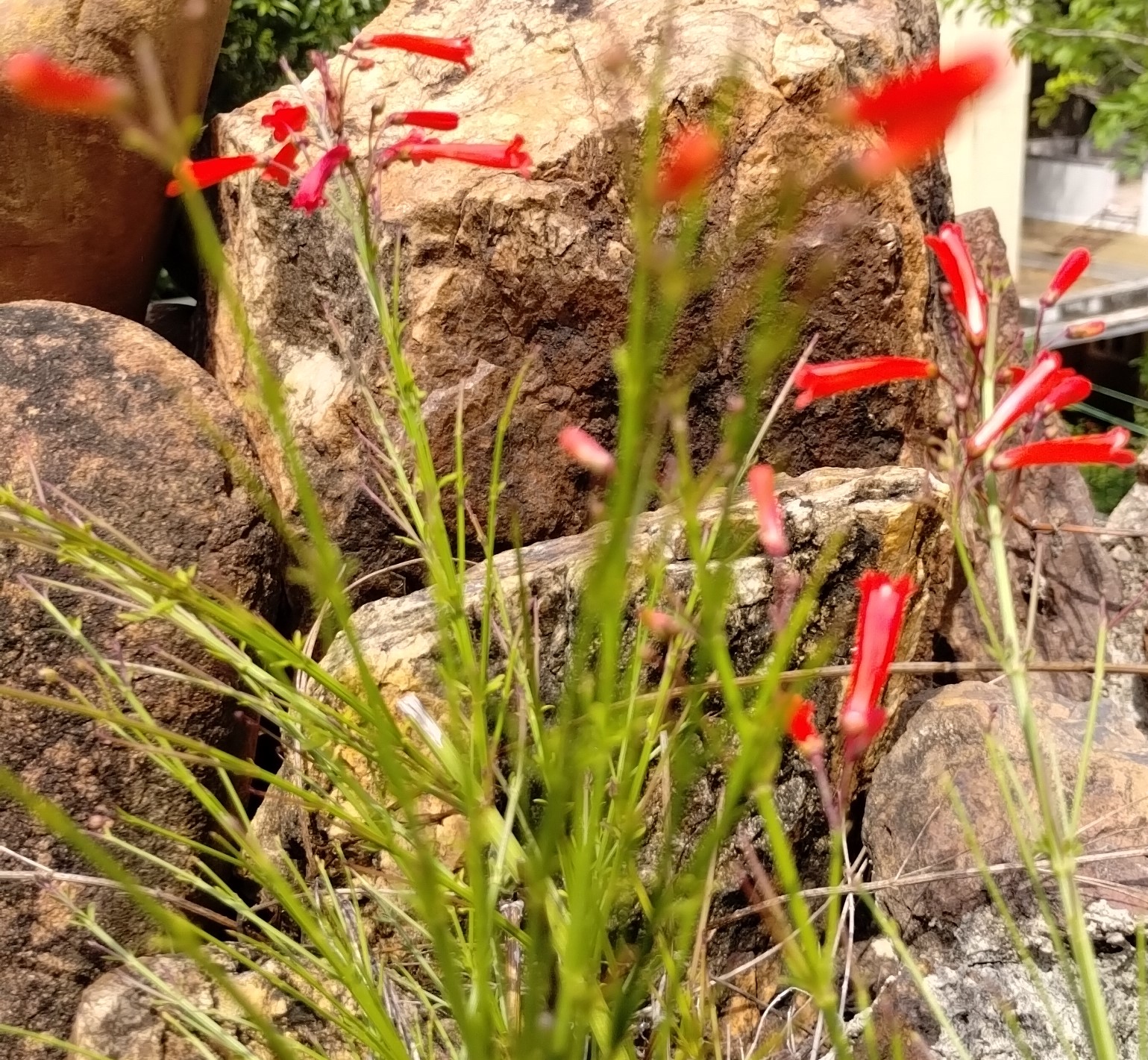
Russelia (Coral Fountain)
Russelia equisetiformis
Russelia, botanically designated as Russelia equisetiformis and popularly celebrated as the Coral Fountain or Firecracker Plant, is a spectacular, weeping tropical subshrub belonging to the Plantaginaceae (plantain) family. Native to the warm, sun-drenched woodlands and dry limestone rocky cliffs...
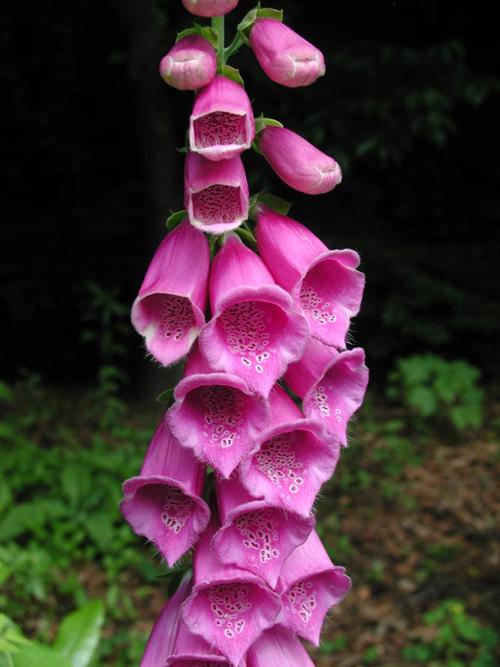
Foxglove
Digitalis purpurea
Digitalis purpurea, commonly known as Foxglove, is a majestic and iconic biennial plant belonging to the Plantaginaceae family. Native to the cool, temperate woodlands, hedgerows, and mountainous clearings of western and southwestern Europe, this striking species has naturalized throughout North...
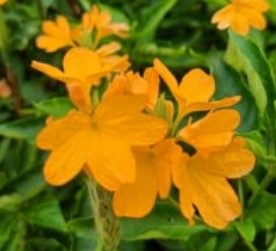
Crossandra Firecracker
Crossandra infundibuliformis
The Firecracker Flower, scientifically known as Crossandra infundibuliformis and popularly called Aboli or Kanakambaram in India, is a beautiful tropical evergreen shrub belonging to the Acanthaceae family. Native to the shady forest understories of southern India and Sri Lanka, particularly the...
Similar Characteristics
4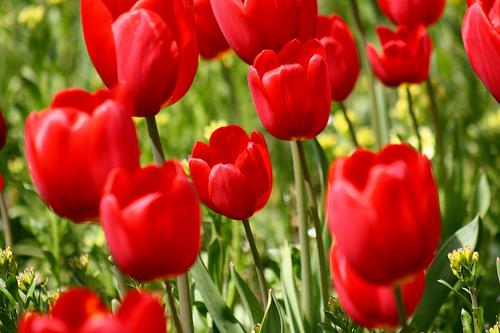
Tulip
Tulipa
The Tulip, botanically designated under the genus Tulipa and belonging to the family Liliaceae (the lily family, tribe Lilieae), is an exceptionally iconic, globally celebrated spring-blooming bulbous herbaceous perennial. Native to the dry, mountainous heights, rocky slopes, and sweeping grassla...
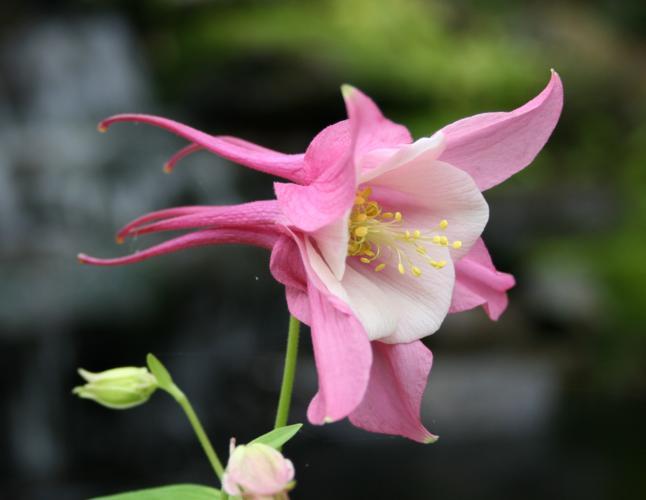
Columbine
Aquilegia
Columbine (Aquilegia), a member of the Ranunculaceae (Buttercup) family, is a gracefully elegant perennial known for its multi-colored, spurred blossoms and delicate, fern-like foliage. Native to the woodlands, meadows, and high-altitude slopes of the Northern Hemisphere—spanning across North Ame...
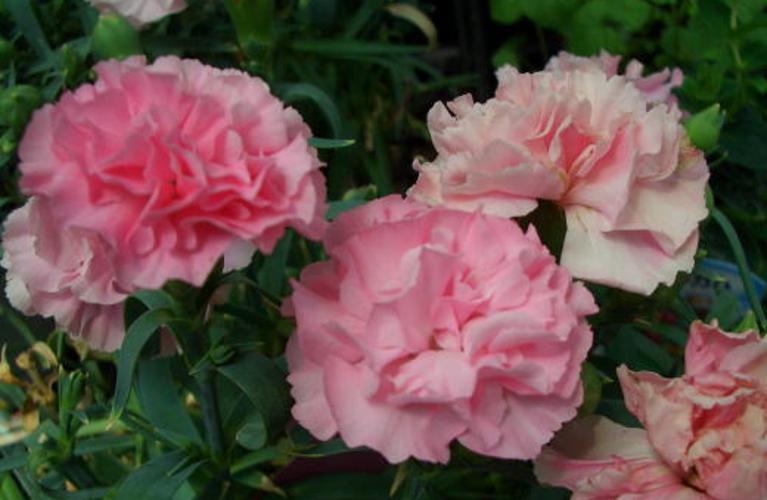
Carnation flower
Dianthus caryophyllus
The Carnation, botanically known as Dianthus caryophyllus and classically called the Clove Pink or Gillyflower, is an extraordinarily famous herbaceous perennial belonging to the Caryophyllaceae (pink or carnation) family. Native to the rocky slopes and coastal scrub of the Mediterranean region—p...
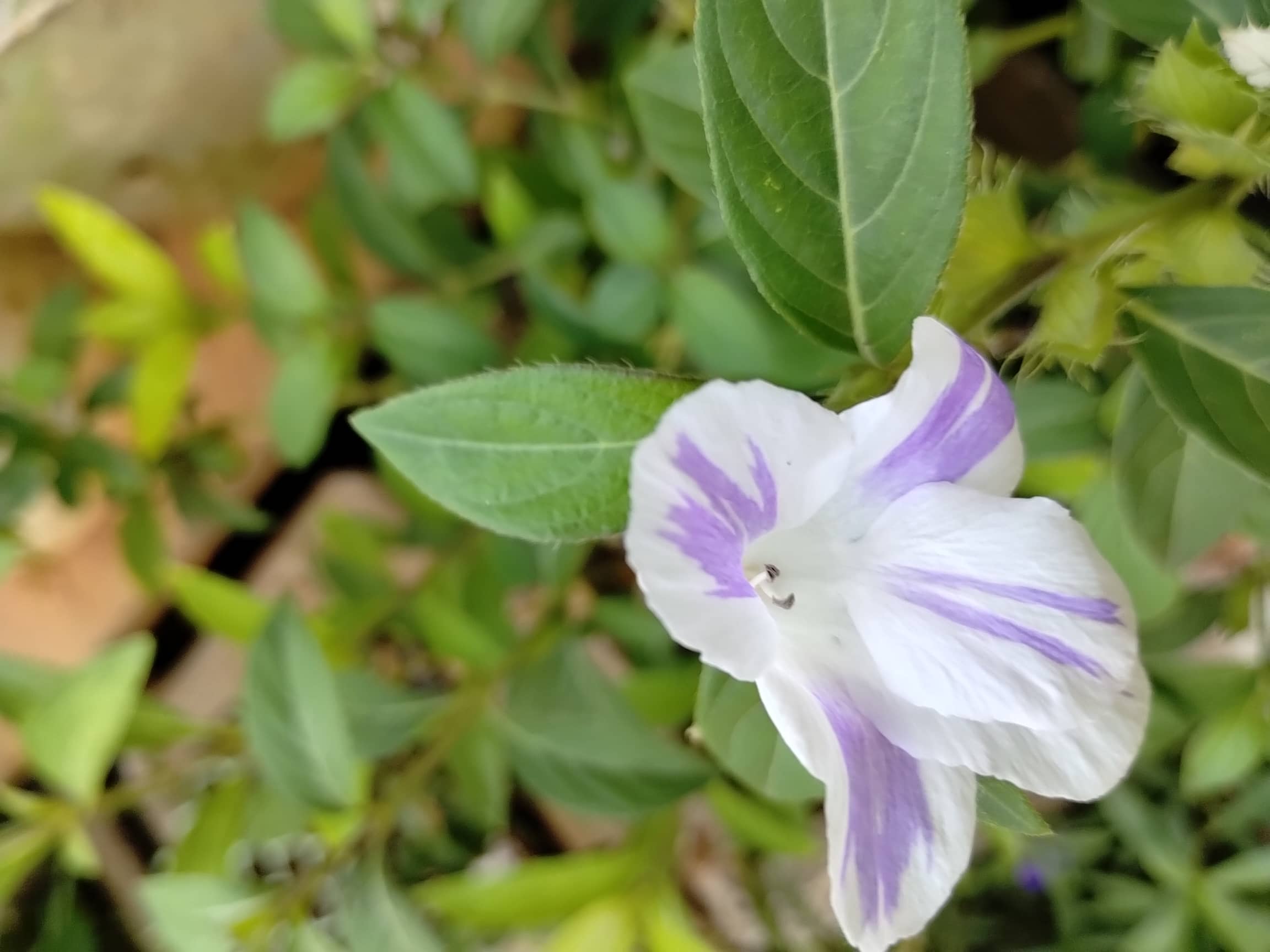
December
Barleria Cristata, Barleria prionitis
The December Flower, botanically classified under the genus Barleria within the family Acanthaceae (the acanthus family), is a highly attractive, fast-growing evergreen tropical shrub. Native to the sunny forest edges, dry riverbanks, and open scrublands of tropical Asia—spanning India, Myanmar,...