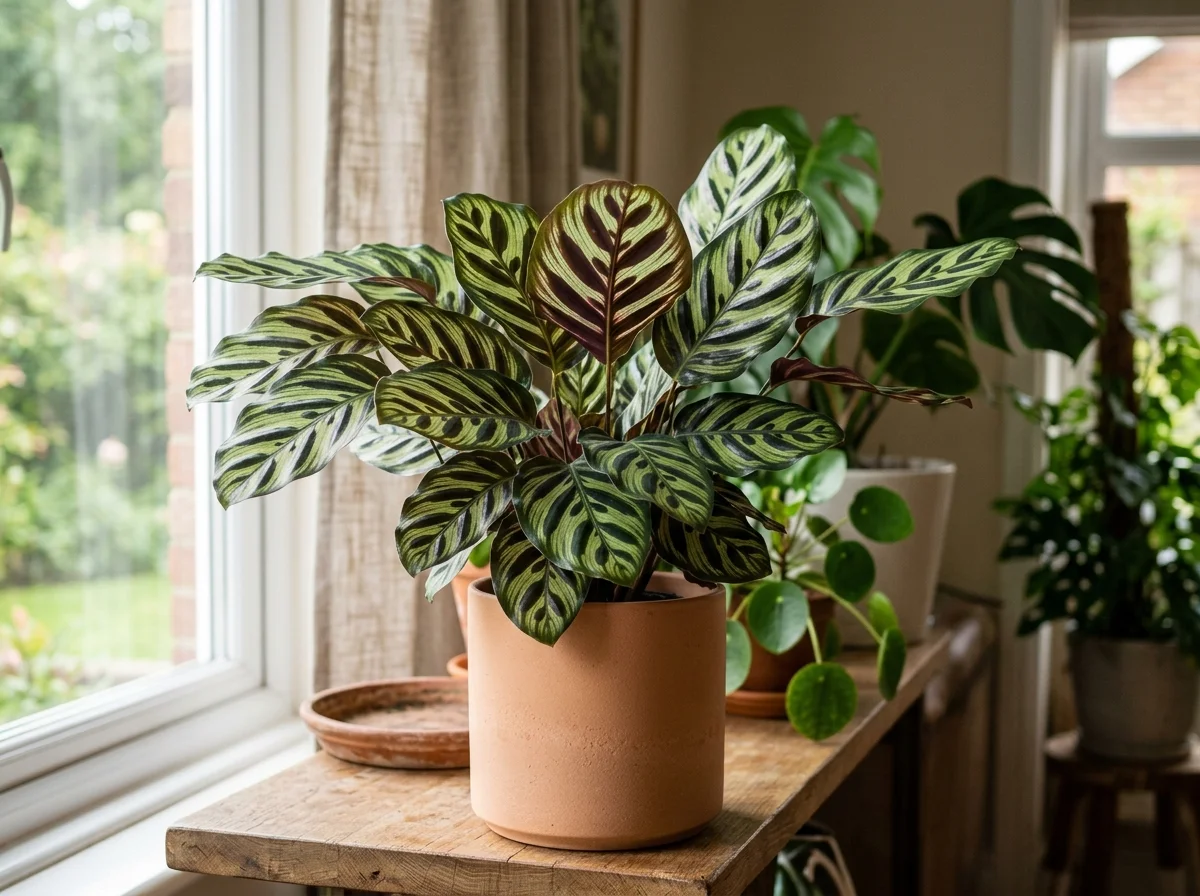
 Actual Plant Specimen
Is Peperomia Safe for Cats & Dogs? Baby Rubber Plant (Safe) vs. Toxic Rubber Tree & Jade Guide
Peperomia spp. • Also called: Radiator Plant, Baby Rubber Plant
All botanical parts of Peperomia (Peperomia spp.) are verified non-toxic and safe around both cats and dogs.
- Compact, low-growing herbaceous perennial (6–12 inches tall) with fleshy, semi-succulent round, heart-shaped, or rippled leaves
- Distinctive upright, slender, green-to-cream 'rat-tail' flower spikes (spadices) coated in tiny unscented florets
- Broken stems exude clear watery moisture — NEVER sticky white milky latex sap like toxic Rubber Tree (Ficus elastica)
- Includes Watermelon Peperomia (silver-striped peltate leaves), Emerald Ripple Peperomia (deeply corrugated leaves), and Baby Rubber Plant (glossy spoon-shaped leaves)
Peperomia Plant-Part Identification & Toxicity Map
Every part of Peperomia (Peperomia spp.) marked out as Toxic, Mild Irritant, or Non-Toxic for cats and dogs.
Fleshy Semi-Succulent Leaves (Smooth, Rippled, or Striped)
100% non-toxic to cats and dogs across all Peperomia varieties; chewing a thick leaf causes at most minor transient drooling or a single vomit from plant bulk.
Upright 'Rat-Tail' Flower Spikes
Completely non-toxic and free of irritating pollen or toxic seeds.
Succulent Stems & Clear Watery Sap
Non-toxic; contains clear watery sap rather than the blistering white ficin latex of Ficus elastica.
Shallow Fibrous Roots & Potting Soil
Roots are safe; ensure potting mix is free of systemic insecticide granules.
Which Peperomia Species Do You Have? (Separate Visual Guide)
Different plants called or confused with Peperomia have vastly different toxicity levels. Compare the separate species images and anatomical markers below:
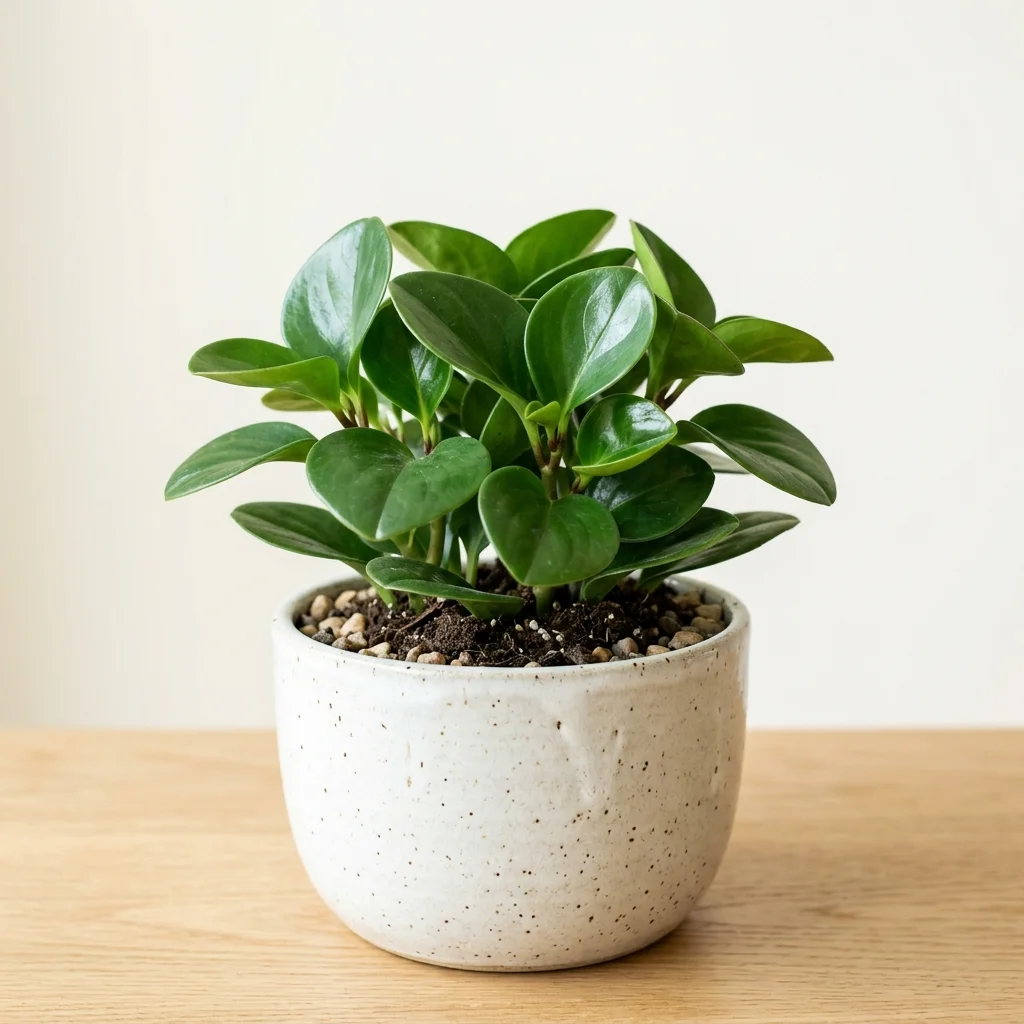
EnlargeBaby Rubber Plant / Watermelon & Ripple Peperomia
Peperomia obtusifolia / P. argyreia / P. caperata
- Compact 6–12 inch plant with fleshy spoon-shaped, rippled, or watermelon-striped leaves and slender 'rat-tail' flower spikes.
- Botanical Classification: Peperomia obtusifolia / P. argyreia / P. caperata
 Enlarge
True Rubber Tree / Rubber Fig (Toxic Look-Alike)
Ficus elastica
- Woody indoor tree (2–10 ft) with large 6–12 inch leathery leaves, a red pointed growth sheath, and thick white milky latex sap.
- Botanical Classification: Ficus elastica
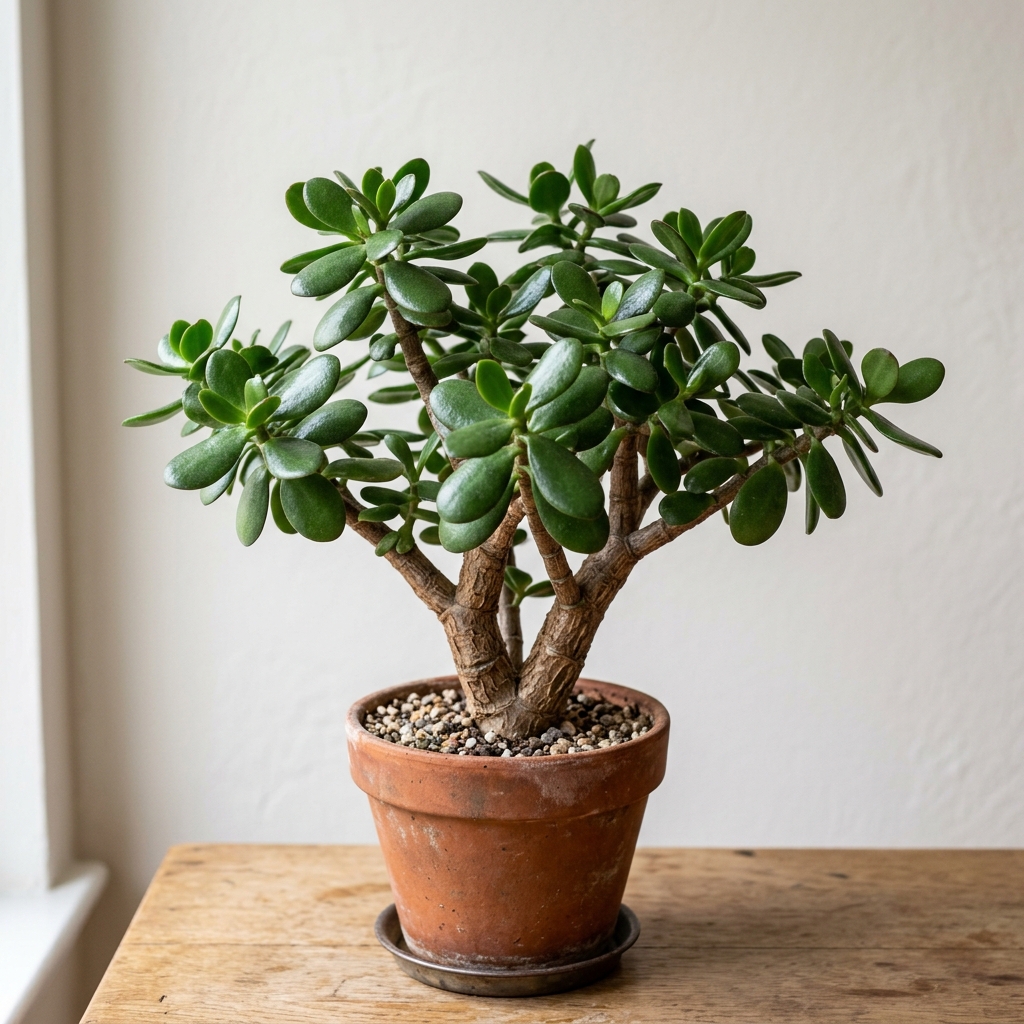
EnlargeJade Plant (Toxic Succulent Look-Alike)
Crassula ovata
- Thick woody branching stems with opposite pairs of plump, rubbery oval jade-green leaves.
- Botanical Classification: Crassula ovata
Non-Toxic Plant Owner’s Practical Guide (Peperomia)
Why Did My Cat Still Vomit After Eating Peperomia?
Even though Peperomia contains zero chemical toxins, cats and dogs lack the cellulase enzyme needed to digest raw plant fibers. Swallowing whole leaves or fibrous stems often triggers a harmless, one-time mechanical regurgitation (just like eating lawn grass).
Hidden Nursery Hazards: Pesticides, Fertilizers & Potting Soil
Newly purchased store pots often contain slow-release fertilizer beads (Osmocote), perlite, or systemic neonicotinoid insecticides. Never let pets chew potting soil or drink water from drainage saucers.
Post-Ingestion Timeline
Veterinary Contraindication Warning — What NOT To Do
🚫 NEVER give hydrogen peroxide, salt, or home emetics to induce vomiting in a cat—3% hydrogen peroxide causes severe, potentially fatal stomach and esophageal ulceration in felines. Only a veterinarian can safely administer feline emetics.
Home Care & First Aid Protocol
Non-toxic to cats.
When to still call a vet: If your pet swallowed a large woody stem/root ball (choking or foreign body risk), ingested potting soil fertilizer, or if you suspect the plant matches one of the toxic look-alike species shown above.
In-Depth Botanical & Veterinary Safety Analysis
Scientific evaluation and toxicological breakdown of Peperomia (Peperomia spp.)
Global Names & Multilingual Search
Specific Pet Safety FAQs for Peperomia
Is Peperomia toxic to cats?
No, all species in the Peperomia genus (including the popular Baby Rubber Plant and Watermelon Peperomia) are completely non-toxic and safe for cats.
Is Peperomia toxic to dogs?
No, Peperomia plants are 100% non-toxic and safe for dogs, making them an excellent choice for pet-accessible rooms.
What are the common names of Peperomia?
Commonly known as the Baby Rubber Plant or Radiator Plant, Peperomia features highly attractive, thick, succulent-like leaves.
Why is Peperomia highly recommended for pet owners?
Because it is completely non-toxic and mimics the gorgeous waxy look of the highly toxic Rubber Plant (Ficus elastica) while remaining completely safe for curious chewers.
20 Dangerous Garden Plants: Cat Toxicity & Safety Guide
Felines are highly sensitive to houseplants and flowers. Learn which 20 common species cause severe or fatal reactions in cats, including lilies, and discover safe, cat-friendly garden alternatives.
🛡️ Discover Related Plant Safety Guides
Explore visually similar or related plants and their pet safety profiles: