
Wisteria
Wisteria spp.
Wisteria (Wisteria spp.) is a genus of vigorous, woody climbing vines in the pea family, Fabaceae, celebrated for their cascading clusters of fragrant...
Scan & Verify This Plant Specimen
Snap or upload a photo to verify botanical authenticity and test toxicity for cats, dogs, and birds.
Drop Wisteria photo here to verify
or click to browse • Supports JPG, PNG, WEBP • Paste with Ctrl+V
Symptoms to Watch For
Current risk level for cats based on ingestion severity.
Information provided by BioLens Veterinary Database. In case of emergency, always consult a professional.
If your pet ate this plant:
Professional First Aid Summary:
Immediate risk. Ingestion of seeds or pods can cause severe gastroenteritis and dehydration. Rinse the mouth gently with cool water, prevent further access to the plant, and contact a veterinarian immediately for professional decontamination and supportive care.
In-Depth Botanical Safety Analysis
Scientific evaluation and toxicological breakdown of Wisteria
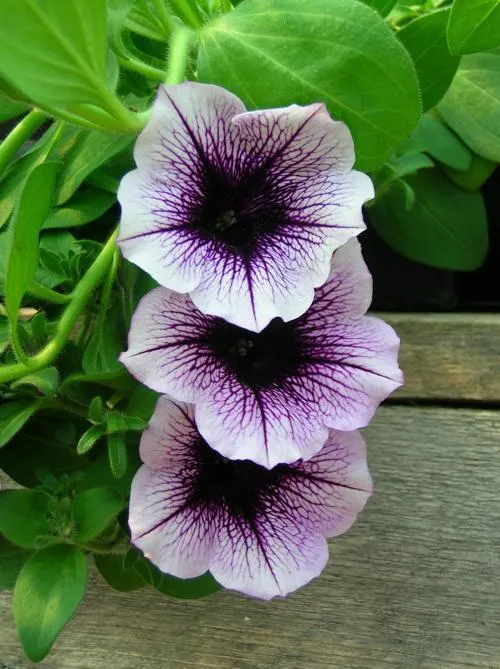
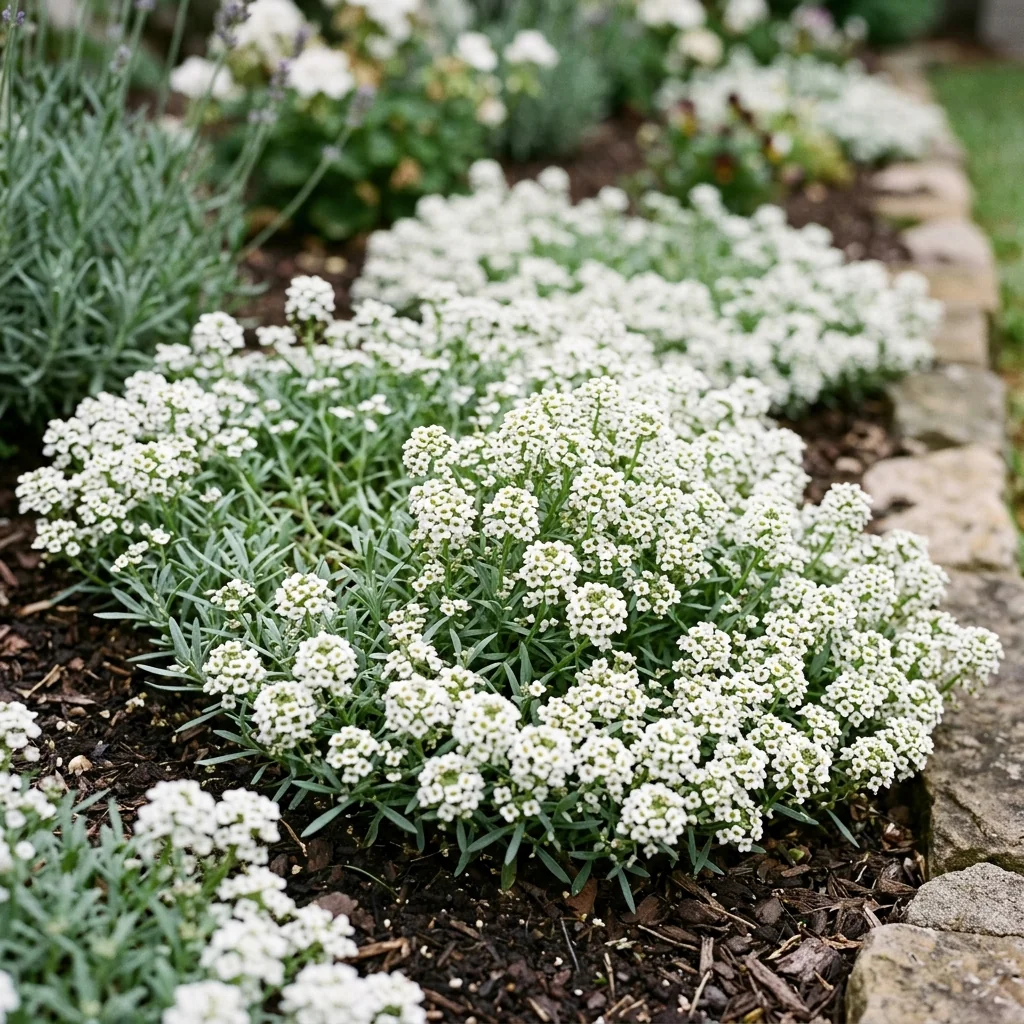
Wisteria (Wisteria spp.) is a genus of vigorous, woody climbing vines in the pea family, Fabaceae, celebrated for their cascading clusters of fragrant purple, pink, or white flowers. While spectacularly ornamental on pergolas and walls, Wisteria is highly toxic to both dogs and cats. The entire plant is hazardous, but the seeds and seed pods contain the highest, most concentrated levels of the toxic saponin glycoside wisterin and a toxic lectin compound. Ingestion of even a few seeds can cause severe gastroenteritis, accompanied by persistent vomiting (often bloody), profuse diarrhea, severe abdominal pain, and dehydration. In severe cases, it can lead to central nervous system depression, weakness, and collapse. Immediate veterinary intervention, including fluid therapy and supportive care, is crucial if any part of the vine is consumed. For safety, replace Wisteria with beautiful, non-toxic climbers like the Petunia or Sweet Alyssum. For full botanical identification details, view our Botanical Profile for Wisteria.
To explore more information on pet safety and garden safety, browse our profiles on Caladium, Juniper, and Field Bindweed.
Toxic Parts
Recommended Pet-Safe Alternatives
Global Names & Multilingual Search
Specific Safety FAQs for Wisteria
Is Wisteria toxic to cats?
Yes, Wisteria is highly toxic to cats. Ingestion of any part, especially the seeds or pods, causes severe vomiting, diarrhea, abdominal pain, and depression due to the toxins wisterin and lectin.
Is Wisteria toxic to dogs?
Yes, Wisteria is highly toxic to dogs. Chewing on or swallowing the seeds and seed pods can lead to severe gastroenteritis, bloody diarrhea, extreme dehydration, and central nervous system depression.
What parts of the Wisteria plant are dangerous to pets?
While all parts of Wisteria contain the toxic glycoside wisterin and lectins, the seeds and seed pods contain the highest and most lethal concentration of these toxins.
What is the emergency first aid for Wisteria poisoning in pets?
If you suspect your pet has eaten Wisteria seeds or pods, contact an emergency veterinarian immediately. Keep the pet hydrated, do not induce vomiting unless specifically directed by a professional, and transport them to a clinic for IV fluids and supportive treatment.
20 Dangerous Garden Plants: Cat Toxicity & Safety Guide
Felines are highly sensitive to houseplants and flowers. Learn which 20 common species cause severe or fatal reactions in cats, including lilies, and discover safe, cat-friendly garden alternatives.