 Actual Plant Specimen
Are Hens and Chicks Safe for Cats & Dogs? Sempervivum & Echeveria (Safe) vs. Toxic Succulents Guide
Sempervivum tectorum • Also called: Houseleek
All botanical parts of Hens and Chicks (Sempervivum tectorum) are verified non-toxic and safe around both cats and dogs.
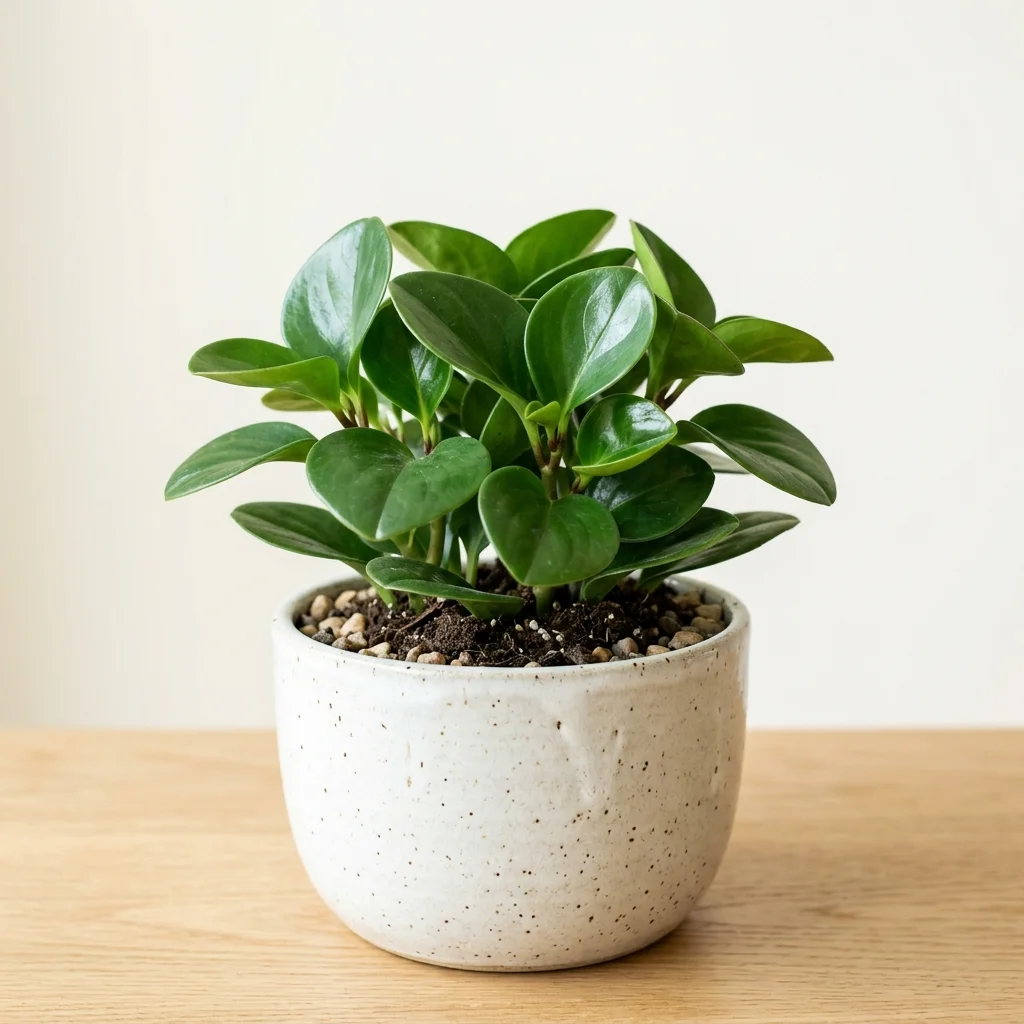
- Tight, symmetrical, geometric lotus-like rosette ('Hen') surrounded by miniature clonal offset rosettes ('Chicks') connected by short ground stolons
- Pointed, fleshy green, burgundy-tipped, or cobwebby (Sempervivum arachnoideum) leaves arranged in a dense low-growing mat
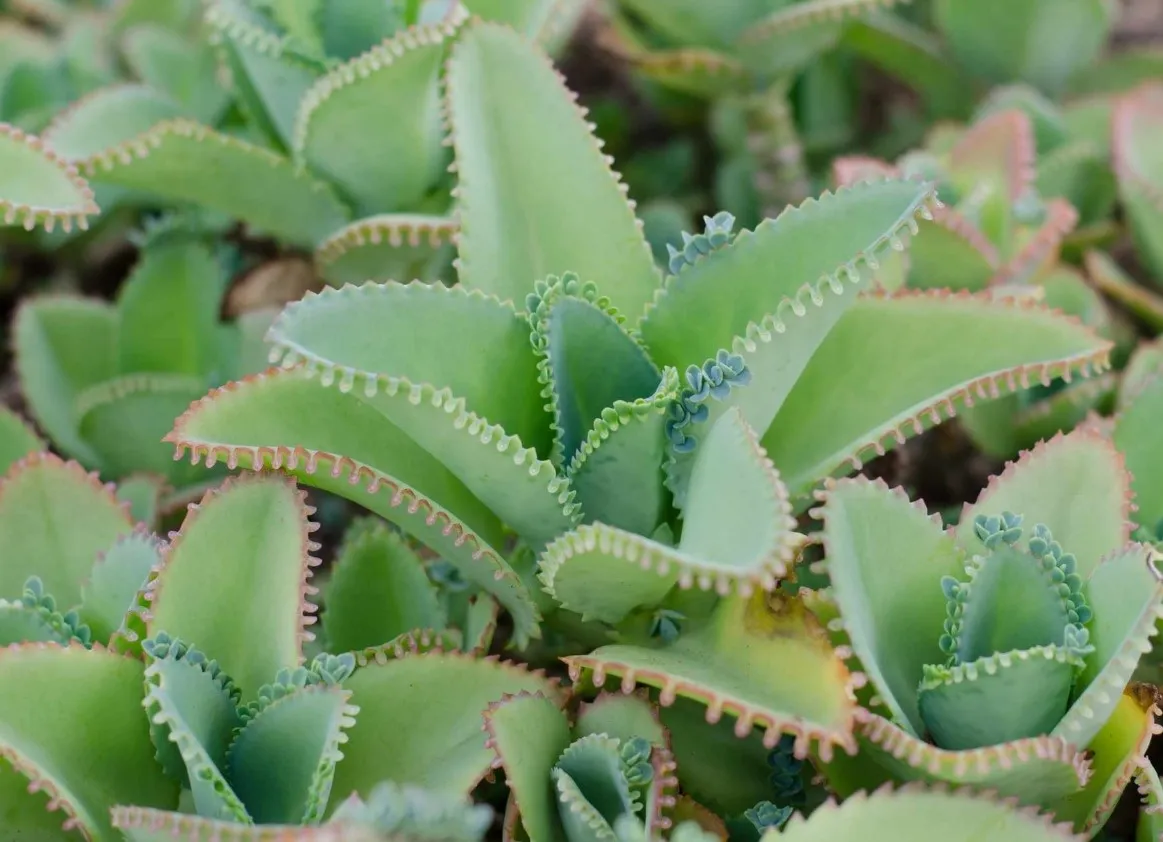
- Baby 'chicks' sprout from the BASE of the parent rosette on runners — NEVER in rows along the serrated top edges of the leaf blade like toxic Mother of Thousands (Kalanchoe)
- Star-shaped pink or reddish summer flower stalks with 10–16 narrow petals (unlike Kalanchoe's 4-petaled tubular flowers)
Hens and Chicks Plant-Part Identification & Toxicity Map
Every part of Hens and Chicks (Sempervivum tectorum) marked out as Toxic, Mild Irritant, or Non-Toxic for cats and dogs.
Fleshy Rosette Leaves ('Hens')
100% non-toxic to cats and dogs; contains soothing mucilaginous sap without any toxic aloin or cardiac glycosides.
Basal Offset Plantlets ('Chicks') & Runners
Completely non-toxic if pulled off and nibbled by curious kittens or puppies.
Starry Pink/Reddish Summer Flower Stalks
100% non-toxic to cats and dogs.
Shallow Fibrous Roots &Succulent Gritty Mix
Roots are safe, but prevent puppies from swallowing decorative top-dressing pebbles, pumice, or glued gravel.
Which Hens and Chicks Species Do You Have? (Separate Visual Guide)
Different plants called or confused with Hens and Chicks have vastly different toxicity levels. Compare the separate species images and anatomical markers below:
EnlargeHens and Chicks / Common Houseleek
Sempervivum tectorum / Sempervivum arachnoideum
- Tightly packed pointed succulent rosettes with burgundy tips and baby 'chick' rosettes sprouting on runners at the soil base.
- Botanical Classification: Sempervivum tectorum / Sempervivum arachnoideum
EnlargeEcheveria / Mexican Hens and Chicks (Safe Cousin)
Echeveria elegans / Echeveria imbricata
- Plump, powdery pastel blue-green, lilac, or pink spoon-shaped rosette leaves.
- Botanical Classification: Echeveria elegans / Echeveria imbricata
 Enlarge
Mother of Thousands / Kalanchoe & Jade Plant (Toxic Succulents)
Kalanchoe daigremontiana / Crassula ovata
- Upright succulent bearing tiny plantlets along the serrated leaf margins (Kalanchoe) or woody branching stems with oval pads (Jade).
- Botanical Classification: Kalanchoe daigremontiana / Crassula ovata
Non-Toxic Plant Owner’s Practical Guide (Hens and Chicks)
Why Did My Cat Still Vomit After Eating Hens and Chicks?
Even though Hens and Chicks contains zero chemical toxins, cats and dogs lack the cellulase enzyme needed to digest raw plant fibers. Swallowing whole leaves or fibrous stems often triggers a harmless, one-time mechanical regurgitation (just like eating lawn grass).
Hidden Nursery Hazards: Pesticides, Fertilizers & Potting Soil
Newly purchased store pots often contain slow-release fertilizer beads (Osmocote), perlite, or systemic neonicotinoid insecticides. Never let pets chew potting soil or drink water from drainage saucers.
Post-Ingestion Timeline
Veterinary Contraindication Warning — What NOT To Do
🚫 NEVER give hydrogen peroxide, salt, or home emetics to induce vomiting in a cat—3% hydrogen peroxide causes severe, potentially fatal stomach and esophageal ulceration in felines. Only a veterinarian can safely administer feline emetics.
Home Care & First Aid Protocol
Non-toxic to cats.
When to still call a vet: If your pet swallowed a large woody stem/root ball (choking or foreign body risk), ingested potting soil fertilizer, or if you suspect the plant matches one of the toxic look-alike species shown above.
In-Depth Botanical & Veterinary Safety Analysis
Scientific evaluation and toxicological breakdown of Hens and Chicks (Sempervivum tectorum)
Specific Pet Safety FAQs for Hens and Chicks
Is Hens and Chicks safe for cats?
Yes, Hens and Chicks (Sempervivum) is completely non-toxic to cats. The leaves and offsets are safe.
Is Hens and Chicks safe for dogs?
Yes, Hens and Chicks is 100% safe for dogs. It poses no chemical poisoning risk.
Why is it called Hens and Chicks?
It refers to the parent rosette ("hen") producing cluster offsets ("chicks") that spread outward, forming a safe, low groundcover.
What happens if a pet eats Hens and Chicks?
The pet is safe from poisoning. They might experience mild digestive upset if they swallow a large quantity of plant fiber.
Are all Sempervivum succulents safe for pets?
Yes, all species of Sempervivum are non-toxic, making them a safe choice for pet owners.
20 Dangerous Garden Plants: Cat Toxicity & Safety Guide
Felines are highly sensitive to houseplants and flowers. Learn which 20 common species cause severe or fatal reactions in cats, including lilies, and discover safe, cat-friendly garden alternatives.
🛡️ Discover Related Plant Safety Guides
Explore visually similar or related plants and their pet safety profiles: