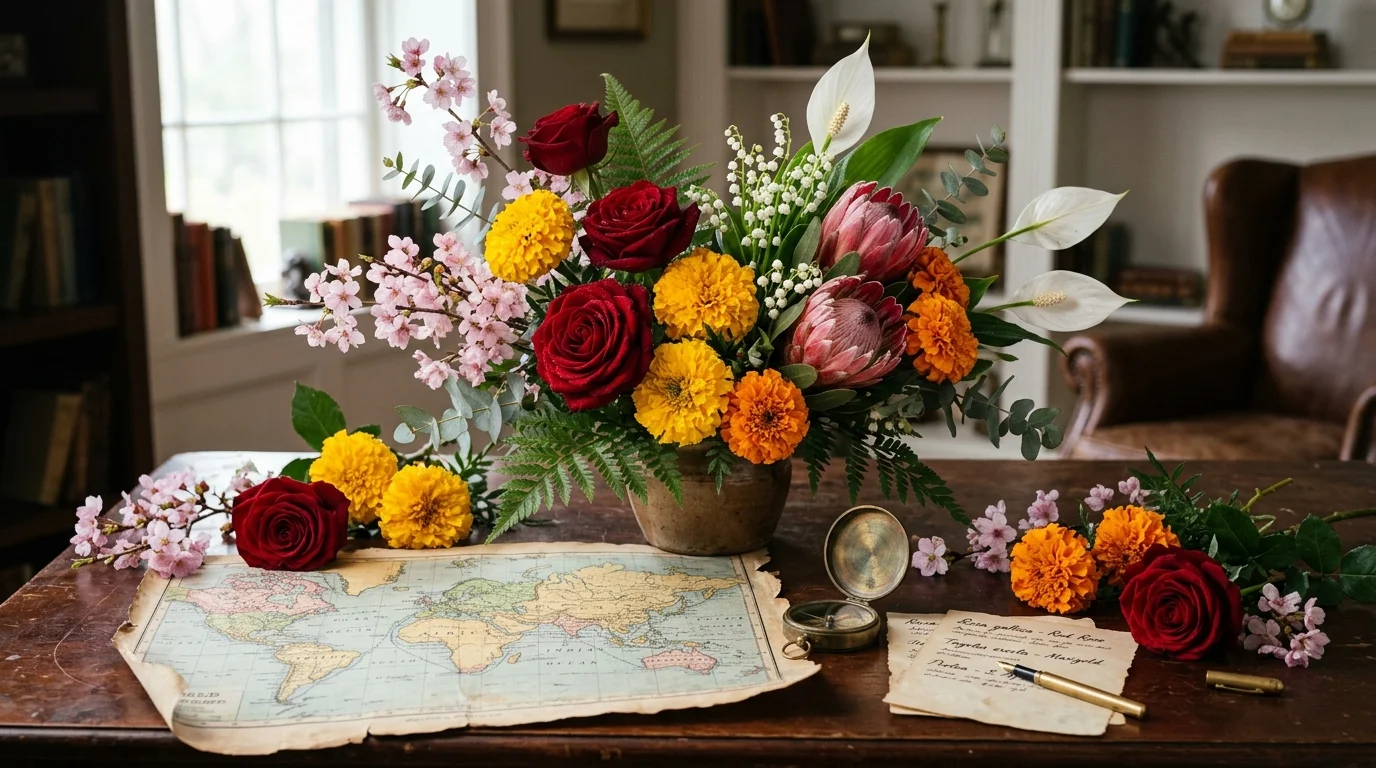
Whether stepping into a Parisian salon, attending a grand wedding banquet in New Delhi, congratulating a Tokyo business executive, or consoling a grieving family in Moscow, presenting fresh flowers is humanity's oldest and most evocative social ritual. Flowers convey emotions when spoken words feel clumsy or inadequate: celebration, sympathy, gratitude, reverence, and romantic devotion.
Yet behind their fragile petals and intoxicating fragrances lies an intricate, invisible web of cultural anthropology. A flower that heralds good fortune and sacred blessings in one hemisphere can be a mortuary emblem or a catastrophic social insult in another. An innocent bouquet of twelve red carnations gifted to a Russian host communicates a death wish. Presenting pristine white chrysanthemums to an Italian or French dinner host is tantamount to bringing a tombstone to their living room. In Japan, delivering a potted plant to a hospital patient is interpreted as wishing them a permanent stay in a hospital bed.
In an increasingly interconnected world of international travel, cross-cultural weddings, diplomacy, and global business, mastering floral etiquette is not merely decorative politeness—it is essential cultural fluency. Below is our comprehensive master guide to flowers for every major occasion across 20+ key countries and world regions, detailing the sacred traditions, festive favorites, healing blooms, and perilous floral taboos you must navigate.
The 5 Universal Occasions: Global Norms & Cultural Psychology
Before exploring individual nations, understanding how different civilizations perceive the five primary occasions for floral giving reveals fascinating insights into human culture and botany.
1. Festive Occasions & Sacred Celebrations
Festive floral traditions are almost always tied to deep cosmic, agrarian, or religious cycles:- Solar & Agricultural Transitions: Flowers blooming in rhythm with seasonal equinoxes and solstices become national festive emblems—such as Marigold during the Hindu post-monsoon festival of Diwali, or Poinsettia heralding the winter chill of Christmas across the Americas and Europe.
- Lunar Rhythms & Rebirth: In East Asia, the spring resurgence of Peony, Plum Blossoms, and Narcissus marks the Lunar New Year, channeling prosperity and yang vitality into the household.
- Civic & Labor Solidarity: In France, May Day (Fête du Travail) is universally celebrated by gifting sweet, wild-harvested Lily of the Valley (Muguet de Mai) as an emblem of honest labor and springtime luck.
2. Mourning, Funerals & Sacred Remembrance
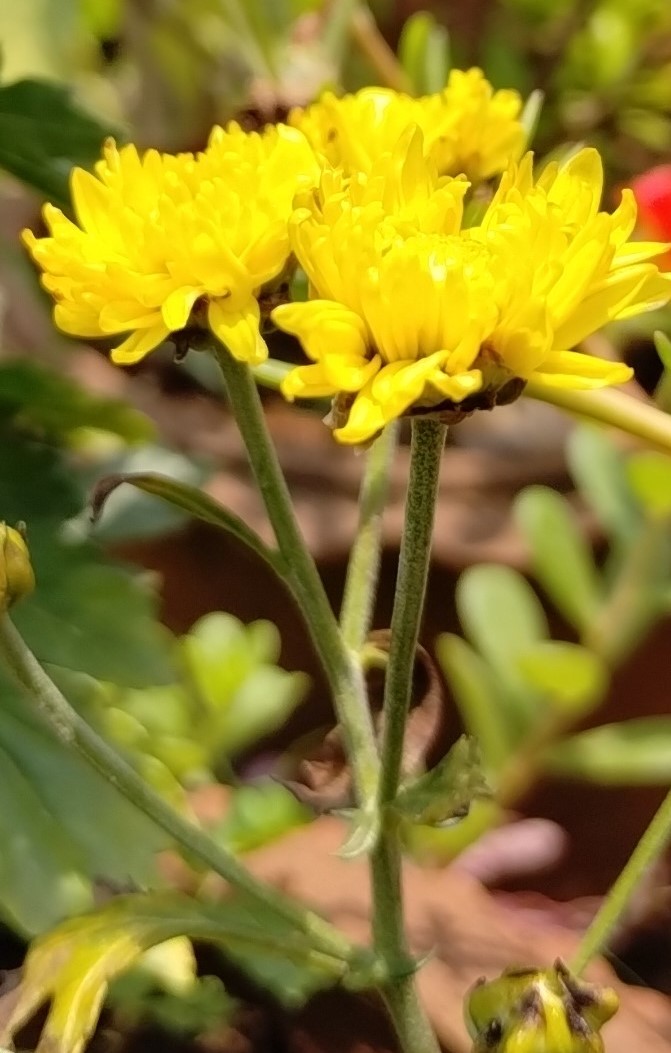
Nowhere is floral symbolism more emotionally charged—or more strictly guarded—than in grief:- The East Asian & Continental European Cemetery Tradition: In France, Italy, Spain, Poland, and throughout China, Taiwan, and Japan, Chrysanthemum is almost exclusively the flower of the dead. It is placed upon tombstones on All Saints' Day (Toussaint, Giorno dei Morti) or offered during ancestral Qingming rituals. Bringing them to living recipients is deeply jarring.
- White as the Hue of Transcendence: While Western mourning traditionally couples black attire with white lilies (Easter Lily or Calla Lily), in Hindu, Buddhist, and East Asian traditions, white itself is the color of ascetic mourning. Fragrant white garlands of Jasmine or Tuberose drape the deceased in South Asia, while pure white blooms adorn Buddhist altars.
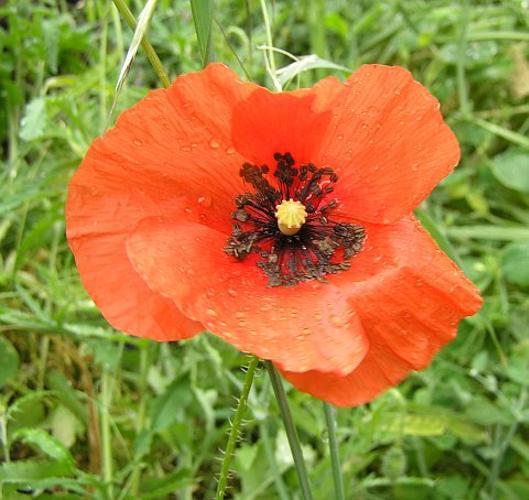
- Wartime Remembrance: Across the British Commonwealth, the fiery red Corn Poppy symbolizes the fallen soldiers of World War I, worn pinned to lapels for Remembrance Day on November 11th.
3. Joyous Milestones: Weddings, Births & Triumphs
Celebrations of love, fertility, and career success demand flowers that mirror vitality and abundance:- Marital Purity & Fragrance: Classical Mediterranean brides have adorned their veils with sweet Orange Blossom (zagare) for millennia, while Indian and Indonesian brides are garlanded with fragrant ropes of Jasmine symbolizing devotion and marital sweetness.
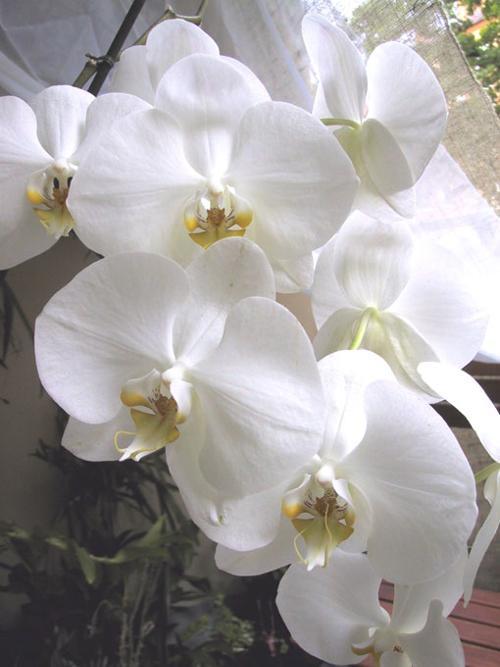
- Prestige & Corporate Elevation: In corporate Japan, nothing rivals the majestic Moth Orchid (Phalaenopsis). Potted multi-spike white orchids crowd corporate headquarters whenever an executive is promoted, symbolizing enduring stability and royal elegance.
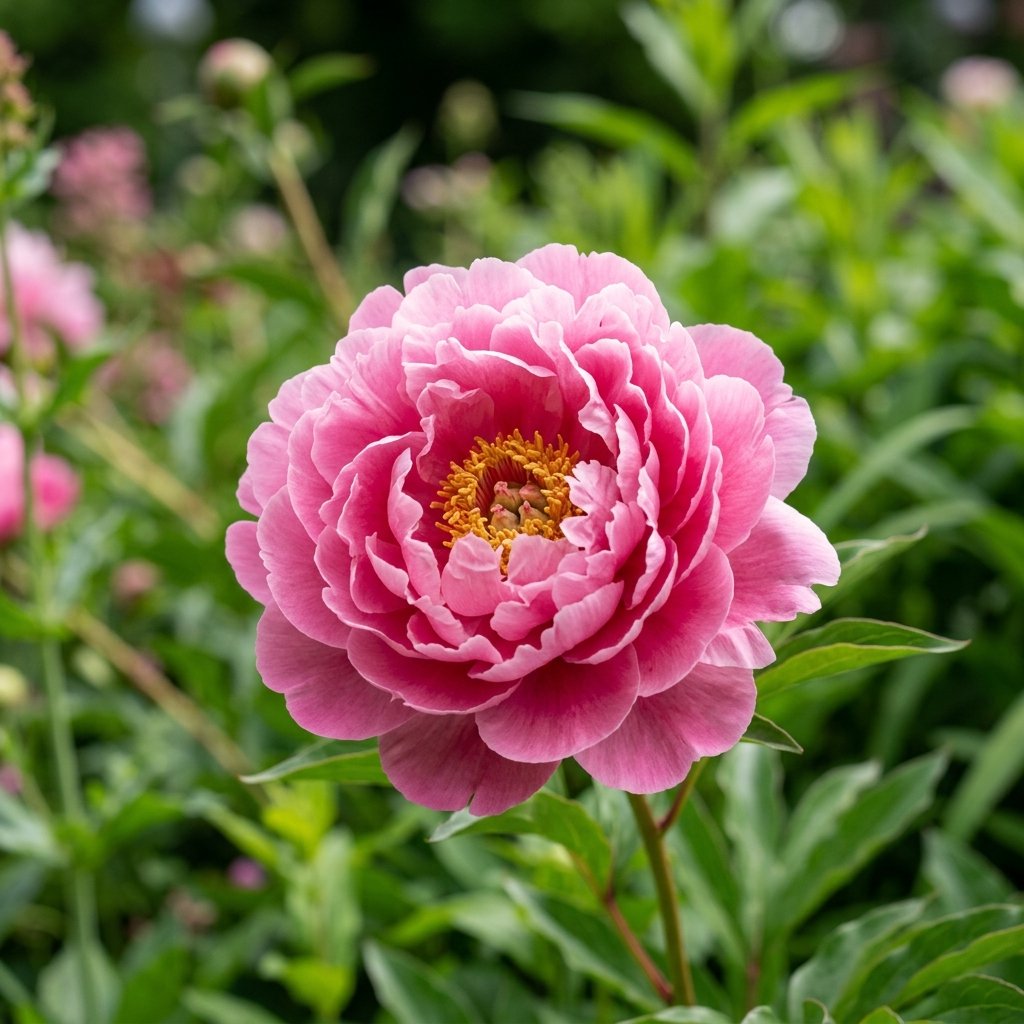
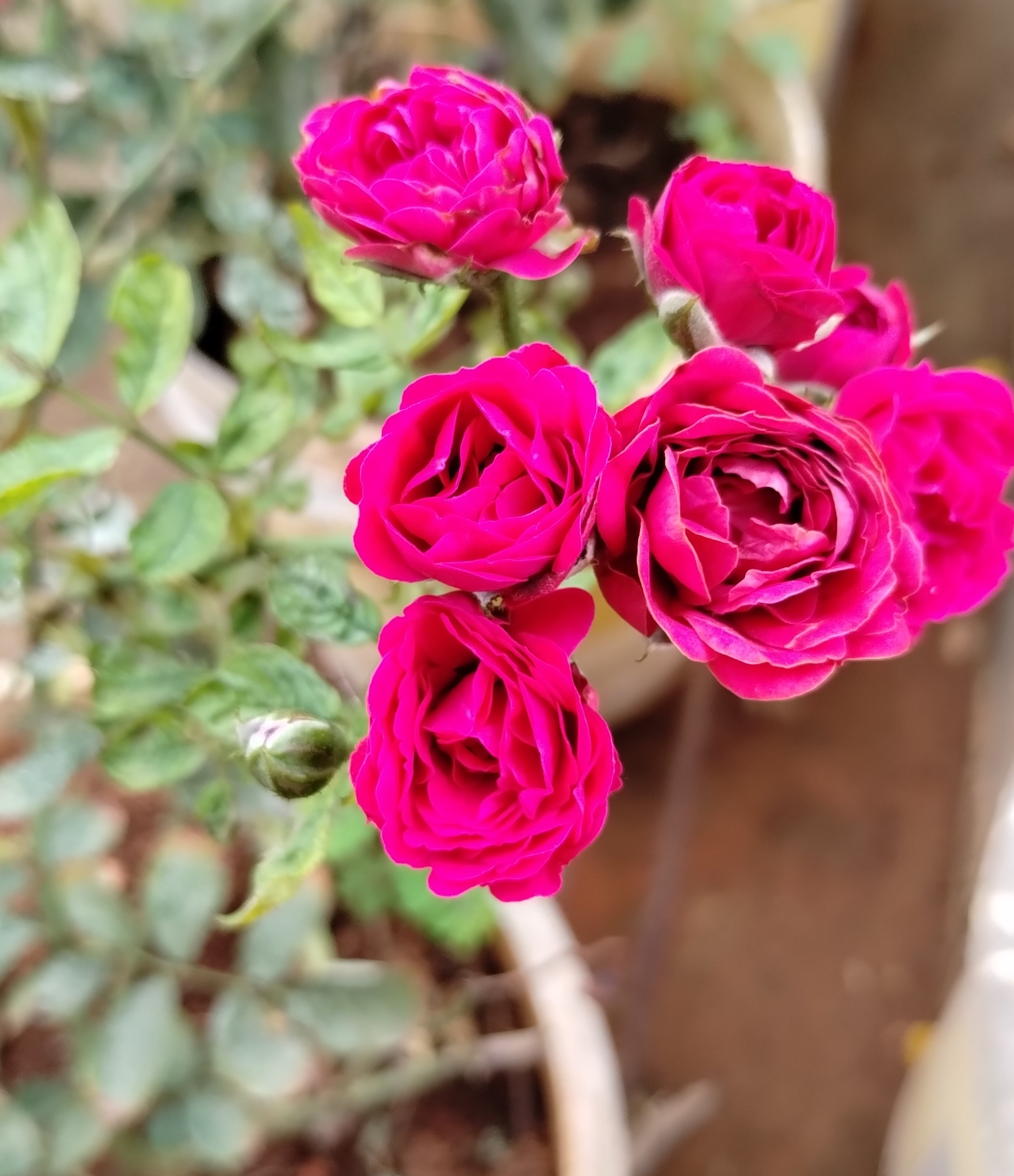
- Lush Prosperity: In modern Western and Chinese celebrations, voluminous ruffled Peonies and garden Roses reign supreme as icons of wealth, romantic passion, and blooming fortune.
4. Get-Well & Hospital Recovery
Selecting flowers for someone who is convalescing requires careful consideration of both medical hygiene and psychology:- Cheerful Colors without Heavy Scents: The ideal get-well blooms are cheerful, optimistic, and low in scent—such as radiant Sunflowers, colorful Tulips, and cheerful Daisies.
- The Allergy & Scent Hazard: Strongly scented blossoms like Asiatic Lilies, Stargazer Lilies, Gardenias, and Hyacinths can trigger severe respiratory distress, migraines, or nausea in confined hospital rooms.
- Hospital Regulations: In the United Kingdom, many NHS hospital wards strictly prohibit cut flowers in water vases to prevent bacterial biofilm contamination (Pseudomonas aeruginosa). Potted plants or artificial arrangements are often preferred.
5. The Danger Zone: Taboos, Superstitions & Costly Faux Pas
Cultural flower taboos are rarely mild suggestions—they are visceral, historical superstitions that can ruin friendships or derail diplomatic and business negotiations:- The Arithmetic Curse (Odd vs. Even): In Russia and Slavic nations, even numbers of flowers (2, 4, 6...) are laid strictly upon coffins and graves. Gifting an even number of flowers to a living person is considered a death curse. Conversely, in China and Japan, the number 4 is phonetically identical to death (shi / sì), making a bouquet of four stems a catastrophic faux pas.
- The Yellow Signal of Infidelity: In France, Germany, and Russia, yellow flowers (especially yellow roses and carnations) carry a legacy of betrayal, adultery, jealousy, or a unilateral termination of a romantic relationship.
- The "Blood and Bandages" Superstition: In British folklore, placing red and white flowers together in the same vase or hospital room is believed to foretell imminent death, visually mimicking blood-soaked bandages.
- The Potted Plant Hospital Taboo: In Japan, gifting a rooted potted plant (hachiue) to someone in a hospital or sickbed is strictly forbidden. The Japanese word for "taking root" (netsuku) sounds identical to "bedridden" (netsuku), implying the illness will take permanent root.
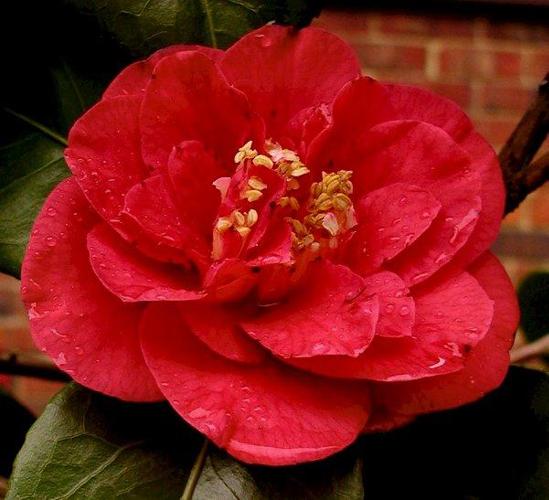
- The Severed Head: Japanese folklore historically shunned the Camellia (Tsubaki) around hospitals and samurai estates because when the flower dies, the entire blossom snaps off cleanly at the stem in one heavy thud, eerily mimicking decapitation.
Country-by-Country Etiquette Guide (20 Major Regions)
Explore the regional customs, native botanical treasures, and essential gifting decorum across the world's most influential cultural landscapes.
1. United States & Canada: Individualism, Seasons & Practical Warmth
American and Canadian floral culture is largely driven by secular holidays, seasonal aesthetics, and the Victorian legacy of floriography, though social rules are flexible compared to older European or Asian traditions.
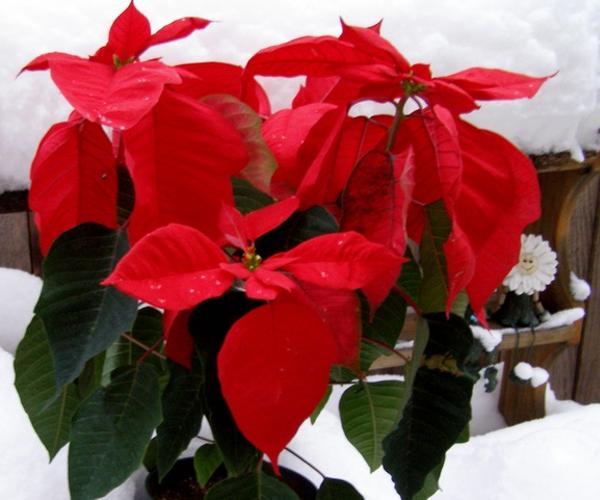
- Festive Celebrations: The winter holiday season is dominated by crimson and variegated Poinsettias in homes and shopping arcades. Spring brings pastel Easter Lilies and Tulips, while Thanksgiving verandas feature warm autumn bouquets of Sunflowers, rust Dahlias, and dried wheat sheaves.
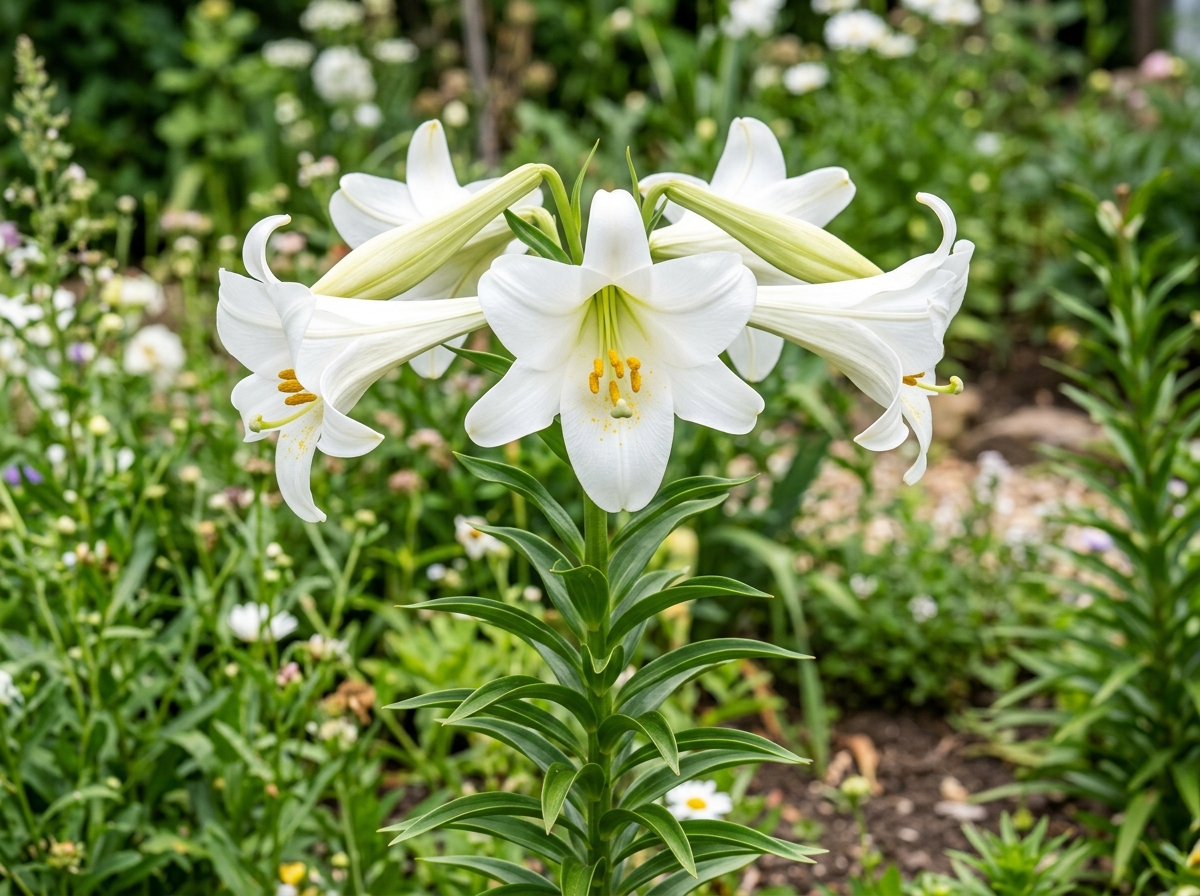
- Mourning & Funerals: Large standing spray wreaths of white Gladiolus, Carnations, and white lilies are sent directly to funeral homes. For home sympathy, the durable potted Peace Lily (Spathiphyllum) is the standard expression of enduring condolence.
- Happy Milestones: Long-stemmed red Roses are the undisputed champions of Valentine's Day and wedding anniversaries. Peonies, ranunculus, and garden roses headline modern luxury weddings, while yellow roses are widely celebrated as emblems of warm, platonic friendship.
- Get-Well Etiquette: Bright, unscented arrangements featuring Sunflowers, snapdragons, and pastel tulips. Avoid heavily perfumed oriental lilies in healthcare settings.
- ⚠️ Taboos & Cautions: Avoid sending dark or near-black roses unless celebrating Halloween. When sending flowers to someone in a hospital, always verify whether the facility accepts live floral deliveries, as intensive care units (ICUs) universally ban live plants due to microbial spores.
Celebrated & Auspicious

Taboo & Avoided
2. United Kingdom (England, Scotland, Wales): Garden Heritage & Wartime Reverence
The British have an intimate relationship with horticulture, cottage garden flora, and seasonal symbolism. Gifting fresh-cut flowers is an everyday social courtesy, but several historical superstitions persist.
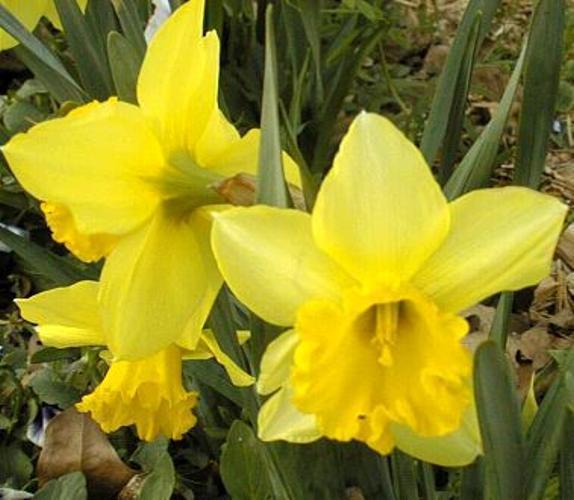
- Festive Celebrations: Golden Daffodils mark the arrival of spring and St. David's Day in Wales. Festive winter brings holly sprigs with bright red berries, mistletoe boughs hung for holiday kisses, and potted amaryllis.
- Mourning & Remembrance: The fiery red Corn Poppy (Papaver rhoeas) is sacred across Great Britain, worn upon lapels throughout November in remembrance of military personnel who fell in the fields of Flanders. Funeral tributes traditionally center on stately white lilies and Carnations.
- Happy Milestones: Delicate cottage blossoms such as Sweet Pea, garden Roses, freesias, and Peonies are cherished for birthdays, country weddings, and Mother's Day celebrations.
- Get-Well Etiquette: Soft pastel freesias, tulips, and daffodils. Note that many NHS hospitals operate strict no-flower policies on acute wards, making fruit baskets, floral cards, or home deliveries post-discharge the preferred choice.
- ⚠️ Taboos & Cautions:
- The Red-and-White Hospital Jinx: Never combine red and white flowers in a bouquet for someone who is unwell; the historical association with blood and surgical bandages is still treated with great wariness by older generations.
- White Lilies to the Living: Pure white lilies given outside a bereavement context can evoke uninvited thoughts of funerals.
Celebrated & Auspicious
Taboo & Avoided
3. France: The Sophisticated Land of L'Art de Vivre & Cemetery Customs
In France, floral gifting is governed by centuries of refinement and strict social etiquette. The French love flowers passionately, but presenting the wrong bloom or the wrong quantity at a dinner party can turn a charming gesture into a faux pas.
- Festive Celebrations: On May 1st (La Fête du Travail), the entire country participates in a cherished tradition dating back to King Charles IX in 1561: gifting sprigs of sweet, bell-shaped Lily of the Valley (Muguet de Mai) for good luck and prosperity.
- Mourning & Remembrance: Chrysanthemums are exclusively reserved for All Saints' Day (La Toussaint, November 1st), when millions of potted chrysanthemums are placed upon family burial vaults in Père Lachaise and village cemeteries.
- Happy Milestones: Exquisite bouquets of pastel garden roses, orchids, ranunculus, and tulips. Red roses are reserved strictly for declarations of ardent romantic passion.
- Get-Well Etiquette: Gentle, colorful mixed seasonal blooms with mild fragrances.
- ⚠️ Taboos & Cautions:
- NEVER gift Chrysanthemums: Presenting chrysanthemums for a birthday, anniversary, or dinner invitation is considered an insult and an omen of death.
- Avoid Yellow Blooms: In French floriography, yellow flowers (especially yellow roses or carnations) traditionally symbolize infidelity, betrayal, jealousy, or the breaking of vows.
- Red Carnations: Historically associated with misfortune in the performing arts (where fired stage actors were presented red carnations), red carnations are regarded with skepticism by traditionalists.
- Odd Numbers Only: Always gift flowers in odd numbers (e.g., 7, 9, 11 stems), except for a traditional dozen roses (12). Never present 13 stems, as it is regarded as an unlucky omen.
Celebrated & Auspicious
Taboo & Avoided
4. Germany & Central Europe (Austria, Switzerland): Precision, Courtesy & Floral Etiquette
Germans, Austrians, and Swiss hold deep respect for nature and immaculate domestic courtesy. Flowers are a staple host gift when invited into a private residence, but strict conventions govern presentation.
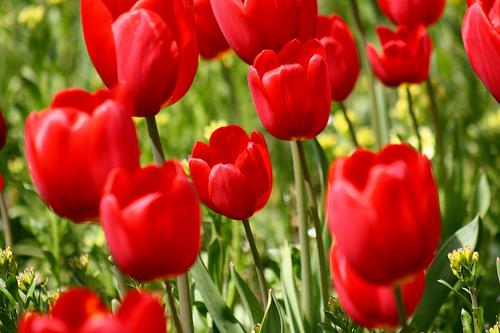
- Festive Celebrations: The Advent season centers on the Adventskranz—a lush wreath woven of fir and spruce boughs holding four candles. December brings vibrant potted Weihnachtsstern (Poinsettia). Spring is welcomed with colorful Tulips and birch boughs on May Day.
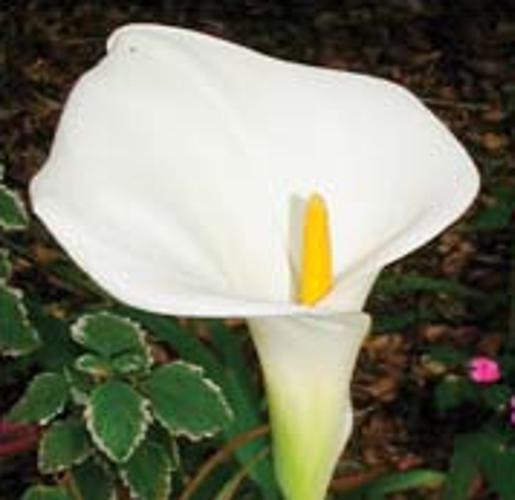
- Mourning & Funerals: Stately white Calla Lilies, white Chrysanthemums, and dark carnations are laid for Totensonntag (Sunday of the Dead) and funerals.
- Happy Milestones: Seasonal field flowers, vibrant gerberas, Sunflowers, and elegant orchids are celebrated for housewarmings, birthdays, and anniversaries.
- Get-Well Etiquette: Cheerful potted cyclamen, ranunculus, or low-pollen seasonal bouquets.
- ⚠️ Taboos & Cautions:
- Calla Lilies & White Chrysanthemums: Strictly associated with the grave; never gift them to a living recipient.
- Red Roses are Strictly Romantic: Presenting red roses to a colleague, business associate, or casual acquaintance causes immense embarrassment, as red roses signify exclusive, deep romantic devotion.
- Yellow Flowers: In German flower language, yellow roses represent envy, jealousy, or the decay of affection.
- Remove the Paper Wrapping: When arriving at a German home with flowers, etiquette dictates that you unwrap the outer protective wrapping paper in the hallway before handing the bare bouquet to your hostess.
Celebrated & Auspicious
Taboo & Avoided
5. Italy: La Dolce Vita, Festive Mimosa & Cemetery Reverence
In Italian culture, beauty (la bella figura) and botanical passion run hand-in-hand. However, regional superstitions are taken seriously, particularly regarding numbers and cemetery associations.
- Festive Celebrations: On March 8th (La Festa della Donna, International Women's Day), the streets of Rome, Milan, and Florence turn vibrant yellow with fragrant sprigs of yellow Mimosa (Acacia dealbata), gifted to mothers, sisters, colleagues, and friends as a symbol of female strength and solidarity.
- Mourning & Funerals: Chrysanthemums (crisantemi) belong strictly to the dead, laid upon graves on Il Giorno dei Morti (All Souls' Day, November 2nd). White lilies and gladioli accompany funeral processions.
- Happy Milestones: Fragrant orange blossoms (zagare) are the quintessential bridal flower of southern Italy, representing purity and fertility. Fresh laurel leaf wreaths (corona d'alloro) intertwined with red ribbon are crowned upon students on university graduation day (laurea).
- Get-Well Etiquette: Warm, vibrant mixed arrangements of seasonal blooms, irises, and carnations.
- ⚠️ Taboos & Cautions:
- Never Give Chrysanthemums to the Living: Gifting crisantemi for any happy occasion is regarded as bringing a funeral curse into the home.
- Odd Numbers are Mandatory: Italian superstition holds that bouquets must contain an odd number of blooms (except for a dozen roses). Even numbers are believed to attract bad luck.
- Yellow Roses: Symbolize jealousy or a strained, unfaithful partnership.
Celebrated & Auspicious
Taboo & Avoided
6. Spain: Flamenco Passion, Seville Ferias & Regional Festivities
Flowers are deeply intertwined with Spanish folk traditions, Catholic fiestas, and the dramatic flair of flamenco.
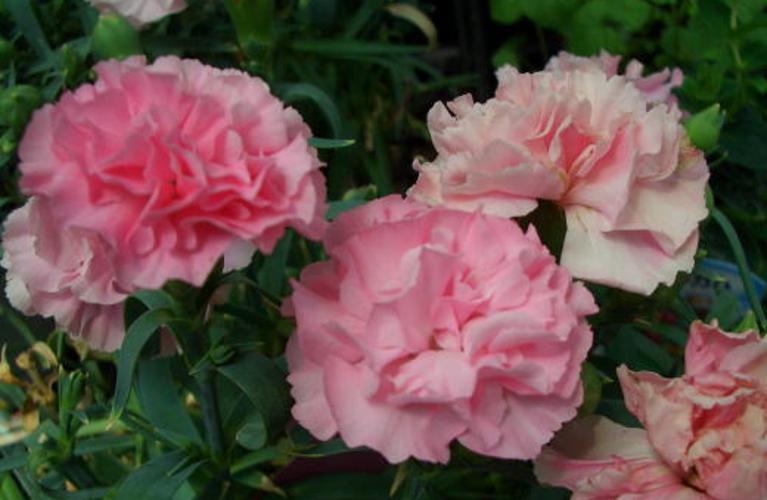
- Festive Celebrations: The Seville April Fair (Feria de Abril) and Madrid's Fiestas de San Isidro see women wearing vivid red and white Carnations (claveles) pinned proudly into their hair alongside traditional mantillas. Christmas is celebrated with Poinsettias (Flor de Pascua).
- Mourning & Funerals: Cemeteries overflow with bouquets of white Chrysanthemums and white lilies during El Día de Todos los Santos (November 1st).
- Happy Milestones: Mixed arrangements of roses, gladioli, and vibrant lilies for weddings, baptisms, and saint's day celebrations (días de santo).
- Get-Well Etiquette: Brightly colored sunflowers, alstroemerias, and cheerful gerberas.
- ⚠️ Taboos & Cautions:
- Chrysanthemums and Dahlias: Both flowers carry heavy mortuary connotations and should be avoided for casual or celebratory gifts.
- Yellow Carnations or Roses: In Spanish theater and traditional folklore, yellow can denote bad luck or disdain. Red carnations are preferred for festive warmth.
Celebrated & Auspicious
Taboo & Avoided
7. Portugal & Brazil: The Lusophone World of Revolution, Sea Goddesses & Purple Taboos
While Portugal and Brazil share a common linguistic lineage, their floral landscapes reflect contrasting climates and historic epics.
- Festive Celebrations:
- Portugal: The red Carnation (o cravo vermelho) is the sacred national symbol of democracy and liberty, immortalized in the peaceful Carnation Revolution of April 25, 1974, when soldiers placed red carnations in the barrels of their rifles.
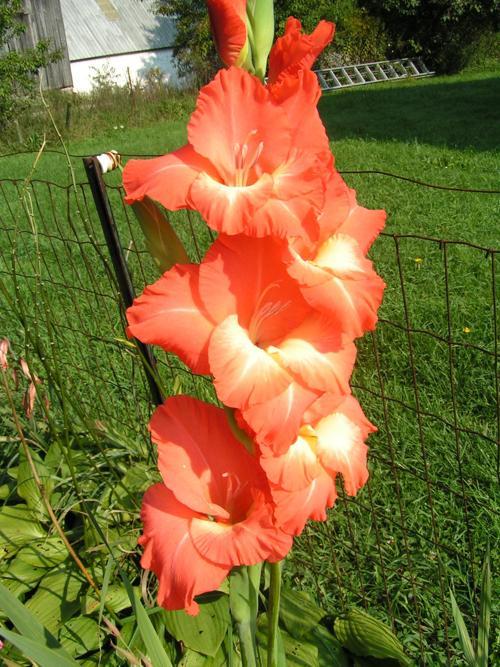
- Brazil: On New Year's Eve (Reveillon), millions dressed in white gather along Rio de Janeiro's Copacabana beach to cast millions of white gladioli, white roses, and white orchids into the Atlantic waves as offerings to Yemanjá, the Afro-Brazilian sea goddess of fertility and protection.
- Mourning & Funerals: In both nations, white lilies and chrysanthemums mark Catholic funeral services. In Brazil, funeral wreaths feature prominent purple ribbons.
- Happy Milestones: Brazil's tropical biodiversity shines with gifts of stunning Cattleya Orchids, Bird of Paradise (Strelitzia), and colorful Anthuriums. Portugal favors elegant garden roses and hydrangeas.
- Get-Well Etiquette: Bright sunflowers, gerberas, and cheerful multi-colored alstroemerias.
- ⚠️ Taboos & Cautions:
- The Brazilian Purple Taboo: In Brazil, purple flowers are strongly associated with funeral wakes, cemeteries, and Holy Week solemnity. Sending a bouquet of deep purple blooms for a birthday or housewarming is considered a major social blunder.
- In Portugal, chrysanthemums remain strictly reserved for graves on All Saints' Day.
Celebrated & Auspicious
Taboo & Avoided
8. Russia & Eastern Europe (The Slavic Sphere): The Sacred Law of Odd Numbers
In Russia, Ukraine, Poland, and across the Slavic world, flowers are an essential facet of everyday life. People buy flowers weekly from bustling street kiosks, and arriving empty-handed at someone's home is unthinkable. However, one golden mathematical rule supersedes all others.
- Festive Celebrations: March 8th (International Women's Day) is the biggest floral holiday of the year: men purchase hundreds of millions of bright yellow Tulips and fluffy golden mimosas for mothers, wives, daughters, and female colleagues. On Victory Day (May 9th), red Carnations are presented to veterans and laid at eternal flames.
- Mourning & Funerals: Red or white carnations and dark roses laid upon memorials and graves.
- Happy Milestones: Luxurious, voluminous bouquets of Peonies, garden roses, orchids, and ranunculus.
- Get-Well Etiquette: Warm, uplifting seasonal bouquets (hydrangeas, irises, tulips).
- ⚠️ Taboos & Cautions:
- CRITICAL TABOO: EVEN NUMBERS BRING DEATH: An even number of flowers (2, 4, 6, 8, 10...) is given strictly and exclusively at funerals or laid upon graves. Gifting an even number of flowers to a living person is viewed as a terrifying omen wishing death or ruin upon their household. Always gift odd numbers (1, 3, 5, 7, 9, 11, 15...)! Once a bouquet exceeds 12 to 15 stems, the superstition softens, but florist pros still ensure an odd count.
- Yellow Flowers (The Color of Betrayal): Popularized across the former Soviet Union by the famous song "Zhyoltye Tyulpany" (Yellow Tulips), yellow blooms symbolize betrayal, infidelity, deceit, or a painful romantic breakup. Never gift yellow flowers to a romantic partner.
- Never Bring Artificial Flowers Indoors: Plastic and silk flowers are strictly for cemetery gravestones; bringing artificial flowers into a home is believed to invite illness and bad fortune.
Celebrated & Auspicious
Taboo & Avoided
9. India: Sacred Devotion, Vibrant Garlands & The Spiritual Tapestry
In India, flowers are not merely aesthetic ornaments—they are sacred living offerings (Prasada) that bridge the human and divine realms, woven into daily prayers (Puja), weddings, and temple sanctums.
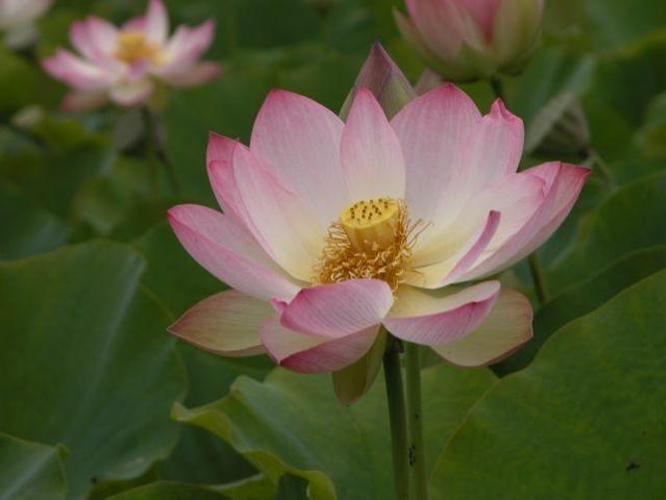
- Festive Celebrations: Golden-orange Marigolds (Genda / Samandhi) form radiant curtains for Diwali, Dussehra, and Bathukamma. The sacred Lotus (Kamal / Thamarai) is revered as the divine seat of Goddess Lakshmi and Lord Brahma, offered during deep devotional ceremonies. Festive Onam in Kerala sees children gather Garden Balsam (Chithirappoo) and Ixora to lay out intricate Athapookkalam floral carpets.
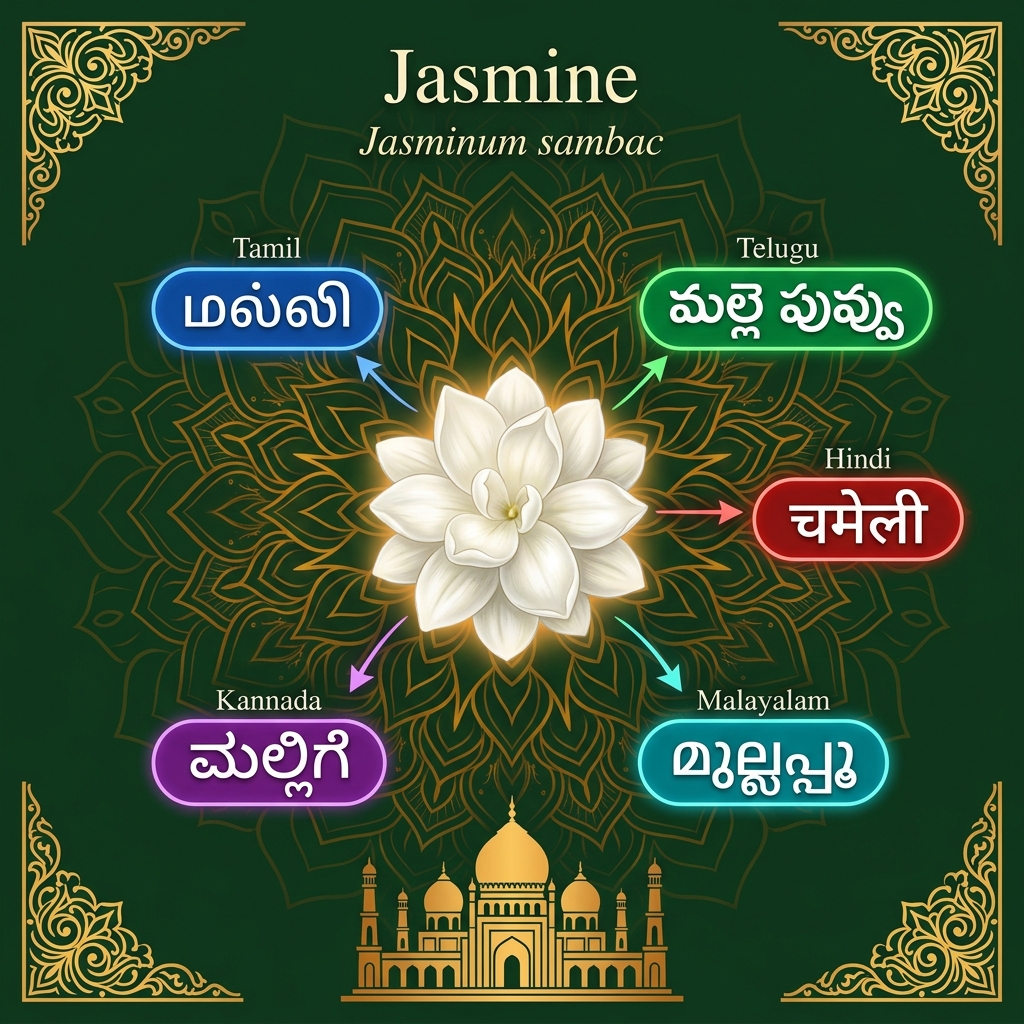
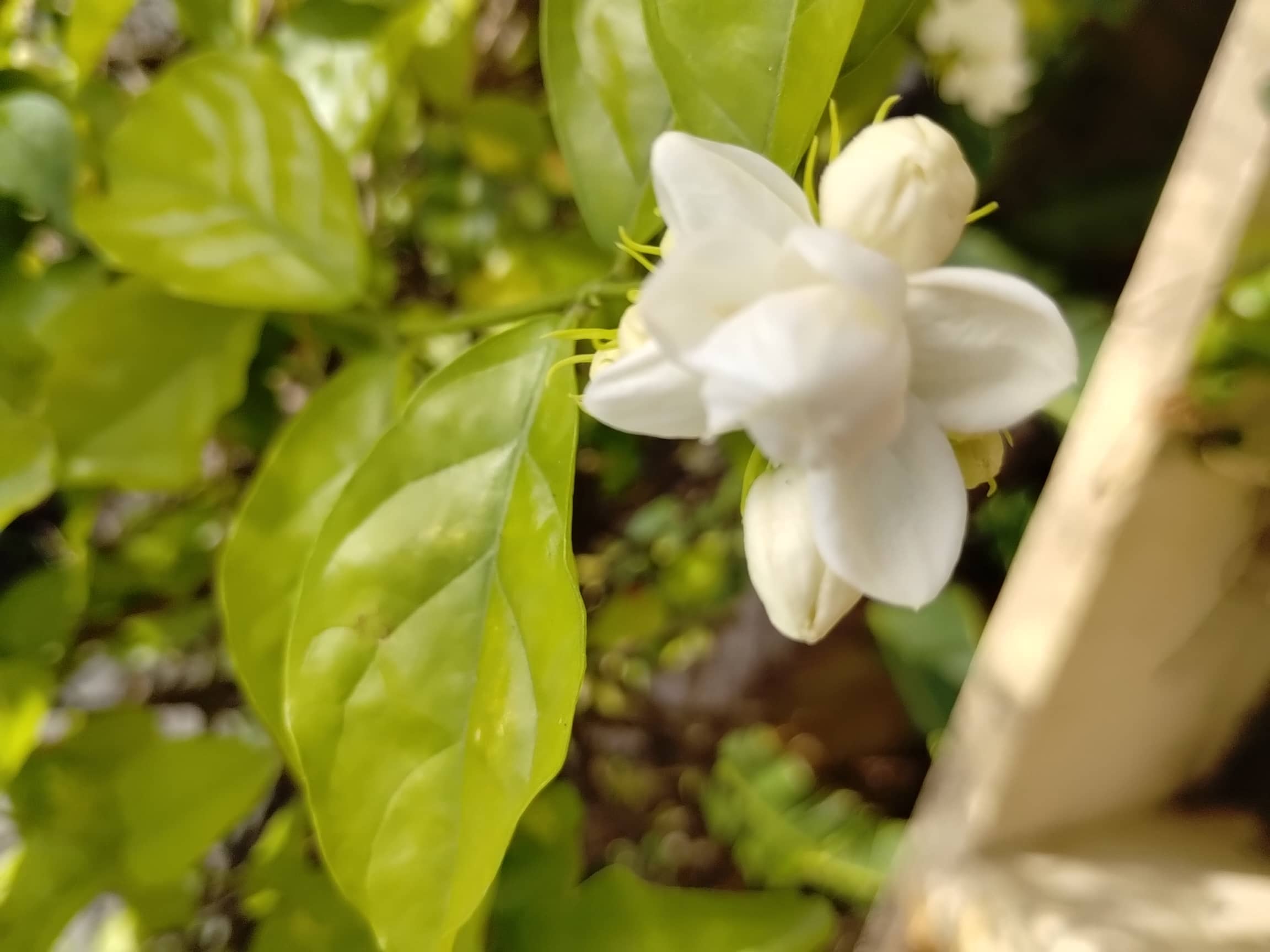
- Mourning & Funerals: Hindu and Jain funeral rites require strictly white flowers. Dense garlands of fragrant white Tuberose (Rajnigandha / Sugandaraja) and white Jasmine (Malli) are placed over the deceased, accompanied by sacred Basil (Tulsi) leaves.
- Happy Milestones: Grand wedding ceremonies center around the exchange of magnificent floral garlands (Varmala / Jaimala) crafted of fragrant red roses, jasmine, and exotic orchids. Housewarmings (Griha Pravesh) are blessed with mango leaf and marigold door torans.
- Get-Well Etiquette: Colorful gerberas, carnations, and gladioli. Scentless cut flowers are preferred for hospital visits.
- ⚠️ Taboos & Cautions:
- All-White Garlands at Celebrations: Gifting a plain, all-white garland or white floral arrangement at an Indian wedding or birthday is an inauspicious mistake, as pure white garlands are synonymous with death, mourning, and widowhood.
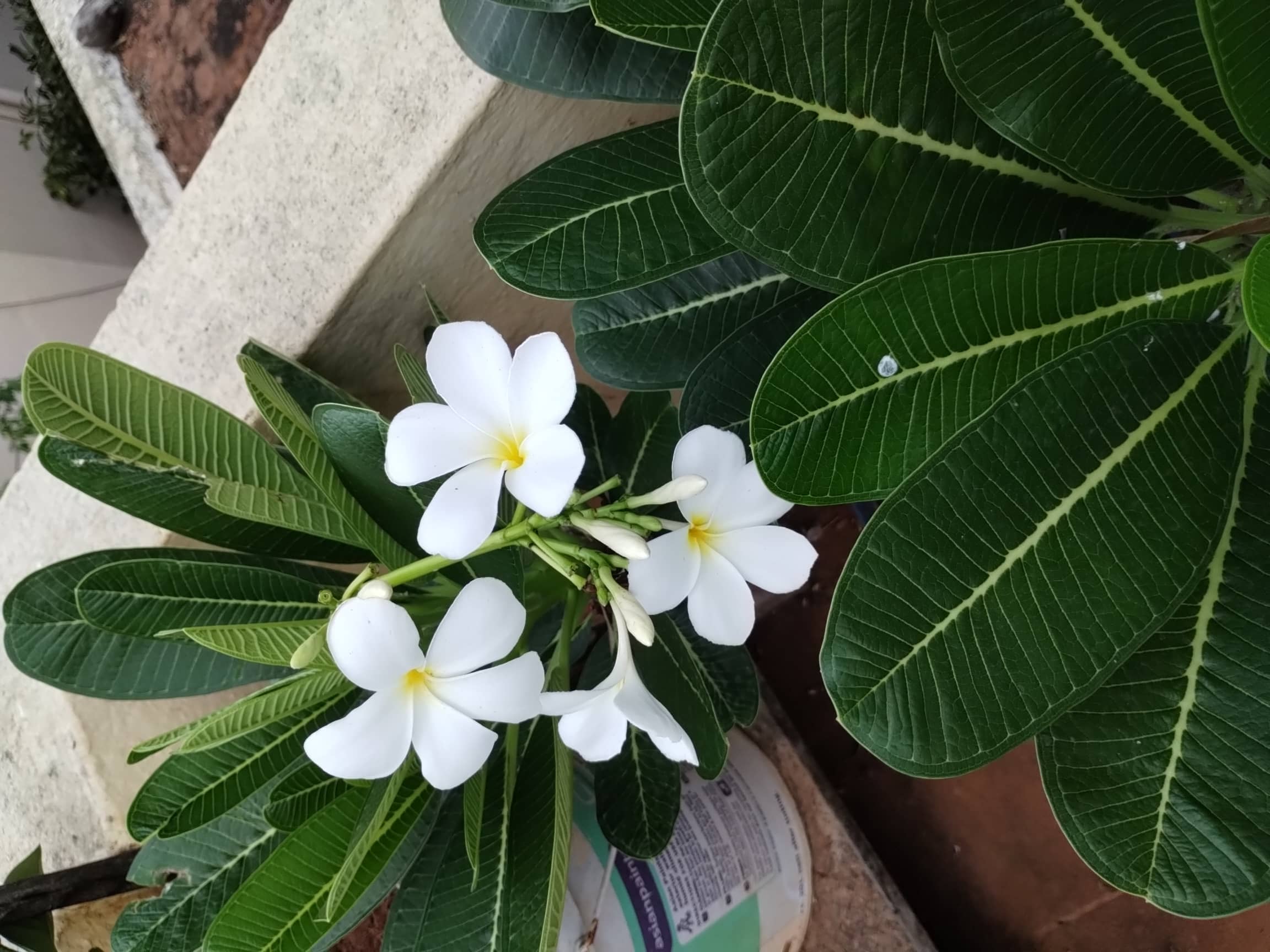
- Frangipani / Plumeria in Orthodox Altars: In many orthodox South Indian households, Plumeria / Frangipani (Devaganneru / Perunkalli) is considered a "graveyard flower" or tree of spirits, shunned from domestic prayer altars despite its intoxicating fragrance.
- Crown Flower (Calotropis gigantea): Possessing poisonous milky sap, the purple crown flower (Erukku / Aak) is offered exclusively to Lord Shiva or Lord Ganesha, and should never be gifted to human beings.
Celebrated & Auspicious
Taboo & Avoided
10. Pakistan & Bangladesh: Mughal Elegance, Festive Mehndi & Eid Blossoms
In South Asian Islamic culture, centuries of Mughal horticultural poetry have woven roses and jasmine into the very fabric of festive hospitality and marital tradition.
- Festive Celebrations: White Jasmine (Chambeli), the national flower of Pakistan, is strung into delicate wrist bracelets (gajras) worn by women for Eid festivals and family galas. Baskets of fragrant red Rose petals (Gulab ki pattiyan) are showered upon guests at weddings and Eid gatherings.
- Mourning & Funerals: Islamic burial emphasizes dignified simplicity. Fresh white roses, jasmine garlands, and fragrant tuberose (Gul-e-Shabbo) are gently laid upon the burial shroud (Kafan) and green grave mound.
- Happy Milestones: The pre-wedding Mehndi and Mayun rituals feature elaborate chandeliers and stage backdrops constructed entirely of golden-orange Marigolds. Brides and grooms are adorned with heavy garlands of roses and jasmine.
- Get-Well Etiquette: Cheerful arrangements of colorful carnations, gladioli, and pink roses.
- ⚠️ Taboos & Cautions: Avoid artificial floral wreaths for funerals, as natural, fresh, and biodegradable offerings are prized in Islamic tradition.
Celebrated & Auspicious
Taboo & Avoided
11. Sri Lanka: The Island of Sacred Water Lilies & Temple Purity
Sri Lanka's deep Theravada Buddhist heritage dictates specific spiritual etiquette regarding how flowers are harvested, handled, and offered.
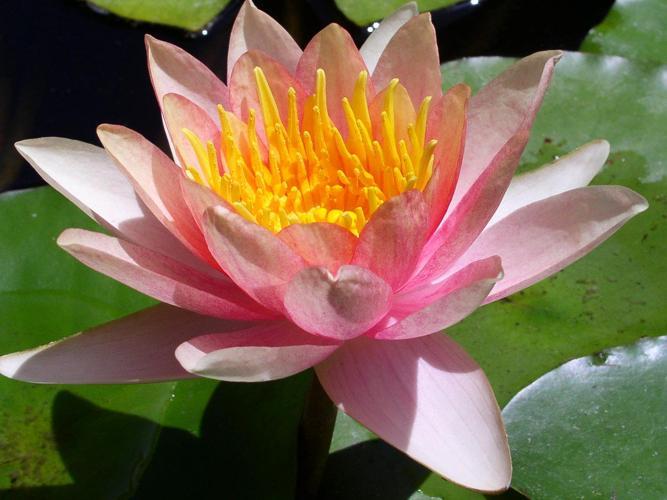
- Festive Celebrations: The national flower, the sacred Blue Water Lily (Nil Manel), alongside pure pink and white Lotus blossoms (Nelum), is purchased at temple entrances during full moon Poya days and Vesak celebrations to be laid upon the altar before the Buddha.
- Mourning & Funerals: White lotus blossoms, white Plumeria (Araliya), and white lilies are displayed at funeral homes.
- Happy Milestones: Auspicious wedding poruwa ceremonies feature white jasmine garlands, colorful orchids, and betel leaves tied with golden threads.
- Get-Well Etiquette: Brightly colored gerberas and vibrant anthuriums.
- ⚠️ Taboos & Cautions:
- The Smell Taboo in Temple Offerings: In Sri Lankan Buddhist custom, flowers destined for the temple altar must never be inhaled or smelled by the giver prior to offering. Smelling the blossom is viewed as taking the flower's purity for oneself before giving it to the Buddha.
Celebrated & Auspicious
Taboo & Avoided
12. China & The Sinosphere (Taiwan, Hong Kong): Imperial Symbolism & The Power of Homophones
In Chinese cultural botany, flowers are intimately bound to auspicious puns, historical imperial rank, and Taoist-Confucian symbolism. Few cultures pay closer attention to floral color and numeric superstition.
- Festive Celebrations: Lunar New Year (Chun Jie) demands plants that attract wealth and vitality. Homes are adorned with the "King of Flowers"—the glorious Peony (Mudan), representing royal honor and immense riches. Narcissus (water fairy flower) is forced into bloom for New Year's Day to ensure good luck, while peach blossom branches bring romance and energy.
- Mourning & Funerals: White and yellow Chrysanthemums (Juhua) are strictly for funerals and the ancestral tomb-sweeping festival of Qingming. White calla lilies and white carnations are common sympathy blooms.
- Happy Milestones: Crimson and deep pink Roses, red Peonies, and towering stalks of Gladiolus (Jianlan), whose stepped florets symbolize Jie Jie Gao Sheng—rising step-by-step to new heights in career and life.
- Get-Well Etiquette: Bright pink or peach carnations and orchids.
- ⚠️ Taboos & Cautions:
- NEVER Gift White or Yellow Chrysanthemums: These flowers belong exclusively to ancestral spirits and the deceased; gifting them to a live recipient or business associate is a grave insult.
- Avoid All-White Bouquets: White is the traditional color of mourning and ghosts in Chinese culture. A celebratory bouquet must always feature joyful red, pink, or gold.
- TETRAPHOBIA (The Curse of 4): In Mandarin and Cantonese, the number four (四, sì) sounds almost identical to death (死, sǐ). Never give a bouquet of 4 stems. Instead, gift 6 (representing smooth success), 8 (immense wealth and prosperity), or 9 (eternal longevity).
- No Potted Plants for Hospitalized Friends: In certain Cantonese traditions, sending a potted plant with soil to someone in the hospital suggests their illness will "take root" in the hospital bed. Always send cut flowers.
Celebrated & Auspicious
Taboo & Avoided
13. Japan: Zen Minimalism, Hanami & The Code of Bushido
Japan possesses one of the world's most sophisticated botanical cultures, codified in the art of Ikebana and flower language (Hanakotoba). Etiquette is nuanced and strictly observed.
- Festive Celebrations: Springtime Hanami is synonymous with the ephemeral magic of the Cherry Blossom (Sakura), reminding observers of the fleeting, bittersweet beauty of life. New Year celebrations (Shogatsu) feature Kadomatsu displays of pine branches and plum blossom for longevity.
- Mourning & Funerals: Pure white Chrysanthemums (Kiku)—which also form the Imperial crest—are the paramount funeral flower, alongside white lilies and Lotus blossoms for Buddhist memorial services (Hoyo).
- Happy Milestones: For corporate launches, grand openings, and promotions, nothing compares to multi-spike white Phalaenopsis Orchids (Kocho-ran), representing high luxury, integrity, and enduring fortune. Peach blossoms celebrate Hinamatsuri (Girls' Day) on March 3rd, while irises (Shōbu) represent valor on Children's Day.
- Get-Well Etiquette: Soft, joyful cut flowers like sweet peas, freesia, and pink tulips.
- ⚠️ Taboos & Cautions:
- NEVER Give Potted Plants (Hachiue) to the Sick: Rooted plants (netsuku) are phonetically linked to being bedridden (netsuku), wishing a permanent hospital confinement on the patient.
- The Severed Head of the Camellia (Tsubaki): When a Camellia flower withers, the entire blossom head detaches cleanly and drops in one piece, reminiscent of a beheaded samurai. Gifting camellias to patients or warriors was historically an ominous taboo.
- Avoid Stems of 4 or 9: 4 (shi) sounds like death; 9 (ku) sounds like suffering or torture.
- White Chrysanthemums are for the Dead: Never give them on a date or festive visit.
Celebrated & Auspicious
Taboo & Avoided
14. Singapore & Malaysia: Tropical Melodrama, National Orchids & Royal Color Etiquette
At the crossroads of Malay, Chinese, Indian, and British heritages, Southeast Asia's maritime melting pots balance diverse customs with tropical exuberance.
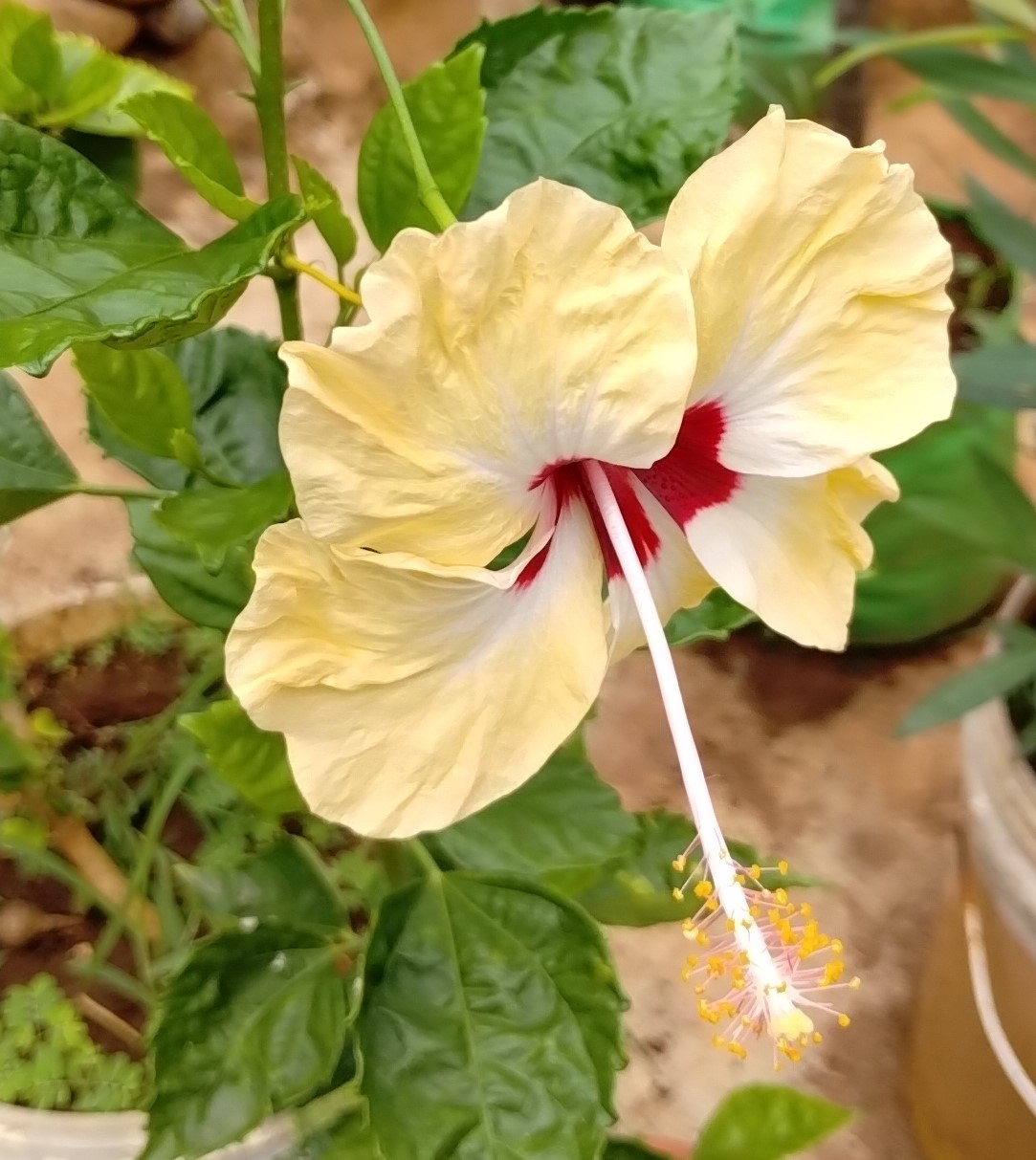
- Festive Celebrations: In Malaysia, the national flower is the vibrant red Hibiscus (Bunga Raya), symbolizing courage and multicultural unity. In Singapore, hybrid orchids, especially the national flower Vanda Miss Joaquim, adorn National Day parades and official state visits.
- Mourning & Funerals: White chrysanthemums and white lilies for Chinese and Christian wakes; simple white roses and jasmine for Muslim and Hindu rites.
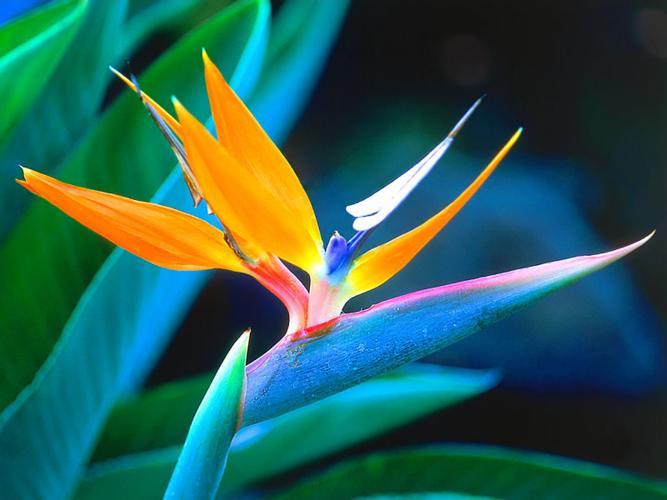
- Happy Milestones: Exotic tropical arrangements featuring Bird of Paradise, Anthuriums, and premium phalaenopsis orchids.
- Get-Well Etiquette: Cheerful fruit and flower baskets with bright gerberas and orchids.
- ⚠️ Taboos & Cautions:
- Royal Yellow Sensitivity in Malaysia: In traditional Malay sultanates, bright yellow is reserved for royalty. While modern gifting is relaxed, presenting yellow flowers to royal dignitaries or at palace events should adhere strictly to protocol.
- Avoid the Number 4: Observe Chinese tetraphobia when gifting to ethnic Chinese communities.
Celebrated & Auspicious
Taboo & Avoided
15. Indonesia: Bridal Jasmine Ropes, Balinese Canang Sari & The Graveyard Frangipani
With over 17,000 islands spanning Hindu Bali, Muslim Java and Sumatra, and Christian eastern provinces, Indonesian floral traditions require regional context.
- Festive Celebrations: The national flower of purity, Melati Putih (Arabian Jasmine), is an essential emblem of celebration. On Bali, yellow and white Frangipani (Jepun) blossoms are gathered daily by temple priests to assemble Canang Sari prayer trays.
- Mourning & Funerals: Large ornate floral message boards (Bunga Papan Duka Cita) erected on wooden easels outside the home of the bereaved are the universal Indonesian standard of condolence.
- Happy Milestones: Elaborate ropes of jasmine buds (ronce melati) are worn by Javanese and Sundanese brides and grooms, draping over the groom's kris dagger to symbolize gentle virtue overcoming primal aggression. Grand openings feature joyful congratulations boards (Bunga Papan Selamat & Sukses).
- Get-Well Etiquette: Colorful bouquets of roses, gerberas, and local lilies.
- ⚠️ Taboos & Cautions:
- The Javanese Cemetery Frangipani Taboo: While Frangipani / Plumeria (Kamboja) is holy and cherished across Hindu Bali, across Islamic Java and Sumatra it is known as the "graveyard flower" (bunga kuburan), planted beside Muslim tomb mounds. Gifting a living person in Jakarta a bouquet of fresh frangipani blossoms is considered eerie and inappropriate.
Celebrated & Auspicious
Taboo & Avoided
16. The Middle East & North Africa: Damask Roses, Orange Blossoms & Desert Hospitality
The Levant, Arabian Peninsula, and North Africa possess an ancient love of fragrant floral essences, where rose water and orange blossom water are poured over guests' hands as an act of warm hospitality.
- Festive Celebrations: The historic Damask Rose (Ward Jouri / Rosa damascena) is celebrated during the rose harvests of Taif (Saudi Arabia) and the Dades Valley (Morocco). Fragrant Jasmine is revered across Damascus ("The City of Jasmine") and Tunisia.
- Mourning & Funerals: Islamic burial strictly emphasizes modesty and humility. Extravagant floral wreaths are discouraged. Instead, simple green palm fronds, myrtle branches, and single white roses are placed upon the fresh earth.
- Happy Milestones: Lavish, sculptural arrangements of long-stem red and white roses, oriental lilies, and orchids accompany engagement banquets (Khitbah), wedding feasts, and Eid mornings.
- Get-Well Etiquette: Soft, aromatic seasonal blooms, tulips, and colorful carnations.
- ⚠️ Taboos & Cautions:
- Avoid Yellow Roses: In classical Arabic poetry and regional tradition, yellow roses symbolize jealousy, deceit, or false affection. Deep pink and velvety red are preferred.
Celebrated & Auspicious
Taboo & Avoided
17. Sub-Saharan Africa: Ancient Flora, Global Greenhouses & Indigenous Beauty
From the sprawling floral greenhouses of Kenya and Ethiopia to the Cape Floral Kingdom of South Africa, Africa produces both world-class export roses and ancient wild wonders.
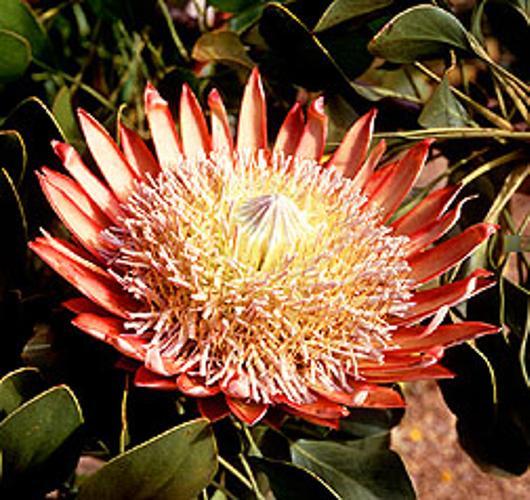
- Festive Celebrations: South Africa celebrates its dramatic national flower, the King Protea (King Protea), an ancient Gondwanan marvel whose pink bowl-shaped flowerheads represent courage and indigenous beauty. Kenya, the cut-flower capital of Africa, celebrates festivals with vibrant roses and red hibiscus.
- Mourning & Funerals: Stately white Calla Lilies (Arum Lilies), white carnations, and chrysanthemums.
- Happy Milestones: Breathtaking native arrangements of Bird of Paradise (Strelitzia), pincushion proteas, and vibrant yellow sunflowers for weddings and family milestone celebrations.
- Get-Well Etiquette: Cheerful indigenous succulents, gerberas, and colorful alstroemerias.
- ⚠️ Taboos & Cautions:
- Wild Arum Lilies in South Africa: In rural parts of the Western Cape, wild-growing white calla lilies (Zantedeschia aethiopica) grow abundantly in damp marshes and are nicknamed "funeral lilies". Some older residents consider bringing wild-harvested arum lilies into the home an invitation to tragedy.
Celebrated & Auspicious
Taboo & Avoided
18. Mexico & South America: Cempasúchil Ancestry, Andean Roses & Passion Flowers
Latin America's relationship with flowers combines pre-Columbian indigenous cosmology with Spanish Catholic festivals and tropical abundance.
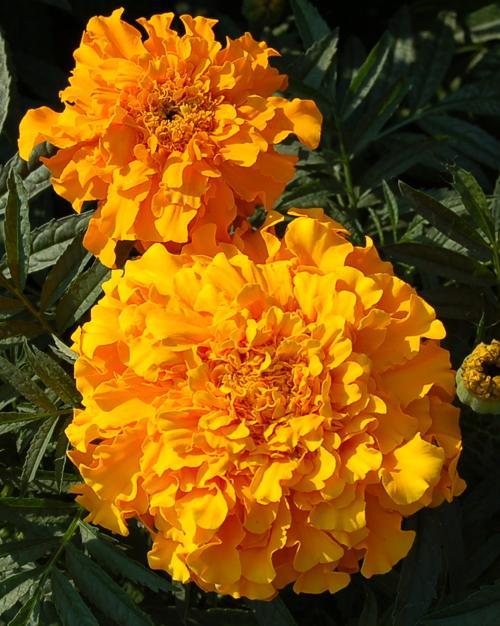
- Festive Celebrations: The most famous floral festival on Earth is Mexico's Día de los Muertos (Day of the Dead, November 1–2). The streets and family altars (ofrendas) are blanketed in golden-orange Mexican Marigolds (Cempasúchil / Tagetes erecta). Its pungent, musky fragrance and fiery petals are believed to illuminate the path for departed souls returning to visit their descendants.
- Mourning & Funerals: Outside the Day of the Dead, funerals across Mexico, Colombia, and Chile feature white calla lilies (alcatraces), white gladioli, and white carnations.
- Happy Milestones: Colombia and Ecuador cultivate the world's most prized, enormous long-stemmed Roses, which headline weddings, birthdays (Quinceañeras), and romantic serenades.
- Get-Well Etiquette: Bright mixed alstroemerias, yellow sunflowers, and colorful carnations.
- ⚠️ Taboos & Cautions:
- Cempasúchil Outside November: Never gift marigolds to a host or romantic partner in Mexico outside of Day of the Dead season; they are inextricably linked with the spirit world.
- Yellow Flowers in Peru and Chile: In several Andean countries, yellow flowers carry negative historical connotations of contempt, betrayal, or funeral tribute.
- Purple Blooms in Brazil: As noted, purple is strictly the color of mourning and repentance.
Celebrated & Auspicious
Taboo & Avoided
19. Australia & New Zealand: Resilient Bush Botanicals & ANZAC Remembrance
In Oceania, unique evolutionary isolation has gifted Australia and New Zealand extraordinary endemic blooms that headline national celebrations and modern eco-conscious floristry.
- Festive Celebrations:
- Australia: Golden Wattle (Acacia pycnantha), Australia's national flower, blooms in late winter with clouds of fragrant golden pompoms, celebrated on National Wattle Day (September 1st).
- New Zealand: The legendary Pōhutukawa (Metrosideros excelsa) is the "New Zealand Christmas Tree," bursting into fiery crimson blossoms across coastal cliffs every December.
- Mourning & Remembrance: On ANZAC Day (April 25th), Australians and New Zealanders wear sprigs of fresh Rosemary pinned to their coats for remembrance, laying red poppies and wattle wreaths at dawn memorial services.
- Happy Milestones: Architectural native bouquets featuring magnificent Waratahs, Kangaroo Paws, Banksias, Waxflowers, and silver dollar eucalyptus foliage for rustic weddings and celebrations.
- Get-Well Etiquette: Native banksias, bright gerberas, and pastel tulips.
- ⚠️ Taboos & Cautions:
- Golden Wattle in Hospitals: Golden Wattle produces immense clouds of powdery yellow pollen. Most Australian hospitals strictly bar visitors from bringing wattle into wards to protect asthma and hay fever patients from severe allergic reactions.
Celebrated & Auspicious
Taboo & Avoided
Global Cross-Cultural Cheat Sheet: Master Reference Matrix
Use this quick-reference matrix before ordering flowers internationally or attending multi-cultural events:
| Country / Region | Festive Flower | Mourning & Memorial | Happy Milestone | Get-Well Choice | ⚠️ Absolute Taboo / Avoid |
|---|---|---|---|---|---|
| United States & Canada | Poinsettia, Easter Lily | White Lilies, Peace Lily | Red Roses, Peonies | Sunflowers, Tulips | Heavily scented blooms in hospitals |
| United Kingdom | Daffodils, Holly | Corn Poppy, Lilies | Sweet Pea, Garden Roses | Freesias, Daffodils | Red & white together in hospitals |
| France | Lily of the Valley | Chrysanthemum | Elegant Pastel Roses | Gerberas, Lisianthus | Chrysanthemums & yellow flowers |
| Germany & Central Europe | Adventskranz, Poinsettia | Calla Lilies, Chrysanthemums | Field Flowers, Sunflowers | Gerberas, Cyclamen | Callas to living; keep wrapping off |
| Italy | Yellow Mimosa (March 8) | Chrysanthemum (Crisantemi) | Orange Blossom, Laurels | Seasonal colorful mix | Chrysanthemums; even numbers |
| Spain | Carnations (Claveles) | White Chrysanthemums | Mixed Roses, Gladioli | Sunflowers, Alstroemeria | Chrysanthemums & dahlias to hosts |
| Portugal & Brazil | Red Carnation, Gladioli | White Lilies, Purple Ribbons | Exotic Orchids, Anthuriums | Sunflowers, Gerberas | Purple flowers in Brazil (mourning) |
| Russia & Slavic Nations | Tulips (March 8), Red Carnations | Carnations (EVEN COUNT ONLY) | Peonies, Roses (ODD COUNT) | Irises, Tulips (Odd) | EVEN NUMBERS (Death Curse); Yellow |
| India | Marigold, Lotus | White Tuberose, Jasmine | Red Rose & Jasmine Garlands | Gerberas, Carnations | All-white garlands at weddings |
| Pakistan & Bangladesh | Jasmine (Chambeli), Roses | White Roses, Tuberose | Marigold Chandelier, Roses | Pink Roses, Gladioli | Artificial floral funeral wreaths |
| Sri Lanka | Blue Water Lily, Lotus | White Lotus, White Araliya | Orchids, Jasmine | Anthuriums, Gerberas | Smelling flowers before temple altar |
| China & Sinosphere | Peony, Narcissus | White/Yellow Chrysanthemums | Red Peonies, Gladiolus | Pink Carnations, Orchids | NUMBER 4 (Death); White Chrysanthemums |
| Japan | Cherry Blossom (Sakura) | White Chrysanthemums, Lotus | Phalaenopsis Orchid | Sweet Peas, Freesia | POTTED PLANTS IN HOSPITALS; Camellia |
| Singapore & Malaysia | Red Hibiscus, Hybrid Orchids | White Chrysanthemums, Lilies | Exotic Orchids, Roses | Fruit & Orchid Basket | Yellow flowers for Malaysian royals |
| Indonesia | Jasmine (Melati Putih) | Funeral Message Boards (Papan) | Bridal Jasmine Ropes (Ronce) | Roses, Gerberas | Frangipani to Javanese hosts |
| Middle East & Levant | Damask Rose, Jasmine | Myrtle & Palm fronds (Modest) | Lavish Rose Displays, Lilies | Fragrant Jasmine, Tulips | Yellow roses (sign of infidelity) |
| Sub-Saharan Africa | King Protea, Kenyan Roses | White Calla Lilies | Bird of Paradise, Proteas | Indigenous Succulents | Wild callas into South African homes |
| Mexico & South America | Cempasúchil (Marigold) | White Gladiolus, Callas | Long-stem Andean Roses | Alstroemeria, Sunflowers | Cempasúchil outside Day of Dead |
| Australia & New Zealand | Golden Wattle, Pōhutukawa | Rosemary sprigs, Red Poppies | Native Waratahs, Banksias | Native Banksias, Tulips | Wattle into Australian hospitals |
5 Golden Rules of Thumb for Global Flower Givers
When in doubt before presenting a floral gift overseas, follow these universal guidelines:
- Check the Stem Arithmetic: In Eastern Europe and Slavic nations, count the stems carefully to ensure an odd number. In China and East Asia, ensure the stem count is never 4.
- Beware the Color Yellow: In France, Germany, Russia, and the Middle East, yellow is historically the hue of jealousy, infidelity, and bitter parting. Unless you are gifting sunflowers or celebrating Women's Day mimosas, opt for vibrant pink, peach, or red.
- Never Bring Cemetery Icons to a Living Host: Avoid chrysanthemums across Continental Europe and East Asia, calla lilies in Germany, and marigolds outside Mexican Day of the Dead celebrations.
- Protect Hospital Patients: Never give rooted potted plants in Japan. Avoid strongly scented, pollen-dense blooms (oriental lilies, golden wattle) in medical facilities, and verify whether the clinic allows fresh cut flowers in vases.
- Observe Local Ritual Etiquette: Remove outer paper wrapping in Germany; avoid plain white bouquets in India and China; and ensure temple flowers in Sri Lanka are never sniffed prior to offering.
If you ever stumble upon a curious blossom in an overseas flower market, temple courtyard, or botanical garden, use the BioLens AI Flower Scanner to instantly identify the species, read its regional translations, and verify its cultural symbolism!
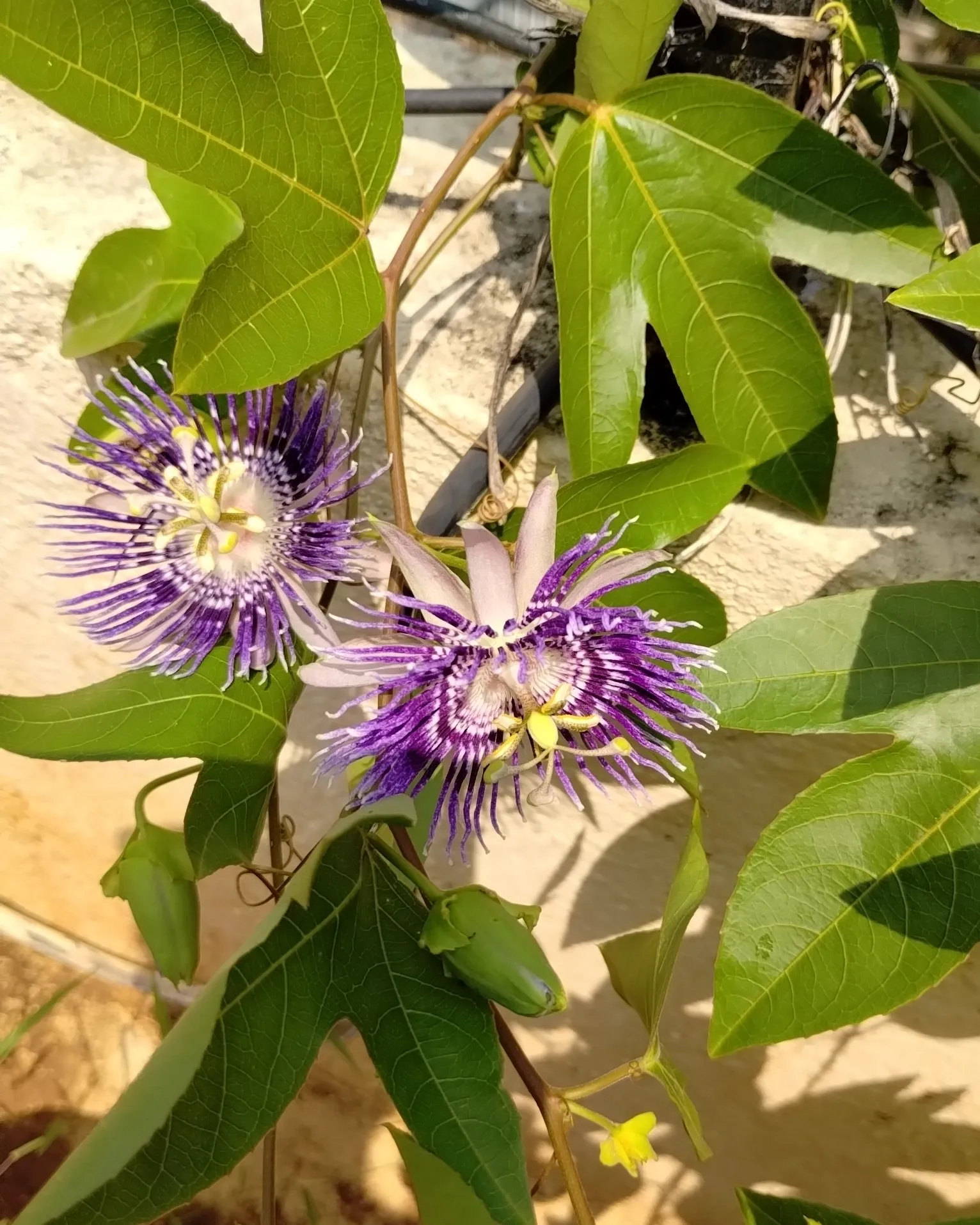
Identify Any Flower Instantly with AI
Snap or upload any bloom from your morning walk, temple garden, or floriculture nursery. Get accurate botanical names, growing requirements, and vernacular translations across Indian and international languages with 98%+ precision.