
Daffodil
Narcissus pseudonarcissus
How to Identify Daffodil
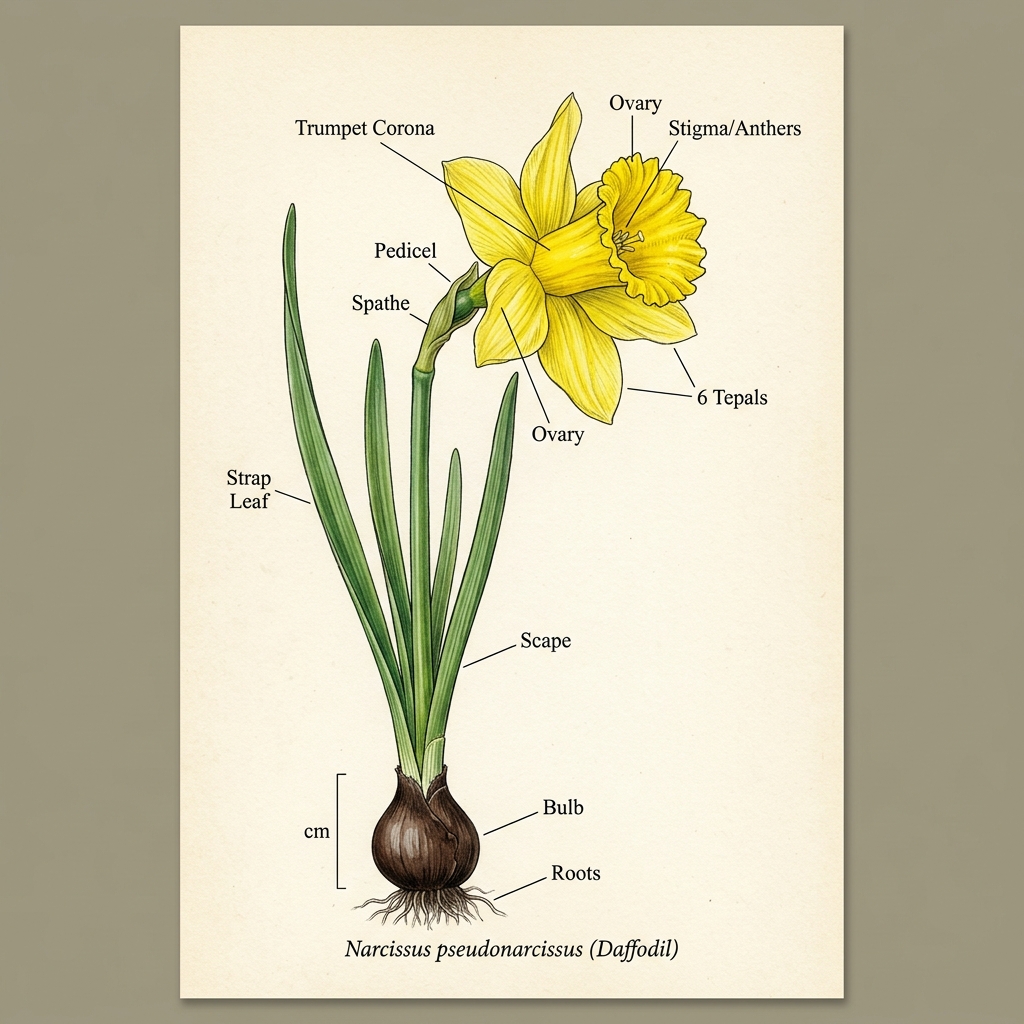
A detailed guide to identifying Daffodils (Narcissus pseudonarcissus) by their key botanical features:
- The Corona (Trumpet or Cup): This is the central cup-like structure that projects forward. In wild daffodils, it is bright yellow and can be as long as or longer than the surrounding petals.
- The Tepals (Petals): Surrounding the central trumpet are 6 star-shaped, pale yellow or white tepals.
- Strap-like Leaves: The leaves are flat, upright, bluish-green, and rise directly from the bulb at the base.
- Single Stems: Flowers grow singly on hollow, leafless, flat-sided green scapes (stems).
Care & Growing Guide
Daffodil Care & Growing Guide:
- Light: Full sun to light partial shade is ideal. They require at least 6 hours of daily sun to bloom well.
- Soil: Plant in average, moist but extremely well-draining loamy soil. Soggy winter soils cause bulb rot.
- Watering: Water regularly during active growth in spring, but allow the soil to dry out once foliage dies back in summer.
- Fertilization: Feed with a balanced bulb fertilizer in autumn or early spring when shoots emerge.
Seasonal Blooming & Hardiness
Seasonal Blooming Calendar (US Hardiness Zones 3-9):
- Blooming Season: Late winter to mid-spring (typically February to May depending on variety and local climate).
- Planting Time: Plant bulbs in autumn (September to November in the US) when soil temperatures drop below 60°F (15°C).
- Chilling Period: Bulbs require 12 to 16 weeks of winter temperatures below 45°F (7°C) to break dormancy and bloom.
Bloom Timeline
About Daffodil
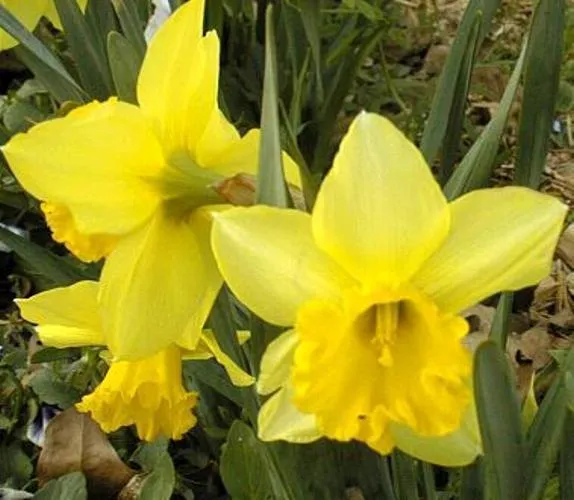
The Daffodil, botanically classified under the genus Narcissus and most famously represented by Narcissus pseudonarcissus (the wild daffodil), is a cheerful, spring-flowering bulbous perennial belonging to the Amaryllidaceae (amaryllis) family. Native to the damp meadows, light deciduous woodlands, and rocky hillsides of Europe, North Africa, and Western Asia (with a huge diversity centered around the Iberian Peninsula), this iconic flower is universally celebrated as the ultimate symbol of spring renewal.
Growing upright to heights of 6 to 24 inches, Narcissus species emerge from a bulb clad in papery brown tunics, producing upright, fleshy, strap-like, deep-green leaves that appear in early spring. Shortly after, each bulb produces a single hollow, leafless stem (scape) that carries 1 to 20 nodding, star-shaped blossoms. The stunning flowers feature 6 petal-like tepals (perianth) surrounding a highly prominent, central trumpet-like or cup-shaped structure called a corona.
The reproductive architecture of the Daffodil is represented by the botanical floral formula EBr ⊕ ⚥ P(3+3) A(3+3) G̅(3). This formula indicates that the flower is ebracteate, radially symmetrical (actinomorphic), and bisexual. The perianth is composed of 6 tepals arranged in two whorls of 3 that are fused at the base, while the distinctive central cup is a specialized out-growth (corona) of the tepals. The androecium contains 6 stamens in two whorls, surrounding an inferior 3-carpellate ovary.
Horticulturally, Daffodils are exceptionally reliable and carefree bulbs that perform best in full morning sun to partial afternoon shade, which helps prolong the life of the delicate blossoms. They thrive in average, medium-moisture, organically rich loamy soils with exceptional drainage, as soggy soils in winter will cause bulb rot. The bulbs must be planted 6 inches deep in early autumn to allow root development and satisfy their winter chill requirement in USDA zones 3 through 9.
The genus name Narcissus is rooted deep in ancient Greek mythology, named after the beautiful hunter youth who fell in love with his own reflection in a pool of water and withered away, turning into this nodding spring flower, while the common name daffodil is an alteration of Asphodel. Famed on the Indian subcontinent as Nargis (नरगिस) in Hindi and Sanskrit, it is the National Flower of Wales and serves as a global symbol of hope, courage, and cancer charities.
For pet owners, it is absolutely critical to practice strict garden safety with Daffodils. Narcissus species are highly TOXIC to cats, dogs, and horses. All parts of the plant, especially the underground bulb, contain toxic phenanthridine alkaloids (such as lycorine) and calcium oxalate crystals. Consuming even a tiny piece of a bulb causes intense oral irritation, severe vomiting, salivation, diarrhea, a dangerous drop in blood pressure, tremors, and cardiac arrhythmias. For detailed safety information, you can consult our Pet Guard for Daffodil profile.
Daffodil is occasionally confused with wild Jonquils, Tulips, or true Lilies. It is easily distinguished because Narcissus features a highly distinct central trumpet cup (corona) and strap leaves, whereas tulips have broad cup-shaped petals without a corona, and lilies have large trumpet-like tepals with prominent stamens. It naturalizes beautifully in spring borders beside Grape Hyacinth, Tulip, or moisture-loving Yellow Iris. To explore spring cultivars, visit our Flower Identifier.
Floral Formula & Features
Ebracteate, actinomorphic, bisexual, 6 fused tepals in two whorls with a distinct cup-like corona, 6 stamens in two whorls of 3, 3 fused carpels with inferior ovary typical of Amaryllidaceae
- Scientific Name & Classification: Narcissus pseudonarcissus (Amaryllidaceae). Globally known as Daffodil, Lent Lily, Jonquil, and Nargis.
- Identification Markers: Strap-like green leaves and hollow stems. Nodes carry star-shaped flowers with 6 tepals surrounding a central cup or trumpet corona.
- Floral Formula (EBr ⊕ ⚥ P(3+3) A(3+3) G̅(3)): Actinomorphic, bisexual flowers with 6 tepals, a central corona cup, 6 stamens, and an inferior ovary.
- Growing Requirements: Full sun to partial shade; requires organic-rich, sharply well-drained loamy soil. Bulbs must be planted in autumn (Zones 3-9).
- Cultural Significance: Named after the tragic Greek myth of Narcissus. National flower of Wales; serves as a global symbol of renewal, hope, and cancer charities.
- Safety & Toxicity: TOXIC. Every part—especially the bulb—contains lycorine and calcium oxalate, causing severe vomiting, drooling, tremors, and heart issues in pets.
- Common Look-alikes: Confused with wild Tulips, but easily distinguished by its prominent central trumpet cup (corona) which is entirely absent in tulips.
- Internal Links: Naturalizes beautifully in early-spring landscapes when paired with Grape Hyacinth, Tulip, or moisture-loving Yellow Iris; find more in our Flower Identifier.
- Internal Links: Compare key differences in our Tulip vs Daffodil comparison, or try our instant Flower Identifier.
Names in Different Languages
Cultural Etiquette & Gifting: Planning to gift or decorate with Daffodil? Discover its symbolic meanings, festival traditions, and crucial cultural faux pas across 20+ countries in our comprehensive Global Flower Etiquette Guide.
Botanical Classification: Daffodil belongs to the Amaryllidaceae family. Learn how to identify its floral symmetry, stamen arrangement, and structural formulas in our Botanical Family Classification Guide.
Toxicity & Safety
Always keep toxic plants out of reach of children and pets. Consult a veterinarian or medical professional immediately if ingestion is suspected.
Pet Safety Guide: For detailed toxicity symptoms, first-aid measures, and safe garden alternatives, see our full Pet Guard Profile for Daffodil.
Frequently Asked Questions
What is Floral Formula?
A floral formula is a symbolic representation of a flower's structure using letters, numbers, and special symbols. It provides a concise way to describe the arrangement and number of floral parts.
This formula describes the flower's symmetry, sepals, petals, stamens, and carpels in a standardized format.
Formula Sequence
- Bract: Br or Ebr
- Bracteole: Brl or Ebrl
- Symmetry: % (Radial) or ⊕ (Bilateral)
- Sex: ♀ (Female), ♂ (Male), or ⚥ (Bisexual)
- Calyx/Sepal: K<number> (Free or Fused)
- Corolla/Petal: C<number> (Free or Fused)
- Androecium: A<number> (Free or Fused)
- Gynaecium: G<number> (Superior or Inferior Ovary)
Symbol Meanings
- Numbers: Indicate quantity of parts
- Parentheses (): Parts are fused together
- Plus (+): Parts in different whorls
- Underline: Superior ovary position
- Overline: Inferior ovary position
- ∞: Numerous parts (too many to count)
Understanding floral formulas helps botanists quickly identify and classify flowers based on their structural characteristics.
Companion Plants & Garden Pairings
3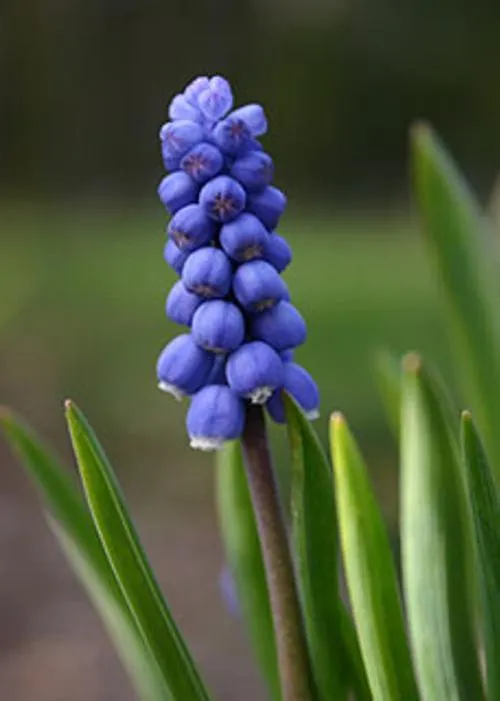
Grape Hyacinth
Muscari armeniacum
These low-growing, deep blue blooms create a stunning visual contrast beneath the bright yellow flowers of the Daffodil.
Tulip
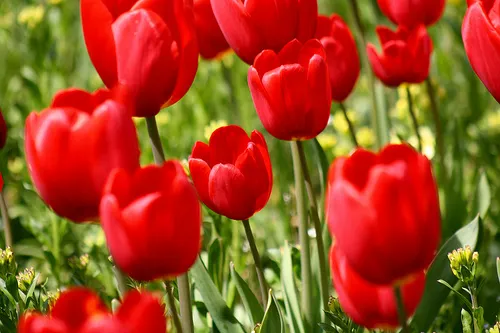
Tulipa
A classic mid-spring garden pairing with complementary heights and a wide range of coordinating colors.
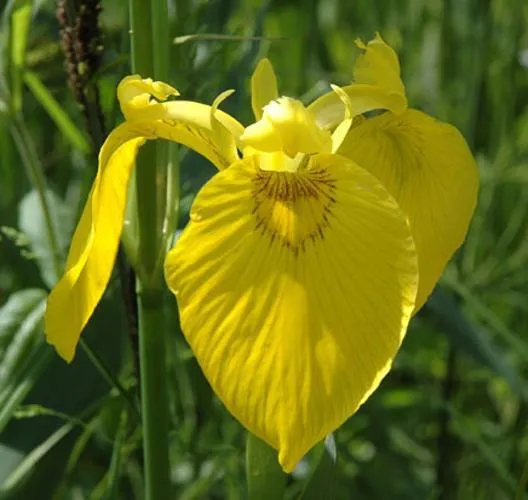
Yellow Iris
Iris pseudacorus
Thrives in moist soil margins and pond edges, mirroring the cheerful yellow palette in early summer.
Similar Flowers
Discover flowers that share botanical characteristics
Same Family
3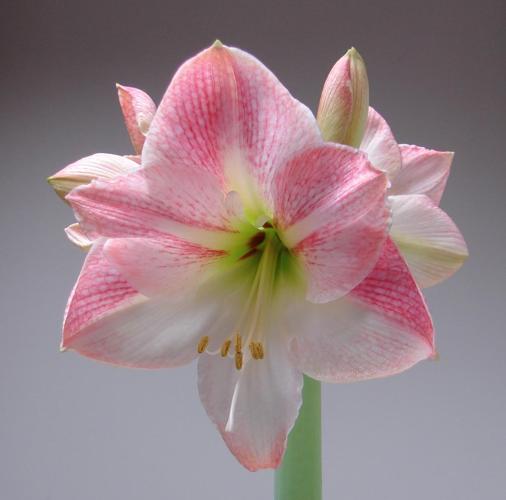
Amaryllis
Hippeastrum
The Amaryllis, botanically classified under the genus Hippeastrum and belonging to the family Amaryllidaceae (the amaryllis family), is an exceptionally spectacular and dramatic bulbous perennial. Native to the warm, tropical and subtropical scrublands, forest margins, and rocky slopes of South A...
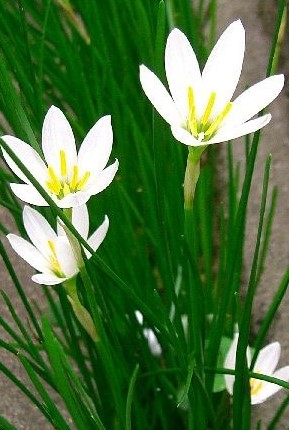
Zephyr Lily
Zephyranthes
The Zephyr Lily, botanically classified under the genus Zephyranthes and belonging to the family Amaryllidaceae (the amaryllis family, tribe Hippeastreae), is an exceptionally charming, low-growing bulbous herbaceous perennial. Commonly known as the Rain Lily, Fairy Lily, Magic Lily, or Atamasco...
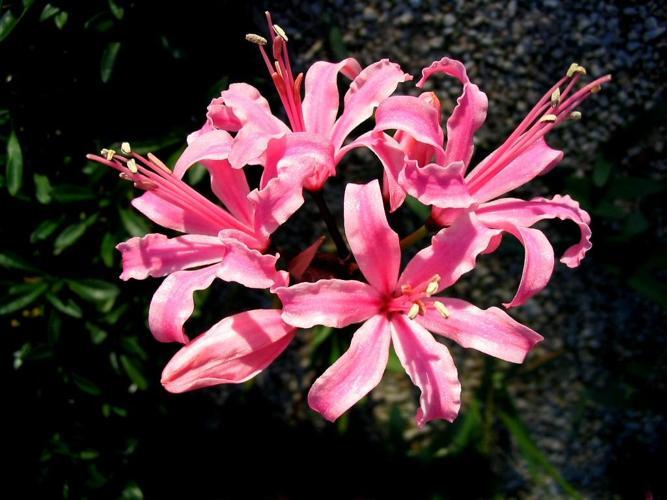
Cape Flower (Red Spider Lily)
Lycoris radiata
The Cape Flower, botanically designated as *Lycoris radiata* and globally celebrated as the Red Spider Lily, Japanese Spider Lily, Hurricane Lily, or Equinox Flower, is an exceptionally dramatic bulbous perennial. Belonging to the family Amaryllidaceae (the amaryllis family, tribe Lycorideae), th...
Similar Characteristics
4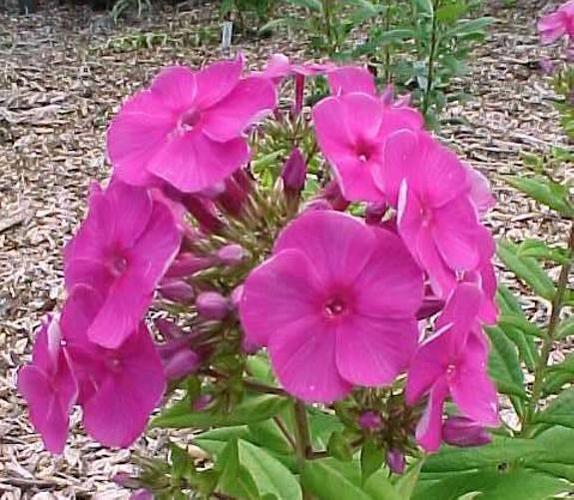
Phlox
Phlox paniculata
The genus Phlox, a cornerstone of the North American garden, encompasses a diverse array of species ranging from low-growing ground covers to towering, stately perennials. Derived from the Greek word for 'flame,' the name perfectly captures the vibrant, fiery intensity of their clustered blossoms...
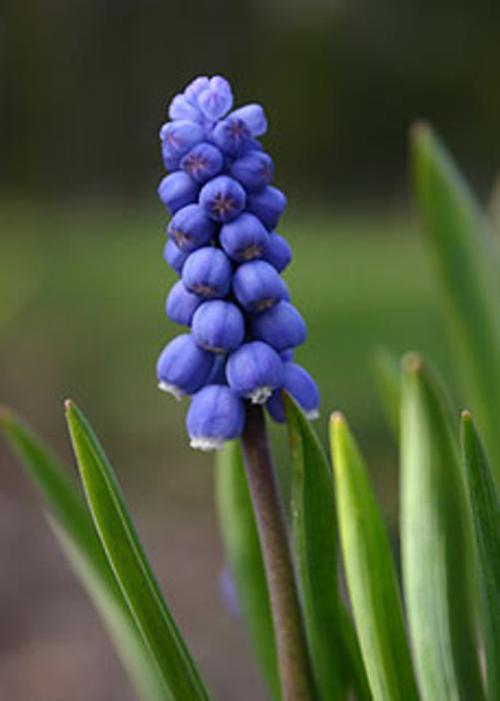
Grape hyacinth
Muscari
Grape Hyacinth, botanically classified under the genus Muscari and represented primarily by Muscari armeniacum, is a highly charming, clump-forming spring bulb belonging to the Asparagaceae (asparagus) family. Native to the rich mountain meadows, rocky woodlands, and grassy slopes of the Mediterr...
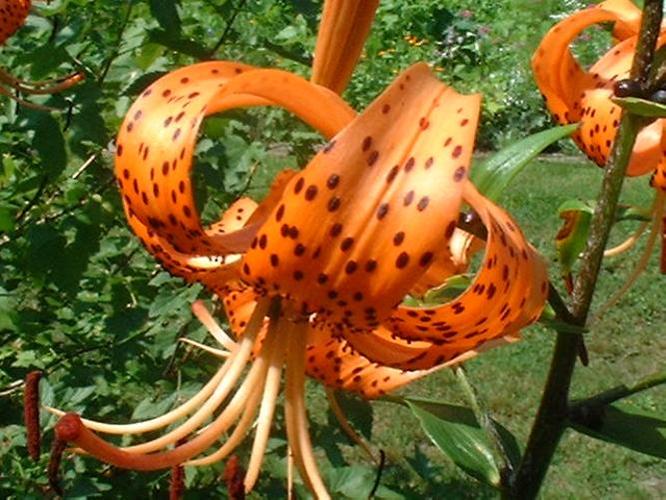
Tiger Lily
Lilium lancifolium
The Tiger Lily (Lilium lancifolium), a standout member of the Liliaceae family, is one of the most recognizable and striking lilies in the world. Native to the temperate regions of Eastern Asia, including China, Japan, and Korea, this herbaceous perennial has captivated gardeners for centuries wi...
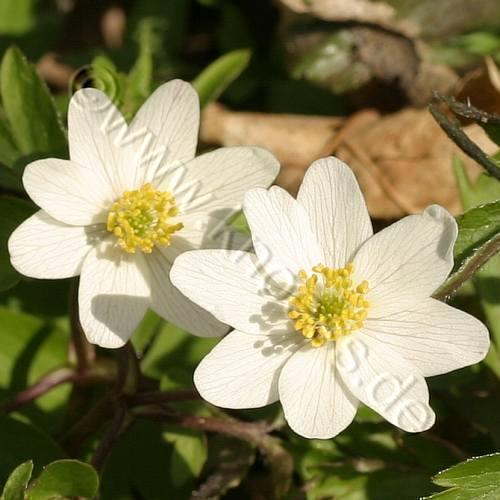
Windflower
Anemone
Windflower, botanically classified under the extensive genus Anemone within the Ranunculaceae (buttercup) family, comprises a spectacular and diverse group of herbaceous perennials beloved for their elegant, swaying blooms. Distributed throughout the temperate and cold regions of the Northern Hem...