
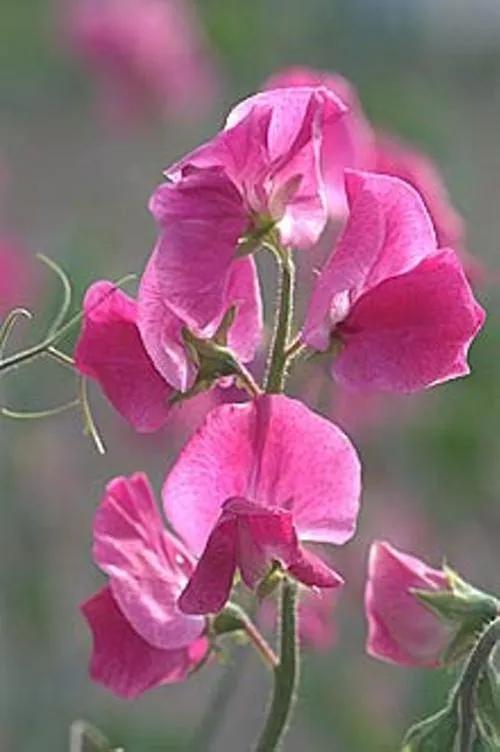
Sweet Pea
Lathyrus odoratus
How to Identify Sweet Pea
Care & Growing Guide
Seasonal Blooming & Hardiness
Seasonal Blooming Calendar:
- Peak Bloom: Spring to early summer (typically April through June).
- Planting Time: Sow seeds directly outdoors in early spring after the last frost, or transplant nursery starts in late spring.
Bloom Timeline
About Sweet Pea
The Sweet Pea (Lathyrus odoratus) is a highly romanticized, climbing annual vine belonging to the Fabaceae (legume) family. Native to the Mediterranean regions of Sicily, southern Italy, and the Aegean Islands, it became an absolute sensation in Victorian England, where intensive botanical breeding transformed it into a quintessential cottage garden classic. Today, it is cultivated globally, beloved not just for its ruffled beauty, but for its incredibly intense, sweet, honey-and-orange-blossom fragrance.
Identification of the Sweet Pea is characterized by its weak, climbing stems and pinnate leaves that terminate in tightly coiling tendrils. These tendrils allow the vine to scramble up to 6-8 feet on trellises and fences. The flowers are highly ruffled, delicate, and bloom in small clusters. As a classic legume, the flower structure consists of a prominent, upright 'standard' petal, two side 'wings', and two fused lower petals forming a boat-like 'keel'. They are available in a massive pastel spectrum: pink, purple, blue, white, and bicolors, though notably, a true yellow sweet pea does not exist.
The floral formula is % ⚥ K(5) C5 A(9)+1 G1. It denotes a bilaterally symmetrical, bisexual flower. It features 5 fused sepals, 5 petals (standard, wings, keel), diadelphous stamens (9 fused into a tube + 1 free standing), and a single superior carpel. This specific shape forces bees to land on the keel, exposing the pollen.
Growing Sweet Peas requires precise timing. They are absolute cool-weather lovers. They must be planted early in the spring (or autumn in very mild climates) because they rapidly turn yellow, stop blooming entirely, and die once the intense heat of summer sets in. They require deeply prepared, rich, well-draining soil, full sun (with afternoon shade in warmer zones), and a sturdy trellis to climb.
Culturally, the Sweet Pea symbolizes delicate pleasure, blissful departure, and 'thank you for a lovely time'. It was the floral emblem of the Edwardian era in England.
WARNING: The Sweet Pea is TOXIC. Unlike culinary garden peas, the seeds (and pods) of the Sweet Pea contain lathyrogens, which are dangerous neurotoxins. Ingestion of large quantities causes a condition called lathyrism, leading to paralysis, tremors, and severe illness. Always keep the pods away from children and pets.
It is often confused with culinary garden peas (Pisum sativum), which have strictly white, scentless flowers. It is also confused with the Butterfly Pea, but the Butterfly Pea thrives in intense tropical heat, has no scent, and features a distinct, brilliant blue color. Explore the Flower Identifier to discover more climbing vines.
Floral Formula & Features
Bilaterally symmetrical, bisexual. 5 fused sepals, 5 free petals (1 standard, 2 wings, 2 fused keel petals), 10 stamens in a 9+1 diadelphous arrangement, 1 superior carpel.
- Scientific Name & Classification: Lathyrus odoratus (Fabaceae). A highly fragrant climbing annual.
- Identification Markers: Winged, climbing stems with tendrils. Highly ruffled, pastel-colored flowers featuring a standard, wings, and keel petal arrangement.
- Floral Formula (% ⚥ K(5) C5 A(9)+1 G1): Bilaterally symmetrical. Features 5 petals and diadelphous stamens (9+1 arrangement).
- Growing Requirements: Strict cool-weather plant. Must be planted early in spring. Dies back rapidly when intense summer heat arrives. Requires a trellis.
- Cultural Significance: The definitive cottage-garden cut flower. Highly prized globally for its intense, sweet fragrance.
- Safety & Toxicity: TOXIC. The seeds and pods contain neurotoxins (lathyrogens) that cause paralysis and tremors if eaten. Never confuse with edible garden peas.
- Common Look-alikes: Often confused with the non-toxic, heat-loving Butterfly Pea or standard edible garden peas (which lack fragrance).
- Internal Links: Compare its climbing habit with the Butterfly Pea or explore fragrant blooms like Juhi Jasmine.
Names in Different Languages
Botanical Classification: Sweet Pea belongs to the Fabaceae family. Learn how to identify its floral symmetry, stamen arrangement, and structural formulas in our Botanical Family Classification Guide.
Toxicity & Safety
Always keep toxic plants out of reach of children and pets. Consult a veterinarian or medical professional immediately if ingestion is suspected.
Frequently Asked Questions
What is Floral Formula?
A floral formula is a symbolic representation of a flower's structure using letters, numbers, and special symbols. It provides a concise way to describe the arrangement and number of floral parts.
This formula describes the flower's symmetry, sepals, petals, stamens, and carpels in a standardized format.
Formula Sequence
- Bract: Br or Ebr
- Bracteole: Brl or Ebrl
- Symmetry: % (Radial) or ⊕ (Bilateral)
- Sex: ♀ (Female), ♂ (Male), or ⚥ (Bisexual)
- Calyx/Sepal: K<number> (Free or Fused)
- Corolla/Petal: C<number> (Free or Fused)
- Androecium: A<number> (Free or Fused)
- Gynaecium: G<number> (Superior or Inferior Ovary)
Symbol Meanings
- Numbers: Indicate quantity of parts
- Parentheses (): Parts are fused together
- Plus (+): Parts in different whorls
- Underline: Superior ovary position
- Overline: Inferior ovary position
- ∞: Numerous parts (too many to count)
Understanding floral formulas helps botanists quickly identify and classify flowers based on their structural characteristics.
Similar Flowers
Discover flowers that share botanical characteristics
Same Family
4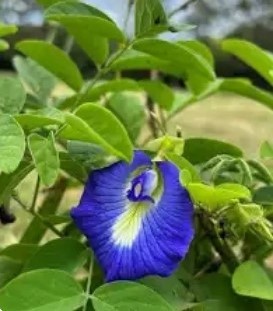
Butterfly Pea
Clitoria ternatea
The Butterfly Pea (Clitoria ternatea), belonging to the Fabaceae (legume) family, is a captivating tropical climbing vine renowned for its vivid, jewel-toned blossoms. Originating in equatorial Asia, including India and Southeast Asia, it has successfully spread to tropical and subtropical zones...
Wisteria
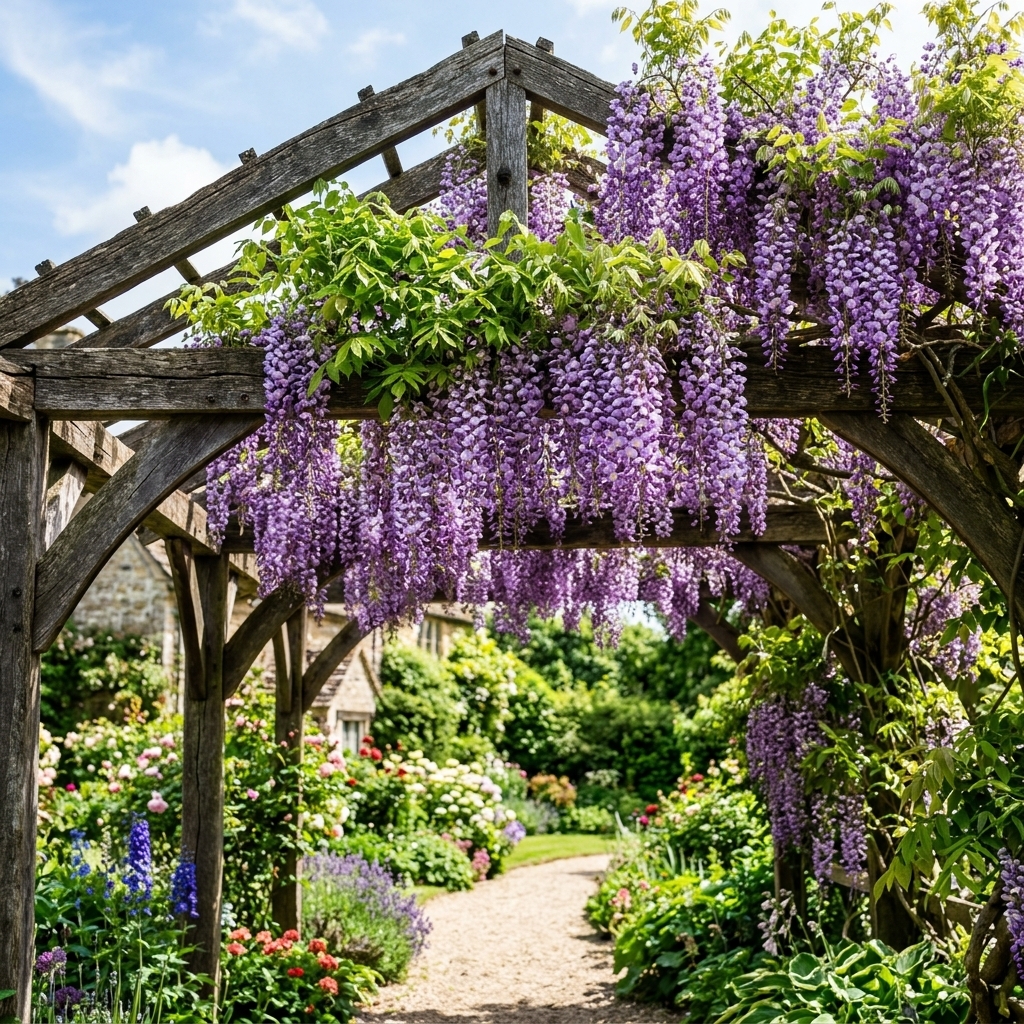
Wisteria
Wisteria, botanically classified within the genus Wisteria and most famously represented by Wisteria sinensis (Chinese Wisteria) and Wisteria floribunda (Japanese Wisteria), is a spectacular genus of woody, climbing deciduous vines in the Fabaceae (pea or legume) family. Native to the damp woodla...
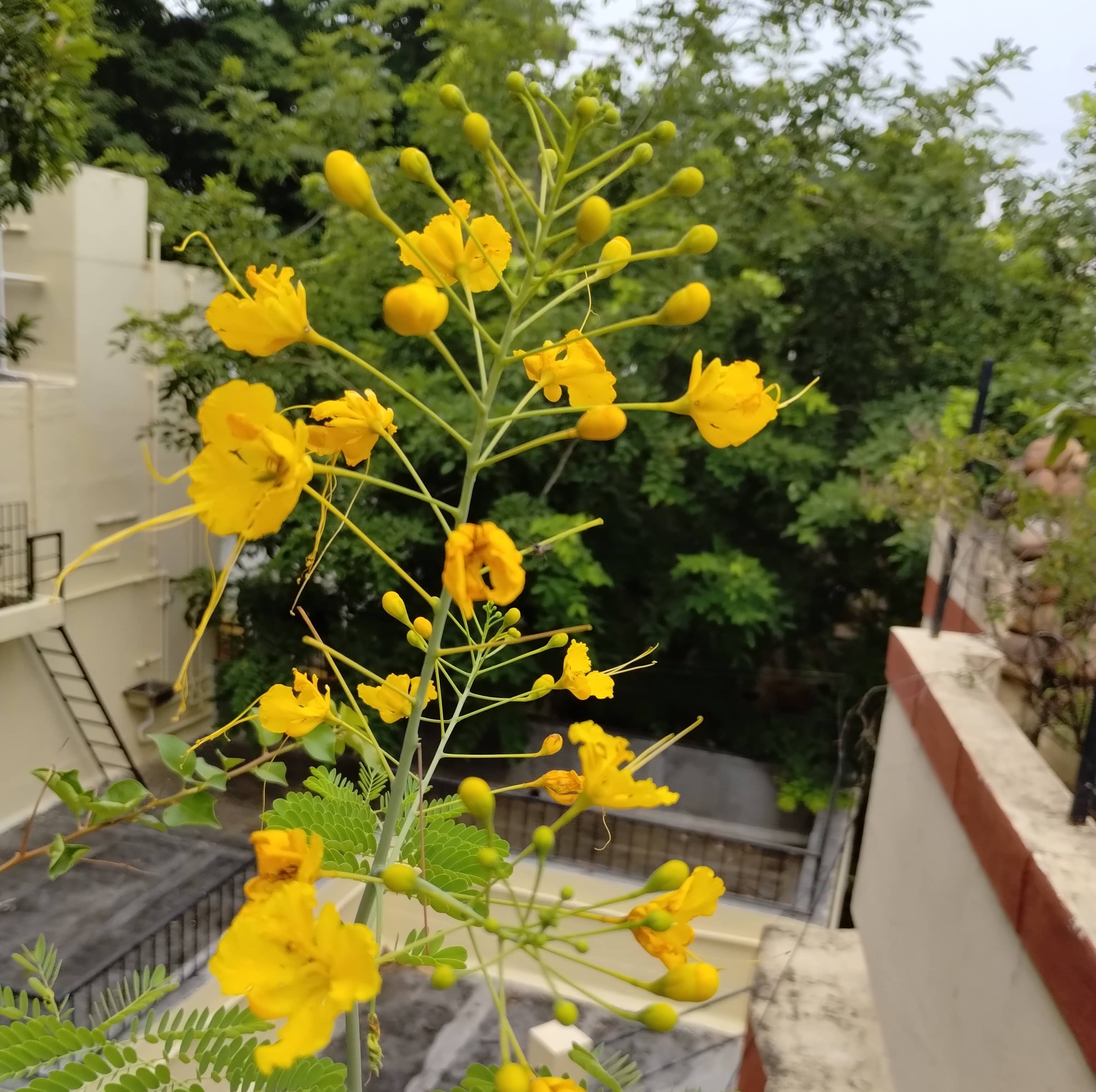
Peacock Flower (Caesalpinia)
Caesalpinia pulcherrima
Caesalpinia pulcherrima, famously known as the "Peacock Flower," "Pride of Barbados," or "Red Bird of Paradise," is a breathtakingly vibrant tropical shrub that embodies the fiery spirit of the Caribbean. A member of the Fabaceae (Legume) family, this species is celebrated for its flamboyant, ter...
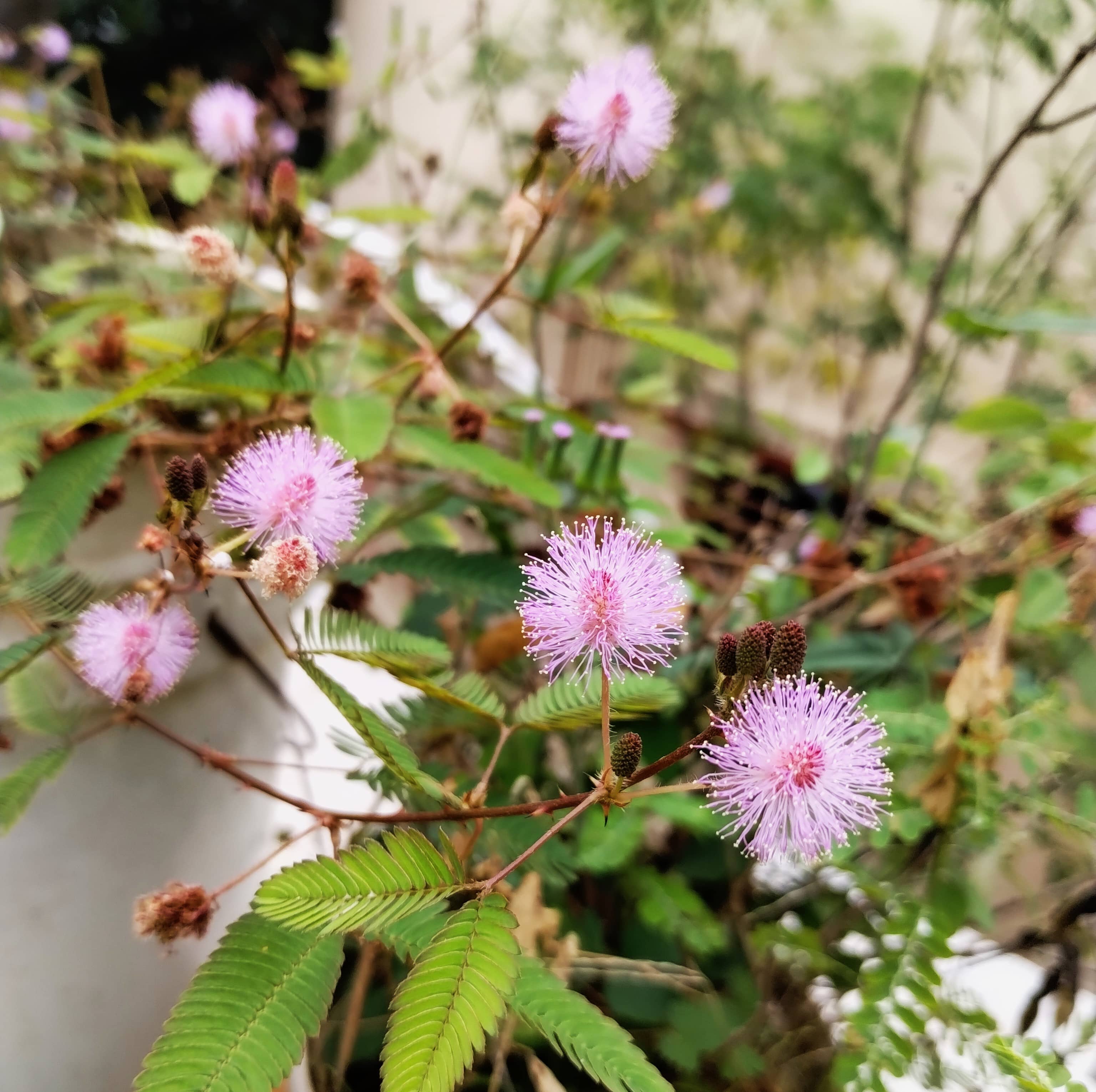
Touch Me Not
Mimosa pudica
Mimosa pudica, widely known as the "Touch-Me-Not" or "Sensitive Plant," is one of the most intriguing species in the botanical kingdom due to its rapid, touch-sensitive leaf movements. A member of the Fabaceae (Legume) family, this creeping perennial or subshrub is native to the tropical regions...
Similar Characteristics
4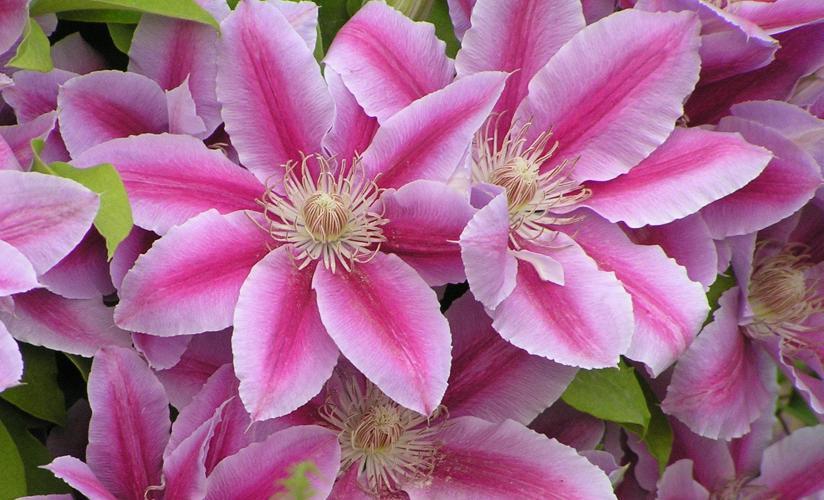
Clematis
Clematis
The Clematis, belonging to the genus Clematis within the family Ranunculaceae (the buttercup family), is a spectacular genus of perennial climbing vines widely hailed as the 'Queen of the Climbers.' Native to the temperate woodlands, rocky hillsides, and river hedgerows across the Northern Hemisp...
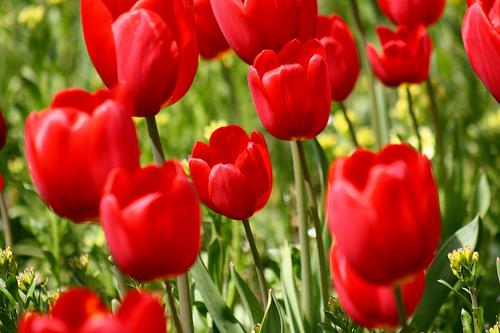
Tulip
Tulipa
The Tulip, botanically designated under the genus Tulipa and belonging to the family Liliaceae (the lily family, tribe Lilieae), is an exceptionally iconic, globally celebrated spring-blooming bulbous herbaceous perennial. Native to the dry, mountainous heights, rocky slopes, and sweeping grassla...
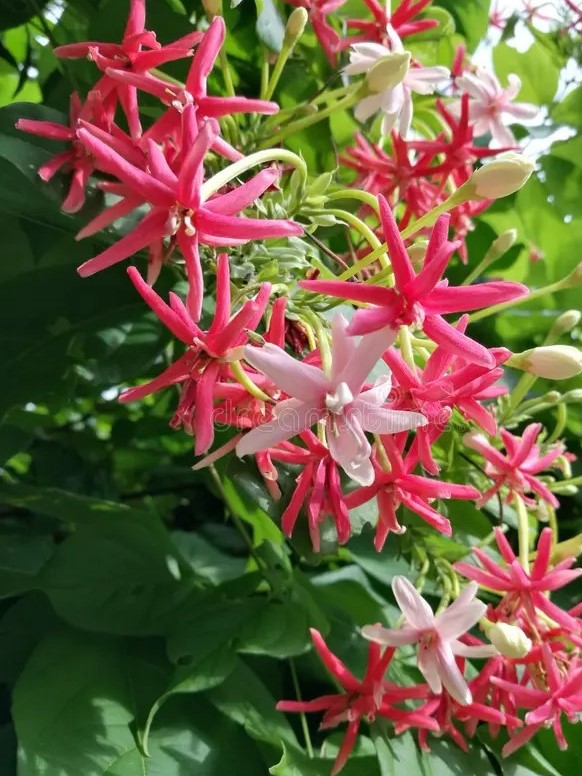
Rangoon creeper
Combretum indicum
Rangoon Creeper, botanically classified as Combretum indicum (historically known as Quisqualis indica), is an enchanting, woody climbing vine belonging to the Combretaceae (combretum) family. Native to the warm, moist tropical forests and riverbanks of South Asia, Southeast Asia, and the Pacific...
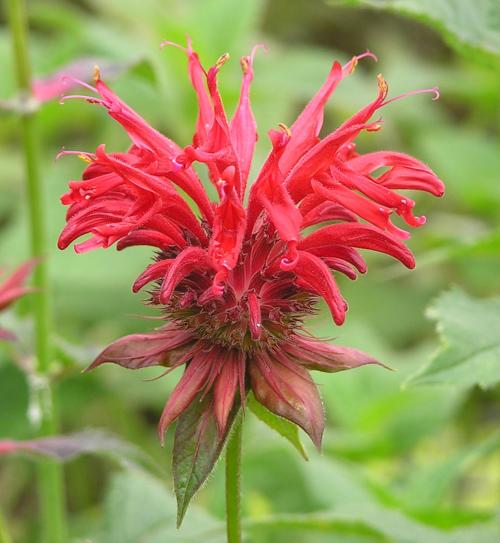
Beebalm
Monarda didyma, Monarda fistulosa
Bee Balm, botanically classified under the genus Monarda within the family Lamiaceae (the mint family), is a spectacular and highly aromatic clump-forming herbaceous perennial. Native to the rich floodplains, moist meadows, woodland margins, and stream banks of eastern North America—ranging from...