
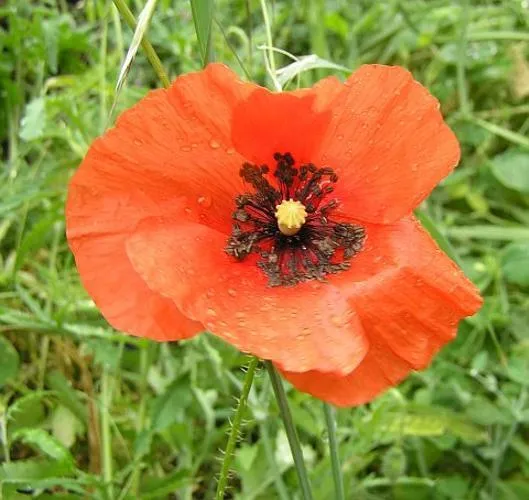
Corn Poppy
Papaver rhoeas
How to Identify Corn Poppy
TOXIC TO PETS. Ingestion of its milky sap or foliage causes vomiting, drooling, and mild central nervous system depression in cats and dogs due to readiin alkaloids.
Care & Growing Guide
Seasonal Blooming & Hardiness
Seasonal Blooming Calendar:
- Peak Bloom: Spring to early summer (typically April through June).
- Planting Time: Sow seeds directly outdoors in early spring after the last frost, or transplant nursery starts in late spring.
Bloom Timeline
About Corn Poppy
The Corn Poppy, botanically designated as Papaver rhoeas and commonly known as the Field Poppy, Flanders Poppy, or Red Poppy, is an exceptionally iconic, breezy, and resilient annual wildflower. Belonging to the family Papaveraceae (the poppy family, tribe Papavereae), this historically rich plant is native to the sun-drenched agricultural margins, gravelly slopes, and open meadows of Europe, temperate Asia, North Africa, and the Mediterranean basin, and has naturalized extensively across temperate zones worldwide.
This erect, branching annual typically stands 1 to 2.5 feet (30 to 75 cm) tall on slender, wiry green stems that are densely covered in stiff, bristly white hairs. It features highly attractive, deeply divided, lobed, and feathery green leaves (pinnatifid foliage). It is globally famous for its spectacular, cup-shaped flowers measuring 2 to 4 inches (5 to 10 cm) across, which bloom from late spring through summer (May through August) and sway gracefully in the summer breeze.
The flowers feature 4 broad, overlapping, and highly crinkled petals with a delicate, papery texture. In the wild ancestral type, the petals are a brilliant, glowing scarlet-red, often decorated with a striking black or deep indigo blotch at the base surrounding a prominent dark center. Slender green buds nod downward before opening, while the open flower faces directly upward to the sky, showcasing a central ring of dozens of dark purple stamens surrounding a crown-like green stigmatic disc.
The radially symmetrical reproductive morphology of Papaver rhoeas is represented by the family-specific floral formula EBr ⊕ ⚥ K2 C4 A∞ G(2-20). This formula states that the flowers are ebracteate (lacking bracts), actinomorphic, and bisexual. Uniquely, the calyx is composed of exactly 2 free sepals that fall off immediately as the flower opens (caducous). The corolla consists of 4 free, overlapping, papery petals. The androecium contains numerous (∞) free stamens, and the gynoecium contains 2 to 20 fused carpels with a superior ovary.
The common name 'Corn Poppy' arose because it historically grew as an abundant weed in British grain fields (where 'corn' traditionally referred to any grain crop). Famed in Sanskrit as Rakta-posta (रक्त-पोस्त) and in Hindi as Gulab Khas (गुलाब खस) or Posta (पोस्ता), it is globally immortalized as the international symbol of military remembrance, inspired by Colonel John McCrae's famous WWI poem 'In Flanders Fields,' where the poppies were the first to bloom among trench-torn soils.
For pet owners and veterinarians, the Corn Poppy requires careful attention. While Papaver rhoeas does NOT contain the highly restricted opium alkaloids (such as morphine or codeine) found in the Opium Poppy (Papaver somniferum), it is still classified as TOXIC to dogs, cats, and horses. All parts of the plant (particularly the foliage and milky sap) contain readiin, a mild isoquinoline alkaloid that can cause stomach irritation, vomiting, drooling, central nervous system depression, lethargy, and slowed heart rate if ingested. For safety tips, visit our general Pet Guard page.
Corn Poppy is occasionally confused with the Opium Poppy (Papaver somniferum). It is easily distinguished because true Corn Poppy has thin, bristly hairy stems and deeply dissected feathery foliage, whereas the Opium Poppy has thick, smooth, glaucous blue-green leaves and much larger flowers. It is a premier selection for sunny drifts alongside Cornflower. To explore more sun-loving wildflowers, browse our Flower Identifier.
Floral Formula & Features
Ebracteate, radially symmetrical (actinomorphic), bisexual, 2 free sepals that fall as flower opens (caducous), 4 free papery petals, numerous free stamens, 2-20 fused carpels forming superior ovary with radiating stigmatic rays. Typical of Papaveraceae
- Scientific Name & Classification: Papaver rhoeas (Papaveraceae). Globally famed as Corn Poppy, Flanders Poppy, Field Poppy, and Red Poppy.
- Identification Markers: Bristly hairy stems, alternate feathery lobed leaves, and 2-4 inch cup-shaped scarlet-red flowers with 4 crinkled papery petals and a dark center.
- Floral Formula (EBr ⊕ ⚥ K2 C4 A∞ G(2-20)): Radially symmetrical, bisexual flowers with 2 falling sepals, 4 free crinkled petals, numerous stamens, and superior ovary with stigmatic rays.
- Growing Requirements: Full direct sun (6-8 hours daily); average, lean, moderately dry, exceptionally well-draining soils. Dislikes rich organic fertilizers (Zones 3-10 as annual).
- Cultural Significance: Famed in Sanskrit as 'Rakta-posta.' International WWI memorial symbol of remembrance inspired by the famous poem 'In Flanders Fields' (1915).
- Safety & Toxicity: TOXIC TO PETS. Ingestion of its milky sap or foliage causes vomiting, drooling, and mild central nervous system depression in cats and dogs due to readiin alkaloids.
- Common Look-alikes: Confused with the Opium Poppy (Papaver somniferum), but easily distinguished by its slender hairy stems and highly divided feathery foliage.
- Sows effortlessly in sunny sweeps and naturalized cottage borders alongside other cheerful annuals like Cornflower and Chamomile
Names in Different Languages
Cultural Etiquette & Gifting: Planning to gift or decorate with Corn Poppy? Discover its symbolic meanings, festival traditions, and crucial cultural faux pas across 20+ countries in our comprehensive Global Flower Etiquette Guide.
Botanical Classification: Corn Poppy belongs to the Papaveraceae family. Learn how to identify its floral symmetry, stamen arrangement, and structural formulas in our Botanical Family Classification Guide.
Toxicity & Safety
Always keep toxic plants out of reach of children and pets. Consult a veterinarian or medical professional immediately if ingestion is suspected.
Frequently Asked Questions
What is Floral Formula?
A floral formula is a symbolic representation of a flower's structure using letters, numbers, and special symbols. It provides a concise way to describe the arrangement and number of floral parts.
This formula describes the flower's symmetry, sepals, petals, stamens, and carpels in a standardized format.
Formula Sequence
- Bract: Br or Ebr
- Bracteole: Brl or Ebrl
- Symmetry: % (Radial) or ⊕ (Bilateral)
- Sex: ♀ (Female), ♂ (Male), or ⚥ (Bisexual)
- Calyx/Sepal: K<number> (Free or Fused)
- Corolla/Petal: C<number> (Free or Fused)
- Androecium: A<number> (Free or Fused)
- Gynaecium: G<number> (Superior or Inferior Ovary)
Symbol Meanings
- Numbers: Indicate quantity of parts
- Parentheses (): Parts are fused together
- Plus (+): Parts in different whorls
- Underline: Superior ovary position
- Overline: Inferior ovary position
- ∞: Numerous parts (too many to count)
Understanding floral formulas helps botanists quickly identify and classify flowers based on their structural characteristics.
Similar Flowers
Discover flowers that share botanical characteristics
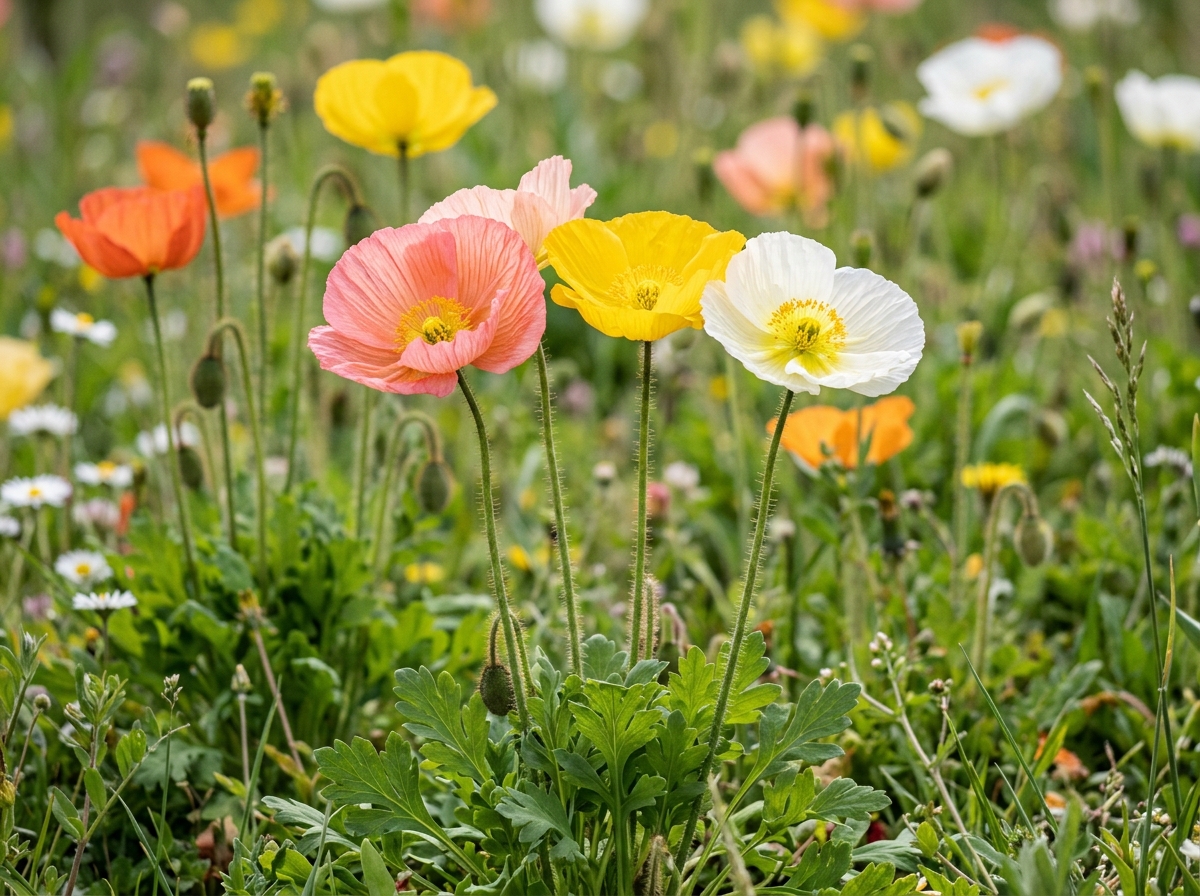
Same Family
4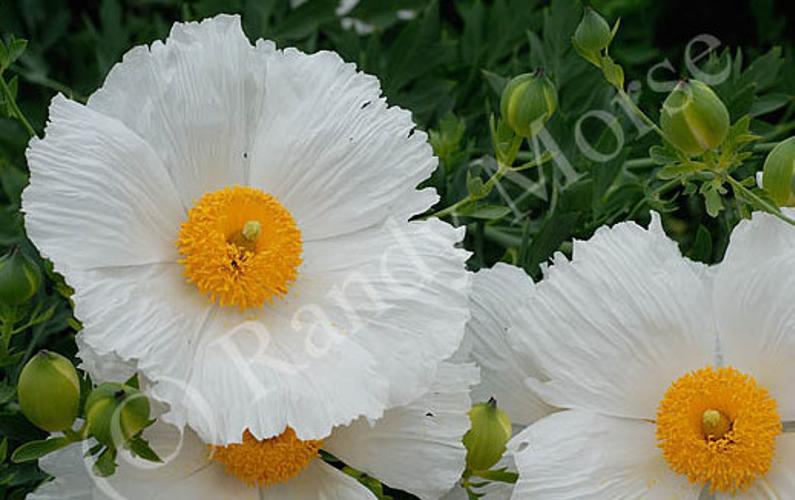
Tree Poppy
Dendromecon rigida
The Tree Poppy, scientifically known as Dendromecon rigida and commonly referred to as the Bush Poppy or California Tree Poppy, is a rare, spectacular evergreen shrub belonging to the Papaveraceae (poppy) family. Endemic to the dry, rocky chaparral slopes and coastal sage scrub of California and...
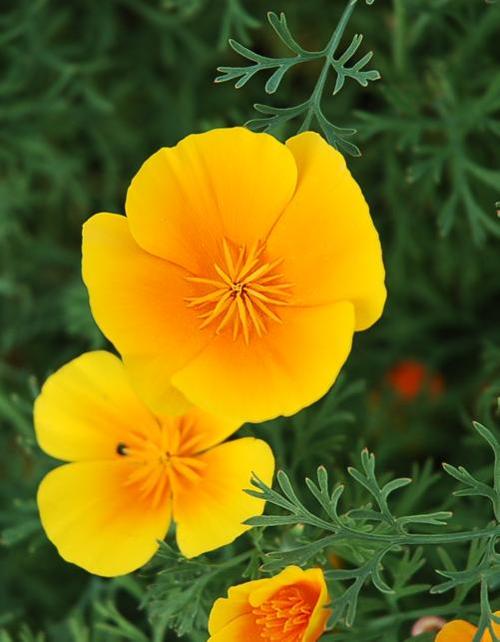
California poppy
Eschscholzia californica
Eschscholzia californica, famously known as the California Poppy or Golden Poppy, is a brilliant wildflower that serves as a luminous symbol of the American West. Belonging to the Papaveraceae (Poppy) family, this resilient species is celebrated for its silky, cup-shaped blossoms that range from...
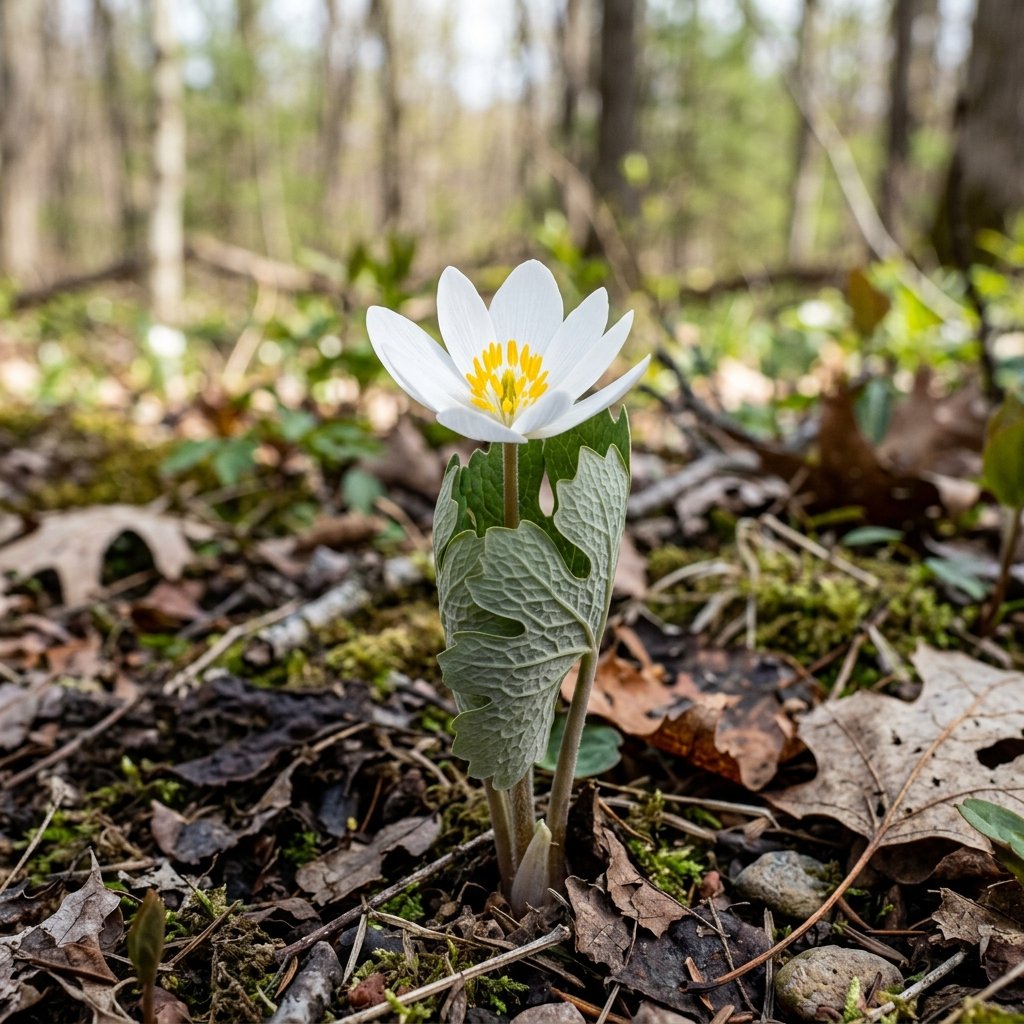
Bloodroot
Sanguinaria canadensis
Bloodroot (*Sanguinaria canadensis*) is one of the earliest and most enchanting spring wildflowers of eastern North American forests, producing pure white, star-like flowers with golden yellow centers that emerge in March and April, often pushing up through the last of the winter snow. It is the...
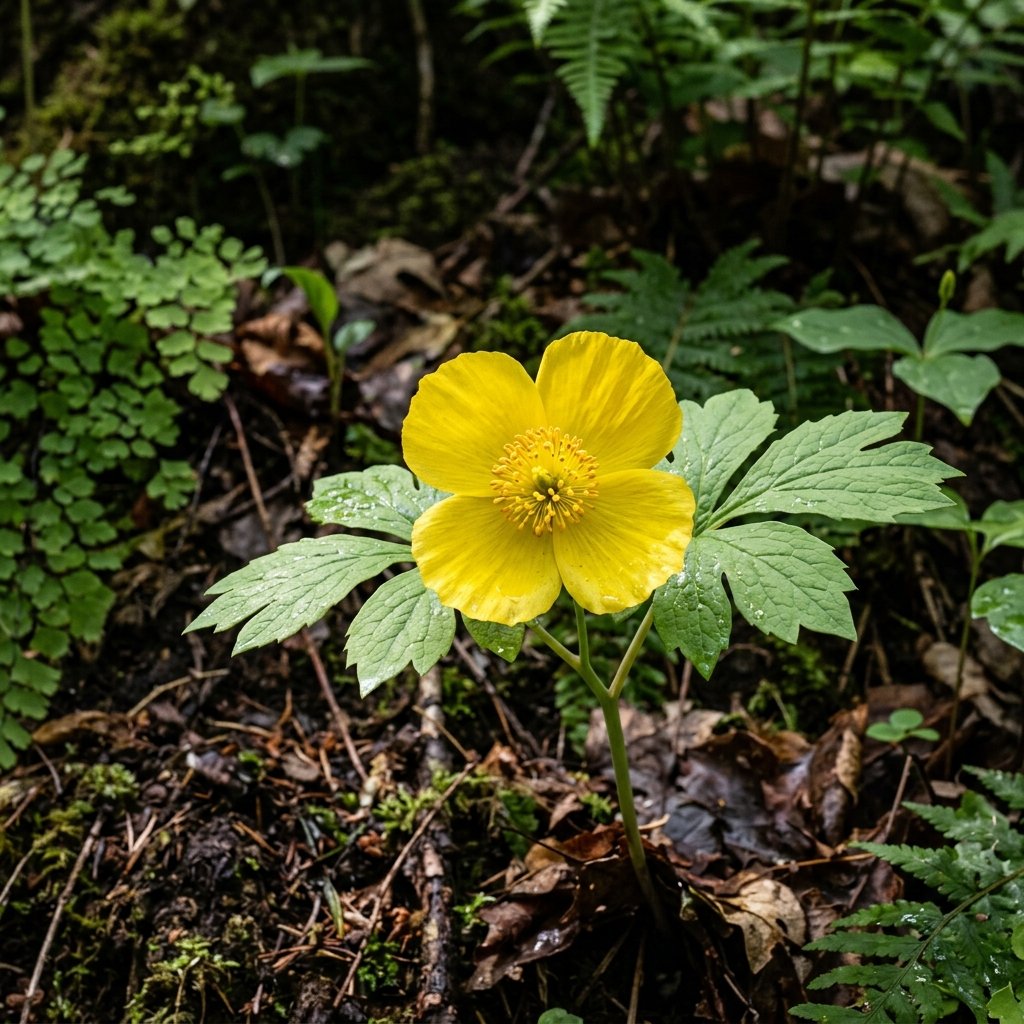
Wood Poppy
Stylophorum diphyllum
Wood Poppy (*Stylophorum diphyllum*), also known as the Celandine Poppy or Yellow Wood Poppy, is one of the showiest and most reliable native wildflowers for the shaded woodland garden, producing large, bright butter-yellow poppy flowers 1.5 to 2 inches across above a rosette of deeply lobed, blu...
Similar Characteristics
4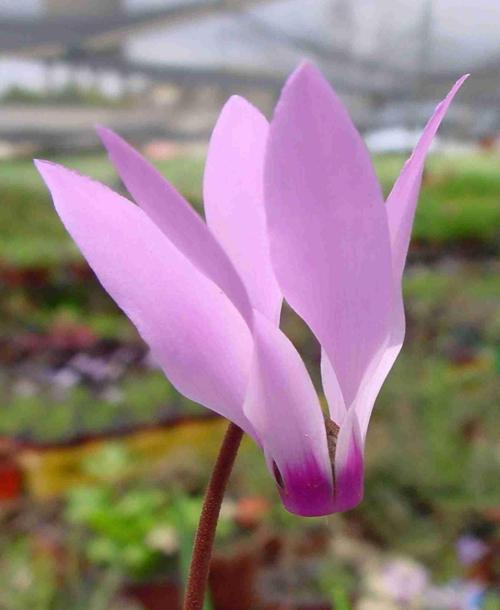
Cyclamen
Cyclamen persicum
Cyclamen (Cyclamen persicum), often referred to as the Persian Cyclamen or Sowbread, is a captivating tuberous perennial that has enchanted gardeners for centuries with its unique, upswept blossoms and elegantly patterned foliage. Native to the rocky hillsides and woodlands of the Mediterranean r...
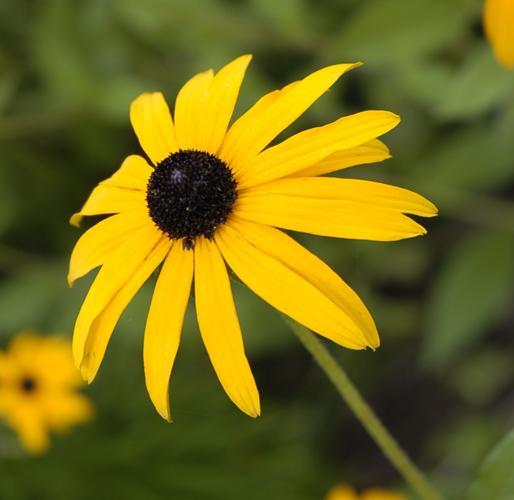
Black eyed Susan
Rudbeckia hirta
Rudbeckia hirta, famously known as the "Black-Eyed Susan" or "Yellow Ox-Eye Daisy," is a quintessentially American wildflower that brings a burst of radiant sunshine to North American landscapes. A member of the Asteraceae (Daisy) family, this resilient species is native to much of the central an...
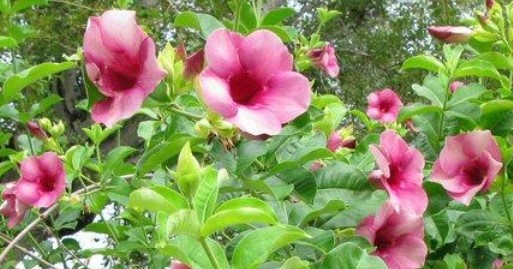
Mandevilla
Mandevilla
Mandevilla, often referred to as the Rock Trumpet, is the undisputed queen of the tropical vertical garden. Belonging to the Apocynaceae family—the same family that hosts the famous Frangipani and Oleander—this genus comprises over 100 species of vigorous, woody climbing vines and mounding shrubs...
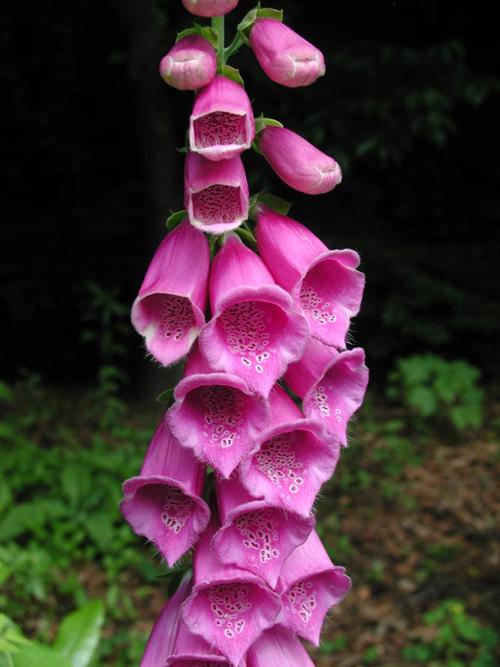
Foxglove
Digitalis purpurea
Digitalis purpurea, commonly known as Foxglove, is a majestic and iconic biennial plant belonging to the Plantaginaceae family. Native to the cool, temperate woodlands, hedgerows, and mountainous clearings of western and southwestern Europe, this striking species has naturalized throughout North...