
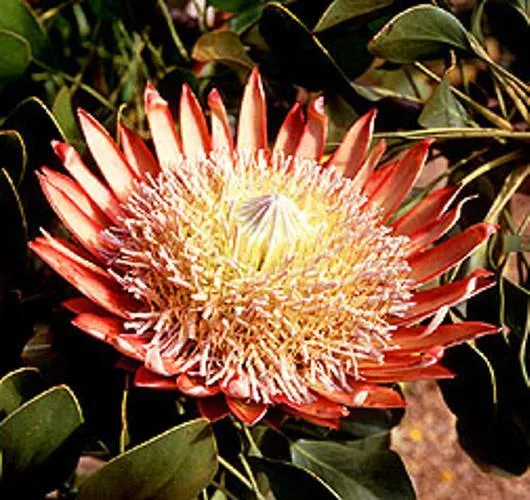
King Protea
Protea cynaroides
How to Identify King Protea
NON-TOXIC. 100% pet-safe for cats, dogs, and horses, making it a highly premium, safe cut flower for home decor.
Care & Growing Guide
Seasonal Blooming & Hardiness
Seasonal Blooming Calendar:
- Peak Bloom: Summer (typically June through September).
- Planting Time: Sow seeds directly outdoors in early spring after the last frost, or transplant nursery starts in late spring.
Bloom Timeline
About King Protea
The King Protea, botanically known as Protea cynaroides and often called the King Sugar Bush or Cape Artichoke Flower, is a magnificent, evergreen woody shrub in the Proteaceae family. Endemic to the mountainous slopes and rocky sandstone ridges of South Africa's Western and Eastern Cape provinces, this highly iconic plant is a cornerstone of the hyper-diverse fynbos biome. It is famed worldwide for producing the largest flower heads in the entire Protea genus, measuring an extraordinary 6 to 12 inches across, and serves as a premium, highly coveted specimen in dry landscapes and the high-end cut flower trade.
Growing as an erect, spreading woody shrub that reaches heights of 3 to 6 feet with an equal spread, the King Protea boasts a rugged, architectural form. Its stems are thick, smooth, and reddish-green, clothed in large, glossy, dark green leaves that are rounded-elliptic, leathery, and held on long, reddish leaf stalks. The massive blooms are shaped like large goblets or crown-like bowls. The outer 'petals' are actually 4 to 6 rows of stiff, pointed, petal-like modified leaves (bracts) coated in silky hairs, ranging in color from pale silvery-pink to deep crimson, surrounding a dense central dome of true, tiny white flowers.
The reproductive blueprint of the individual tiny flowers in the central dome is represented by the floral formula EBr ⊕ ⚥ P4 A4 G1. This indicates that the flowers are ebracteate (although the overall head is encircled by showy bracts), radially symmetrical (actinomorphic), and bisexual. It features a perianth composed of 4 tepals fused into a long, narrow tube that splits open at maturity. The androecium consists of 4 stamens attached directly to the inner surface of the tepals, while the gynoecium features a single free carpel with a superior ovary and long, wire-like style.
In terms of cultivation, Protea cynaroides is a highly specialized, water-wise plant adapted specifically to Mediterranean climates, performing beautifully in USDA hardiness zones 9 through 11. It requires full, intense, direct sunlight, needing 6 to 8 hours of direct daily exposure to produce its massive blooms. It must be grown in highly acidic, nutrient-poor, rocky sandstone soils with exceptional, sharp drainage. The plant is extremely phosphorus-sensitive; applying standard phosphorus fertilizers will quickly poison the roots, which have evolved specialized 'proteoid' root clusters to absorb trace nutrients.
The genus name Protea honors the Greek sea god Proteus, who could change his shape at will—reflecting the incredible diversity of forms found within this plant family. The species name 'cynaroides' translates to 'resembling Cynara' (artichoke), directly describing the flower head's artichoke-like structure. Officially declared South Africa's national flower in 1976, the King Protea is a profound cultural symbol of courage, transformation, and diversity. Its sweet, nectar-rich flowers were historically harvested to make a medicinal sweet syrup called 'bossiestroop.'
For pet-owning families and luxury floral designers, the King Protea is a wonderful choice. It is classified as completely NON-TOXIC to cats, dogs, and horses by major veterinary toxicology databases. Its massive, silky-pink flowers can be safely displayed in tall floor vases or planted along garden borders without any risk of chemical toxicity to curious pets. To learn more about creating an exotic, pet-safe Mediterranean or water-wise garden border, check our Pet Guard safety catalog.
King Protea is occasionally confused with Globe Artichokes (Cynara scolymus) due to its artichoke-like shape and name. However, it is easily distinguished because the King Protea has woody, evergreen stems and leaves, a central core filled with hundreds of tiny hairy flowers, and brightly colored, pink-ringed, petal-like woody bracts, whereas artichoke heads are soft, green-purple, and grow on fleshy herbaceous stems. It pairs beautifully with other water-wise specimens; we suggest planting it beside Desert Rose or Kalanchoe. Browse other Proteaceae in our Flower Identifier.
For more botanical profiles and flower identification features, see our guides on Jatropha (Spicy Jatropha) and Leadwort.
Floral Formula & Features
Ebracteate (no true bracts, but large colorful modified leaves surround flower head), radially symmetrical (actinomorphic), bisexual, 4 tepals (perianth segments) fused into tube, 4 stamens attached to tepals, 1 free carpel with superior ovary. Formula describes individual tiny flowers within the large flower head
- Scientific Name & Classification: Protea cynaroides (Proteaceae). Commonly known as King Sugar Bush, Giant Protea, and Cape Artichoke.
- Identification Markers: Evergreen woody shrub with glossy, leathery, rounded dark green leaves. Massive goblet-shaped flower heads 6-12 inches across with silky, pointed pink-to-crimson bracts.
- Floral Formula (EBr ⊕ ⚥ P4 A4 G1): Radially symmetrical, bisexual tiny individual flowers with 4 fused tepals, 4 stamens, and single superior ovary.
- Growing Requirements: Full sun; requires acidic, nutrient-poor, sandy sandstone soil with sharp drainage. Extremely phosphorus-sensitive (Zones 9-11).
- Cultural Significance: National flower of South Africa since 1976; named after Greek god Proteus. Symbol of transformation, diversity, and courage.
- Safety & Toxicity: NON-TOXIC. 100% pet-safe for cats, dogs, and horses, making it a highly premium, safe cut flower for home decor.
- Common Look-alikes: Confused with Globe Artichoke heads, but distinguished by woody evergreen leaves, thick stems, and brightly colored pink silky bracts.
- Internal Links: Spectacular companion planted beside Desert Rose or potted Kalanchoe; find more exotic Proteaceae in our Flower Identifier.
Names in Different Languages
Toxicity & Safety
Frequently Asked Questions
What is Floral Formula?
A floral formula is a symbolic representation of a flower's structure using letters, numbers, and special symbols. It provides a concise way to describe the arrangement and number of floral parts.
This formula describes the flower's symmetry, sepals, petals, stamens, and carpels in a standardized format.
Formula Sequence
- Bract: Br or Ebr
- Bracteole: Brl or Ebrl
- Symmetry: % (Radial) or ⊕ (Bilateral)
- Sex: ♀ (Female), ♂ (Male), or ⚥ (Bisexual)
- Calyx/Sepal: K<number> (Free or Fused)
- Corolla/Petal: C<number> (Free or Fused)
- Androecium: A<number> (Free or Fused)
- Gynaecium: G<number> (Superior or Inferior Ovary)
Symbol Meanings
- Numbers: Indicate quantity of parts
- Parentheses (): Parts are fused together
- Plus (+): Parts in different whorls
- Underline: Superior ovary position
- Overline: Inferior ovary position
- ∞: Numerous parts (too many to count)
Understanding floral formulas helps botanists quickly identify and classify flowers based on their structural characteristics.
Similar Flowers
Discover flowers that share botanical characteristics
Similar Characteristics
4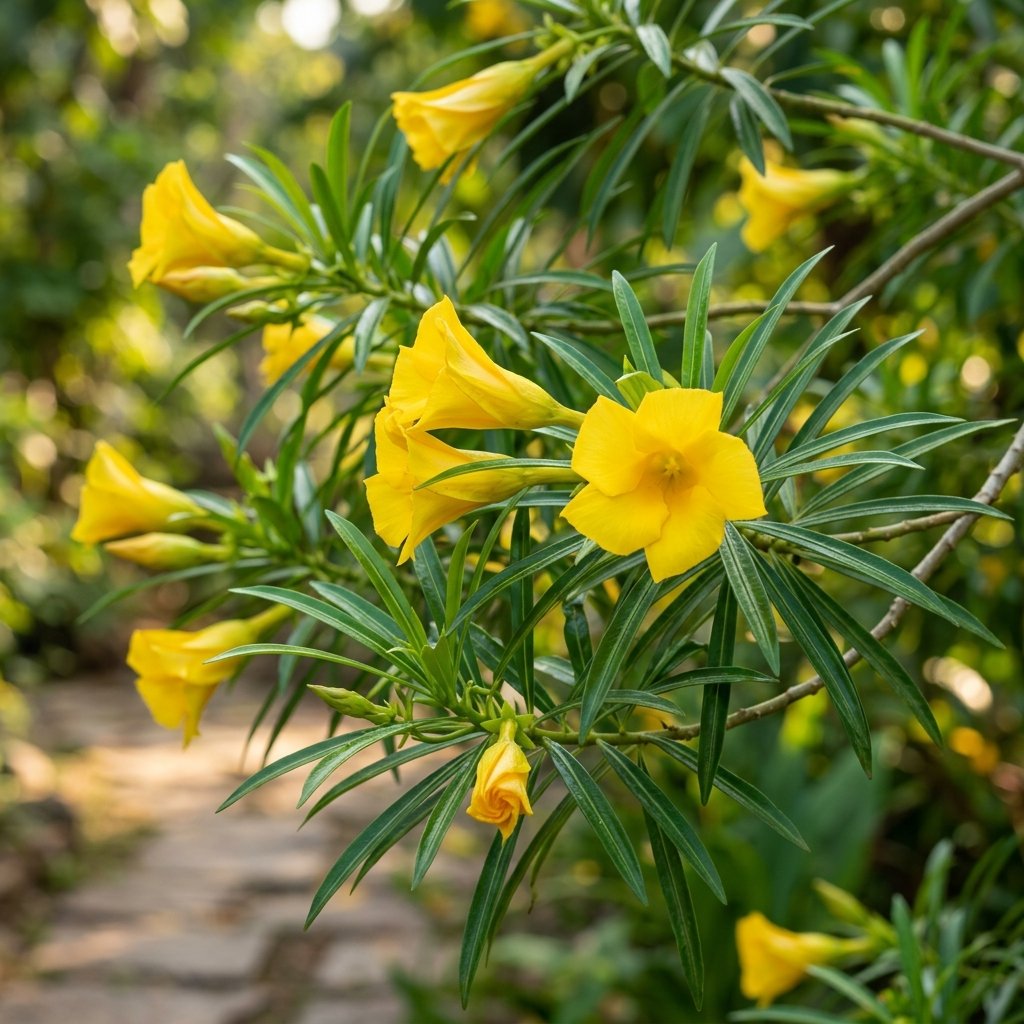
Yellow Oleander (Thevetia)
Cascabela thevetia
Yellow Oleander, botanically classified as *Cascabela thevetia* (formerly *Thevetia peruviana*) and famously celebrated in Indian culture as Pila Kaner, Lucky Nut, or the Be-still Tree, is a highly ornamental, heat-loving evergreen large shrub or small tree. Belonging to the dogbane family Apocyn...
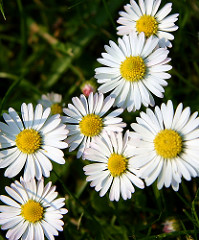
Daisy
Bellis perennis
The Common Daisy, botanically designated as *Bellis perennis* (and including related garden favorites like the English Daisy or Lawn Daisy), is an exceptionally cheerful, highly resilient herbaceous perennial. Belonging to the family Asteraceae (the daisy or sunflower family, tribe Astereae), thi...
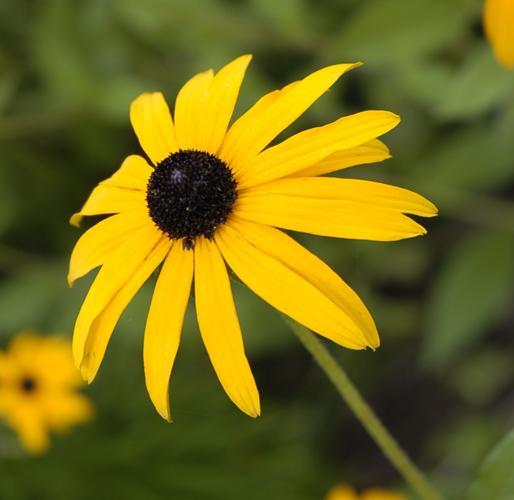
Black eyed Susan
Rudbeckia hirta
Rudbeckia hirta, famously known as the "Black-Eyed Susan" or "Yellow Ox-Eye Daisy," is a quintessentially American wildflower that brings a burst of radiant sunshine to North American landscapes. A member of the Asteraceae (Daisy) family, this resilient species is native to much of the central an...
Phlox
Phlox paniculata
The genus Phlox, a cornerstone of the North American garden, encompasses a diverse array of species ranging from low-growing ground covers to towering, stately perennials. Derived from the Greek word for 'flame,' the name perfectly captures the vibrant, fiery intensity of their clustered blossoms...