Easter Lily
Lilium longiflorum
How to Identify Easter Lily
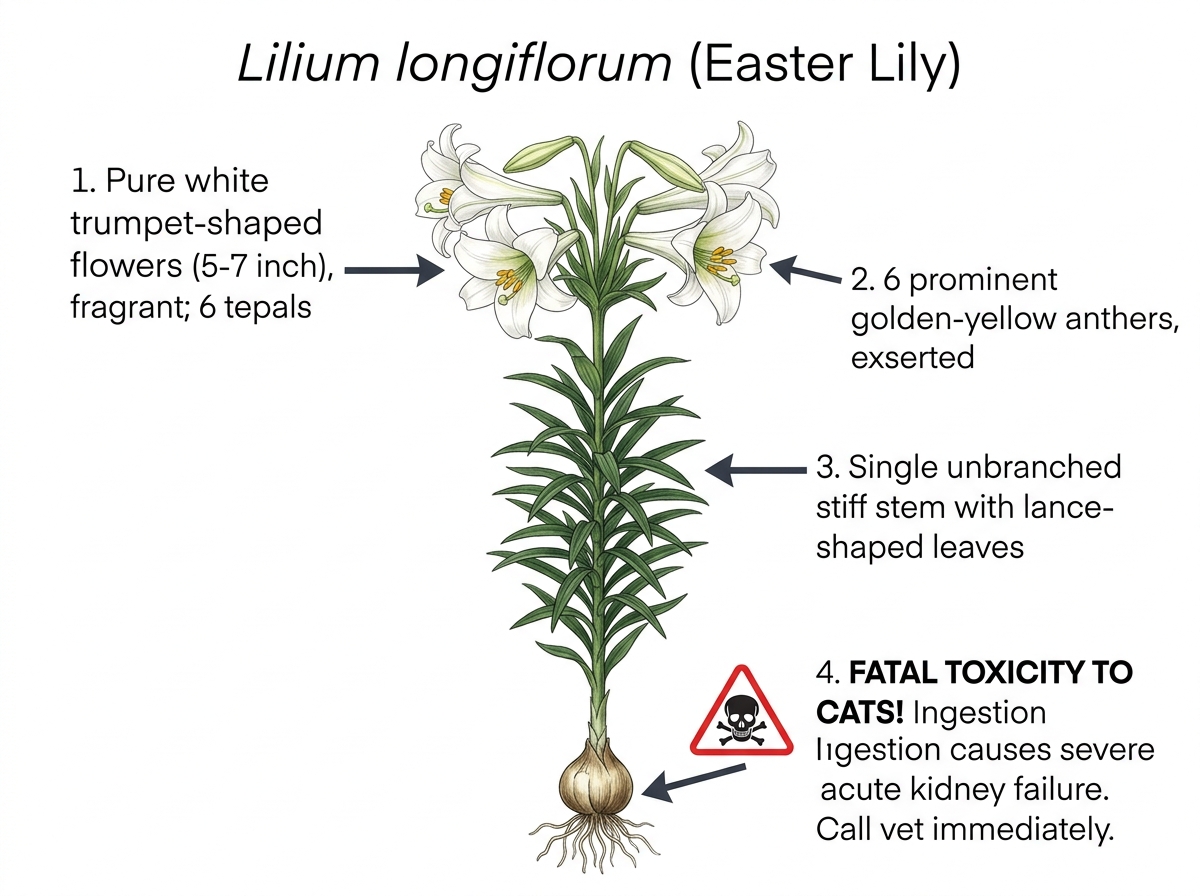
A guide to identifying Easter Lily (Lilium longiflorum):
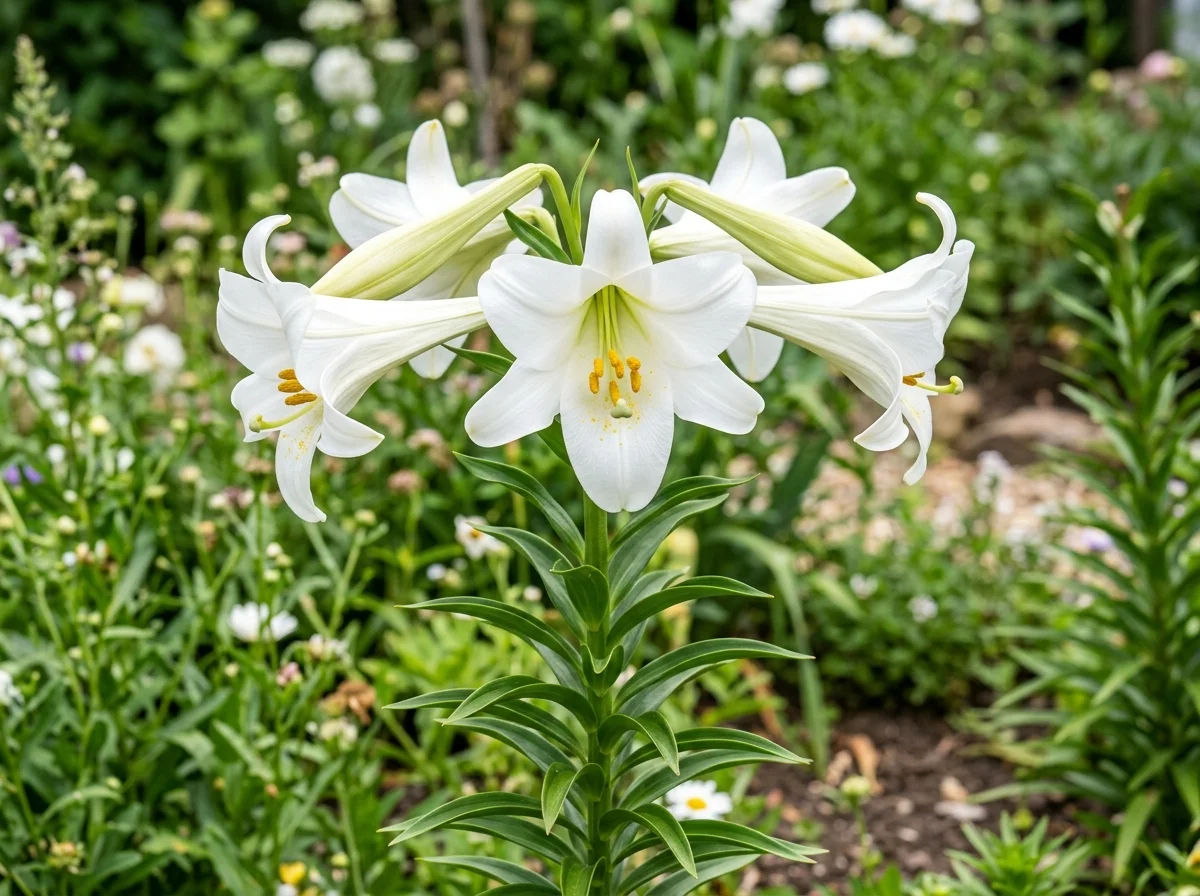
- Pure White Trumpet Flowers: Outward-facing pure white trumpet-shaped blooms measuring 5 to 7 inches long with a narrow tube base.
- 6 Golden-Yellow Anthers: Prominent stamens with heavy golden pollen hanging inside the center of the white trumpet.
- Single Unbranched Stem: Stiff green stem growing 2–3 feet tall carrying whorls or spiraled narrow lance-shaped leaves.
- Intense Sweet Fragrance: Powerfully sweet floral scent that fills room spaces during bloom.
Care & Growing Guide
Easter Lily Care & Growing Guide:
- Indoor Care (Forced Pots): Place in bright indirect light away from drafts and heaters. Keep soil evenly moist but never waterlogged. Remove yellow anthers to prevent pollen stains and extend bloom life.
- Outdoor Planting: Plant bulbs 6 inches deep in sunny, well-draining garden soil in autumn or after forced blooms fade. Mulch roots to keep soil cool.
- Cat Safety: NEVER keep Easter Lilies in households with cats.
Seasonal Blooming & Hardiness
Seasonal Blooming Calendar:
- Forced Indoor Bloom: Early spring (March to April for Easter).
- Natural Outdoor Bloom: Mid to late summer (July to August in Zones 7–9).
- Bulb Dormancy: Autumn to late winter.
Bloom Timeline
About Easter Lily
Easter Lily (Lilium longiflorum), native to the Ryukyu Islands of Japan, is a classic trumpet-shaped white lily famed for its elegant pure white blooms and intense sweet fragrance. It is traditionally forced into bloom in spring for Easter celebrations and spring floral displays. Historically, it was cultivated extensively in northern Ryukyu and later exported globally, becoming a cornerstone of the commercial bulb industry. The plant symbolizes purity and hope in various cultures and is highly sought after for horticultural exhibits.
From a botanical standpoint, Easter Lilies produce large, outward-facing or slightly nodding, pure white trumpet flowers measuring 5 to 7 inches long. Each flower has 6 pure white tepals (3 sepals and 3 petals that look identical) with a long tube narrowing at the base. Inside the tube sit 6 prominent golden-yellow anthers carried on long white filaments surrounding a single green 3-lobed pistil. The leaves are narrow, shiny green, lance-shaped, and arranged spirally or in whorls along a single unbranched stiff green stem that grows 2 to 3 feet tall.
In home gardens, Easter Lilies are perennial bulbs in US Hardiness Zones 7–9. After spring forcing, forced potted lilies can be planted outdoors in a sunny garden bed with sharp drainage, where they will revert to their natural bloom cycle in mid-summer (July to August). Outdoor plants require rich, well-drained soil and consistent moisture during the growing season.
⚠️ Pet Safety Notice: True lilies (Lilium spp.) are exceptionally toxic and lethal to domestic cats, causing acute kidney failure. For full medical toxicity details, symptoms, and emergency vet first aid, read our dedicated Easter Lily Pet Toxicity & Safety Guide.
Floral Formula & Features
Bisexual flower with 6 tepals in 2 whorls of 3, 6 stamens with yellow anthers, and superior ovary of 3 fused carpels.
- Scientific Name & Classification: Lilium longiflorum (Liliaceae). Famed worldwide as Easter Lily, White Trumpet Lily, and Bermuda Lily.
- Identification Markers: Massive pure white trumpet-shaped flowers (5–7 inches) with golden-yellow anthers, narrow lance-shaped leaves along a stiff unbranched stem.
- Floral Formula (P3+3 A3+3 G(3)): Radial symmetry, bisexual, 6 pure white tepals in two whorls, 6 golden stamens, 3 fused carpels forming a superior ovary.
- Growing Requirements: Full Sun to Part Shade; prefers morning sun and cool root zones in well-drained, rich acidic to neutral soil (Zones 7–9).
- Cultural Significance: Symbol of purity, rebirth, and spring renewal. Domesticated in Japan and brought to Western gardens in the 19th century.
- Safety & Toxicity: 💀 LETHAL TO CATS. All true Lilium species cause acute renal failure in cats. Pollen, leaves, stems, petals, and vase water are all fatal.
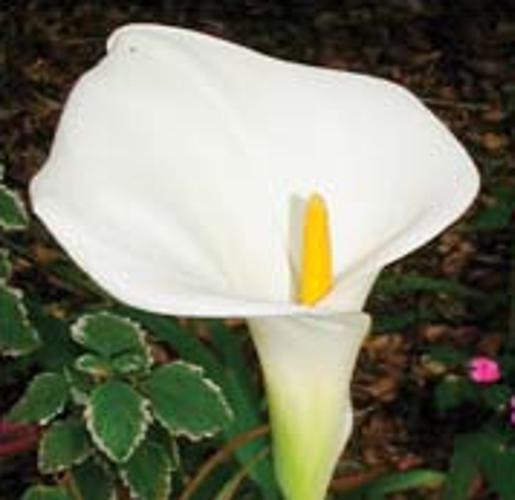
- Common Look-alikes: Frequently confused with non-toxic Calla Lily, but distinguished by its true trumpet form with 6 distinct tepals and 6 stamens (vs Calla's single smooth spathe and spadix).
- Internal Links: Compare key differences in our Calla Lily vs Easter Lily comparison, or check our Pet Guard Safety Profile.
Names in Different Languages
Cultural Etiquette & Gifting: Planning to gift or decorate with Easter Lily? Discover its symbolic meanings, festival traditions, and crucial cultural faux pas across 20+ countries in our comprehensive Global Flower Etiquette Guide.
Botanical Classification: Easter Lily belongs to the Liliaceae family. Learn how to identify its floral symmetry, stamen arrangement, and structural formulas in our Botanical Family Classification Guide.
Toxicity & Safety
Always keep toxic plants out of reach of children and pets. Consult a veterinarian or medical professional immediately if ingestion is suspected.
Pet Safety Guide: For detailed toxicity symptoms, first-aid measures, and safe garden alternatives, see our full Pet Guard Profile for Easter Lily.
Frequently Asked Questions
What is Floral Formula?
A floral formula is a symbolic representation of a flower's structure using letters, numbers, and special symbols. It provides a concise way to describe the arrangement and number of floral parts.
This formula describes the flower's symmetry, sepals, petals, stamens, and carpels in a standardized format.
Formula Sequence
- Bract: Br or Ebr
- Bracteole: Brl or Ebrl
- Symmetry: % (Radial) or ⊕ (Bilateral)
- Sex: ♀ (Female), ♂ (Male), or ⚥ (Bisexual)
- Calyx/Sepal: K<number> (Free or Fused)
- Corolla/Petal: C<number> (Free or Fused)
- Androecium: A<number> (Free or Fused)
- Gynaecium: G<number> (Superior or Inferior Ovary)
Symbol Meanings
- Numbers: Indicate quantity of parts
- Parentheses (): Parts are fused together
- Plus (+): Parts in different whorls
- Underline: Superior ovary position
- Overline: Inferior ovary position
- ∞: Numerous parts (too many to count)
Understanding floral formulas helps botanists quickly identify and classify flowers based on their structural characteristics.
Similar Flowers
Discover flowers that share botanical characteristics
Same Genus
2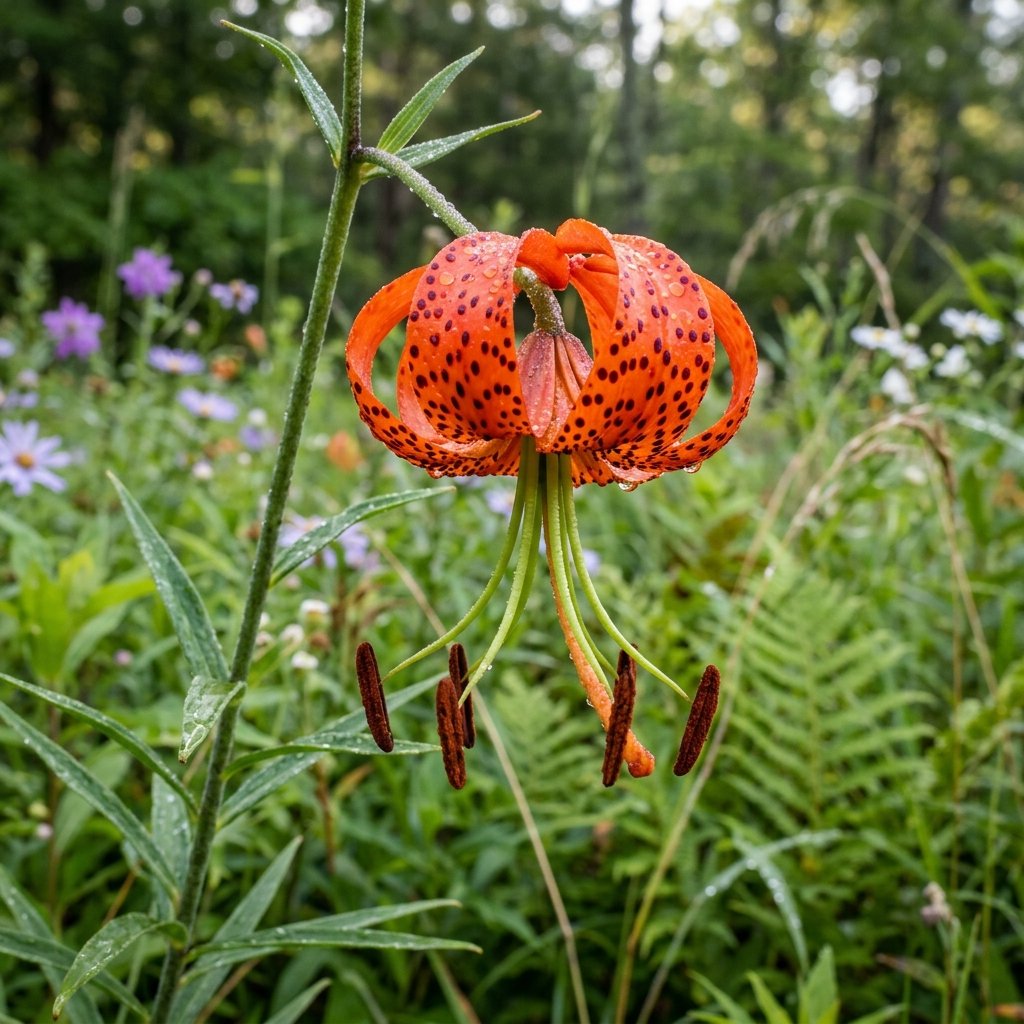
Turk's Cap Lily
Lilium superbum
Turk's Cap Lily (*Lilium superbum*) is the tallest native lily in North America and one of the most spectacular wildflowers of the eastern United States, reaching heights of 4 to 8 feet with multiple nodding, bright orange flowers dramatically spotted with purple-brown and with their petals fully...
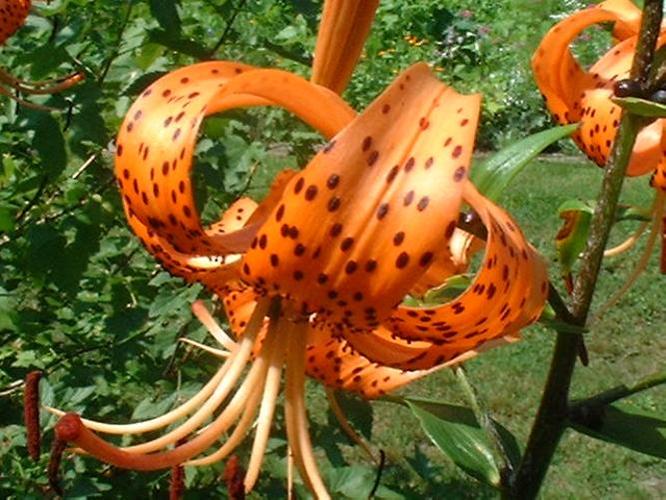
Tiger Lily
Lilium lancifolium
The Tiger Lily (Lilium lancifolium), a standout member of the Liliaceae family, is one of the most recognizable and striking lilies in the world. Native to the temperate regions of Eastern Asia, including China, Japan, and Korea, this herbaceous perennial has captivated gardeners for centuries wi...
Same Family
4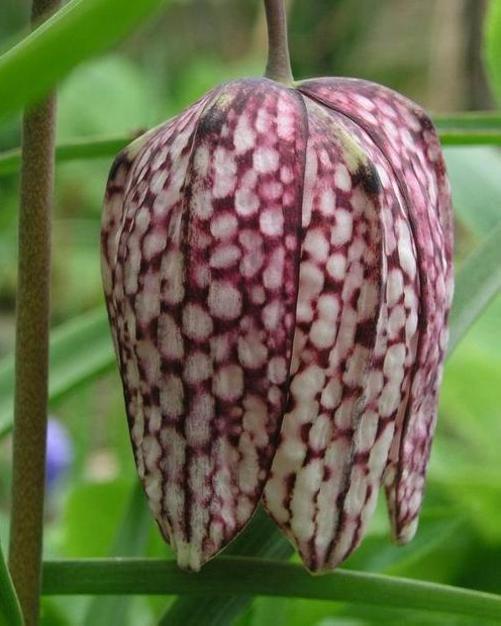
Fritillaria
Fritillaria
The Fritillaria, botanically designated as Fritillaria within the Liliaceae (lily) family, is an extraordinarily elegant and exotic genus of spring-flowering bulbous perennials. Native to the temperate latitudes of the Northern Hemisphere—spanning the grassy floodplains of Europe, the Mediterrane...
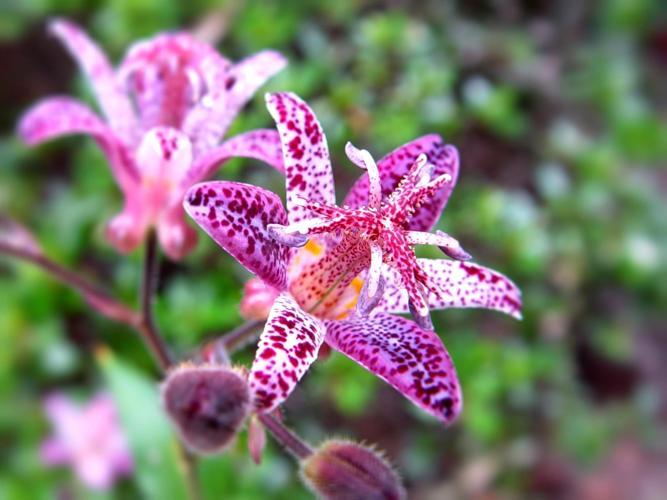
Toad Lily
Tricyrtis
The Toad Lily, botanically classified under the genus Tricyrtis and belonging to the family Liliaceae (the lily family, tribe Lilieae), is an exceptionally exotic, shade-loving perennial. Native to the damp forest understories, shaded mountain valleys, and rocky stream banks of eastern Asia—with...
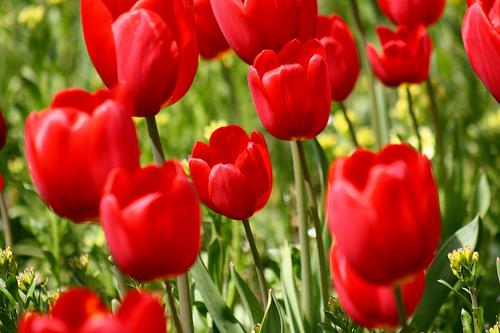
Tulip
Tulipa
The Tulip, botanically designated under the genus Tulipa and belonging to the family Liliaceae (the lily family, tribe Lilieae), is an exceptionally iconic, globally celebrated spring-blooming bulbous herbaceous perennial. Native to the dry, mountainous heights, rocky slopes, and sweeping grassla...
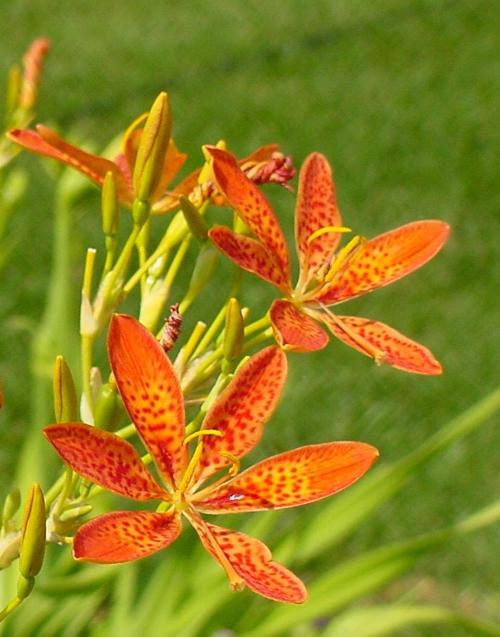
Leopard Lily
Iris domestica (syn. Belamcanda chinensis)
The Leopard Lily, botanically designated as *Iris domestica* (previously classified as *Belamcanda chinensis*, and commonly known as the Blackberry Lily or Leopard Flower), is an exceptionally distinct, highly ornamental perennial. Belonging to the family Iridaceae (the iris family, tribe Irideae...