
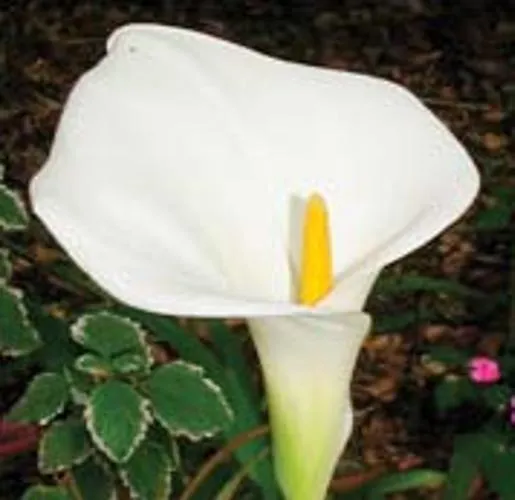
Arum Lily
Zantedeschia aethiopica
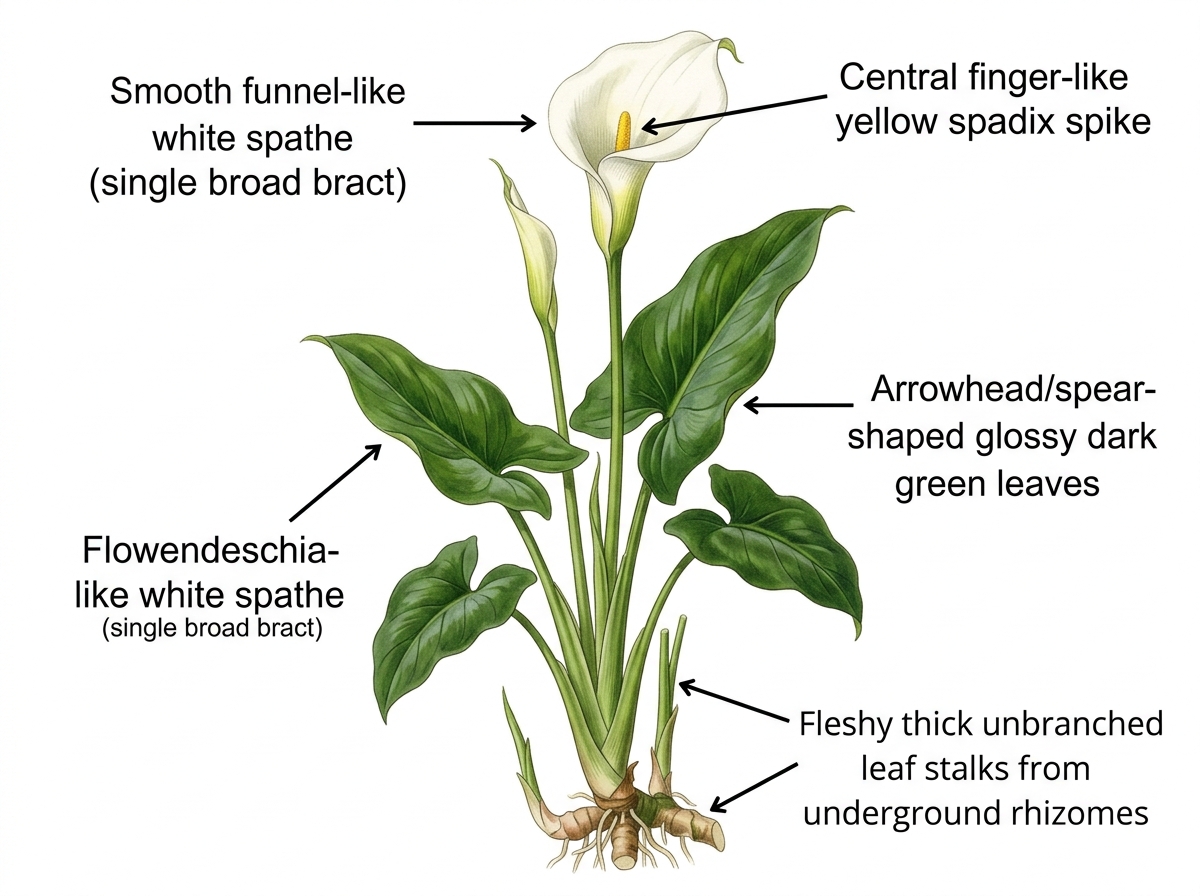
How to Identify Arum Lily
HIGHLY TOXIC & LETHAL TO PETS. Packed with insoluble calcium oxalate crystals, triggering extreme drooling, mouth pain, vomiting, and airway swelling.
Care & Growing Guide
Seasonal Blooming & Hardiness
Seasonal Blooming Calendar:
- Peak Bloom: Spring to early summer (typically April through June).
- Planting Time: Sow seeds directly outdoors in early spring after the last frost, or transplant nursery starts in late spring.
Bloom Timeline
About Arum Lily
The Arum Lily, botanically designated as Zantedeschia aethiopica and universally celebrated as the Calla Lily, is an exceptionally elegant, clump-forming rhizomatous perennial. Belonging to the family Araceae (the arum or aroid family), this majestic plant is native to the streams, damp marshlands, and seasonal coastal valleys of southern Africa—particularly South Africa, Lesotho, and Eswatini. Despite its common name, it is not a true lily but rather a primitive, beautifully adapted aroid.
This robust species features large, glossy, deep green leaves that are leathery and arrow-shaped (sagittate), measuring 15 to 18 inches long. In mild, frost-free winter climates, white arum lilies grow as evergreens in damp soils; in colder regions, they die back or require indoor winter storage. It blooms from spring through mid-summer, producing highly unique, waxy modified leaves called spathes. These trumpet-shaped spathes gently spiral and wrap around a central, finger-like yellow spadix packed with tiny true flowers.
While the standard Zantedeschia aethiopica displays a magnificent, pure white spathe (often used in bridal bouquets), modern hybrid cultivars (Z. rehmannii, Z. elliottiana) exist in a stunning rainbow of colors, including vibrant shades of pink, yellow, orange, gold, deep plum-purple, and near-black. Individual spathes are incredibly durable, lasting 2 to 3 weeks on the living plant, and up to 10 days as highly premium cut flowers in formal floristry, symbolizing elegant beauty and purity.
The reproductive morphology of individual flowers on the spadix is represented by the aroid floral formula Br ⚥ K(3+3) A3+3 G(3). This formula indicates that the flower cluster is supported by a massive bract (the showy spathe). Each of the tiny, densely packed true flowers on the spadix is bisexual. The perianth consists of 6 tepals arranged in two whorls of three (often highly reduced or absent), 6 stamens in two whorls of three, and a gynoecium composed of 3 fused carpels forming a superior ovary that matures into small, fleshy, orange berries.
The genus name Zantedeschia was established in honor of the 19th-century Italian physician and botanist Giovanni Zantedeschi. The common name 'Calla' is derived from the ancient Greek word 'kallos,' which means 'beauty.' Famed in Sanskrit as Sukandaka (सुकन्दक, referencing its starch-rich underground corm) and in Hindi as Arum Lily (अरम लिली), calla lilies carry a dual, powerful symbolism of innocence, rebirth, and resurrection in both weddings and memorial services.
For pet owners and veterinarians, the Calla Lily represents a severe chemical hazard. The plant is classified as HIGHLY TOXIC & LETHAL TO PETS, including cats, dogs, and horses. All parts of the plant contain intense concentrations of insoluble calcium oxalate crystals. If chewed or ingested, these microscopic needles pierce the soft tissues of the mouth, tongue, and throat, causing immediate, excruciating oral burning, severe drooling, foaming, vomiting, inability to swallow, and critical swelling of the upper airway. (Note: Since there is no specific pet-guard route for calla lily, we do NOT include a pet-guard link.)
Calla Lily is occasionally confused with Peace Lilies (Spathiphyllum) or true lilies (Lilium). It is easily distinguished because true Calla lilies possess highly leathery arrow-shaped foliage and thick, spiraled waxy trumpet spathes, whereas true lilies grow from scaly bulbs with narrow leaves and radially symmetrical 6-petaled flowers. It makes an outstanding choice for wet margins and water features; we recommend pairing it alongside other pond classics like Yellow Iris or Water Lily. To discover more semi-aquatic perennials, browse our Flower Identifier.
Floral Formula & Features
Bract (spathe) present, bisexual, perianth of 6 tepals in 2 whorls of 3 (though often reduced or absent in individual flowers), 6 stamens in 2 whorls of 3, 3 carpels with superior ovary. This describes individual tiny flowers on spadix
- Scientific Name & Classification: Zantedeschia aethiopica (Araceae). Globally famed as Arum Lily, Calla Lily, and African Lily.
- Identification Markers: Fleshy underground rhizomes, leathery arrow-shaped glossy leaves, and elegant spiraled waxy trumpet spathes wrapping a yellow spadix.
- Floral Formula (Br ⚥ K(3+3) A3+3 G(3)): Showy bract (spathe) present, bisexual tiny true flowers with 6 reduced tepals, 6 stamens, and superior ovary.
- Growing Requirements: Full sun to partial shade; consistently moist, boggy soil. White arum lilies can grow in shallow pond water (Zones 8-10).
- Cultural Significance: Name Calla comes from Greek 'kallos' (beauty). Symbolizes innocence and resurrection, popular in both weddings and memorials.
- Safety & Toxicity: HIGHLY TOXIC & LETHAL TO PETS. Packed with insoluble calcium oxalate crystals, triggering extreme drooling, mouth pain, vomiting, and airway swelling.
- Common Look-alikes: Confused with Peace Lilies or true Lilium lilies, but easily distinguished by its thick arrow-shaped foliage and waxy spirally curved spathes.
- Internal Links: Thrives beautifully in water margins and wet boggy garden corners alongside other water-loving selections like Yellow Iris or Water Lily; find more in our Flower Identifier.
- Internal Links: Compare key differences in our Calla Lily vs Easter Lily comparison, or try our instant Flower Identifier.
Names in Different Languages
Cultural Etiquette & Gifting: Planning to gift or decorate with Arum Lily? Discover its symbolic meanings, festival traditions, and crucial cultural faux pas across 20+ countries in our comprehensive Global Flower Etiquette Guide.
Botanical Classification: Arum Lily belongs to the Araceae family. Learn how to identify its floral symmetry, stamen arrangement, and structural formulas in our Botanical Family Classification Guide.
Toxicity & Safety
Always keep toxic plants out of reach of children and pets. Consult a veterinarian or medical professional immediately if ingestion is suspected.
Frequently Asked Questions
What is Floral Formula?
A floral formula is a symbolic representation of a flower's structure using letters, numbers, and special symbols. It provides a concise way to describe the arrangement and number of floral parts.
This formula describes the flower's symmetry, sepals, petals, stamens, and carpels in a standardized format.
Formula Sequence
- Bract: Br or Ebr
- Bracteole: Brl or Ebrl
- Symmetry: % (Radial) or ⊕ (Bilateral)
- Sex: ♀ (Female), ♂ (Male), or ⚥ (Bisexual)
- Calyx/Sepal: K<number> (Free or Fused)
- Corolla/Petal: C<number> (Free or Fused)
- Androecium: A<number> (Free or Fused)
- Gynaecium: G<number> (Superior or Inferior Ovary)
Symbol Meanings
- Numbers: Indicate quantity of parts
- Parentheses (): Parts are fused together
- Plus (+): Parts in different whorls
- Underline: Superior ovary position
- Overline: Inferior ovary position
- ∞: Numerous parts (too many to count)
Understanding floral formulas helps botanists quickly identify and classify flowers based on their structural characteristics.
Similar Flowers
Discover flowers that share botanical characteristics
Similar Characteristics
4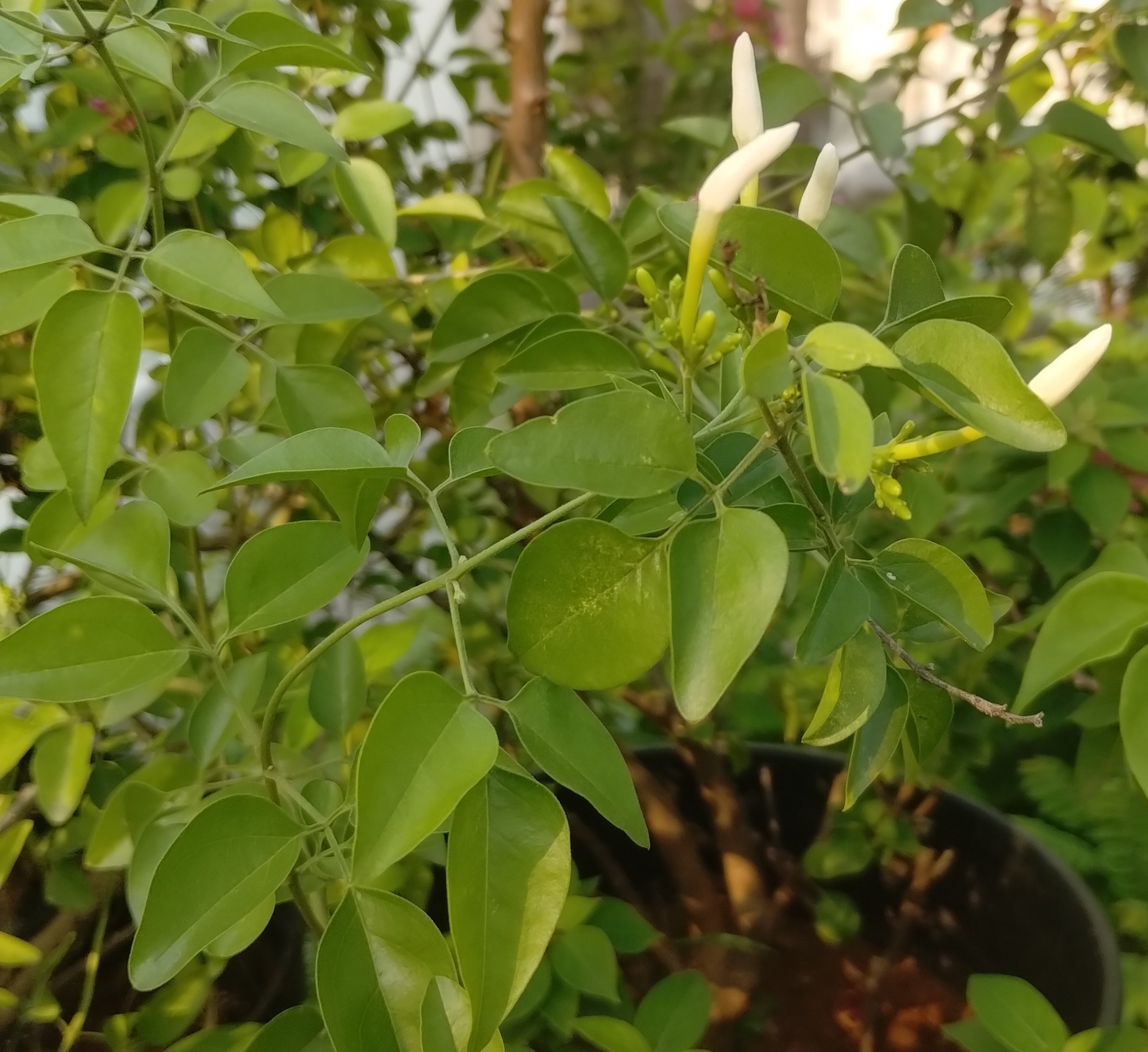
River Jasmine (Fluminense)
Jasminum fluminense
Jasminum fluminense, commonly known as the River Jasmine or Brazilian Jasmine—and widely known across South Asia as Nitya Malli or Nithya Malligai (meaning 'ever-blooming jasmine')—is a vigorous and aromatic evergreen climber that embodies the lush, tropical essence of South America. Native to th...
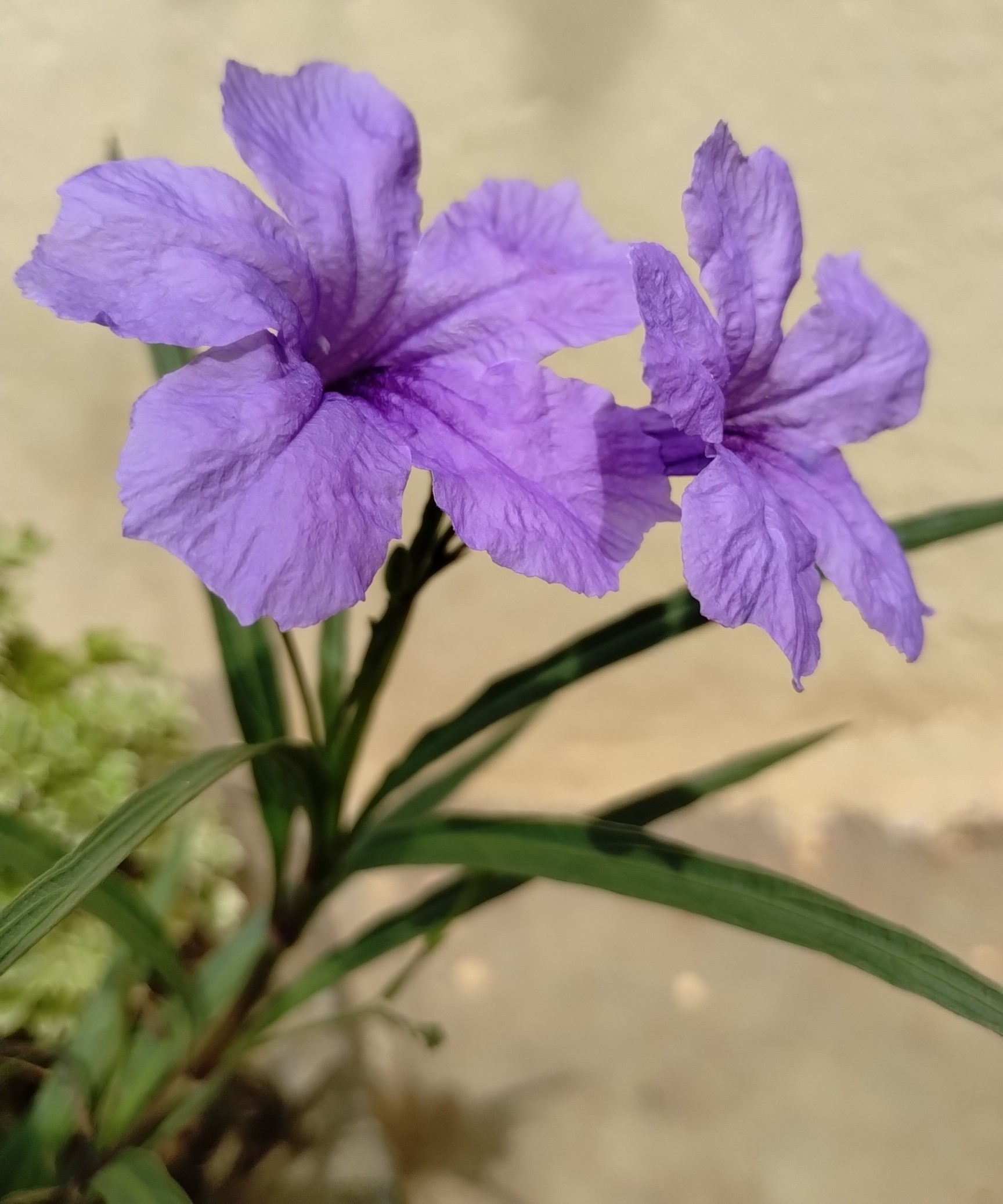
Mexican Petunia
Ruellia simplex
The Mexican Petunia, botanically classified as Ruellia simplex (and historically referred to as Ruellia brittoniana), is an exceptionally vigorous, upright herbaceous perennial belonging to the Acanthaceae (acanthus) family. Native to the warm, moisture-rich woodlands, riverbanks, and wet meadows...
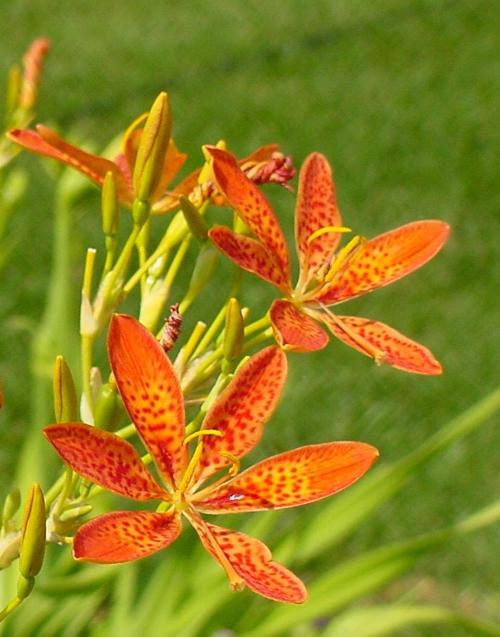
Leopard Lily
Iris domestica (syn. Belamcanda chinensis)
The Leopard Lily, botanically designated as *Iris domestica* (previously classified as *Belamcanda chinensis*, and commonly known as the Blackberry Lily or Leopard Flower), is an exceptionally distinct, highly ornamental perennial. Belonging to the family Iridaceae (the iris family, tribe Irideae...
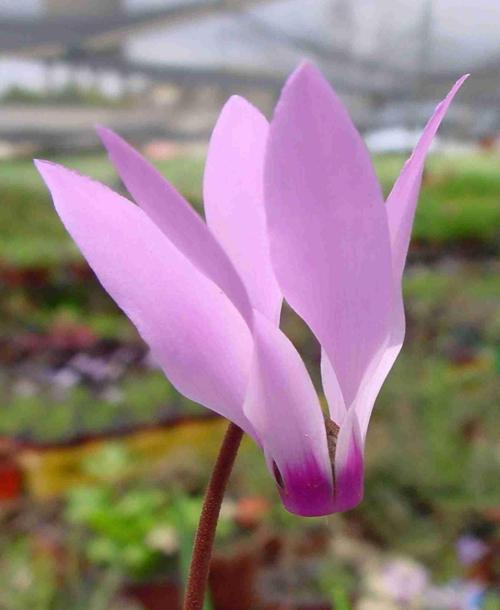
Cyclamen
Cyclamen persicum
Cyclamen (Cyclamen persicum), often referred to as the Persian Cyclamen or Sowbread, is a captivating tuberous perennial that has enchanted gardeners for centuries with its unique, upswept blossoms and elegantly patterned foliage. Native to the rocky hillsides and woodlands of the Mediterranean r...