
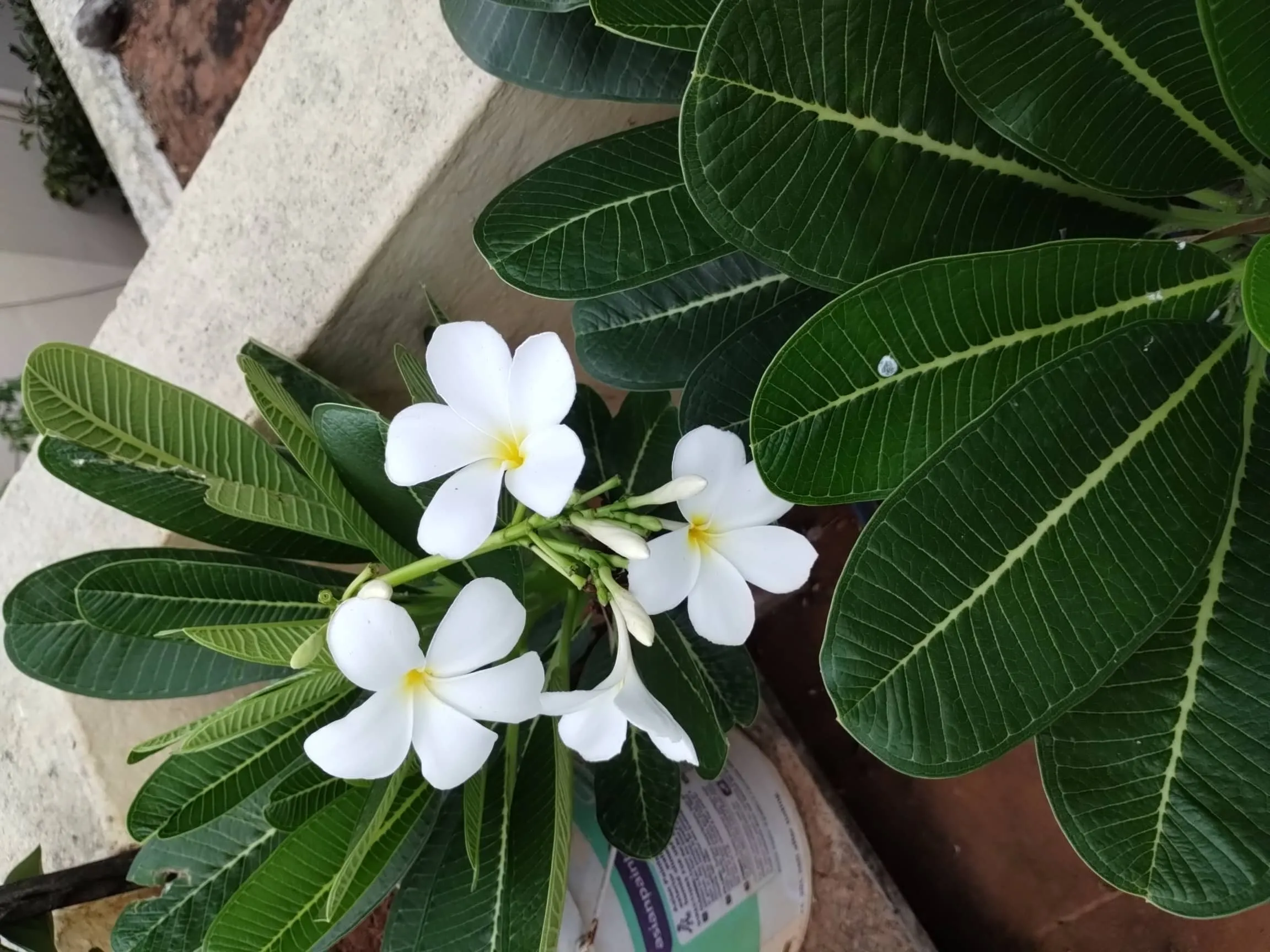
Plumeria
Plumeria Rubra
How to Identify Plumeria
Care & Growing Guide
Seasonal Blooming & Hardiness
Seasonal Blooming Calendar:
- Peak Bloom: Late winter to early spring.
- Planting Time: Sow seeds directly outdoors in early spring after the last frost, or transplant nursery starts in late spring.
Bloom Timeline
About Plumeria
Plumeria, universally known as the Frangipani, is a genus of deciduous shrubs and small trees that serve as the quintessential symbol of tropical paradise. Belonging to the Apocynaceae (Dogbane) family, these plants are native to Mexico, Central America, and the Caribbean, but they have been embraced by warm climates globally, from the volcanic slopes of Hawaii to the sacred temple grounds of Southeast Asia. Named after the 17th-century French botanist Charles Plumier, the genus is perhaps most famous for its intensely fragrant blossoms and its thick, succulent-like branches that exude a milky white sap. This sap, a hallmark of the Apocynaceae family, serves as a natural defense mechanism but also marks the plant as toxic to pets and a skin irritant for humans.
The floral display of a Plumeria is nothing short of a sensory masterpiece. The waxy, five-petaled flowers typically arrange themselves in a perfect pinwheel shape, emerging in terminal clusters that can contain up to 50 individual blooms. The color range is spectacular, spanning from pure, snowy whites with a brilliant yellow center to deep, velvet reds, vibrant oranges, and soft pinks. The 'Rainbow' or 'Tricolor' varieties are particularly prized for their sunset-like gradients. Beyond their visual beauty, Plumerias are world-renowned for their intoxicating fragrance, which is most potent at night to attract their primary pollinators, the sphinx moths. Interestingly, the flowers do not produce nectar; they use their scent to 'deceive' moths into moving from flower to flower in search of a non-existent reward, a process known as pollination by deception.
As a structural plant, Plumeria offers a unique, architectural silhouette. In their natural habitat, they can grow into substantial trees reaching up to 40 feet, though most garden varieties remain manageable at 15 to 25 feet. The branches are thick, grey-green, and knobby, carrying large, leathery leaves that can grow up to 20 inches long. These leaves are typically lanceolate or obovate and are shed during the winter months when the plant enters a period of dormancy. During this time, the Plumeria takes on a sculptural, skeletal appearance, standing as a testament to its drought-tolerant nature. This succulent-like habit allows the plant to store significant water in its tissues, enabling it to survive long periods without rainfall, making it an ideal choice for xeriscaping in tropical and subtropical zones.
Culturally, the Frangipani is woven into the fabric of many diverse societies. In Hawaii, it is the primary flower used for crafting the iconic welcoming leis, symbolizing beauty and hospitality. Across many parts of Asia, it is known as the 'Temple Tree' or 'Pagoda Tree' because it is traditionally planted in the grounds of Buddhist and Hindu temples, where the fallen blossoms are gathered as offerings. In some cultures, it is associated with devotion and new beginnings, while in others, its presence near cemeteries has given it a more somber association with the afterlife. Regardless of the regional lore, the Plumeria remains a global favorite for its ease of propagation—new trees can be grown simply by rooting a mature cutting—and its ability to bring a sense of tropical tranquility to any sunny landscape.
While Frangipani blossoms are joyful offerings in Balinese Hindu temples and celebratory Polynesian leis, they are traditionally known as cemetery flowers (Bunga Kamboja) in Java and Malaysia, making them a taboo house gift. Explore more about regional flower taboos in our Global Flower Etiquette Guide.
Floral Formula & Features
Bracteate (small bracts present), radially symmetrical (actinomorphic), bisexual, 5 fused sepals forming short tube, 5 fused petals forming tube with spreading lobes (salverform), 5 stamens attached to corolla tube, 2 fused carpels with superior ovary. Typical of Apocynaceae family
- Scientific Name & Classification: Plumeria spp. (Apocynaceae). Key species include P. rubra (red/pink) and P. alba (white).
- Identification Markers: Pinwheel-shaped, 5-petaled waxy flowers. Thick, succulent branches with milky sap. Large, leathery leaves clustered at branch ends.
- Floral Formula (⊕ ⚥ K(5) [C(5) A5] G(2)): Radially symmetrical, bisexual, 5 fused sepals, 5 fused petals forming a tube, 5 stamens, and 2 carpels with a superior ovary.
- Growing Requirements: Requires full sun (6-8 hours) and well-drained, sandy soil. Extremely drought-tolerant but frost-sensitive (USDA Zones 10-12). Minimal water needed during winter dormancy.
- Cultural Significance: Integral to Hawaiian leis and Polynesian culture. Known as the "Temple Tree" in Southeast Asia for its presence in sacred spaces. Symbolizes spring, new life, and hospitality.
- Safety & Toxicity: TOXIC. Contains iridoids and cardiac glycosides. Milky sap causes skin irritation (dermatitis) and is toxic to cats and dogs if ingested. For more details on safety and first aid, visit our Pet Guard Guide for Plumeria.
- Similar Characteristics and Family: A prominent member of the Apocynaceae (Dogbane) family, sharing the toxic milky sap and floral structure with the Desert Rose and Oleander. It is distinguished by its unique fragrance and deciduous nature compared to the evergreen Oleander.
- Common Look-alikes: Often confused with the Gardenia or the Adenium (Desert Rose). Gardenias have much softer petals and smaller, darker leaves, while the Desert Rose has smaller flowers and a much more pronounced, swollen trunk (caudex).
- Internal Links: For more tropical wonders, explore our Flower Identifier hub. You might also love the Desert Rose, the Hibiscus, and the Oleander for a lush, exotic garden.
Names in Different Languages
Tip: Need to buy or identify flowers in regional markets? Check our complete South Indian Flower Names Guide mapping 30+ flowers across Tamil, Telugu, Hindi, Kannada, and Malayalam.
Cultural Etiquette & Gifting: Planning to gift or decorate with Plumeria? Discover its symbolic meanings, festival traditions, and crucial cultural faux pas across 20+ countries in our comprehensive Global Flower Etiquette Guide.
Botanical Classification: Plumeria belongs to the Apocynaceae family. Learn how to identify its floral symmetry, stamen arrangement, and structural formulas in our Botanical Family Classification Guide.
Toxicity & Safety
Always keep toxic plants out of reach of children and pets. Consult a veterinarian or medical professional immediately if ingestion is suspected.
Pet Safety Guide: For detailed toxicity symptoms, first-aid measures, and safe garden alternatives, see our full Pet Guard Profile for Plumeria.
Frequently Asked Questions
What is Floral Formula?
A floral formula is a symbolic representation of a flower's structure using letters, numbers, and special symbols. It provides a concise way to describe the arrangement and number of floral parts.
This formula describes the flower's symmetry, sepals, petals, stamens, and carpels in a standardized format.
Formula Sequence
- Bract: Br or Ebr
- Bracteole: Brl or Ebrl
- Symmetry: % (Radial) or ⊕ (Bilateral)
- Sex: ♀ (Female), ♂ (Male), or ⚥ (Bisexual)
- Calyx/Sepal: K<number> (Free or Fused)
- Corolla/Petal: C<number> (Free or Fused)
- Androecium: A<number> (Free or Fused)
- Gynaecium: G<number> (Superior or Inferior Ovary)
Symbol Meanings
- Numbers: Indicate quantity of parts
- Parentheses (): Parts are fused together
- Plus (+): Parts in different whorls
- Underline: Superior ovary position
- Overline: Inferior ovary position
- ∞: Numerous parts (too many to count)
Understanding floral formulas helps botanists quickly identify and classify flowers based on their structural characteristics.
Similar Flowers
Discover flowers that share botanical characteristics
Same Family
4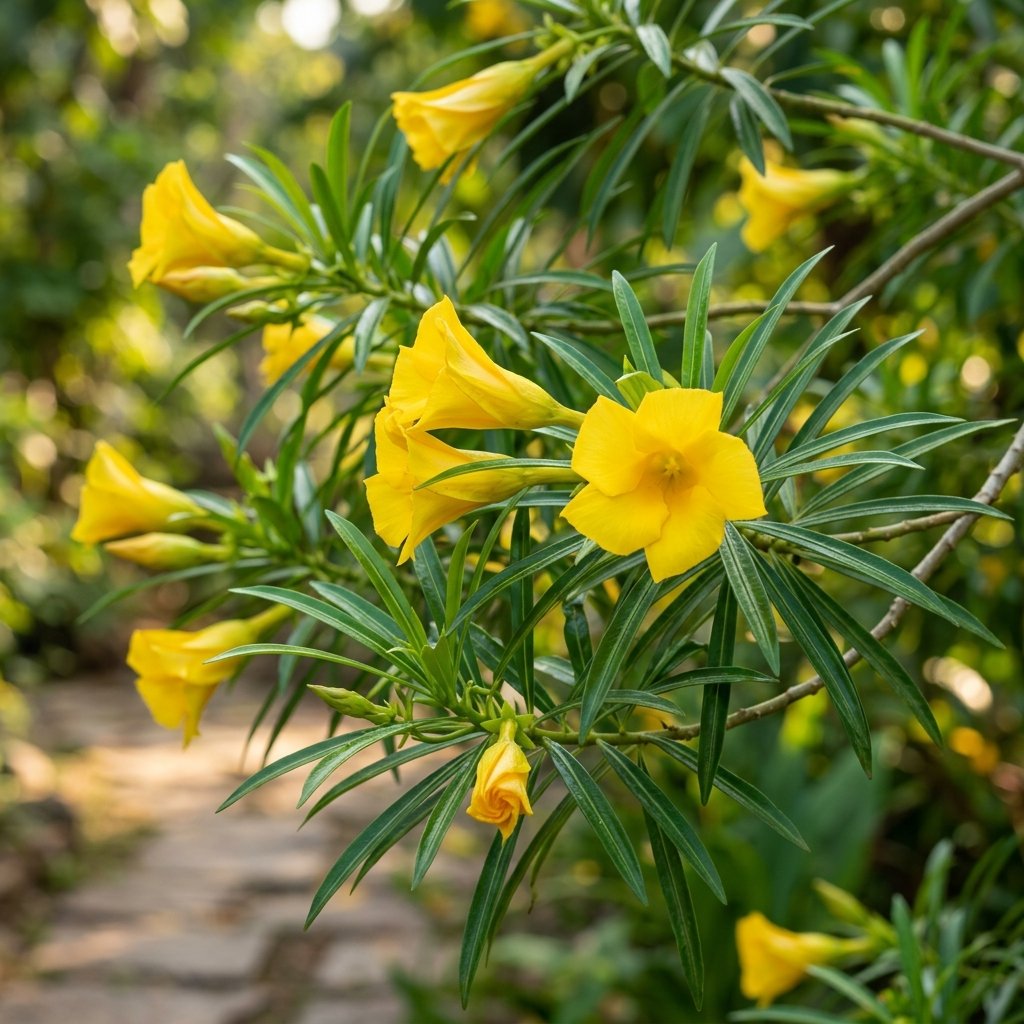
Yellow Oleander (Thevetia)
Cascabela thevetia
Yellow Oleander, botanically classified as *Cascabela thevetia* (formerly *Thevetia peruviana*) and famously celebrated in Indian culture as Pila Kaner, Lucky Nut, or the Be-still Tree, is a highly ornamental, heat-loving evergreen large shrub or small tree. Belonging to the dogbane family Apocyn...
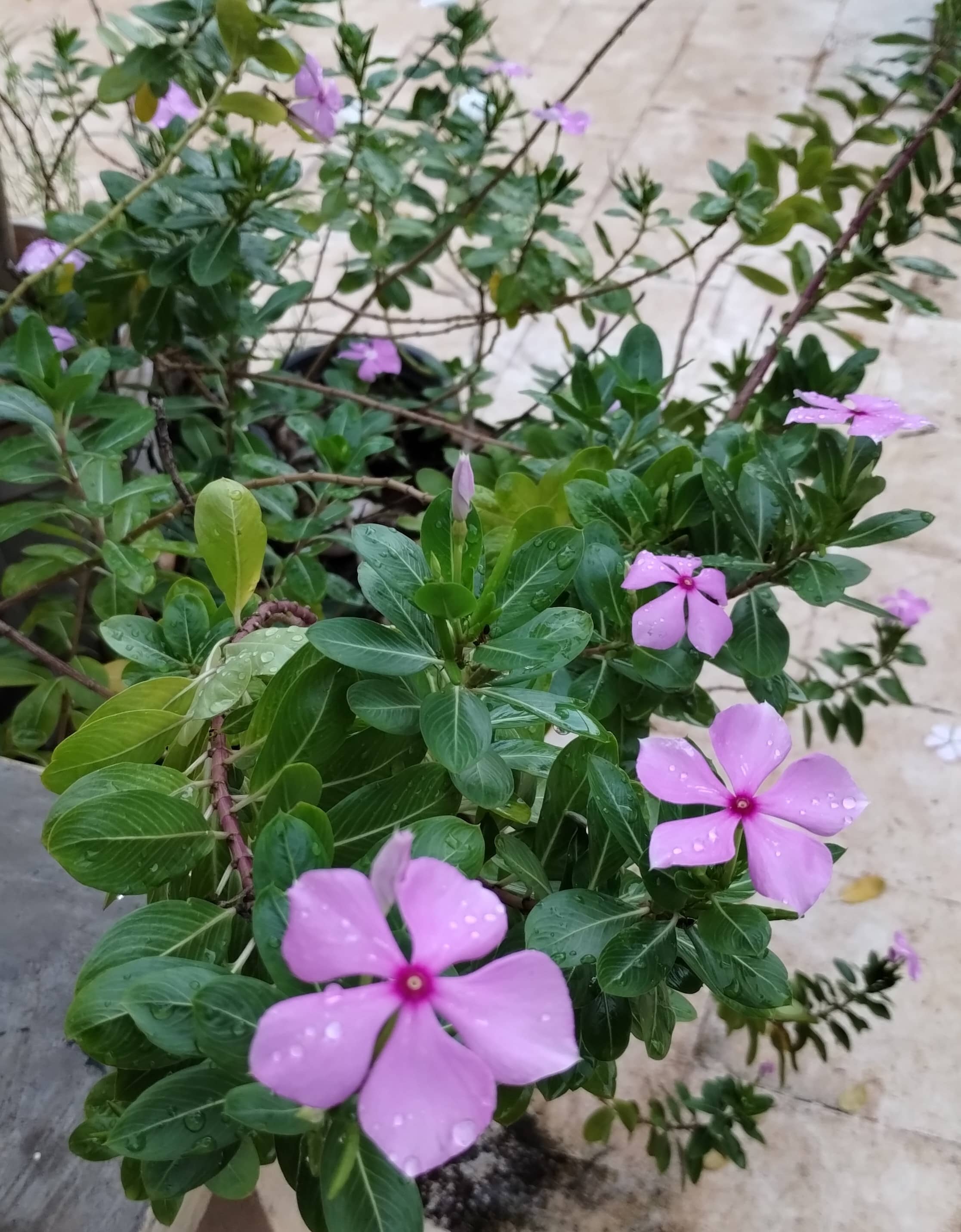
Vinca Rosea
Catharanthus roseus
Vinca Rosea (Catharanthus roseus), widely known as the Madagascar Periwinkle, is a plant of profound duality—equally celebrated as a resilient ornamental and a life-saving pharmaceutical powerhouse. Native to the dry forests of Madagascar but now naturalized across tropical regions worldwide, thi...
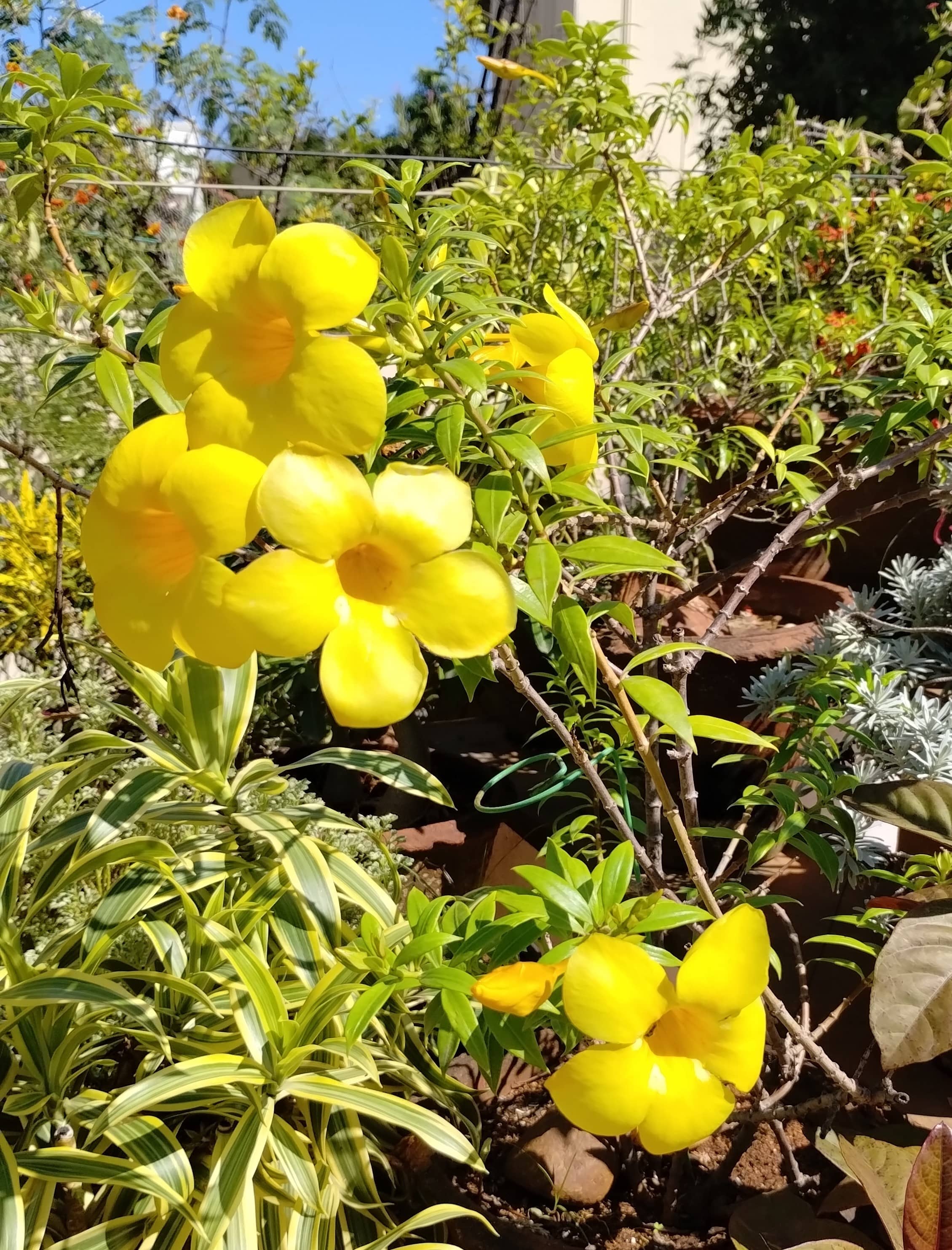
Allamanda
Allamanda cathartica
The Allamanda, botanically designated as Allamanda cathartica and commonly known as the Golden Trumpet, Common Trumpet Vine, or Yellow Bell, is a spectacular tropical evergreen perennial. Belonging to the family Apocynaceae (the dogbane family), this vigorous climbing vine or sprawling shrub is n...
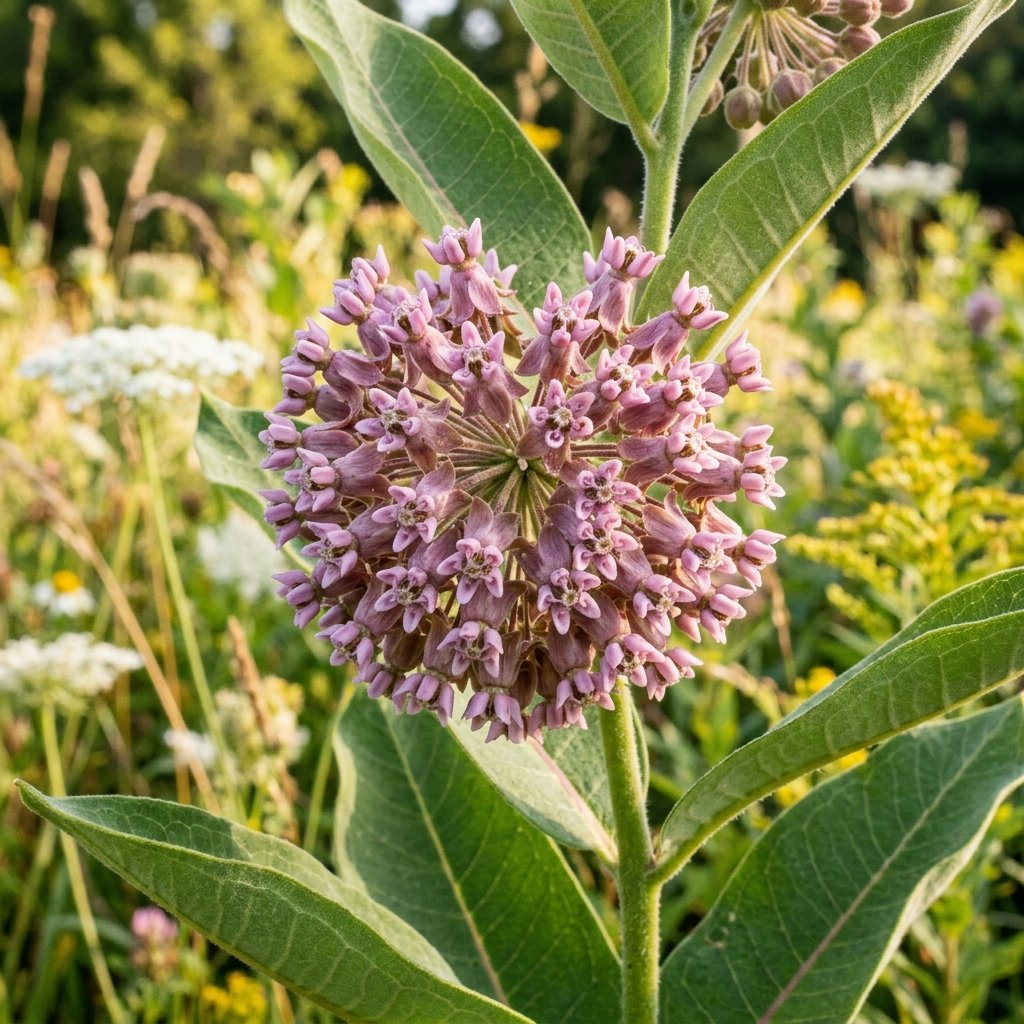
Common Milkweed
Asclepias syriaca
Common Milkweed (*Asclepias syriaca*) is the quintessential wildflower of eastern North American roadsides, meadows, and prairies — a robust, upright perennial producing large, globe-shaped clusters of dusky pink to mauve flowers with an intoxicating sweet fragrance in midsummer, followed by the...
Similar Characteristics
4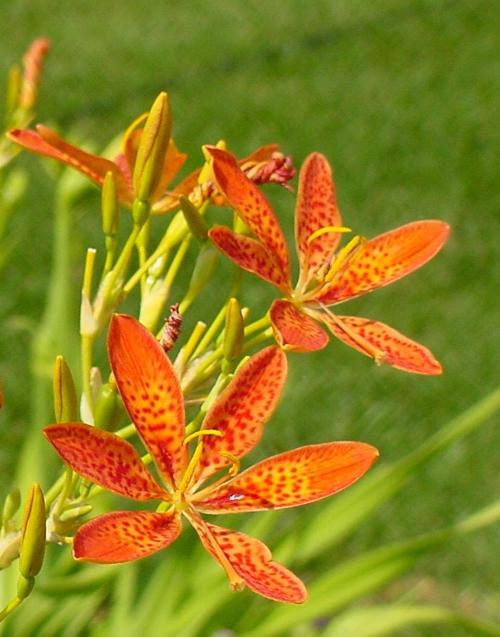
Leopard Lily
Iris domestica (syn. Belamcanda chinensis)
The Leopard Lily, botanically designated as *Iris domestica* (previously classified as *Belamcanda chinensis*, and commonly known as the Blackberry Lily or Leopard Flower), is an exceptionally distinct, highly ornamental perennial. Belonging to the family Iridaceae (the iris family, tribe Irideae...
Yellow Oleander (Thevetia)
Cascabela thevetia
Yellow Oleander, botanically classified as *Cascabela thevetia* (formerly *Thevetia peruviana*) and famously celebrated in Indian culture as Pila Kaner, Lucky Nut, or the Be-still Tree, is a highly ornamental, heat-loving evergreen large shrub or small tree. Belonging to the dogbane family Apocyn...
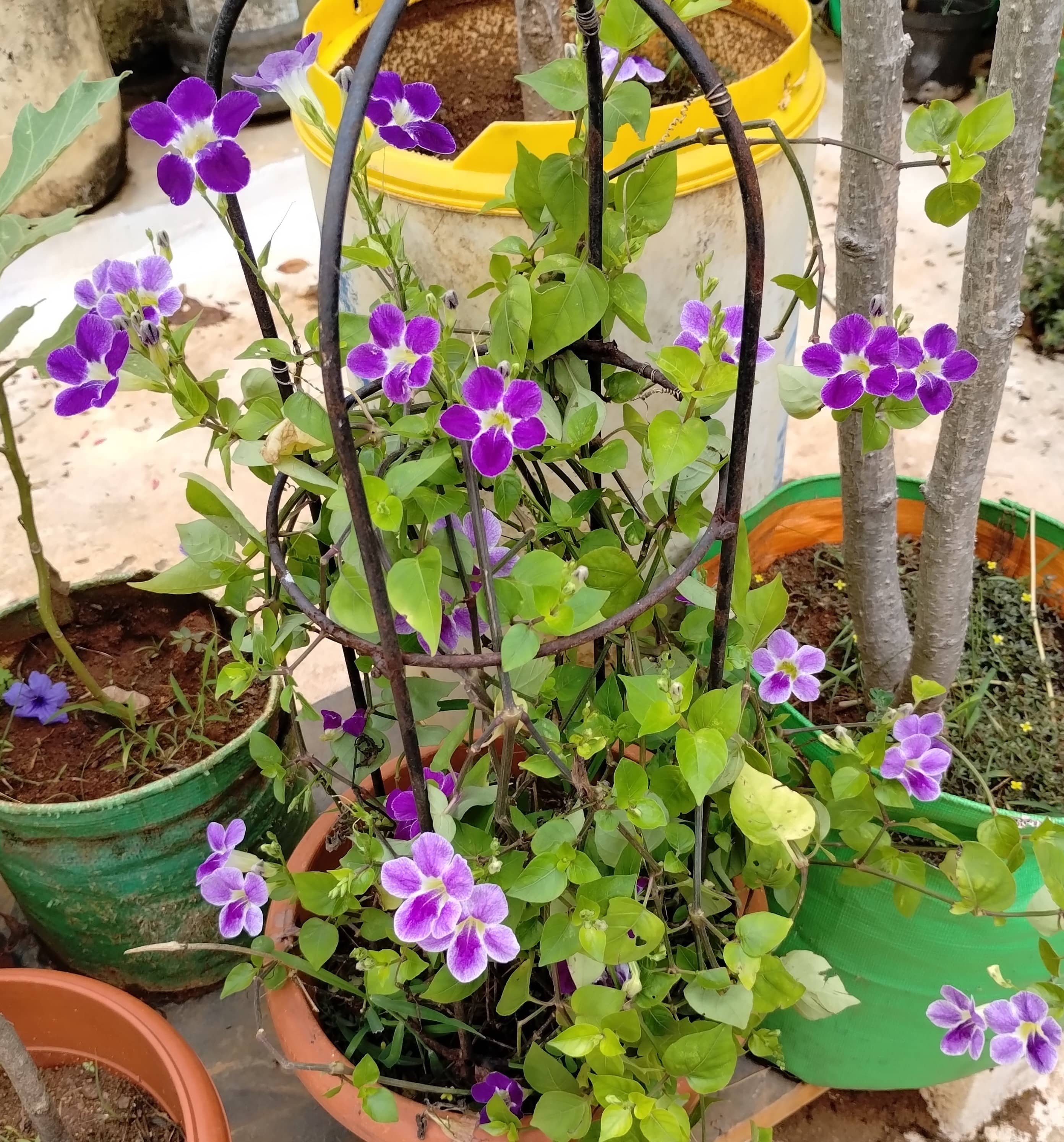
Thunbergia (King's Mantle)
Thunbergia erecta
Thunbergia erecta, popularly known as the "King's Mantle" or "Bush Clock Vine," is a sophisticated and regal tropical shrub that brings a touch of aristocratic elegance to any garden. A member of the Acanthaceae family, this evergreen species is native to the coastal regions of western Africa, fr...
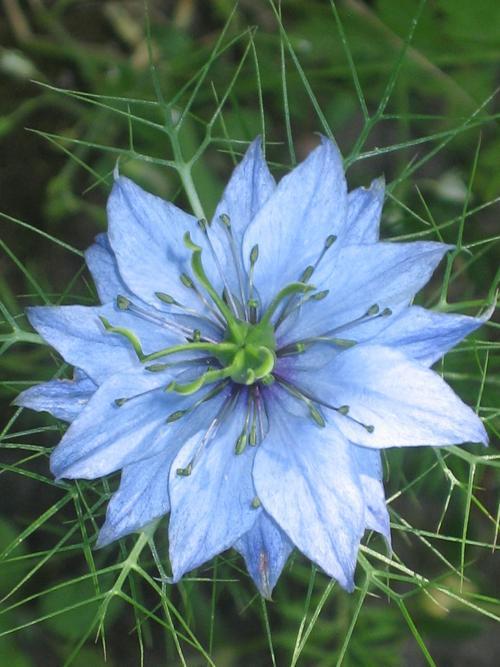
Love in a mist
Nigella damascena
The Love-in-a-mist, botanically designated as Nigella damascena and belonging to the family Ranunculaceae (the buttercup family), is a beloved, old-fashioned hardy annual flower. Native to the sunny hills, open meadows, and coastal fields of southern Europe, North Africa, and southwestern Asia—es...