
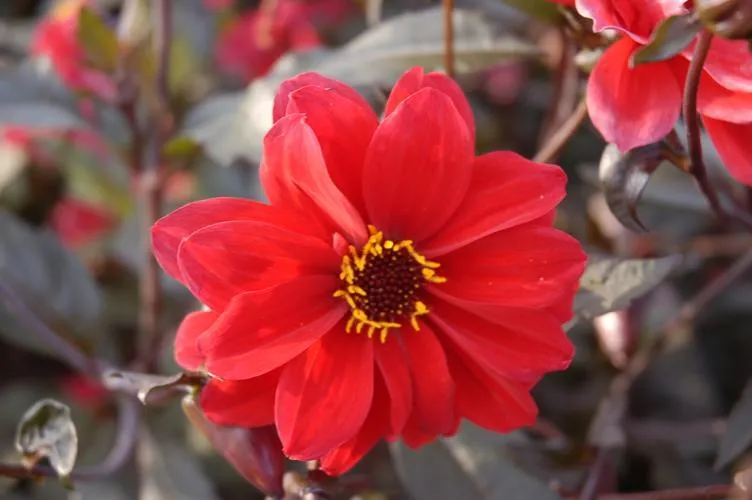
Dahlia 'Bishop of Llandaff'
Dahlia 'Bishop of Llandaff'
How to Identify Dahlia 'Bishop of Llandaff'
Care & Growing Guide
Seasonal Blooming & Hardiness
Seasonal Blooming Calendar:
- Peak Bloom: Late winter to early spring.
- Planting Time: Sow seeds directly outdoors in early spring after the last frost, or transplant nursery starts in late spring.
Bloom Timeline
About Dahlia 'Bishop of Llandaff'
The Dahlia 'Bishop of Llandaff', a stunning member of the Asteraceae family, is a highly prized tuberous perennial native to the mountainous regions of Mexico. First introduced in the 1920s, it remains one of the most famous and beloved Dahlia cultivars in the world. It is renowned not just for its brilliant floral display, but also for its dramatic, deeply cut, dark bronze-to-almost-black foliage, which creates a striking contrast in any garden setting.
This cultivar features semi-double, brilliant cardinal-red flowers measuring about 2 to 3 inches across. The dark, fern-like foliage provides a perfect backdrop for the vivid blooms. As a member of the Asteraceae family, what appears to be a single flower is actually a composite flower head containing central disc florets surrounded by radiant red ray florets. The plant exhibits an upright growth habit, typically reaching a height of 3 to 4 feet.
The floral formula is ⊕ ⚥ (Disc) / % ♀ (Ray) K(pappus) C(5) A(5) G(2). Typical of the Asteraceae family, it has an inflorescence known as a capitulum, featuring actinomorphic bisexual disc florets in the center and zygomorphic female ray florets on the perimeter. This structure makes the flower highly accessible and attractive to bees and butterflies.
Dahlias demand full, direct sun (at least 6-8 hours) and rich, well-draining soil. They are heavy feeders and require regular watering and fertilizing during the growing season. While perennial in warm climates (USDA zones 8-11), the tubers are extremely frost-sensitive. In colder regions, the tubers must be dug up after the first frost, dried, and stored indoors over winter to prevent rot.
The Dahlia is the national flower of Mexico, symbolizing elegance and dignity. The 'Bishop of Llandaff' specifically was honored with the Royal Horticultural Society's Award of Garden Merit for its outstanding reliability, historical significance, and enduring beauty in landscape design.
It is mildly TOXIC to dogs and cats. Ingestion of the tubers or foliage can cause gastrointestinal upset and mild dermatitis, so it should be planted carefully in pet-friendly yards.
Often confused with other dark-leaved Dahlias (like 'Bishop of Auckland') or certain varieties of Zinnias. Zinnias, however, are grown from seed annually, lack the tuberous root system, and do not possess the specific deep bronze foliage characteristic of this Dahlia. Pair with the vibrant Aster or the resilient Pelargonium for a brilliant late-summer display. Discover more in our Flower Identifier hub.
Floral Formula & Features
Capitulum inflorescence: central disc florets are actinomorphic and bisexual; outer ray florets are zygomorphic and female. Inferior ovary.
- Scientific Name & Classification: Dahlia 'Bishop of Llandaff' (Asteraceae). A historic and highly celebrated cultivar.
- Identification Markers: Brilliant semi-double cardinal-red flowers set against striking dark bronze/black, finely cut foliage.
- Floral Formula (⊕ ⚥ / % ♀ K(pappus) C(5) A(5) G(2)): Composite flower head (capitulum) with bisexual central disc florets and female outer ray florets.
- Growing Requirements: Full sun, rich draining soil. Tubers must be dug up and stored indoors over winter in zones colder than USDA 8.
- Cultural Significance: Recipient of the RHS Award of Garden Merit. Dahlias are the national flower of Mexico.
- Safety & Toxicity: MILDLY TOXIC. Tubers and leaves can cause mild gastrointestinal distress in pets if ingested.
- Common Look-alikes: Often confused with Zinnias, but Zinnias are annuals grown from seed and lack the tuberous roots and distinct dark foliage of this cultivar.
- Internal Links: Explore late-summer bloomers like the Aster and Fire Lily in our Flower Identifier.
Names in Different Languages
Botanical Classification: Dahlia 'Bishop of Llandaff' belongs to the Asteraceae family. Learn how to identify its floral symmetry, stamen arrangement, and structural formulas in our Botanical Family Classification Guide.
Toxicity & Safety
Always keep toxic plants out of reach of children and pets. Consult a veterinarian or medical professional immediately if ingestion is suspected.
Pet Safety Guide: For detailed toxicity symptoms, first-aid measures, and safe garden alternatives, see our full Pet Guard Profile for Dahlia 'Bishop of Llandaff'.
Frequently Asked Questions
What is Floral Formula?
A floral formula is a symbolic representation of a flower's structure using letters, numbers, and special symbols. It provides a concise way to describe the arrangement and number of floral parts.
This formula describes the flower's symmetry, sepals, petals, stamens, and carpels in a standardized format.
Formula Sequence
- Bract: Br or Ebr
- Bracteole: Brl or Ebrl
- Symmetry: % (Radial) or ⊕ (Bilateral)
- Sex: ♀ (Female), ♂ (Male), or ⚥ (Bisexual)
- Calyx/Sepal: K<number> (Free or Fused)
- Corolla/Petal: C<number> (Free or Fused)
- Androecium: A<number> (Free or Fused)
- Gynaecium: G<number> (Superior or Inferior Ovary)
Symbol Meanings
- Numbers: Indicate quantity of parts
- Parentheses (): Parts are fused together
- Plus (+): Parts in different whorls
- Underline: Superior ovary position
- Overline: Inferior ovary position
- ∞: Numerous parts (too many to count)
Understanding floral formulas helps botanists quickly identify and classify flowers based on their structural characteristics.
Similar Flowers
Discover flowers that share botanical characteristics
Same Genus
2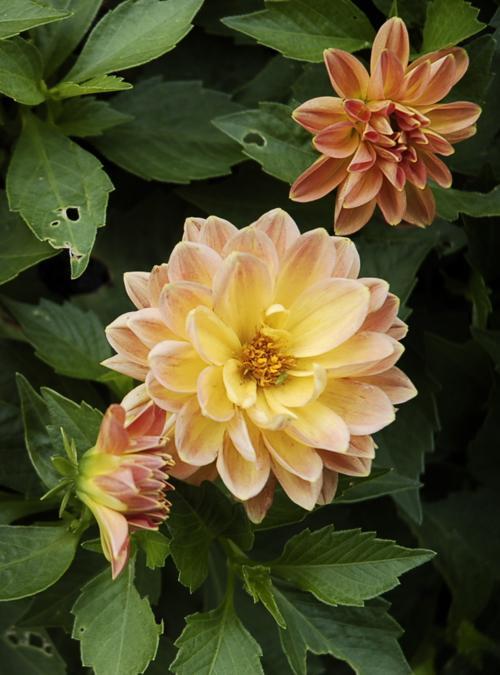
Pink-Yellow Dahlia
Dahlia pinnata (Hybrid)
The Pink-Yellow Dahlia is a spectacular, tuberous herbaceous perennial belonging to the vast Asteraceae family. Native to the mountainous highlands of Mexico and Central America, Dahlias have been heavily hybridized by botanists to produce an astonishing variety of geometric forms and vivid color...
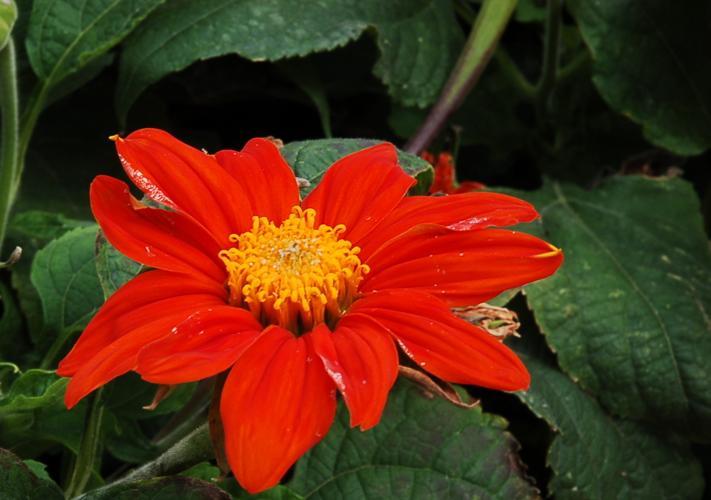
Orange Dahlia
Dahlia × hortensis
The Orange Dahlia, botanically designated under the genus *Dahlia* (particularly hybrids of *Dahlia pinnata*), is an exceptionally spectacular, highly vibrant tuberous perennial. Belonging to the family Asteraceae (the daisy or sunflower family, tribe Coreopsideae), this high-color classic is nat...
Same Family
4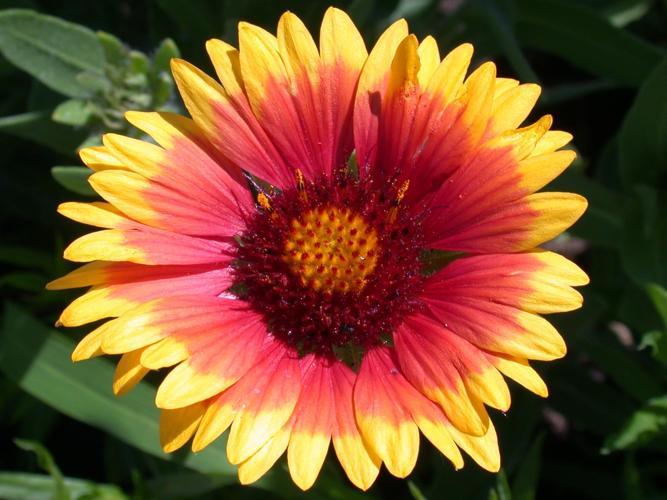
Gaillardia
Gaillardia
Gaillardia, botanically classified within the genus Gaillardia in the Asteraceae (sunflower) family and popularly known as the Blanket Flower or Indian Blanket, is a group of exceptionally cheerful, sun-loving annuals and short-lived perennials. Native to the dry prairies, sandy plains, and pine...
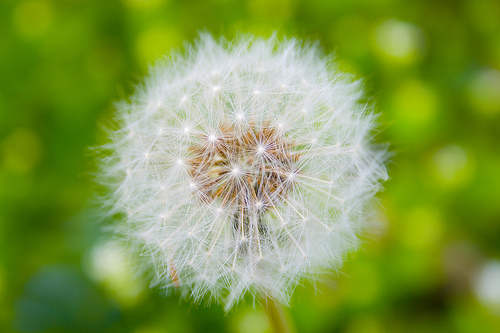
Dandelion
Taraxacum officinale
The common Dandelion, scientifically classified as Taraxacum officinale, is an incredibly resilient and highly nutritious herbaceous perennial belonging to the Asteraceae (sunflower) family. Native to the vast temperate regions of Europe and Asia, this ubiquitous species has naturalized on nearly...
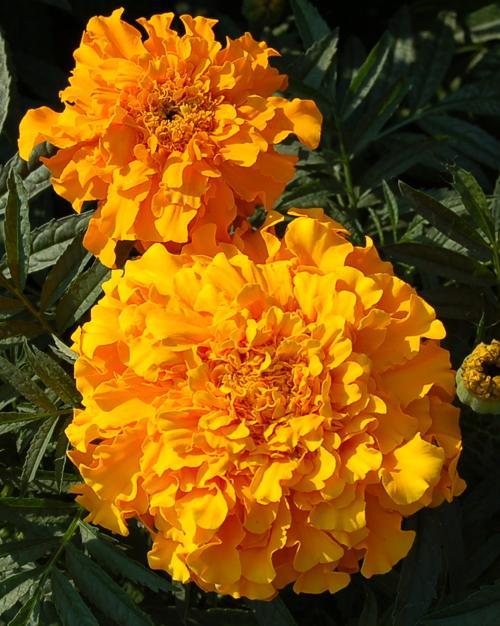
Marigold
Tagetes erecta
The Marigold, botanically classified under the genus Tagetes within the highly diverse Asteraceae (daisy or composite) family, is a cheerful, robust, and exceptionally popular herbaceous annual flower. Native to the warm, sun-drenched grasslands, mountain valleys, and open meadows of Mexico and C...
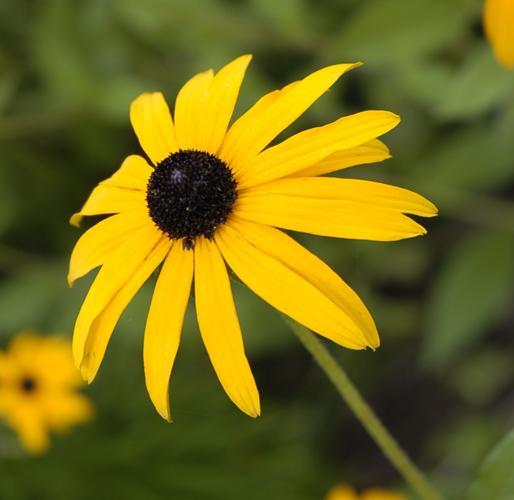
Black eyed Susan
Rudbeckia hirta
Rudbeckia hirta, famously known as the "Black-Eyed Susan" or "Yellow Ox-Eye Daisy," is a quintessentially American wildflower that brings a burst of radiant sunshine to North American landscapes. A member of the Asteraceae (Daisy) family, this resilient species is native to much of the central an...
Similar Characteristics
4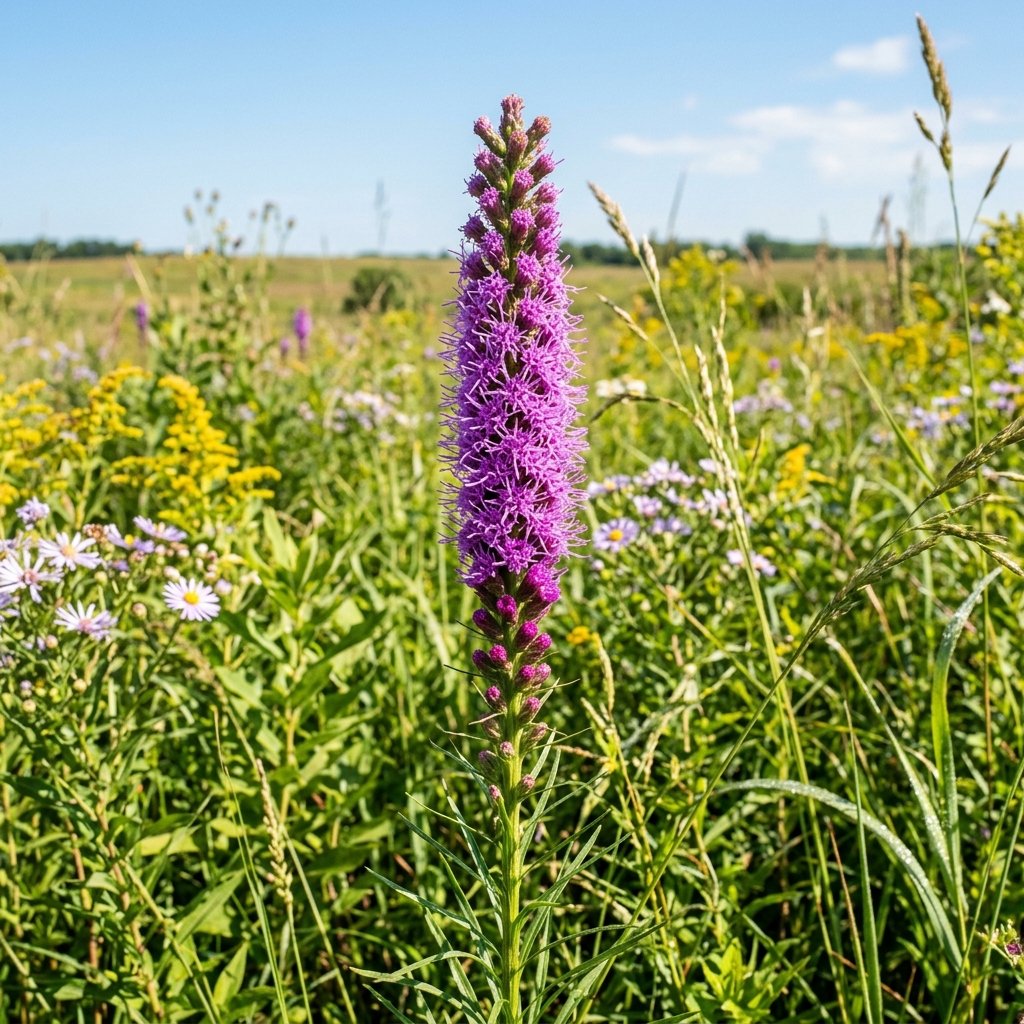
Blazing Star (Liatris)
Liatris spicata
Blazing Star, or Liatris (*Liatris spicata* and related species), is one of the most distinctive and architecturally striking native wildflowers of the North American prairie and meadow, producing tall, rigid spikes of rosy-purple to magenta flower heads that bloom from the top of the spike downw...
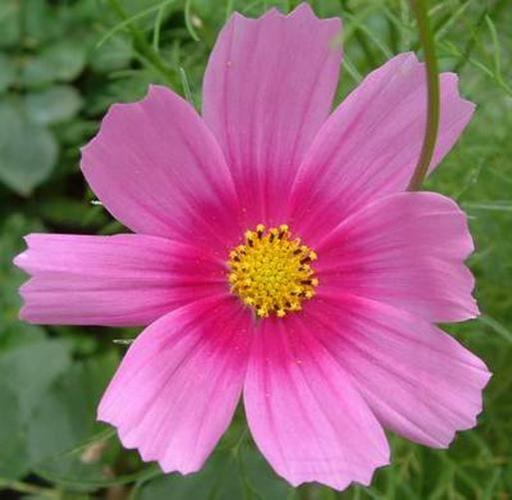
Mexican Aster
Cosmos bipinnatus
The Mexican Aster, botanically designated as Cosmos bipinnatus and commonly referred to as Garden Cosmos or simply Cosmos, is an exceptionally graceful, fast-growing, and heavy-blooming annual. Belonging to the family Asteraceae (the daisy or composite family), this beautiful plant is native to t...
Marigold
Tagetes erecta
The Marigold, botanically classified under the genus Tagetes within the highly diverse Asteraceae (daisy or composite) family, is a cheerful, robust, and exceptionally popular herbaceous annual flower. Native to the warm, sun-drenched grasslands, mountain valleys, and open meadows of Mexico and C...
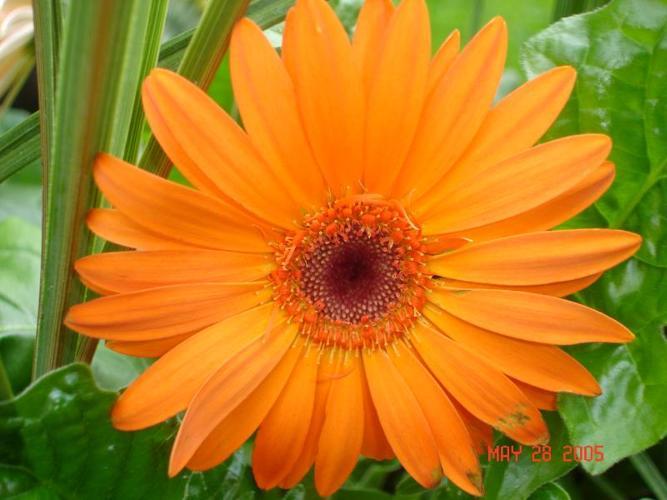
Barberton Daisy
Gerbera jamesonii
The Barberton Daisy, botanically known as Gerbera jamesonii and widely cherished as the Gerbera Daisy or Transvaal Daisy, is an exceptionally cheerful and colorful herbaceous perennial in the Asteraceae (sunflower) family. Native to the rich, subtropical valleys and grassy slopes of South Africa'...