
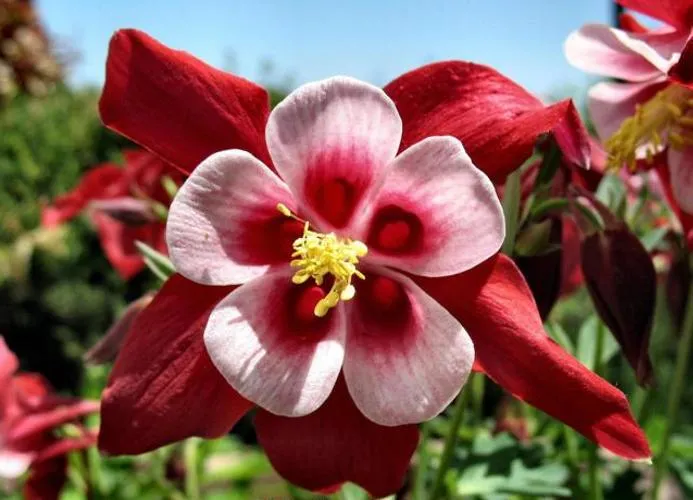
Cattleya orchids
Cattleya
How to Identify Cattleya orchids
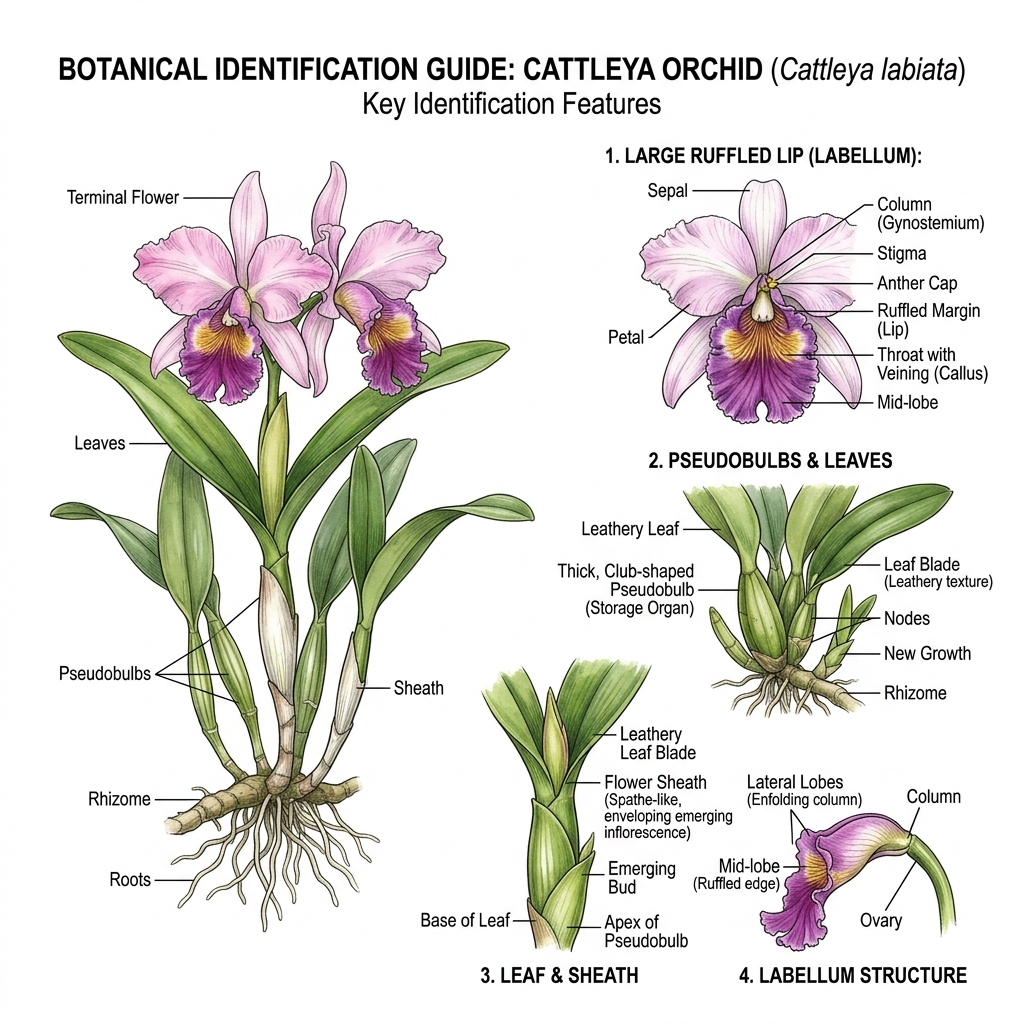
How to identify Cattleya Orchids (Cattleya genus):
- Ruffled Lip (Labellum): Large, highly modified lower petal that is ruffled, trumpet-shaped, and usually colored differently from the other petals.
- Thick Pseudobulbs: Fleshy, jointed, bulbous stems that store water, from which the leaves emerge.
- Leathery Leaves: 1 or 2 rigid, thick, dark green leaves growing from the top of each pseudobulb.
- Sheathed Flowers: Flower spikes emerge from a green, leaf-like protective sheath at the base of the leaf.
Types of Cattleya Orchids
Cattleyas are historically divided into two primary groups based on leaf count:
- Unifoliate Cattleyas: Produce a single leaf per pseudobulb. They bear larger, showy flowers with massive ruffled lips.
- Bifoliate Cattleyas: Produce 2 (and rarely 3) leaves per pseudobulb. They bear clusters of smaller, waxy flowers with smaller lips.
Care & Growing Guide
Cattleya Orchid Care & Growing Guide:
- Light: High, bright, indirect light (dappled sunlight). Leaf color should be a healthy light green; dark green indicates too little light.
- Soil/Media: Coarse, highly aerated orchid bark mix, redwood fiber, or charcoal. Never plant in potting soil.
- Watering: Water deeply once the bark potting media is completely dry. Pseudobulbs store water, making them drought-tolerant; overwatering causes root rot.
- Humidity: High humidity (50% to 80%) is essential. Place on a tray of wet pebbles or mist daily.
Seasonal Blooming & Hardiness
Seasonal Blooming Calendar (US Hardiness Zones 10-12 outdoors; Zones 1-9 indoors):
- Native Region: Native to tropical Central and South America, where they grow as epiphytes on trees, blooming in response to seasonal dry/rainy shifts.
- US Cultivation: Cultivated as a houseplant or greenhouse orchid. Most species and hybrids bloom once a year for 3 to 6 weeks, typically in winter or spring, depending on the cultivar.
Bloom Timeline
About Cattleya orchids
The Cattleya Orchid, botanically classified as Cattleya and celebrated globally as the 'Queen of Orchids' or 'Corsage Orchid,' is a spectacular genus of epiphytic perennial plants in the Orchidaceae family. Native to the tropical rain forests and elevated cloud forests of Central and South America, stretching from Mexico through Costa Rica to Brazil and Argentina, these magnificent plants typically grow perched upon tree branches and rocky cliffs rather than in soil. Known for their majestic, highly fragrant blossoms and resilient sympodial growth, they have been extensively hybridized, forming a major cornerstone of international floriculture and enthusiast collections.
Cattleya orchids are easily identified by their large, showy blooms that measure from 3 to 8 inches across and grow either singly or in elegant clusters of 2 to 5 flowers on upright stems. Each flower features 3 narrow sepals, 2 broad lateral petals, and a dramatically modified lower petal called the lip or labellum, which is heavily ruffled, frilled, and often decorated with a contrasting, glowing throat. The blossoms shine in a rich palette of pink, purple, lavender, white, yellow, orange, and striking bicolors. Their vegetative structure consists of thick, water-storing stems called pseudobulbs, each topped with one or two leathery, deep green, oblong leaves.
The architectural design of the bloom is represented by the floral formula EBr % ⚥ P3+3 A1 G(3). This formula indicates that the flower is ebracteate, bilaterally symmetrical (zygomorphic), and bisexual. It features 6 petaloid tepals arranged in two whorls of three—three outer sepals and three inner petals (with one petal highly modified into the prominent lip). The single functional stamen is fused directly with the style to form a central column known as the gynostemium, sitting above a syncarpous, inferior ovary composed of 3 fused carpels. The bloom undergoes resupination, twisting 180 degrees as it opens so the lip is lowermost.
Cultivating Cattleyas successfully requires replicating their tropical forest canopy environments, making them ideal for intermediate to warm indoor settings or greenhouses in USDA hardiness zones 10 and 11. They require bright, filtered, indirect light—aiming for 2,000 to 3,000 foot-candles—as direct sunlight will scorch their foliage. They prefer a coarse, fast-draining potting medium such as fir bark or charcoal mix and should be watered only when the medium has dried out. They thrive in temperatures between 70°F and 85°F during the day and require a noticeable temperature drop to 55°F–65°F at night to stimulate bud initiation.
Named in honor of William Cattley, an English horticulturist who successfully bloomed the first imported Brazilian specimen in 1824, these orchids carry vast cultural significance. They serve as the national flowers of Colombia (Cattleya trianae) and Costa Rica (Cattleya skinneri) and are synonymous with formal occasions, weddings, and Mother's Day corsages. In regional languages, they are known as कैटलेया (Cattleya) in Hindi, Flor de Mayo in Spanish, and Shisun in Chinese. In the language of flowers, they symbolize mature charm, regal beauty, and refined luxury.
For homes with curious pets, Cattleya orchids are a wonderfully safe choice. They are classified as completely NON-TOXIC to cats, dogs, and horses by leading veterinary safety organizations. Pet owners can comfortably grow these magnificent, fragrant orchids on window sills or in low-reaching containers without any risk of toxic ingestion. For additional guidance on curating a safe, elegant indoor garden, please refer to our comprehensive Pet Guard safety directory.
Cattleyas are occasionally confused with Laelia orchids or Dendrobium orchids. They can be easily distinguished by their significantly larger flower size, their thick, club-shaped pseudobulbs, and the massive, distinctively ruffled lip that dominates the bloom. They make fantastic companion houseplants alongside other tropical favorites; we recommend pairing them with Moon Orchid or Hydrangea. To discover more exotic orchids and tropical flowering varieties, explore our comprehensive Flower Identifier.
Floral Formula & Features
Ebracteate (no bracts), bilaterally symmetrical (zygomorphic), bisexual, 6 tepals in 2 whorls (3 sepals + 3 petals with 1 petal modified into prominent lip/labellum), 1 functional stamen fused with style into column (gynostemium), 3 fused carpels with inferior ovary. Resupinate flower (twisted 180° so lip is lowermost)
- Scientific Name & Classification: Cattleya (Orchidaceae). Commonly known as Queen of Orchids, Corsage Orchid, and Christmas Orchid.
- Identification Markers: Epiphytic growth from pseudobulbs with thick leathery leaves. Massive 3–8 inch blossoms with a prominent ruffled lip and intense fragrance.
- Floral Formula (EBr % ⚥ P3+3 A1 G(3)): Bilaterally symmetrical, bisexual flower. Fused column of stamen and style (gynostemium) above a 3-carpellate inferior ovary.
- Growing Requirements: Bright indirect light (no direct sun); intermediate-to-warm temperatures; high humidity (50-70%); coarse, fast-draining orchid bark potting mix.
- Cultural Significance: National flower of Colombia and Costa Rica; named after horticulturist William Cattley. Symbol of mature charm and luxury.
- Safety & Toxicity: NON-TOXIC. Safe for dogs, cats, and horses, making them a premium pet-safe option for indoor windowsills.
- Common Look-alikes: Often confused with Laelia or Dendrobium orchids, but distinguished by their much larger flowers and dominant, deeply ruffled lip.
- Internal Links: Grow them in humid indoor spaces alongside Moon Orchid or Hydrangea; find more tropical favorites in our Flower Identifier.
Names in Different Languages
Botanical Classification: Cattleya orchids belongs to the Orchidaceae family. Learn how to identify its floral symmetry, stamen arrangement, and structural formulas in our Botanical Family Classification Guide.
Toxicity & Safety
Pet Safety Guide: For detailed toxicity symptoms, first-aid measures, and safe garden alternatives, see our full Pet Guard Profile for Cattleya orchids.
Frequently Asked Questions
What is Floral Formula?
A floral formula is a symbolic representation of a flower's structure using letters, numbers, and special symbols. It provides a concise way to describe the arrangement and number of floral parts.
This formula describes the flower's symmetry, sepals, petals, stamens, and carpels in a standardized format.
Formula Sequence
- Bract: Br or Ebr
- Bracteole: Brl or Ebrl
- Symmetry: % (Radial) or ⊕ (Bilateral)
- Sex: ♀ (Female), ♂ (Male), or ⚥ (Bisexual)
- Calyx/Sepal: K<number> (Free or Fused)
- Corolla/Petal: C<number> (Free or Fused)
- Androecium: A<number> (Free or Fused)
- Gynaecium: G<number> (Superior or Inferior Ovary)
Symbol Meanings
- Numbers: Indicate quantity of parts
- Parentheses (): Parts are fused together
- Plus (+): Parts in different whorls
- Underline: Superior ovary position
- Overline: Inferior ovary position
- ∞: Numerous parts (too many to count)
Understanding floral formulas helps botanists quickly identify and classify flowers based on their structural characteristics.
Similar Flowers
Discover flowers that share botanical characteristics
Same Family
4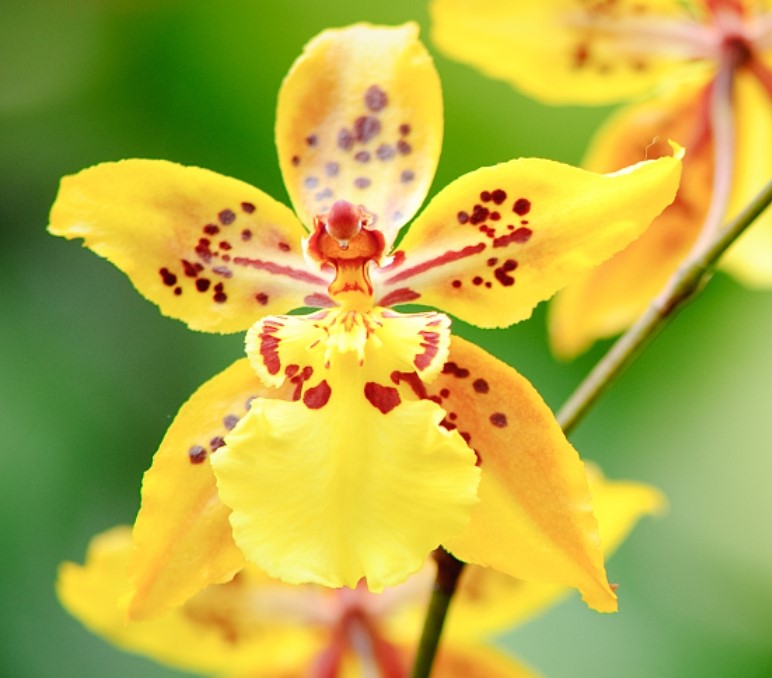
Tolumnia Orchid
Tolumnia
The Tolumnia Orchid, botanically classified under the genus Tolumnia and traditionally known in horticulture as the Equitant Oncidium or Dancing Lady Orchid, is an exceptionally charming, miniature epiphytic plant. Belonging to the family Orchidaceae (the orchid family, tribe Oncidiinae), this sp...
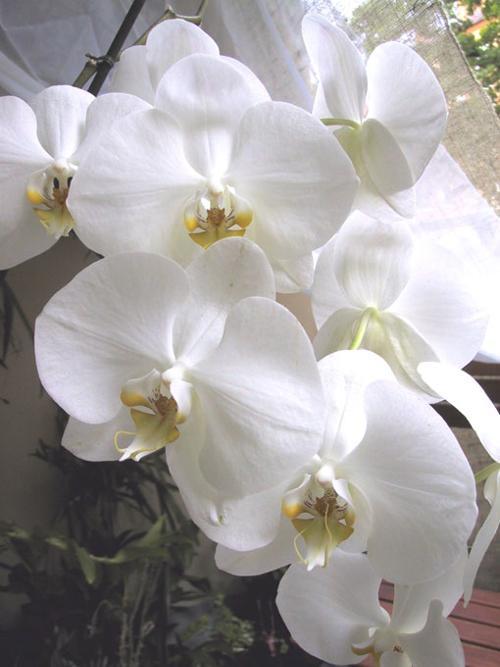
Moon Orchid (Phalaenopsis)
Phalaenopsis amabilis
The Moon Orchid (Phalaenopsis amabilis) is an elegant, highly coveted epiphytic orchid belonging to the massive Orchidaceae family. Native to the lush, humid rainforests of Southeast Asia, Indonesia, the Philippines, and northern Australia, it grows high in the tree canopy, clinging securely to b...
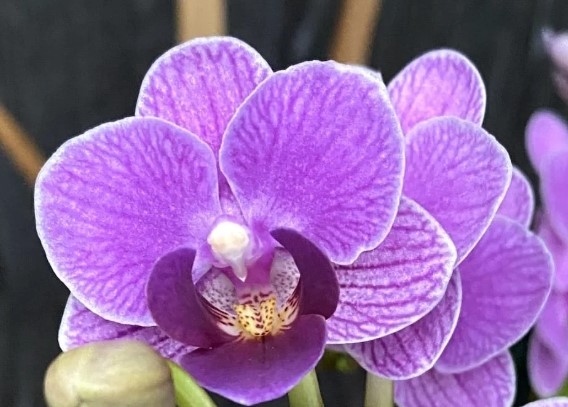
Moth Orchid (Phalaenopsis)
Phalaenopsis hybrids
The Moth Orchid, representing the broader genus Phalaenopsis, is undeniably the most popular and commercially successful orchid in the world. Belonging to the massive Orchidaceae family and native to the tropical canopies of Southeast Asia and Australia, these epiphytic marvels have been heavily...
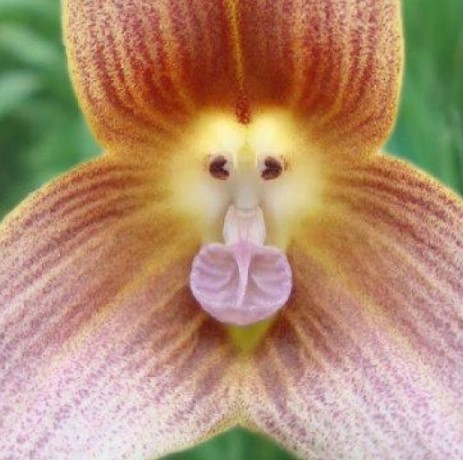
Monkey Orchid
Dracula simia
The Monkey Orchid, botanically designated as Dracula simia and belonging to the family Orchidaceae (the orchid family), is an extraordinary, globally famous epiphytic perennial. Native to the cool, misty, and high-elevation cloud forests of the Andes across Ecuador, Colombia, and Peru at altitude...
Similar Characteristics
4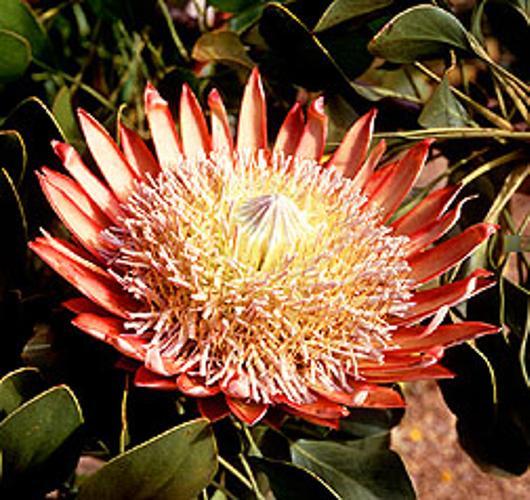
King Protea
Protea cynaroides
The King Protea, botanically known as Protea cynaroides and often called the King Sugar Bush or Cape Artichoke Flower, is a magnificent, evergreen woody shrub in the Proteaceae family. Endemic to the mountainous slopes and rocky sandstone ridges of South Africa's Western and Eastern Cape province...
Tolumnia Orchid
Tolumnia
The Tolumnia Orchid, botanically classified under the genus Tolumnia and traditionally known in horticulture as the Equitant Oncidium or Dancing Lady Orchid, is an exceptionally charming, miniature epiphytic plant. Belonging to the family Orchidaceae (the orchid family, tribe Oncidiinae), this sp...
Pincushion
Scabiosa
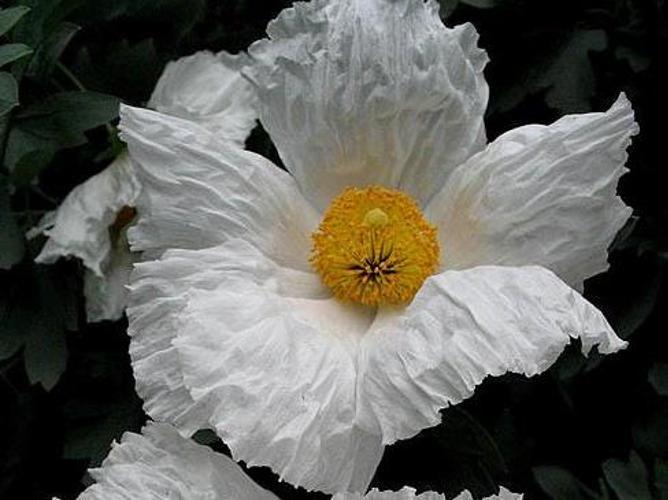
The Pincushion Flower, botanically designated under the genus *Scabiosa* (particularly *Scabiosa atropurpurea*, known as the Sweet Scabious or Pincushion Flower), is an exceptionally charming, airy herbaceous perennial or annual. Belonging to the family Caprifoliaceae (the honeysuckle family, tri...
Orchis Orchid
Orchis
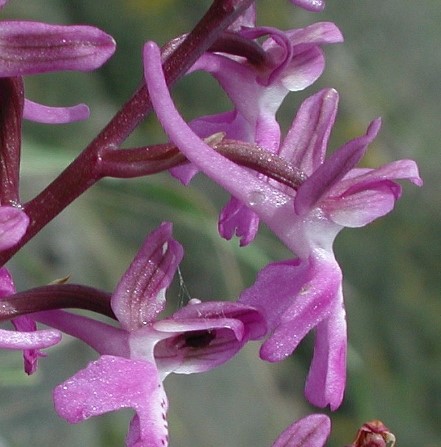
The Orchis Orchid, representing the eponymous genus Orchis within the family Orchidaceae, is a group of historically significant terrestrial orchids native to the meadows, grasslands, and light woodlands of Europe, North Africa, and the Mediterranean basin. Unlike common tropical epiphytic orchid...