
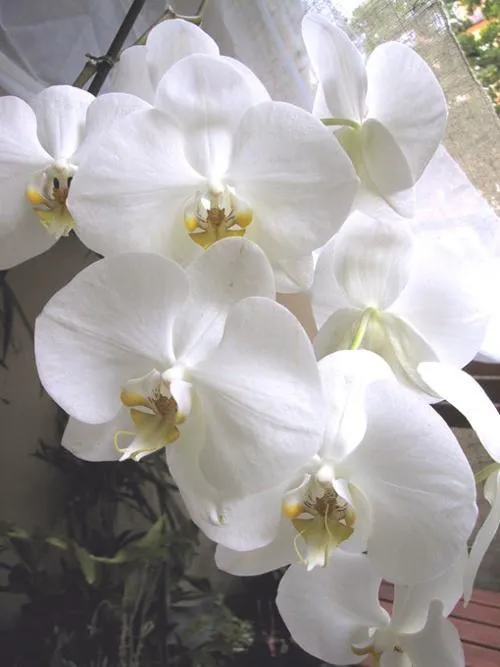
Moon Orchid (Phalaenopsis)
Phalaenopsis amabilis
How to Identify Moon Orchid (Phalaenopsis)
NON-TOXIC. Completely safe for households with dogs, cats, and horses. Classified as 100% pet-safe by the ASPCA.
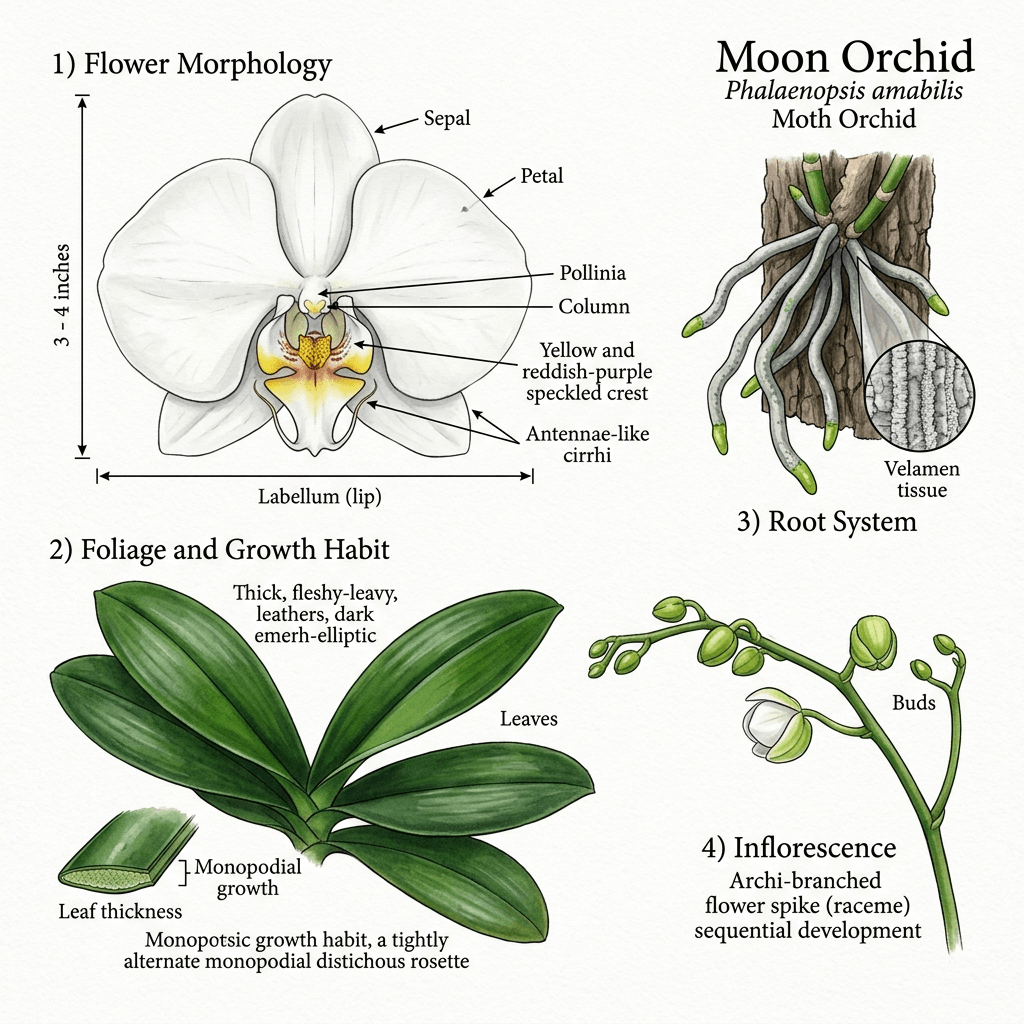
A detailed guide to identifying the Moon Orchid (Phalaenopsis amabilis / Moth Orchid) by its key botanical features:
- Luminous Moth-Like White Blooms: Large, flat, long-lasting flowers measuring 3 to 4 inches across, borne in graceful arching sprays. Blooms feature three broad white sepals and two exceptionally broad, rounded white lateral petals that create the iconic silhouette of a hovering white moth.
- Complex Three-Lobed Labellum (Lip): The central lower petal is modified into an intricate three-lobed labellum with yellow and reddish-purple dotted crest markings, framed by two delicate, curling, thread-like antennae (cirrhi) protruding from the apex of the mid-lobe.
- Thick Silvery Velamen Aerial Roots: Epiphytic root system composed of thick, fleshy, cord-like aerial roots that cling tenaciously to tree bark. Roots are covered in a spongy, multi-layered silvery-white velamen sheath with vibrant photosynthetic green growing tips that turn vivid green when misted.
- Monopodial Distichous Foliage: An upright, non-pseudobulbous stem bearing 3 to 6 thick, fleshy, leathery, dark emerald-green leaves arranged in two neat opposing rows (distichous). Leaves are broadly oblong-elliptic, measuring 6 to 12 inches long.
- Arching Branched Flower Spikes (Racemes): Elegant, purple-tinted green flower scapes emerge from between the leaf axils, arching outward and bearing 5 to 20 sequentially opening buds that can remain in continuous pristine bloom for 2 to 3 months.
Types & Varieties of Moon Orchid
Phalaenopsis amabilis is celebrated as one of the most culturally revered wild orchid species, forming the foundation for thousands of modern moth orchid hybrids:
- By Geographic Subspecies & Wild Forms:
- Javanese Moon Orchid (P. amabilis subsp. amabilis): The classic wild form native to Indonesia; famous as the national "Flower of Charm" (Puspa Pesona), boasting massive glistening white flowers with bright yellow-tinged labellums.
- Moluccan / New Guinea Form (P. amabilis subsp. moluccana): Characterized by slightly smaller, highly circular flower forms with fine micro-dots of crimson on the lip side-lobes.
- Borneo Form (P. amabilis subsp. fuscata): Features distinctive soft reddish-brown or rusty-cinnamon markings along the inner lip callus and sepals.
- By Modern Hybrid Lineages:
- Standard White Show Hybrids: Giant exhibition cultivars bred from P. amabilis with overlapping, plate-sized pristine white flowers exceeding 4.5 inches across.
- Multiflora / Branching Hybrids: Compact selections producing multiple branching spikes loaded with dozens of 2- to 3-inch starry white blooms.
Care & Growing Guide
Moon Orchid (Phalaenopsis amabilis) Care & Growing Guide:
- Light: Medium to bright indirect sunlight (east-facing window or filtered southern exposure). Protect strictly from direct hot midday sun, which will scorch and blister the fleshy green leaves.
- Watering: Water thoroughly once a week when the potting medium approaches dryness and the silvery velamen roots turn pale grey. Allow excess water to drain out completely; never allow water to collect in the central leaf crown, which causes crown rot.
- Potting Medium & Airflow: Strictly epiphytic. Grow in coarse New Zealand pine bark, chunky coconut husk chips, or long-fiber sphagnum moss inside well-ventilated slotted orchid pots. Never use terrestrial potting soil.
- Temperature & Humidity: Thrives in daytime temperatures of 70°F to 85°F (21°C to 29°C) with night temperatures around 62°F to 65°F (17°C to 18°C). Prefers 50% to 70% relative humidity.
- Fertilization: "Weakly, weekly" rule. Feed with a balanced 20-20-20 orchid fertilizer diluted to one-quarter strength with every watering during active leaf and root growth.
- Reblooming Trigger: A consistent 10°F to 15°F drop in nighttime temperatures (down to 60°F to 62°F / 15°C to 16°C) for 3 to 4 weeks in autumn triggers the initiation of fresh flower spikes.
Seasonal Blooming & Hardiness
Seasonal Blooming Calendar (Indoor & Climate-Controlled / Tropical & Subtropical):
- Peak Bloom: Winter through late spring (typically January through May).
- Bloom Longevity: Individual flower spikes stay in continuous, immaculate bloom for 8 to 12 weeks.
- Spike Initiation Window: Autumn (October to November) when cool night temperatures stimulate dormant nodes to push new inflorescences.
Bloom Timeline
About Moon Orchid (Phalaenopsis)
The Moon Orchid (Phalaenopsis amabilis) is an elegant, highly coveted epiphytic orchid belonging to the massive Orchidaceae family. Native to the lush, humid rainforests of Southeast Asia, Indonesia, the Philippines, and northern Australia, it grows high in the tree canopy, clinging securely to bark rather than rooting in soil. It is globally recognized as one of the most accessible and heavily hybridized orchids, introducing millions of people worldwide to the art of orchid cultivation.
Identification is unmistakable. The plant features a base of large, leathery, dark green leaves that grow in a flat, alternating pattern. From this base emerge long, arching flower spikes (inflorescences). The pure amabilis species produces large, flat, pristine white flowers that bear a striking resemblance to a flying moth hovering in the moonlight—hence both the genus name 'Phalaenopsis' (meaning moth-like) and the common name 'Moon Orchid'. Its thick, silvery-green roots are photosynthetic and will readily spill out of their pots to absorb moisture from the air.
The floral formula is % ⚥ P3+3 A1 G(3). It features a bilaterally symmetrical, bisexual flower. The perianth consists of 6 tepals (3 outer sepals and 3 inner petals, one of which is highly modified into a distinct, often yellow-and-red marked lip or labellum). It has a single stamen fused into a central column, and an inferior ovary comprised of 3 fused carpels.
Growing the Moon Orchid requires mimicking its canopy habitat. It demands bright, indirect light; placing it in direct, hot sunlight will quickly scorch the fleshy leaves. As a true epiphyte, it demands excellent air circulation around its roots and should be potted in coarse orchid bark or sphagnum moss—never in standard, dense potting soil. It thrives in high humidity and warm household temperatures (USDA zones 10-11 if grown outside).
It holds immense cultural value, serving proudly as one of the three national flowers of Indonesia, where it is referred to as 'Puspa Pesona' (the flower of charm). Globally, it symbolizes purity, elegance, and botanical perfection.
Crucially for indoor gardeners, the Moon Orchid is completely NON-TOXIC. It is entirely safe for homes with curious cats, dogs, and children, making it a perfect, worry-free houseplant.
It is often confused with the Dendrobium orchid. However, Dendrobiums grow tall, cane-like stems (pseudobulbs), unlike the flat, stemless leaf structure of the Phalaenopsis. Compare this elegant epiphyte with the bizarre Bulbophyllum Orchid or explore more indoor options in the Flower Identifier.
Floral Formula & Features
Bilaterally symmetrical, bisexual. 6 tepals (3 sepals + 3 petals with one modified into a labellum), 1 stamen fused with style into a column, 3 fused carpels with an inferior ovary.
- Scientific Name & Classification: Phalaenopsis amabilis (Orchidaceae). Commonly known as the Moth Orchid or Moon Orchid.
- Identification Markers: Broad, leathery leaves with arching spikes of large, flat, pristine white flowers resembling moths. Thick, silvery aerial roots.
- Floral Formula (% ⚥ P3+3 A1 G(3)): Bilaterally symmetrical. 6 tepals (including one highly modified lip), 1 fused stamen column, 3 fused carpels.
- Growing Requirements: Bright, indirect light. Must be planted in coarse bark or sphagnum moss (epiphytic). Never use standard potting soil.
- Cultural Significance: Designated as 'Puspa Pesona', one of the three national flowers of Indonesia. Symbolizes elegance and purity.
- Safety & Toxicity: NON-TOXIC. Completely safe for households with dogs, cats, and children.
- Common Look-alikes: Often confused with Dendrobium orchids, but Dendrobiums have tall, cane-like stems rather than a flat basal rosette of leaves.
- Internal Links: Compare its epiphytic nature with the Bulbophyllum Orchid or explore the Flower Identifier.
Names in Different Languages
Botanical Classification: Moon Orchid (Phalaenopsis) belongs to the Orchidaceae family. Learn how to identify its floral symmetry, stamen arrangement, and structural formulas in our Botanical Family Classification Guide.
Toxicity & Safety
Frequently Asked Questions
What is Floral Formula?
A floral formula is a symbolic representation of a flower's structure using letters, numbers, and special symbols. It provides a concise way to describe the arrangement and number of floral parts.
This formula describes the flower's symmetry, sepals, petals, stamens, and carpels in a standardized format.
Formula Sequence
- Bract: Br or Ebr
- Bracteole: Brl or Ebrl
- Symmetry: % (Radial) or ⊕ (Bilateral)
- Sex: ♀ (Female), ♂ (Male), or ⚥ (Bisexual)
- Calyx/Sepal: K<number> (Free or Fused)
- Corolla/Petal: C<number> (Free or Fused)
- Androecium: A<number> (Free or Fused)
- Gynaecium: G<number> (Superior or Inferior Ovary)
Symbol Meanings
- Numbers: Indicate quantity of parts
- Parentheses (): Parts are fused together
- Plus (+): Parts in different whorls
- Underline: Superior ovary position
- Overline: Inferior ovary position
- ∞: Numerous parts (too many to count)
Understanding floral formulas helps botanists quickly identify and classify flowers based on their structural characteristics.
Similar Flowers
Discover flowers that share botanical characteristics
Same Family
4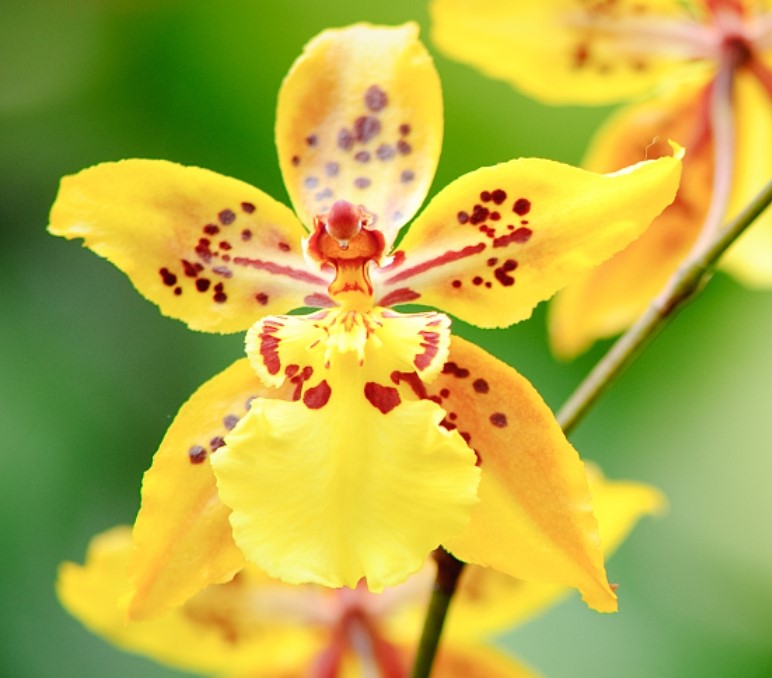
Tolumnia Orchid
Tolumnia
The Tolumnia Orchid, botanically classified under the genus Tolumnia and traditionally known in horticulture as the Equitant Oncidium or Dancing Lady Orchid, is an exceptionally charming, miniature epiphytic plant. Belonging to the family Orchidaceae (the orchid family, tribe Oncidiinae), this sp...
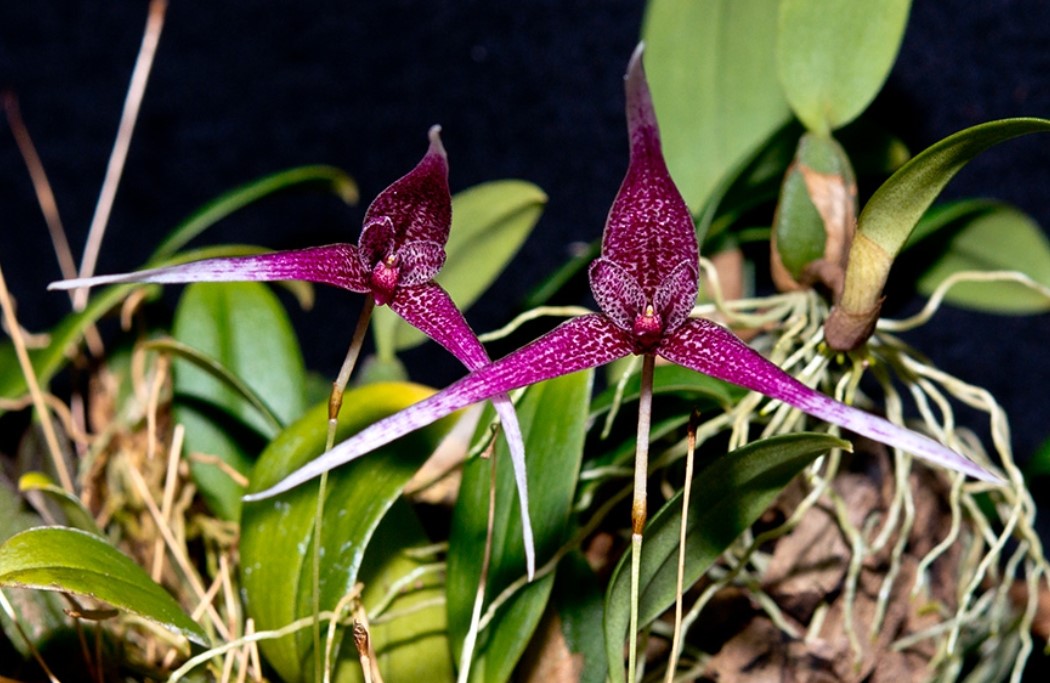
Bulbophyllum Orchid
Bulbophyllum
The Bulbophyllum orchid, representing the largest genus in the Orchidaceae family, is a true botanical marvel boasting over 2,000 highly diverse species. Native to tropical and subtropical rainforests across Asia, Africa, and the Americas, these epiphytic wonders grow primarily on tree bark in hu...
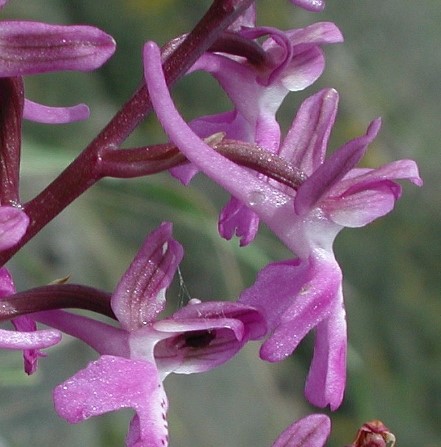
Orchis Orchid
Orchis
The Orchis Orchid, representing the eponymous genus Orchis within the family Orchidaceae, is a group of historically significant terrestrial orchids native to the meadows, grasslands, and light woodlands of Europe, North Africa, and the Mediterranean basin. Unlike common tropical epiphytic orchid...
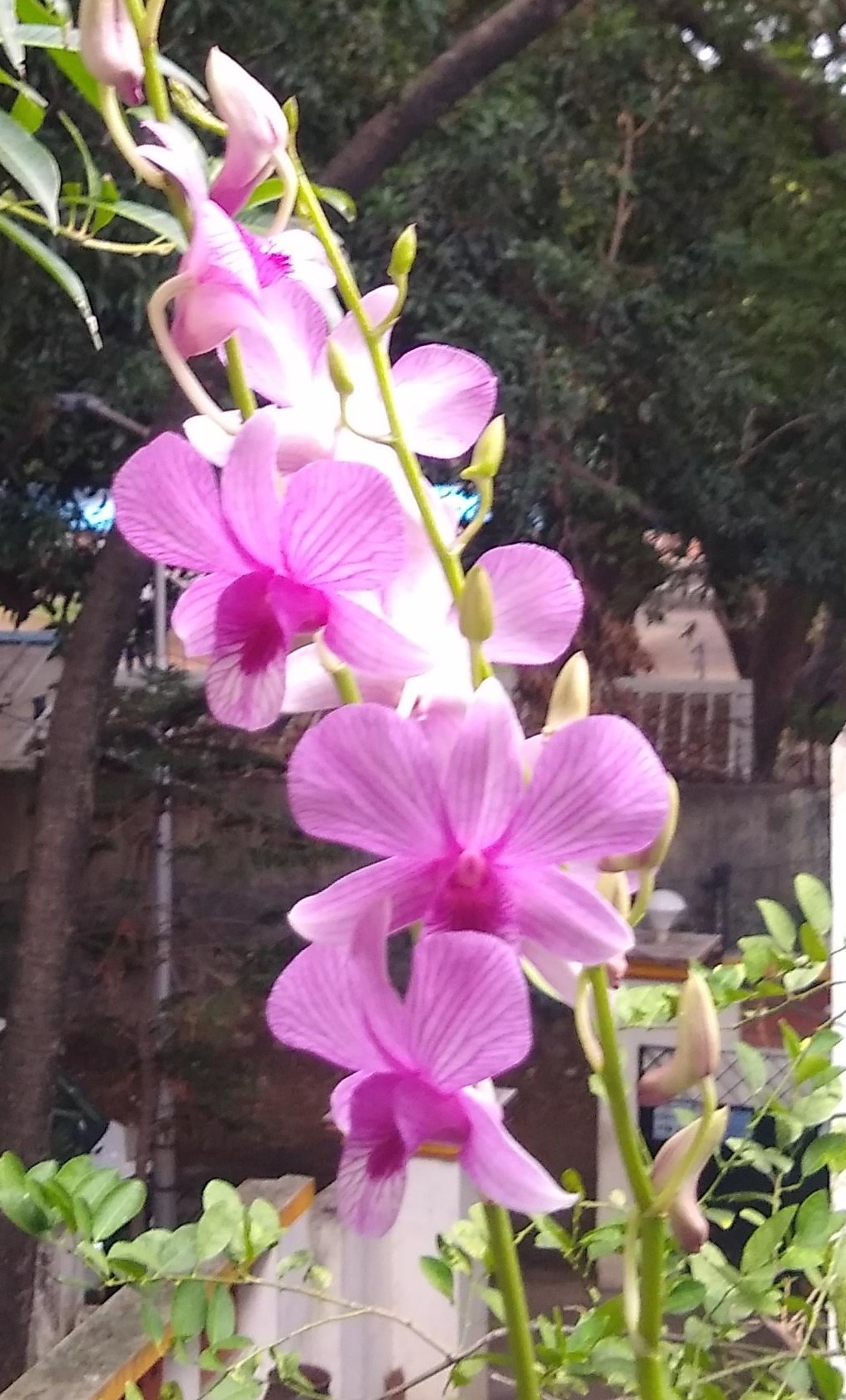
Dendrobium Orchid
Dendrobium
The Dendrobium Orchid, a diverse and captivating genus within the Orchidaceae family, stands as one of the most prolific and popular orchids in the world. With over 1,800 species and countless hybrids, these "tree-living" plants (the name *Dendrobium* literally means "life on a tree" in Greek) ar...
Similar Characteristics
4
Cattleya orchids
Cattleya
The Cattleya Orchid, botanically classified as Cattleya and celebrated globally as the 'Queen of Orchids' or 'Corsage Orchid,' is a spectacular genus of epiphytic perennial plants in the Orchidaceae family. Native to the tropical rain forests and elevated cloud forests of Central and South Americ...
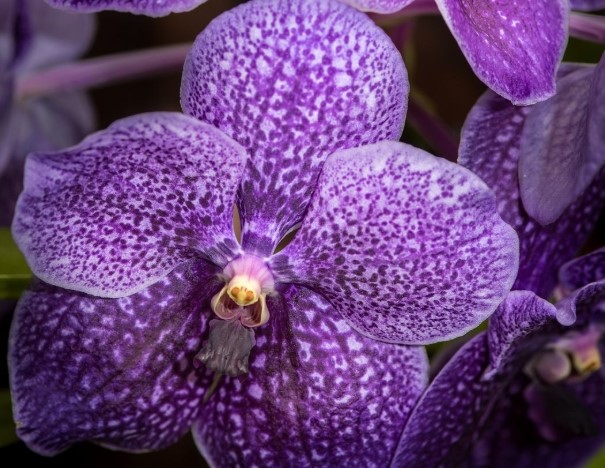
Vanda Orchid
Vanda
The Vanda Orchid, botanically designated under the genus *Vanda*, is an exceptionally spectacular, highly premium epiphytic perennial. Belonging to the family Orchidaceae (the orchid family, tribe Vandeae), this magnificent tropical orchid is native to the warm, highly humid rainforests, mist-shr...
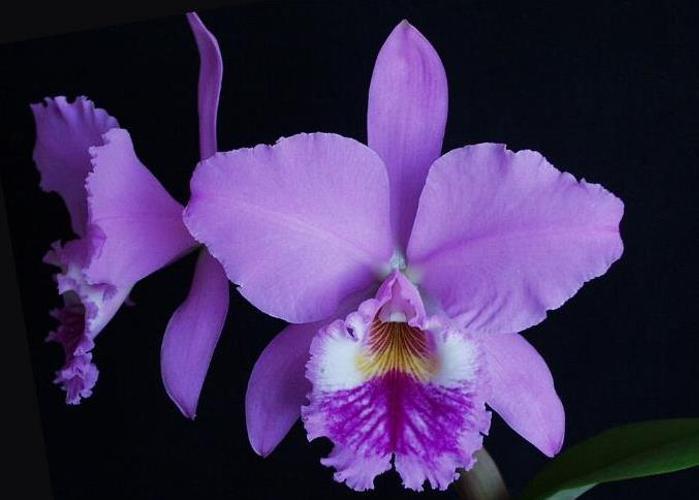
Ruby Lipped Cattleya
Cattleya labiata
The Ruby Lipped Cattleya (Cattleya labiata), often heralded globally as the 'Queen of Orchids', is a legendary epiphytic orchid belonging to the Orchidaceae family. Discovered completely by accident in the Organ Mountains of northeastern Brazil in the early 19th century, its introduction to Europ...
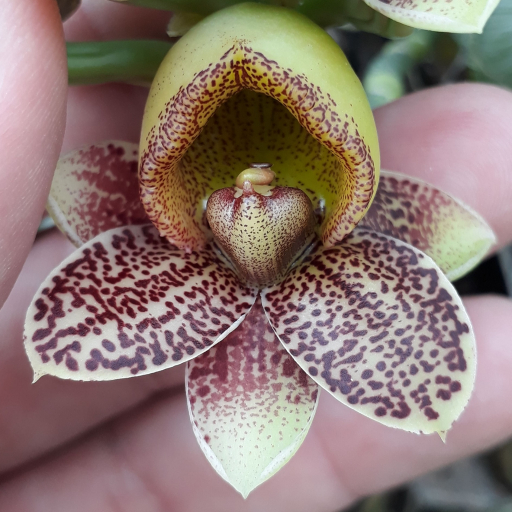
Catasetum Orchid
Catasetum
The Catasetum Orchid, belonging to the botanical genus Catasetum within the prominent Orchidaceae family, is a highly unique and fascinating group of epiphytic perennial orchids. Native to the warm, tropical lowlands and seasonally dry forest canopies of Central and South America—with particular...