
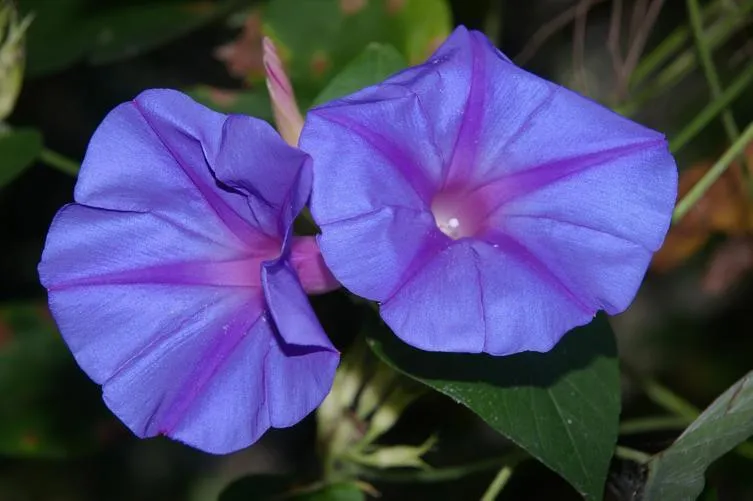
Morning Glory
Ipomoea tricolor
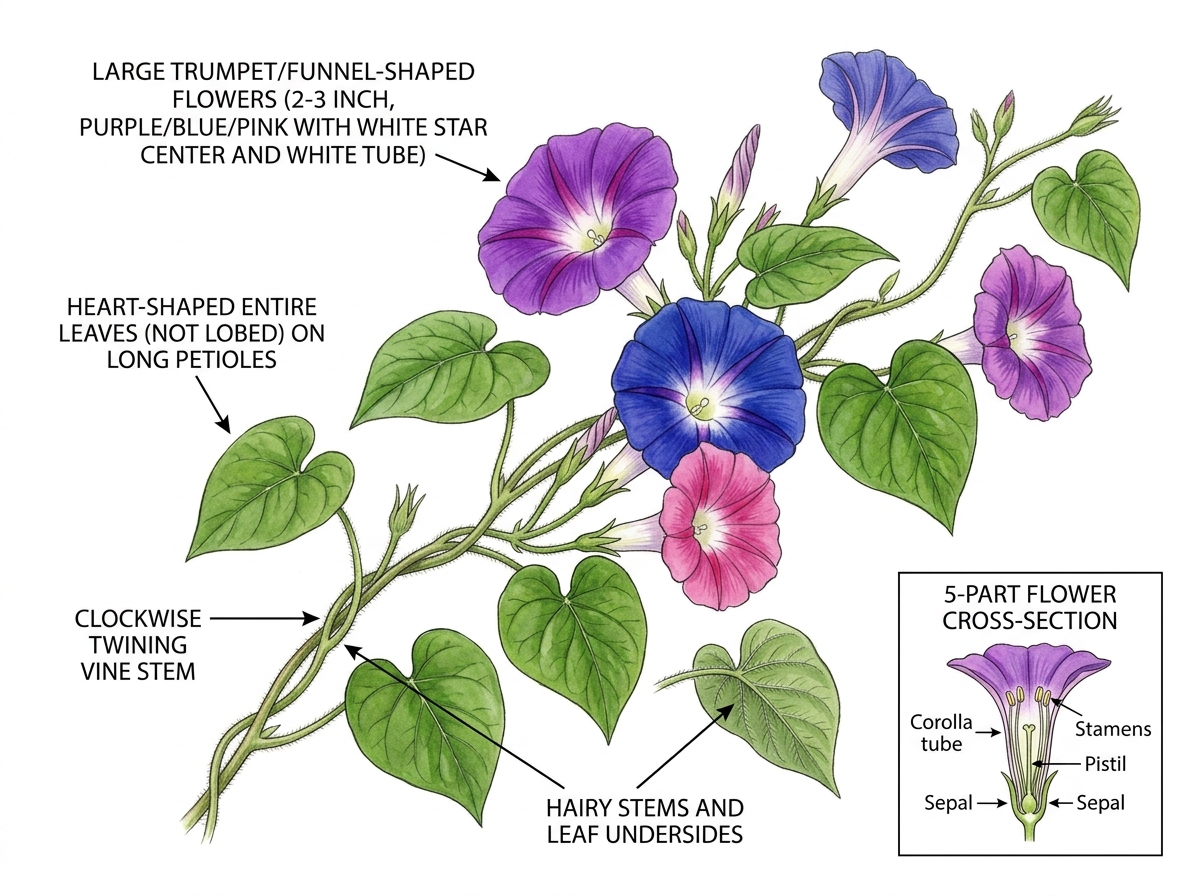
How to Identify Morning Glory
TOXIC SEEDS. Ingestion of the black seeds causes severe vomiting, drooling, dilated pupils, and ataxia in cats and dogs due to psychoactive LSA alkaloids.
Care & Growing Guide
Seasonal Blooming & Hardiness
Seasonal Blooming Calendar:
- Peak Bloom: Late summer to autumn (August through October).
- Planting Time: Sow seeds directly outdoors in early spring after the last frost, or transplant nursery starts in late spring.
Bloom Timeline
About Morning Glory
The Morning Glory, botanically designated as Ipomoea tricolor (and including the closely related Ipomoea purpurea), is an exceptionally vigorous, fast-growing climbing annual vine. Belonging to the family Convolvulaceae (the bindweed or morning glory family, tribe Ipomoeeae), this classic garden favorite is native to the warm, tropical, and subtropical regions of Mexico, Central America, and South America, and has naturalized extensively across sunny, temperate landscapes worldwide.
This high-impact climber can easily reach heights of 6 to 15 feet (2 to 4.5 meters) in a single growing season. It climbs not by tendrils, but by tightly twining its flexible, branching green stems around vertical structures like fences, trellises, arches, and wires. It displays lush, alternate, bright green, and highly attractive heart-shaped (cordate) leaves measuring 2 to 6 inches in length, creating a dense, rapid summer privacy screen.
Morning Glory is globally celebrated for its spectacular, trumpet- or funnel-shaped flowers measuring 2 to 5 inches across. Blossoms exhibit brilliant, glowing shades of sky-blue (epitomized by the legendary cultivar 'Heavenly Blue'), deep royal purple, magenta, violet, rose-pink, and pure white. These flowers open majestically at dawn to greet the morning sun, twisting and fading shut by early afternoon. Each blossom lasts only a single day, but fresh buds open continuously from summer through the first autumn frost.
The reproductive morphology of individual flowers is represented by the family-specific floral formula EBr ⊕ ⚥ K5 C(5) A5 G(2). This formula states that the flowers are ebracteate (lacking bracts), radially symmetrical (actinomorphic), and bisexual. The calyx is composed of 5 free, overlapping, protective sepals. The corolla consists of 5 fused petals forming a classic, pleated trumpet-like corolla tube. The androecium contains 5 unequal free stamens fused to the base of the corolla tube, and the gynoecium contains 2 fused carpels forming a superior ovary.
The poetic common name 'Morning Glory' directly celebrates the plant's unique early-morning blooming habit. Famed in Sanskrit as Krishnabijah (कृष्णबिजः, meaning 'black seeds') and in Hindi as Pratashri (प्रातःश्री, 'glory of the dawn') or Kaladana (कालादाना), its seeds were historically revered in ancient Aztec religious ceremonies. In the Victorian language of flowers, it represents single-minded devotion, affection, and the brief, fleeting nature of youth and mortality.
For pet owners and veterinarians, Morning Glory is a plant that demands high caution. The seeds of Ipomoea species are highly toxic to dogs, cats, and horses, containing lysergic acid amide (LSA)—a psychoactive indole alkaloid. Ingestion of the seeds triggers significant gastrointestinal distress (vomiting and diarrhea), drooling, dilated pupils, disorientation, and ataxia (drunken walking). While the foliage is less toxic, the entire plant should be kept away from curious animals. For detailed safety advice, visit our general Pet Guard page.
Morning Glory is occasionally confused with wild bindweed (Convolvulus arvensis). It is easily distinguished because true garden Morning Glory produces massive, glowing 3-to-5-inch blue, purple, or pink trumpet-shaped flowers and lush heart-shaped leaves, whereas weedy bindweed produces tiny white flowers and narrow, arrowhead-shaped leaves. It is a premier selection for sunny borders alongside climbers like Clematis or Trumpet Vine. To explore more fast-growing vines, browse our Flower Identifier.
Floral Formula & Features
Ebracteate, radially symmetrical, bisexual, 5 free sepals, 5 fused petals forming trumpet, 5 free stamens attached to petal tube, 2 fused carpels with superior ovary
- Scientific Name & Classification: Ipomoea tricolor (Convolvulaceae). Globally famed as Morning Glory, Heavenly Blue, and Tall Morning Glory.
- Identification Markers: Fast-growing twining stems, alternate heart-shaped leaves, and 2-5 inch trumpet-shaped flowers in sky-blue, purple, or pink that open at dawn and close by noon.
- Floral Formula (EBr ⊕ ⚥ K5 C(5) A5 G(2)): Radially symmetrical, bisexual flowers with 5 free sepals, 5 fused petals forming a pleated funnel tube, 5 stamens, and superior ovary.
- Growing Requirements: Full direct sun (6-8 hours daily); average, lean, moderately dry, highly well-draining soils. Avoid high-nitrogen fertilizers (Zones 3-10 as annual).
- Cultural Significance: Symbol of fleeting youth in Victorian floral language. Famed in Sanskrit as 'Krishnabijah.' Seeds were historically used in ancient Mesoamerican ceremonies.
- Safety & Toxicity: TOXIC SEEDS. Ingestion of the black seeds causes severe vomiting, drooling, dilated pupils, and ataxia in cats and dogs due to psychoactive LSA alkaloids.
- Common Look-alikes: Confused with invasive Bindweed (Convolvulus arvensis), but easily distinguished by its massive colorful flowers and large heart-shaped leaves.
- Internal Links: Scrambles elegantly upward to cover fences and trellises when planted alongside other high-impact summer climbers like Clematis or Trumpet Vine; find more in our Flower Identifier.
- Internal Links: Compare key differences in our Morning Glory vs Bindweed comparison, or try our instant Flower Identifier.
Names in Different Languages
Botanical Classification: Morning Glory belongs to the Convolvulaceae family. Learn how to identify its floral symmetry, stamen arrangement, and structural formulas in our Botanical Family Classification Guide.
Toxicity & Safety
Always keep toxic plants out of reach of children and pets. Consult a veterinarian or medical professional immediately if ingestion is suspected.
Pet Safety Guide: For detailed toxicity symptoms, first-aid measures, and safe garden alternatives, see our full Pet Guard Profile for Morning Glory.
Frequently Asked Questions
What is Floral Formula?
A floral formula is a symbolic representation of a flower's structure using letters, numbers, and special symbols. It provides a concise way to describe the arrangement and number of floral parts.
This formula describes the flower's symmetry, sepals, petals, stamens, and carpels in a standardized format.
Formula Sequence
- Bract: Br or Ebr
- Bracteole: Brl or Ebrl
- Symmetry: % (Radial) or ⊕ (Bilateral)
- Sex: ♀ (Female), ♂ (Male), or ⚥ (Bisexual)
- Calyx/Sepal: K<number> (Free or Fused)
- Corolla/Petal: C<number> (Free or Fused)
- Androecium: A<number> (Free or Fused)
- Gynaecium: G<number> (Superior or Inferior Ovary)
Symbol Meanings
- Numbers: Indicate quantity of parts
- Parentheses (): Parts are fused together
- Plus (+): Parts in different whorls
- Underline: Superior ovary position
- Overline: Inferior ovary position
- ∞: Numerous parts (too many to count)
Understanding floral formulas helps botanists quickly identify and classify flowers based on their structural characteristics.
Similar Flowers
Discover flowers that share botanical characteristics
Same Family
2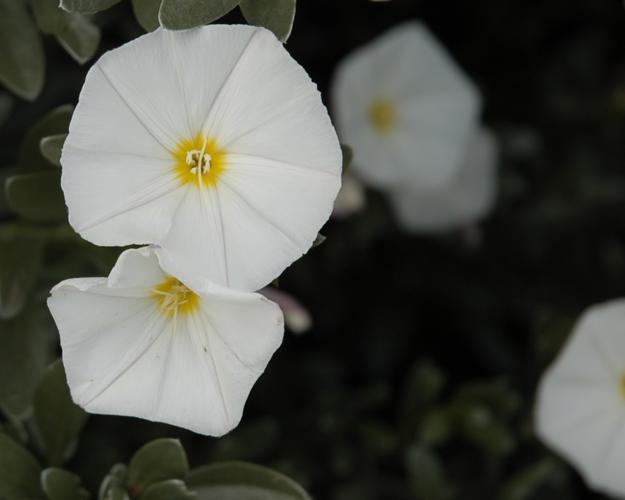
Silverbush
Convolvulus cneorum
The Silverbush, botanically classified as Convolvulus cneorum and widely referred to as the Silvery Bindweed or Bush Morning Glory, is an exceptionally elegant, compact evergreen shrub belonging to the Convolvulaceae (morning glory) family. Unlike its sprawling, climbing vine cousins, this specie...
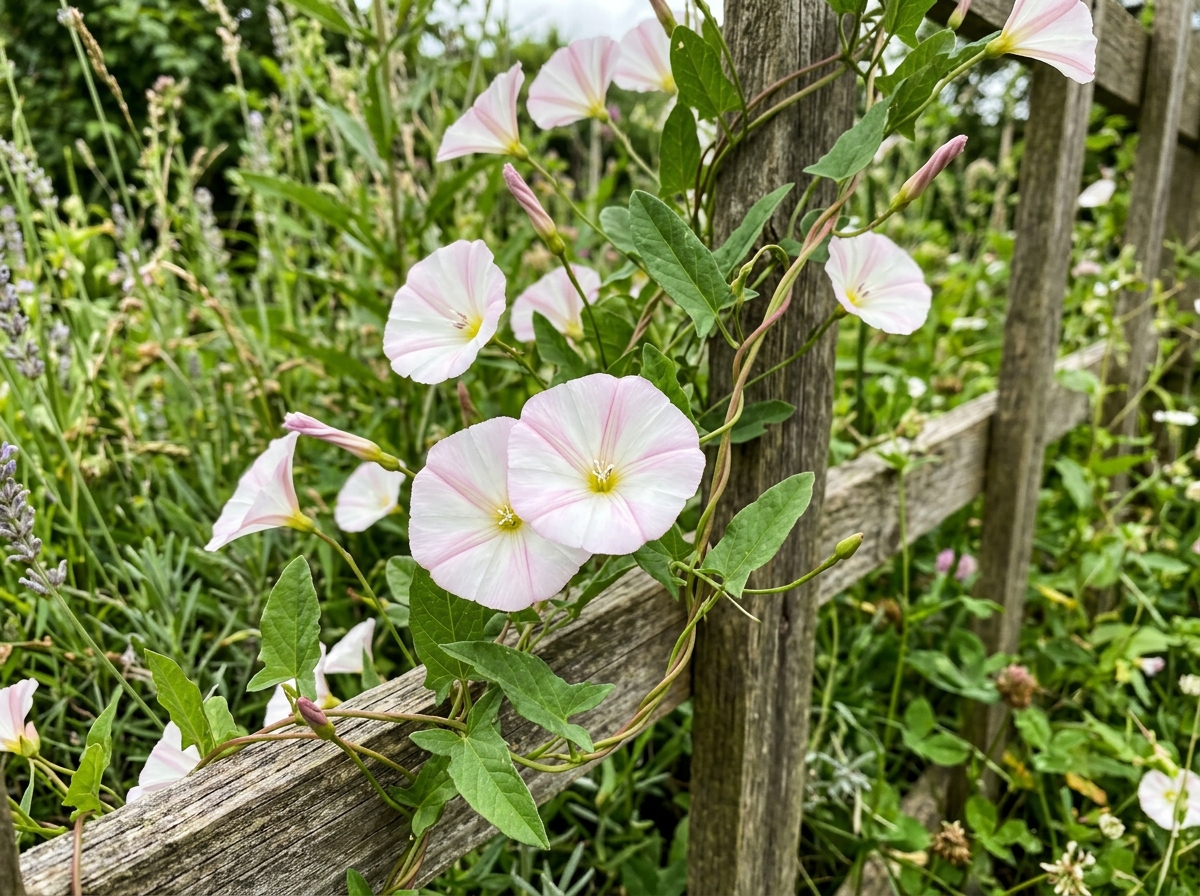
Bindweed
Convolvulus arvensis
Bindweed (Convolvulus arvensis), commonly called Field Bindweed or Wild Morning Glory, is a perennial twining vine native to Europe and Asia that has become one of the most widespread and persistent weeds across North America, Australia, and South Asia. Despite its invasive nature, the plant prod...
Similar Characteristics
4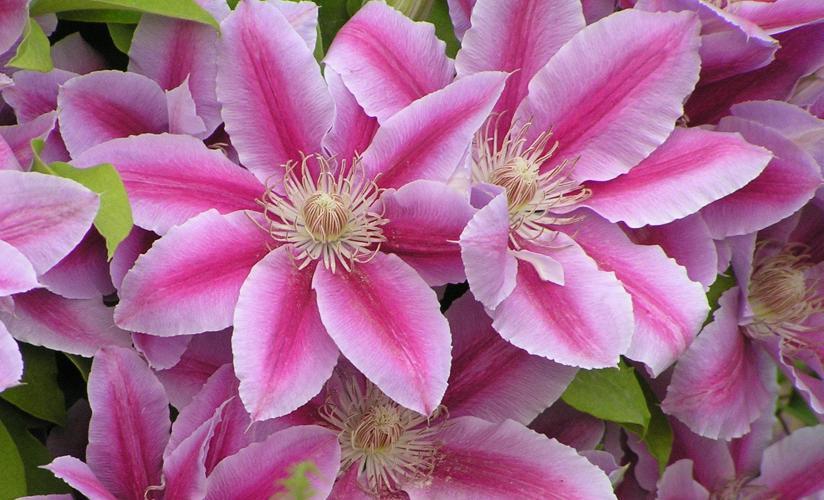
Clematis
Clematis
The Clematis, belonging to the genus Clematis within the family Ranunculaceae (the buttercup family), is a spectacular genus of perennial climbing vines widely hailed as the 'Queen of the Climbers.' Native to the temperate woodlands, rocky hillsides, and river hedgerows across the Northern Hemisp...
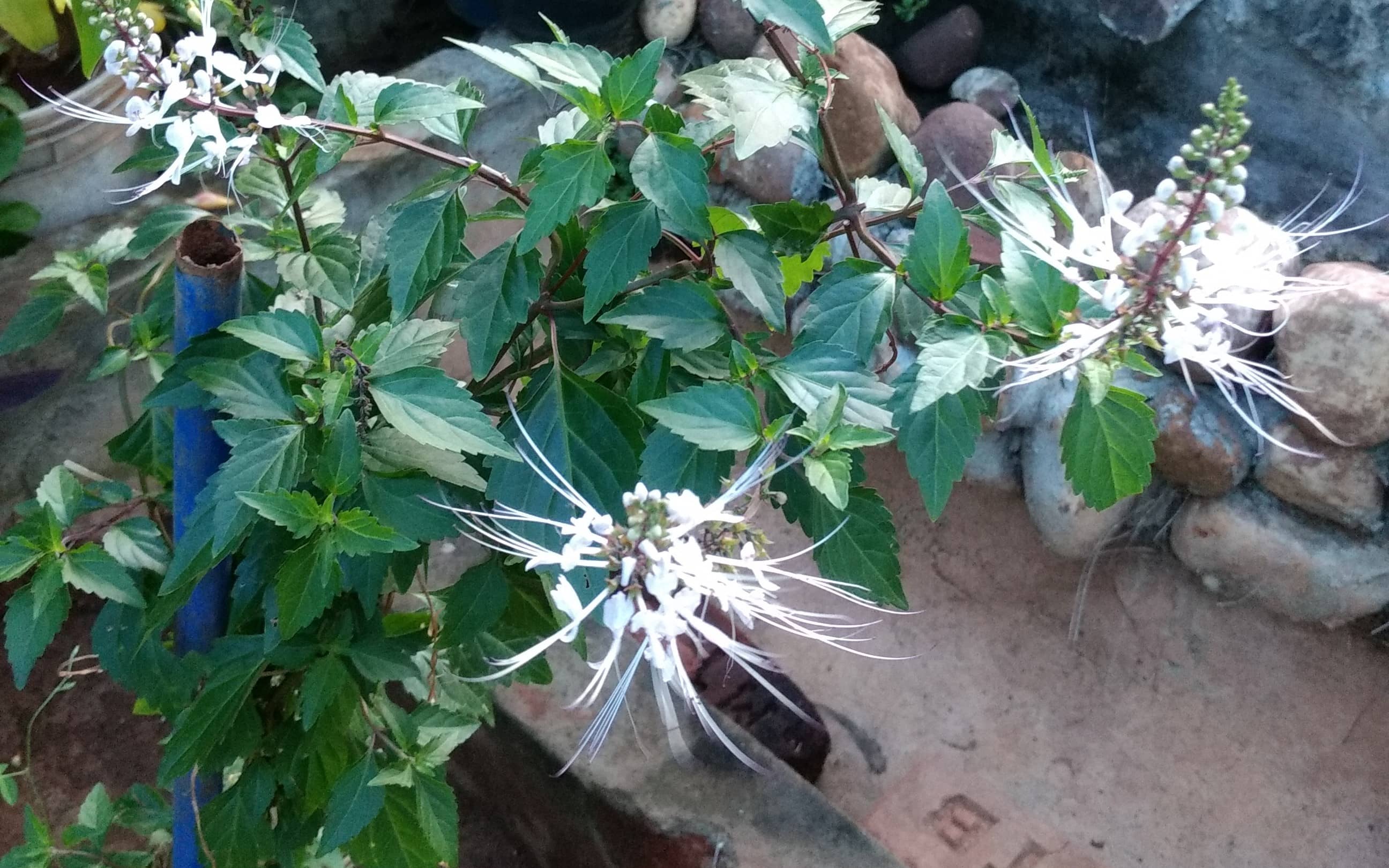
Cat's whiskers
Orthosiphon aristatus
The Cat's Whisker, botanically classified as Orthosiphon aristatus (and often called Orthosiphon stamineus), is an extraordinarily distinctive, fast-growing herbaceous perennial shrub in the Lamiaceae (mint) family. Native to the damp, shaded margins, grassy valleys, and riverbanks of tropical So...
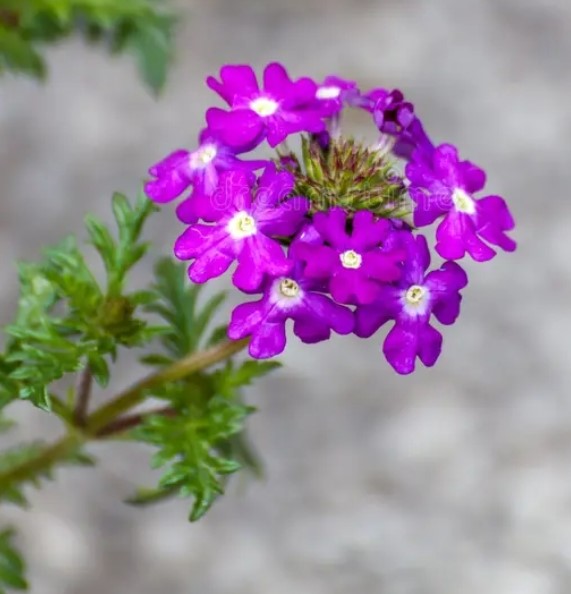
Verbena
Verbena
The Verbena, botanically classified under the genus Verbena and belonging to the family Verbenaceae (the verbena or vervain family), is an exceptionally tough, colorful, and resilient perennial (often cultivated as a warm-season annual in cooler temperate zones). Native primarily to the sunny gra...
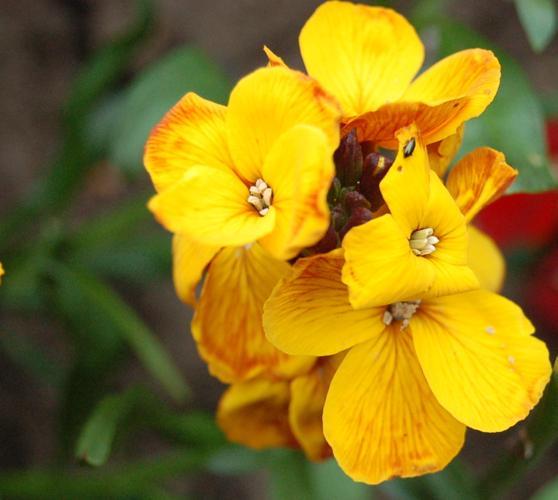
Wallflower
Erysimum cheiri
The Wallflower, botanically known as Erysimum cheiri (formerly classified as Cheiranthus cheiri), is a charming and historic woody-based biennial or short-lived perennial flower belonging to the Brassicaceae (mustard or cabbage) family. Native to the rocky cliffs, coastal regions, and warm sunny...