
Tree Mallow
Malva arborea
How to Identify Tree Mallow
NON-TOXIC. 100% safe for cats, dogs, and horses, providing a stunning, child-and-pet-safe coastal shrub screen.
How to identify Tree Mallow (Malva arborea):
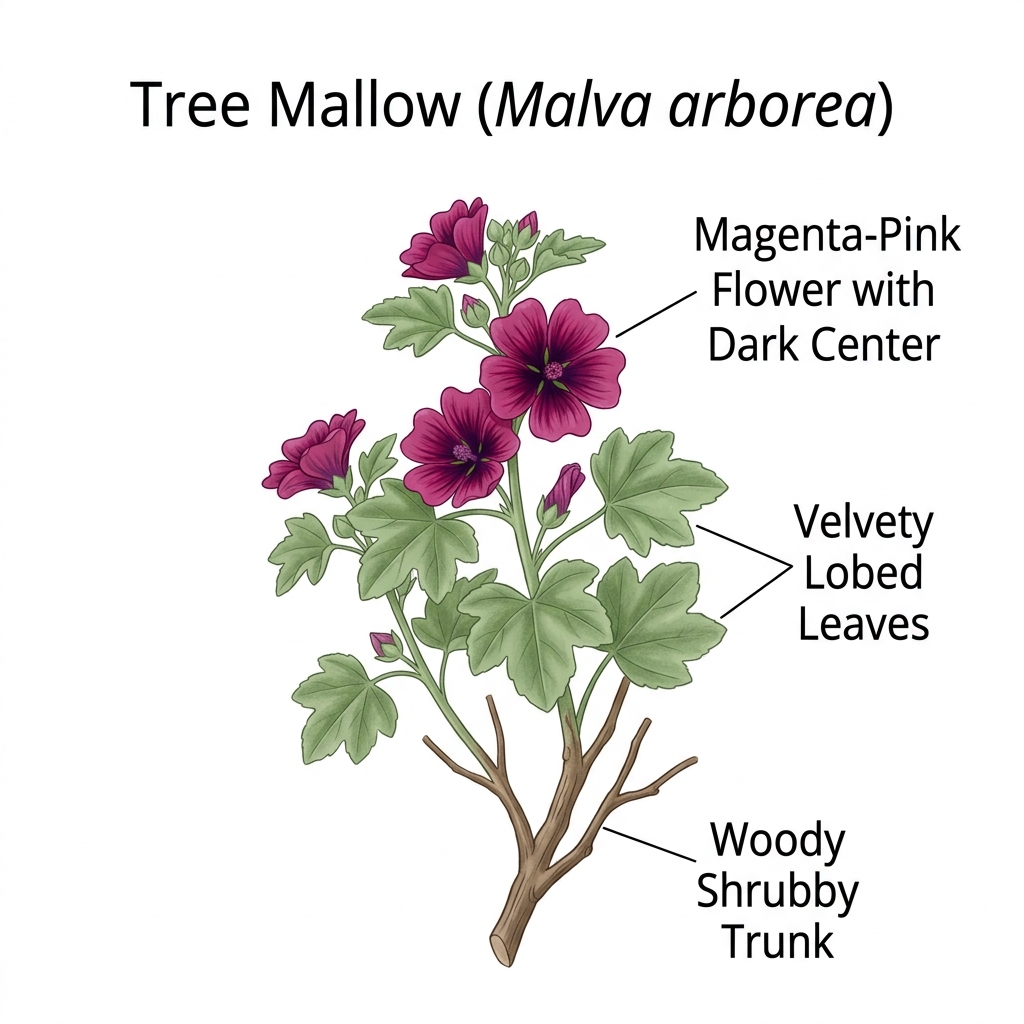
- Shrub-like Semi-Woody Habit: Unlike other mallows, it grows as a robust, branching shrub (up to 8 feet tall) with woody lower stems.
- Large Velvety Leaves: Soft, deep green palmately lobed leaves covered in fine hairs that give a velvety texture.
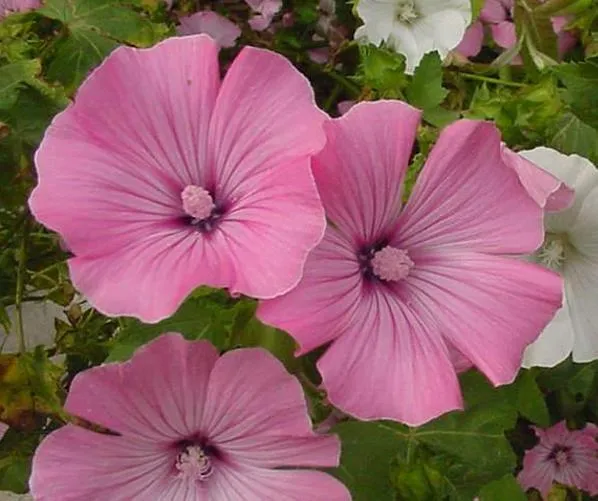
- Funnel-Shaped Flowers: Flowers are 2-3 inches across, featuring 5 rose-pink or lavender petals with deep purple center and radiating veins.
- Three-Segmented Epicalyx: Base of the flower contains a distinct outer calyx (epicalyx) with exactly 3 broad bracts.
Care & Growing Guide
Seasonal Blooming & Hardiness
Seasonal Blooming Calendar:
- Peak Bloom: Late spring to late summer (typically May through September).
- Planting Time: Sow seeds directly outdoors in early spring after the last frost, or transplant nursery starts in late spring.
Bloom Timeline
About Tree Mallow
The Tree Mallow, botanically classified as Malva arborea (and previously known as Lavatera arborea), is a robust, fast-growing biennial or short-lived perennial shrub belonging to the Malvaceae (mallow) family. Native to the Mediterranean basin and the rugged, salt-swept coastal cliffs of Western Europe—including Britain, France, Spain, and Portugal—this plant is highly celebrated for its spectacular resilience. It thrives in soils and climates where other plants falter, forming a majestic semi-woody shrub covered in soft, velvety leaves and dense clusters of dramatic, hibiscus-like blossoms that bloom continuously from late spring through the heat of summer.
This shrubby mallow is a vigorous grower, easily reaching heights of 3 to 8 feet with a bushy spread of 3 to 5 feet. It is instantly recognized by its large, showy, funnel-shaped flowers that measure 2 to 3 inches across. Each blossom features 5 broad, overlapping petals in a soft pink, rose, or lavender-pink color, beautifully accented by deep magenta or purple veins that radiate from a dark, rich center. Its foliage is equally striking, consisting of large, palmately lobed, deep green leaves with a soft, velvet-like texture that provides excellent year-round interest even when the plant is not in full bloom.
The reproductive design of the Tree Mallow is represented by the formula EBr Epi(3) ⊕ ⚥ K(5) C5 A(∞) G(∞). This indicates that the bloom is ebracteate, possessing an epicalyx with 3 distinct segments beneath the flower, radially symmetrical (actinomorphic), and bisexual. The calyx is made of 5 fused sepals, and the corolla comprises 5 free petals. A signature feature of the Malvaceae family is the androecium, where numerous stamens are fused together into a central column (monadelphous) surrounding the style, ending in a superior ovary composed of numerous fused carpels.
Tree Mallows are exceptionally hardy and low-maintenance, thriving outdoors in USDA hardiness zones 8 through 11. They prefer full sun, requiring 6 to 8 hours of direct daily sunlight to produce their heavy flush of summer blooms. They are highly salt-tolerant and wind-resistant, making them premier selections for exposed coastal gardens and maritime landscapes. While they perform best in fertile, well-draining soils, they easily adapt to poor, sandy, or rocky soils, and they are highly drought-tolerant once their root systems are established.
The genus name 'Malva' is derived from an ancient Greek word for 'soft,' referencing the soothing mucilaginous properties of its leaves, while 'arborea' means tree-like in Latin, highlighting its shrubby, woody structure. It is known as சீமைத்துத்தி (Seemai Thuthi) in Tamil and Malvone in Italian. Historically, the leaves were used in traditional European folk medicine as poultices for wounds and sprains, and during maritime emergencies, British coastal communities harvested the leaves as a nutritious food source. Today, it represents strength, protection, and coastal endurance.
For households with pets, the Tree Mallow is an incredibly safe and reliable choice. It is listed as completely NON-TOXIC to cats, dogs, and horses, making it an excellent, worry-free choice for hedges, borders, and seaside container displays. Curious pets can explore around this large, bushy shrub without any risk of toxicity. For a comprehensive, search-optimized list of pet-safe landscaping shrubs, you can cross-reference our Pet Guard safety hub.
Tree Mallow is frequently confused with Hollyhocks (Alcea rosea) Rose of Sharon (Hibiscus syriacus), or giant native Swamp Rose Mallow. It is easily distinguished from Hollyhocks by its woody, multi-branching shrubby habit rather than a single tall unbranched spike, and from Rose of Sharon by its distinct dark purple veining on the petals and its velvety, softer foliage. It serves as an exceptional backdrop alongside other cottage classics; we suggest pairing it with Hollyhock or English Marigold. Check our Flower Identifier to discover more Malvaceae varieties.
Floral Formula & Features
Ebracteate (no bracts), Epicalyx present with 3 segments, Actinomorphic (radially symmetrical), bisexual, 5 fused sepals, 5 free petals, numerous stamens fused into column (monadelphous), numerous fused carpels arranged in ring with superior ovary typical of Malvaceae
- Scientific Name & Classification: Malva arborea (Malvaceae). Also known as Lavatera arborea, Velvet Tree Mallow, and Sea Mallow.
- Identification Markers: Multi-branched semi-woody shrub with large, velvety, palmately lobed leaves. Showy lavender-pink blossoms with deep purple radiating veins.
- Floral Formula (EBr Epi(3) ⊕ ⚥ K(5) C5 A(∞) G(∞)): Epicalyx of 3 segments present. Radially symmetrical, bisexual flower featuring monadelphous stamen column.
- Growing Requirements: Full sun; exceptional salt and wind tolerance making it premier for coastal climates. Thrives in poor, fast-draining sandy/rocky soils (Zones 8-11).
- Cultural Significance: Genus name means 'soft' in Greek; 'arborea' refers to tree-like habit. Affectionately called Seemai Thuthi in Tamil.
- Safety & Toxicity: NON-TOXIC. 100% safe for cats, dogs, and horses, providing a stunning, child-and-pet-safe coastal shrub screen.
- Common Look-alikes: Confused with Hollyhock or Rose of Sharon, but distinguished by woody multi-branched stems and velvety, palmately lobed foliage.
- Internal Links: Compare key differences in our Mallow vs Hibiscus comparison, check out the native Swamp Rose Mallow, browse the Sitemap, or explore our Flower Identifier.
Names in Different Languages
Botanical Classification: Tree Mallow belongs to the Malvaceae family. Learn how to identify its floral symmetry, stamen arrangement, and structural formulas in our Botanical Family Classification Guide.
Toxicity & Safety
Frequently Asked Questions
What is Floral Formula?
A floral formula is a symbolic representation of a flower's structure using letters, numbers, and special symbols. It provides a concise way to describe the arrangement and number of floral parts.
This formula describes the flower's symmetry, sepals, petals, stamens, and carpels in a standardized format.
Formula Sequence
- Bract: Br or Ebr
- Bracteole: Brl or Ebrl
- Symmetry: % (Radial) or ⊕ (Bilateral)
- Sex: ♀ (Female), ♂ (Male), or ⚥ (Bisexual)
- Calyx/Sepal: K<number> (Free or Fused)
- Corolla/Petal: C<number> (Free or Fused)
- Androecium: A<number> (Free or Fused)
- Gynaecium: G<number> (Superior or Inferior Ovary)
Symbol Meanings
- Numbers: Indicate quantity of parts
- Parentheses (): Parts are fused together
- Plus (+): Parts in different whorls
- Underline: Superior ovary position
- Overline: Inferior ovary position
- ∞: Numerous parts (too many to count)
Understanding floral formulas helps botanists quickly identify and classify flowers based on their structural characteristics.
Similar Flowers
Discover flowers that share botanical characteristics
Same Family
3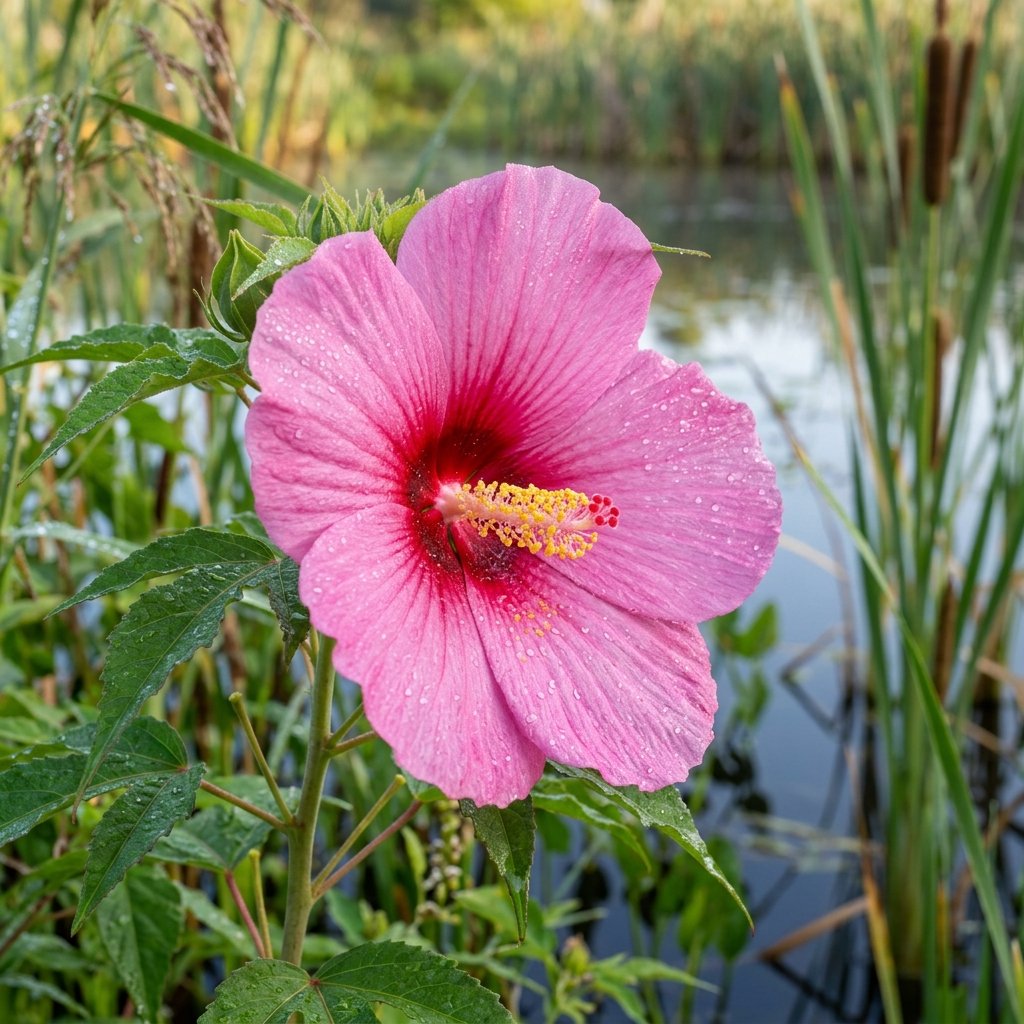
Swamp Rose Mallow
Hibiscus moscheutos
Swamp Rose Mallow (*Hibiscus moscheutos*) produces some of the largest flowers of any hardy perennial wildflower in North America — dinner-plate-sized blooms reaching 6 to 12 inches in diameter — in shades of white, pink, and rose, typically adorned with a dramatic deep crimson or rose-pink centr...
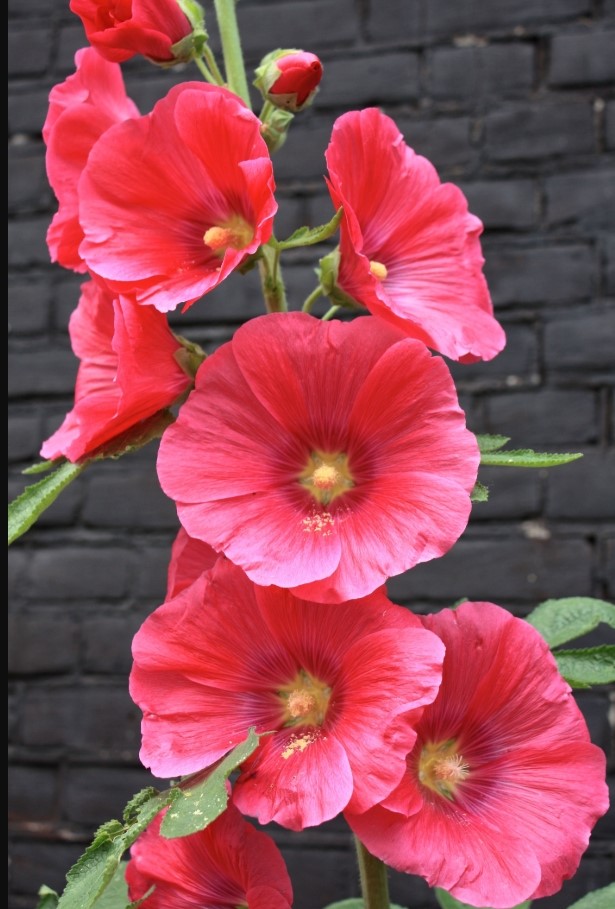
Hollyhock
Alcea rosea
The Hollyhock, botanically designated as Alcea rosea and belonging to the family Malvaceae (the mallow or hibiscus family), is a majestic, towering, and deeply romantic cottage garden classic. Native to the warm, temperate meadows, rocky slopes, and open woodlands of Turkey and southwestern Asia,...
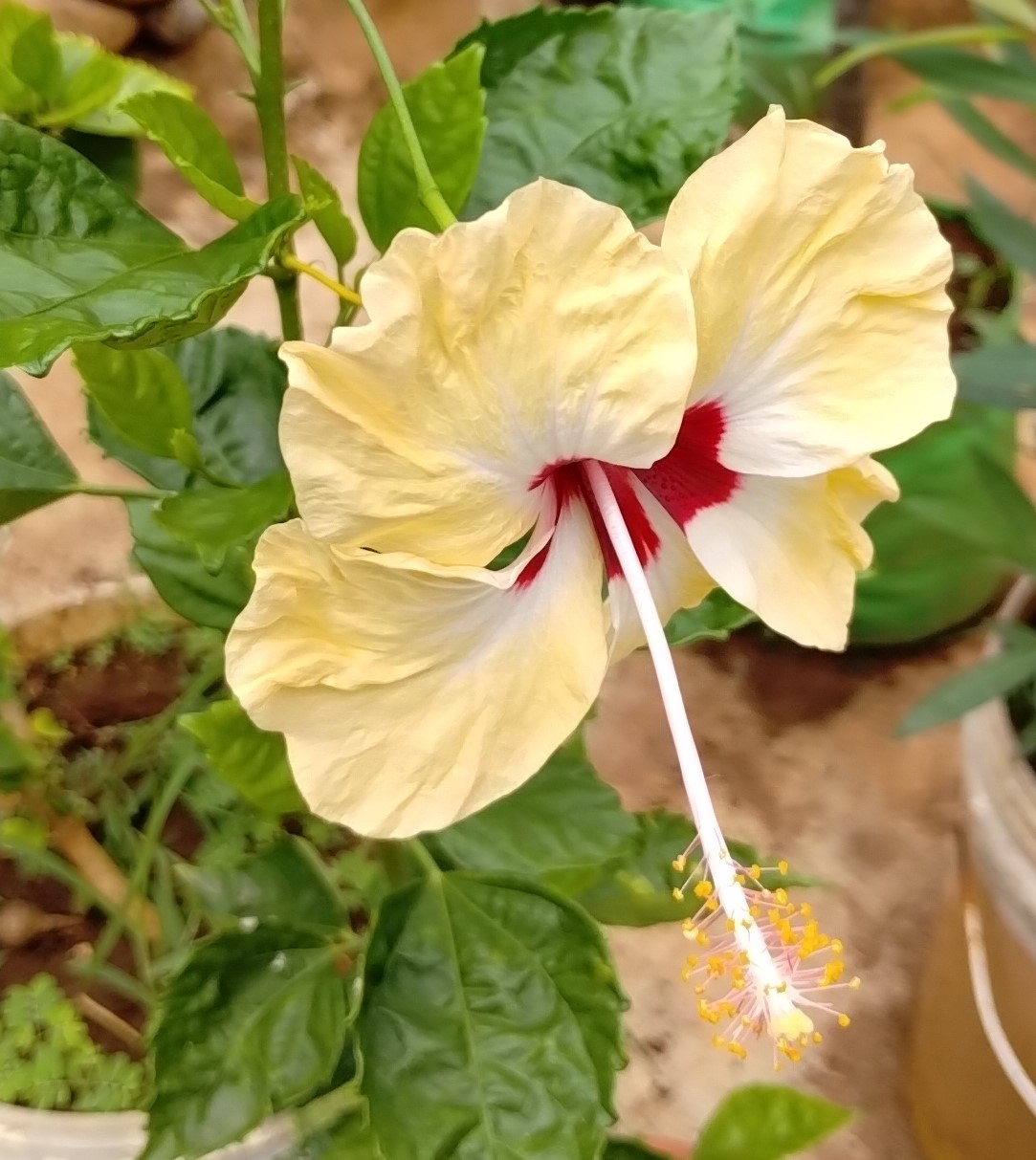
Hibiscus
Hibiscus rosa-sinensis
The Hibiscus, botanically classified as Hibiscus rosa-sinensis and popularly known as the Chinese Hibiscus, China Rose, or Shoe Flower, is a spectacular evergreen flowering shrub belonging to the Malvaceae (mallow) family. Believed to have originated in the warm, humid tropical regions of East As...
Similar Characteristics
4
Mandevilla
Mandevilla
Mandevilla, often referred to as the Rock Trumpet, is the undisputed queen of the tropical vertical garden. Belonging to the Apocynaceae family—the same family that hosts the famous Frangipani and Oleander—this genus comprises over 100 species of vigorous, woody climbing vines and mounding shrubs...
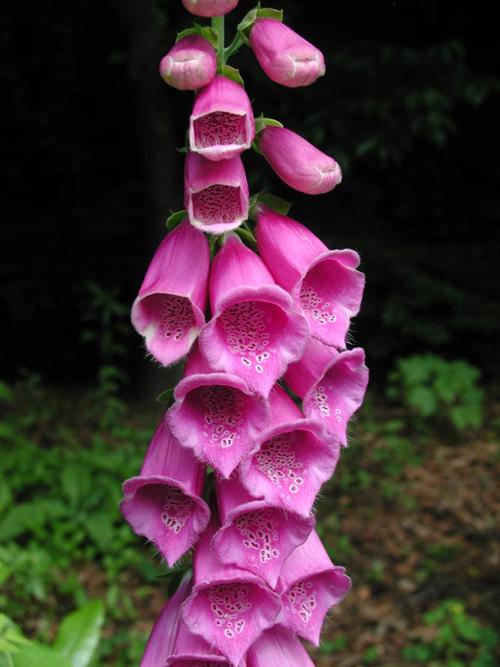
Foxglove
Digitalis purpurea
Digitalis purpurea, commonly known as Foxglove, is a majestic and iconic biennial plant belonging to the Plantaginaceae family. Native to the cool, temperate woodlands, hedgerows, and mountainous clearings of western and southwestern Europe, this striking species has naturalized throughout North...
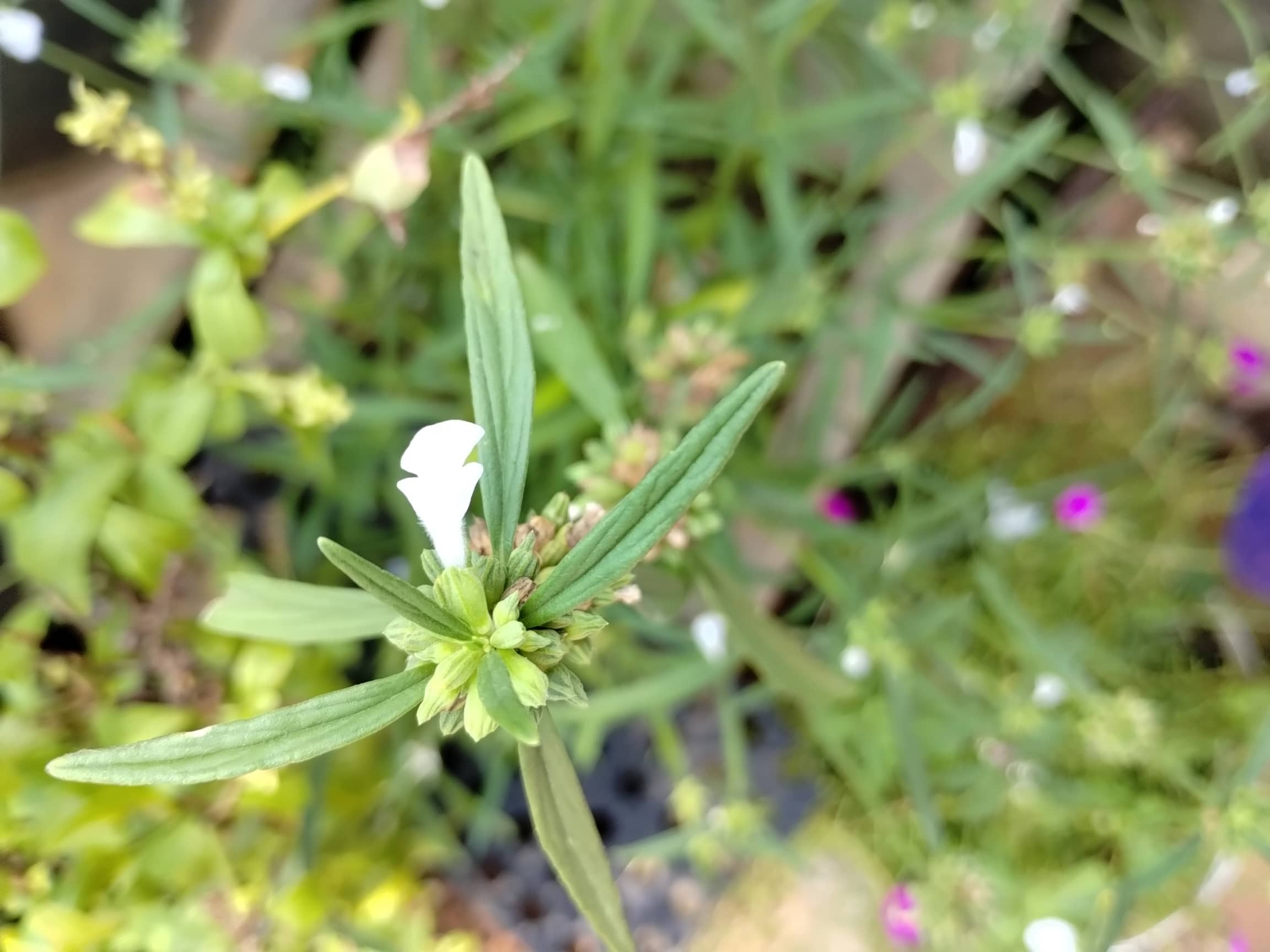
Leucas Aspera
Leucas aspera
Leucas Aspera, botanically classified as Leucas aspera and celebrated in Tamil heritage as Thumbai or in Sanskrit as Dronapushpi, is an exceptionally valuable, resilient, and highly aromatic annual or short-lived perennial herb. Belonging to the family Lamiaceae (the mint family, tribe Leucadeae)...
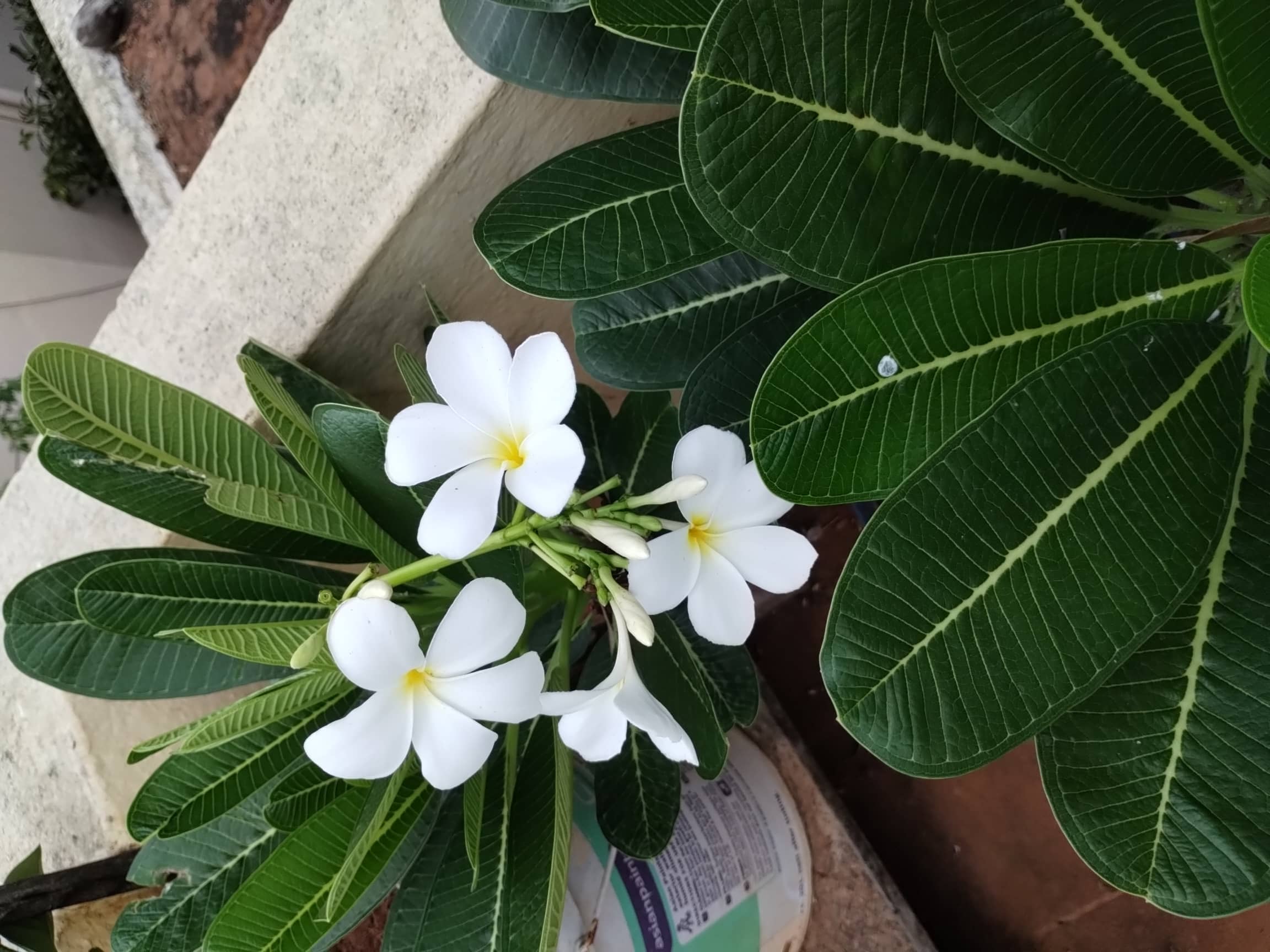
Plumeria
Plumeria Rubra
Plumeria, universally known as the Frangipani, is a genus of deciduous shrubs and small trees that serve as the quintessential symbol of tropical paradise. Belonging to the Apocynaceae (Dogbane) family, these plants are native to Mexico, Central America, and the Caribbean, but they have been embr...