
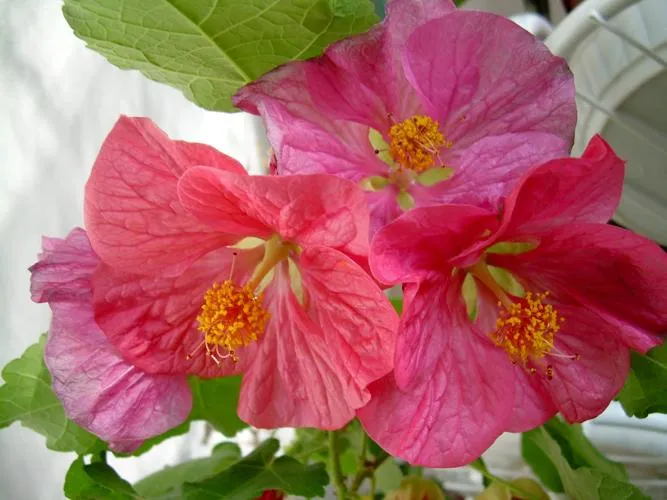
Mallow
Malva sylvestris
How to Identify Mallow
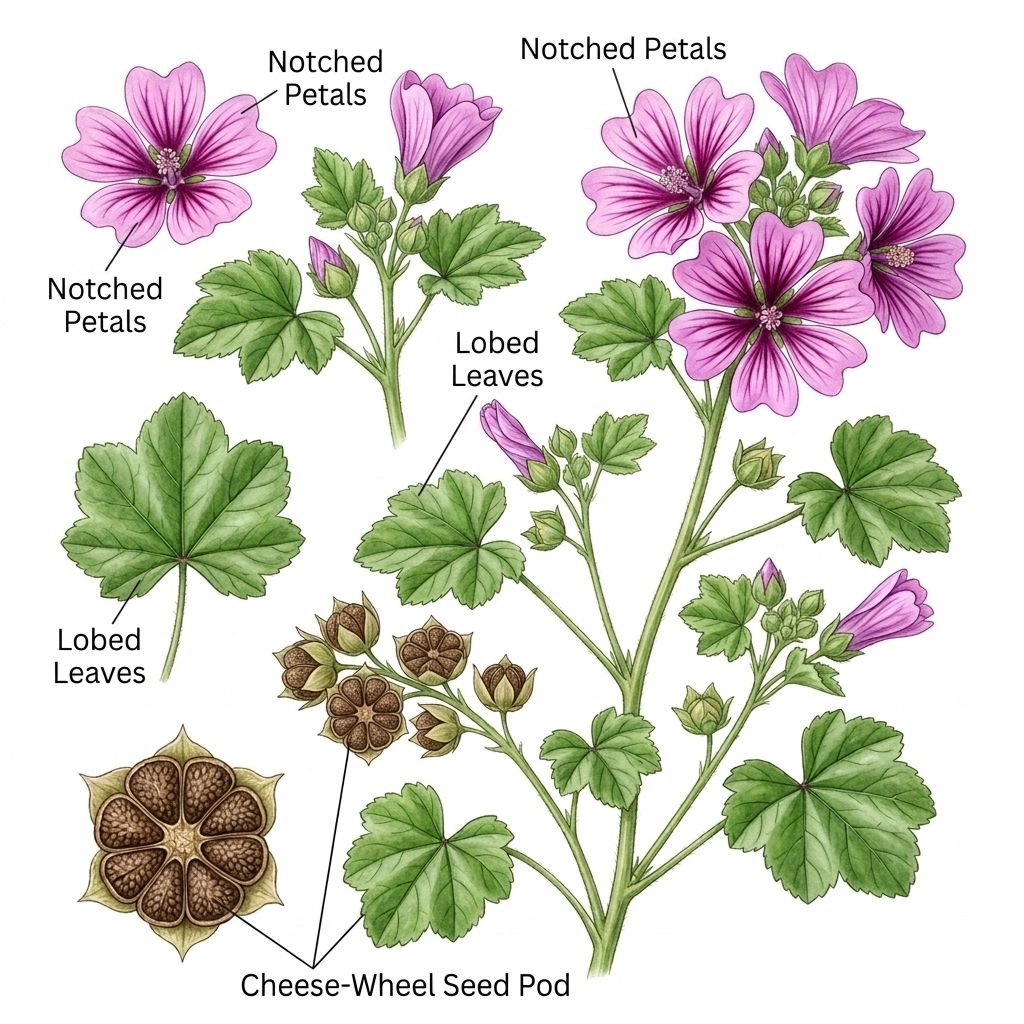
NON-TOXIC. 100% safe for cats, dogs, and horses. Provides an extremely resilient, edible, and pet-safe flowering addition to cottage borders.
How to identify Common Mallow (Malva sylvestris):
- Notched Petals with Radiating Veins: Heart-shaped petals (usually 5) with distinct pink, lavender, or purple coloring and prominent dark magenta veins.
- Swollen Stem Nodes: Erect or sprawling branching stems with noticeable nodes and fine hairs.
- Lobed Heart-Shaped Leaves: Rounded, slightly fuzzy green leaves with 5 to 7 shallow, serrated lobes.
- Segmented 'Cheese' Pods: Flat, circular disc-like seed pods divided into multiple wedge-shaped segments resembling tiny cheese wheels.
Care & Growing Guide
Seasonal Blooming & Hardiness
Seasonal Blooming Calendar:
- Peak Bloom: Early summer to mid-autumn (typically June through October).
- Planting Time: Sow seeds directly outdoors in early spring after the last frost, or transplant nursery starts in late spring.
Bloom Timeline
About Mallow
The Mallow, botanically designated as Malva sylvestris and commonly known as Common Mallow, High Mallow, Tall Mallow, or Cheeseweed, is an exceptionally versatile, hardy, and resilient biennial to short-lived perennial herb. Belonging to the family Malvaceae (the mallow family), this ancient plant is native to the coastal grasslands, roadsides, and open meadows of Europe, North Africa, and Western Asia. It has naturalized extensively across North and South America, Australia, and New Zealand.
This robust, fast-growing herb displays an upright, branching, or sprawling growth habit, standing 2 to 5 feet (80 to 150 cm) in height with a spread of 2 to 3 feet. It features attractive, rounded, heart-shaped (cordate) leaves measuring 2 to 4 inches across with 5 to 7 shallow, serrated lobes. From early summer through late autumn (June through October), it blooms continuously, producing dense clusters of delicate, cup-shaped, 5-petaled flowers measuring 1 to 2 inches across.
The blossoms are typically in brilliant shades of pink, lavender, violet-purple, or pure white, uniquely accented with deep magenta or purple veins radiating outward from the notched center. The flowers are followed by highly unique, flat, circular, and disc-like green seed pods divided into multiple segments. Because these seed pods resemble tiny, segmented wheels of cheese, children and herbalists have historically referred to the plant as 'Cheeseweed' or 'Cheeses.'
The reproductive morphology of Malva is represented by the classical Malvaceae floral formula ⊕ ⚥ K(5) C5 A∞ G(2-∞). This formula states that the flowers are radially symmetrical (actinomorphic) and bisexual. The calyx is composed of 5 fused sepals, often accompanied by an epicalyx of 3 free bracteoles. The corolla consists of 5 free, deeply notched petals. The androecium features numerous (∞) stamens fused by their filaments into a central column surrounding the style, and the gynoecium contains multiple (2 to ∞) fused carpels with a superior ovary.
The genus name Malva is derived from the ancient Greek word 'malake,' which translates to soft or soothing, in reference to the highly mucilaginous, therapeutic qualities of its leaves, flowers, and roots. Famed in Sanskrit as Atibala (अतिबल, meaning 'highly powerful') and in Hindi as Maelo (मैलो) or Kanghi (कंगही), it has been cultivated for millennia as a nutritious, spinach-like edible salad green and a soothing demulcent herb to treat coughs and throat irritations.
For pet owners and veterinarians, the Mallow represents an exceptionally safe, low-risk, and pet-safe landscape choice. Malva sylvestris is classified as completely NON-TOXIC to cats, dogs, and horses by major global animal safety databases, including the ASPCA. If an active pet brushes against its branching stems or nibbles on the soft leaves, waxy flowers, or circular seed pods, there is absolutely no risk of toxic poisoning. To discover more safe edible herbs and wildflowers, visit our general Pet Guard page.
Mallow is occasionally confused with wild hibiscus hollyhocks, or giant native Swamp Rose Mallow. It is easily distinguished because true Mallow produces smaller, deeply notched 5-petaled flowers with radiating dark veins and highly characteristic flat, circular, cheese-wheel-like seed pods, whereas hollyhocks have massive, tall unbranched spikes and large cup-shaped blooms. It is ideal for cottage gardens and wildflower borders; we recommend pairing it alongside Marigold or Hollyhock-alcea_rosea. To explore more edible wild herbs, browse our Flower Identifier.
For more botanical profiles and flower identification features, see our guides on Magnolia and Meadow Buttercup.
Floral Formula & Features
This formula indicates a ⊕ denotes Actinomorphic, ⚥ denotes Bisexual, K(5) denotes Calyx with 5 fused, C5 denotes Corolla with 5 free, A∞ denotes Androecium numerous, G(2-∞) denotes Gynoecium with 2 or more fused and superior ovary
- Scientific Name & Classification: Malva sylvestris (Malvaceae). Commonly famed as Common Mallow, Cheeseweed, High Mallow, and Buttonweed.
- Identification Markers: Upright branching stems, rounded lobed leaves, and 1-2 inch cup-shaped flowers (pink, lavender, or purple) with notched petals and radiating dark veins, producing circular cheese-wheel seed pods.
- Floral Formula (⊕ ⚥ K(5) C5 A∞ G(2-∞)): Radially symmetrical, bisexual flowers with 5 fused sepals, 5 free notched petals, numerous fused stamens forming a central column, and superior ovary.
- Growing Requirements: Full sun to partial shade (4-6 hours daily); average, medium-moisture, well-draining soils. Highly adaptable to poor, dry soils once established (Zones 4-9).
- Cultural Significance: Name comes from Greek 'malake' (soothing) due to its sticky, soothing gel. Highly valued in traditional Ayurvedic medicine as 'Atibala' for its powerful tonic properties.
- Safety & Toxicity: NON-TOXIC. 100% safe for cats, dogs, and horses. Provides an extremely resilient, edible, and pet-safe flowering addition to cottage borders.
- Common Look-alikes: Confused with wild Hibiscus or Hollyhocks, but easily distinguished by its smaller, deeply notched petals with dark radiating veins and flat segmented seed wheels.
- Internal Links: Compare key differences in our Mallow vs Hibiscus comparison, check out the native Swamp Rose Mallow, browse the Sitemap, or identify wildflowers with our Flower Identifier.
Names in Different Languages
Botanical Classification: Mallow belongs to the Malvaceae family. Learn how to identify its floral symmetry, stamen arrangement, and structural formulas in our Botanical Family Classification Guide.
Toxicity & Safety
Frequently Asked Questions
What is Floral Formula?
A floral formula is a symbolic representation of a flower's structure using letters, numbers, and special symbols. It provides a concise way to describe the arrangement and number of floral parts.
This formula describes the flower's symmetry, sepals, petals, stamens, and carpels in a standardized format.
Formula Sequence
- Bract: Br or Ebr
- Bracteole: Brl or Ebrl
- Symmetry: % (Radial) or ⊕ (Bilateral)
- Sex: ♀ (Female), ♂ (Male), or ⚥ (Bisexual)
- Calyx/Sepal: K<number> (Free or Fused)
- Corolla/Petal: C<number> (Free or Fused)
- Androecium: A<number> (Free or Fused)
- Gynaecium: G<number> (Superior or Inferior Ovary)
Symbol Meanings
- Numbers: Indicate quantity of parts
- Parentheses (): Parts are fused together
- Plus (+): Parts in different whorls
- Underline: Superior ovary position
- Overline: Inferior ovary position
- ∞: Numerous parts (too many to count)
Understanding floral formulas helps botanists quickly identify and classify flowers based on their structural characteristics.
Similar Flowers
Discover flowers that share botanical characteristics
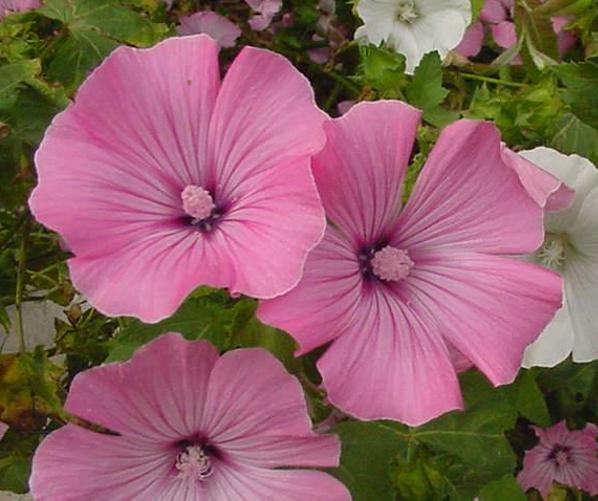
Same Family
3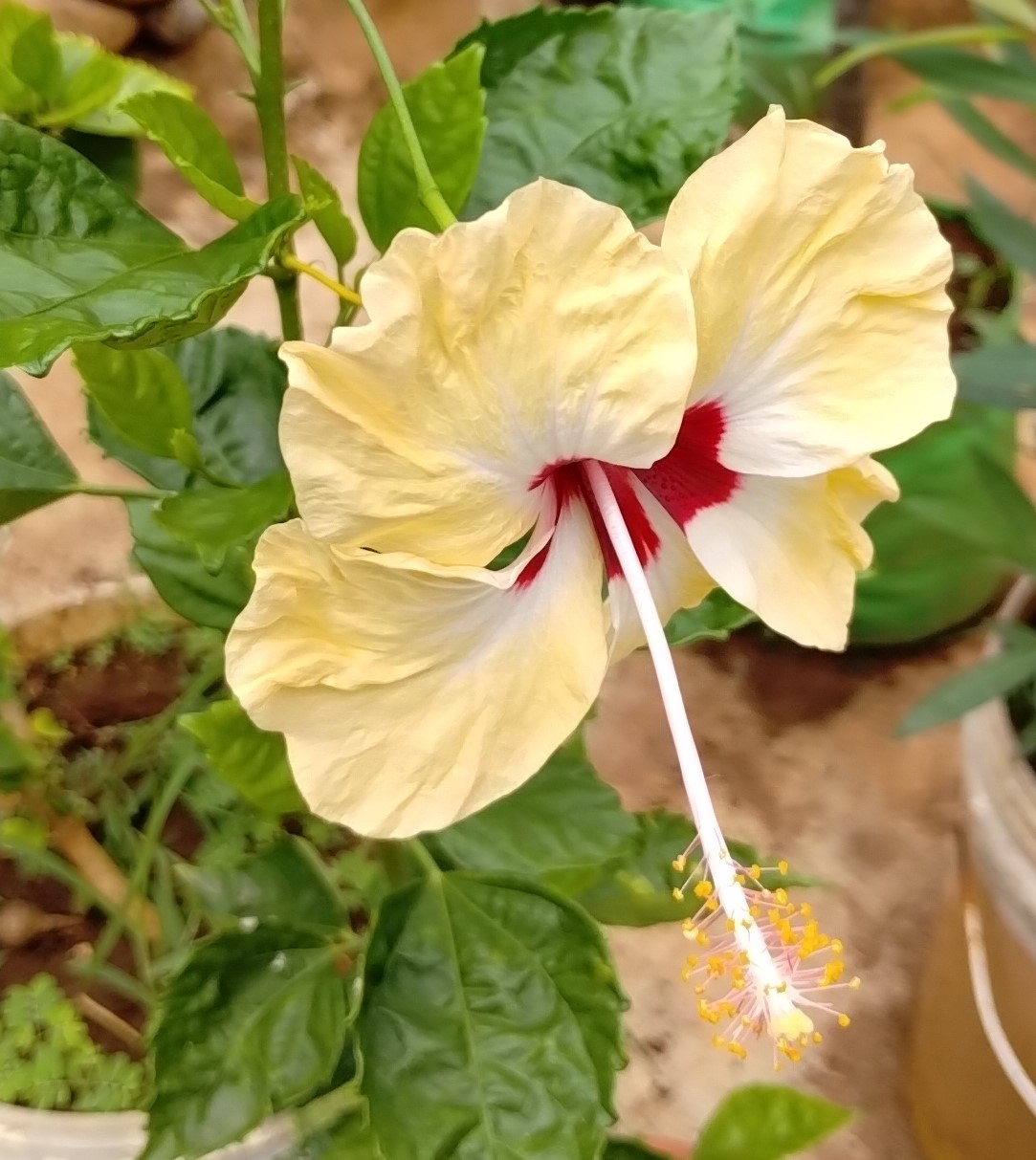
Hibiscus
Hibiscus rosa-sinensis
The Hibiscus, botanically classified as Hibiscus rosa-sinensis and popularly known as the Chinese Hibiscus, China Rose, or Shoe Flower, is a spectacular evergreen flowering shrub belonging to the Malvaceae (mallow) family. Believed to have originated in the warm, humid tropical regions of East As...
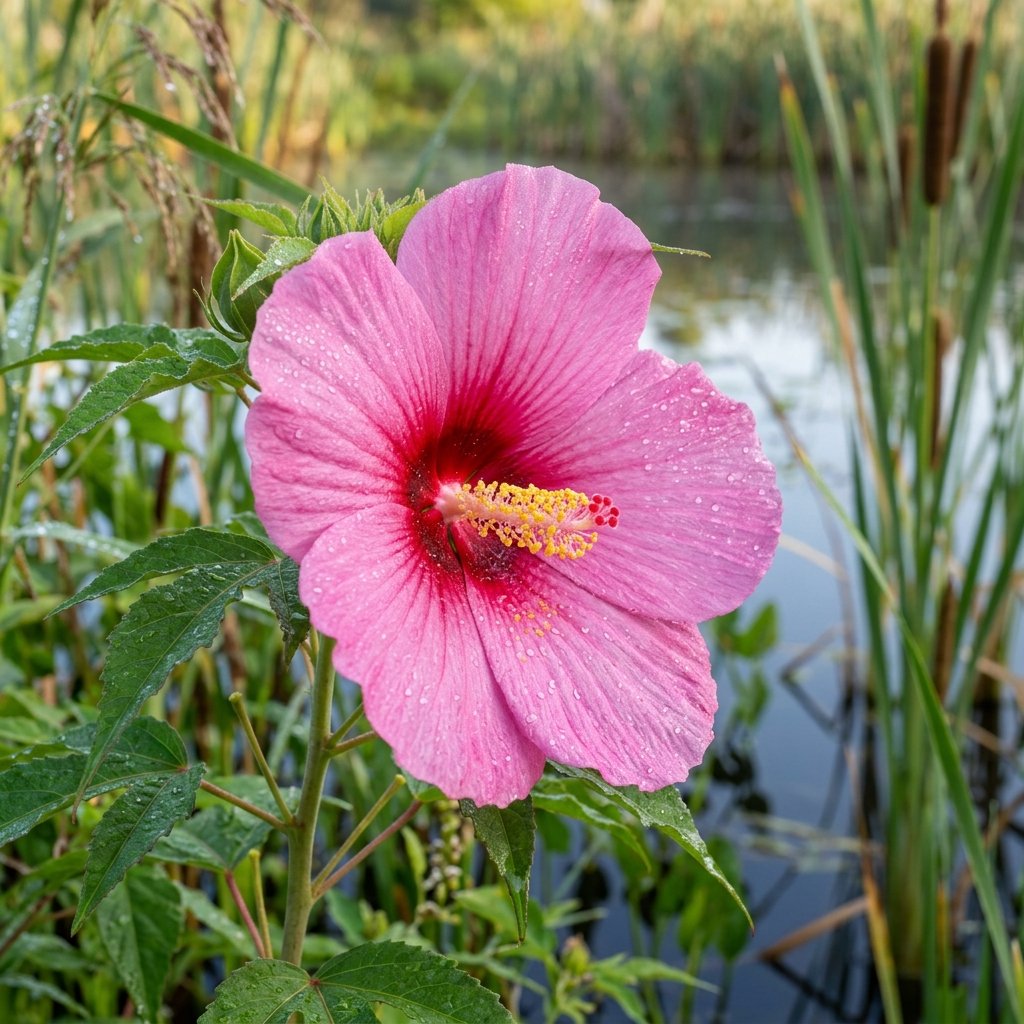
Swamp Rose Mallow
Hibiscus moscheutos
Swamp Rose Mallow (*Hibiscus moscheutos*) produces some of the largest flowers of any hardy perennial wildflower in North America — dinner-plate-sized blooms reaching 6 to 12 inches in diameter — in shades of white, pink, and rose, typically adorned with a dramatic deep crimson or rose-pink centr...
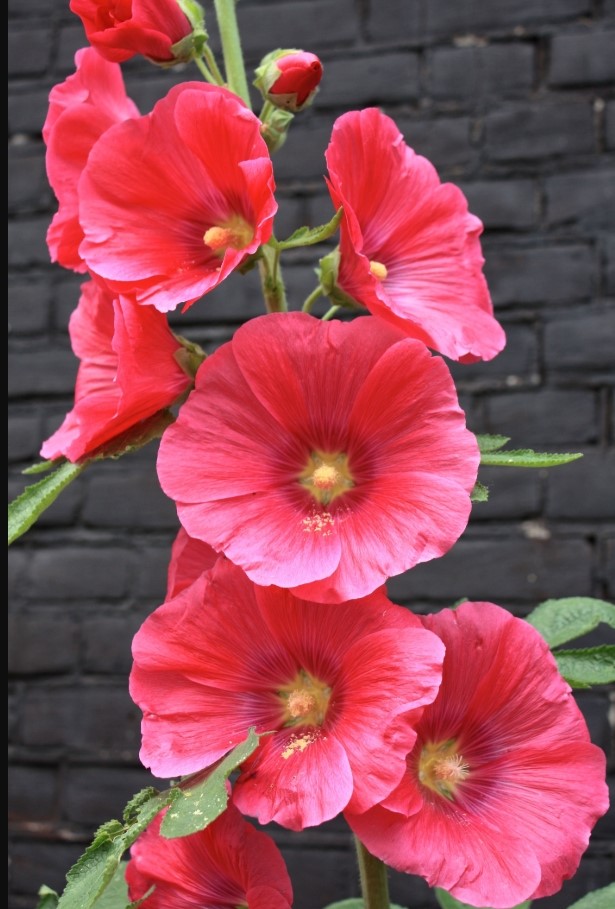
Hollyhock
Alcea rosea
The Hollyhock, botanically designated as Alcea rosea and belonging to the family Malvaceae (the mallow or hibiscus family), is a majestic, towering, and deeply romantic cottage garden classic. Native to the warm, temperate meadows, rocky slopes, and open woodlands of Turkey and southwestern Asia,...
Similar Characteristics
4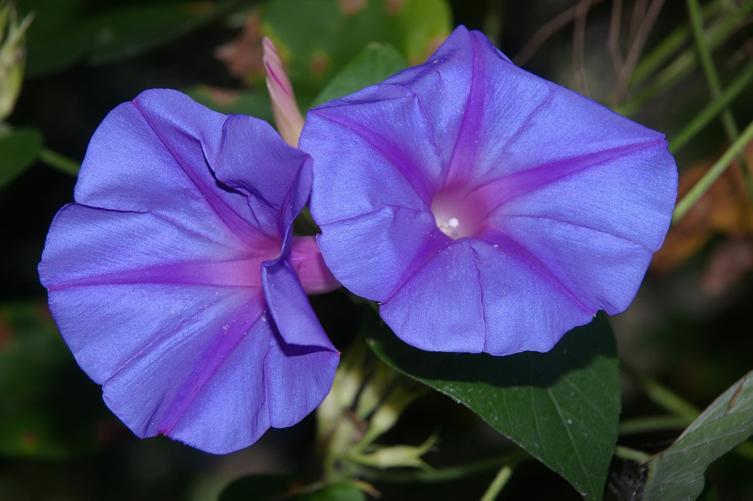
Morning Glory
Ipomoea tricolor
The Morning Glory, botanically designated as Ipomoea tricolor (and including the closely related *Ipomoea purpurea*), is an exceptionally vigorous, fast-growing climbing annual vine. Belonging to the family Convolvulaceae (the bindweed or morning glory family, tribe Ipomoeeae), this classic garde...
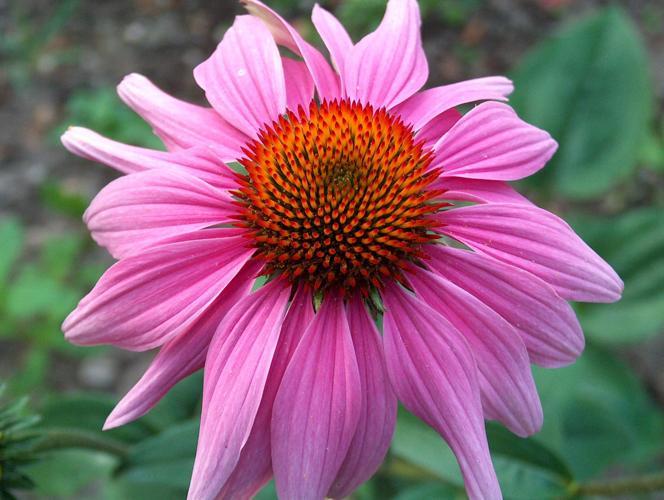
Purple Coneflower (Echinacea)
Echinacea purpurea
The Purple Coneflower (Echinacea purpurea) is a robust, iconic native North American perennial belonging to the Asteraceae family. Found thriving naturally in the prairies, open woods, and dry plains of the central and eastern United States, it has become a global favorite in both ornamental land...
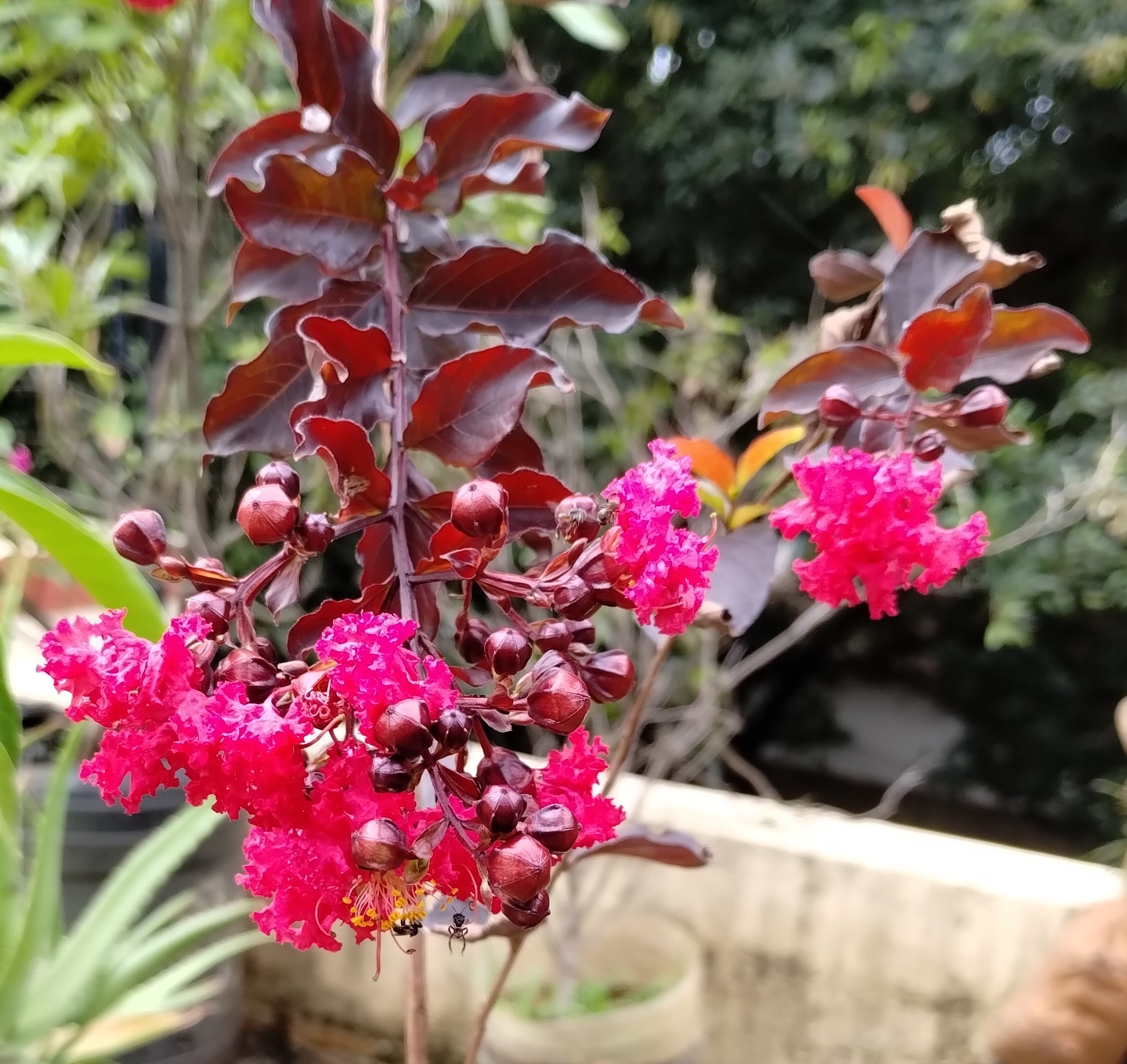
Crepe Myrtle
Lagerstroemia indica
The Crepe Myrtle, scientifically known as Lagerstroemia indica and affectionately called Furush on the Indian subcontinent, is a majestic deciduous shrub or small multi-trunked tree in the Lythraceae family. Native to a vast expanse of Asia—including India, China, Southeast Asia, Japan, and Korea...
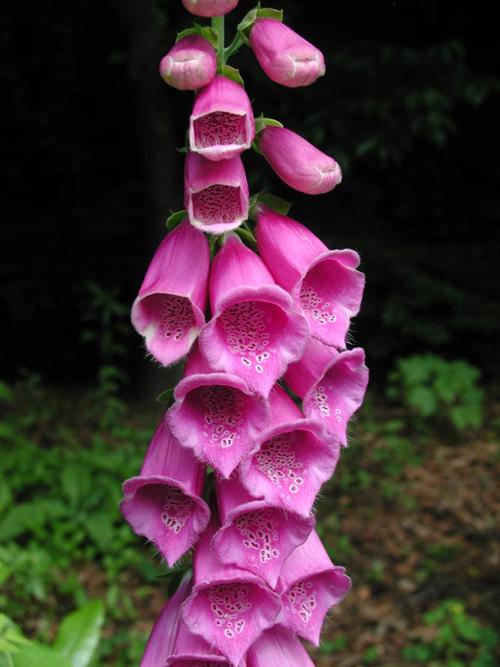
Foxglove
Digitalis purpurea
Digitalis purpurea, commonly known as Foxglove, is a majestic and iconic biennial plant belonging to the Plantaginaceae family. Native to the cool, temperate woodlands, hedgerows, and mountainous clearings of western and southwestern Europe, this striking species has naturalized throughout North...