
Gardenia
Gardenia jasminoides
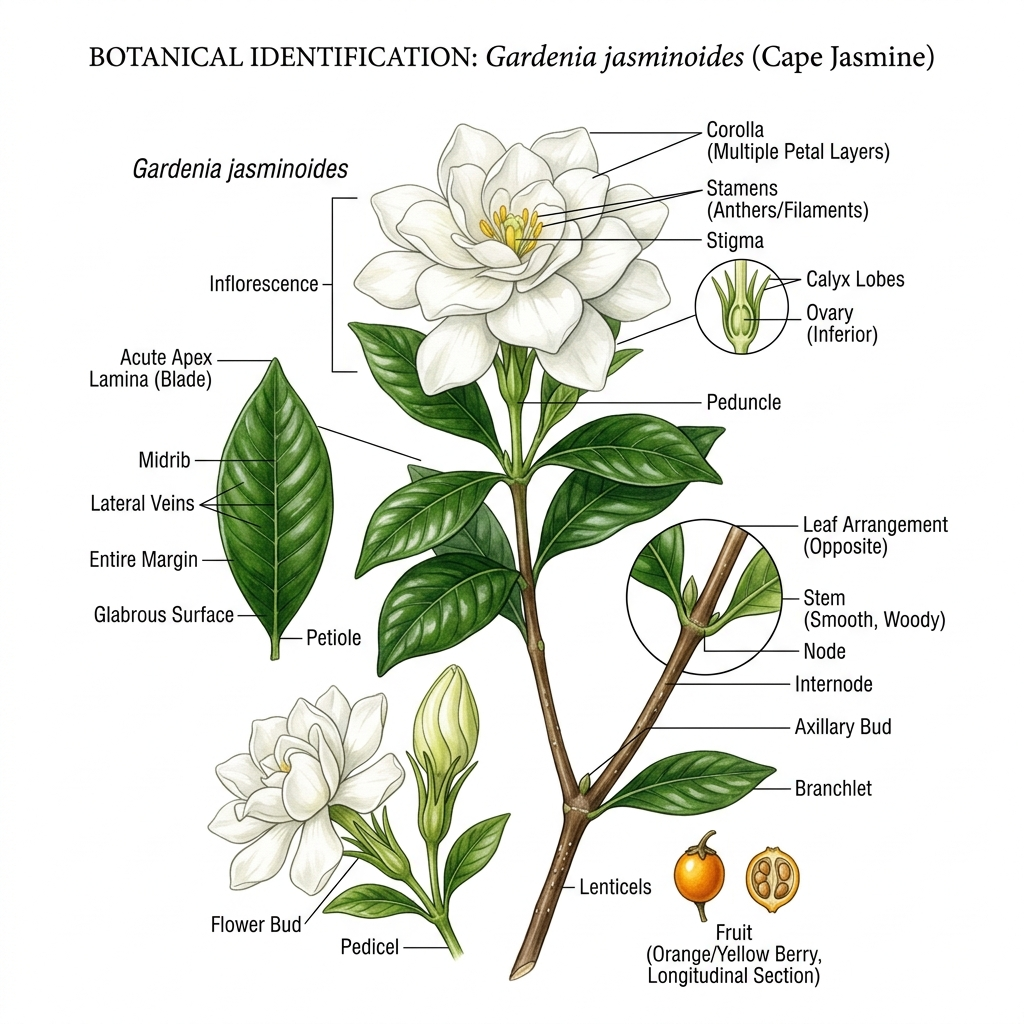
How to Identify Gardenia
Care & Growing Guide
Seasonal Blooming & Hardiness
Bloom Timeline
About Gardenia
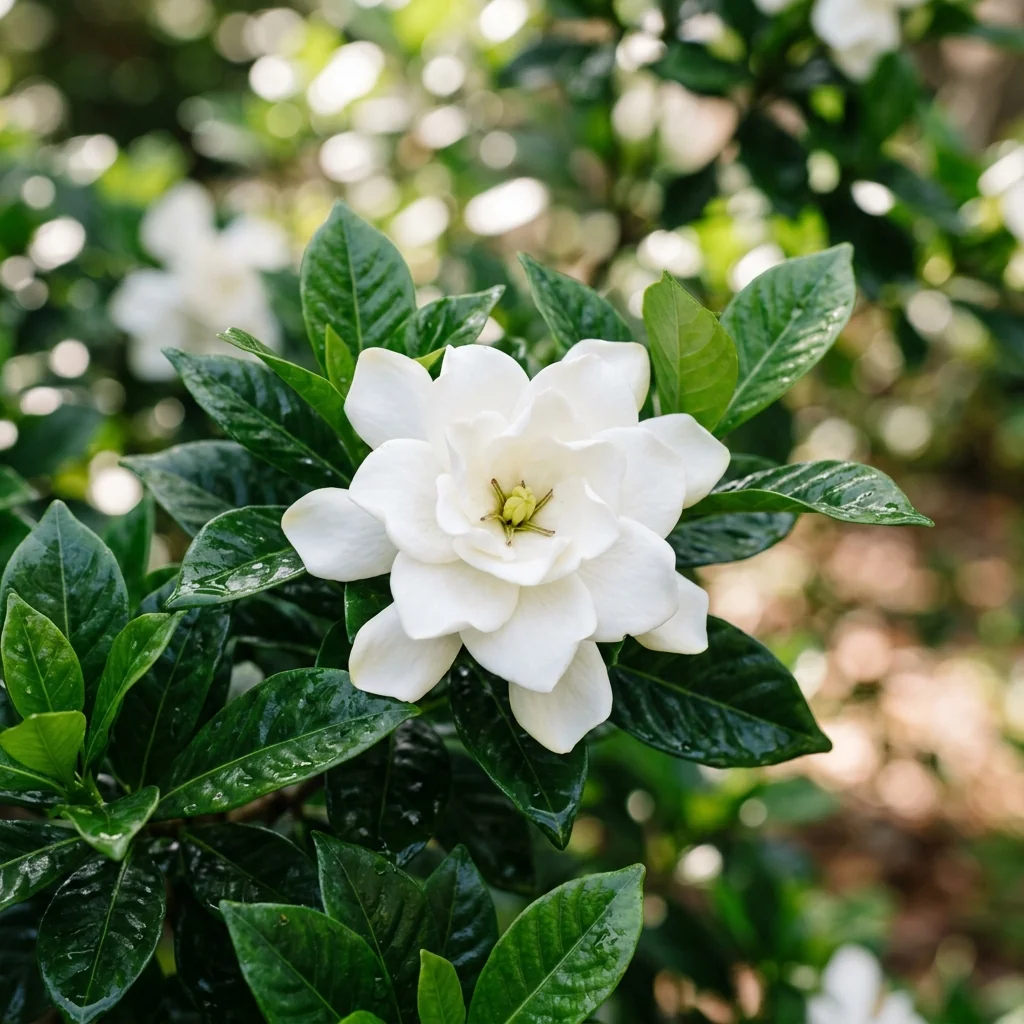
Gardenia, botanically classified as Gardenia jasminoides and commonly known as Cape Jasmine, is an exceptionally popular evergreen shrub in the coffee family, Rubiaceae. Native to the subtropical regions of East Asia, it is celebrated worldwide for its waxy, creamy-white blossoms and sweet, intoxicating fragrance. Cultivated for centuries, it is a hallmark of premium landscaping and floral design, representing purity and refined elegance.
Growing as a rounded, upright woody shrub, the Gardenia features glossy, dark green lanceolate leaves that form a lush, evergreen canopy. The flowers are waxy, measuring 2 to 5 inches across, and appear as single or double pinwheel-like blooms. They open as snow-white and slowly mature to a soft cream-yellow. The stems are smooth and woody, lacking thorns or prickles.
The reproductive anatomy of Gardenia jasminoides is represented by the formula ⊕ ⚥ K(5-8) C(5-9) A5-9 G̅(2). The flowers are radially symmetrical and bisexual. The calyx consists of 5 to 8 green, leafy sepals, and the corolla features 5 to 9 waxy, overlapping petals. The stamens are equal in number to the petals and are fused to the corolla tube, surrounding an inferior ovary.
Gardenias are acid-loving plants that require specific garden conditions to thrive. They perform best in partial shade, preferring warm morning sun and filtered afternoon shade. They demand moist, organic-rich, acidic soils (pH 5.0 to 6.0) with outstanding drainage. Consistent moisture is required, but wet feet will cause root rot. They are suitable for USDA zones 8 through 11.
Despite their popularity and beauty, gardenias are toxic to cats and dogs. The leaves, flowers, and fruit contain iridoid glycosides, primarily geniposide and gardenoside. Ingestion can cause vomiting, diarrhea, hives/allergic dermatitis, and depression in pets. Pet owners should plant gardenias in secure zones or use safe alternatives like star jasmine.
Gardenias are easily identified by their waxy, intensely fragrant white blooms and glossy, dark-green evergreen leaves. They look spectacular when paired with acid-loving companions like camellias or azaleas. To learn more about garden shrubs, browse our Flower Identifier.
Floral Formula & Features
Radially symmetrical, bisexual, 5-8 green sepals, 5-9 waxy fused petals, 5-9 stamens fused to corolla, 2 fused carpels with inferior ovary.
- Scientific Name & Classification: *Gardenia jasminoides* (Rubiaceae). Famed as Gardenia and Cape Jasmine.
- Identification Markers: Waxy double white flowers that age to cream-yellow, paired with glossy, dark-green evergreen leaves and smooth woody stems.
- Floral Formula (⊕ ⚥ K(5-8) C(5-9) A5-9 G̅(2)): Radially symmetrical, bisexual flowers with 5-8 sepals, 5-9 petals, and an inferior ovary.
- Growing Requirements: Morning sun and afternoon shade; requires rich, moist, acidic soil (pH 5.0-6.0) with exceptional drainage (Zones 8-11).
- Cultural Significance: Represents purity, secret love, and refinement. Harvested for high-end perfumery and aromatherapy oils.
- Safety & Toxicity: TOXIC TO DOGS & CATS. Contains geniposide and gardenoside, triggering vomiting, diarrhea, and hives if eaten.
- Common Look-alikes: Often confused with Jasmine, but distinguished by much larger waxy flowers and large, glossy, non-vining leaves.
- Internal Links: Pairs beautifully with other shade-loving, acid-loving shrubs like Azalea or Camellia; check details in our Flower Identifier.
- Internal Links: Compare key differences in our Jasmine vs Gardenia comparison, or try our instant Flower Identifier.
Names in Different Languages
Botanical Classification: Gardenia belongs to the Rubiaceae family. Learn how to identify its floral symmetry, stamen arrangement, and structural formulas in our Botanical Family Classification Guide.
Toxicity & Safety
Always keep toxic plants out of reach of children and pets. Consult a veterinarian or medical professional immediately if ingestion is suspected.
Pet Safety Guide: For detailed toxicity symptoms, first-aid measures, and safe garden alternatives, see our full Pet Guard Profile for Gardenia.
Frequently Asked Questions
What is Floral Formula?
A floral formula is a symbolic representation of a flower's structure using letters, numbers, and special symbols. It provides a concise way to describe the arrangement and number of floral parts.
This formula describes the flower's symmetry, sepals, petals, stamens, and carpels in a standardized format.
Formula Sequence
- Bract: Br or Ebr
- Bracteole: Brl or Ebrl
- Symmetry: % (Radial) or ⊕ (Bilateral)
- Sex: ♀ (Female), ♂ (Male), or ⚥ (Bisexual)
- Calyx/Sepal: K<number> (Free or Fused)
- Corolla/Petal: C<number> (Free or Fused)
- Androecium: A<number> (Free or Fused)
- Gynaecium: G<number> (Superior or Inferior Ovary)
Symbol Meanings
- Numbers: Indicate quantity of parts
- Parentheses (): Parts are fused together
- Plus (+): Parts in different whorls
- Underline: Superior ovary position
- Overline: Inferior ovary position
- ∞: Numerous parts (too many to count)
Understanding floral formulas helps botanists quickly identify and classify flowers based on their structural characteristics.
Companion Plants & Garden Pairings
3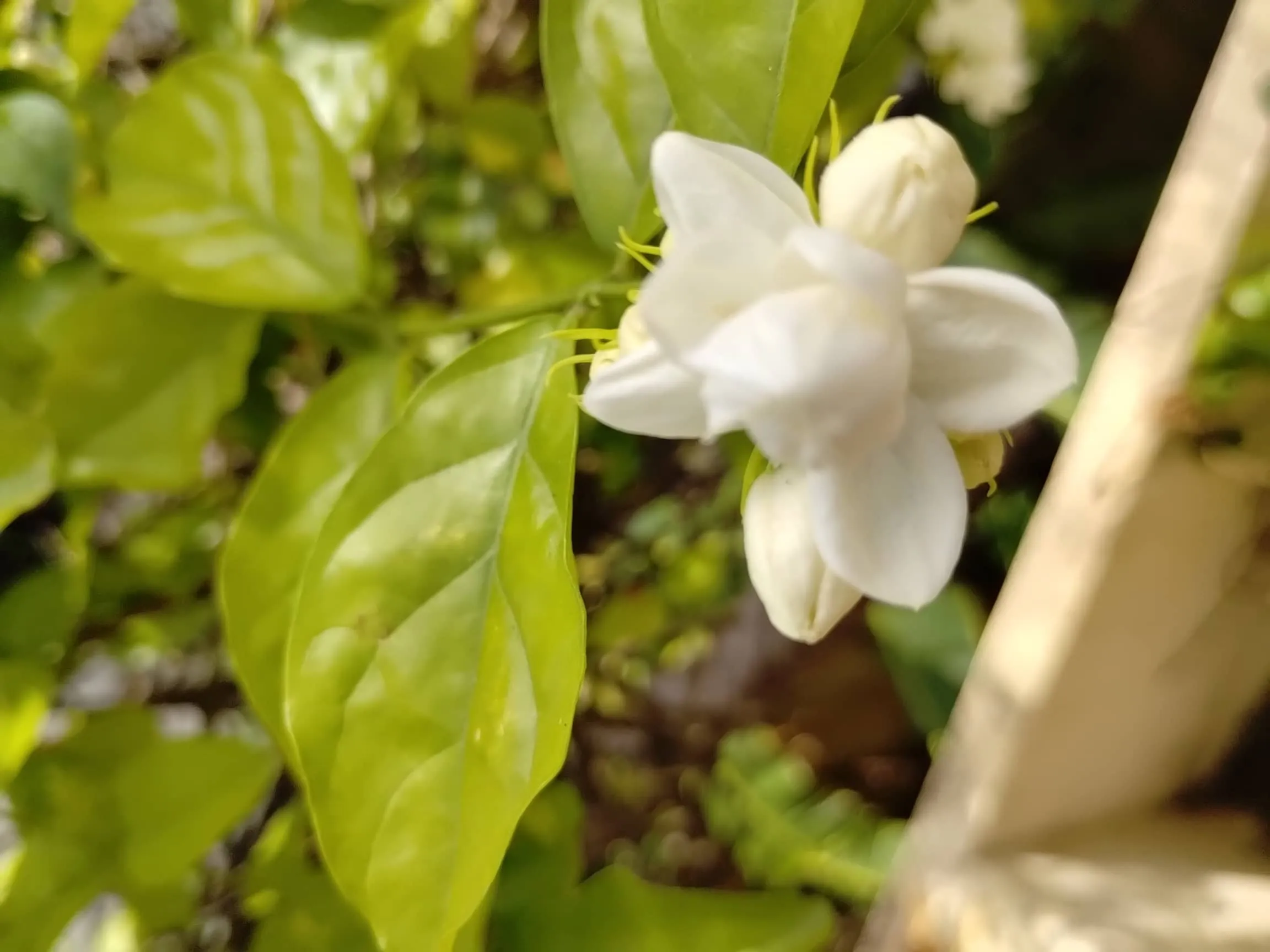
Arabian Jasmine
Jasminum sambac
Complements gardenias with similar waxy white blossoms and sweet, intense fragrance.
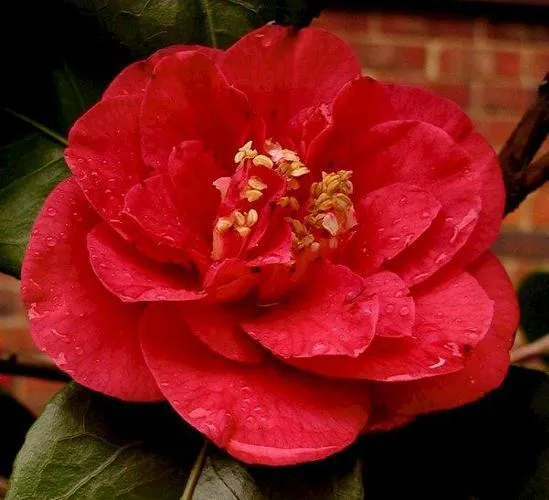
Camellia
Camellia japonica
Shares a love for acidic soils and partial shade, offering glossy evergreen leaves and winter-to-spring blooms.
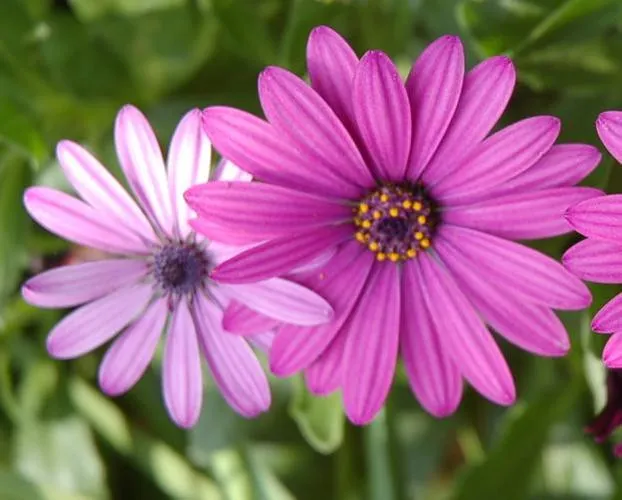
African Daisy
Osteospermum
Thrives in sunny borders at the foot of gardenia shrubs, offering contrasting metallic-centered colors.
Similar Flowers
Discover flowers that share botanical characteristics
Same Family
2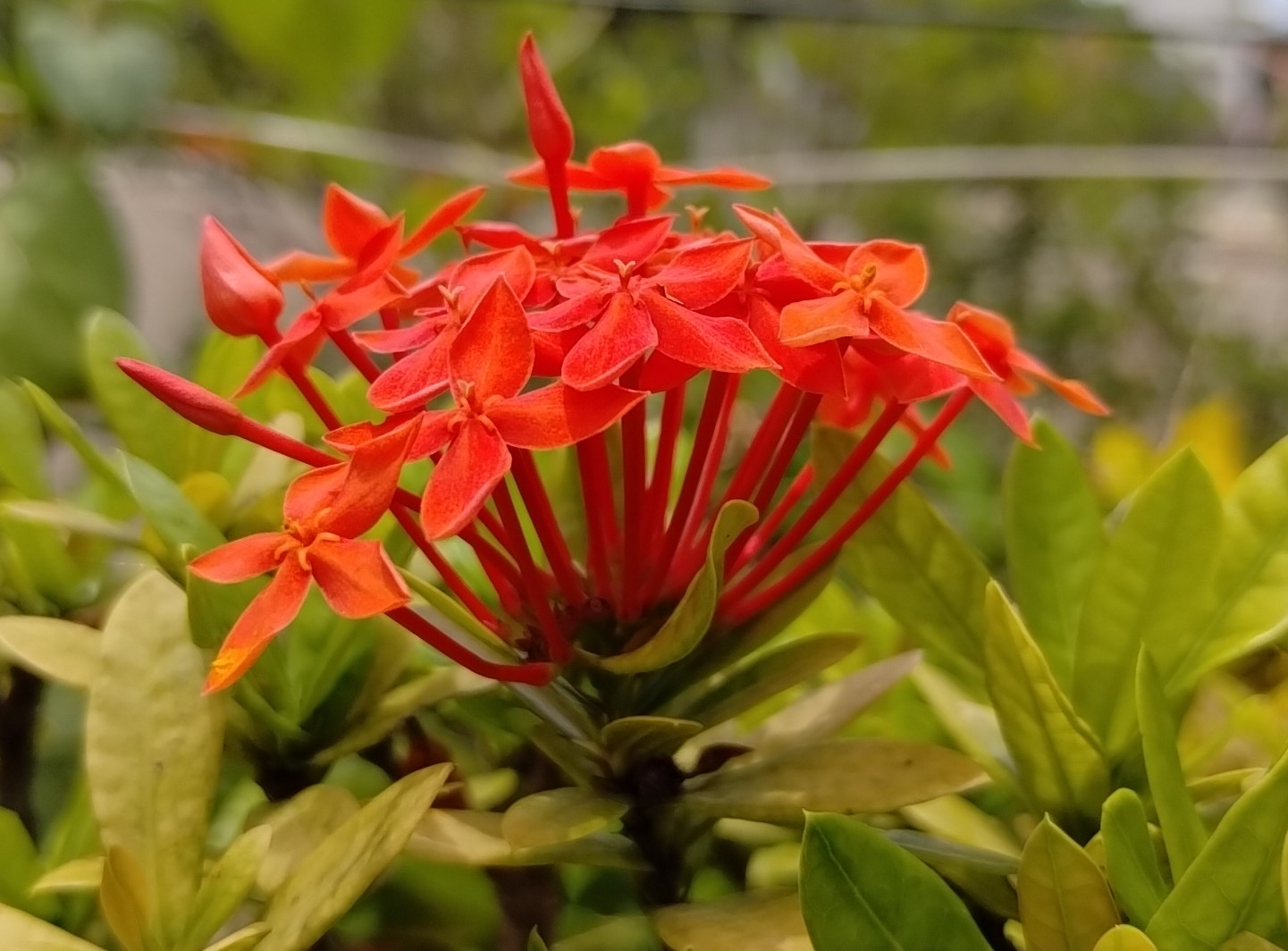
Ixora
Ixora coccinea
Ixora, botanically classified as Ixora coccinea and colloquially celebrated as the Jungle Flame or Flame of the Woods, is an exceptionally vibrant, evergreen flowering shrub belonging to the Rubiaceae (madder or coffee) family. Native to the damp tropical forests, rocky hillsides, and coastal scr...
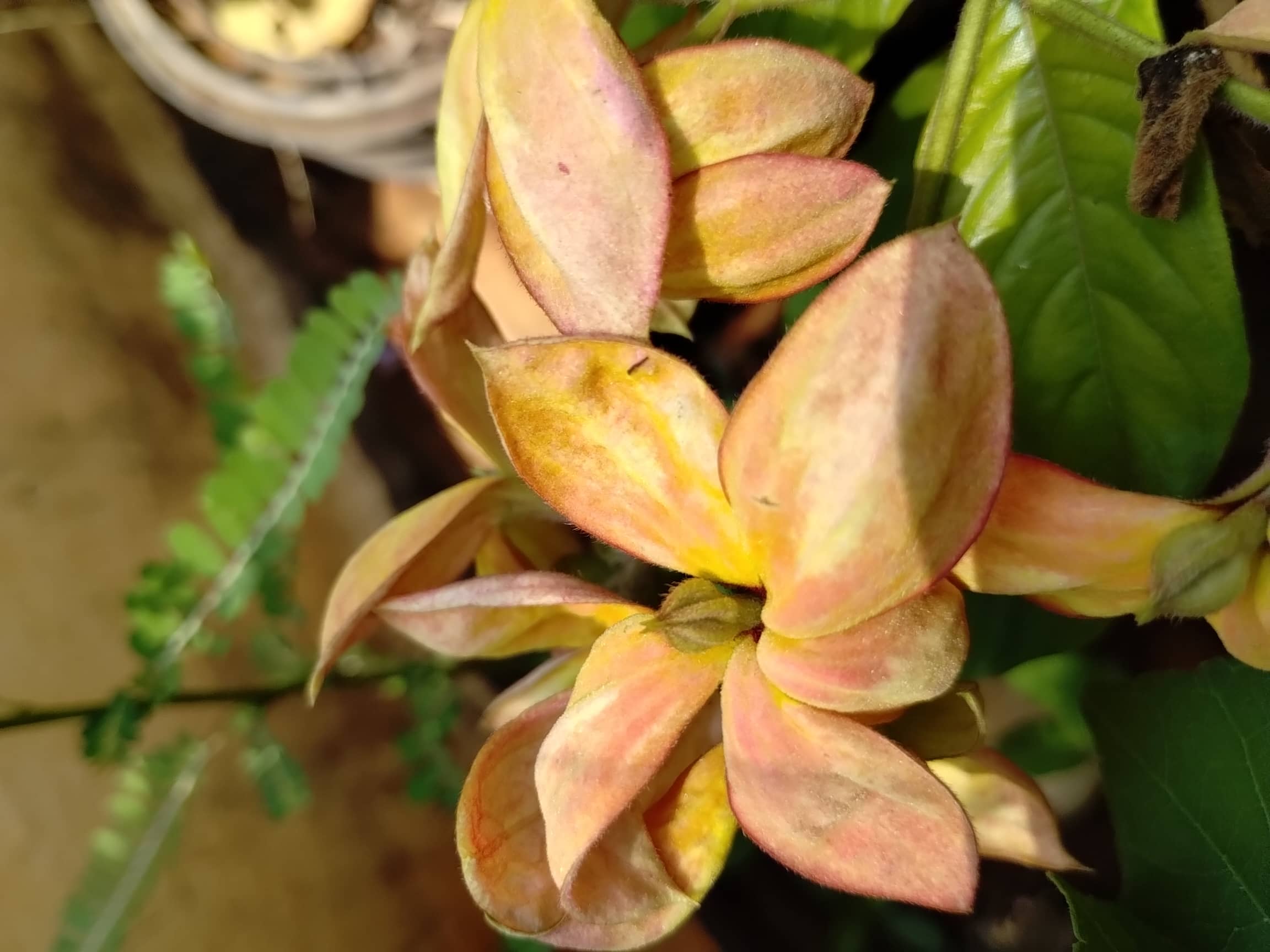
Mussaenda
Mussaenda erythrophylla
Mussaenda, botanically designated as Mussaenda erythrophylla and commonly known as the Ashanti Blood, Red Flag Bush, or Bangkok Rose, is an exceptionally striking, high-impact tropical evergreen shrub or sprawling semi-climber. Belonging to the family Rubiaceae (the coffee or madder family, tribe...
Similar Characteristics
4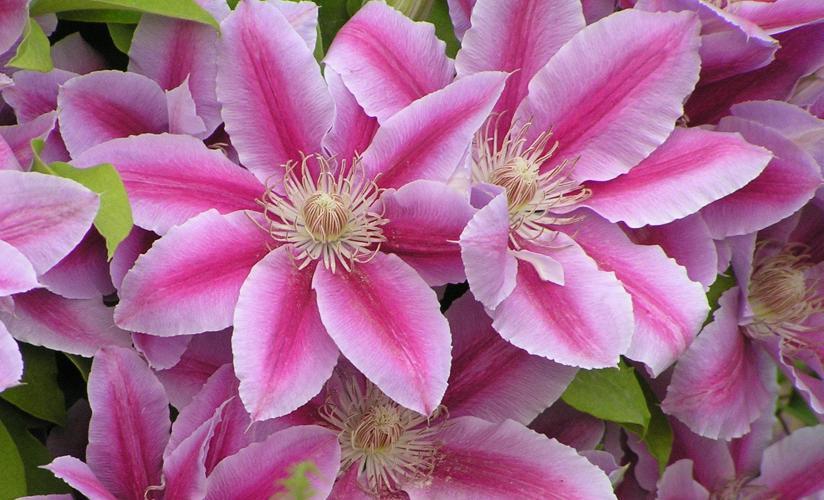
Clematis
Clematis
The Clematis, belonging to the genus Clematis within the family Ranunculaceae (the buttercup family), is a spectacular genus of perennial climbing vines widely hailed as the 'Queen of the Climbers.' Native to the temperate woodlands, rocky hillsides, and river hedgerows across the Northern Hemisp...
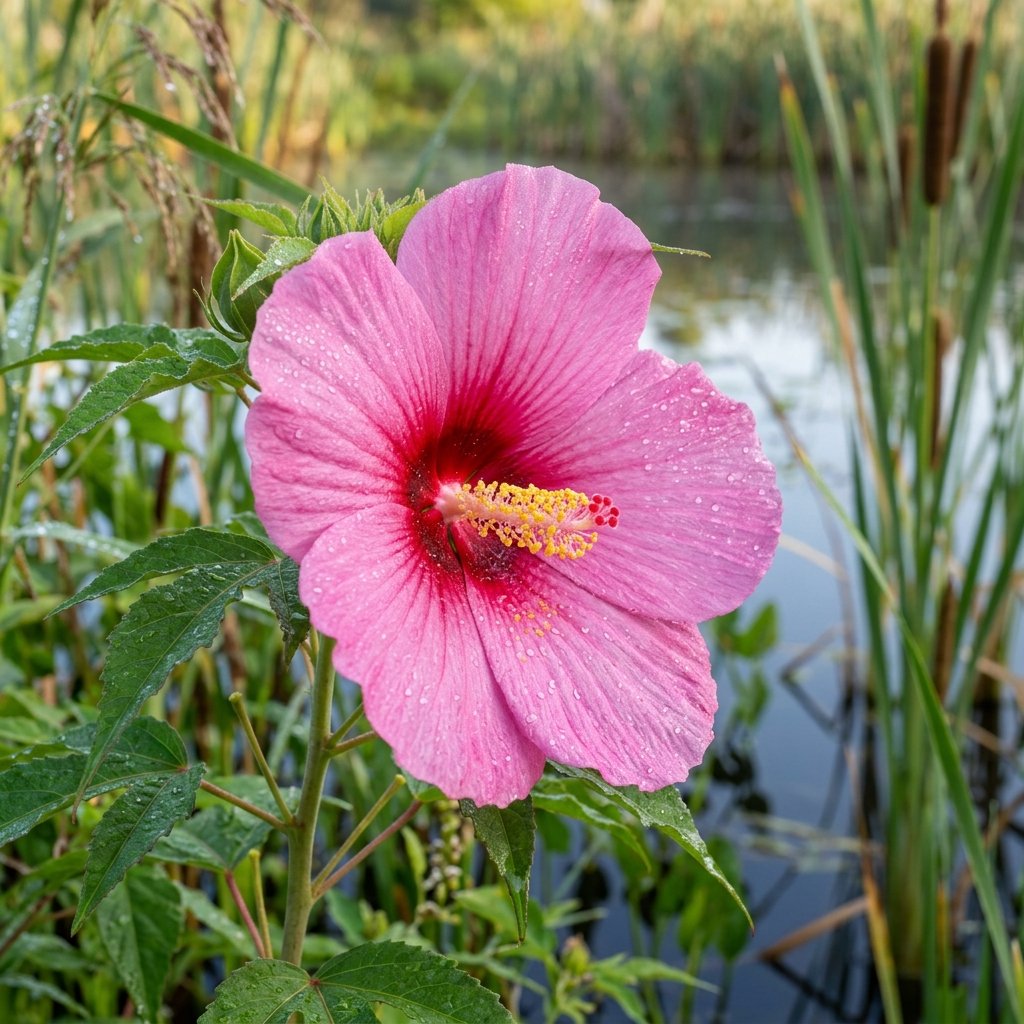
Swamp Rose Mallow
Hibiscus moscheutos
Swamp Rose Mallow (*Hibiscus moscheutos*) produces some of the largest flowers of any hardy perennial wildflower in North America — dinner-plate-sized blooms reaching 6 to 12 inches in diameter — in shades of white, pink, and rose, typically adorned with a dramatic deep crimson or rose-pink centr...
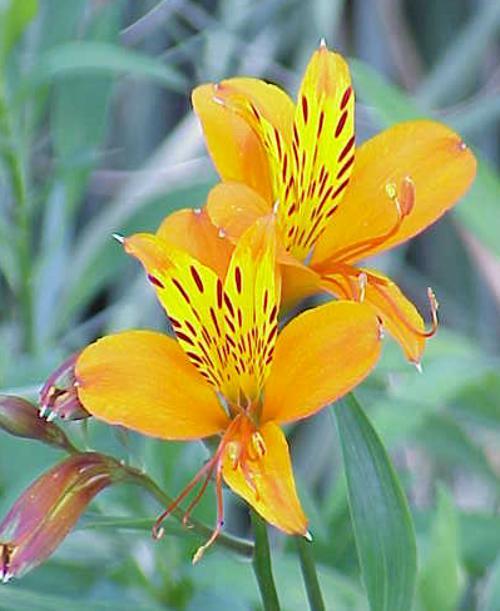
Peruvian Lily
Alstroemeria
The Peruvian Lily, botanically classified under the genus Alstroemeria and belonging to the family Alstroemeriaceae (the peruvian lily family), is an exceptionally showy, long-blooming, and popular herbaceous perennial. Native to the cool mountain valleys, forest edges, and coastal scrublands of...
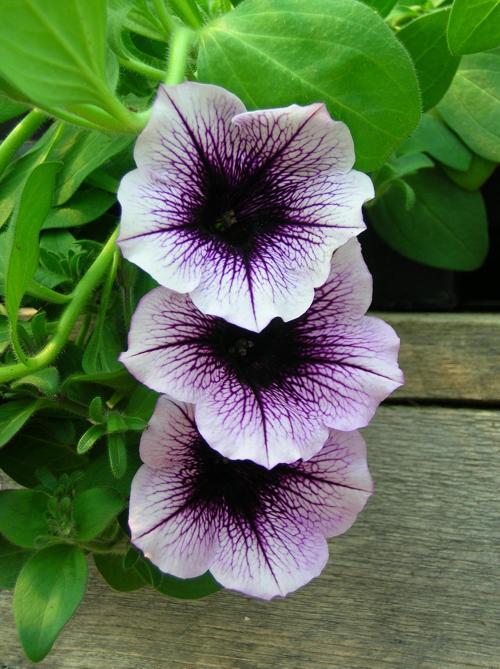
Petunia
Petunia
The Petunia, botanically designated under the genus *Petunia* (particularly the widely grown garden hybrid *Petunia × atkinsiana*), is an exceptionally popular, highly prolific annual or tender perennial. Belonging to the family Solanaceae (the nightshade family, tribe Petunioideae), this South A...