
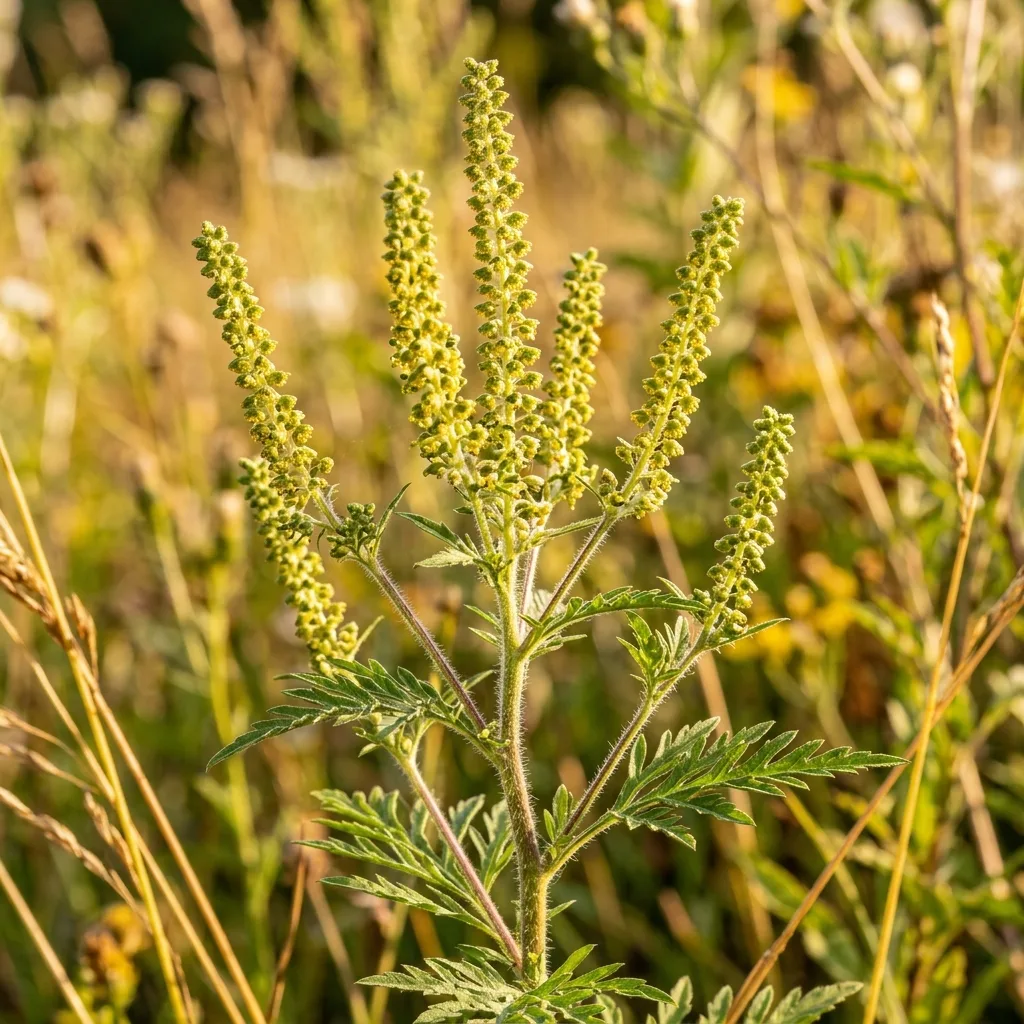
Common Ragweed
Ambrosia artemisiifolia
How to Identify Common Ragweed
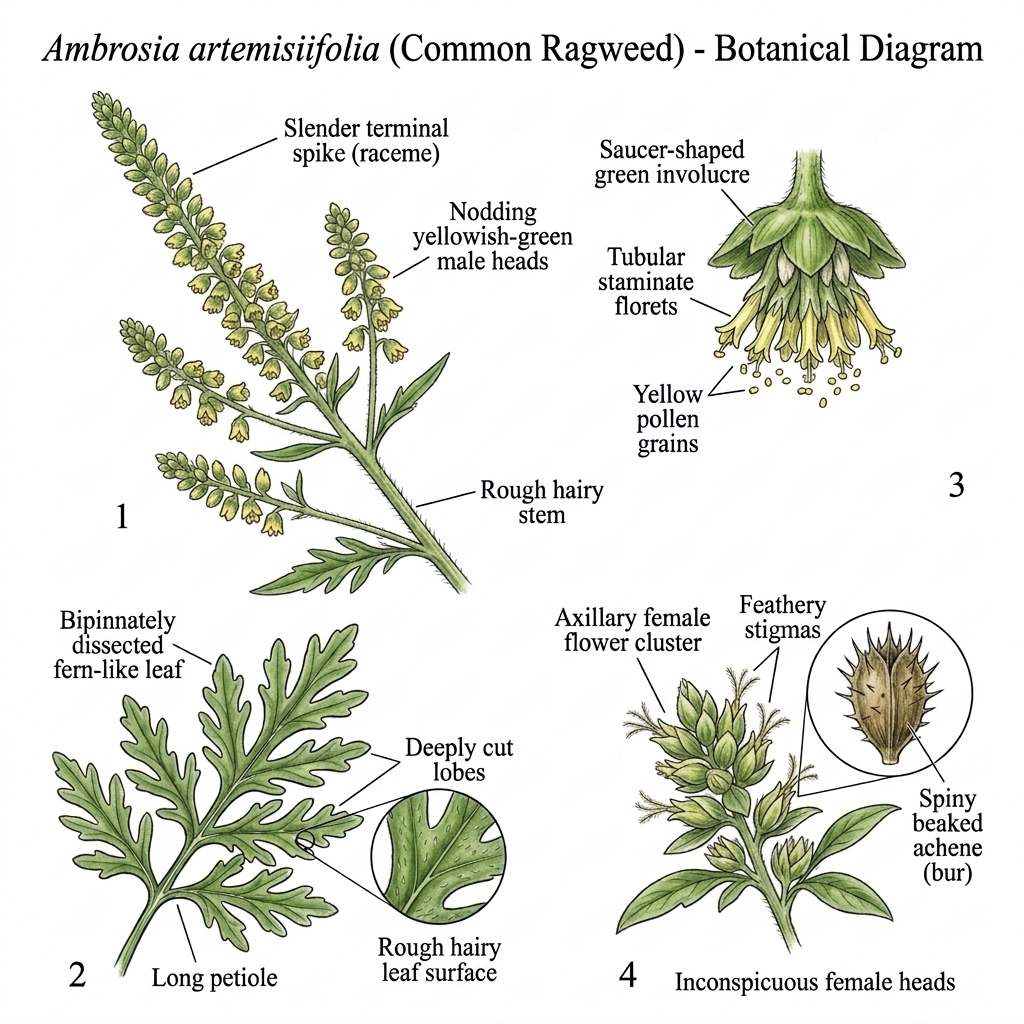
A detailed botanical field guide to identifying Common Ragweed (Ambrosia artemisiifolia) by its diagnostic morphological traits:
- Slender Green Terminal Spikes: Erect, narrow candelabra-like racemes (2 to 8 inches long) at the branch tips bearing dozens of tiny, nodding, upside-down saucer-shaped yellowish-green male flower heads (2 to 4 mm wide).
- Deeply Dissected Fern-Like Leaves: Soft, lacy, bipinnately lobed leaves (2 to 5 inches long) resembling carrot foliage or mugwort, arranged opposite on lower stems and alternate near the top.
- Rough Hairy Branching Stems: Upright, bushy green-to-purplish stems (1 to 4 feet tall) clothed in coarse, spreading white hairs.
- Axillary Spiny Female Burs: Inconspicuous, petal-less female flower clusters tucked in the upper leaf junctions below the male spikes, maturing into tiny woody, short-spined beaked achenes.
- Abundant Yellow Wind-Borne Pollen: Brushing mature spikes in late summer releases visible puffs of fine, powdery yellow allergenic pollen.
Types & Related Ragweed Species
Ragweeds in the genus Ambrosia are distinguished into three primary North American species based on leaf shape, stature, and root system:
- By Species & Foliage Structure:
- Common / Short Ragweed (Ambrosia artemisiifolia): Annual growing 1 to 4 feet tall with finely divided, lacy fern-like leaves. The most widespread hay fever culprit across gardens and roadsides.
- Giant Ragweed (Ambrosia trifida): Towering annual reaching 6 to 15 feet tall in moist floodplains and ditches, easily distinguished by its large, rough, 3-lobed to 5-lobed palmate leaves ('buffalo weed').
- Western / Perennial Ragweed (Ambrosia psilostachya): Spreading rhizomatous perennial (1 to 3 feet tall) with thicker, once-pinnately lobed grayish-green leaves native to dry prairies and plains.
- By Flower Head Sex (Monoecious Arrangement):
- Staminate (Male) Heads: Hanging cup-like greenish discs along the upper leafless spikes that produce all airborne pollen.
- Pistillate (Female) Heads: Sessile, bract-enclosed flowers sitting in the leaf axils below that capture wind-borne pollen and form winter bird seed.
Care & Growing Guide
Common Ragweed (Ambrosia artemisiifolia) Ecology & Management Guide:
- Light & Habitat: Thrives in full direct sun (6 to 8+ hours daily) and open, disturbed ground where competition from perennial turf or woodland shade is absent.
- Soil Conditions: Colonizes dry, infertile, sandy, gravelly, or compacted clay soils (pH 5.5 to 8.0), including roadsides, construction sites, and unmulched garden beds.
- Allergy Prevention & Control: Hand-pull (wearing gloves) or hoe young plants in late spring and early summer before August flower spikes develop. Maintain thick 3-inch organic mulch or dense perennial groundcover so buried ragweed seeds cannot receive the sunlight required to germinate.
- Ecological Note: In wild prairie margins away from homes, winter seed stalks provide high-energy forage for native quail, goldfinches, and sparrows.
Seasonal Blooming & Hardiness
Seasonal Blooming & Pollen Calendar (North America & Temperate Zones):
- Peak Bloom & Pollen Shed: August through October (triggered by shortening late-summer day lengths, peaking from mid-August to mid-September).
- Vegetative Growth: Seeds sprout in spring and early summer, forming lacy green rosettes before bolting upright in mid-summer.
- Life Cycle: Frost-tender summer annual herb across USDA Zones 2 to 11; killed completely by the first hard autumn freeze.
Bloom Timeline
About Common Ragweed
Common Ragweed, botanically classified as Ambrosia artemisiifolia within the tribe Heliantheae of the Asteraceae (daisy or composite) family, is a widespread, ecologically significant, and notoriously allergenic annual herbaceous plant. Native to the prairies, riverbanks, open woodlands, and disturbed plains of North America, this adaptable pioneer species rapidly colonizes roadsides, cultivated fields, vacant lots, and garden margins. Known regionally as Short Ragweed, Annual Ragweed, Roman Wormwood, Bitterweed, and Hay Fever Weed, it has also naturalized extensively across Europe, temperate East Asia, and Australia.
Typically growing from 1 to 4 feet (30 to 120 cm) tall—though occasionally reaching 5 feet in fertile soil—Common Ragweed develops an erect, multi-branched, and shallowly taprooted growth habit. Its tough, fibrous stems are covered in rough, spreading whitish hairs. The foliage is one of its primary diagnostic markers: leaves are opposite near the base and alternate along the upper branches, measuring 2 to 5 inches long with deeply bipinnately lobed or finely dissected, fern-like segments that resemble carrot tops or mugwort. Unlike ornamental marigolds, ragweed leaves lack translucent citrus-scented oil glands and instead emit a mild, bitter, slightly resinous odor when crushed.
From late summer through mid-autumn (August to October), Common Ragweed blooms alongside showy autumn wildflowers, yet its blossoms are remarkably inconspicuous and camouflaged in yellowish-green. Unlike the vast majority of Asteraceae species that rely on bright ray petals to attract insect pollinators, Ambrosia artemisiifolia is strictly anemophilous (wind-pollinated) and monoecious, bearing separate male (staminate) and female (pistillate) flower heads on the same plant. Slender, spire-like terminal racemes rise 2 to 8 inches above the foliage, lined with dozens of tiny, nodding, upside-down saucer-shaped male capitula (2 to 4 mm across) that shed clouds of fine yellow dust into the breeze.
The specialized unisexual floral architecture of Ambrosia artemisiifolia is expressed by the dual floral formula ♂ EBr ⊕ K0 C(5) A5 G0 | ♀ EBr ⊕ K0 C0 A0 G(2). Each nodding male head is cupped by a fused saucer-like involucre of bracts and houses 10 to 20 tiny staminate disc florets; each male floret lacks a pappus (K0), possesses a greenish 5-lobed tubular corolla (C(5)), and bears 5 weakly connate stamens (A5) with sterile pistillodes (G0). Below the male spikes, nestled in the upper leaf axils in clusters of 1 to 3, sit the greenish-white pistillate heads. Each female floret lacks both calyx and corolla (K0 C0) and consists of a single 2-carpellate inferior ovary (G(2)) with two long, thread-like feathery stigmas protruding from a beaked, spiny bur-like involucre that matures into a single-seeded woody achene.
Paradoxically, while its genus name Ambrosia derives from the Greek ambrotos ('immortal' or 'food of the gods'), Common Ragweed is the single largest botanical cause of seasonal allergic rhinitis (hay fever) worldwide. A single mature plant can release up to 1 billion microscopic pollen grains (18 to 22 micrometers in diameter) over a single autumn season. Equipped with tiny surface echinations (spikes) and air chambers, these buoyant grains travel up to 400 miles on prevailing winds, carrying the potent pectate lyase allergen Amb a 1. Yet in natural North American ecosystems, ragweed plays a vital winter survival role: its oil-rich achenes remain on upright dry stalks above the snow, providing critical high-fat winter forage for Northern Bobwhite quail, American Goldfinches, Mourning Doves, and Dark-eyed Juncos. Historically, Cherokee, Iroquois, and Delaware herbalists applied crushed ragweed leaf poultices topically to soothe insect stings, hives, and poison ivy rashes.
For home gardeners and allergy sufferers, early recognition before August pollen shed is the key to control. Young feathery rosettes should be hand-pulled (while wearing gardening gloves) or hoed in late spring and early summer before terminal flower spikes form, and bare soil should be mulched heavily so light-dependent ragweed seeds cannot germinate. From a veterinary perspective, Ambrosia artemisiifolia is not systemically lethal if nibbled by curious pets, but it is a leading environmental trigger of canine and feline atopic dermatitis—causing intense paw licking, red belly rashes, ear inflammation, and watery eyes during late summer walks—while its sesquiterpene lactones can cause mild contact dermatitis or digestive irritation. For broader household plant safety audits, visit our Pet Guard directory.
Common Ragweed is at the center of North America's most famous botanical case of mistaken identity: millions of people blame showy yellow Goldenrod (Solidago canadensis) for their autumn sneezing simply because Goldenrod blooms in brilliant golden plumes at the exact same time that inconspicuous green Ragweed hides nearby. In reality, Goldenrod pollen is heavy, sticky, and carried exclusively by insects, whereas Ragweed's camouflaged green spikes release the invisible wind-borne allergen (see our side-by-side Goldenrod vs Ragweed comparison). In its vegetative stage, Ragweed's lacy leaves can also be confused with Marigold (Tagetes erecta) seedlings. To crowd out weedy ragweed patches and build a vibrant, allergy-safe autumn pollinator border, plant native and garden composites such as Goldenrod, Black-Eyed Susan, Purple Coneflower, Aster (Michaelmas Daisy), and Blazing Star (Liatris), or scan unknown backyard weeds instantly with our Flower Identifier.
To explore how wind-pollinated Asteraceae heads evolved from classic composite daisies, read our Botanical Family Classification Guide and compare related autumn-blooming composites in our monographs on Goldenrod, Marigold, Dandelion, and Sunflower.
Floral Formula & Features
Monoecious wind-pollinated (anemophilous) Asteraceae heads. Staminate (male) capitula in nodding terminal spikes: ebracteate, actinomorphic, pappus absent (K0), 5 fused greenish corolla lobes, 5 weakly connate stamens, sterile ovary. Pistillate (female) capitula in lower leaf axils: pappus and corolla absent (K0 C0), 2 fused carpels with inferior ovary enclosed in a spiny beaked bur-like involucre.
- Scientific Name & Classification: Ambrosia artemisiifolia (Asteraceae, tribe Heliantheae). Known as Common Ragweed, Short Ragweed, Roman Wormwood, and Hay Fever Weed.
- Identification Markers: Erect hairy branching stems (1–4 ft), deeply bipinnately dissected fern-like green leaves, and slender terminal spikes of tiny nodding yellowish-green male flower heads.
- Floral Formula (♂ EBr ⊕ K0 C(5) A5 G0 | ♀ EBr ⊕ K0 C0 A0 G(2)): Monoecious wind-pollinated composite; nodding staminate heads in upper racemes and apetalous pistillate burs in lower leaf axils.
- Growth Habit & Habitat: Fast-growing summer annual pioneer native to North America (Zones 2–11 as annual); thrives in full sun on disturbed roadsides, fields, and bare soil.
- Allergy Science & Wildlife Value: Primary cause of late-summer hay fever (up to 1 billion airborne pollen grains per plant carrying Amb a 1 allergen), yet its oil-rich winter seeds are vital food for quail and songbirds.
- Safety & Toxicity: ALLERGENIC & MILDLY IRRITATING. Not systemically poisonous if nibbled, but airborne pollen and sesquiterpene lactones trigger severe atopic dermatitis, itchy paws, and watery eyes in dogs, cats, and humans.
- Common Look-alikes: Frequently confused in bloom season with Goldenrod (which has bright golden insect-pollinated plumes and does NOT cause hay fever) and in seedling stage with lacy Marigold foliage.
- Internal Links: Replace weedy ragweed patches with showy, non-allergenic late-summer bloomers like Goldenrod, Black-Eyed Susan, Purple Coneflower, and Aster (Michaelmas Daisy); identify backyard plants with our Flower Identifier.
- Internal Links: Compare key differences in our Goldenrod vs Ragweed comparison, or try our instant Flower Identifier.
Names in Different Languages
Botanical Classification: Common Ragweed belongs to the Asteraceae family. Learn how to identify its floral symmetry, stamen arrangement, and structural formulas in our Botanical Family Classification Guide.
Toxicity & Safety
Always keep toxic plants out of reach of children and pets. Consult a veterinarian or medical professional immediately if ingestion is suspected.
Frequently Asked Questions
What is Floral Formula?
A floral formula is a symbolic representation of a flower's structure using letters, numbers, and special symbols. It provides a concise way to describe the arrangement and number of floral parts.
This formula describes the flower's symmetry, sepals, petals, stamens, and carpels in a standardized format.
Formula Sequence
- Bract: Br or Ebr
- Bracteole: Brl or Ebrl
- Symmetry: ⊕ (Actinomorphic / Radial) or % (Zygomorphic / Bilateral)
- Sex: ♀ (Female), ♂ (Male), or ⚥ (Bisexual)
- Calyx/Sepal: K<number> (Free or Fused)
- Corolla/Petal: C<number> (Free or Fused)
- Androecium: A<number> (Free or Fused)
- Gynaecium: G<number> (Superior or Inferior Ovary)
Symbol Meanings
- Numbers: Indicate quantity of parts
- Parentheses (): Parts are fused together
- Plus (+): Parts in different whorls
- Underline: Superior ovary position
- Overline: Inferior ovary position
- ∞: Numerous parts (too many to count)
Understanding floral formulas helps botanists quickly identify and classify flowers based on their structural characteristics.
Similar Flowers
Discover flowers that share botanical characteristics
Same Family
4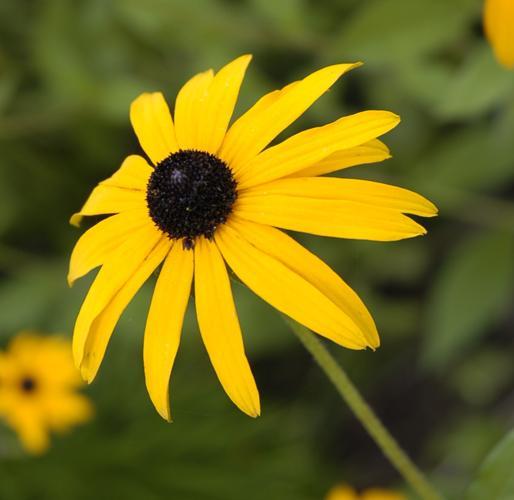
Black eyed Susan
Rudbeckia hirta
Rudbeckia hirta, famously known as the "Black-Eyed Susan" or "Yellow Ox-Eye Daisy," is a quintessentially American wildflower that brings a burst of radiant sunshine to North American landscapes. A member of the Asteraceae (Daisy) family, this resilient species is native to much of the central an...
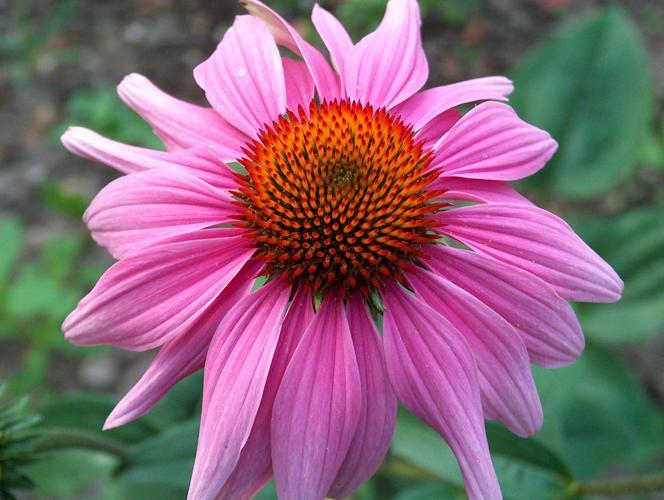
Purple Coneflower (Echinacea)
Echinacea purpurea
The Purple Coneflower (Echinacea purpurea) is a robust, iconic native North American perennial belonging to the Asteraceae family. Found thriving naturally in the prairies, open woods, and dry plains of the central and eastern United States, it has become a global favorite in both ornamental land...
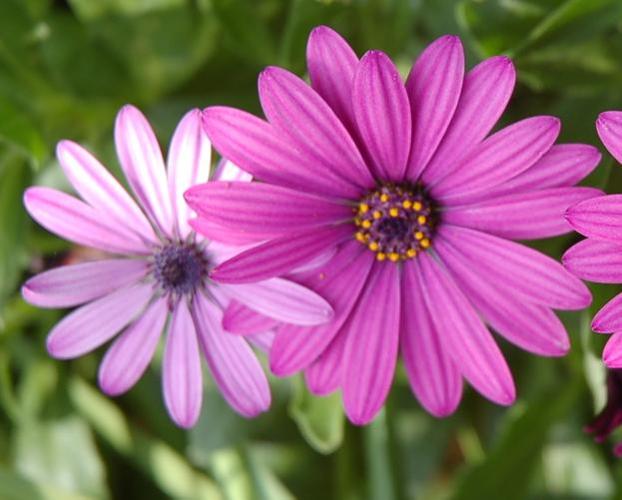
African Daisy (Osteospermum)
Dimorphotheca ecklonis
Osteospermum, commonly known as the African Daisy or Cape Daisy, is a genus of flowering plants that represents the sheer brilliance of the South African floral kingdom. Belonging to the Calenduleae tribe within the massive Asteraceae family, these daisies are celebrated for their sophisticated,...
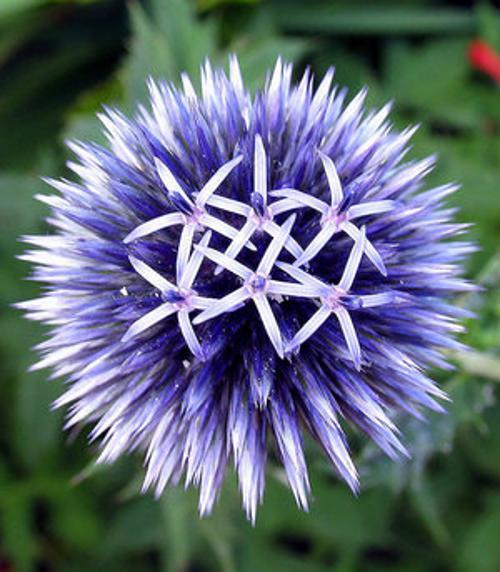
Globe Thistle
Echinops
The Globe Thistle, botanically classified as Echinops ritro or simply Echinops, is a striking, deeply architectural herbaceous perennial plant belonging to the Asteraceae (sunflower or composite) family. Native to the dry, sun-drenched grasslands, stony hillsides, and rocky mountain slopes of cen...
Similar Characteristics
4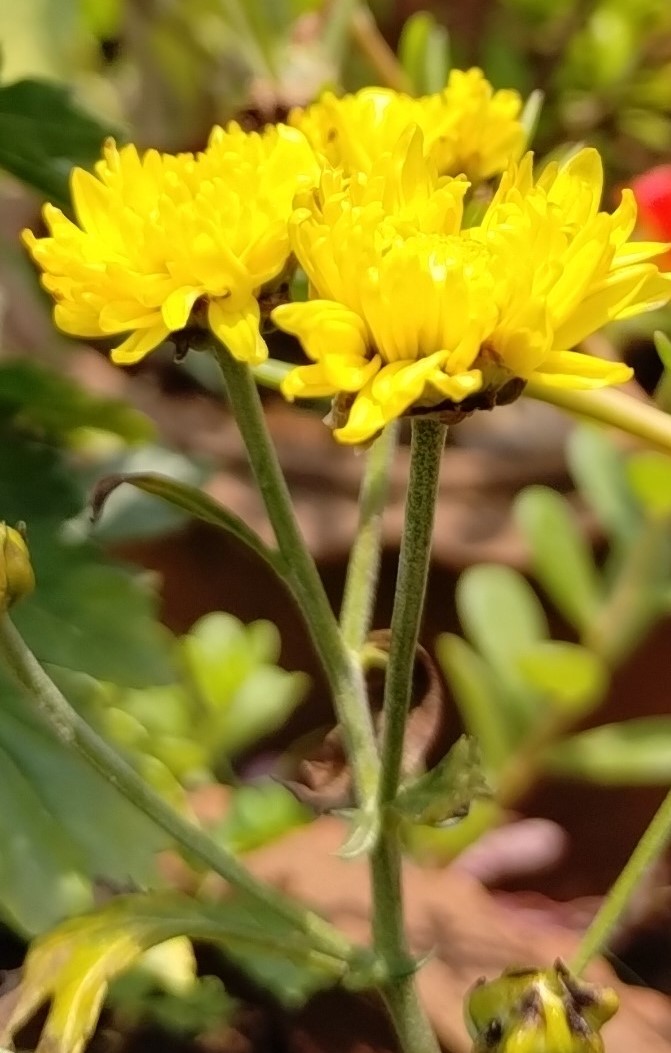
Chrysanthemum
Chrysanthemum morifolium
The Chrysanthemum, botanically classified as Chrysanthemum morifolium and affectionately known as the 'Mum,' is a magnificent, late-season flowering perennial belonging to the Asteraceae (sunflower) family. Native to East Asia, primarily China, where it has been cultivated and revered for over 3,...
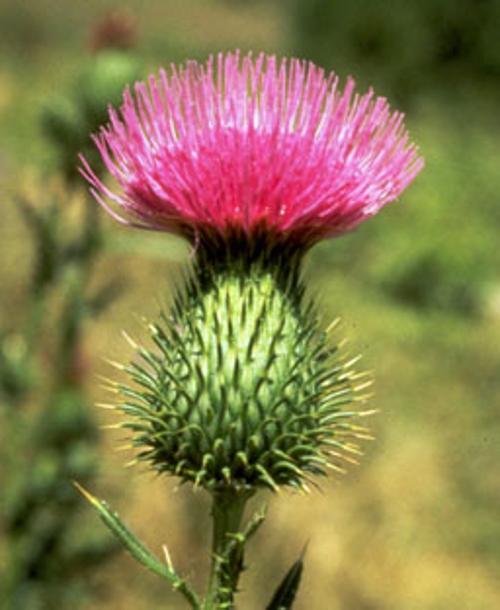
Spear Thistle (Bull Thistle)
Cirsium vulgare
The Spear Thistle, botanically designated as Cirsium vulgare (and commonly referred to as the Bull Thistle), is a robust and highly spiny biennial herb belonging to the family Asteraceae (the daisy or composite family). Native to the meadows, forest edges, and rocky valleys of Europe, western Asi...
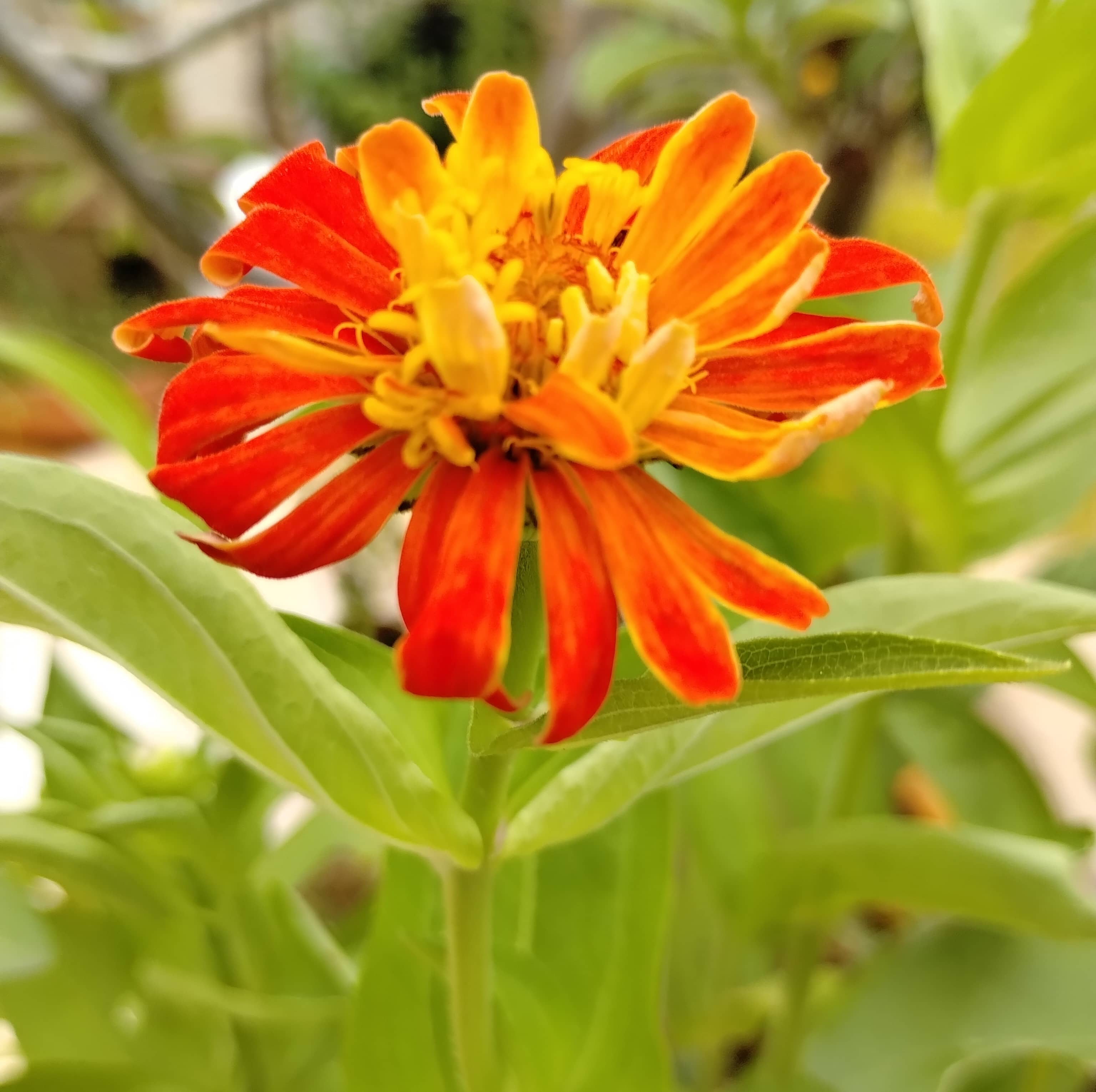
Zinnia
Zinnia elegans
Zinnias (Zinnia elegans), belonging to the Heliantheae tribe within the massive Asteraceae family, are among the most colorful, resilient, and popular warm-season annual flowers in modern horticulture. Native to the scrublands and dry grasslands of Mexico and Central America, these sun-loving pla...
Black eyed Susan
Rudbeckia hirta
Rudbeckia hirta, famously known as the "Black-Eyed Susan" or "Yellow Ox-Eye Daisy," is a quintessentially American wildflower that brings a burst of radiant sunshine to North American landscapes. A member of the Asteraceae (Daisy) family, this resilient species is native to much of the central an...