
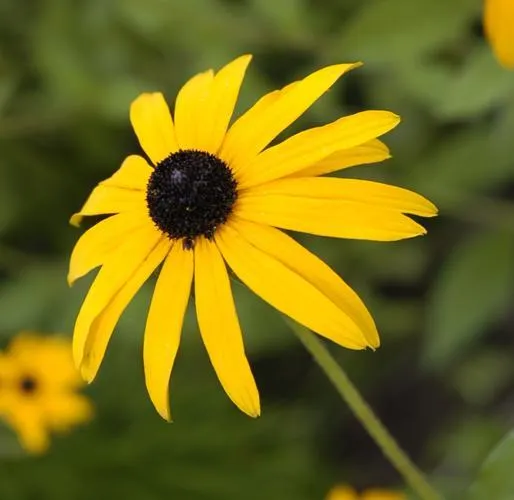
Black eyed Susan
Rudbeckia hirta
How to Identify Black eyed Susan
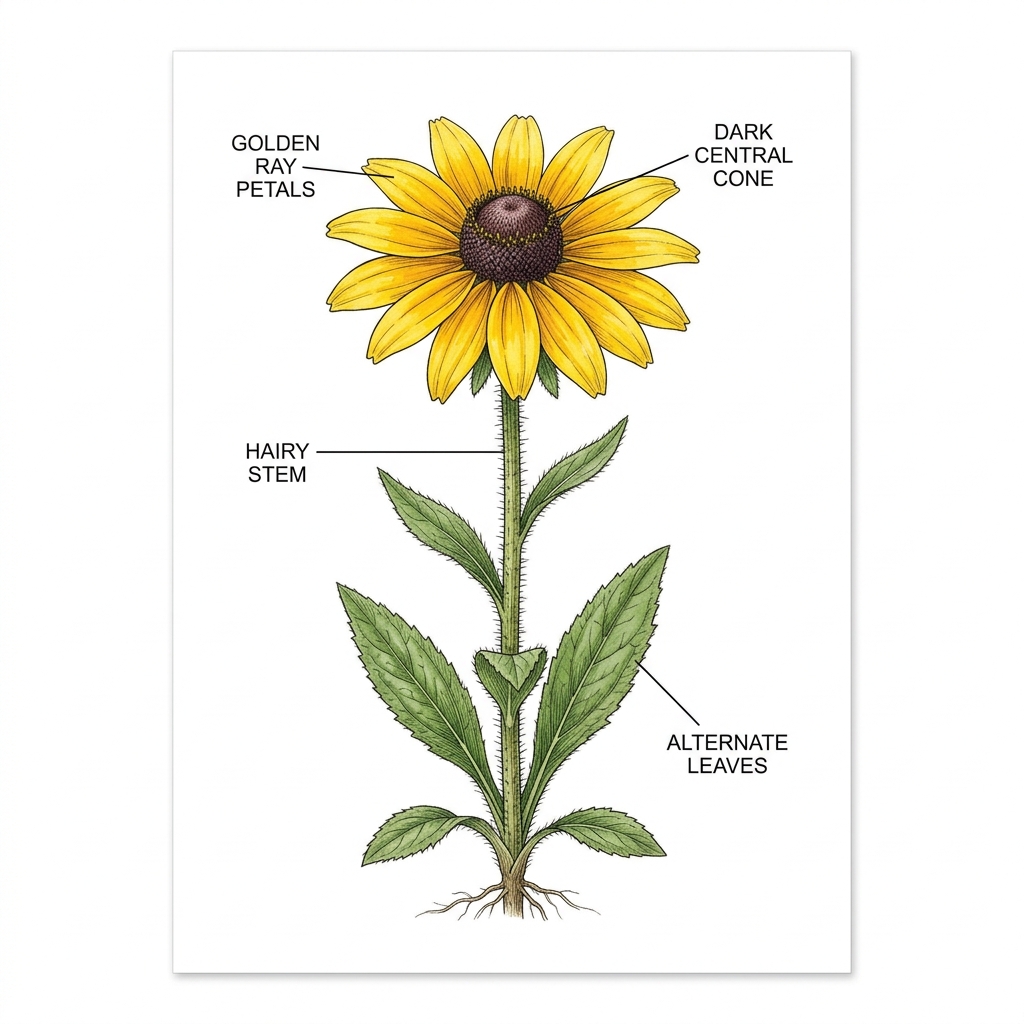
A detailed guide to identifying Black-Eyed Susans (Rudbeckia hirta) by its key botanical features:
- Golden Ray Petals: Bright golden-yellow, daisy-like ray petals radiate outwards in a single layer.
- Dark Central Cone: A prominent, dome-shaped dark brown or black central cone composed of fertile disc florets.
- Hairy Stems & Leaves: The entire plant is covered in coarse, stiff, bristly hairs that feel rough to the touch.
- Lance-shaped Leaves: Alternate, coarsely-textured green leaves that are larger at the base and become smaller as they rise up the stem.
Care & Growing Guide
Black-Eyed Susan Care & Growing Guide:
- Light: Full direct sun (at least 6-8 hours daily) for maximum bloom production and strong, upright stems.
- Soil: Tolerates wide variety of soils (sandy, clay, loamy) but prefers average, well-draining soil.
- Watering: Water regularly during its first season to establish roots. Once established, they are highly drought-tolerant.
- Maintenance: Deadhead spent blooms to encourage continuous flowering and control self-seeding if desired.
Seasonal Blooming & Hardiness
Seasonal Blooming Calendar (US Hardiness Zones 3-9):
- Blooming Season: Mid-summer to frost (typically June through October in the US).
- Planting Time: Sow seeds directly outdoors in autumn or early spring, or plant nursery starts in spring.
- Self-Seeding: Readily self-seeds, allowing colonies to naturalize and return year after year.
Bloom Timeline
About Black eyed Susan
Rudbeckia hirta, famously known as the "Black-Eyed Susan" or "Yellow Ox-Eye Daisy," is a quintessentially American wildflower that brings a burst of radiant sunshine to North American landscapes. A member of the Asteraceae (Daisy) family, this resilient species is native to much of the central and eastern United States but has successfully naturalized across the entire continent. Its name is as poetic as its appearance; the "black eye" refers to the dark, chocolate-brown central cone, while the "Susan" is believed to be inspired by a traditional English poem by John Gay. This flower is so deeply woven into American culture that it serves as the state flower of Maryland.
The visual appeal of the Black-Eyed Susan lies in its striking color contrast and sturdy, rustic texture. Each flower head is a masterpiece of composite design, featuring a circle of bright, golden-yellow ray florets that radiate like sunbeams from a prominent, dome-shaped center. This central "cone" is composed of hundreds of tiny, dark disc florets that mature into seeds as the season progresses. The plant's stems and leaves are covered in rough, bristly hairs (giving it the Latin name hirta, meaning "hairy"), which serve as a natural defense against herbivores and help the plant retain moisture in the heat of summer.
Ecologically, Rudbeckia hirta is a powerhouse for local biodiversity. It is a vital source of nectar and pollen for a vast array of pollinators, including honeybees, native bumblebees, and various species of butterflies. In the late fall and winter, the dried seed heads become a crucial food source for songbirds, particularly American Goldfinches, who can often be seen perching on the sturdy, upright stems to pick out the nutritious seeds. Because it is a short-lived perennial or biennial that self-seeds with great enthusiasm, a single planting can lead to a self-sustaining meadow that provides beauty and habitat for years.
In the garden, Black-Eyed Susans are prized for their "plant it and forget it" reliability. They are remarkably adaptable, thriving in full sun and tolerating a wide range of soil conditions, from fertile garden beds to poor, dry roadsides. Their drought tolerance makes them an ideal choice for xeriscaping or low-maintenance cottage gardens. While they are generally pest and disease resistant, they are also notably deer and rabbit resistant, making them a safe choice for rural or suburban gardens where wildlife might otherwise browse. They also make excellent, long-lasting cut flowers, bringing a cheerful, rustic charm to indoor floral arrangements.
Safety is another hallmark of this beloved wildflower. Rudbeckia hirta is generally considered non-toxic to household pets, including cats and dogs, making it a worry-free addition to pet-friendly yards. While it is safe for pets, some humans with sensitive skin may experience mild contact dermatitis from the plant's bristly hairs, so wearing gloves when handling large quantities is recommended. Overall, whether as a vibrant meadow dweller or a sturdy garden border, the Black-Eyed Susan remains a timeless symbol of resilience, warmth, and the enduring beauty of the American prairie.
For more botanical profiles and flower identification features, see our guides on Barberton Daisy and Bluewings.
Floral Formula & Features
Ray florets - Bract Present, female flower, Bilaterally symmetrical, 0 Pappus (customized sepals), Numerous Petals, no stamens, 1 carpel with inferior ovary. Disk Florets - Bract present, Radially symmetrical, bisexual, 5 fused petals, 5 free stamens, 1 carpel with inferior ovary
- Scientific Name & Classification: Rudbeckia hirta (Asteraceae). A pioneer species in the daisy family, known for its ability to colonize disturbed sites and meadows.
- Identification Markers: Look for 2-3 inch golden-yellow ray petals surrounding a dark brown or black central cone. The entire plant—stems and leaves—is covered in stiff, bristly hairs.
- Floral Formula (Ray: % ♀ K0 C(∞) A0 G(1) | Disk: ⊕ ⚥ K(n) C(5) A(5) G(1)): A composite head with sterile or female-only ray florets and fertile, bisexual disk florets.
- Growing Requirements: Thrives in full sun (6+ hours) and well-drained soil. Hardy in USDA Zones 3-9. Extremely heat and drought tolerant once established.
- Cultural Significance: Maryland's official state flower since 1918. Symbolizes encouragement, motivation, and justice in the language of flowers.
- Safety & Toxicity: NON-TOXIC. Safe for cats and dogs. Human Safety: Generally non-toxic, though the bristly hairs can cause minor skin irritation (contact dermatitis) in sensitive individuals.
- Common Look-alikes: Often confused with Rudbeckia fulgida (Orange Coneflower) or Echinacea (Purple Coneflower), but distinguished by its yellow rays and signature hairy stems.
- Internal Links: Compare key differences in our Black Eyed Susan vs Coneflower comparison, or try our instant Flower Identifier.
Names in Different Languages
Botanical Classification: Black eyed Susan belongs to the Asteraceae family. Learn how to identify its floral symmetry, stamen arrangement, and structural formulas in our Botanical Family Classification Guide.
Toxicity & Safety
Frequently Asked Questions
What is Floral Formula?
A floral formula is a symbolic representation of a flower's structure using letters, numbers, and special symbols. It provides a concise way to describe the arrangement and number of floral parts.
This formula describes the flower's symmetry, sepals, petals, stamens, and carpels in a standardized format.
Formula Sequence
- Bract: Br or Ebr
- Bracteole: Brl or Ebrl
- Symmetry: % (Radial) or ⊕ (Bilateral)
- Sex: ♀ (Female), ♂ (Male), or ⚥ (Bisexual)
- Calyx/Sepal: K<number> (Free or Fused)
- Corolla/Petal: C<number> (Free or Fused)
- Androecium: A<number> (Free or Fused)
- Gynaecium: G<number> (Superior or Inferior Ovary)
Symbol Meanings
- Numbers: Indicate quantity of parts
- Parentheses (): Parts are fused together
- Plus (+): Parts in different whorls
- Underline: Superior ovary position
- Overline: Inferior ovary position
- ∞: Numerous parts (too many to count)
Understanding floral formulas helps botanists quickly identify and classify flowers based on their structural characteristics.
Companion Plants & Garden Pairings
3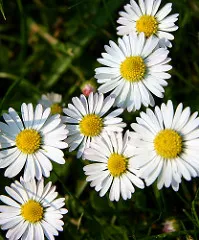
Daisy
Bellis perennis
Creates a classic meadow appearance when paired with Black-Eyed Susans, contrasting crisp white petals against the warm gold.
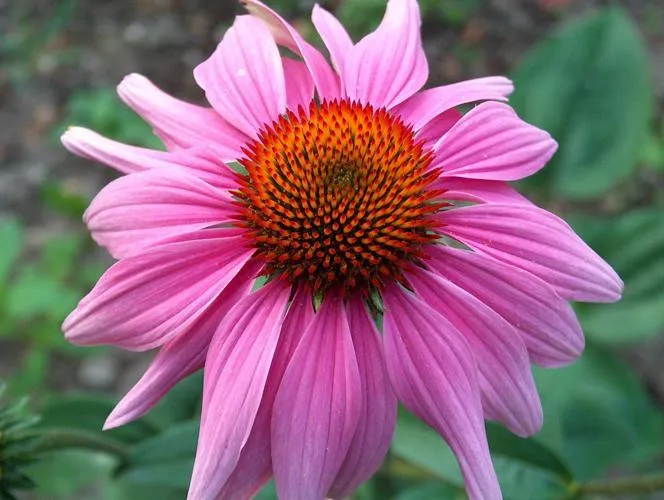
Purple Coneflower
Echinacea purpurea
A stunning, drought-tolerant prairie combination that matches in height, structure, and summer-to-autumn bloom cycles.
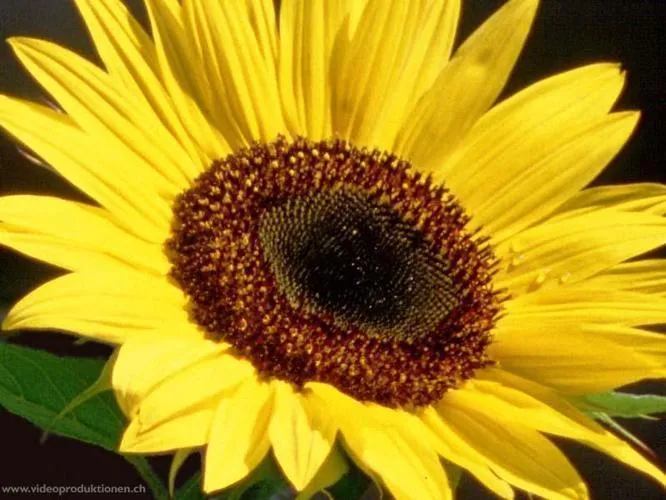
Sunflower
Helianthus annuus
Adds dramatic vertical structure as a backdrop, mirroring the cheerful solar aesthetic of the lower-growing Rudbeckias.
Similar Flowers
Discover flowers that share botanical characteristics
Same Family
4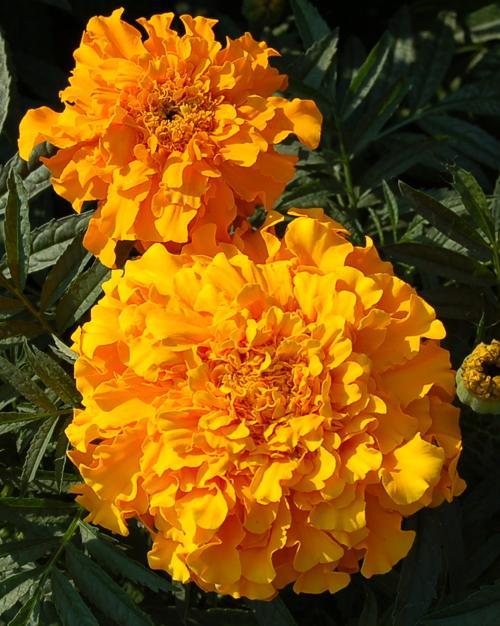
Marigold
Tagetes erecta
The Marigold, botanically classified under the genus Tagetes within the highly diverse Asteraceae (daisy or composite) family, is a cheerful, robust, and exceptionally popular herbaceous annual flower. Native to the warm, sun-drenched grasslands, mountain valleys, and open meadows of Mexico and C...
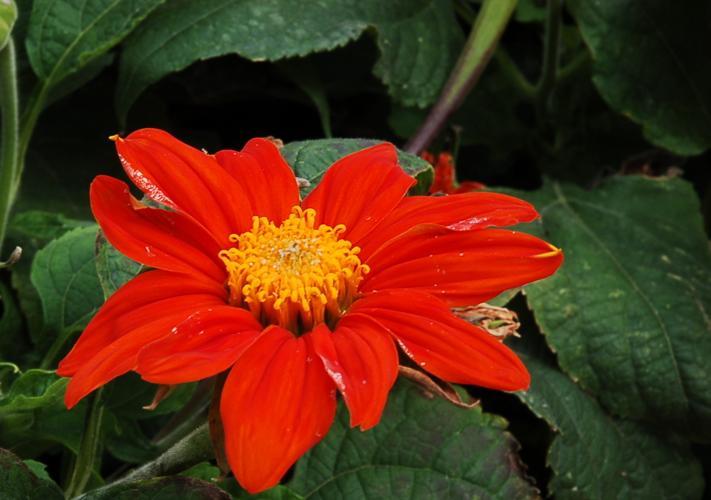
Orange Dahlia
Dahlia × hortensis
The Orange Dahlia, botanically designated under the genus *Dahlia* (particularly hybrids of *Dahlia pinnata*), is an exceptionally spectacular, highly vibrant tuberous perennial. Belonging to the family Asteraceae (the daisy or sunflower family, tribe Coreopsideae), this high-color classic is nat...
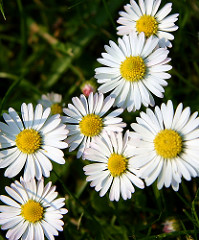
Daisy
Bellis perennis
The Common Daisy, botanically designated as *Bellis perennis* (and including related garden favorites like the English Daisy or Lawn Daisy), is an exceptionally cheerful, highly resilient herbaceous perennial. Belonging to the family Asteraceae (the daisy or sunflower family, tribe Astereae), thi...
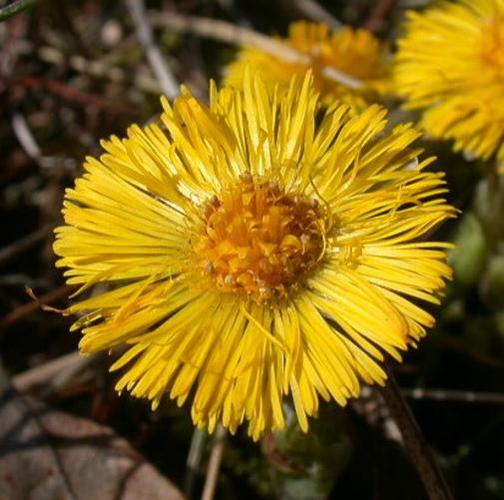
Coltsfoot
Tussilago farfara
Coltsfoot, botanically classified as Tussilago farfara, is an intriguing and highly specialized perennial wildflower belonging to the Asteraceae (sunflower) family. Native to the damp clay-rich soils, disturbed riverbanks, and limestone cliffs of Europe, western and central Asia, and parts of Nor...
Similar Characteristics
4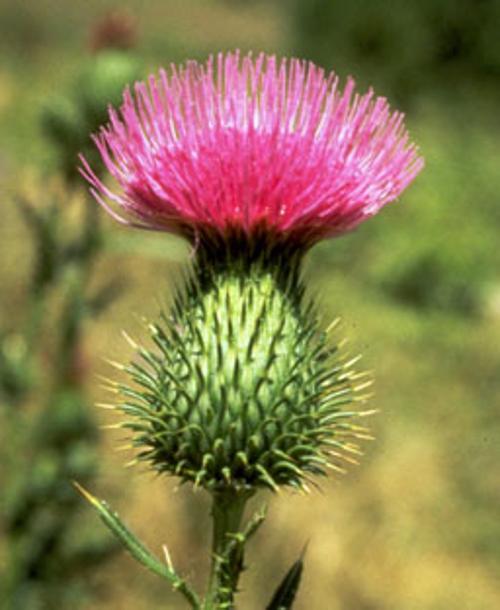
Spear Thistle (Bull Thistle)
Cirsium vulgare
The Spear Thistle, botanically designated as Cirsium vulgare (and commonly referred to as the Bull Thistle), is a robust and highly spiny biennial herb belonging to the family Asteraceae (the daisy or composite family). Native to the meadows, forest edges, and rocky valleys of Europe, western Asi...
Marigold
Tagetes erecta
The Marigold, botanically classified under the genus Tagetes within the highly diverse Asteraceae (daisy or composite) family, is a cheerful, robust, and exceptionally popular herbaceous annual flower. Native to the warm, sun-drenched grasslands, mountain valleys, and open meadows of Mexico and C...
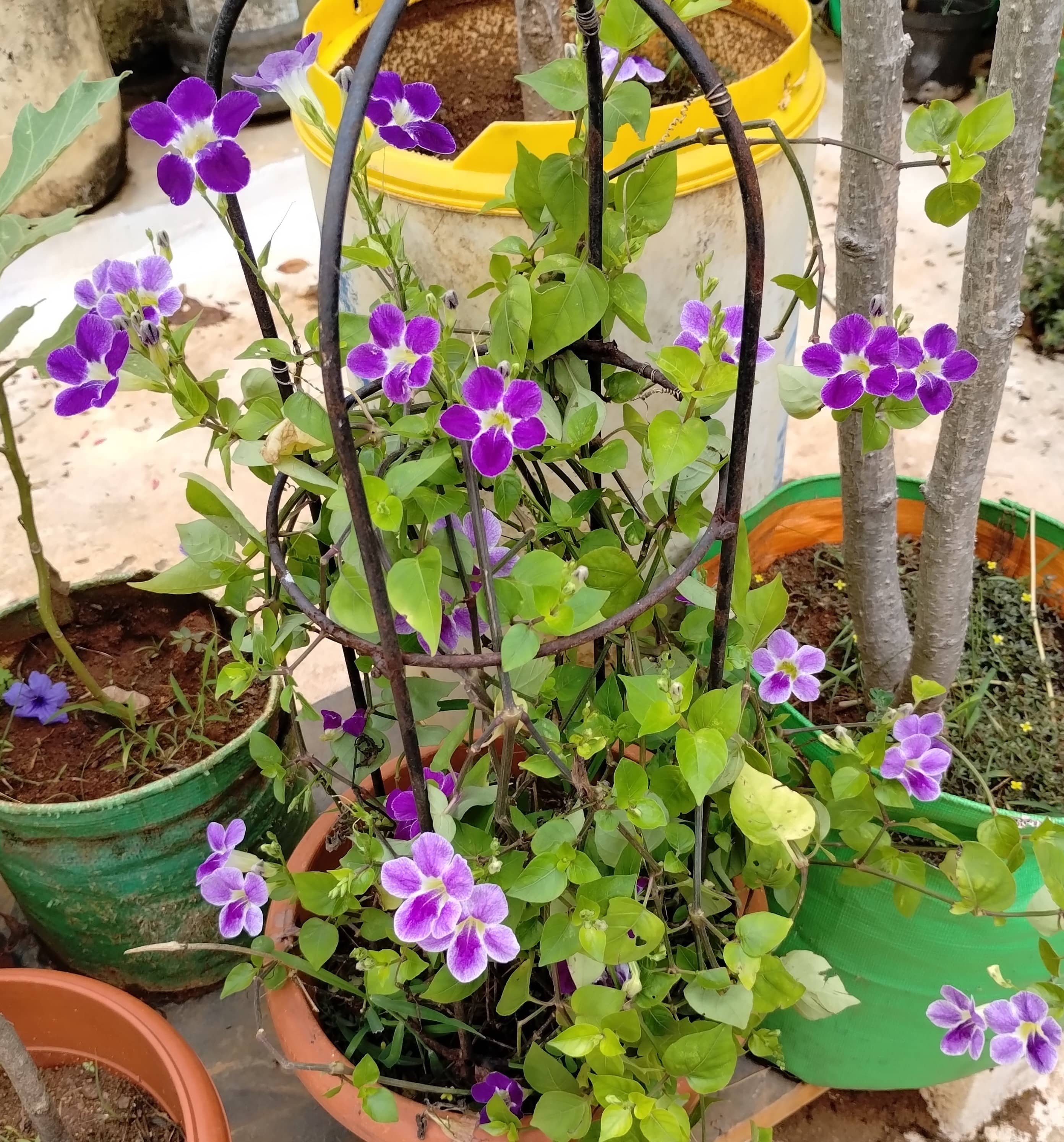
Thunbergia (King's Mantle)
Thunbergia erecta
Thunbergia erecta, popularly known as the "King's Mantle" or "Bush Clock Vine," is a sophisticated and regal tropical shrub that brings a touch of aristocratic elegance to any garden. A member of the Acanthaceae family, this evergreen species is native to the coastal regions of western Africa, fr...
Coltsfoot
Tussilago farfara
Coltsfoot, botanically classified as Tussilago farfara, is an intriguing and highly specialized perennial wildflower belonging to the Asteraceae (sunflower) family. Native to the damp clay-rich soils, disturbed riverbanks, and limestone cliffs of Europe, western and central Asia, and parts of Nor...