
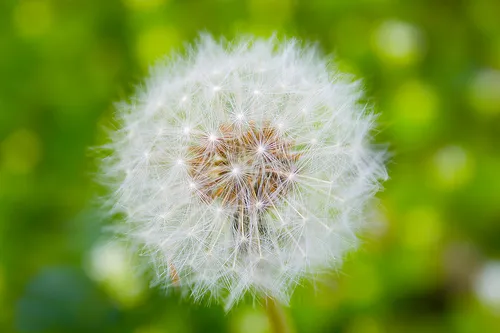
Dandelion
Taraxacum officinale
How to Identify Dandelion
NON-TOXIC. 100% safe for cats, dogs, and horses, and serves as an important early-spring nectar source for native pollinators.
Care & Growing Guide
Seasonal Blooming & Hardiness
Seasonal Blooming Calendar:
- Peak Bloom: Summer (typically June through September).
- Planting Time: Sow seeds directly outdoors in early spring after the last frost, or transplant nursery starts in late spring.
Bloom Timeline
About Dandelion
The common Dandelion, scientifically classified as Taraxacum officinale, is an incredibly resilient and highly nutritious herbaceous perennial belonging to the Asteraceae (sunflower) family. Native to the vast temperate regions of Europe and Asia, this ubiquitous species has naturalized on nearly every continent, earning a dual reputation as a persistent lawn weed and a deeply valued medicinal herb. Celebrated for its bright, sun-like golden-yellow flower heads and the whimsical, spherical seed puffs that follow, the dandelion is one of nature's most successful and culturally recognizable pioneer plants.
Growing from a thick, deep-reaching taproot that can penetrate 6 to 18 inches into the ground, the dandelion forms a dense basal rosette of deeply lobed, tooth-like leaves that measure 2 to 16 inches in length. Rising directly from the center of this rosette are hollow, leafless stalks that produce a milky latex sap when broken. Each stalk is crowned with a single composite flower head (capitulum) measuring 1 to 2 inches across. The head is made up exclusively of 150 to 200 individual golden-yellow ray florets that open with the morning sun and close during cloudy weather and at night.
The reproductive architecture of the dandelion floret is represented by the floral formula Br % ⚥ K0 C(5) A(5) G(2). This formula indicates that each tiny floret within the composite head is bracteate, bilaterally symmetrical (zygomorphic), and bisexual. The calyx is represented by a K0 designation because the true sepals are completely modified into a ring of fine, feathery white bristles (the pappus). The corolla consists of 5 fused petals forming a long, strap-shaped ligule with 5 tiny teeth, while the 5 stamens are fused by their anthers around a style connected to a 2-carpellate inferior ovary.
Taraxacum officinale is legendary for its adaptability and hardiness, surviving in virtually any temperate or subtropical habitat globally. It thrives in full sun to partial shade and is highly tolerant of compacted, poor, and drought-prone soils, often colonizing sidewalk cracks, disturbed soils, and manicured lawns. Its deep taproot acts as a natural soil aerator and mines nutrients from deep underground. It spreads rapidly through wind-blown seeds that are carried miles on their feather-like parachutes, and easily survives USDA zones 3 through 10.
The common name 'dandelion' is a corruption of the French phrase 'dent-de-lion,' meaning 'lion's tooth' in reference to the deeply jagged leaf margins. In classical Sanskrit, it is known as दुग्धफेनि (Dugdhapheni), translating to 'milk-froth' due to the white sap, while in Hindi it is called सिंहपर्णी (Sinhparni). Culturally, the mature white seed heads, known as 'blowballs' or 'wish puffs,' are globally associated with child-like innocence, wish-making, and the effortless dispersal of dreams on the wind, whilst historically serving as a crucial folk remedy.
For pet owners and gardeners, the dandelion is an absolute marvel of safety and health. Taraxacum officinale is classified as completely NON-TOXIC to cats, dogs, and horses by veterinary authorities like the ASPCA. In fact, dandelion greens are exceptionally rich in vitamins A, C, and K, as well as calcium and iron, making them a premium addition to pet diets in moderation. Furthermore, they are a vital, early-season food source for native bees and butterflies. To discover how to foster a safe, chemical-free, and pet-friendly lawn ecosystem, explore our Pet Guard catalog.
Dandelions are occasionally confused with other yellow composite weeds like Catsear (Hypochaeris radicata) or Hawkweeds (Hieracium). They are easily distinguished because true dandelions have hollow, leafless, unbranched stalks rising directly from a basal rosette, whereas Catsear has hairy, branched, solid stems with small leaves. It pairs beautifully in naturalized wildflower lawns alongside other safe plants; we recommend planting it with Wild Pansy or Phlox. To learn about more beneficial weeds and wildflowers, check out our Flower Identifier. Explore related species in our botanical profile for Coltsfoot.
Floral Formula & Features
Bracteate, zygomorphic (ray floret), bisexual, calyx modified to pappus (K0), 5 fused petals forming ligule, 5 fused stamens forming a tube, 2 fused carpels with inferior ovary
- Scientific Name & Classification: Taraxacum officinale (Asteraceae). Famed worldwide as Dandelion, Lion's Tooth, Blowball, and Dugdhapheni.
- Identification Markers: Basal rosette of deeply jagged, tooth-like leaves. Hollow, leafless stems containing white milky sap and single bright yellow composite heads.
- Floral Formula (Br % ⚥ K0 C(5) A(5) G(2)): Ligulate composite structure composed of numerous bisexual ray florets with inferior ovaries and modified feathery pappuses.
- Growing Requirements: Highly adaptable; thrives in full sun to shade and tolerates heavy, compacted soils. Deep taproot provides exceptional drought-tolerance (Zones 3-10).
- Cultural Significance: Name derived from French 'dent-de-lion.' Celebrated in folklore as a wish-granting flower and utilized for centuries in traditional herbal teas.
- Safety & Toxicity: NON-TOXIC. 100% safe for cats, dogs, and horses, and serves as an important early-spring nectar source for native pollinators.
- Common Look-alikes: Confused with Catsear or Hawkweed, but distinguished by its completely smooth, hollow, unbranched flower stalks and single terminal blooms.
- Internal Links: Naturalizes beautifully alongside safe wildflower varieties like Wild Pansy or low-growing Phlox; explore more varieties in our Flower Identifier.
Names in Different Languages
Botanical Classification: Dandelion belongs to the Asteraceae family. Learn how to identify its floral symmetry, stamen arrangement, and structural formulas in our Botanical Family Classification Guide.
Toxicity & Safety
Frequently Asked Questions
What is Floral Formula?
A floral formula is a symbolic representation of a flower's structure using letters, numbers, and special symbols. It provides a concise way to describe the arrangement and number of floral parts.
This formula describes the flower's symmetry, sepals, petals, stamens, and carpels in a standardized format.
Formula Sequence
- Bract: Br or Ebr
- Bracteole: Brl or Ebrl
- Symmetry: % (Radial) or ⊕ (Bilateral)
- Sex: ♀ (Female), ♂ (Male), or ⚥ (Bisexual)
- Calyx/Sepal: K<number> (Free or Fused)
- Corolla/Petal: C<number> (Free or Fused)
- Androecium: A<number> (Free or Fused)
- Gynaecium: G<number> (Superior or Inferior Ovary)
Symbol Meanings
- Numbers: Indicate quantity of parts
- Parentheses (): Parts are fused together
- Plus (+): Parts in different whorls
- Underline: Superior ovary position
- Overline: Inferior ovary position
- ∞: Numerous parts (too many to count)
Understanding floral formulas helps botanists quickly identify and classify flowers based on their structural characteristics.
Similar Flowers
Discover flowers that share botanical characteristics
Same Family
4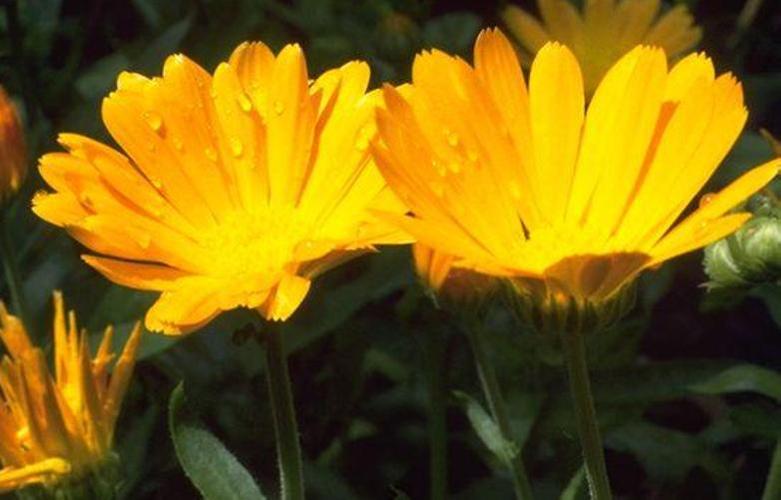
English Marigold (Calendula)
Calendula officinalis
The English Marigold (Calendula officinalis), widely known as the Pot Marigold, is a cheerful and incredibly versatile annual (or short-lived perennial in mild climates) belonging to the Asteraceae family. Native to southern Europe and the Mediterranean region, it has been a staple of traditional...
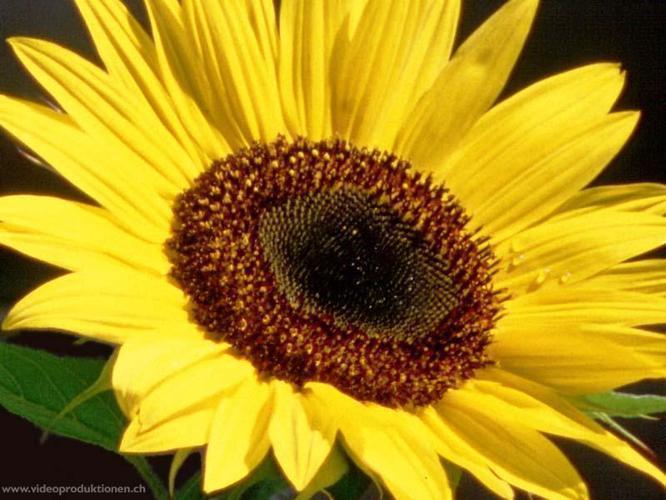
Sunflower
Helianthus annuus
The Sunflower, botanically classified as Helianthus annuus and commonly known as the Common Sunflower, is an exceptionally iconic, robust, and fast-growing annual plant. Belonging to the family Asteraceae (the daisy, aster, or composite family), this famous wildflower is native to the fertile pra...
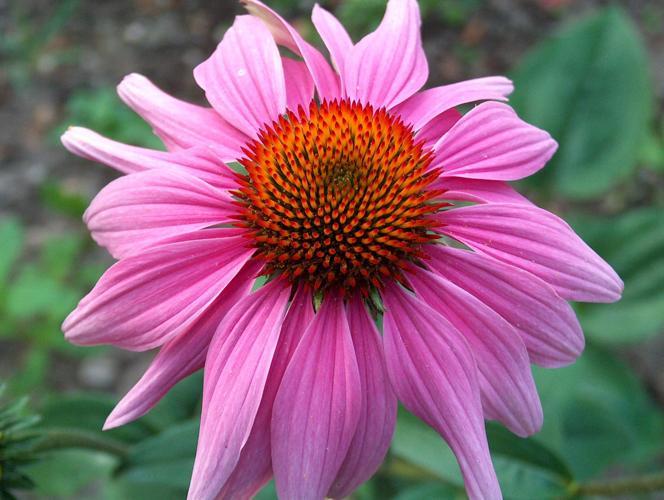
Purple Coneflower (Echinacea)
Echinacea purpurea
The Purple Coneflower (Echinacea purpurea) is a robust, iconic native North American perennial belonging to the Asteraceae family. Found thriving naturally in the prairies, open woods, and dry plains of the central and eastern United States, it has become a global favorite in both ornamental land...
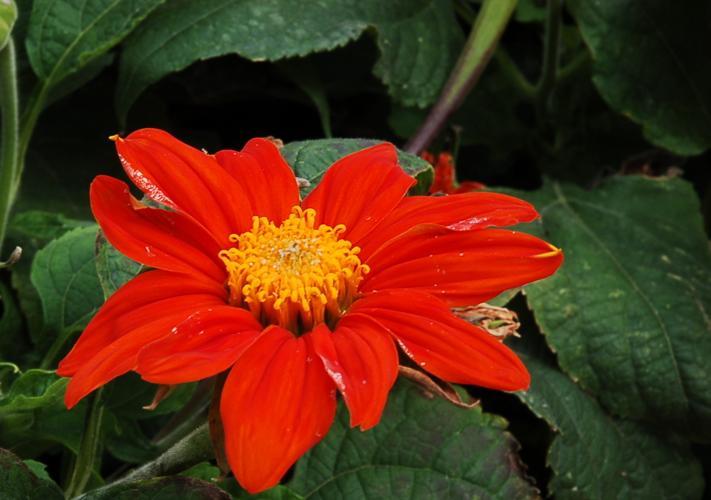
Orange Dahlia
Dahlia × hortensis
The Orange Dahlia, botanically designated under the genus *Dahlia* (particularly hybrids of *Dahlia pinnata*), is an exceptionally spectacular, highly vibrant tuberous perennial. Belonging to the family Asteraceae (the daisy or sunflower family, tribe Coreopsideae), this high-color classic is nat...
Similar Characteristics
4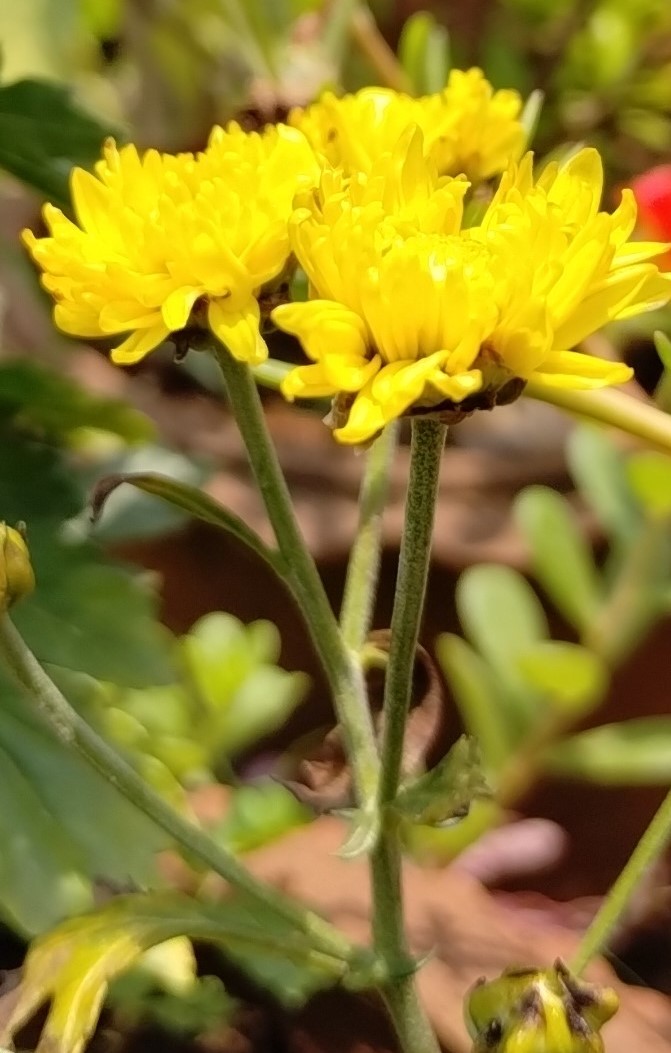
Chrysanthemum
Chrysanthemum morifolium
The Chrysanthemum, botanically classified as Chrysanthemum morifolium and affectionately known as the 'Mum,' is a magnificent, late-season flowering perennial belonging to the Asteraceae (sunflower) family. Native to East Asia, primarily China, where it has been cultivated and revered for over 3,...
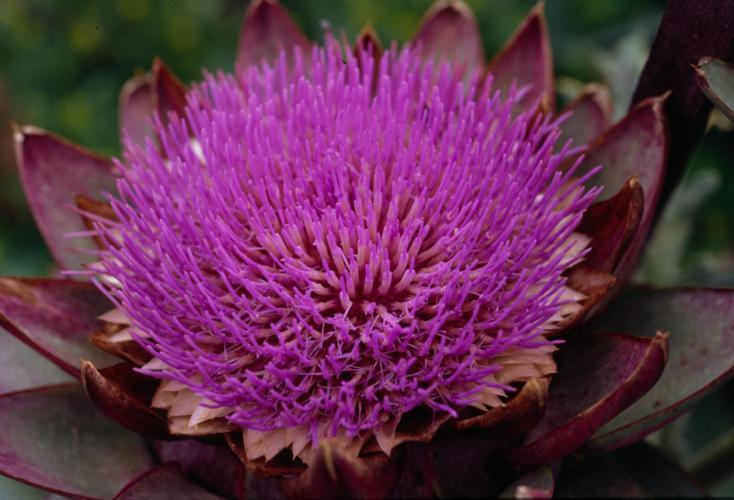
Artichoke
Cynara scolymus
The Artichoke, botanically designated as *Cynara cardunculus* (Scolymus Group) and commonly known as the Globe Artichoke, French Artichoke, or Green Artichoke, is a highly dramatic perennial thistle. Belonging to the family Asteraceae (the daisy or sunflower family, tribe Cynareae), this architec...
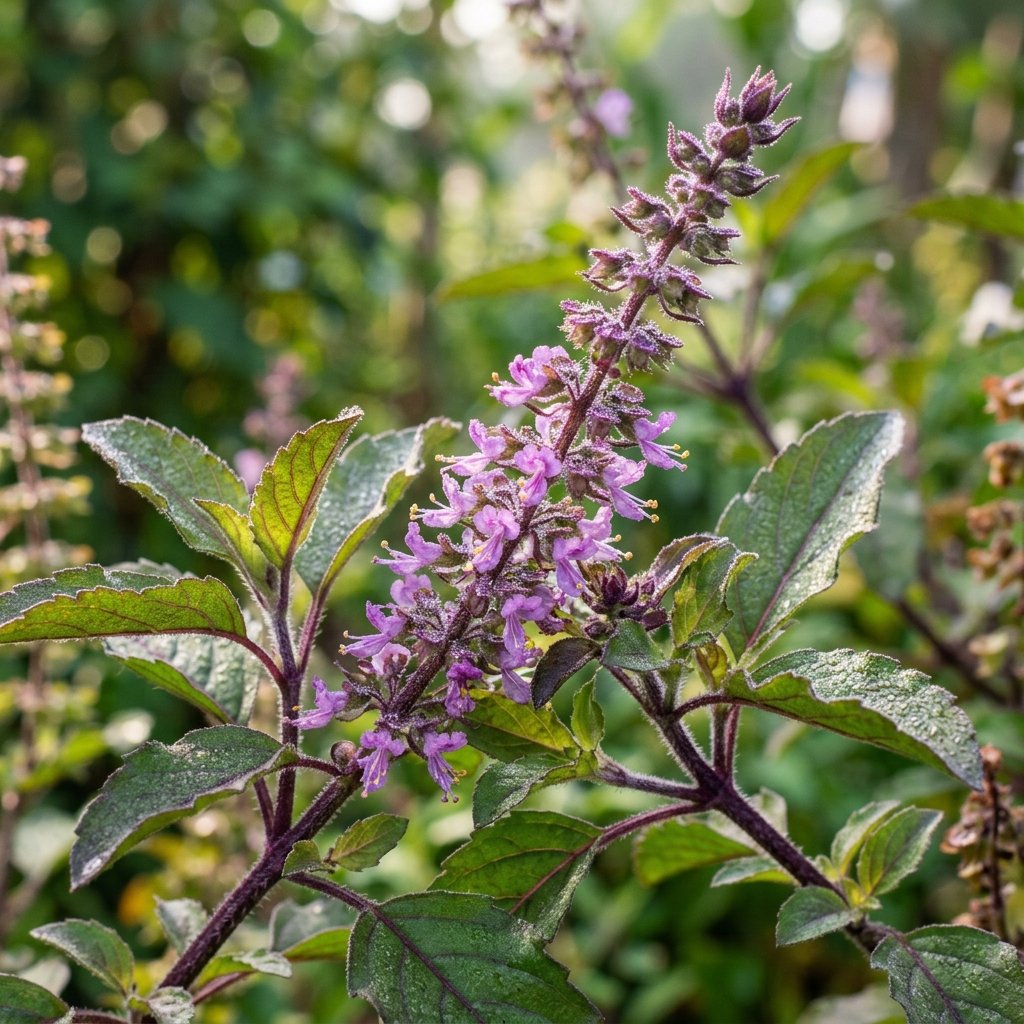
Holy Basil (Tulsi)
Ocimum tenuiflorum
Holy Basil, botanically classified as *Ocimum tenuiflorum* (synonymous with *Ocimum sanctum*) and universally revered throughout India and the Eastern world as Tulsi (the 'Incomparable One'), is a profoundly sacred, highly aromatic, and therapeutically celebrated perennial subshrub. Belonging to...
Orange Dahlia
Dahlia × hortensis
The Orange Dahlia, botanically designated under the genus *Dahlia* (particularly hybrids of *Dahlia pinnata*), is an exceptionally spectacular, highly vibrant tuberous perennial. Belonging to the family Asteraceae (the daisy or sunflower family, tribe Coreopsideae), this high-color classic is nat...