
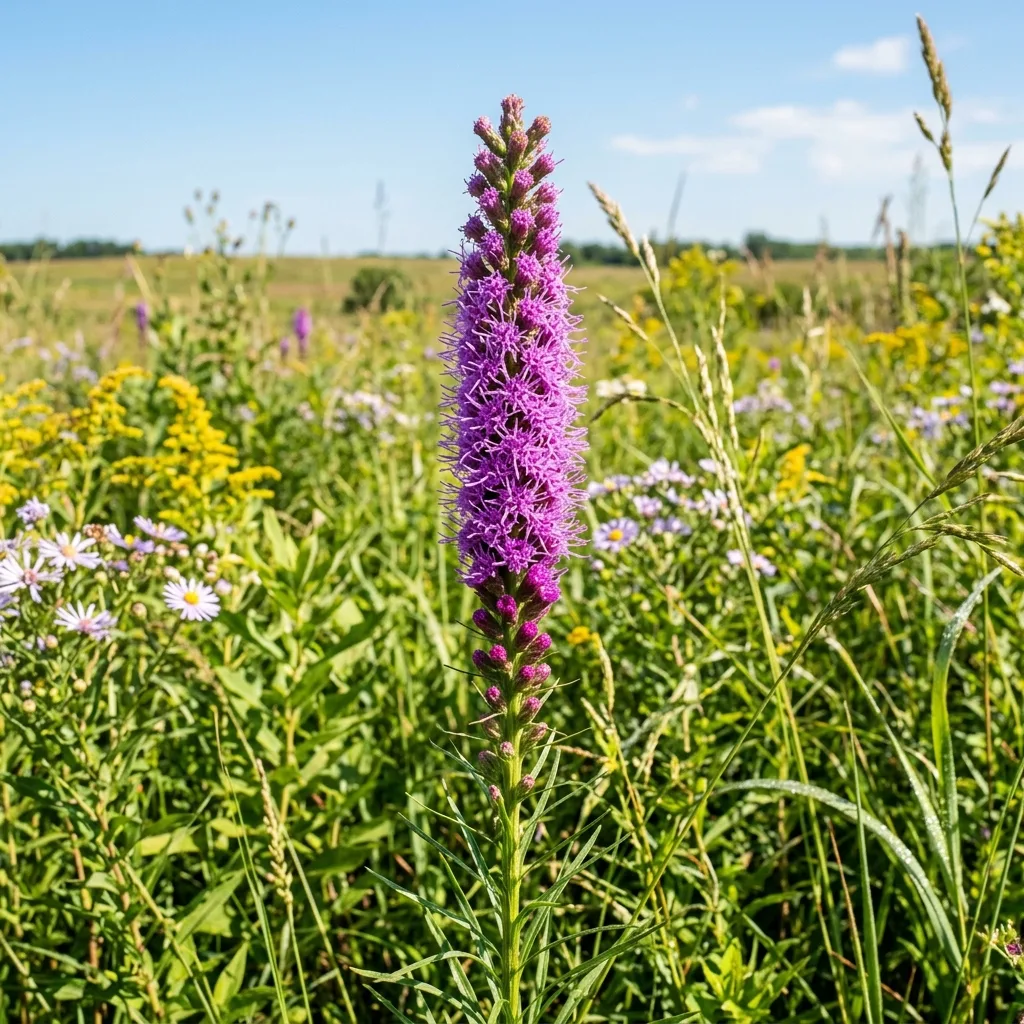
Blazing Star (Liatris)
Liatris spicata
How to Identify Blazing Star (Liatris)
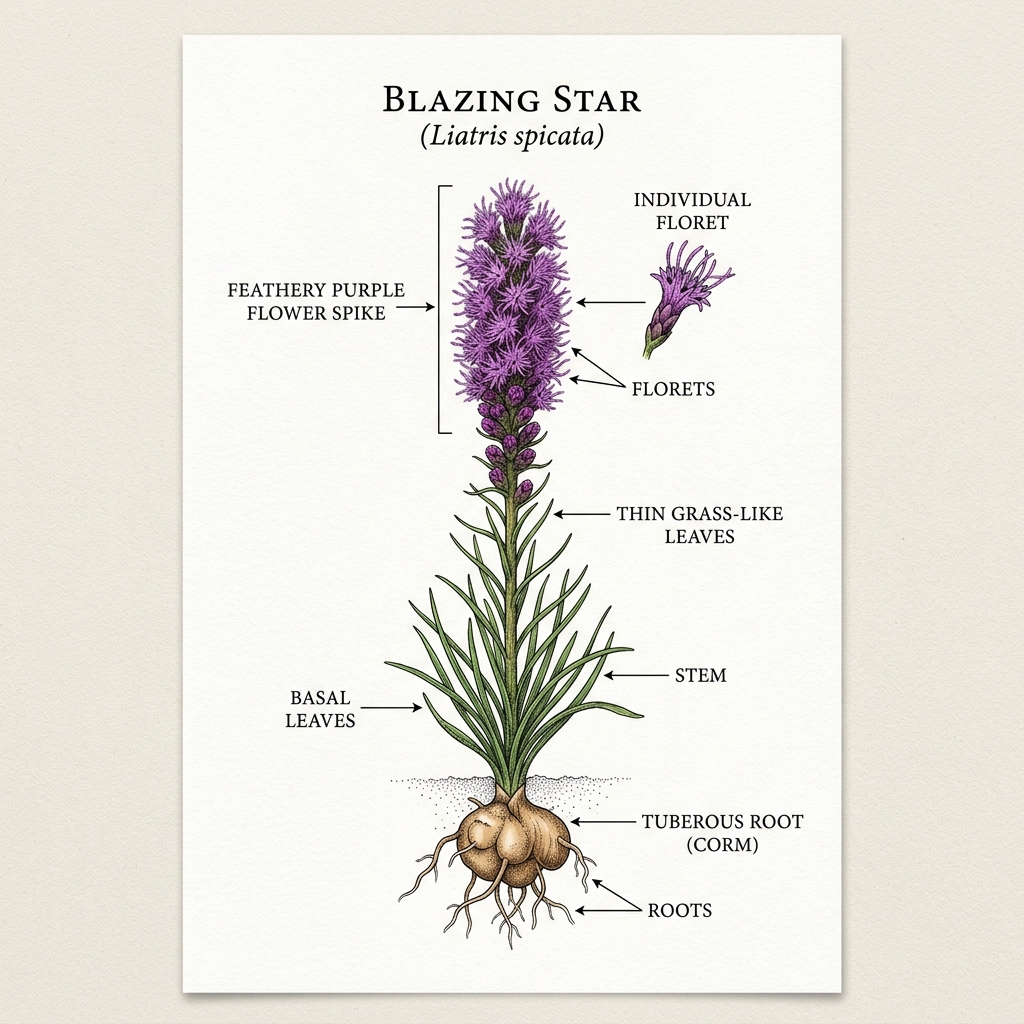
A detailed guide to identifying Blazing Stars (Liatris spicata) by its key features:
- Shaggy Bottlebrush Spike: Long, erect spikes of fuzzy purple flower heads that bloom uniquely from the top downward.
- Fine Grass-Like Leaves: Extremely narrow, linear leaves clustered heavily at the base.
- Rigid Unbranched Stems: Strong, upright stems reaching up to 3 to 5 feet tall.
- Bulbous Underground Corms: Rounded, woody corms that store water in dry prairie soils.
Care & Growing Guide
Liatris Care Guide:
- Light: Full sun (6+ hours daily)
- Soil: Well-draining, average to poor soil; sandy or gravelly preferred
- Water: Drought-tolerant once established; avoid wet or clay soils
- Planting: Plant corms 2–3 inches deep in spring after last frost
- Maintenance: Cut back in early spring; divide corms every 4–5 years
Seasonal Blooming & Hardiness
Seasonal Blooming Calendar:
- Peak Bloom: July–September
- US Range: USDA Zones 3–9; native to eastern US, Midwest, and Great Plains prairies
- Winter Interest: Feathery white seed heads persist and feed finches through winter
Bloom Timeline
About Blazing Star (Liatris)
Blazing Star, or Liatris (Liatris spicata and related species), is one of the most distinctive and architecturally striking native wildflowers of the North American prairie and meadow, producing tall, rigid spikes of rosy-purple to magenta flower heads that bloom from the top of the spike downward — the opposite direction from most other spike-flowering plants. Belonging to the Asteraceae family's tribe Eupatorieae, the genus contains roughly 40 species native exclusively to North America, predominantly in the central and eastern United States.
The flower spikes of Liatris are a marvel of pollinator ecology. The individual flower heads, or 'buttons,' each contain only disc florets (no ray petals), but packed together on a tall spike they create a dense, bottle-brush-like purple column that rises 2 to 5 feet above the surrounding foliage. The blooming progresses methodically from apex to base over several weeks in mid to late summer, ensuring a prolonged display that provides a sustained nectar source. Monarch butterflies, Swallowtails, and native bumble bees are particularly attracted to Liatris, making it an indispensable plant in any pollinator or wildlife garden.
The grassland-adapted physiology of Liatris is remarkable. The plant develops a deep, starchy, corm-like rootstock that allows it to survive prairie fires, severe drought, and harsh winters with ease. Above ground, the numerous narrow, linear leaves clothing the entire stem give the plant a distinctly clean, fine-textured appearance even when not in bloom, providing year-round foliage interest. The dried seed heads, topped with feathery white pappus, persist through autumn and winter, catching the light beautifully and providing seeds for goldfinches and other small birds.
In the garden, Liatris is one of the most reliable and low-maintenance native perennials available. It thrives in full sun and well-draining soil (particularly sandy or gravelly soils), is completely drought-tolerant once established, and is largely ignored by deer and rabbits. Popular cultivars include 'Kobold' (compact, 18 inches), 'Floristan White' (white form), and 'Alba.' It is also an important cut flower and is widely grown commercially for the floral industry. For more upright, meadow-style native plants, explore our Flower Identifier.
Floral Formula & Features
Composite disc florets only; pappus replaces calyx; 5 fused petals; 5 fused stamens; 2 fused carpels with inferior ovary
- Scientific Name & Classification: Liatris spicata (Asteraceae, tribe Eupatorieae). Commonly called Blazing Star or Gay Feather. ~40 species native exclusively to North America.
- Identification Markers: Tall, rigid, upright spikes 2–5 ft bearing small rosy-purple button-like disc florets that bloom top-to-bottom. Numerous narrow, linear leaves clothing the stem. Blooms July–September.
- Floral Formula (EBr ⊕ ☿ K∞ [C(5) A(5)] G̅(2)): Composite disc florets only (no ray florets); pappus-modified calyx, 5 fused petals, 5 fused stamens, 2-carpellate inferior ovary.
- Growing Requirements: Full sun; well-draining, average to poor, sandy or rocky soil. Drought-tolerant. Deer-resistant. USDA Zones 3–9. Blooms July–September. Excellent cut flower.
- Cultural Significance: Essential Monarch butterfly nectar plant during summer migration. Popular in prairie restoration and native plant gardens across the Midwest and East. Widely used in the commercial cut flower industry.
- Safety & Toxicity: NON-TOXIC. Safe for cats, dogs, and humans. An excellent choice for pet-friendly pollinator gardens.
- Common Look-alikes: Occasionally confused with Ironweed (Vernonia), which has flat-topped clusters rather than spikes, or Fireweed (Epilobium), which blooms from bottom to top (opposite direction).
- Internal Links: Plant alongside Goldenrod and Black-Eyed Susan for a classic American prairie trio. See our Flower Identifier.
Names in Different Languages
Botanical Classification: Blazing Star (Liatris) belongs to the Asteraceae family. Learn how to identify its floral symmetry, stamen arrangement, and structural formulas in our Botanical Family Classification Guide.
Toxicity & Safety
Frequently Asked Questions
What is Floral Formula?
A floral formula is a symbolic representation of a flower's structure using letters, numbers, and special symbols. It provides a concise way to describe the arrangement and number of floral parts.
This formula describes the flower's symmetry, sepals, petals, stamens, and carpels in a standardized format.
Formula Sequence
- Bract: Br or Ebr
- Bracteole: Brl or Ebrl
- Symmetry: % (Radial) or ⊕ (Bilateral)
- Sex: ♀ (Female), ♂ (Male), or ⚥ (Bisexual)
- Calyx/Sepal: K<number> (Free or Fused)
- Corolla/Petal: C<number> (Free or Fused)
- Androecium: A<number> (Free or Fused)
- Gynaecium: G<number> (Superior or Inferior Ovary)
Symbol Meanings
- Numbers: Indicate quantity of parts
- Parentheses (): Parts are fused together
- Plus (+): Parts in different whorls
- Underline: Superior ovary position
- Overline: Inferior ovary position
- ∞: Numerous parts (too many to count)
Understanding floral formulas helps botanists quickly identify and classify flowers based on their structural characteristics.
Similar Flowers
Discover flowers that share botanical characteristics
Same Family
4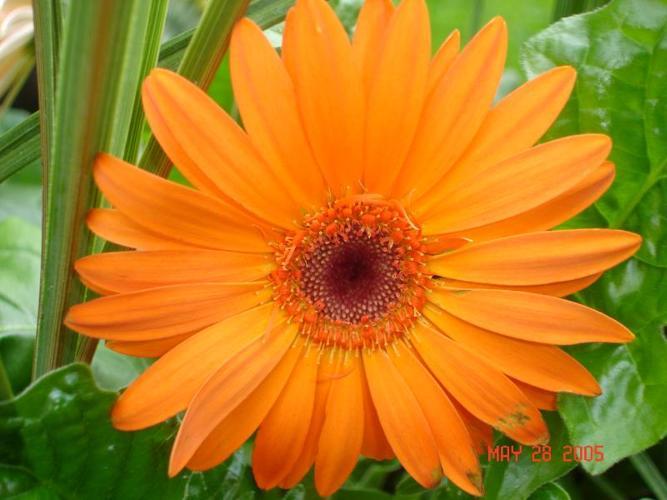
Barberton Daisy
Gerbera jamesonii
The Barberton Daisy, botanically known as Gerbera jamesonii and widely cherished as the Gerbera Daisy or Transvaal Daisy, is an exceptionally cheerful and colorful herbaceous perennial in the Asteraceae (sunflower) family. Native to the rich, subtropical valleys and grassy slopes of South Africa'...
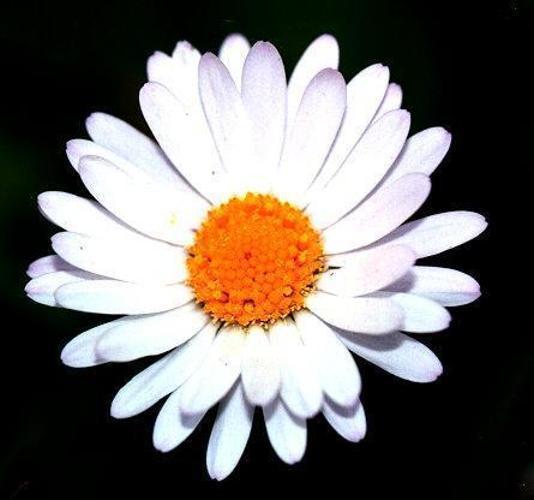
Oxeye Daisy
Leucanthemum vulgare
The Oxeye Daisy, botanically classified as Leucanthemum vulgare and historically celebrated as the Moon Daisy or Dog Daisy, is an exceptionally cheerful, rhizomatous herbaceous perennial belonging to the Asteraceae (daisy or composite) family. Native to the sweeping fields, dry pastures, and sunn...
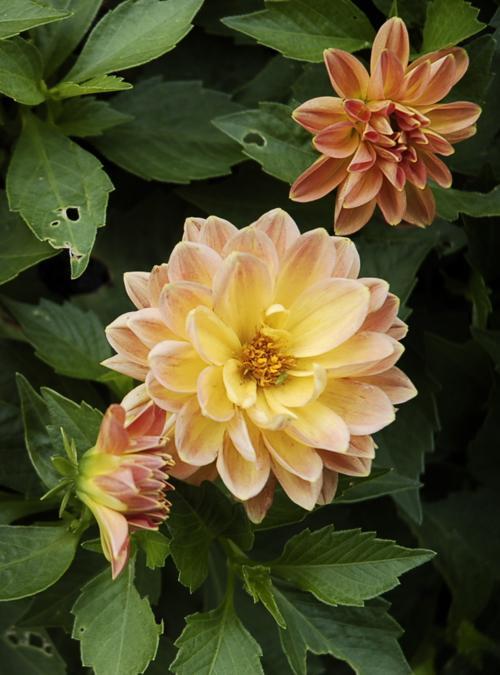
Pink-Yellow Dahlia
Dahlia pinnata (Hybrid)
The Pink-Yellow Dahlia is a spectacular, tuberous herbaceous perennial belonging to the vast Asteraceae family. Native to the mountainous highlands of Mexico and Central America, Dahlias have been heavily hybridized by botanists to produce an astonishing variety of geometric forms and vivid color...
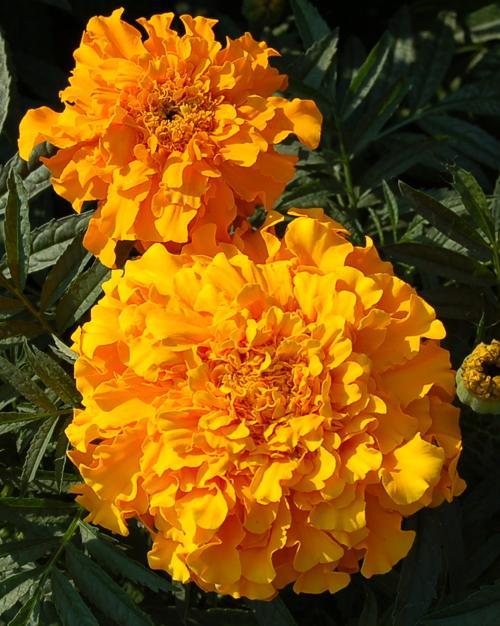
Marigold
Tagetes erecta
The Marigold, botanically classified under the genus Tagetes within the highly diverse Asteraceae (daisy or composite) family, is a cheerful, robust, and exceptionally popular herbaceous annual flower. Native to the warm, sun-drenched grasslands, mountain valleys, and open meadows of Mexico and C...
Similar Characteristics
4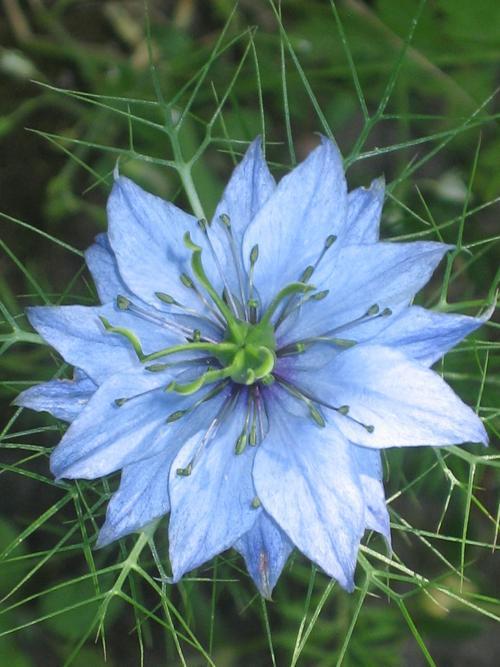
Love in a mist
Nigella damascena
The Love-in-a-mist, botanically designated as Nigella damascena and belonging to the family Ranunculaceae (the buttercup family), is a beloved, old-fashioned hardy annual flower. Native to the sunny hills, open meadows, and coastal fields of southern Europe, North Africa, and southwestern Asia—es...
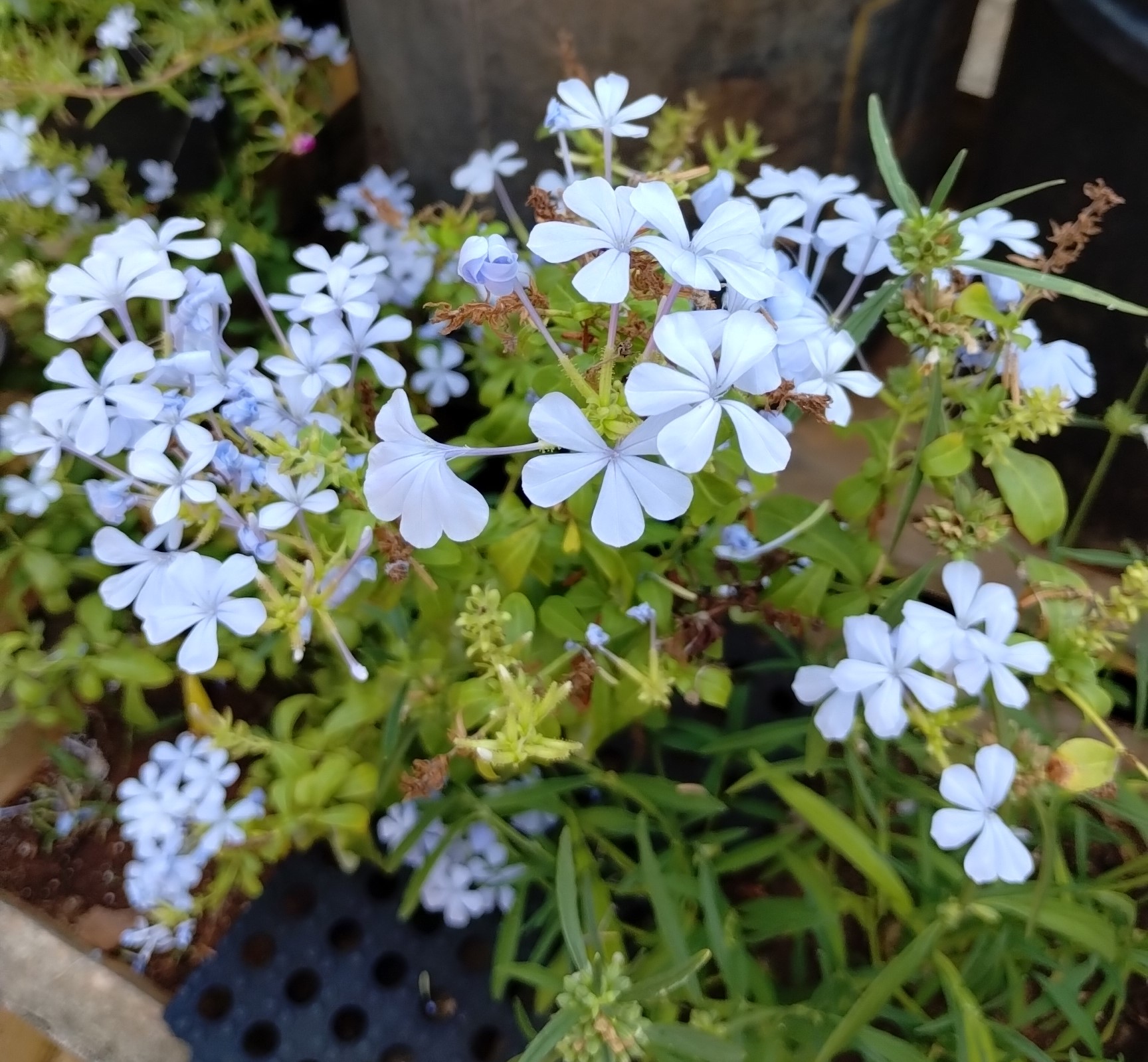
Leadwort
Plumbago auriculata
The Leadwort, botanically designated as Plumbago auriculata and commonly known as the Cape Leadwort, Blue Plumbago, or Sky Flower, is an exceptionally vigorous, sprawling evergreen shrub. Belonging to the family Plumbaginaceae (the leadwort family), this resilient and floriferous plant is native...
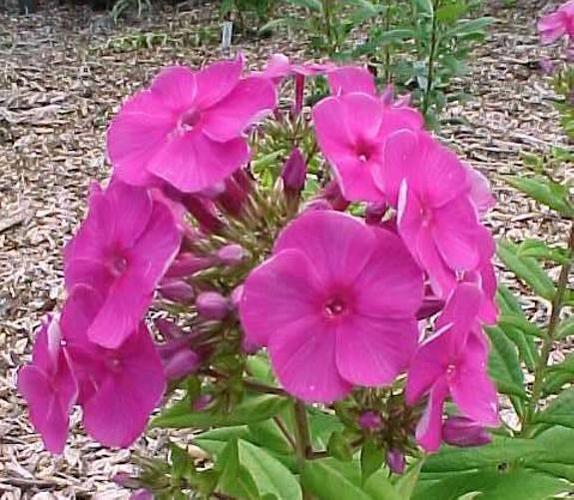
Phlox
Phlox paniculata
The genus Phlox, a cornerstone of the North American garden, encompasses a diverse array of species ranging from low-growing ground covers to towering, stately perennials. Derived from the Greek word for 'flame,' the name perfectly captures the vibrant, fiery intensity of their clustered blossoms...
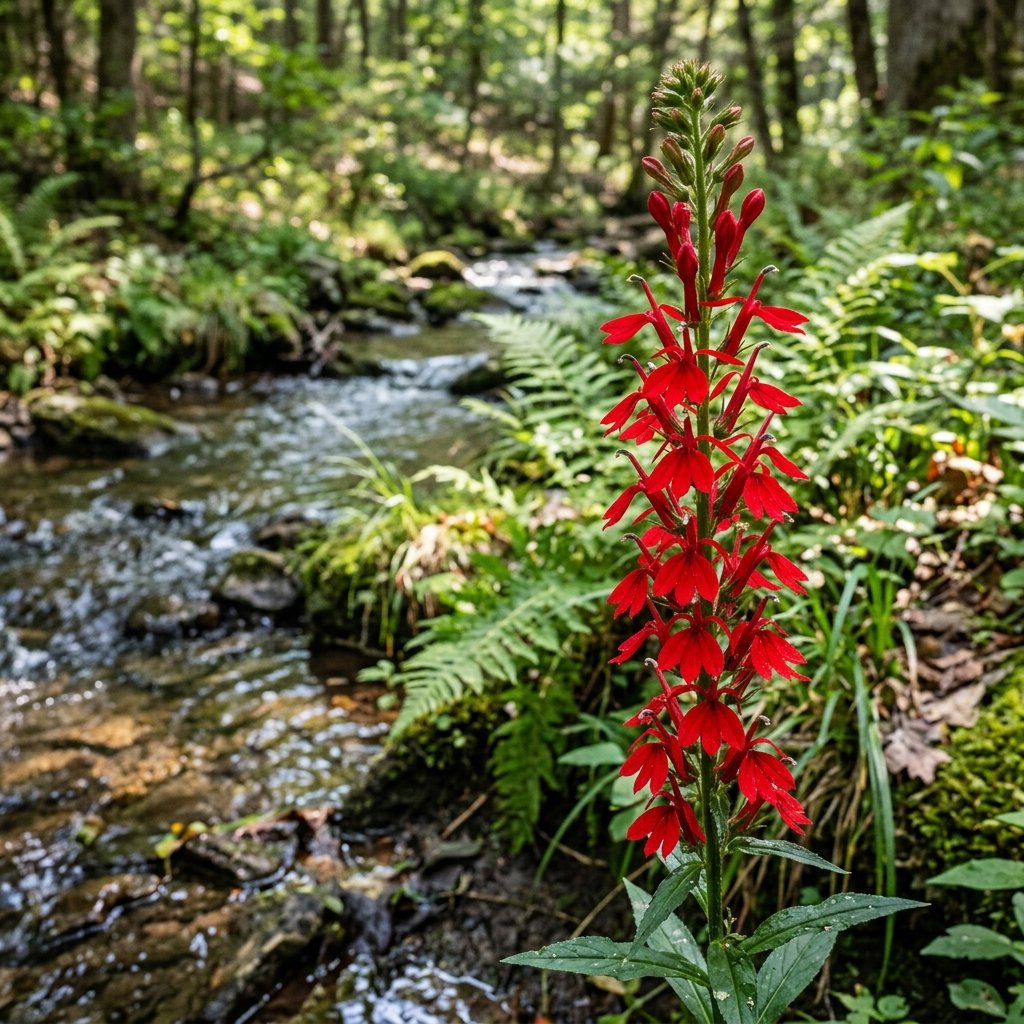
Cardinal Flower
Lobelia cardinalis
Cardinal Flower (*Lobelia cardinalis*) produces one of the most intensely saturated, brilliant scarlet-red flower spikes in all of North American horticulture, a vivid column of color that dominates moist meadows, stream banks, and woodland edges from July through September. Native throughout muc...