
African Daisy (Osteospermum)
Dimorphotheca ecklonis
How to Identify African Daisy (Osteospermum)
NON-TOXIC. Safe for cats, dogs, and horses. Human Safety: Generally non-toxic and safe for handling, making them ideal for family gardens and children's activity areas.
A detailed guide to identifying African Daisies (Osteospermum / Dimorphotheca ecklonis) by key botanical features:
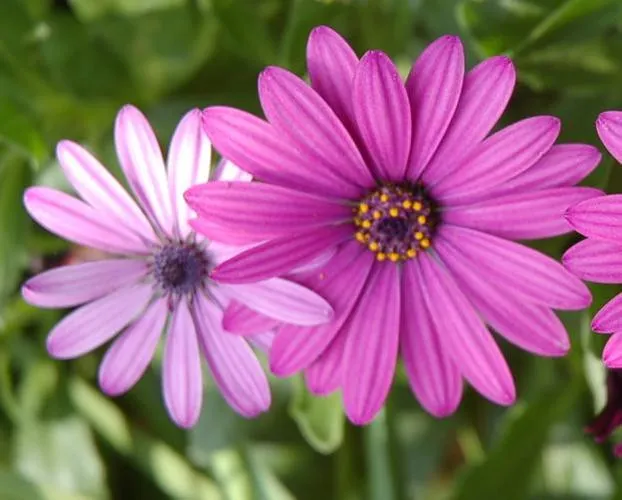
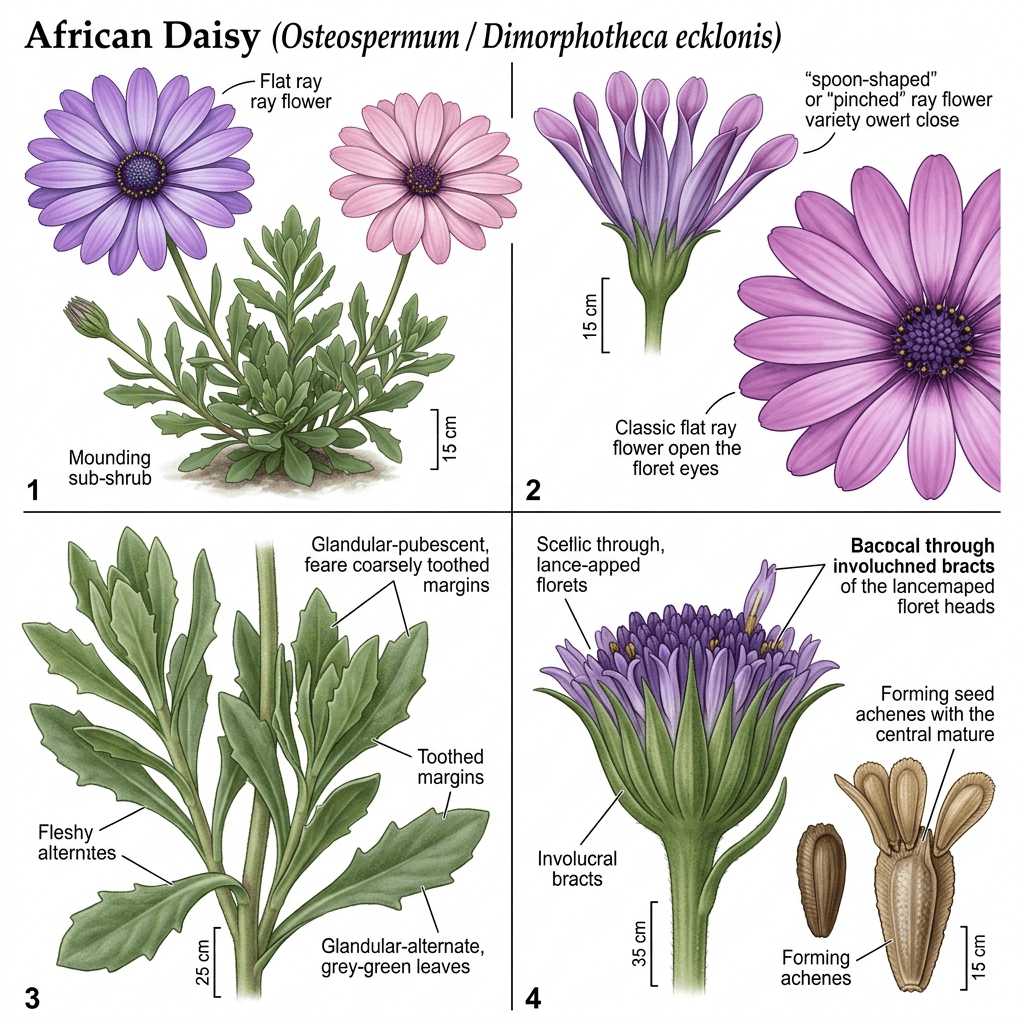
- Metallic Blue-Violet Central Disc: Striking composite flower heads measuring 2 to 3.5 inches across, featuring an unmistakable shimmering dark cobalt-blue, midnight purple, or metallic bronze central disc.
- Spoon-Shaped or Flat Radiating Petals: Outer ray florets available in clean flat forms or unique "spooned" (pinched in the middle with a fluted spoon tip) varieties, spanning lavender, purple, white, rose, and sunset peach.
- Glandular-Pubescent Toothed Leaves: Alternate, slightly fleshy, grey-green leaves with irregularly toothed or lobed margins, emitting a faint herbal scent when crushed.
- Branching Sub-Shrubby Habit: Forms bushy, spreading mounds (12 to 30 inches tall and wide) with semi-succulent branching stems that woody slightly at the base.
Types & Sub-types of African Daisies
Belonging to the Asteraceae family and native to southern Africa, Osteospermum and closely related Dimorphotheca cultivars are classified by petal form and growth habit:
- By Petal Form & Cultivar Series:
- Spoon Petal Varieties (Osteospermum 'Whirlygig' / 'Spider'): Remarkable fluted rays that pinch tightly in the center and fan open into miniature spoons at the tip.
- Classic Flat-Ray Series ('Symphony', 'Voltage', 'Serenity'): Dense, overlapping flat petals in vivid purple, pure white, lavender, and vibrant yellow with iridescent dark eyes.
- Double-Flowered African Daisies ('3D' Series): Flower centers packed with an anemone-like tuft of fluffy central florets in contrasting shades.
- By Habit & Lifecycle:
- Perennial Sub-Shrubs (Zones 9–11): Evergreen mounding perennials in mild maritime climates, blooming spring to autumn with a brief summer heat rest.
- Annual Bedding Accents: Grown as cool-season annuals in cold-winter climates for spring container plantings and autumn garden beds.
Care & Growing Guide
Seasonal Blooming & Hardiness
Seasonal Blooming Calendar:
- Peak Bloom: Spring to early summer (typically April through June).
- Planting Time: Sow seeds directly outdoors in early spring after the last frost, or transplant nursery starts in late spring.
Bloom Timeline
About African Daisy (Osteospermum)
Osteospermum, commonly known as the African Daisy or Cape Daisy, is a genus of flowering plants that represents the sheer brilliance of the South African floral kingdom. Belonging to the Calenduleae tribe within the massive Asteraceae family, these daisies are celebrated for their sophisticated, often iridescent color palettes and unique floral structures. Native primarily to South Africa, with some species found in the Arabian Peninsula, they have evolved to thrive in sun-drenched, well-draining landscapes. In their native habitat, they grow as hardy perennials, though in many temperate climates around the world, they are treated as cool-season annuals that provide a massive burst of color in early spring and autumn.
The true allure of the African Daisy lies in its "otherworldly" aesthetic. Unlike the classic field daisy, Osteospermum blooms often feature a deep, metallic central disc in shades of indigo, violet, or even bronze, which serves as a stunning contrast to the surrounding ray florets. These "petals" come in an extraordinary range of hues, including electric purples, creamy whites, sunset oranges, and soft pinks. Some of the most sought-after varieties, such as the 'Whirligig' or 'Spoon' series, exhibit a fascinating mutation where the petals are pinched in the middle, expanding into a spoon-like shape at the tip. This distinctive look, combined with the plant's tendency to close its blossoms at night and on cloudy days (a trait known as nyctinasty), makes them a dynamic addition to the garden.
The foliage of the African Daisy is equally functional and attractive. Typically growing in a neat, mounding or sprawling habit, the plants feature fleshy, grey-green leaves that are often lanceolate or ovate with toothed margins. This evergreen foliage is adapted to minimize water loss, reflecting the plant's natural drought tolerance once established. Whether used as a high-impact groundcover in a rock garden or as a centerpiece in a decorative container, the compact form of Osteospermum ensures that the focus remains on the dramatic floral display that rises just above the leaf canopy.
Cultivating these daisies requires an understanding of their preference for cooler temperatures. While they adore the sun, African Daisies often go into a "semi-dormant" state during the peak of summer heat, resuming their prolific blooming when the nights begin to cool. They are remarkably resilient in coastal gardens, where they tolerate salt spray and sandy soils with ease. For the best results, gardeners should provide exceptionally well-drained soil and avoid overwatering, as the plants are susceptible to root rot if kept in soggy conditions. Regular deadheading (removing spent blooms) is also essential to encourage the production of new flower buds throughout the season.
Beyond their visual charm, African Daisies hold a place of respect for their non-toxic nature, making them a "Pet-Safe" staple for modern landscapes. They are frequently used to attract beneficial pollinators, such as bees and butterflies, who are drawn to the nectar-rich disc florets. Culturally, they have come to symbolize purity and the joyful resilience of nature, standing as a testament to the diverse beauty of the Cape region. Whether you are a beginner gardener looking for an easy-to-grow burst of color or a landscape designer seeking a drought-tolerant perennial, the African Daisy remains an unparalleled choice for creating a vibrant, sustainable garden.
Floral Formula & Features
Ebracteate (no bracts), Actinomorphic (radially symmetrical), bisexual, no true sepals (modified to pappus), 5 fused petals, 5 fused stamens, 2 fused carpels with inferior ovary
- Scientific Name & Classification: Osteospermum spp. (Asteraceae). Commonly known as the Cape Daisy or Blue-Eyed Daisy due to its striking central disc.
- Identification Markers: Look for daisy-like composite flowers with a dark, often metallic blue or violet center. Leaves are grey-green, fleshy, and alternate on the stem. Petals may be flat or spoon-shaped.
- Floral Formula (⊕ ⚥ K∞ [C(5) A(5)] G(2)): Radially symmetrical (florets), bisexual, with a modified calyx (pappus), 5 fused petals, 5 fused stamens, and a 2-carpellate inferior ovary typical of Asteraceae.
- Growing Requirements: Thrives in full sun (6+ hours) and cool-to-warm temperatures (USDA Zones 9-11). Requires exceptionally well-drained soil; moderately drought-tolerant but sensitive to high humidity and overwatering.
- Cultural Significance: Native to the Cape region of South Africa. In the language of flowers, they represent purity, innocence, and "the beauty of a simple heart." A symbol of South African botanical diversity.
- Safety & Toxicity: NON-TOXIC. Safe for cats, dogs, and horses. Human Safety: Generally non-toxic and safe for handling, making them ideal for family gardens and children's activity areas.
- Similar Characteristics and Family: Closely related to the Dimorphotheca (Cape Marigold) and the common Daisy (Bellis perennis). All share the composite flower head structure of the Asteraceae family. It is distinguished by its perennial nature in warm zones and its iconic metallic blue centers, which are rare in other daisy genera.
- Common Look-alikes: Often confused with Gerbera Daisies or Purple Coneflowers (Echinacea). Gerberas have much thicker, leafless flower stalks, while Coneflowers have prominent, spiky central cones rather than flat discs.
- Internal Links: For more daisy-like delights, search our Flower Identifier. You may also like the Gerbera Daisy, the Zinnia, and the Marigold for a texture-rich garden.
- Internal Links: Compare key differences in our African Daisy vs Gazania comparison, or try our instant Flower Identifier.
Names in Different Languages
Botanical Classification: African Daisy (Osteospermum) belongs to the Asteraceae family. Learn how to identify its floral symmetry, stamen arrangement, and structural formulas in our Botanical Family Classification Guide.
Toxicity & Safety
Frequently Asked Questions
What is Floral Formula?
A floral formula is a symbolic representation of a flower's structure using letters, numbers, and special symbols. It provides a concise way to describe the arrangement and number of floral parts.
This formula describes the flower's symmetry, sepals, petals, stamens, and carpels in a standardized format.
Formula Sequence
- Bract: Br or Ebr
- Bracteole: Brl or Ebrl
- Symmetry: % (Radial) or ⊕ (Bilateral)
- Sex: ♀ (Female), ♂ (Male), or ⚥ (Bisexual)
- Calyx/Sepal: K<number> (Free or Fused)
- Corolla/Petal: C<number> (Free or Fused)
- Androecium: A<number> (Free or Fused)
- Gynaecium: G<number> (Superior or Inferior Ovary)
Symbol Meanings
- Numbers: Indicate quantity of parts
- Parentheses (): Parts are fused together
- Plus (+): Parts in different whorls
- Underline: Superior ovary position
- Overline: Inferior ovary position
- ∞: Numerous parts (too many to count)
Understanding floral formulas helps botanists quickly identify and classify flowers based on their structural characteristics.
Similar Flowers
Discover flowers that share botanical characteristics
Same Family
4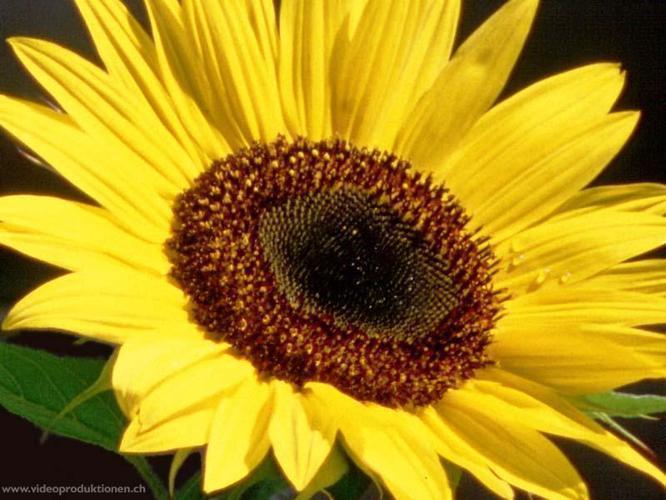
Sunflower
Helianthus annuus
The Sunflower, botanically classified as Helianthus annuus and commonly known as the Common Sunflower, is an exceptionally iconic, robust, and fast-growing annual plant. Belonging to the family Asteraceae (the daisy, aster, or composite family), this famous wildflower is native to the fertile pra...
Wedelia Trilobata
Sphagneticola trilobata
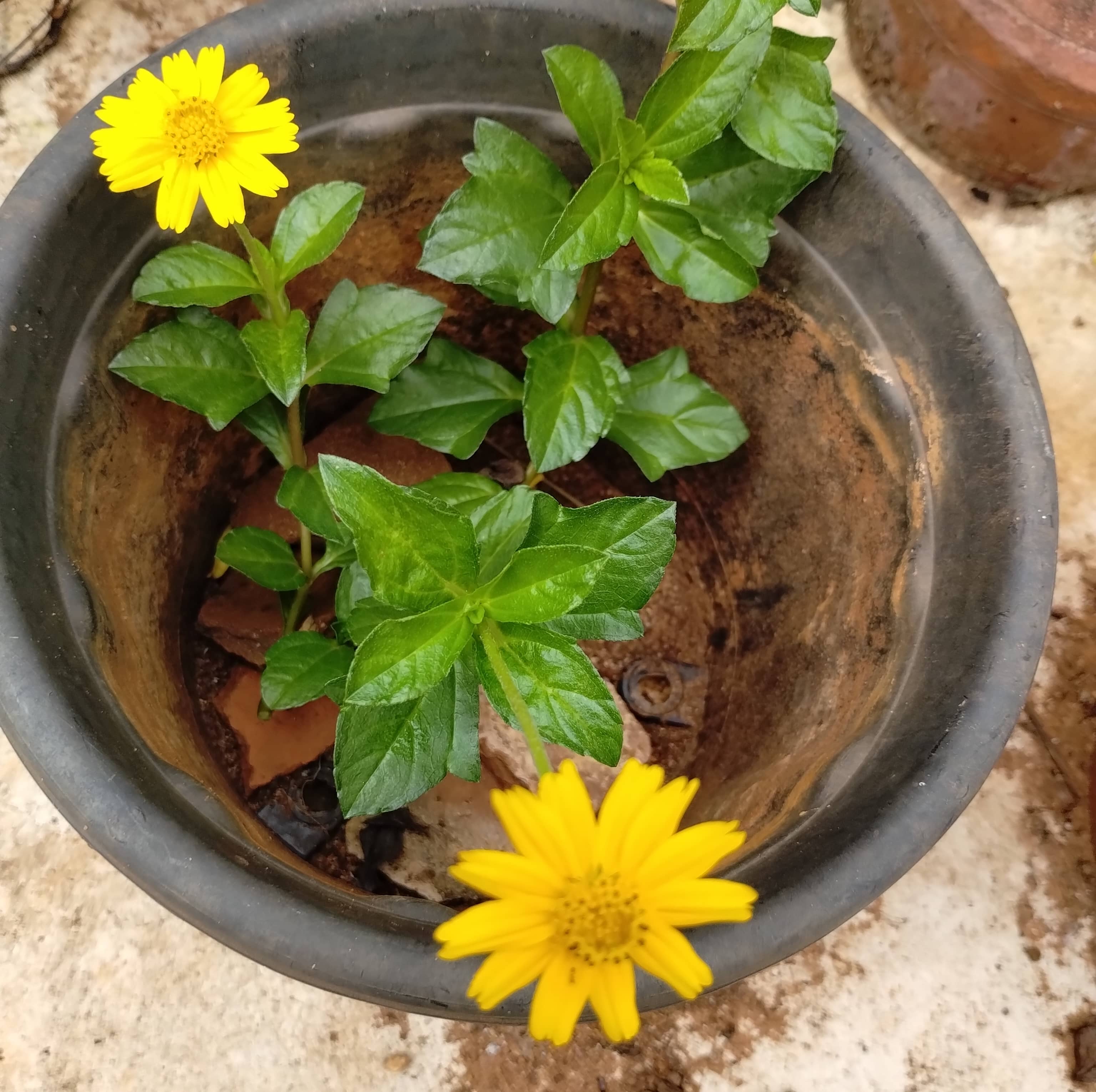
Wedelia Trilobata, botanically classified as Sphagneticola trilobata and commonly known as the Creeping Daisy, Singapore Daisy, Trailing Daisy, or Creeping Oxeye, is an exceptionally fast-growing, mat-forming perennial herbaceous groundcover. Belonging to the family Asteraceae (the daisy or sunfl...
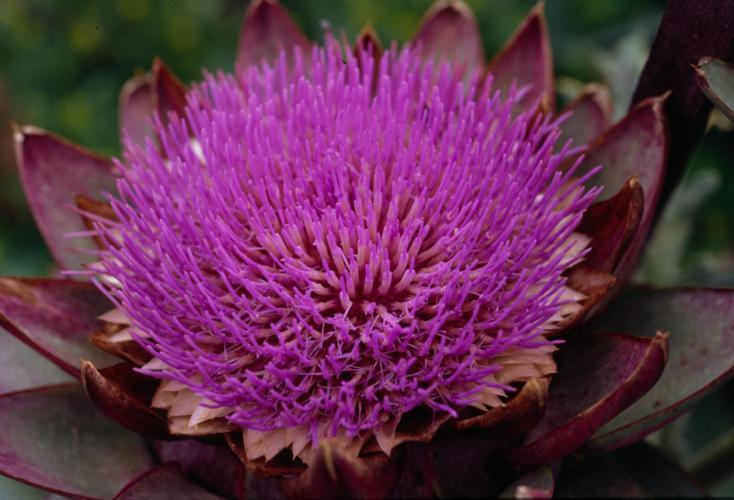
Artichoke
Cynara scolymus
The Artichoke, botanically designated as *Cynara cardunculus* (Scolymus Group) and commonly known as the Globe Artichoke, French Artichoke, or Green Artichoke, is a highly dramatic perennial thistle. Belonging to the family Asteraceae (the daisy or sunflower family, tribe Cynareae), this architec...
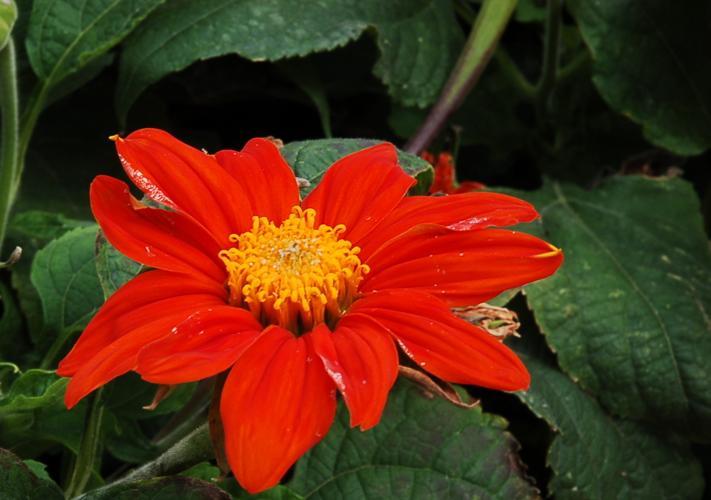
Orange Dahlia
Dahlia × hortensis
The Orange Dahlia, botanically designated under the genus *Dahlia* (particularly hybrids of *Dahlia pinnata*), is an exceptionally spectacular, highly vibrant tuberous perennial. Belonging to the family Asteraceae (the daisy or sunflower family, tribe Coreopsideae), this high-color classic is nat...
Similar Characteristics
4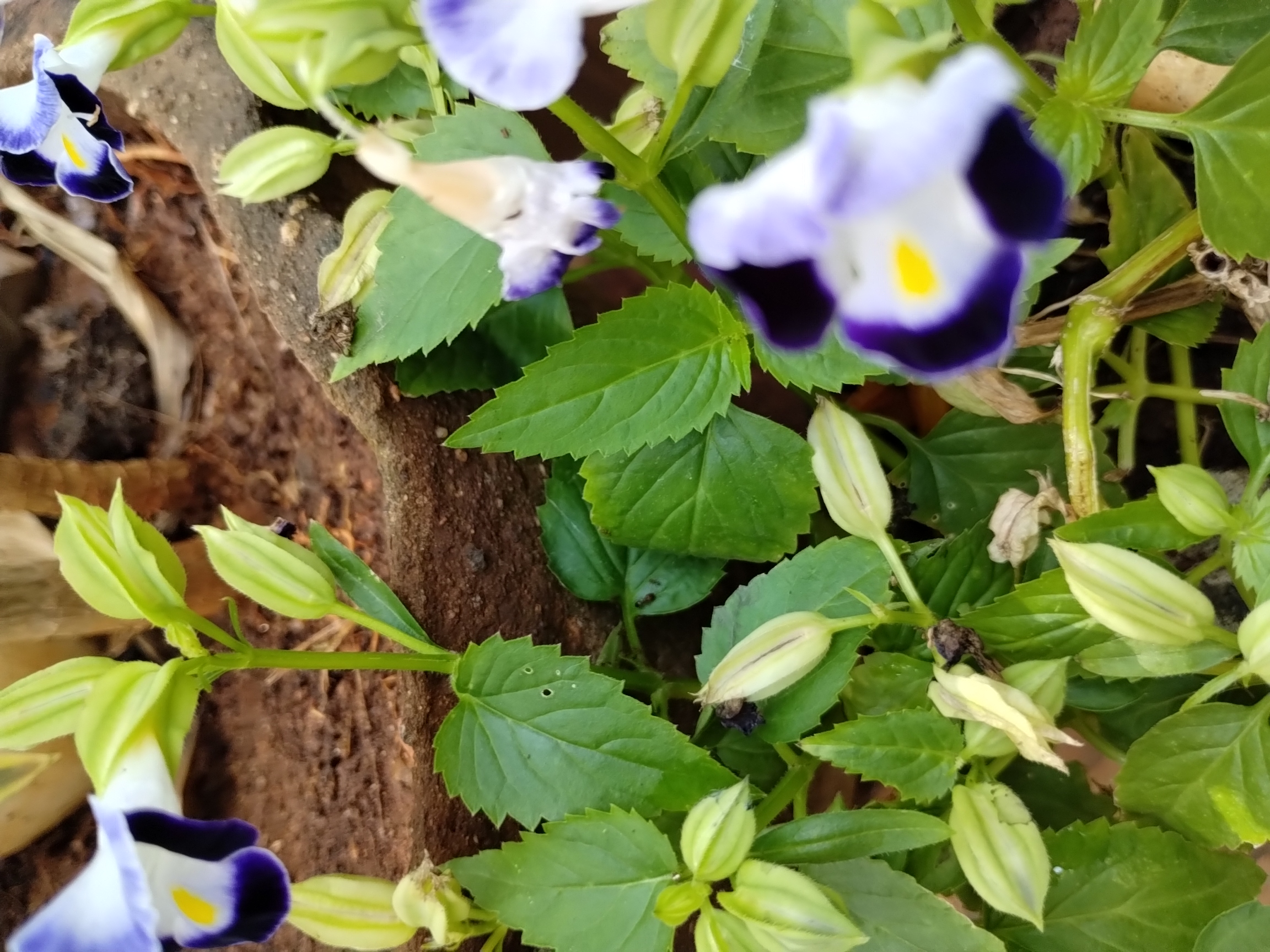
Bluewings
Torenia fournieri
The Wishbone Flower, botanically designated as Torenia fournieri and commonly called Bluewings, is an exceptionally charming, shade-loving tender annual. Belonging to the family Linderniaceae (formerly grouped under Scrophulariaceae), this beautiful plant is native to the moist, shady forest floo...
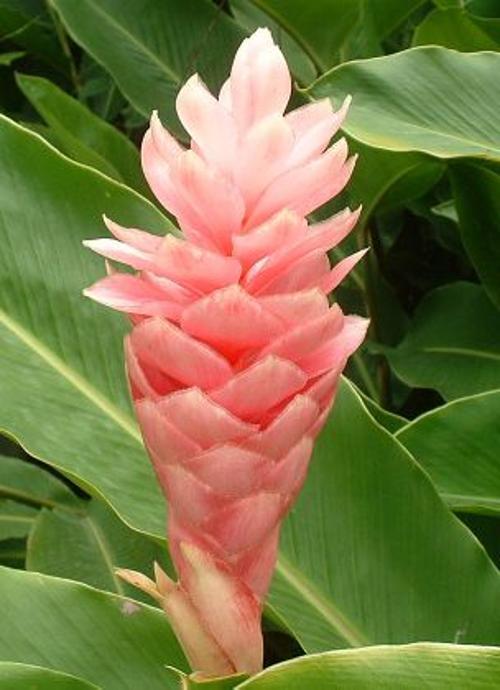
Red Ginger (Ostrich Plume)
Alpinia purpurata
The Red Ginger, botanically classified as Alpinia purpurata and commonly known as the Ostrich Plume, Tahitian Ginger, or Jungle King, is an exceptionally spectacular, exotic tropical rhizomatous perennial. Belonging to the family Zingiberaceae (the ginger family, tribe Alpinieae), this high-impac...
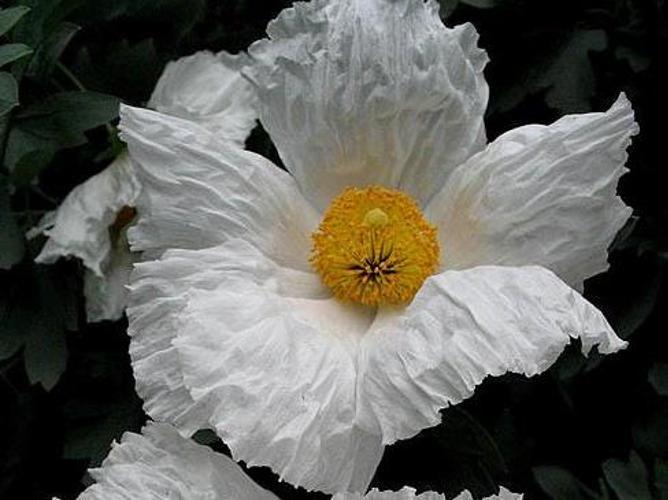
Pincushion
Scabiosa
The Pincushion Flower, botanically designated under the genus *Scabiosa* (particularly *Scabiosa atropurpurea*, known as the Sweet Scabious or Pincushion Flower), is an exceptionally charming, airy herbaceous perennial or annual. Belonging to the family Caprifoliaceae (the honeysuckle family, tri...
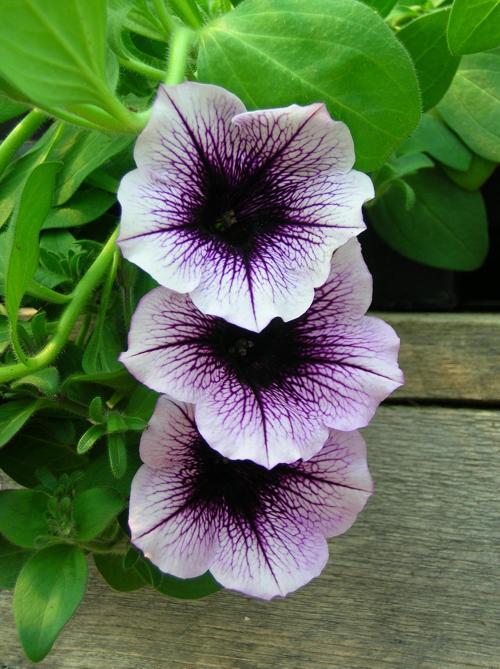
Petunia
Petunia
The Petunia, botanically designated under the genus *Petunia* (particularly the widely grown garden hybrid *Petunia × atkinsiana*), is an exceptionally popular, highly prolific annual or tender perennial. Belonging to the family Solanaceae (the nightshade family, tribe Petunioideae), this South A...