
📚 Regional Mango Names Guide
Did you know that Alphonso is called Badami in Karnataka and Hapus in Maharashtra? Explore our complete state-by-state guide mapping 30+ regional names across India.
Also known as: Bombai, Bombay, Peters, Raspuri, Paheri, Peter Pasand, Peheri
Typical diseases and disorders affecting this variety:
Detect these early using our Plant Guard AI.
Read our detailed Mango Diseases & Safety Guide.
Pairi (also known as Paheri or Pirie) is a highly esteemed, aromatic mango variety native to the coastal regions of Maharashtra and Goa. It is often considered the 'Queen of Fragrance' and is the primary rival to the Alphonso in the Mumbai and Konkan markets during the early summer months.
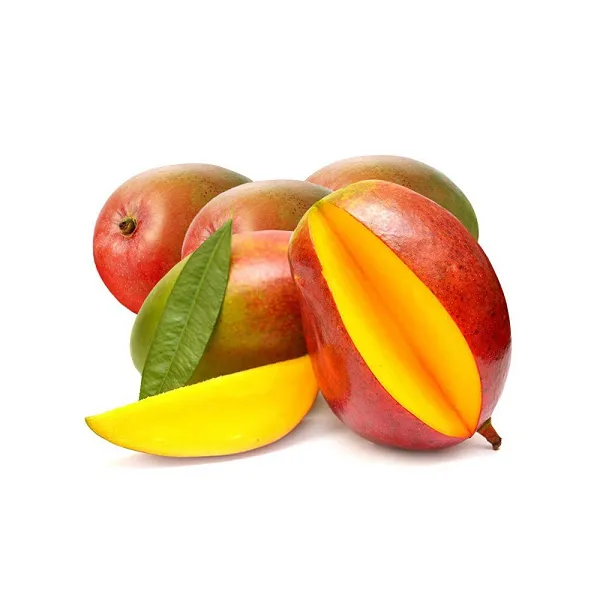
Physically, Pairi is a medium-sized mango, weighing between 200 and 300 grams. It has a distinct oval-round shape with a prominent, curved beak. The skin is thin and turns a beautiful yellow-orange with a spectacular reddish-pink blush on the shoulders when exposed to direct sunlight.
The flavor profile of Pairi is unique and intense. It is extremely sweet with a refreshing, spicy, and tangy undertone. The pulp is a vibrant orange-yellow, very juicy, and contains a minimal amount of very fine fiber. Its aroma is exceptionally strong and spicy-sweet, often filling an entire house as it ripens.
The Pairi season is early, arriving in late March and peaking in April and early May, often just before the main Alphonso crop. It is primarily cultivated along the Konkan coast of Maharashtra, Goa, and parts of Karnataka and Gujarat.
When comparing it to Alphonso, Kesar, and Sindoori, Pairi is prized for its juice. While Alphonso is the king of slices, Pairi is the king of 'Aamras'. Its juice is thinner, more aromatic, and has a more complex sweet-tangy profile. Discover more juice varieties at our Mango Identifier hub.
Post-harvest, Pairi is a very delicate fruit. It has a short shelf life of only 3-5 days once ripe. Its thin skin and high juice content make it susceptible to bruising and pressure damage, meaning it must be handled with extreme care and consumed quickly after purchase.
Tangy-sweet, balanced
Mild, fruity
Fibrous
Fibrous
How to tell if it's a genuine Pairi:
Did you know that Alphonso is called Badami in Karnataka and Hapus in Maharashtra? Explore our complete state-by-state guide mapping 30+ regional names across India.
A traditional favorite in Maharashtra and Goa, particularly for the preparation of authentic Konkani and Maharashtrian Aamras.
Often used in traditional summer rituals and festivals due to its early arrival and intoxicating fragrance.
Known in Goa as 'Afons' or 'Pirie', where it has been cultivated for centuries in heritage orchards.
Quick reference for identifying common healthy vs. problematic conditions:
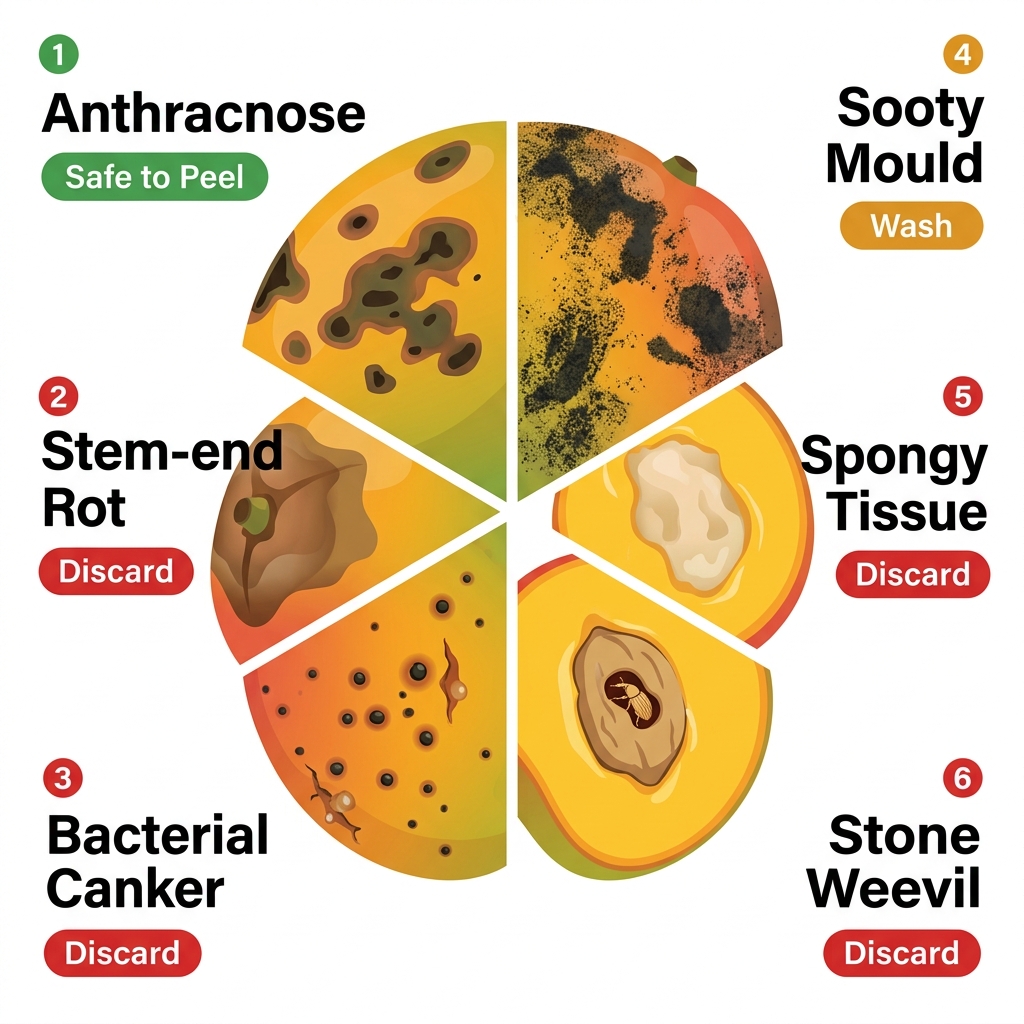
Pro Tip: Surface spots like Anthracnose are often harmless to the fruit inside, while Bacterial Canker or Stem-end Rot usually require discarding the fruit.
Ensure your Pairi mango is naturally ripened. Use Food Guard to detect Calcium Carbide and other chemical ripeners.