
📚 Regional Mango Names Guide
Did you know that Alphonso is called Badami in Karnataka and Hapus in Maharashtra? Explore our complete state-by-state guide mapping 30+ regional names across India.
Also known as: Sunehri
Typical diseases and disorders affecting this variety:
Detect these early using our Plant Guard AI.
Read our detailed Mango Diseases & Safety Guide.
Vanraj (which translates to 'King of the Forest' in Gujarati) is a highly striking, premium regional specialty mango variety native to the Vadodara district of Gujarat. It is famous across western India for its dramatic, highly colorful appearance and its excellent, tangy-sweet dessert qualities.
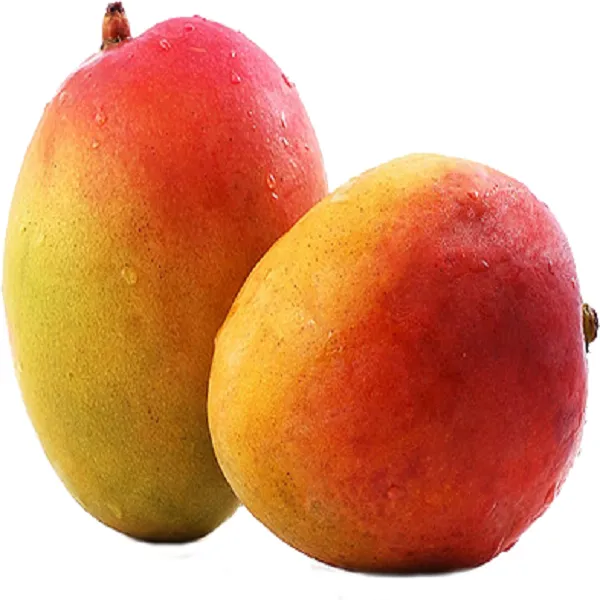
Physically, Vanraj is a medium to large mango, typically weighing between 300 and 450 grams, with an elegant oval-oblong shape and a rounded base. The skin is smooth, thick, and displays a spectacular, highly unique dark purple-red blush over a green-yellow background, especially on the upper shoulders.
The flavor profile is rich, robust, and tangy-sweet, offering an exceptional balance of sugars and acids that appeals greatly to mango purists. The deep orange-yellow flesh is firm, thick, and completely fiberless (none). It carries a pleasing, sweet fruity aroma with slight piney undertones.
The Vanraj season is mid-to-late, starting in mid-May, peaking in early June, and concluding by late June. It is primarily cultivated in the Vadodara, Narmada, Panchmahal, and Bharuch districts of Gujarat, with limited cultivation in neighboring districts of Maharashtra.
Compared to Kesar, Alphonso, and Jamadar, Vanraj is easily distinguished by its heavy purple-red skin blush, which Kesar lacks entirely. While Kesar has a sweet, perfume-like saffron flavor, Vanraj offers a bolder, slightly tangy, and more complex sweet-sour taste. It can also be distinguished from Saurashtra's local Jamadar variety, which stays yellow-green. Discover more varieties at the Mango Identifier hub.
Storage and post-harvest characteristics of Vanraj are excellent. Its thick, sturdy skin provides natural protection against bruising and insect damage, yielding a solid shelf life of 7 to 10 days at ambient temperatures. This durability makes it highly suited for transport to upscale urban markets.
For comparisons with other regional and specialized cultivars, explore our profiles on Pusa Arunima and Priyoor Mango.
Sweet, rich
Strong, aromatic
Smooth, minimal fiber
Minimal
How to tell if it's a genuine Vanraj:
Did you know that Alphonso is called Badami in Karnataka and Hapus in Maharashtra? Explore our complete state-by-state guide mapping 30+ regional names across India.
Vanraj has been grown for over a century in Gujarat, originally selected from a chance seedling in Vadodara and named for its majestic, colorful appearance resembling a forest king.
It is highly celebrated in Gujarati culinary traditions, particularly for making premium quality sweet pickles, thick mango shakes, and fresh slices.
It is considered a highly prestigious gift variety during the peak summer months in western India.
Quick reference for identifying common healthy vs. problematic conditions:
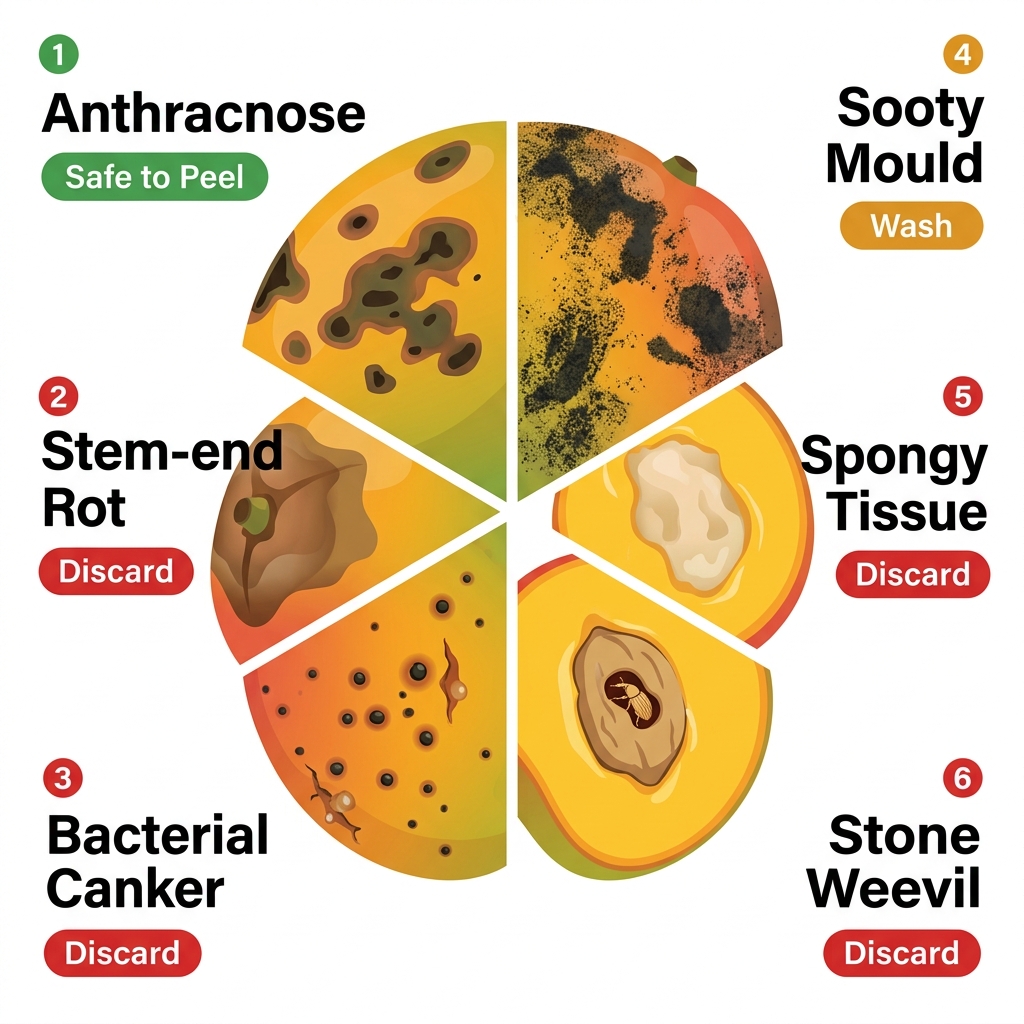
Pro Tip: Surface spots like Anthracnose are often harmless to the fruit inside, while Bacterial Canker or Stem-end Rot usually require discarding the fruit.
Ensure your Vanraj mango is naturally ripened. Use Food Guard to detect Calcium Carbide and other chemical ripeners.