Navigating the Mango Season & Orchard Health Safely
Mangoes (Mangifera indica) are the undisputed crown jewel of summer. However, the high ambient heat and humidity of tropical growing belts create an ideal breeding ground for dozens of fungal pathogens, bacterial blights, destructive insect pests, and physiological disorders.
For fruit consumers and culinary shoppers, the central question is urgent and practical: "Is this blemish just on the skin, or has the rot compromised the pulp? Is it safe to eat?"
For orchardists, farmers, and backyard gardeners, the concerns are structural: "Why are my flower panicles drying up? What is causing wart-like leaf galls, bunched 'witches broom' rosettes, or sudden branch dieback?"
To resolve both dilemmas with scientific clarity, this comprehensive guide segregates mango pathologies into two distinct domains:
- Part A: Fruit-specific diseases, post-harvest rots, fruit fly infestations, and internal mesocarp disorders that directly impact consumer safety and fruit edibility.
- Part B: Tree- and plant-specific foliar pests, blossom blighters, wood borers, and micronutrient deficiencies that threaten orchard canopy vigor and future harvest yields.
Scan & Identify Mango Varieties with BioLens AI
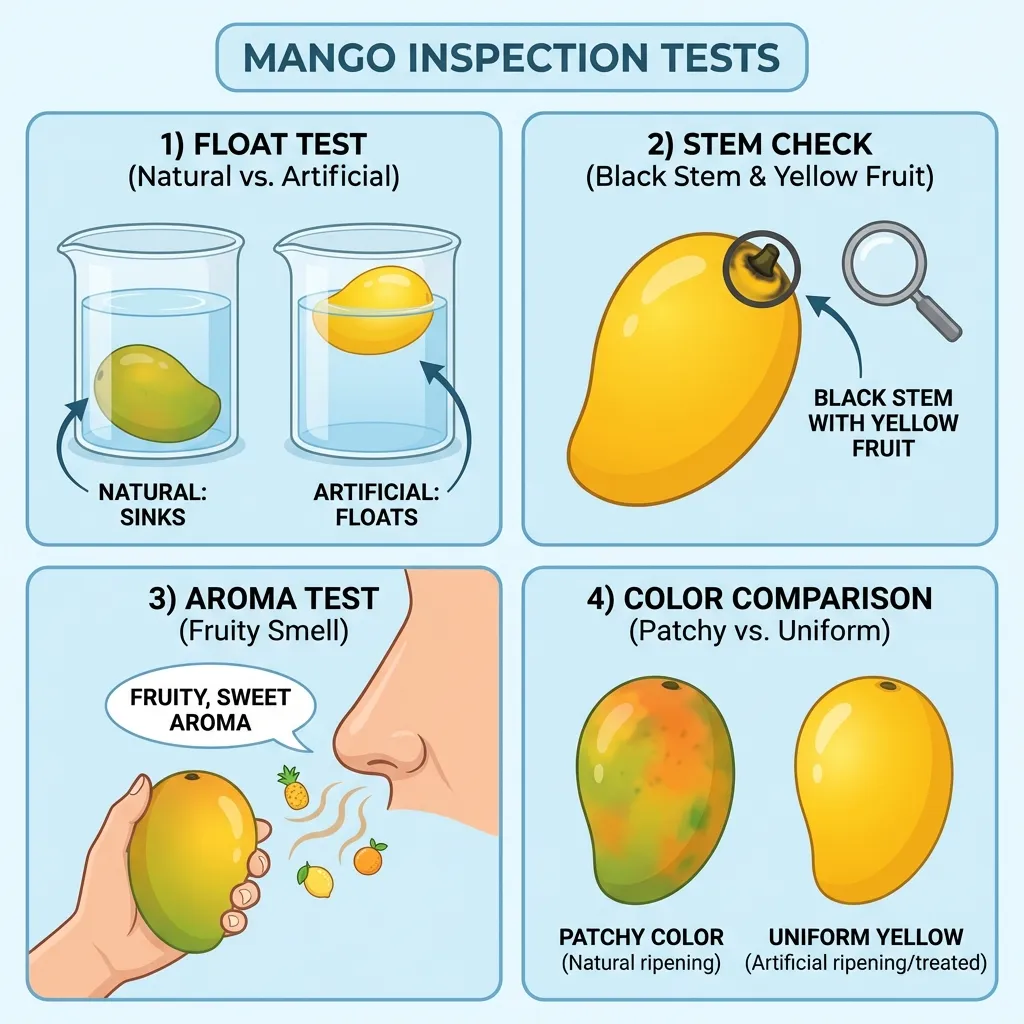
Snap or upload any mango from your local mandi, supermarket crate, or orchard tree. BioLens accurately classifies the cultivar, estimates Brix sweetness, and detects surface fungal rot or artificial carbide ripening anomalies.
Part A: Mango Fruit-Specific Diseases, Post-Harvest Rots & Edibility Guide
Fruit-specific disorders compromise the appearance, texture, aroma, and microbiological safety of the harvested mango. While some external blemishes are purely cosmetic, others indicate deep toxigenic mycelial growth or insect contamination.
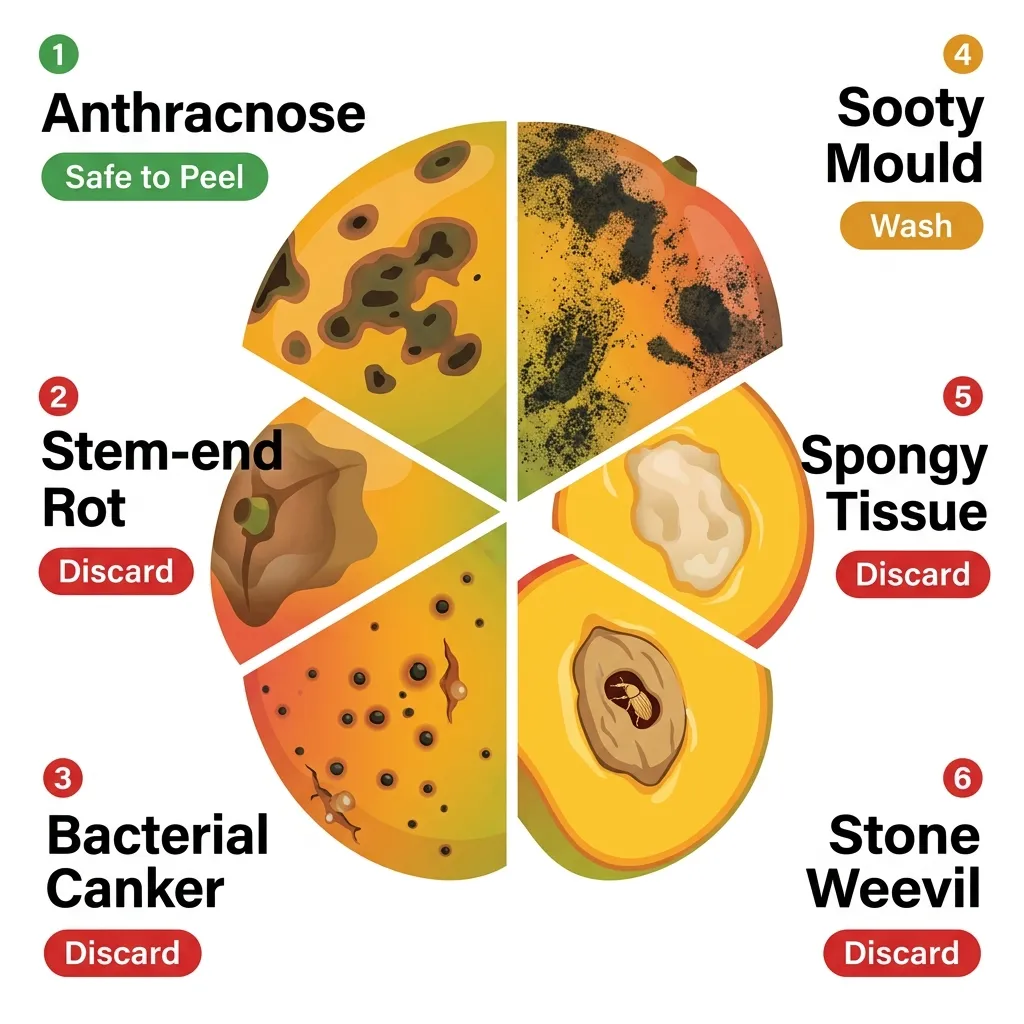
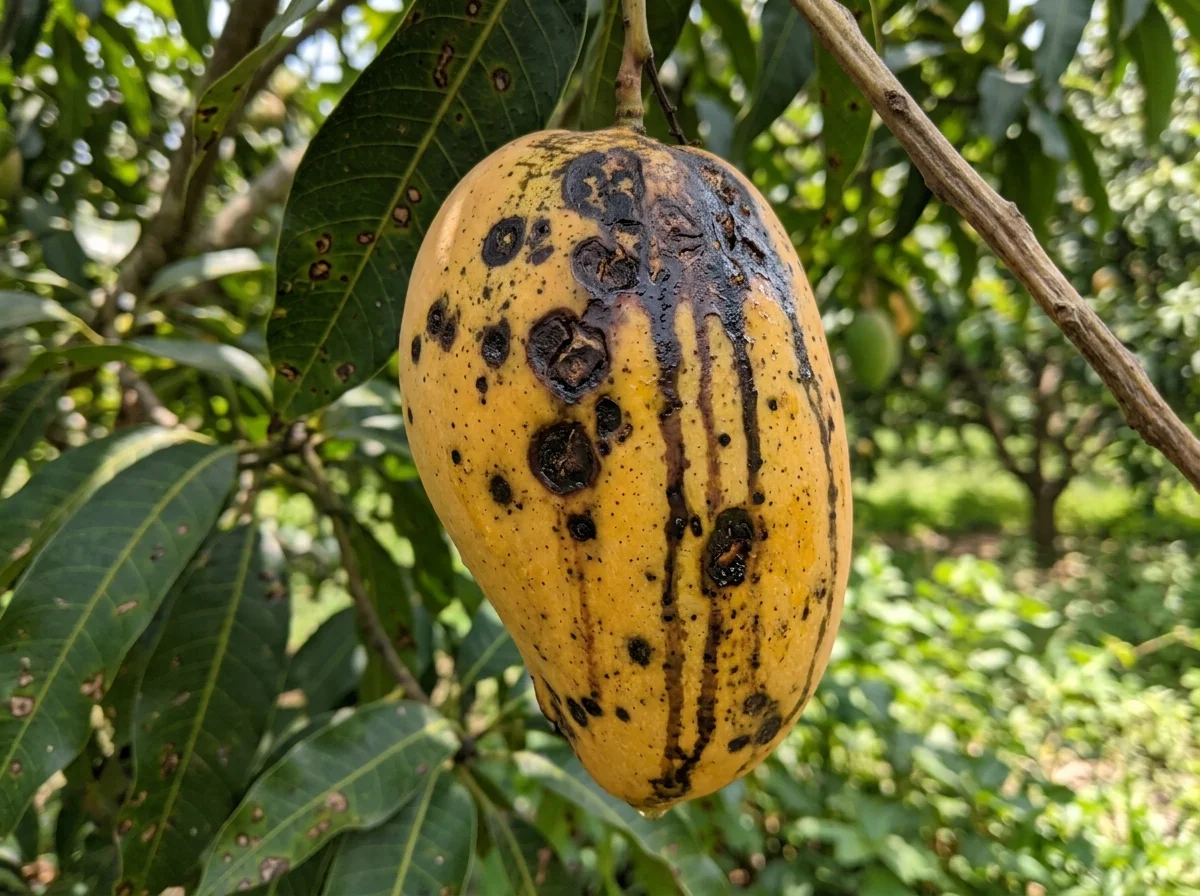
1. Anthracnose Fruit Rot (Colletotrichum gloeosporioides)
- Affected Cultivars: Highly prevalent in Imam Pasand, Malgova, Langra, Dasheri, Himsagar, and Pairi.
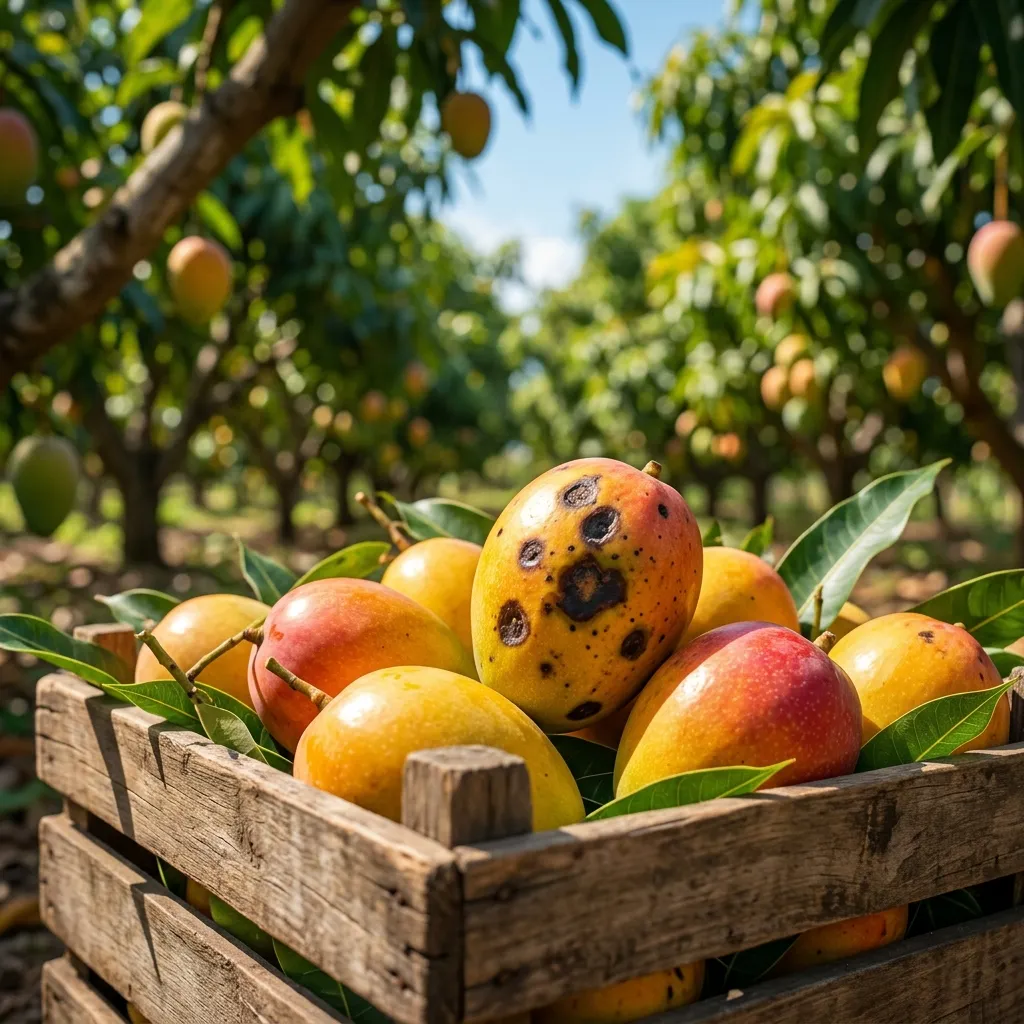
- Diagnostic Symptoms: Begins as minute, circular, dark brown to black sunken spots on the peel. Under humid monsoon conditions, these lesions coalesce into extensive tear-stain patterns that crack open and produce pinkish-orange gelatinous spore masses.
- Internal Pulp Impact: Early surface spots remain confined to the epidermal peel. However, as the fruit ripens, fungal hyphae rapidly penetrate the mesocarp, transforming sweet golden pulp into a brown, watery, mushy decay.
- Consumer Safety Verdict: TRIM AWAY OR DISCARD. If lesions are small, dry, and restricted to the outer 1–2 mm of peel, generously excise the skin and consume the firm underlying pulp. If decay has reached the pulp or smells fermented, discard immediately to avoid ingesting fungal mycotoxins.
- Diagnostic Profile: Explore the complete life cycle and orchard spray schedules in our dedicated Anthracnose Plant Disease Guide.
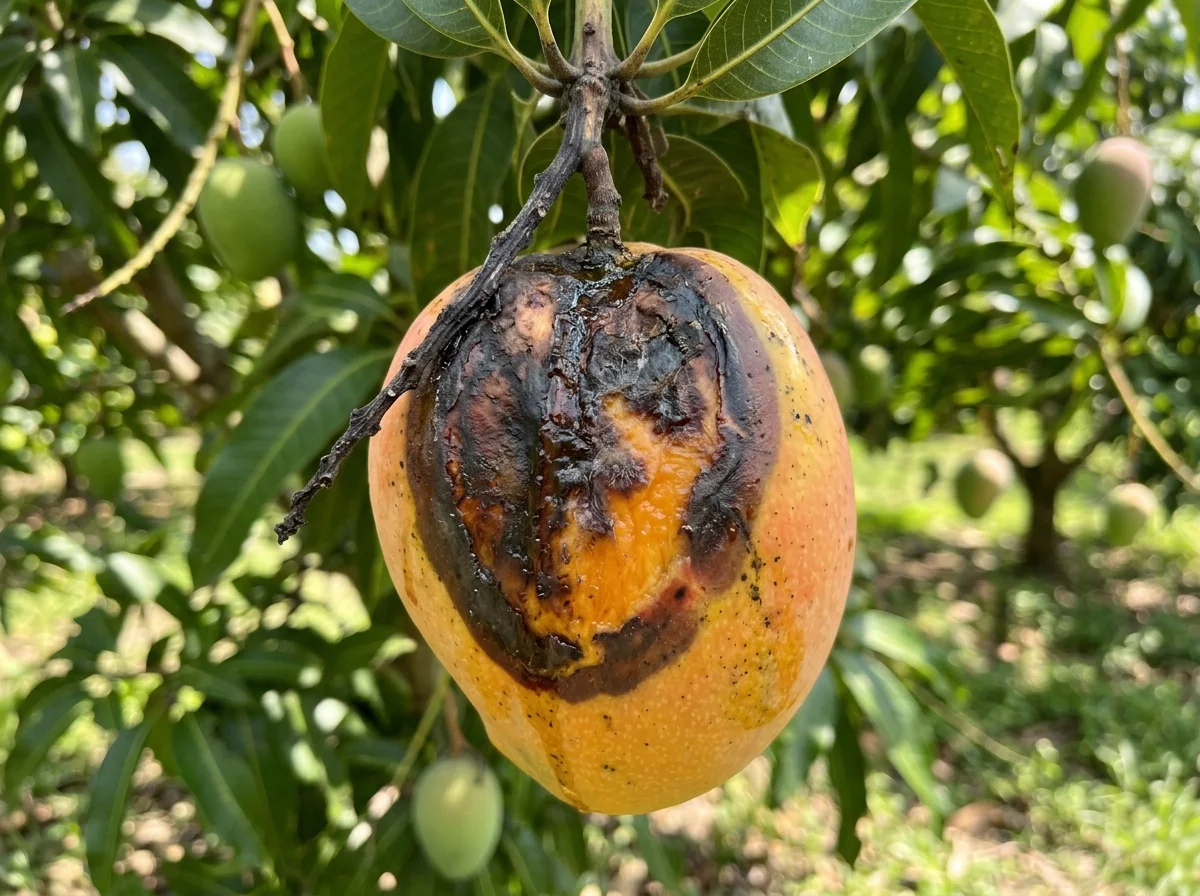
2. Stem-End Rot (Lasiodiplodia theobromae / Phomopsis mangiferae)
- Affected Cultivars: Exceptionally destructive in Alphonso, Banganapalli, Malgova, and Rumani.
- Diagnostic Symptoms: A dark brown to charcoal-black discoloration initiating at the pedicel (stem attachment button) that rapidly moves downward along the fruit shoulders.
- Internal Pulp Impact: Lasiodiplodia is an aggressive endophytic pathogen. Within 24 to 48 hours of appearance, the rot travels directly through the vascular bundles into the core, liquefying the pulp into a foul-smelling, brown, carbonaceous mass.
- Consumer Safety Verdict: STRICTLY DISCARD. Unlike superficial peel spots, stem-end rot renders the entire mesocarp unpalatable, bitter, and microbiologically hazardous. Never attempt to salvage fruit with advancing stem-end blackening.
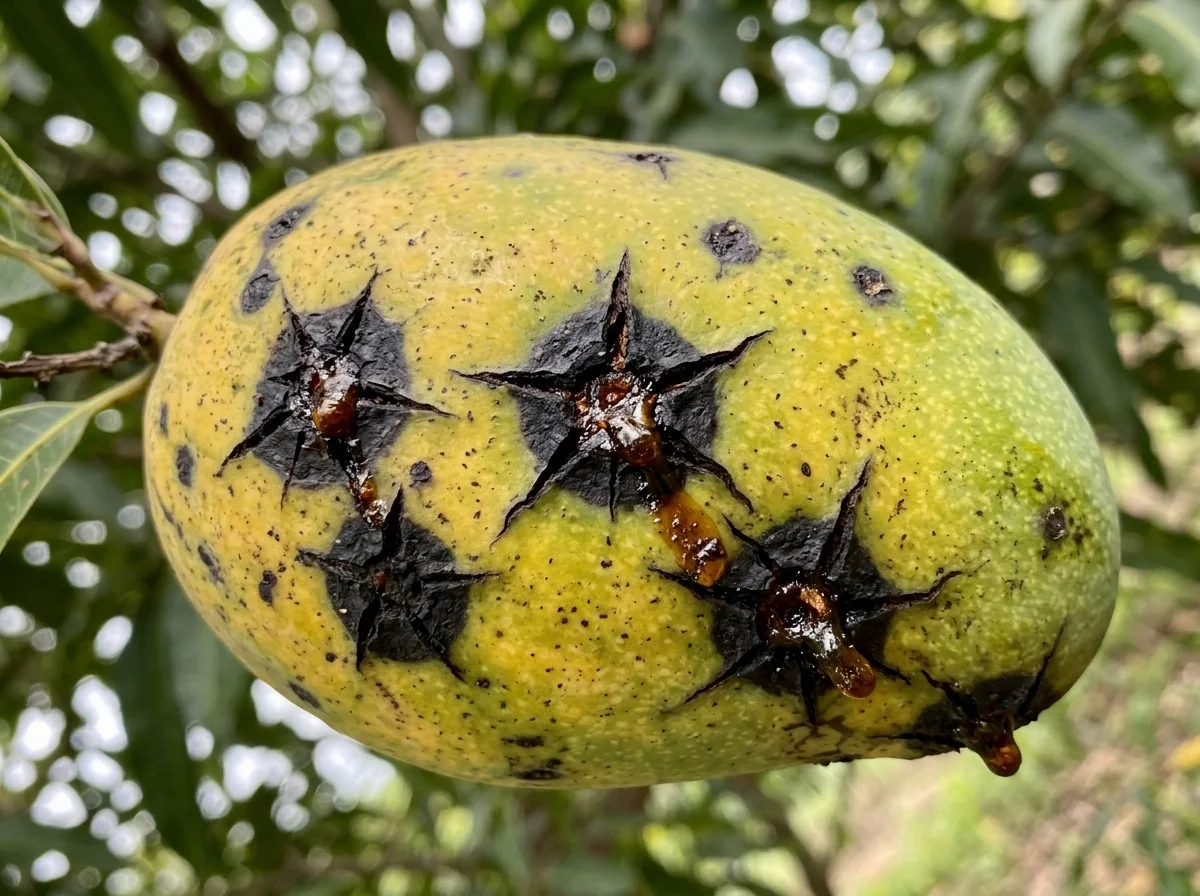
3. Bacterial Black Spot / Canker (Xanthomonas citri pv. mangiferaeindicae)
- Affected Cultivars: Widespread on Langra, Dasheri, Amrapali, and Kesar.
- Diagnostic Symptoms: Elevated, water-soaked, angular black lesions that develop rough, star-shaped cracks. Lesions frequently exude a sticky, gummy sap containing millions of bacterial cells.
- Internal Pulp Impact: Primarily restricted to the peel and immediate sub-epidermal layers. The bacteria do not produce systemic liquefying toxins in deep mesocarp tissue.
- Consumer Safety Verdict: EXCISE PEEL WITH CAUTION. If restricted to minor surface scab patches, wash the fruit with warm water, peel generously past the blemish, and enjoy the pulp. Discard only if the deep star fissures have allowed secondary molds or fruit flies to enter.
- Diagnostic Profile: View clinical symptoms in our dedicated Bacterial Canker Disease Guide.
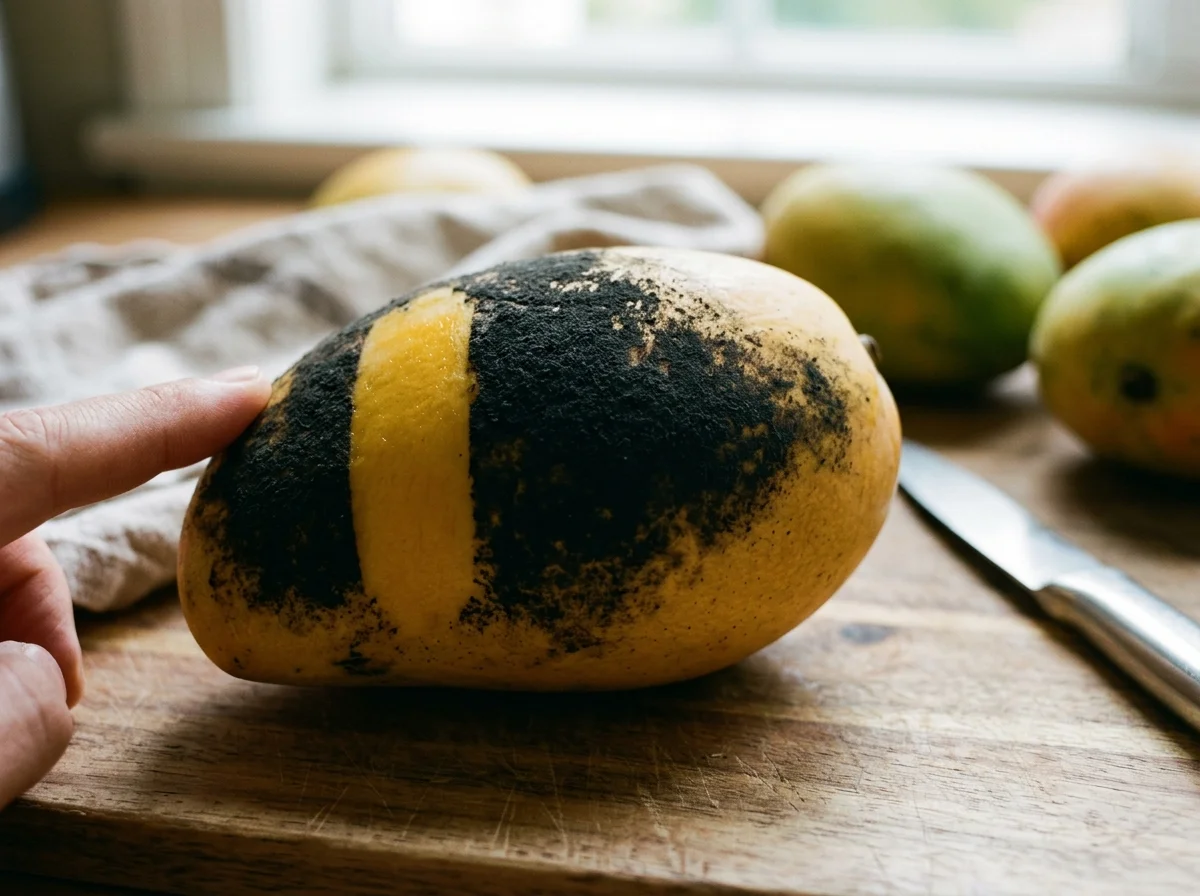
4. Sooty Mold on Fruit Surface (Meliola mangiferae / Capnodium mangiferae)
- Affected Cultivars: Common across all sweet cultivars, particularly Dasheri, Chausa, and Totapuri.
- Diagnostic Symptoms: A thin, velvety, charcoal-black papery sheet covering the shoulders and sides of the fruit, resembling chimney soot or ash.
- Internal Pulp Impact: ZERO. Sooty mold is a saprophytic, non-parasitic surface fungus that feeds strictly on honeydew excreta dropped by sapsucking mango hoppers and mealybugs. It does not penetrate the fruit peel.
- Consumer Safety Verdict: 100% SAFE TO CONSUME. This disorder is purely cosmetic. Gently wipe or wash the fruit with clean lukewarm water and a soft cloth. The skin underneath will be pristine, and the sweet pulp is completely wholesome.
- Diagnostic Profile: Read complete orchard management protocols in our Sooty Mold Plant Disease Guide.
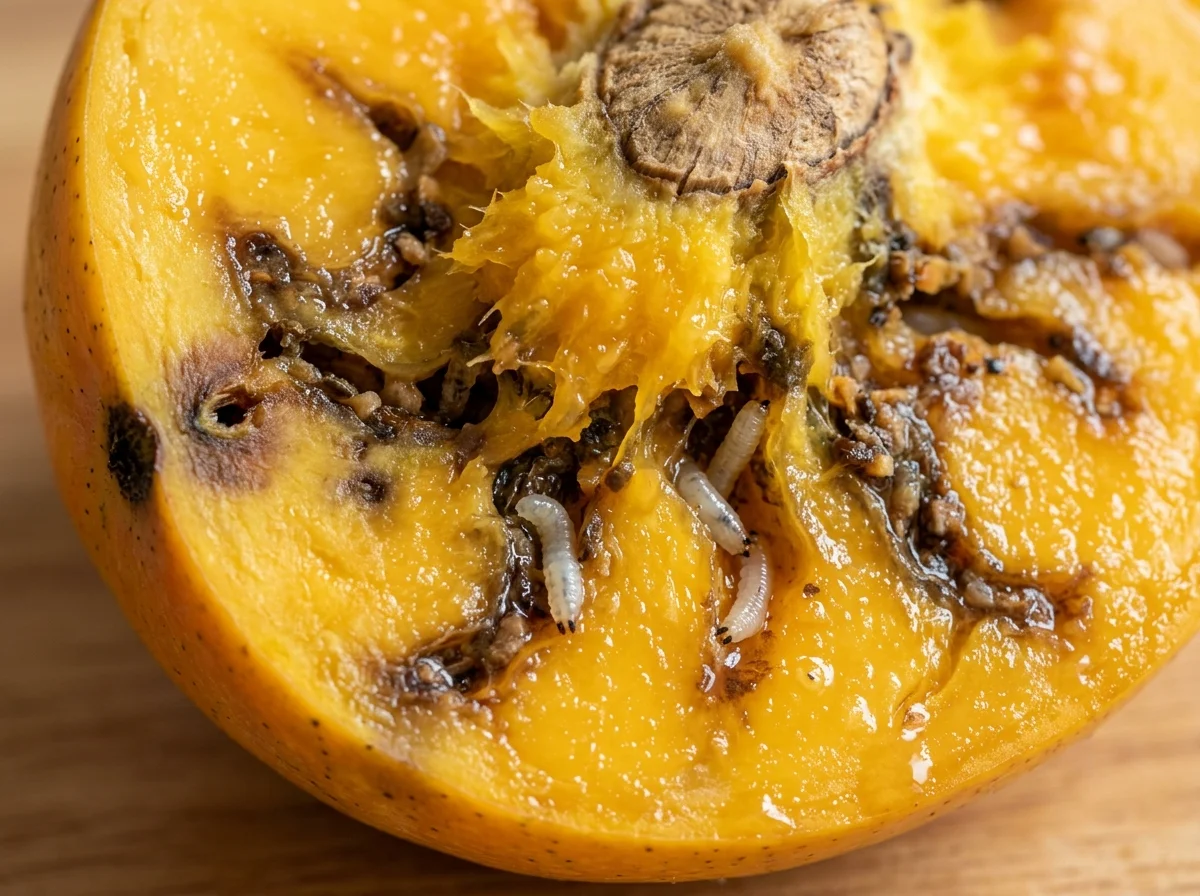
5. Oriental Fruit Fly (Bactrocera dorsalis) & Stone Weevil (Sternochetus mangiferae)
- Affected Cultivars: High incidence in late-season cultivars like Neelum, Totapuri, Banganapalli, and Malgova.
- Diagnostic Symptoms:
- Fruit Fly: Tiny brown puncture oviposition marks on the peel. As fruit softens, the area around the puncture turns soft, discolored, and watery. Slicing reveals white, writhing maggots tunneling through decomposing pulp.
- Stone Weevil: The adult female oviposits on tiny fruitlets; the larva bores directly into the seed stone without leaving visible external peel scars. The infestation is only discovered when cutting open a fully ripe mango.
- Consumer Safety Verdict: STRICTLY DISCARD INFESTED PULP. Fruit fly maggots introduce secondary enterobacteria, causing rapid putrefaction. Stone weevil damage near the seed impart a bitter, metallic taste. Always inspect mangoes thoroughly around the stone before serving.
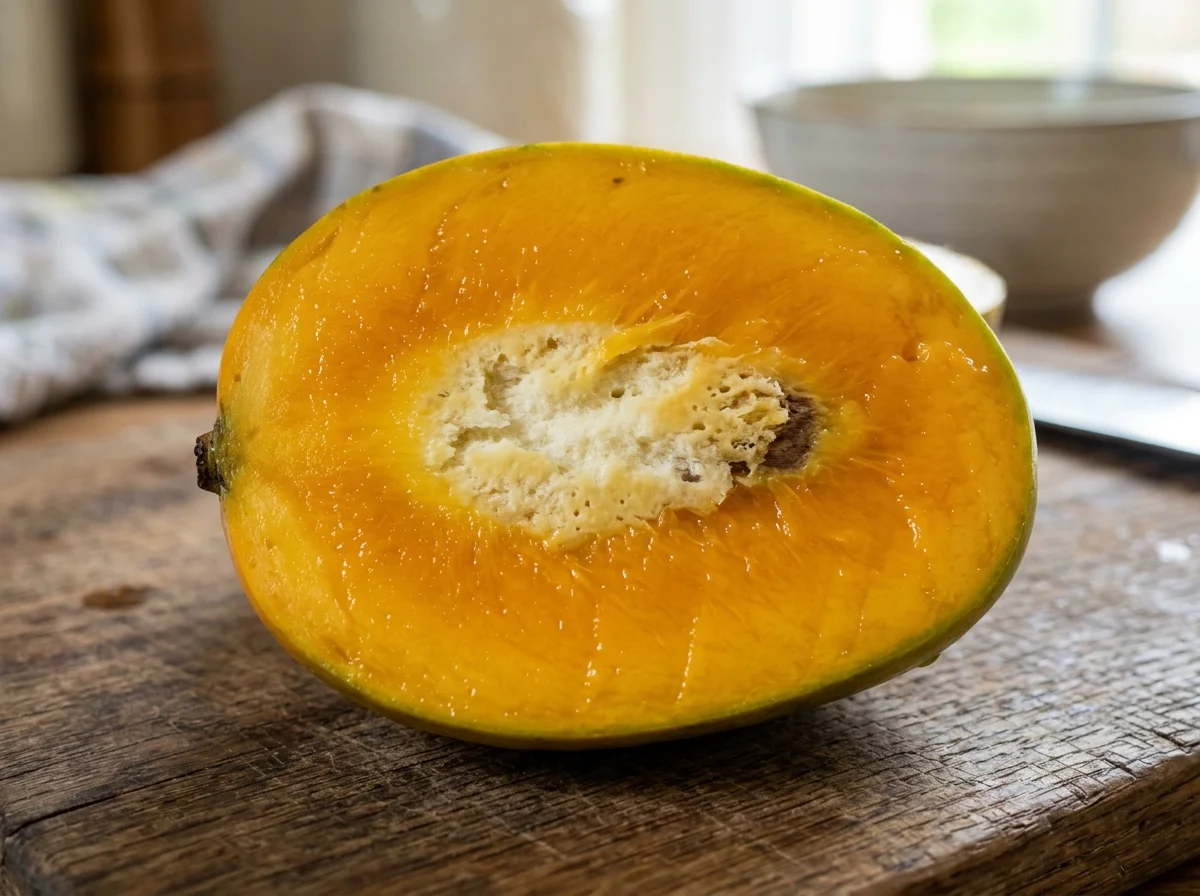
6. Spongy Tissue (Alphonso Mesocarp Breakdown)
- Affected Cultivars: Infamous physiological disorder predominantly affecting Alphonso / Hapus.
- Diagnostic Symptoms: The fruit appears outwardly gorgeous, radiant golden-yellow, and aromatic. However, upon slicing, internal patches of the mesocarp remain pale yellowish-white, corky, dry, and spongy.
- Causative Factors: Driven by high convective heat radiation from the ground into low-hanging fruits, triggering premature seed germination enzymes (alpha-amylase) that degrade starch into sour metabolic byproducts.
- Consumer Safety Verdict: SAFE BUT SOUR. Spongy tissue is not caused by any pathogen and produces no toxic compounds. However, the spongy patch is sour, astringent, and unpleasant. Simply scoop out and discard the white spongy segment; the remaining saffron pulp is completely safe and delicious.
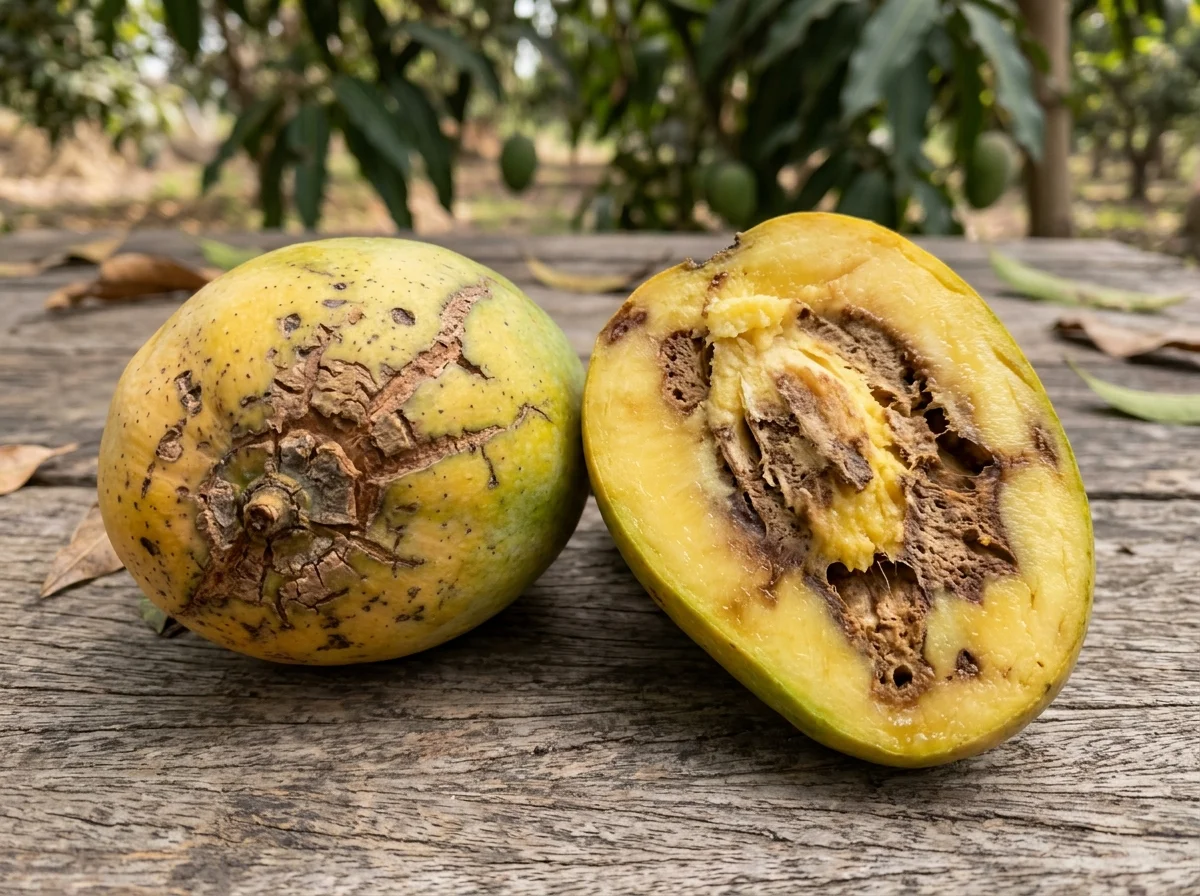
7. Internal Necrosis & Fruit Splitting (Boron Micronutrient Deficiency)
- Affected Cultivars: Frequent in Dasheri, Langra, and Amrapali grown in alkaline, calcium-rich, or severely leached soils.
- Diagnostic Symptoms: Hard, dark brown to black corky necrotic spots develop near the tip and core of the fruit. In severe stages, the distal end of the fruit splits open longitudinally while still on the tree.
- Consumer Safety Verdict: DISCARD NECROTIC PULP. Hard, blackened internal necrotic tissue is leathery, bitter, and degraded. If limited to the apex, cut away generously; if widespread, discard.
- Diagnostic Profile: Learn about soil boron amendments and foliar borax sprays in our Boron Deficiency Diagnostic Profile.
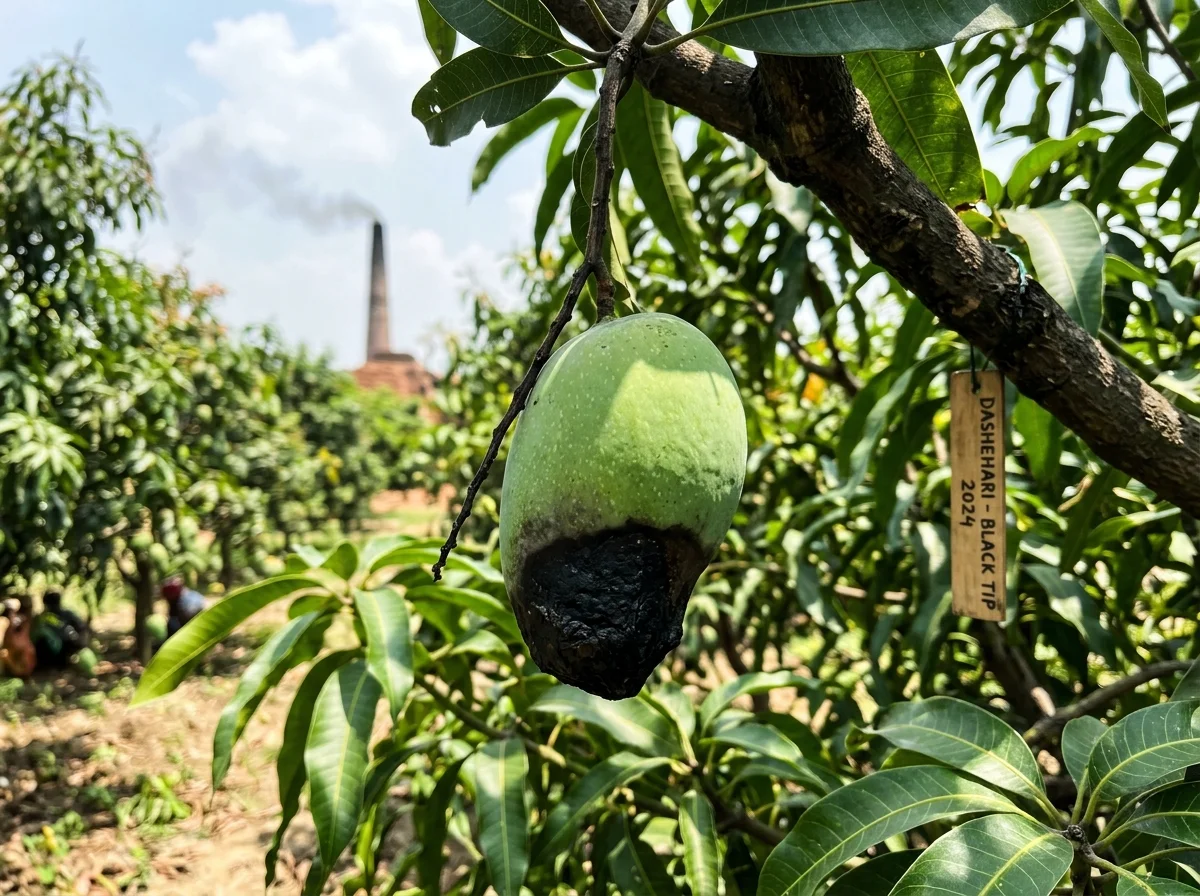
8. Black Tip / Chimney Disorder (Industrial Brick Kiln Fumes)
- Affected Cultivars: Noted extensively in northern Indian mango belts surrounding Lucknow, Malihabad, and Varanasi.
- Diagnostic Symptoms: The distal tip of the fruit develops a prominent, flattened, dark-brown or coal-black necrotic cap that hardens prematurely while the upper fruit remains green.
- Causative Factors: Atmospheric pollution caused by sulfur dioxide (SO2), carbon monoxide, and ethylene fumes emitted from unsealed brick kilns operating within a 1.5-kilometer radius of orchards, exacerbated by low boron levels.
- Consumer Safety Verdict: CUT AWAY DISTAL END. The black tip tissue is completely desiccated and hard. If harvested before internal decay sets in, slicing off the bottom third allows consumption of the unaffected upper shoulders.
Master Fruit Safety & Edibility Diagnostic Matrix Table
Use this rapid decision matrix when inspecting fresh market mangoes or harvested fruit crates:
| Disorder / Pathology | Causative Agent | External Peel Appearance | Internal Mesocarp State | Can I Wash & Peel? | Safety Verdict |
|---|---|---|---|---|---|
| Anthracnose | Colletotrichum gloeosporioides (Fungus) | Sunken, dark circular lesions; tear stains | Brown, watery, soft rotting pulp | Only if lesions are strictly superficial | Trim Away if minor; Discard if pulp is soft |
| Stem-End Rot | Lasiodiplodia theobromae (Fungus) | Dark blackening radiating from pedicel | Rapid vascular browning; fermented core | No; rot moves internally from stem | STRICTLY DISCARD; bitter & toxic |
| Bacterial Canker | Xanthomonas citri (Bacteria) | Elevated, star-cracked black scabs with gum | Usually unaffected unless cracks are deep | Yes; peel deeply past the scab | Safe to Eat after generous peeling |
| Sooty Mold | Meliola mangiferae (Superficial Fungi) | Dry, black, ashy or velvety coating | Pristine, firm, sweet golden pulp | Yes; 100% washes off with water | 100% SAFE; purely cosmetic |
| Fruit Fly Maggots | Bactrocera dorsalis (Insect Larvae) | Minute brown oviposition puncture | Decomposed pulp with active white maggots | No; larvae tunnel throughout fruit | STRICTLY DISCARD; unhygienic |
| Spongy Tissue | Heat Stress / Alpha-Amylase (Disorder) | Normal, radiant, unblemished peel | Pale white/yellow spongy sour pocket | Yes; not a microbial pathogen | Safe; scoop out sour sponge |
| Boron Necrosis | Micronutrient Hunger (Deficiency) | Distal skin cracking and corky spots | Hard, brown, leathery core browning | Yes; cut away hard blackened areas | Trim Away affected tip; eat shoulders |
| Aspergillus Rot | Aspergillus niger (Storage Mold) | Powdery black decay on bruised areas | Mycotoxin-laden soft black breakdown | No; fungal toxins disperse through pulp | STRICTLY DISCARD; mycotoxin danger |
Diagnose Mango Deficiencies & Orchard Pests at BioLens Crop Hub
Explore the dedicated BioLens Mango Crop Hub for in-depth agronomic guidance on Zinc 'Little Leaf' rosetting, Boron internal necrosis, seasonal spray schedules, and organic orchard protection.
Part B: Mango Plant & Tree-Specific Diseases, Orchard Pests & Deficiencies
While consumers evaluate harvested fruit, orchard health is dictated by foliar pathogens, blossom blighters, cambium borers, and root pests. Neglecting these tree-level threats decimates fruit set and can kill mature trees.
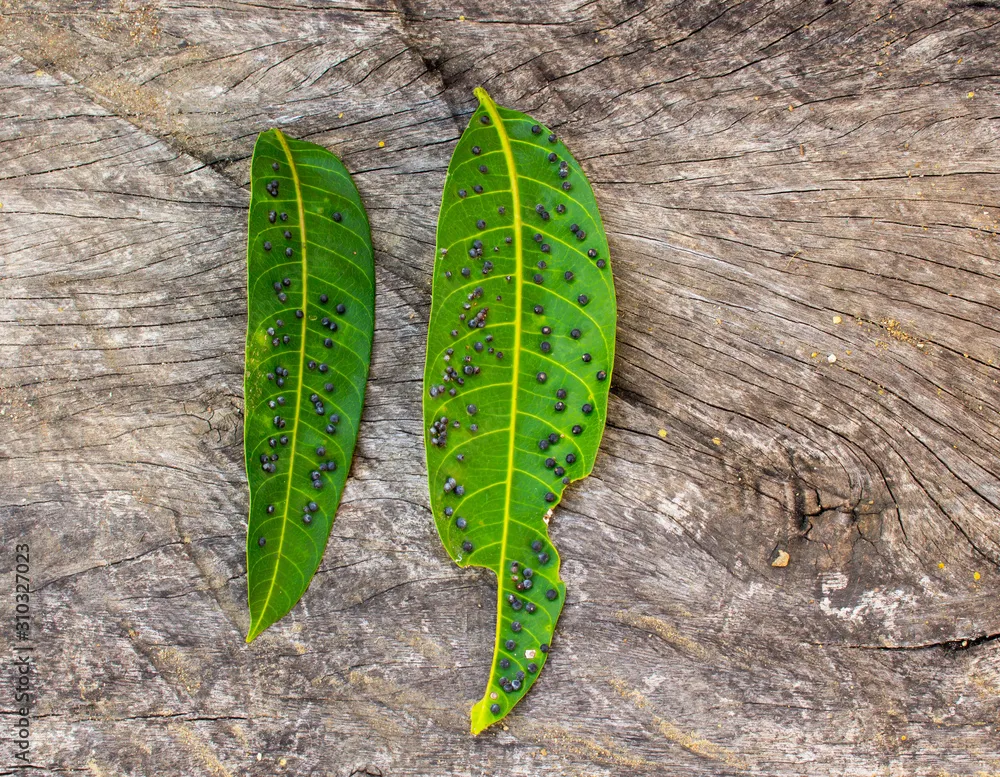
1. Mango Gall Midge (Procontarinia matteiana / Erosomyia mangiferae)
- Target Plant Organs: Tender flush leaves, vegetative buds, inflorescence panicles, and tiny fruitlets.
- Diagnostic Symptoms: Tiny cecidomyiid flies lay eggs inside tender tissues. Larval feeding induces characteristic wart-like, circular blister galls on leaf blades. Heavy infestation causes leaves to curl, blister, and drop prematurely, while panicle-gall midges cause complete floral collapse.
- Orchard Impact: Reduces photosynthetic leaf canopy by up to 60% and causes total failure of fruit set on infested flower panicles.
- Management: Soil application of neem cake and timely foliar sprays of systemic insecticides or biological entomopathogenic fungi (Beauveria bassiana) during the flush period.
- Detailed Profile: View clinical symptoms in our dedicated Mango Gall Midge Guide.
2. Mango Hopper (Idioscopus clypealis / Amritodus atkinsoni)
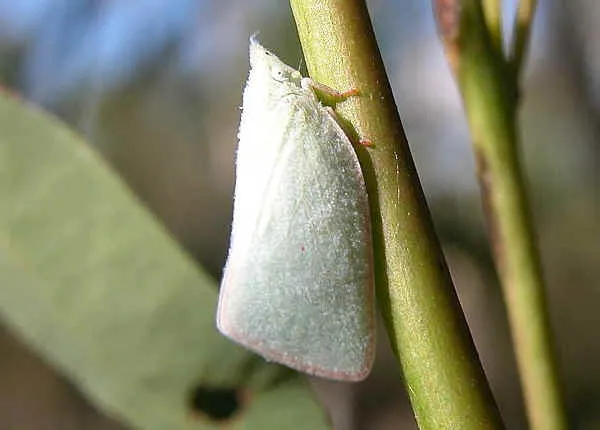
- Target Plant Organs: Inflorescence panicles, flower buds, and tender spring flushes.
- Diagnostic Symptoms: Wedge-shaped, quick-moving brown hoppers aggregate by the thousands on blossom clusters. Adults and nymphs pierce tissues to suck cell sap, causing panicles to turn brown, desiccate, and drop ("blossom blight").
- Secondary Complication: Hoppers excrete copious amounts of sticky, sugar-rich honeydew, which coats leaves and flowers, triggering devastating secondary outbreaks of Sooty Mold.
- Orchard Impact: The single most destructive insect pest of mango in Asia, capable of causing 80% to 100% loss of fruit set if left unmanaged during flowering.
- Detailed Profile: View lifecycle and control measures in our dedicated Mango Hopper Guide.
3. Mango Powdery Mildew (Oidium mangiferae)
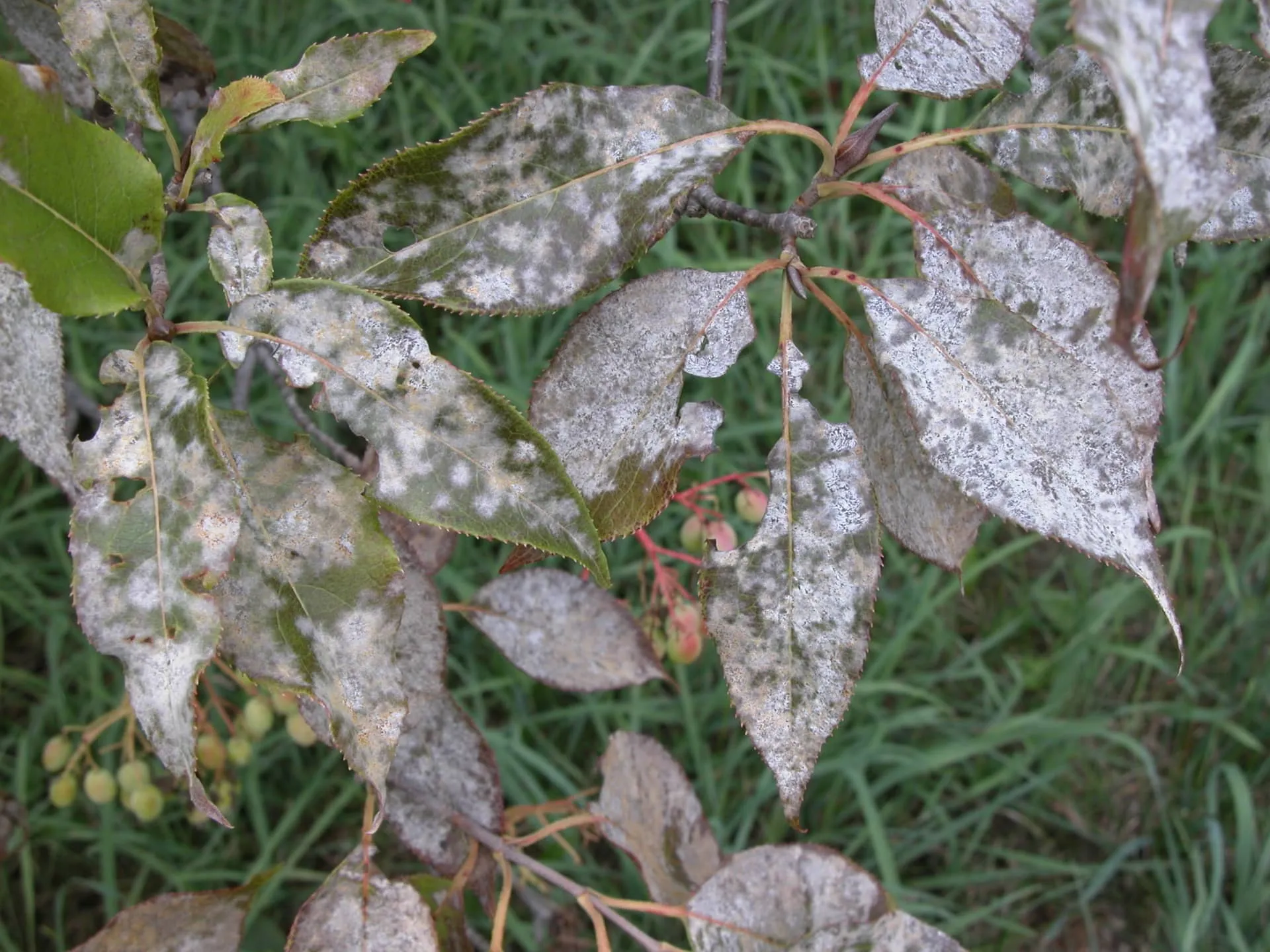
- Target Plant Organs: Floral panicles, flower stalks, and young developing fruitlets.
- Diagnostic Symptoms: White, powdery, talcum-like mycelial growth rapidly blankets blossoming panicles and tender leaves. Infected flowers fail to open and drop off, leaving bare panicle main axes (rachises). Surviving fruitlets turn brown and drop prematurely.
- Environmental Trigger: Warm days combined with cool, humid nights during the spring flowering window (February to March).
- Detailed Profile: Read full organic and chemical spray schedules in our Powdery Mildew Plant Disease Guide.
4. Mango Mealybug (Drosicha mangiferae)
- Target Plant Organs: Tree trunks, main scaffold branches, terminal twigs, and fruit clusters.
- Diagnostic Symptoms: Large, flattened, pinkish-white nymphs covered in heavy, waxy, cottony secretions. In December and January, millions of nymphs hatch from eggs buried in the soil and crawl up the trunk to congregate on growing shoots.
- Management: Tree banding with slick plastic sheets or grease barriers around the lower trunk in early winter completely prevents nymphs from climbing into the canopy.
- Detailed Profile: View detailed pest biology in our Mango Mealybug Guide.
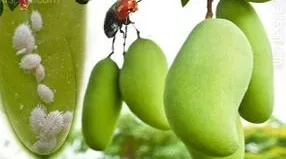
5. Mango Stem Borer (Batocera rufomaculata)
- Target Plant Organs: Main trunk, scaffold crotches, and thick structural branches.
- Diagnostic Symptoms: Large, longhorn beetles deposit eggs in bark crevices. Massive fleshy grubs chew zig-zag tunnels through the vascular cambium and sapwood, extruding reddish-brown sawdust-like frass and chewed wood fibers through bark exit holes.
- Orchard Impact: Girdles the vascular system, causing massive branches to wither and collapse. Can kill century-old heritage trees if left unchecked.
- Detailed Profile: Explore trunk injection and mechanical extraction protocols in our Stem Borer Guide.
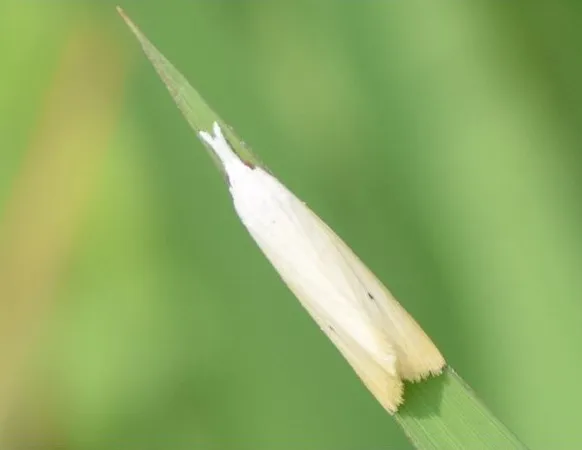
6. Mango Thrips (Scirtothrips dorsalis)
- Target Plant Organs: Tender leaves, emerging panicles, and pea-sized developing fruitlets.
- Diagnostic Symptoms: Tiny, slender, fringed-winged insects that rasp the epidermis and suck oozing sap. Leaves develop upward curling with brownish-bronze discoloration on the underside. Feeding on developing fruitlets causes severe surface russeting and alligator skin scarring that persists through harvest.
- Detailed Profile: Check spray thresholds in our Thrips Diagnostic Profile.
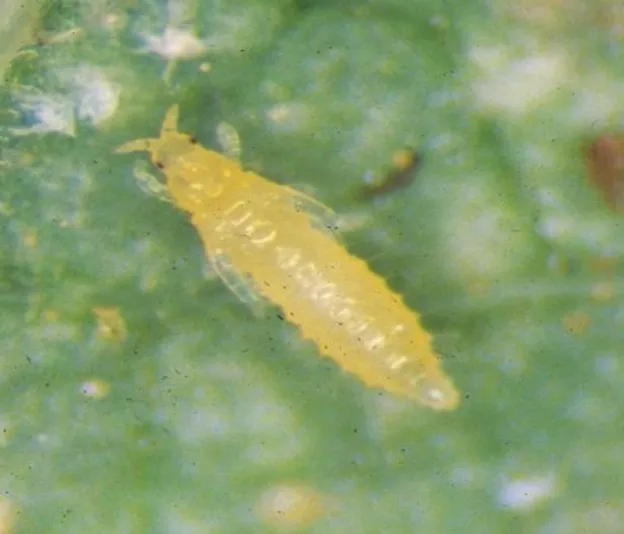
7. Zinc Micronutrient Deficiency: "Little Leaf" Rosetting
- Target Plant Organs: New vegetative shoot flushes.
- Diagnostic Symptoms: Severe interveinal chlorosis (yellowing between green veins) on young leaves. Leaves become drastically reduced in length and width, brittle, thick, and bunched tightly together in compact terminal rosettes ("Little Leaf").
- Correction: Foliar application of zinc sulfate (ZnSO4) buffered with lime during early spring flushes.
- Detailed Profile: View foliar comparisons in our Mango Zinc Deficiency Profile and explore broader crop diagnostics at our Mango Crop Hub.
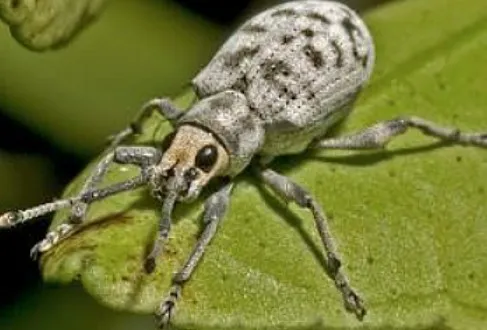
8. Mango Ash Weevil (Myllocerus subfasciatus)
- Target Plant Organs: Foliar margins and underground feeder roots.
- Diagnostic Symptoms: Adult weevils feed along leaf perimeters, creating characteristic scalloped, notched, or serrated leaf margins. Underground, C-shaped white grubs feed voraciously on roots of young grafts, stunting sapling growth.
- Detailed Profile: Check root and leaf control methods in our Ash Weevil Guide.
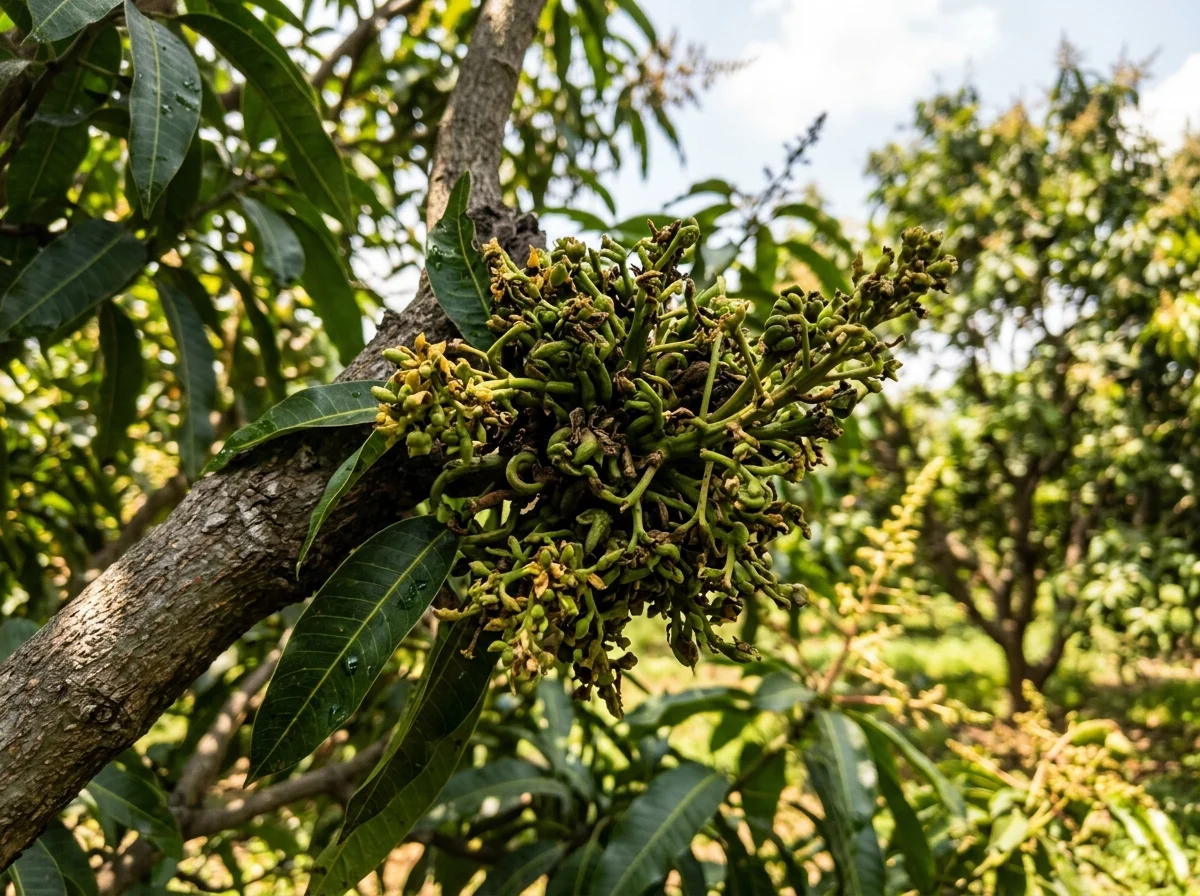
9. Mango Malformation (Fusarium mangiferae)
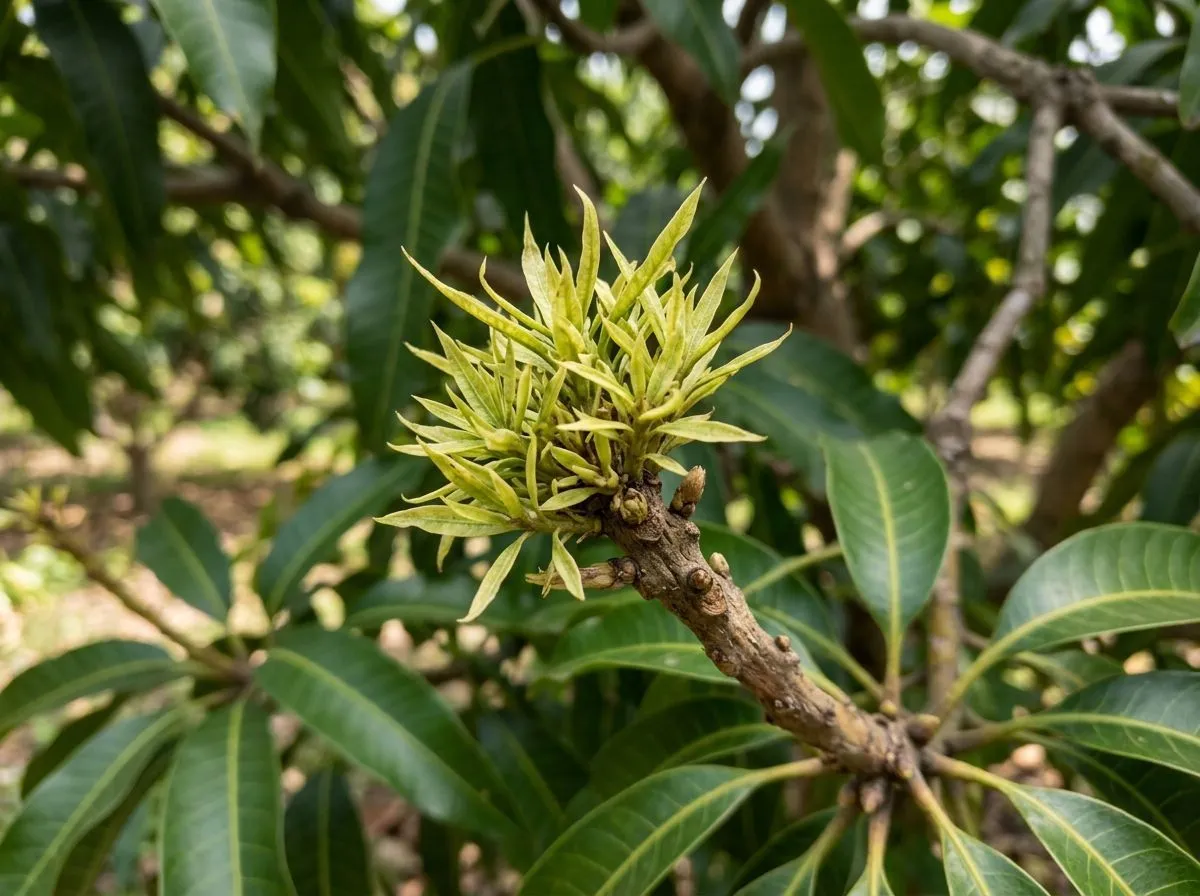
- Target Plant Organs: Vegetative shoot tips and floral inflorescences.
- Diagnostic Symptoms:
- Vegetative Malformation: Apical buds produce short, bunched, miniature shootlets with tiny leaves, forming a compact, dense "witches' broom" structure that halts normal vegetative growth.
- Floral Malformation: Normal, airy, branching flower panicles transform into gigantic, densely crowded, hypertrophied masses of thick green flower buds. These flowers remain sterile and set zero fruit.
- Management: Pruning malformed panicles along with 15–20 cm of healthy wood below the cluster, followed by immediate copper fungicide spray.
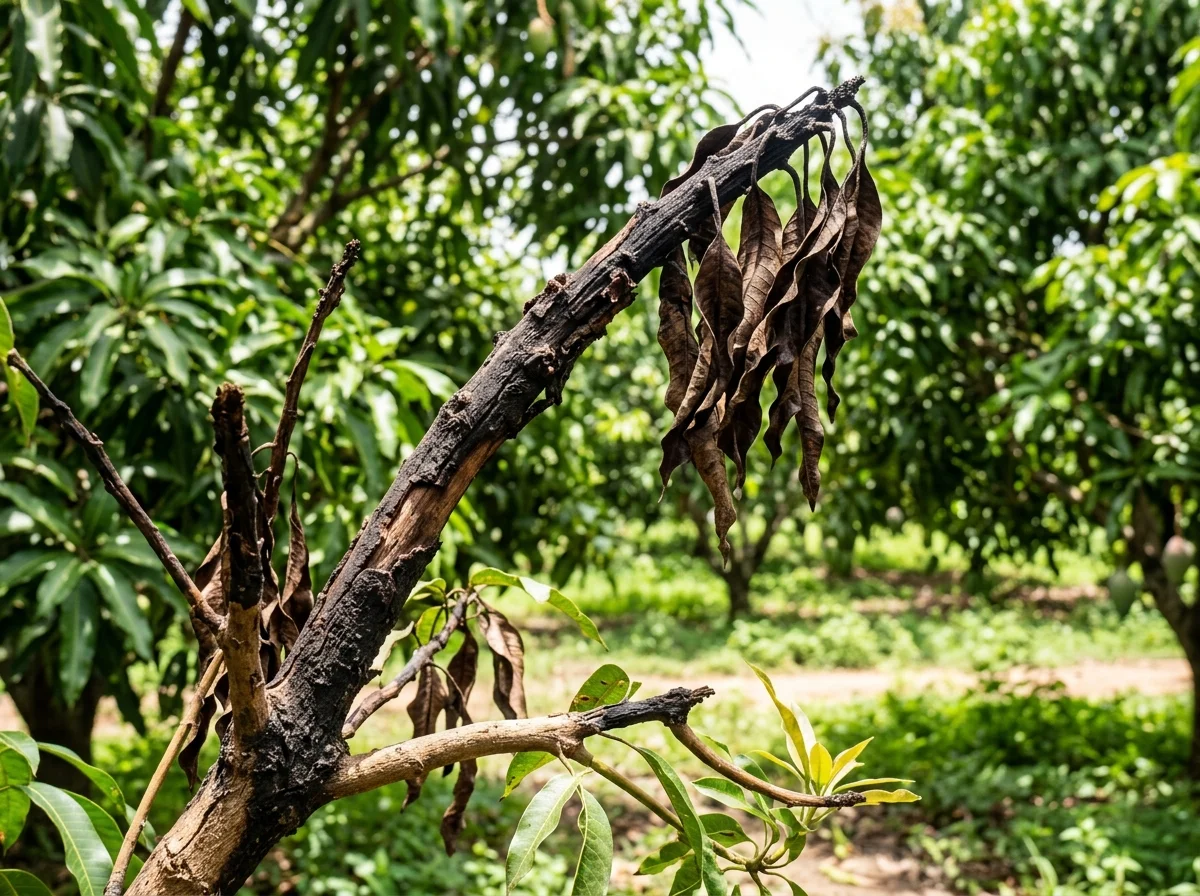
10. Mango Dieback Disease (Lasiodiplodia theobromae)
- Target Plant Organs: Twigs, upper branches, and canopy foliage.
- Diagnostic Symptoms: Begins as dark brown discoloration at the twig apex that progresses downward toward the main branch. Leaves turn brown, roll inward, wither, and die, but stubbornly remain attached to dead branches for months. Slicing affected wood reveals dark brown internal vascular discoloration.
- Management: Prune dead wood 5–8 cm into healthy green wood; seal cuts with Bordeaux paste.
The Scientific 3-Step Kitchen Safety & Sanitization Protocol
Can you safely enjoy mangoes during high-humidity monsoon harvest weeks? Follow these three evidence-based post-harvest food safety steps:
1. The Commercial Hot Water Treatment (HWT) at Home
Commercial exporters immerse mangoes in heated water to neutralize latent fungal spores before shipping. You can replicate this easily in your kitchen:- Submerge firm, unpeeled mangoes in a pot of warm water maintained at 52°C to 55°C (125°F to 131°F) for exactly 5 minutes.
- This heat threshold penetrates the outer 1 mm of peel, inactivating latent Colletotrichum (Anthracnose) mycelium without cooking the underlying pulp or destroying delicate fruit aromas.
- Remove, dry with a clean cotton towel, and store at room temperature until ripe.
2. The Separate Knife Protocol
Never slice directly through a diseased or moldy peel into the edible pulp!- Doing so drags fungal hyphae and bacteria from the peel directly into the clean internal pulp on the blade's edge.
- Always use one knife to peel away the skin and blemish patches. Wash your hands and use a second, clean sanitized knife to slice the pristine pulp.
3. Spotting Chemical Fungicide Residues
During wet harvest seasons, some growers spray copper oxychloride or carbendazim shortly before picking:- Look for powdery chalky-white or bluish-green rings around the stem cavity.
- If present, never bite into the peel. Soak the fruit in a 2% salt-water solution for 10 minutes, scrub gently under running water, and peel generously.
- For complete home food safety verification, review our companion guide on Home Food Safety Tests.
Cultivar Vulnerability Index: Which Varieties Face the Highest Risk?
Not all mango cultivars possess equal genetic resistance to diseases and physiological stress:
| Mango Cultivar | Highest Disease / Disorder Vulnerability | Terroir Resistance Strengths | Recommended Buyer's Caution |
|---|---|---|---|
| Alphonso (Hapus) | Spongy Tissue (very high); Stem-End Rot; Powdery Mildew | Exceptional aroma and sugar synthesis | Avoid low-hanging, ground-baked late fruits |
| Kesar | Bacterial Canker; Fruit Fly in late rains | Moderate tolerance to anthracnose | Inspect stem-end for sap fissures |
| Dasheri | Mango Hopper attack; Internal Boron Necrosis | High resistance to spongy tissue | Check core near seed for black corkiness |
| Langra | Highly susceptible to Anthracnose & Bacterial Canker | Tolerant to fruit fly punctures | Peel generously past superficial tear stains |
| Chausa | Sooty Mold; Late-season Fruit Fly | Exceptionally high Brix sugars | Inspect softening spots for oviposition holes |
| Banganapalli | Stem-End Rot; Fruit Fly larvae | Good shipping durability | Strictly discard if stem button turns charcoal-black |
| Neelum | Stone Weevil (highest among Indian mangoes) | High resistance to drought and poor soils | Always cut around seed to verify clean core |
| Totapuri | Anthracnose peel spotting; Thrips scarring | Very hardy; resilient tree architecture | Ideal for processing after peeling |
| Amrapali | Bacterial Canker; Malformation | Resistant to Powdery Mildew; high carotene | Prune malformed flower panicles early |
For complete seasonal procurement timelines and harvesting regions, consult our companion Mango Season Calendar 2027.
Diagnose Any Mango Defect Instantly with BioLens AI
Unsure whether a black spot on your mango is harmless superficial sooty mold or dangerous internal stem-end rot?
Launch the BioLens Plant Disease Identifier or our specialized BioLens Mango Scanner. Take a clear close-up photo of the affected leaf, stem, or fruit peel. BioLens instantly diagnoses the pathogen, provides an edibility safety verdict, and recommends targeted organic or chemical treatments to safeguard your harvest.
Plant Disease & Pest Identifier
Snap or upload a clear photo of infected leaves, stems, or crop panicles to receive an instant AI disease diagnosis, severity score, and organic treatment recommendations.