Why the Same Mango Has 10 Different Names
If you have ever argued with a vendor about whether 'Hapus' and 'Alphonso' are the same mango — you are not alone. India grows over 1,500 mango varieties, but a handful of elite cultivars dominate the market under wildly different regional names. The same fruit can be called Badami in Karnataka, Gundu in parts of Tamil Nadu, and Alphonso everywhere else. Understanding this linguistic geography is the key to buying the right mango, wherever you are in the country.
The Identity Problem: One Mango, Many Passports
India's mango culture is deeply regional. Each state developed its own naming tradition over centuries, often based on local agriculture heroes, the district of origin, or the physical appearance of the fruit. When a mango crosses state lines for trade, it often picks up a new name — sometimes confusing consumers who assume they are buying a different variety entirely.
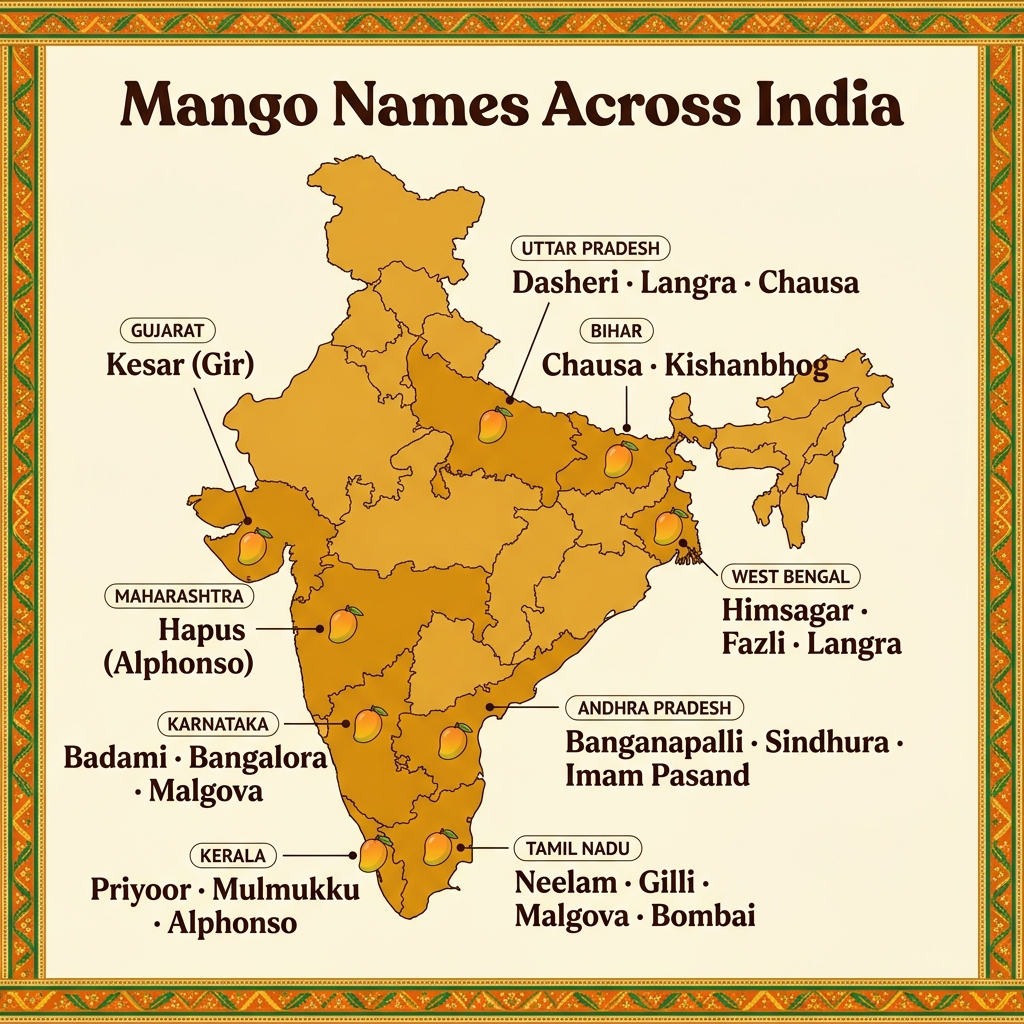
The Master Reference Table: Regional Mango Names Decoded
| Variety (Trade Name) | Maharashtra | Karnataka | Tamil Nadu | Andhra Pradesh | West Bengal | Kerala | Gujarat | UP / Bihar |
|---|---|---|---|---|---|---|---|---|
| Alphonso | Hapus | Badami | Oman Manga | — | — | Alphonso | — | — |
| Kesar | Kesar | Gir Kesar | — | — | — | — | Kesar (Gir) | — |
| Banganapalli | Safeda (loose) | Banganapalli | Banganapalli | Banganapalli | Fazli (loose) | — | — | Safeda |
| Totapuri | — | Bangalora | Gilli / Totapuri | Bangalora | — | — | — | — |
| Malgova | — | Malgova | Malgova | Malgova | — | Malgova | — | — |
| Sindhuri | — | Sindhura | Senduram | Sindhura | — | — | — | — |
| Imam Pasand | — | — | Himayat | Imam Pasand | — | — | — | — |
| Neelam / Neelum | Neelam | Neelum | Neelam | Neelam | Neelam | Neelam | — | — |
| Himsagar | — | — | — | — | Himsagar | — | — | Kishanbhog |
| Dasheri | — | — | — | — | — | — | — | Dasheri |
| Langra | — | — | — | — | Langra | — | — | Langra |
| Chausa | — | — | — | — | — | — | — | Chausa |
| Fazli | — | — | — | — | Fazli | — | — | Fazli |
| Bombai | — | — | Bombai | — | — | Bombai | — | — |
| Priyoor / Mulmukku | — | — | Mulmukku | — | — | Priyoor | — | — |
Deep Dive: India's 5 Most Confusingly Named Mangoes
1. Alphonso — The King with Many Crowns
Hapus is the Marathi name for Alphonso, and it is the name you will hear in every Mumbai market from April to June. Named after the Portuguese explorer Afonso de Albuquerque who first cultivated it in Goa, this variety's original Konkani/Goan identity was gradually replaced by its Anglicised trade name. Travel to Karnataka, and the very same mango is sold as Badami — named for its almond-like (badam) seed shape. The taste profile is identical: rich saffron-orange flesh, low fibre, and a complex floral aroma that no other variety matches.
Where to buy the authentic version: Look for GI-tagged Hapus from Devgad or Ratnagiri districts in Maharashtra. These bear a government traceability sticker and are never sold for less than ₹800–1,200 per dozen.
2. Banganapalli — The People's Mango
In Andhra Pradesh, this is simply Benishan or Banganapalli, named after the town of Banganapalle in Kurnool district. Travel north to Delhi or Lucknow, and street vendors call it Safeda — referring to its pale yellow skin. In some West Bengal markets, it gets confused with Fazli due to its size. Despite the identity crisis, Banganapalli remains one of India's most widely exported mangoes. The flesh is a rich golden-yellow, mildly sweet with almost no fibre — making it ideal for the mango milkshakes sold across South India.
3. Totapuri — The Parrot-Beak Paradox
This unmistakable mango — elongated with a distinctive hooked beak at the tip — is called Bangalora in Karnataka (named after the city), Gilli in Tamil Nadu (referring to the parrot-beak shape), and Totapuri (literally "parrot-face" in Hindi) across the rest of India. It is the mango most commonly used in commercial mango pulp and juices because of its high flesh-to-seed ratio and firm texture. Unlike Alphonso, it does not have a strong fragrance, making it the unsentimental workhorse of the mango world.
4. Himsagar vs. Kishanabhog — Bengal's Twin Controversy
In West Bengal, Himsagar is revered with the same devotion Maharashtrians reserve for Hapus. It has a deep orange flesh, is almost fibre-free, and has an intoxicatingly sweet, honeyed aroma. The confusion arises because Kishanbhog — a different variety from Murshidabad — looks nearly identical to Himsagar at a glance. Vendors often sell Kishanbhog as Himsagar at premium prices. The reliable test: Himsagar has a more pronounced aroma and its skin develops small yellow dots when ripe, while Kishanbhog remains uniformly green-yellow.
5. Sindhuri / Sindhura — The Red Mango
This variety is celebrated for its striking crimson-red blush — unusual in a country where most premium mangoes are yellow or orange. In Karnataka and Andhra Pradesh, it is sold as Sindhura. In Tamil Nadu markets, it sometimes appears as Senduram. Despite its visual drama, Sindhuri is a medium-quality variety — best used fresh rather than for pulp — and is a favourite of local sweet shops for its vibrant natural colour.
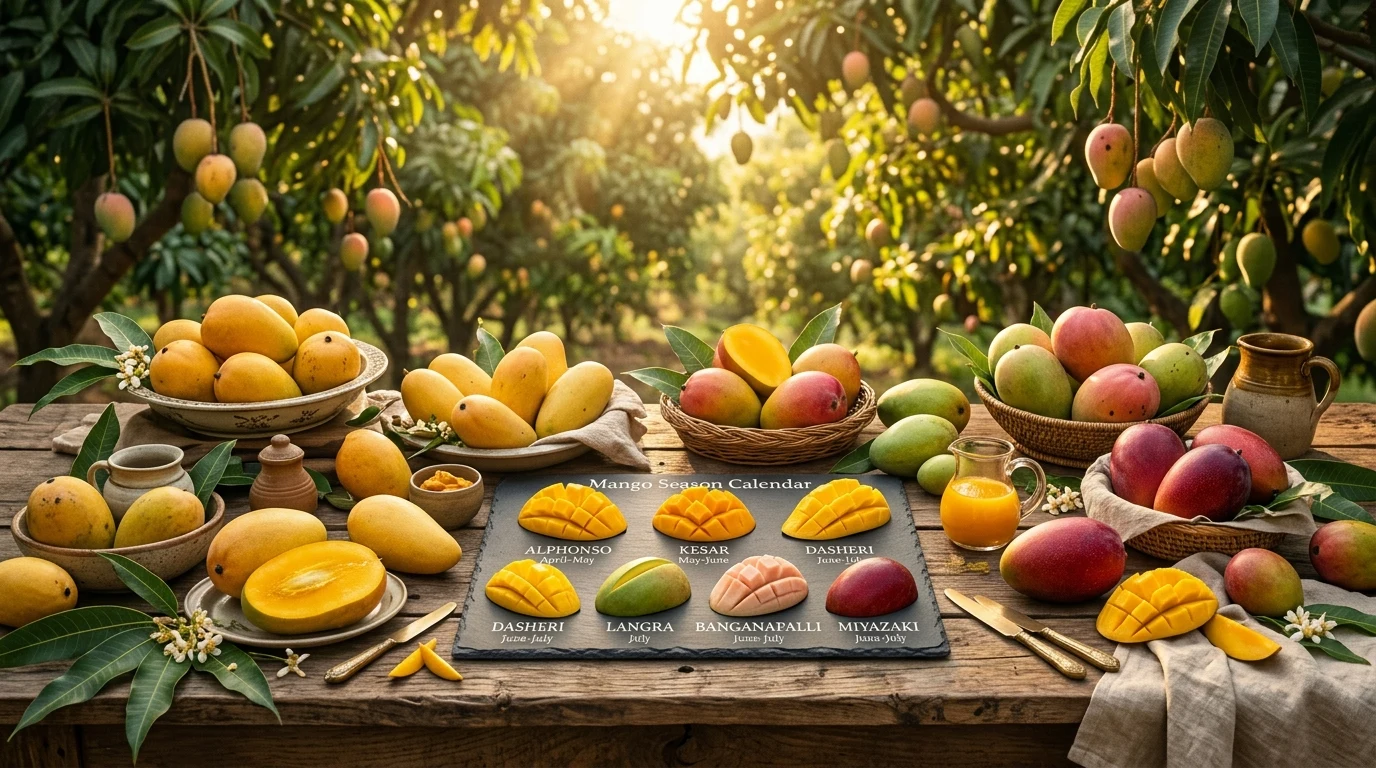
The Seasonal Calendar: When to Buy Which Mango
| Month | Best Available Varieties | Peak States |
|---|---|---|
| March–April | Early Neelam, Bombai, Mulmukku | Tamil Nadu, Kerala, Andhra Pradesh |
| April | Alphonso (Hapus), Kesar | Maharashtra, Gujarat |
| April–May | Sindhuri, Imam Pasand, Totapuri | Andhra Pradesh, Karnataka |
| May | Banganapalli, Malgova, Priyoor | Karnataka, Andhra Pradesh, Kerala |
| May–June | Totapuri (peak), Langra (early) | Karnataka, Uttar Pradesh |
| June | Dasheri, Langra | Uttar Pradesh |
| June–July | Himsagar, Kishanbhog | West Bengal |
| July–August | Neelam / Neelum (late season peak), Chausa | Tamil Nadu, Andhra Pradesh, Bihar |
| August | Fazli | West Bengal, Bihar |
How to Identify Your Mango Variety Using BioLens
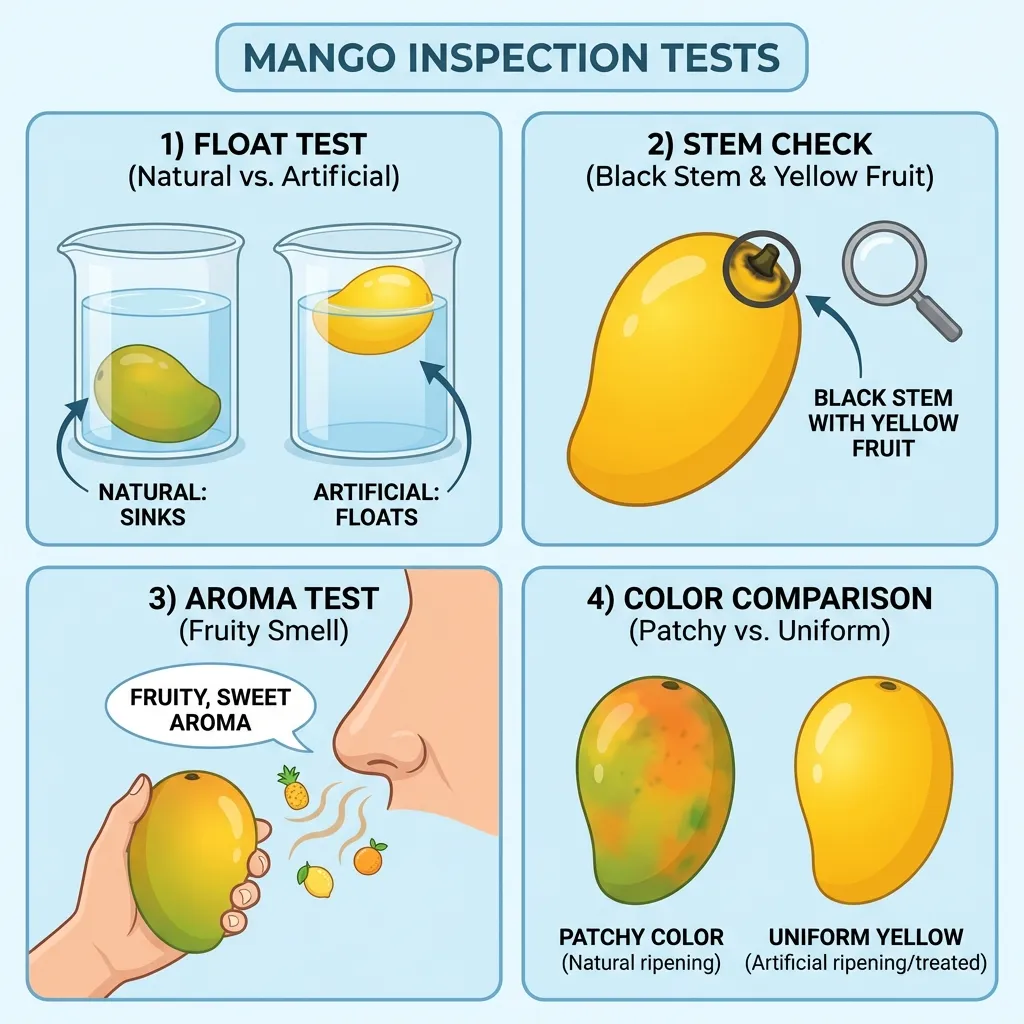
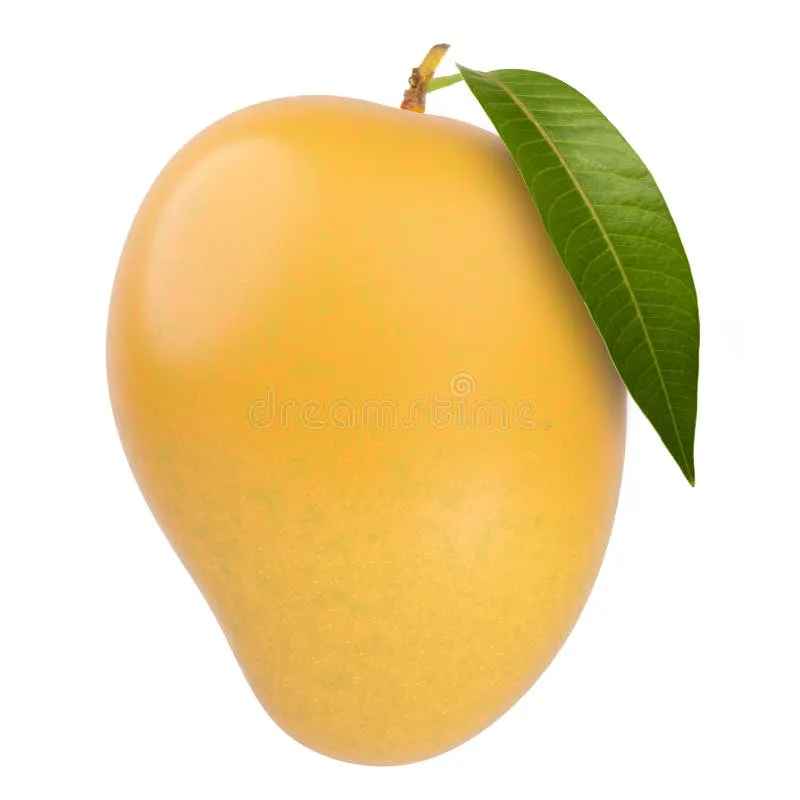
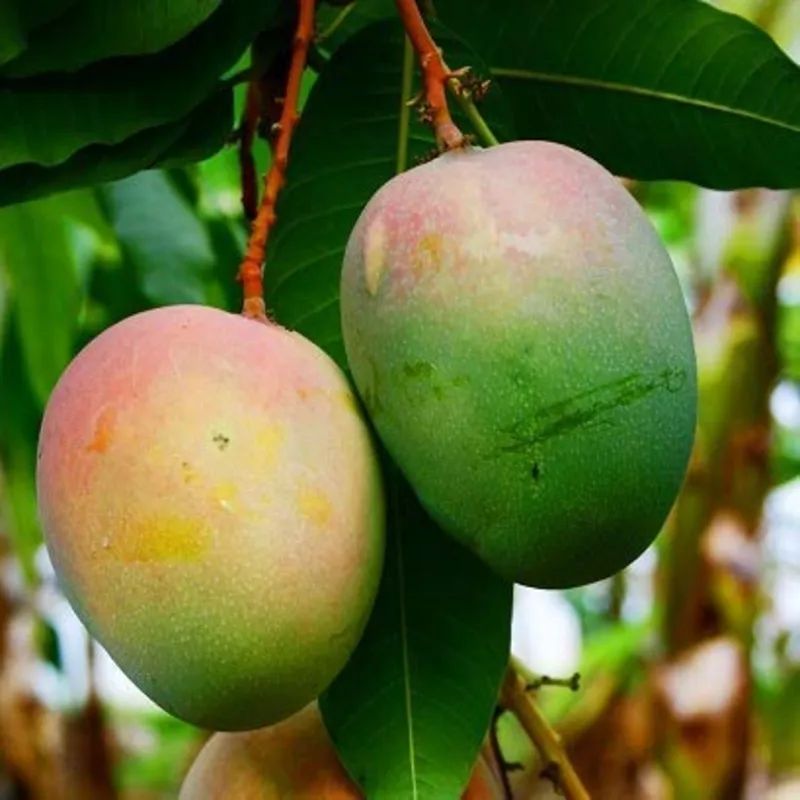
Bought a mango from a local vendor who could not tell you its variety? The BioLens Mango Identifier uses AI to analyse the shape, skin texture, colour profile, and beak structure to identify the variety with high accuracy — and links you directly to its regional name and growing profile.
Identify Your Mango Variety
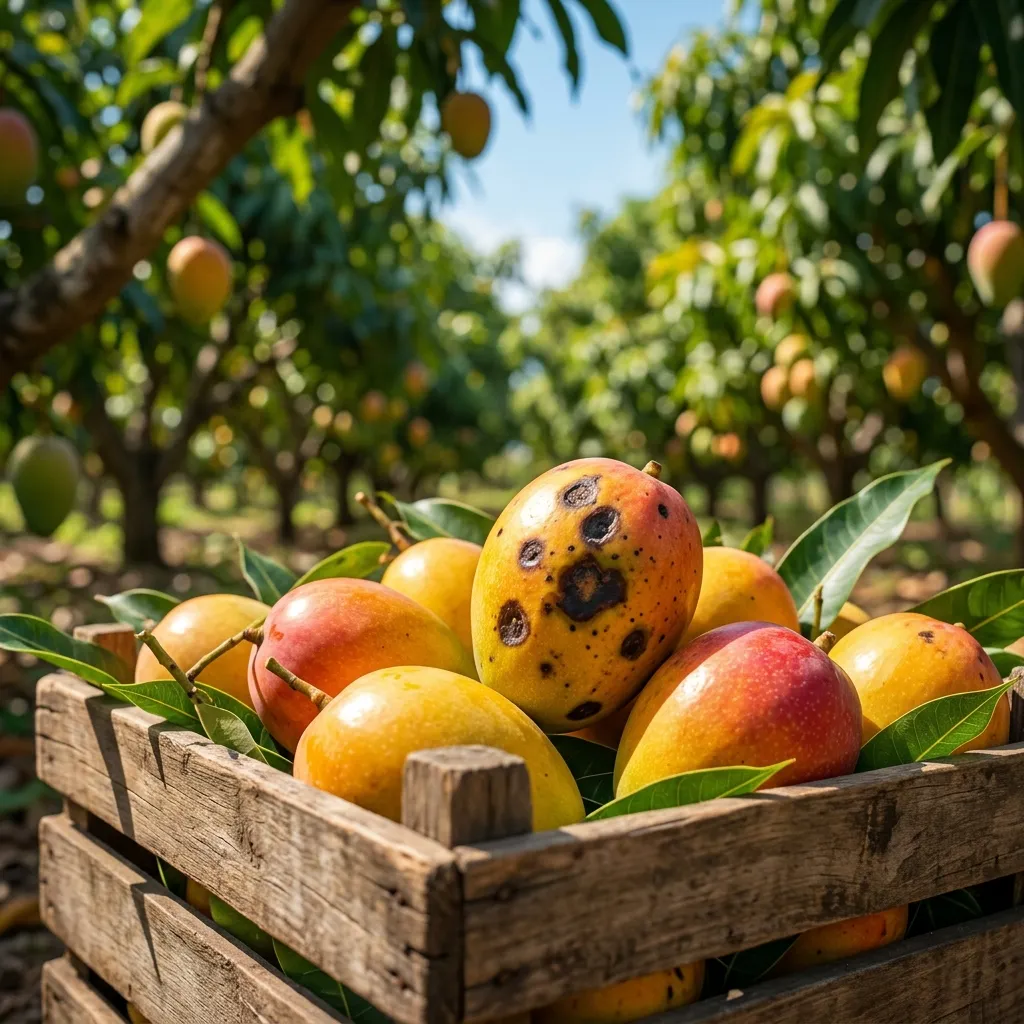
Snap or upload any mango from your local mandi, supermarket crate, or orchard tree. BioLens accurately classifies the cultivar, estimates Brix sweetness, and detects surface fungal rot or artificial carbide ripening anomalies.
The Collector's Tip: Buy by Region, Not by Name
The most reliable approach when buying mangoes is to ask for the origin district, not just the variety name. A Hapus from Ratnagiri is fundamentally different from an Alphonso grown inland. A Kesar from Gir is unlike any other Kesar. Regional terroir — the combination of soil minerals, coastal humidity, and rainfall — shapes flavour in ways that variety alone cannot predict. When in doubt, ask the vendor to point to the source district on a map. If they cannot, assume it is a generic variety being sold under a premium name.